 English
 Español
 Deutsch
-
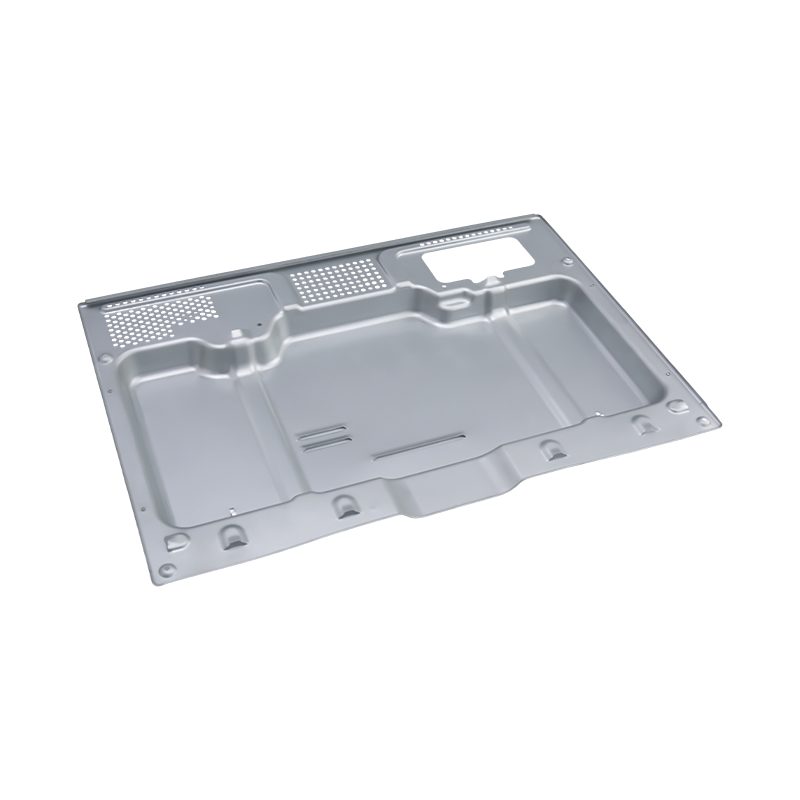
High-end oven stamping parts
Our High-end oven stamping parts are precision-man...
-
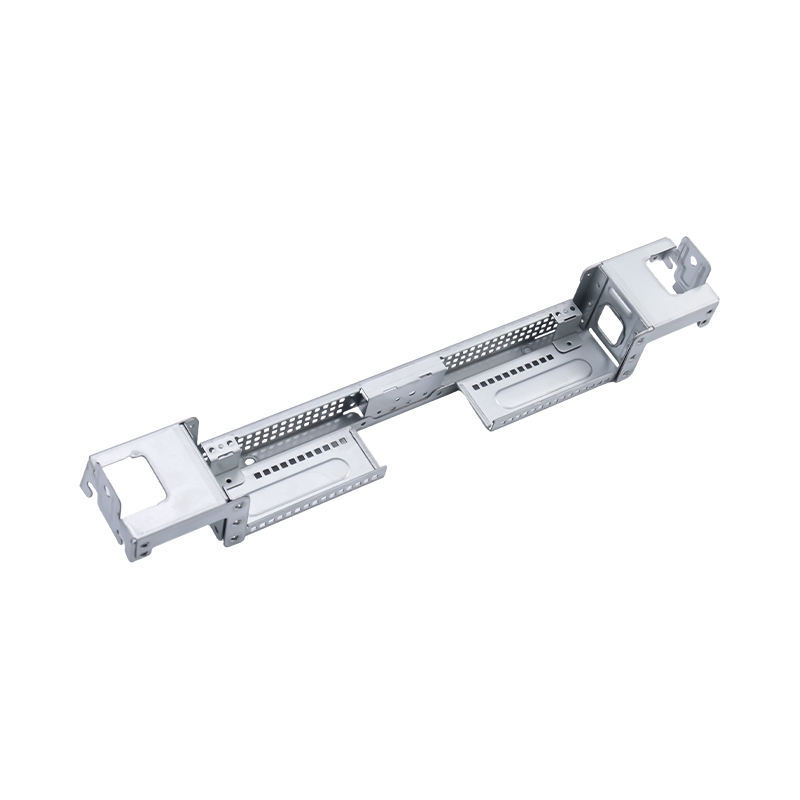
High-end large computer stamping parts
Our High-end large computer stamping parts are pre...
-
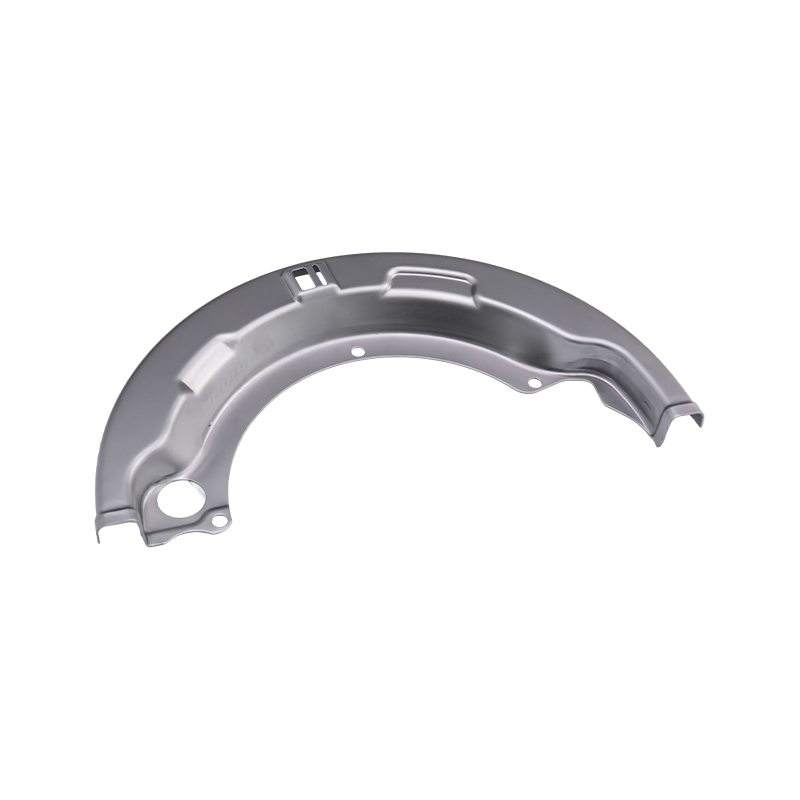
Heavy truck stamping parts
Our Heavy truck stamping parts are precision-manuf...
-
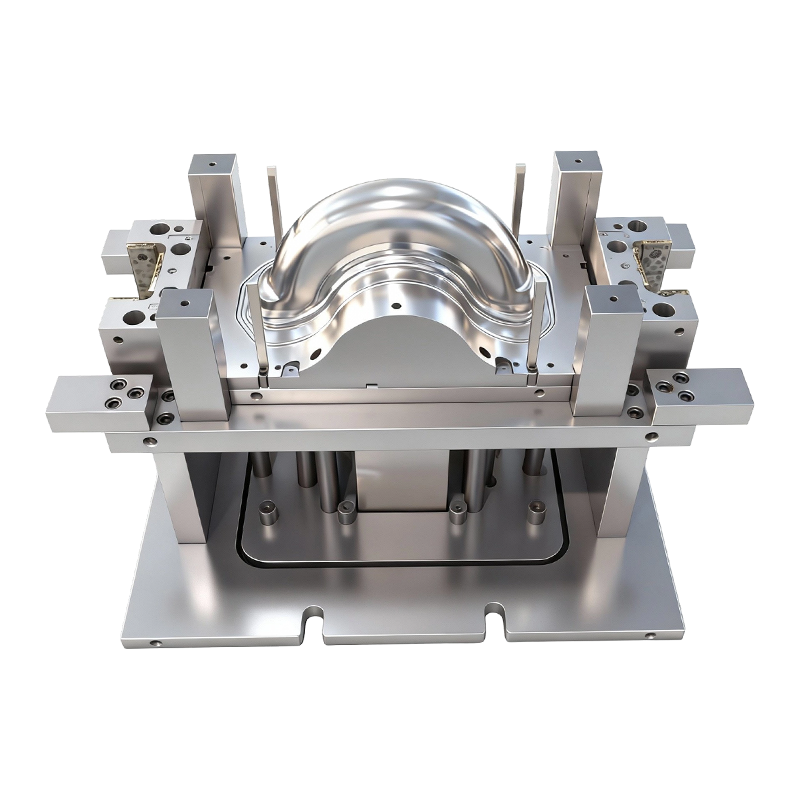
Deep drawing mold for front and rear wheels of two-wheeled electric vehicles
This Deep drawing mold for front and rear wheels o...
-
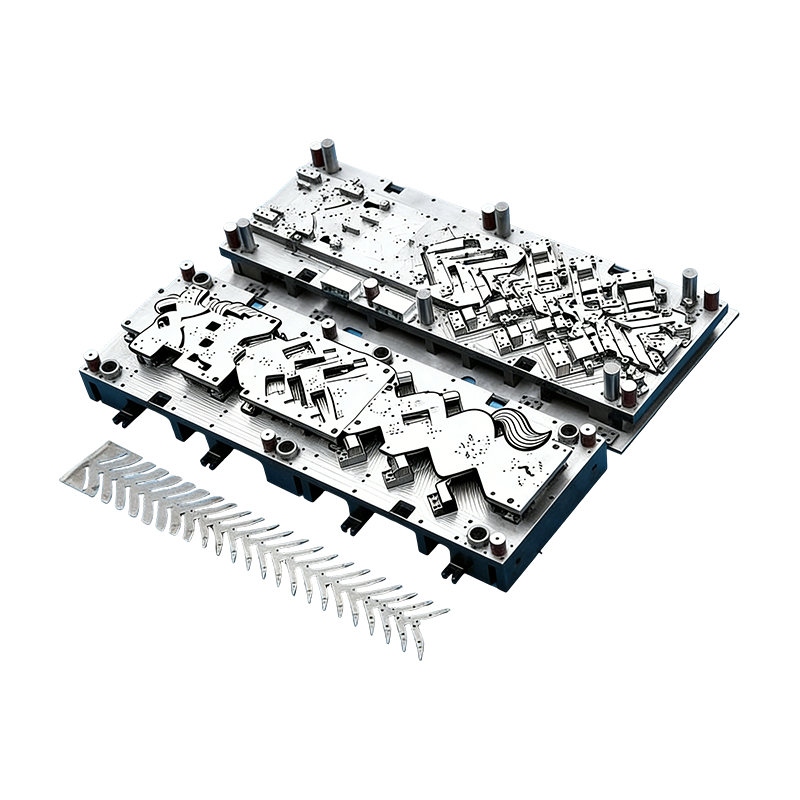
Progressive molds for automotive parts
This Continuous mold for automotive motor housing ...
- E-mail us: [email protected]
- Call us: +86-139 1308 8972

Zhou Mengjie – Technical Sales Specialist
Home / Author / Zhou Mengjie – Technical Sales Specialist / High-Strength Heavy Truck Stamping Parts for Reliable Commercial Vehicle Performance
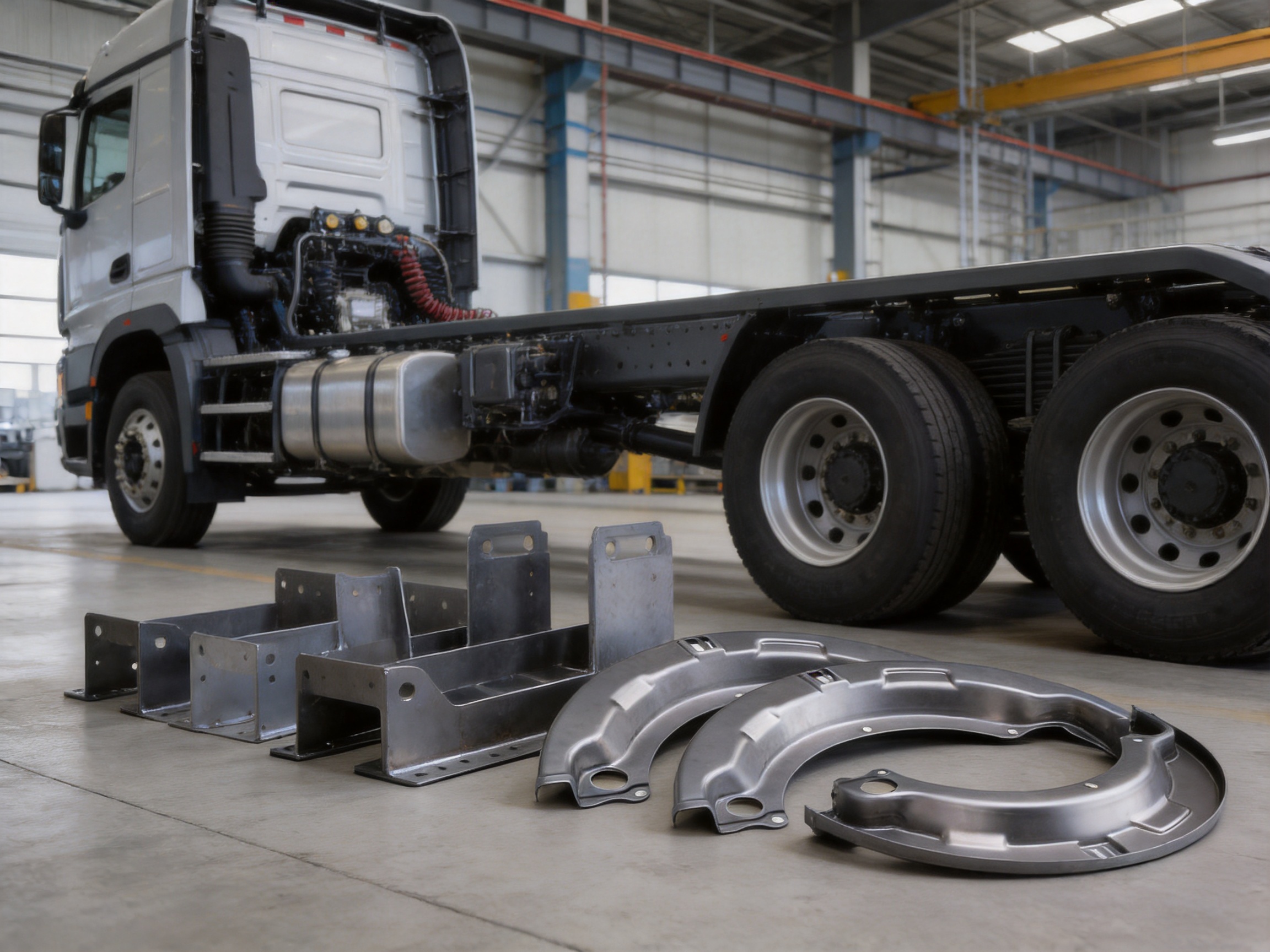
High-Strength Heavy Truck Stamping Parts for Reliable Commercial Vehicle Performance
2026-08-04
Heavy-duty trucks operate in some of the most demanding transportation environments in the world. They carry substantial payloads, travel long distances, operate on uneven roads, and remain exposed to vibration, impact, dust, moisture, temperature changes, road salt, and industrial contaminants. In these conditions, every structural and supporting component must deliver dependable performance over an extended service life. Heavy truck stamping parts play an important role in meeting these demands because they provide the strength, dimensional accuracy, and production consistency required for commercial vehicle assemblies.
Heavy truck stamping parts are precision-manufactured components produced primarily from high-strength steel plates through advanced cold stamping processes. Typical applications include frame brackets, suspension connecting plates, engine mounting supports, reinforcement plates, and other structural or load-bearing components. These parts are designed to integrate smoothly with original truck assemblies while maintaining accurate geometry under continuous mechanical stress.
Compared with general-purpose stamped components, heavy truck stamping parts require more rigorous material selection, die design, forming control, dimensional inspection, and surface protection. A minor deviation in a mounting hole, bending angle, or contact surface can affect assembly alignment, vibration behavior, load transfer, or the service life of connected components. For this reason, professional production requires a coordinated system that covers engineering design, precision tooling, stamping, inspection, finishing, and customer support.
Suzhou Shuangqisi Mold Equipment Co., Ltd. provides heavy truck stamping parts together with stamping die design, die manufacturing, and stamping automation capabilities. This integrated approach allows the supplier to control more stages of the production process internally, helping customers obtain consistent products, stable delivery schedules, and practical solutions for both original equipment and aftermarket applications.
Heavy truck stamping parts
Content
- 1 What Are Heavy Truck Stamping Parts?
- 2 Material Selection for Commercial Vehicle Applications
- 3 Advanced Cold Stamping Technology
- 4 Precision Stamping Die Design and Manufacturing
- 5 Integrated Manufacturing Capability
- 6 Product Advantages Compared with Conventional Alternatives
- 7 Quality Control from Material to Finished Part
- 8 Application Areas in Heavy-Duty Vehicles
- 9 Engineering Support for Customized Components
- 10 Stamping Automation and Production Efficiency
- 11 Why Supplier Integration Matters
- 12 Durability and Service-Life Considerations
- 13 Cost and Total-Value Benefits
- 14 Recommended Customer Qualification Process
- 15 Product and Manufacturing Summary
- 16 Q&A: Heavy Truck Stamping Parts
- 16.1 What are the main advantages of heavy truck stamping parts?
- 16.2 Which heavy truck components can be manufactured by stamping?
- 16.3 Why is high-strength steel suitable for heavy-duty truck parts?
- 16.4 How does cold stamping improve production consistency?
- 16.5 What inspections are important for heavy truck stamping parts?
- 16.6 Can the parts be customized according to customer drawings?
- 16.7 What is the benefit of obtaining dies and stamped parts from one supplier?
- 16.8 Can stamping automation be supplied with the parts and dies?
- 16.9 Are stamped parts suitable for aftermarket truck service?
- 16.10 How should customers begin a new heavy truck stamping project?
- 17 Conclusion
- 18 References
- 19 Product: Heavy truck stamping parts
What Are Heavy Truck Stamping Parts?
Heavy truck stamping parts are formed metal components used in commercial vehicles with demanding load, durability, and safety requirements. They are made by placing metal sheet into a stamping die and applying controlled pressure with a punch press. Depending on the geometry of the component, the manufacturing sequence may include blanking, piercing, bending, drawing, flanging, forming, trimming, and calibration.
The resulting parts can be produced with a high degree of repeatability. Their shape, hole position, angle, surface profile, and overall dimensions are controlled by the die structure and process parameters. This makes stamping especially suitable for parts that must be manufactured in medium or large quantities while maintaining compatibility across multiple truck assemblies.
Many heavy truck components require both structural strength and efficient material utilization. Stamping provides a practical balance between these requirements. It can create reinforcing ribs, stepped profiles, formed edges, and complex mounting features without assembling several separate pieces. A well-designed stamped component may therefore reduce part count, simplify assembly, and improve the consistency of load transfer.
Heavy truck stamping parts are commonly used in the following applications:
Frame brackets support or connect structural members within the chassis. They must withstand static loading, dynamic forces, and repeated vibration while preserving the alignment of connected components.
Suspension connecting plates transfer forces between suspension assemblies and the vehicle frame. Their geometry and hole locations are critical to suspension movement, wheel alignment, and long-term durability.
Engine mounting supports help secure the powertrain to the chassis. They are exposed to engine vibration, torque reaction, thermal changes, and road shock, making strength and dimensional stability particularly important.
Reinforcement plates and support components increase the stiffness of selected areas without requiring an unnecessarily heavy assembly. Their formed profiles help distribute loads and reduce local stress concentration.
Custom brackets and mounting components connect auxiliary systems, fuel systems, exhaust-related equipment, electrical modules, and other commercial vehicle components. These parts may require special geometries or customer-specific hole patterns.
Material Selection for Commercial Vehicle Applications
The material used for a heavy truck stamping part directly affects its strength, formability, fatigue resistance, corrosion behavior, and production stability. High-strength steel plates are commonly selected when a component must carry substantial loads without excessive thickness or weight. The specific grade depends on the application, forming depth, required yield strength, expected stress level, and customer specifications.
Material selection is not simply a matter of choosing the strongest available steel. Excessively hard material may increase springback, cracking risk, tool wear, and forming difficulty. A successful production process must balance strength with formability. The selected sheet must support the required shape while maintaining reliable performance during service.
For structural brackets and suspension-related components, the material must resist repeated loading. Commercial trucks often travel for many hours each day, and their components may experience millions of vibration cycles during their service life. A material with suitable fatigue properties, combined with appropriate corner radii and formed geometry, can help reduce the risk of crack initiation.
Material thickness uniformity is also important. Variations in sheet thickness can influence forming behavior, dimensional accuracy, weld compatibility, and final strength. Stable incoming material control helps ensure that parts made during different production batches maintain consistent performance.
In addition to mechanical properties, surface condition matters. Clean and uniform steel surfaces can improve forming stability and reduce the risk of scratches, scale, or localized defects. When parts require anti-corrosion treatment, a controlled surface condition also supports more reliable coating or finishing results.
Advanced Cold Stamping Technology
Cold stamping forms steel sheet at room temperature using mechanical force. It is widely used for automotive and heavy truck components because it offers high productivity, repeatable geometry, and efficient use of material. When the process is properly engineered, cold stamping can produce parts with smooth edges, consistent profiles, and accurate mounting features.
The quality of a cold-stamped part depends on the relationship between the material, the die, the press, the lubrication system, and the forming sequence. These factors must be evaluated together rather than managed independently. A die that is suitable for one material grade or thickness may not produce the same result with another material.
Blanking creates the initial outline of the component. Accurate blank dimensions are essential because an unsuitable blank can cause insufficient material in a formed area, excessive wrinkling, or poor edge quality. Piercing creates holes and slots used for bolts, pins, locating features, and assembly connections. Their position must be controlled carefully because even a small deviation can affect installation.
Bending and forming operations establish the three-dimensional profile of the part. Formed ribs, flanges, and reinforcing features can improve rigidity and distribute loads. The die must provide appropriate radii and forming clearances to prevent cracking, distortion, or excessive springback.
Trimming removes unwanted material after forming. Calibration or restriking may then be used to improve dimensional accuracy and stabilize critical surfaces. These operations are particularly valuable when a part includes several bends or when high-strength steel creates greater elastic recovery after forming.
A multi-step process may be used when the component has complex geometry. Dividing the work into controlled stages can reduce forming stress and improve process stability. It also allows engineers to monitor the most sensitive features, including deep bends, narrow flanges, close-tolerance holes, and mounting surfaces.
Precision Stamping Die Design and Manufacturing
The stamping die is the central tool that determines the final shape and repeatability of a heavy truck stamping part. Die design must account for the material grade, sheet thickness, forming sequence, required tolerances, press capacity, production volume, part handling, and maintenance requirements.
For heavy truck components, die construction must be sufficiently robust to withstand repeated high-load cycles. Working surfaces must be accurately machined, properly aligned, and finished to limit wear and protect the part surface. Guide systems, cutting edges, inserts, and forming blocks must be engineered for reliable operation.
Die development begins with an evaluation of the product geometry. Engineers identify functional surfaces, load-bearing areas, hole locations, bend lines, potential stress concentrations, and areas that may be difficult to form. They then determine the most suitable blank shape and forming sequence. This stage is important because a poor process concept can create problems that cannot be solved through simple press adjustments.
Precision machining is used to produce die components and functional surfaces. CNC machining centers support accurate milling of complex profiles, while wire cutting machines can produce precise contours, inserts, and narrow features. Grinding machines are used to achieve the required flatness, surface finish, and dimensional accuracy on selected die components.
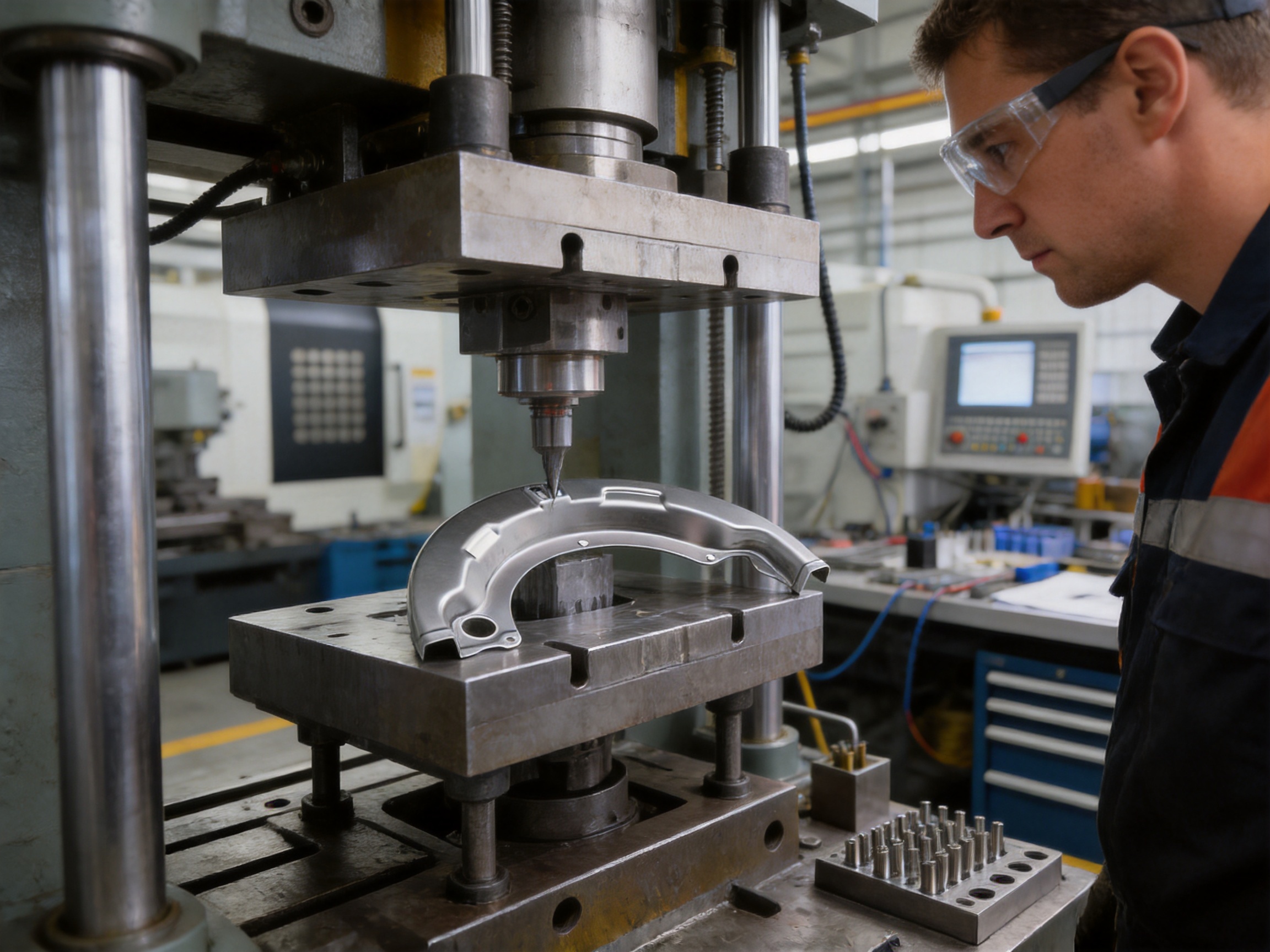
After machining, die components are assembled and checked for fit, alignment, movement, and contact. Trial stamping is then performed to evaluate the actual forming result. Engineers inspect the trial parts for wrinkles, cracks, burrs, dimensional deviations, springback, and surface marks. Adjustments may include modifying clearances, polishing working surfaces, refining forming transitions, changing blank-holder conditions, or revising the process sequence.
This tryout and debugging stage is particularly important for high-strength steel. The material may show greater springback than mild steel, and the final dimensions may change after unloading from the die. Controlled correction of the die allows the production team to obtain more accurate results without compromising the component’s structural integrity.
Integrated Manufacturing Capability
A key advantage of an integrated supplier is the ability to coordinate stamping die production and stamped-part manufacturing within one technical system. Instead of separating tool design, die production, trial forming, and mass production among unrelated vendors, the customer can work with one organization that understands the complete process.
Suzhou Shuangqisi Mold Equipment Co., Ltd. integrates stamping die design, die manufacturing, stamping production, and automation-related capabilities. The company has a technical team of approximately 60 employees and more than 15 years of experience in the mold industry. Its equipment includes imported wire cutting machines, CNC machining centers, more than 10 grinding machines of different sizes, and 25 punch presses ranging from 80 tons to 400 tons.
This equipment range supports the production of different sizes and types of stamping dies and metal parts. Press capacity must be matched to the part’s material, projected area, forming requirements, and production sequence. The availability of presses from 80 tons to 400 tons allows the manufacturer to handle both relatively compact components and larger structural parts requiring greater forming force.
The company’s technical personnel include senior operators and experienced debugging staff. Their practical knowledge is valuable because stamping quality depends not only on machine specifications but also on setup accuracy, die adjustment, material handling, lubrication, and timely response to process variation.
Integrated capabilities can also shorten communication cycles. When a customer requests a design revision, the same technical group can review the effect on the die, production process, inspection method, and delivery schedule. This reduces the risk of misunderstandings between separate engineering and manufacturing organizations.
For customers developing new truck components, this approach supports a more efficient transition from drawing review to prototype, trial production, and repeat manufacturing. For aftermarket customers, it provides a practical route for reproducing replacement components or adapting an existing design to current material and production requirements.
Product Advantages Compared with Conventional Alternatives
Consistent Structural Performance
Heavy truck stamping parts are designed to maintain stable mechanical performance across repeated production cycles. The controlled forming process produces consistent thickness, bend geometry, hole placement, and load-bearing profiles. This consistency is important for parts that must work as part of a larger chassis or powertrain system.
Compared with manually fabricated brackets, precision-stamped components generally offer more uniform geometry and less variation between pieces. Manual fabrication may involve multiple cutting, bending, and welding steps, each of which can introduce dimensional differences or residual distortion. Stamping consolidates many operations into a controlled die-based process.
Efficient Material Utilization
Die design allows engineers to optimize blank layouts and reduce unnecessary material waste. When production volumes justify dedicated tooling, stamping can achieve a lower material and labor cost per part than many low-volume fabrication methods. Efficient use of high-strength steel also helps support weight-conscious vehicle design.
A lighter component is not automatically a better component, but optimized geometry can provide the required strength without adding unnecessary mass. Properly designed ribs, flanges, and formed sections often improve stiffness more efficiently than simply increasing thickness.
Accurate Assembly Compatibility
Commercial vehicle components must fit with existing frame, suspension, engine, and body assemblies. Accurate mounting holes, controlled bend angles, and stable contact surfaces help minimize installation difficulty. Consistent dimensions also reduce the need for manual rework during assembly or aftermarket replacement.
Original equipment manufacturers benefit from repeatable interfaces across production batches. Service providers benefit from replacement parts that can be installed with fewer modifications. In both cases, dimensional accuracy contributes to lower labor costs and improved customer satisfaction.
Resistance to Vibration and Impact
Heavy trucks encounter continuous vibration from the engine, drivetrain, suspension, road surface, and payload. They may also experience sudden impact when operating on rough roads, construction sites, loading areas, and unpaved routes. Stamped components with suitable material strength and formed reinforcement features can resist these repeated forces.
Rounded forming transitions and well-controlled edges help reduce stress concentration. Properly designed mounting areas distribute forces across a wider region and reduce the chance of localized deformation. These design benefits are especially important for brackets and supports that connect systems with different stiffness characteristics.
Stable Surface Quality
Advanced stamping processes can produce smooth edges and uniform surfaces when the die clearance, cutting condition, and forming parameters are properly controlled. Reduced burrs and consistent edge quality support safer handling and more reliable assembly.
Surface quality also affects corrosion protection. A clean and uniform surface provides a better foundation for subsequent anti-corrosion treatment, coating, or painting. This is valuable for components operating beneath the vehicle, where exposure to water, mud, salt, and road debris is frequent.
Scalable Production
Once a die has been validated, stamping can support repeatable production at a scale suitable for truck manufacturers, component suppliers, and aftermarket distributors. The process can be organized for prototype quantities, small production batches, or larger recurring orders, depending on the tooling and press arrangement.
Scalable production helps customers maintain consistent part availability. It can also support vehicle platform changes, replacement-part programs, and regional supply requirements without changing the fundamental product quality standard.
Quality Control from Material to Finished Part
Reliable heavy truck stamping parts require quality control at every stage rather than only at final inspection. Incoming materials should be checked against the relevant specifications, including grade, thickness, surface condition, and identification records. Material traceability helps link finished parts to their production batches and supports effective problem investigation when necessary.
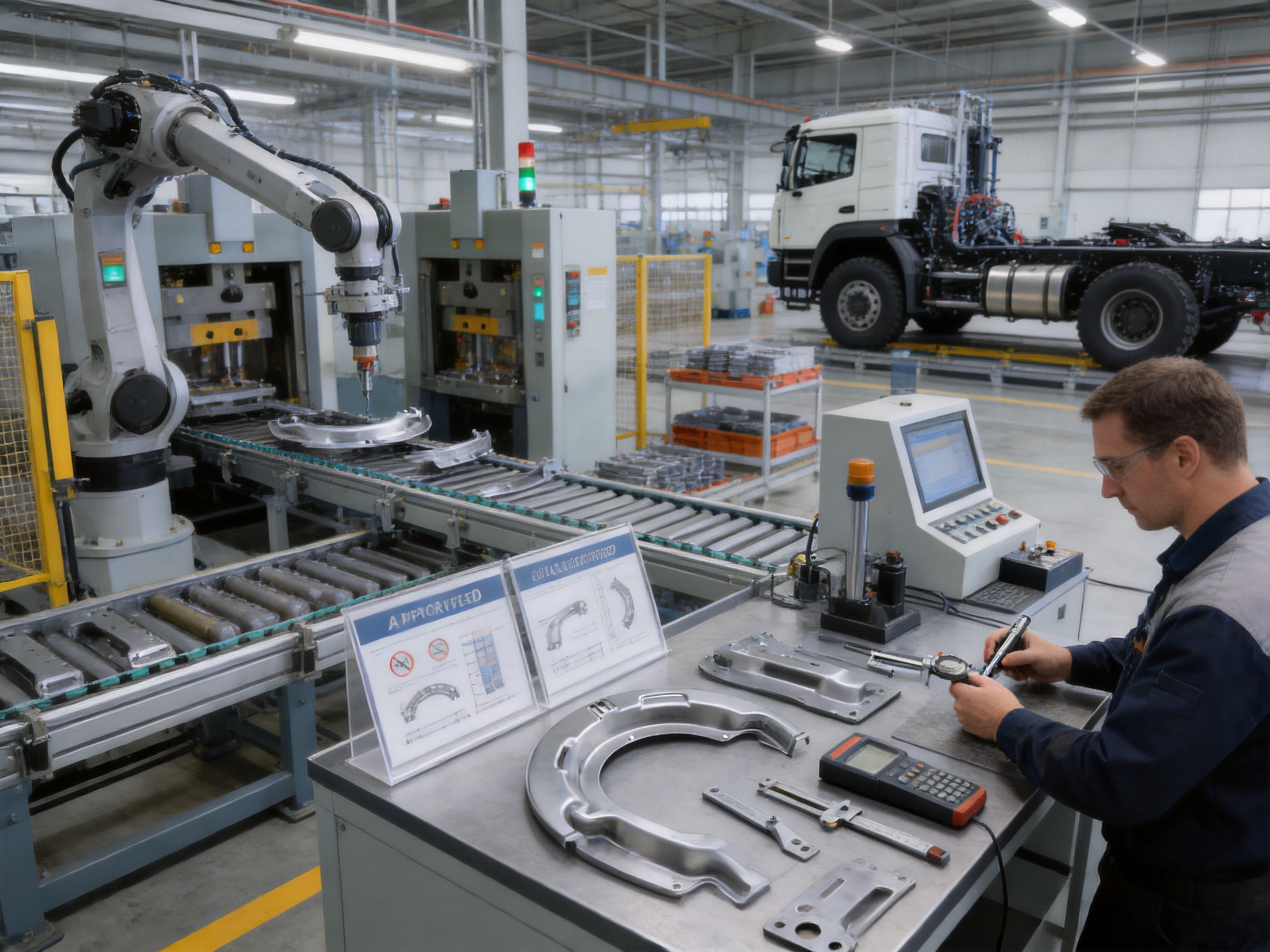
During die tryout and production setup, engineers verify the first pieces against approved drawings or customer samples. Critical features may include overall length and width, mounting-hole spacing, bend angles, flatness, flange height, and contact-surface position. The inspection plan should distinguish between functional dimensions and non-critical cosmetic dimensions.
In-process inspection helps detect drift before a large quantity of nonconforming parts is produced. Operators and quality personnel may monitor burr height, forming marks, cracks, wrinkles, edge deformation, and dimensional changes. Press settings, die condition, lubrication, and material feeding should be reviewed if variation appears.
Final inspections can include hardness checks, flatness verification, dimensional measurement, visual examination, and evaluation of anti-corrosion performance. Hardness inspection helps confirm that the material and forming condition remain within the intended range. Flatness is important for brackets and plates that must sit against a frame or mounting surface without rocking or creating unwanted stress.
Dimensional inspection may be performed using dedicated gauges, calipers, height gauges, coordinate measurement equipment, or other suitable tools. The inspection method should reflect the part’s tolerances and functional requirements. For high-volume production, checking fixtures can improve speed and repeatability.
Anti-corrosion performance depends on the selected treatment and the service environment. Depending on customer requirements, stamped parts may receive painting, powder coating, plating, oil protection, or another finishing process. The treatment should be compatible with the intended use and should cover vulnerable edges, holes, and formed surfaces as effectively as possible.
Quality documentation is also important for commercial vehicle supply. Inspection records, material information, process parameters, and approved samples provide a technical reference for repeat orders. Clear documentation supports communication among engineering, purchasing, production, and service teams.
Application Areas in Heavy-Duty Vehicles
Chassis and Frame Systems
The truck frame is a primary load-bearing structure that supports the cab, engine, transmission, suspension, cargo body, and other equipment. Frame brackets and reinforcement parts must transfer forces effectively while maintaining alignment. Stamped steel components are suitable for these applications because their formed profiles can combine strength, stiffness, and relatively efficient weight.
Frame-related parts may require multiple mounting holes, reinforced flanges, and carefully controlled contact surfaces. Their design must also account for access during assembly and service. A component that is structurally strong but difficult to install may increase total vehicle production and maintenance costs.
Suspension Connections
Suspension connecting plates and brackets work in a highly dynamic environment. They are exposed to vertical loads, braking forces, cornering forces, axle movement, and road shock. Hole alignment and local stiffness are essential because the suspension must move through its intended range without unwanted interference.
High-strength steel stamping can provide a reliable combination of load capacity and formability for these parts. Reinforcing ribs and formed edges can increase rigidity around mounting areas. Smooth transitions can help reduce stress concentration and support long-term fatigue resistance.
Engine and Powertrain Mounting
Engine mounting supports experience vibration and torque reaction from the powertrain. They may also be exposed to elevated temperatures, oil contamination, and repeated changes in load. The support must hold the engine in the correct position while allowing the mounting system to manage vibration.
Precision is important because the position of an engine support influences related components such as exhaust connections, cooling systems, driveline interfaces, and electrical routing. A stamped support with stable geometry can help simplify assembly and maintain the intended relationship among these systems.
Construction and Specialized Trucks
Construction trucks, mining support vehicles, municipal service trucks, and other specialized vehicles may operate in harsher conditions than standard highway transport vehicles. Their components may face increased exposure to dust, mud, impact, uneven terrain, and variable loading.
For these applications, stamped parts should be selected and finished according to the actual service environment. Material strength, edge quality, surface protection, and drainage considerations may all affect durability. A component designed for heavy use must be evaluated as part of the complete vehicle system rather than considered as an isolated metal shape.
Engineering Support for Customized Components
Heavy truck manufacturers and aftermarket suppliers often require parts that differ from standard catalog products. Variations may involve hole patterns, flange dimensions, material thickness, surface treatment, mounting angles, or reinforcement features. A capable manufacturer should be able to review drawings, samples, or technical requirements and convert them into a manufacturable stamping solution.
During design review, engineers examine whether the proposed geometry can be formed without cracking, wrinkling, excessive springback, or unacceptable thinning. They may recommend changes to bend radii, corner transitions, hole placement, relief features, or process sequencing. These adjustments can improve manufacturability while preserving the component’s functional intent.
Customer-specific tooling may be developed for dedicated production. Depending on the part, the die may be progressive, compound, transfer, or a simpler single-operation tool. The most suitable approach depends on volume, geometry, tolerance, press capability, material, and expected product life.
Prototype and trial production are useful before full-scale manufacturing. They allow the customer to verify installation, clearance, load interfaces, and appearance. The manufacturer can then refine the die or process before the final production release.
For aftermarket applications, samples may be measured and compared with available drawings or vehicle requirements. Replacement parts should not only resemble the original component visually; they must also preserve the functional mounting relationship and service performance. Engineering review helps avoid problems caused by inaccurate replication or unsuitable material substitution.
Stamping Automation and Production Efficiency
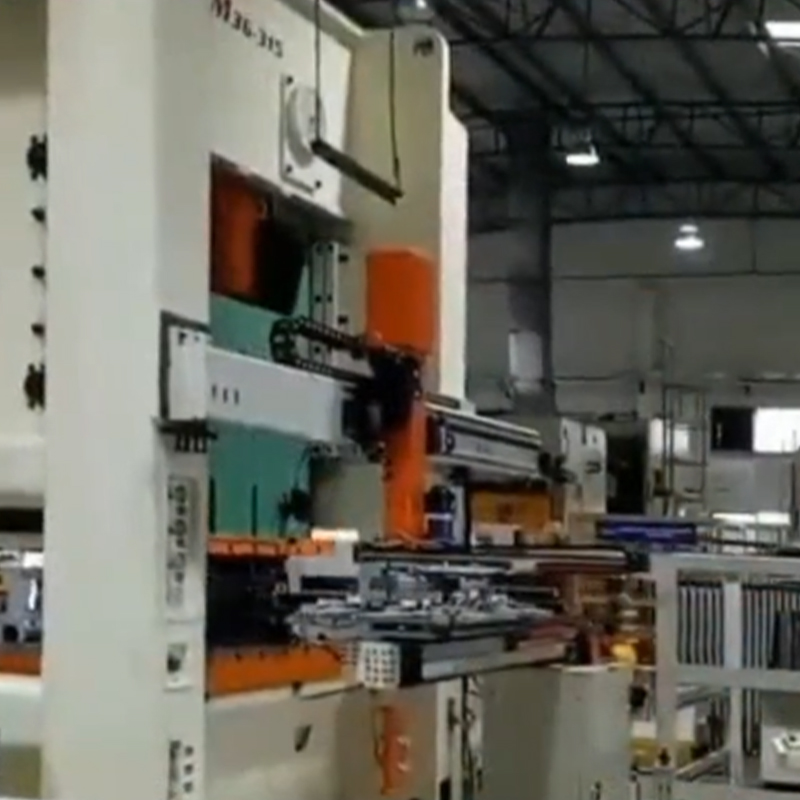
Automation can improve productivity, repeatability, safety, and production data management. Automated feeding systems, transfer mechanisms, part handling devices, and inspection stations can reduce manual handling and create a more consistent production rhythm.
Suzhou Shuangqisi Mold Equipment Co., Ltd. also has an associated capability in stamping automation equipment through Suzhou Keshuang Intelligent Technology Co., Ltd., established after investment in 2016. This enables the business to support customers seeking more than a standalone die or stamped part. It can provide integrated solutions involving stamping molds, automation equipment, and related production systems.
Automation is particularly valuable when parts are heavy, sharp-edged, or produced in repetitive cycles. Mechanical handling can reduce operator exposure to pinch points and repetitive lifting. Consistent feeding and positioning can also reduce errors associated with manual placement.
An automated line must be designed around the part and die rather than added without process analysis. Feed length, transfer stroke, press timing, die opening, part orientation, sensor placement, and scrap removal all need to be coordinated. A well-integrated system can reduce idle time and improve overall equipment utilization.
Automation may also support quality control through sensors and process monitoring. Detection systems can identify missing blanks, double sheets, incorrect positioning, or incomplete transfer. These controls help protect the die and reduce the possibility of producing incorrectly formed parts.
For customers investing in new production capacity, turnkey support can simplify project management. The supplier can coordinate tooling, automation, trial production, debugging, and operator training. This approach may reduce the technical burden on the customer and accelerate the transition to stable production.
Why Supplier Integration Matters
Purchasing a stamped component from one supplier and its die from another can create coordination challenges. If the part does not meet expectations, it may be difficult to determine whether the cause is the drawing, die design, press setup, material, or production method. An integrated supplier can investigate the entire process more efficiently.
Integrated manufacturing also improves design feedback. Production personnel can communicate practical forming concerns to die engineers, while die engineers can make adjustments based on actual press behavior. This continuous feedback loop supports faster problem solving and better long-term process stability.
Cost control is another benefit. When die manufacturing and stamped-part production are planned together, tooling design can reflect the intended production volume and operating method. The result may be a more balanced solution rather than a die that is unnecessarily complex or difficult to maintain.
Delivery coordination is also simplified. The customer can discuss tooling progress, sample approval, production scheduling, and part shipment through one technical and commercial channel. This is valuable for vehicle programs with fixed launch dates or aftermarket products requiring dependable replenishment.
The supplier’s experience with servo drives, compressors, new energy vehicles, and other industrial or automotive applications further supports cross-industry engineering knowledge. Although every heavy truck component has specific requirements, experience with precision stamping, high-strength materials, and automated production can be transferred effectively between related applications.
Durability and Service-Life Considerations
Durability is influenced by more than material strength. Part geometry, forming direction, edge condition, surface treatment, assembly torque, joint design, and operating environment all contribute to service life. Heavy truck stamping parts should therefore be evaluated in the context of the complete assembly.
Stress concentration is a common concern in brackets and support plates. Sharp internal corners, abrupt thickness changes, closely spaced holes, and insufficient edge distance may create areas of elevated stress. Design refinement and appropriate forming radii can reduce these risks.
Fatigue performance depends on repeated loading. A component may remain within its static strength limit while still experiencing fatigue damage over time. Stable forming, smooth transitions, clean edges, and suitable material selection help support resistance to repeated stress.
Corrosion can reduce effective thickness and create surface defects that become fatigue initiation points. Proper anti-corrosion protection is therefore essential, particularly for parts mounted underneath the vehicle. Coating coverage should be considered around holes, flanges, edges, and formed recesses where water or contaminants may collect.
Assembly conditions also affect durability. Bolts should be installed with suitable torque, mating surfaces should be clean, and the component should not be forced into position through excessive deformation. Accurate stamping reduces the temptation to modify a part during installation, helping preserve the original design intent.
Cost and Total-Value Benefits
The purchase price of a stamped part is only one element of total value. Customers should also consider tooling life, material utilization, production consistency, assembly labor, service replacement frequency, quality-related waste, and delivery reliability.
A precision stamping process can reduce per-part labor compared with manually fabricated alternatives. Consistent dimensions may lower assembly adjustment time and reduce rejected or reworked parts. Stronger, more durable components may also help reduce maintenance interruptions over the vehicle’s service life.
Tooling investment should be assessed against expected production volume. For recurring orders, a dedicated die can provide attractive long-term economics. For lower-volume or more variable programs, the manufacturer may recommend a simpler tooling approach or a staged development plan.
Integrated die and part manufacturing can help control engineering changes. If a design modification is needed, the supplier can evaluate its effect on tooling and production costs before implementation. This transparency supports more informed decisions by vehicle manufacturers and aftermarket buyers.
Competitive pricing should not be separated from quality and reliability. A low initial price may become expensive if it leads to poor fit, frequent replacement, assembly delays, or inconsistent supply. The stronger value proposition is a part that performs reliably, arrives consistently, and is supported by a capable manufacturing system.
Recommended Customer Qualification Process
Customers evaluating a heavy truck stamping parts supplier should begin by reviewing the supplier’s technical capabilities. Important factors include press capacity, die manufacturing equipment, engineering experience, inspection resources, material control, surface treatment options, and ability to support customized designs.
The next step is a drawing and application review. The supplier should understand where the part is installed, what loads it experiences, what materials are permitted, what tolerances are required, and what environmental conditions it will encounter. This information helps ensure that the production method matches the application.
Prototype samples or trial parts should be inspected for fit, dimensions, appearance, and functional performance. If the component is safety-related or highly loaded, additional validation may be appropriate, including hardness testing, load testing, fatigue evaluation, or corrosion assessment according to the customer’s technical standards.
Customers should also confirm production and delivery arrangements. Questions may include minimum order quantities, tooling ownership, die maintenance, production lead time, inspection documentation, packaging, labeling, and replacement-part support.
A supplier’s response to problems is an important qualification factor. Even well-designed processes may require adjustment when material batches, vehicle interfaces, or operating conditions change. A supplier with experienced debugging personnel and integrated technical resources is better positioned to identify causes and implement corrective actions.
Product and Manufacturing Summary
| Item | Product or Capability | Customer Benefit |
| Product type | Heavy truck stamping parts | Reliable structural and mounting components for commercial vehicles |
| Typical materials | High-strength steel plates | Good load-bearing performance with efficient material use |
| Typical components | Frame brackets, suspension connecting plates, engine mounting supports, reinforcement parts | Coverage of key chassis, suspension, and powertrain applications |
| Forming method | Advanced cold stamping | Repeatable geometry, smooth edges, and stable production quality |
| Quality checks | Hardness, flatness, dimensions, surface condition, anti-corrosion performance | Better assembly compatibility and service reliability |
| Die capability | Design, manufacturing, trial forming, debugging, and maintenance support | Shorter communication cycles and coordinated process development |
| Equipment | Wire cutting machines, CNC machining centers, grinding machines, and punch presses | Support for precision tooling and diverse component sizes |
| Press range | 80-ton to 400-ton punch presses | Flexibility for different materials, geometries, and forming forces |
| Automation capability | Stamping automation equipment and turnkey production solutions | Improved productivity, safety, consistency, and process integration |
| Application markets | Truck manufacturers, component suppliers, aftermarket service providers, and specialized vehicle producers | Support for both original equipment and replacement-part programs |
Q&A: Heavy Truck Stamping Parts
What are the main advantages of heavy truck stamping parts?
The main advantages include consistent dimensions, high structural strength, efficient material utilization, smooth and uniform edges, reliable mounting-hole accuracy, and suitability for repeat production. When produced from appropriate high-strength steel, these parts can resist vibration, impact, and repeated loading in demanding commercial vehicle applications.
Which heavy truck components can be manufactured by stamping?
Common examples include frame brackets, suspension connecting plates, engine mounting supports, reinforcement plates, chassis supports, equipment brackets, and various custom mounting components. The exact application depends on the material, geometry, required load capacity, production volume, and customer drawing.
Why is high-strength steel suitable for heavy-duty truck parts?
High-strength steel can provide greater load-bearing capability without requiring excessive thickness. It may help reduce component weight while preserving stiffness and durability. However, the material must be selected together with a suitable stamping process because higher-strength grades can require more careful control of springback, forming radii, and die clearance.
How does cold stamping improve production consistency?
Cold stamping uses a precisely manufactured die to control the shape and position of each part. Once the process is properly validated, repeated cycles can produce parts with consistent profiles, hole locations, bend angles, and edge conditions. This repeatability helps reduce assembly variation and production rework.
What inspections are important for heavy truck stamping parts?
Important inspections may include material verification, dimensional measurement, hardness testing, flatness inspection, visual examination, burr evaluation, and anti-corrosion performance checks. The appropriate inspection plan depends on the part’s function and customer requirements. Critical mounting and load-bearing features generally receive more detailed control.
Can the parts be customized according to customer drawings?
Yes. Customization may include material grade, thickness, hole pattern, flange shape, bend angle, reinforcement features, surface treatment, and packaging. Engineers should review the design before production to confirm that the geometry can be formed reliably and that the intended performance is maintained.
What is the benefit of obtaining dies and stamped parts from one supplier?
An integrated supplier can coordinate die design, machining, trial stamping, production setup, inspection, and engineering changes. This can reduce communication gaps, improve problem-solving speed, and provide better control over cost and delivery. It also allows the tooling and part-production processes to be optimized together.
Can stamping automation be supplied with the parts and dies?
Integrated stamping automation solutions can include feeding, transferring, handling, detection, and related production equipment. Automation should be designed according to the part geometry, die structure, press cycle, production volume, and safety requirements. Proper integration can improve productivity and reduce repetitive manual handling.
Are stamped parts suitable for aftermarket truck service?
They can be suitable for aftermarket use when the replacement part accurately matches the original mounting interfaces and meets the required strength and corrosion standards. Reliable aftermarket components should be manufactured from appropriate materials and verified for dimensional compatibility rather than judged only by visual similarity.
How should customers begin a new heavy truck stamping project?
Customers should provide drawings, samples, application information, material requirements, annual or batch quantities, quality standards, and delivery expectations. The supplier can then review manufacturability, recommend a die and process concept, prepare samples, and establish a production and inspection plan.
Conclusion
Heavy truck stamping parts are essential components in commercial vehicles that must perform reliably under high loads, continuous vibration, impact, and harsh environmental exposure. Their value depends on the complete manufacturing system: suitable high-strength steel, carefully engineered geometry, precision stamping dies, controlled cold forming, accurate inspection, and effective anti-corrosion protection.
Frame brackets, suspension connecting plates, engine mounting supports, and related components can benefit from the repeatability and structural efficiency of advanced stamping. Compared with less controlled fabrication methods, precision-stamped parts can offer better dimensional consistency, smoother edges, efficient material use, and more reliable assembly compatibility.
Suzhou Shuangqisi Mold Equipment Co., Ltd. strengthens this product offering through integrated capabilities in die design, die manufacturing, stamping production, and automation equipment. Its technical personnel, precision machining resources, grinding capacity, wire cutting equipment, CNC machining centers, and 80-ton to 400-ton punch presses support a broad range of customer requirements.
For truck manufacturers, component suppliers, and aftermarket service providers, the combination of product quality and manufacturing integration can create practical value throughout the supply chain. It can support faster engineering communication, stable production, controlled costs, dependable delivery, and long-term component performance. With the right material, tooling, process controls, and inspection standards, heavy truck stamping parts can contribute substantially to safer, more durable, and more efficient commercial vehicle systems.
References
1. Automotive Industry Action Group. Advanced Product Quality Planning and Control Plan Reference Manual.
2. International Organization for Standardization. Quality Management Systems — Requirements, ISO 9001.
3. International Organization for Standardization. Quality Management Systems — Guidelines for Quality Management in Projects, ISO 10006.
4. International Organization for Standardization. Corrosion Protection of Metals and Alloys — General Principles and Guidelines.
5. American Society for Testing and Materials. Standard Practices for Mechanical Testing and Evaluation of Metallic Materials.
6. Society of Automotive Engineers. Recommended Practices for Automotive Sheet Metal Forming and Dimensional Control.
7. American Iron and Steel Institute. Guidelines for the Application of High-Strength Steel in Automotive Structures.
8. Manufacturing Engineering and Technology References. Principles of Sheet Metal Stamping, Die Design, Forming, and Process Control.
Product: Heavy truck stamping parts
Previous Post
Progressive Molds for High-Precision Automotive Motor Housings
Next Post
High-End Large Computer Stamping Parts for Reliable Industrial Computing Hardware
Our Products.
Start Your Business with an OEM Manufacturer Right Here!

Provide global customers with complete turn-key solutions
through
innovation!
QUICK LINKS
CONTACT INFO.
-
 +86-139 1308 8972
 -

-
 No. 118 Yexin Road, Wujiang Economic Development Zone, Suzhou, China
Copyright © Suzhou Shuangqisi Mold Equipment Co., Ltd. All Rights Reserved. Custom Stamping Die Metal Stamping Die Manufacturers
