 English
 Español
 Deutsch
-
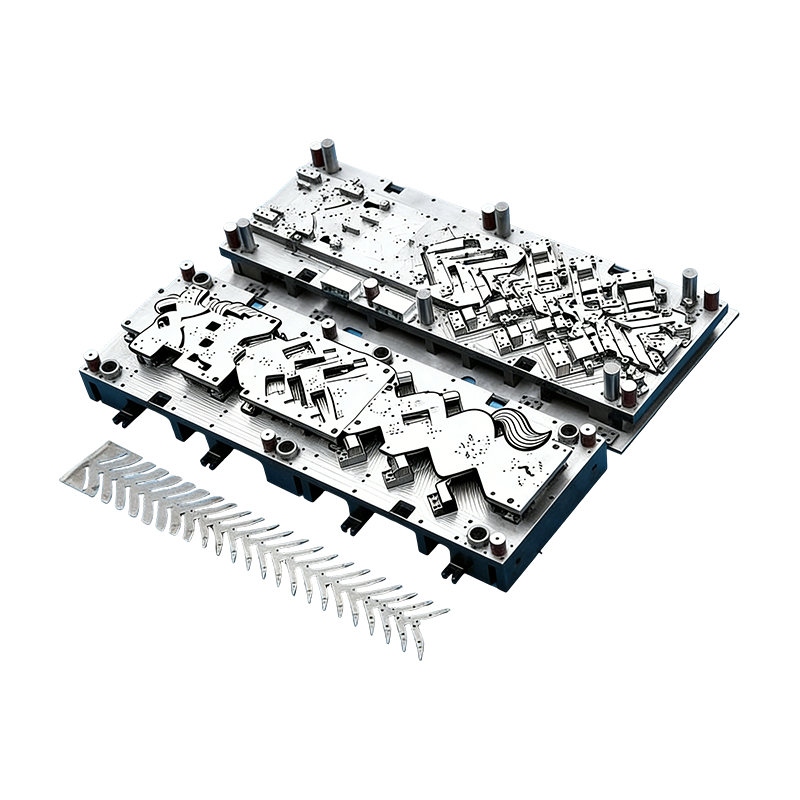
Progressive molds for automotive parts
This Continuous mold for automotive motor housing ...
-
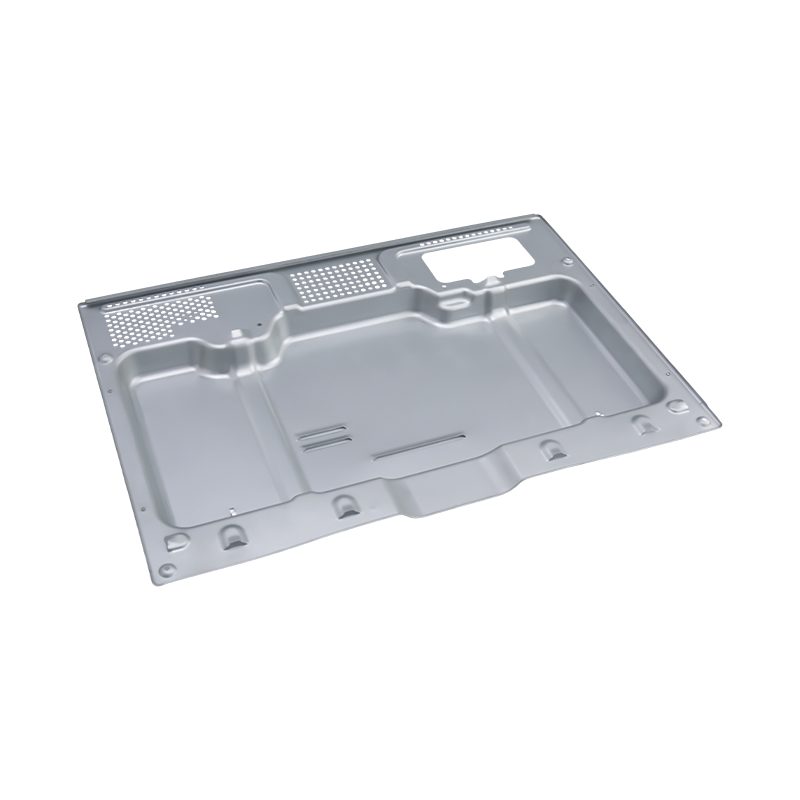
High-end oven stamping parts
Our High-end oven stamping parts are precision-man...
-
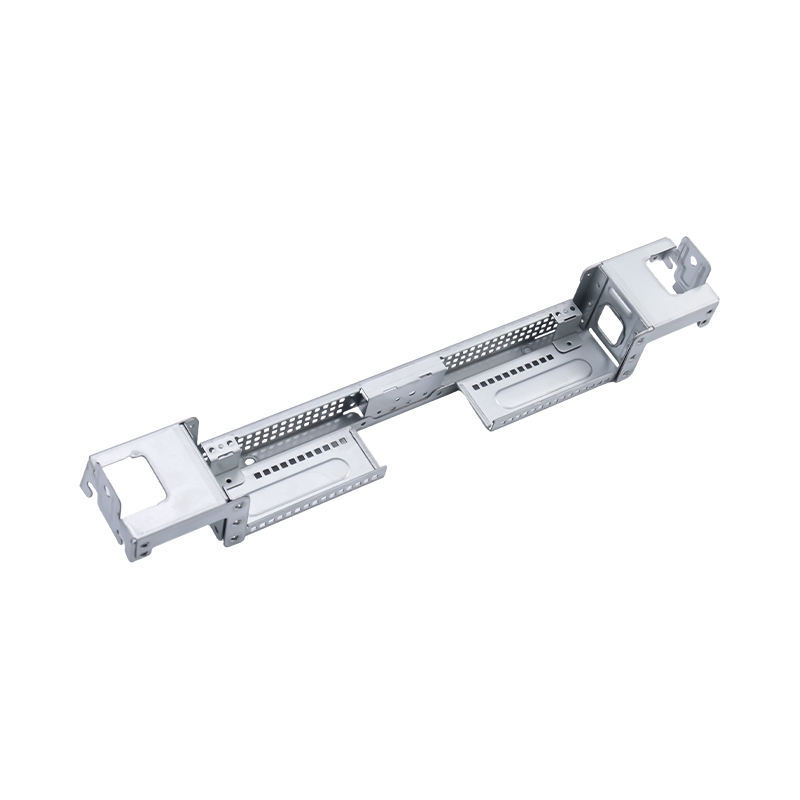
High-end large computer stamping parts
Our High-end large computer stamping parts are pre...
-
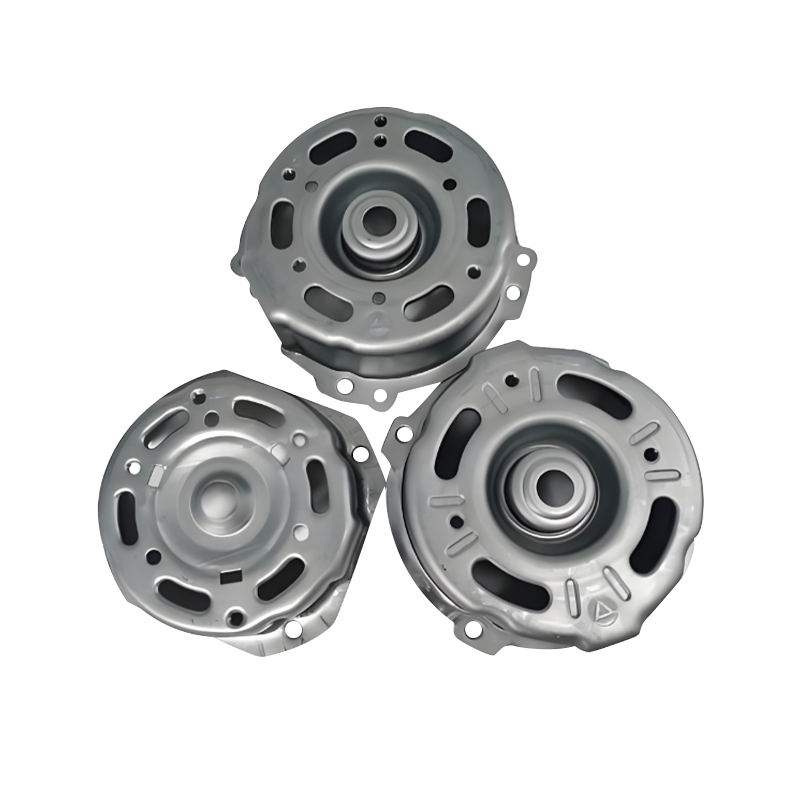
Automotive motor housing stamping parts
Automotive motor housing stamping parts are core c...
-
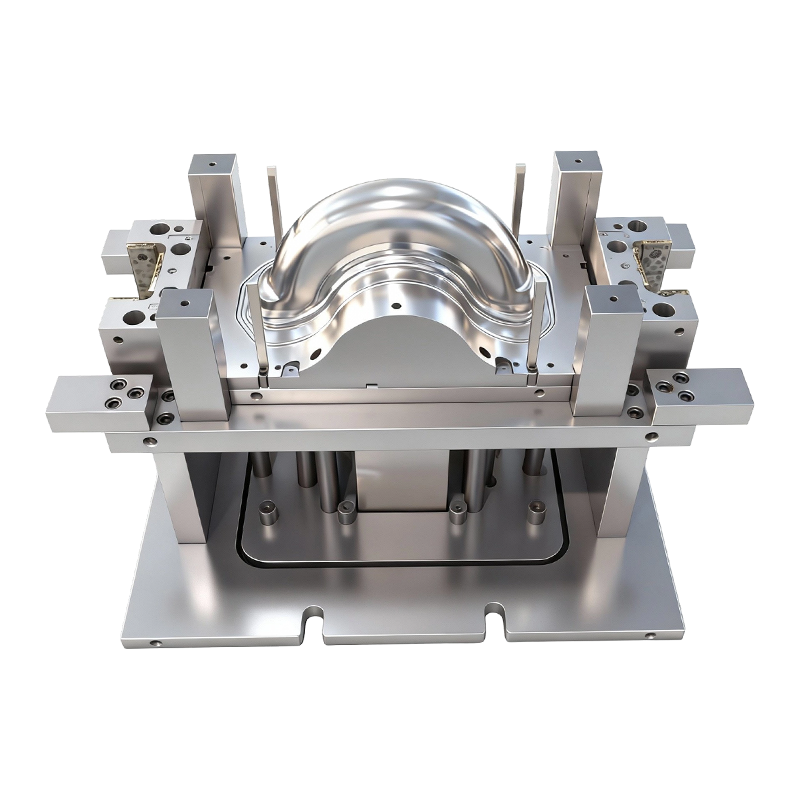
Deep drawing mold for front and rear wheels of two-wheeled electric vehicles
This Deep drawing mold for front and rear wheels o...
-
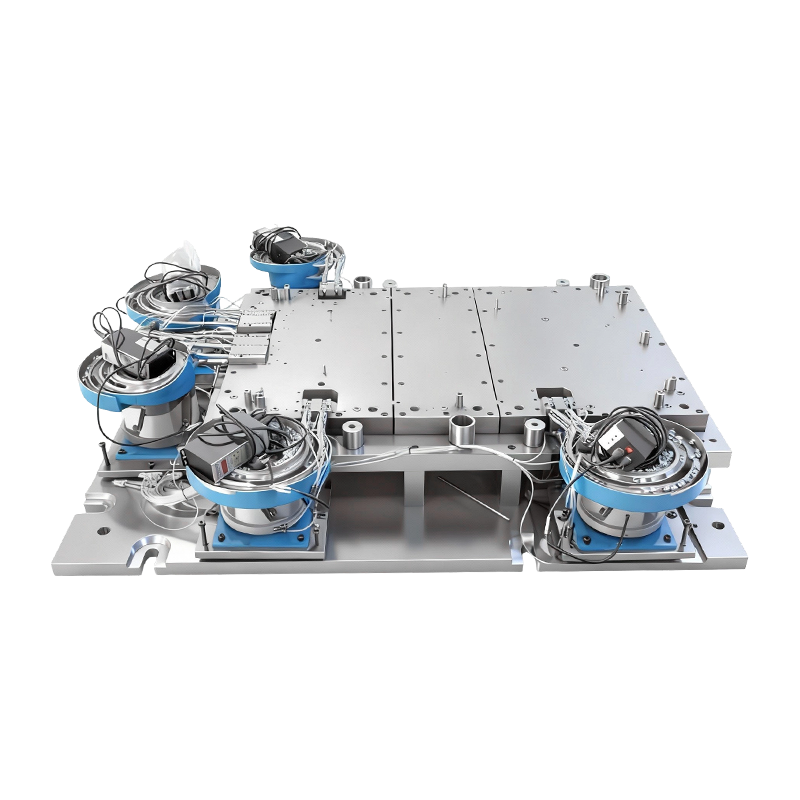
Automatic riveting mold for large computer machine base
This Automatic Riveting Mold for Large Computer Ma...
- E-mail us: [email protected]
- Call us: +86-139 1308 8972

Wang Xinyue – After-Sales Support Supervisor
Home / Author / Wang Xinyue – After-Sales Support Supervisor / Progressive Molds for High-Volume Automotive Parts Production
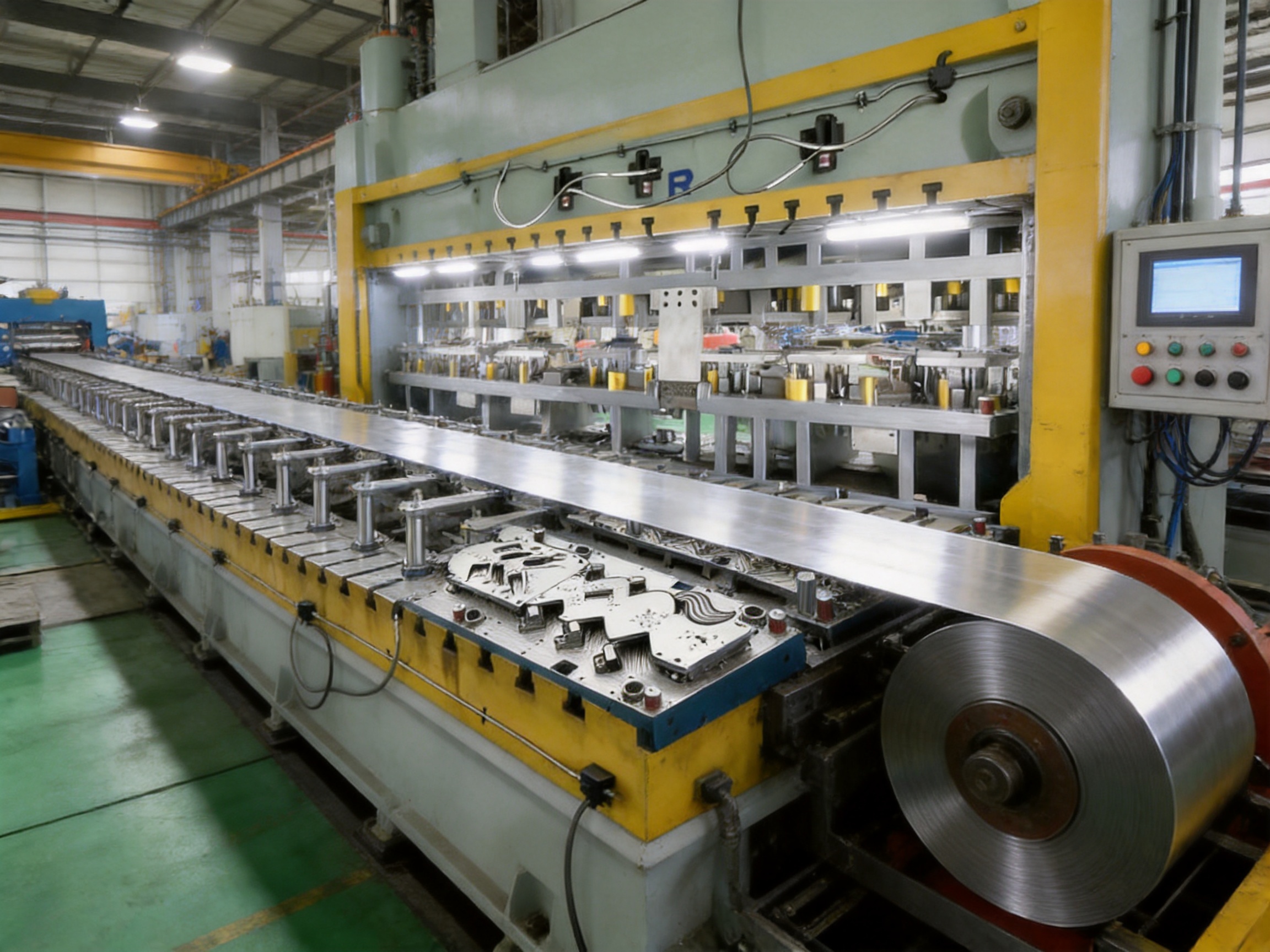
Progressive Molds for High-Volume Automotive Parts Production
2026-07-12
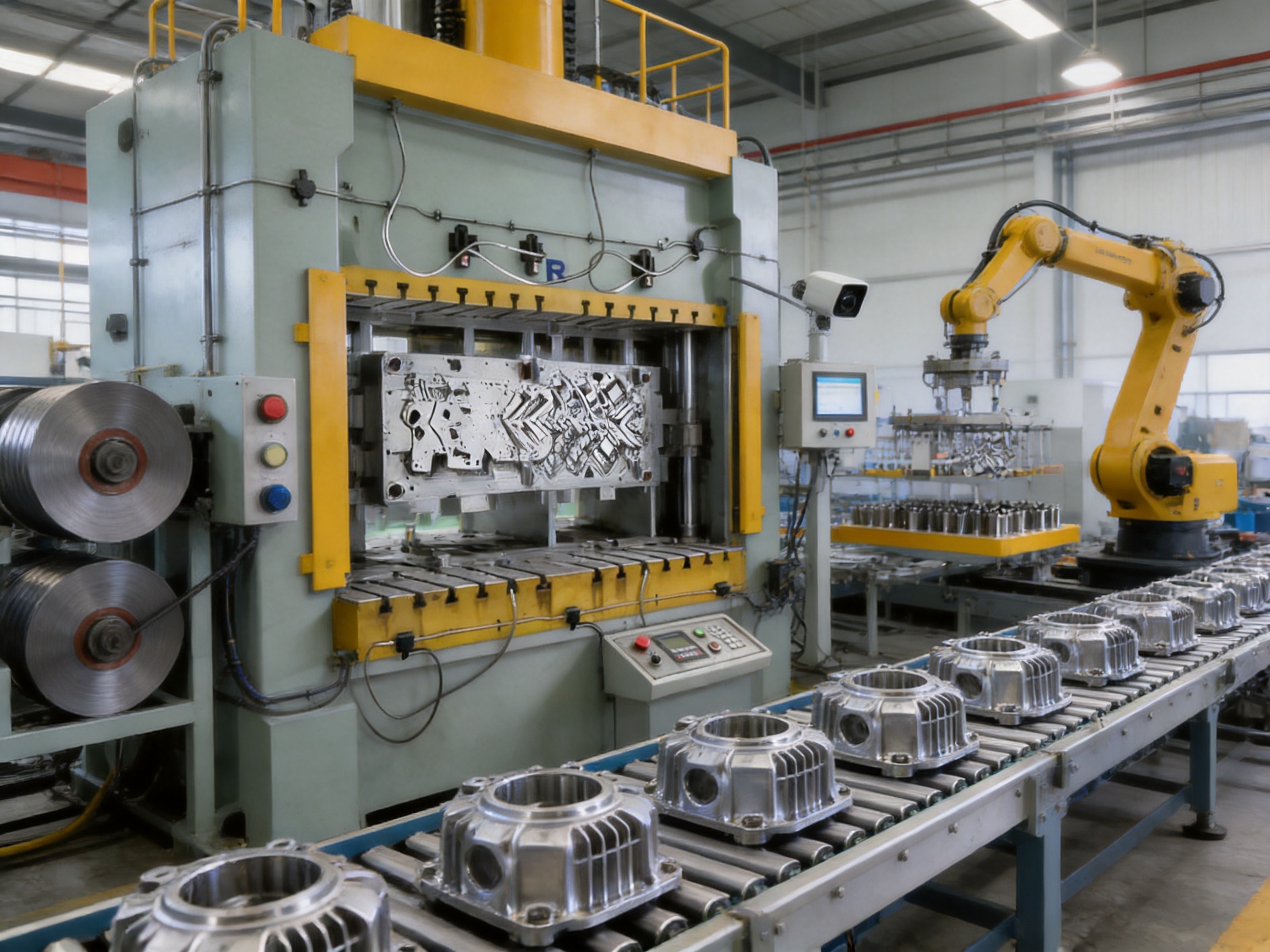
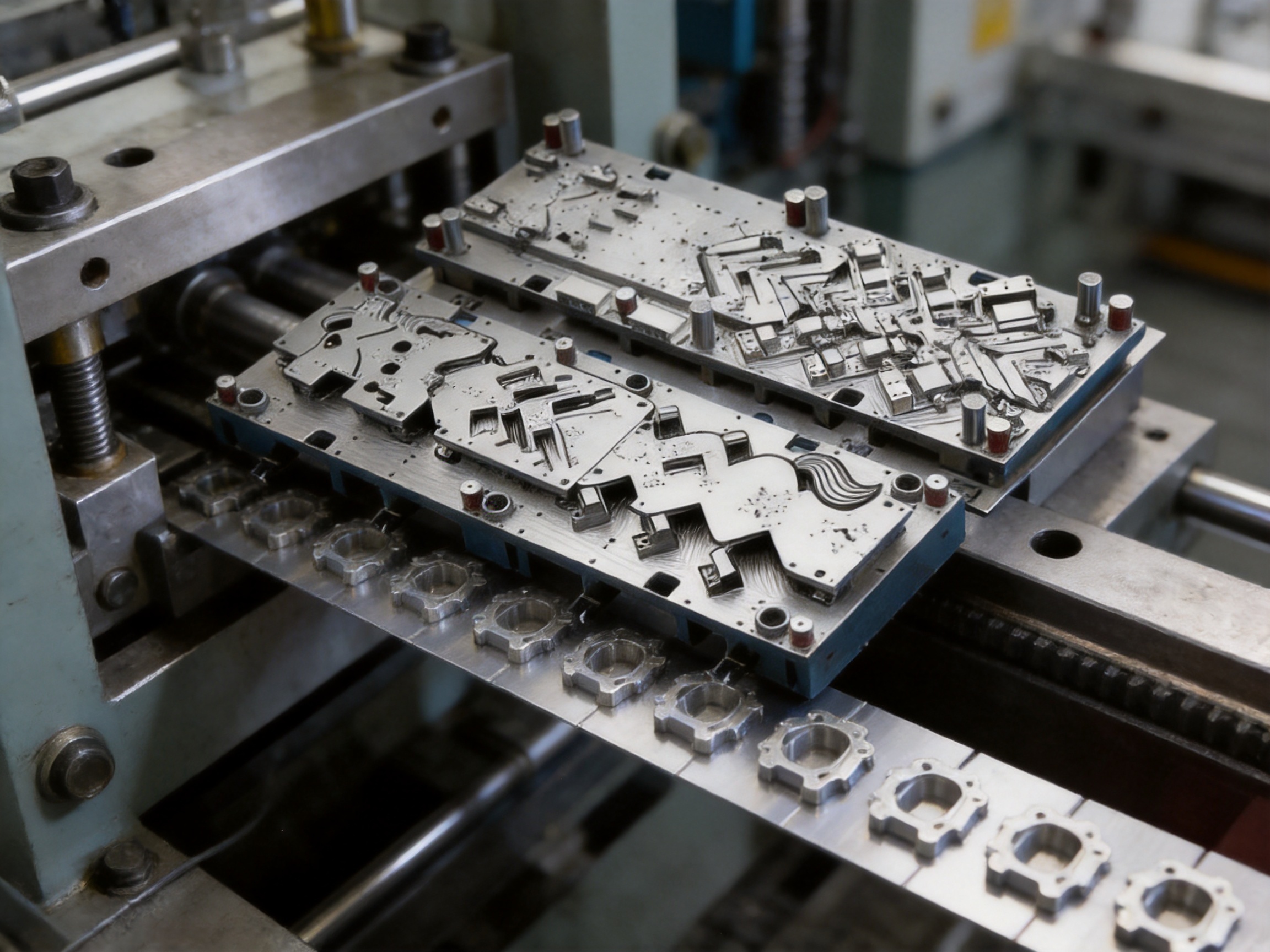
In modern automotive manufacturing, the demand for high-precision, high-speed, and stable production systems continues to increase. Electric vehicles, hybrid powertrains, servo systems, compressors, and compact motor assemblies all require metal parts that are dimensionally accurate, mechanically reliable, and repeatable across large production batches. Progressive molds for automotive parts are designed to meet this requirement by integrating multiple stamping, forming, trimming, piercing, and shaping operations into one continuous production process.
The progressive mold discussed in this article is engineered for automotive motor housings and small-sized automotive components. It supports high-volume production where consistent part quality, reduced downtime, and efficient material usage are essential. By combining robust die structure, high-hardness alloy steel components, modular maintenance features, and strict dimensional control, this mold provides a practical solution for manufacturers that need speed without sacrificing precision.
As an experienced stamping die and stamping automation manufacturer, Suzhou Shuangqisi Mold Equipment Co., Ltd. provides design, manufacturing, debugging, stamping, and automation support for customers in automotive, electric vehicle, compressor, servo drive, and industrial component sectors. The company’s capabilities allow it to offer not only individual molds, but also integrated production solutions that help customers reduce cost, improve process stability, and shorten production preparation cycles.
Progressive molds for automotive parts
Understanding Progressive Molds for Automotive Parts
A progressive mold, also called a progressive die, is a specialized tooling system used in metal stamping. In this system, a metal strip is continuously fed through a series of stations inside the die. Each station performs one or more operations, such as punching, cutting, bending, drawing, embossing, flanging, forming, or trimming. As the strip advances step by step, the part gradually takes shape until the finished component is separated at the final station.
For automotive parts, progressive molds are especially valuable because they provide strong repeatability. Once the die is properly designed, manufactured, installed, and debugged, each stroke of the press can produce a part or a partial operation with highly consistent results. This is particularly important in motor housings and small automotive components where assembly accuracy directly affects performance, vibration control, sealing, heat dissipation, and product life.
The progressive mold for automotive motor housings is intended for continuous operation under high production loads. It is designed to maintain dimensional accuracy after long-term use, reducing the frequency of correction and downtime. Compared with simpler single-operation dies, a progressive mold reduces handling between processes and minimizes cumulative error caused by repeated positioning. This makes it suitable for production lines that need stable output and strict process control.
Automotive motor housings often require uniform wall thickness, reliable roundness, accurate mounting surfaces, and precise features for connection with surrounding components. In electric vehicle and powertrain systems, a housing may need to support a motor
Product: Progressive molds for automotive parts
Previous Post
Car Seat Stamping Parts for Stronger, Safer Automotive Seat Structures
Next Post
Advanced Stamping Automation Equipment for Efficient Metal Forming
Our Products.
Start Your Business with an OEM Manufacturer Right Here!

Provide global customers with complete turn-key solutions
through
innovation!
QUICK LINKS
CONTACT INFO.
-
 +86-139 1308 8972
 -

-
 No. 118 Yexin Road, Wujiang Economic Development Zone, Suzhou, China
Copyright © Suzhou Shuangqisi Mold Equipment Co., Ltd. All Rights Reserved. Custom Stamping Die Metal Stamping Die Manufacturers
