 English
 Español
 Deutsch
-
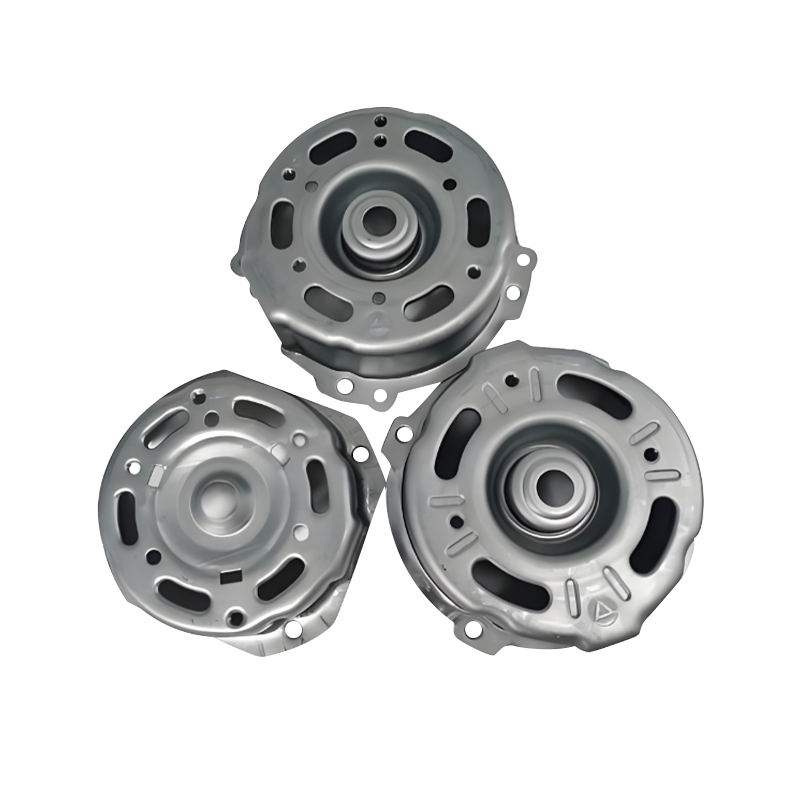
Automotive motor housing stamping parts
Automotive motor housing stamping parts are core c...
-
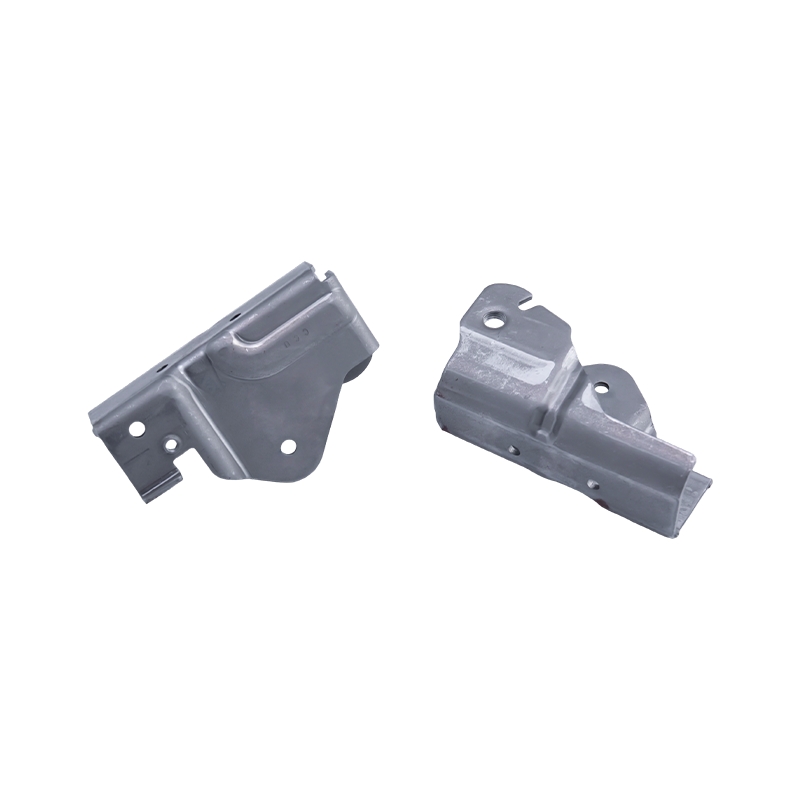
Car seat stamping parts
Car seat stamping parts are core metal components ...
-
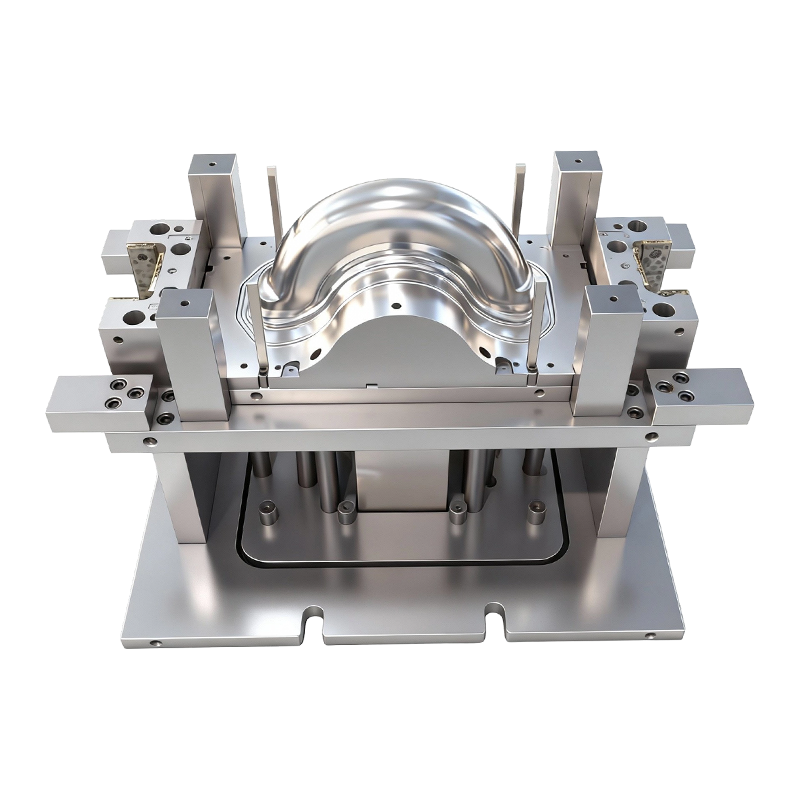
Deep drawing mold for front and rear wheels of two-wheeled electric vehicles
This Deep drawing mold for front and rear wheels o...
-
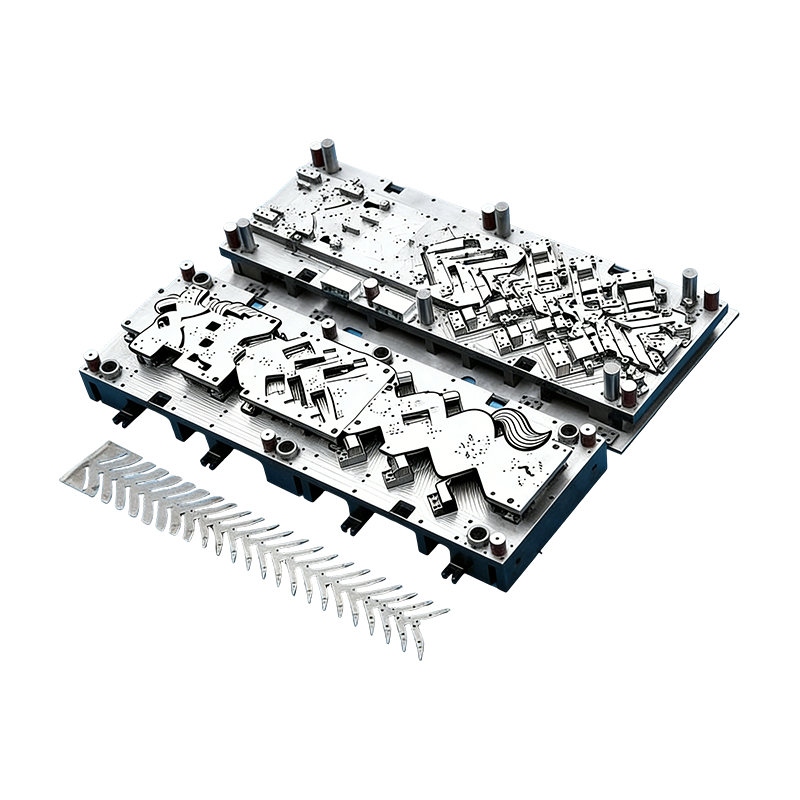
Progressive molds for automotive parts
This Continuous mold for automotive motor housing ...
-
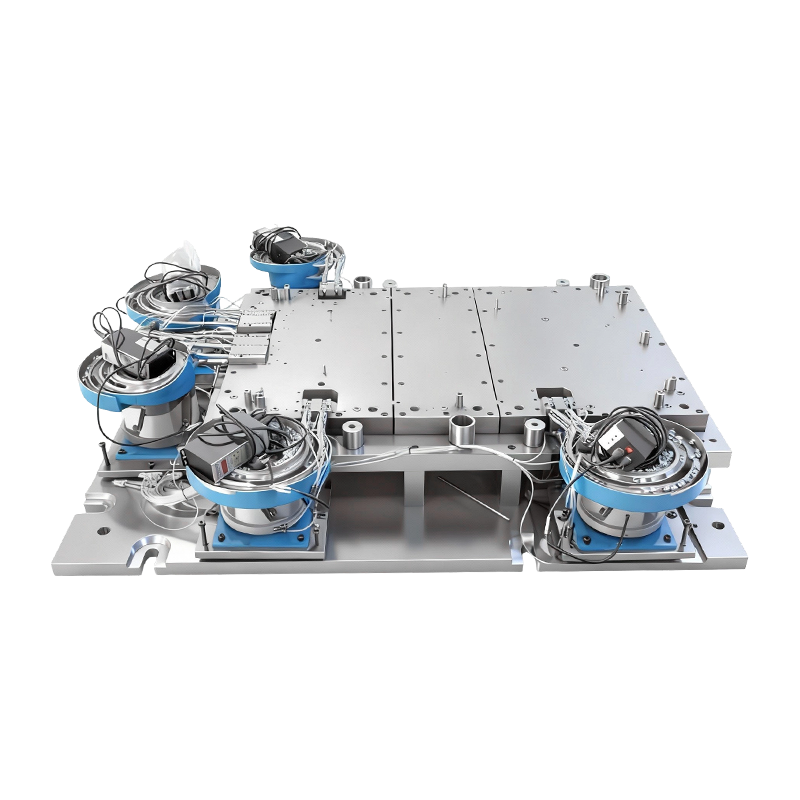
Automatic riveting mold for large computer machine base
This Automatic Riveting Mold for Large Computer Ma...
- E-mail us: [email protected]
- Call us: +86-139 1308 8972

Wang Xinyue – After-Sales Support Supervisor
Home / Author / Wang Xinyue – After-Sales Support Supervisor / Car Seat Stamping Parts for Stronger, Safer Automotive Seat Structures
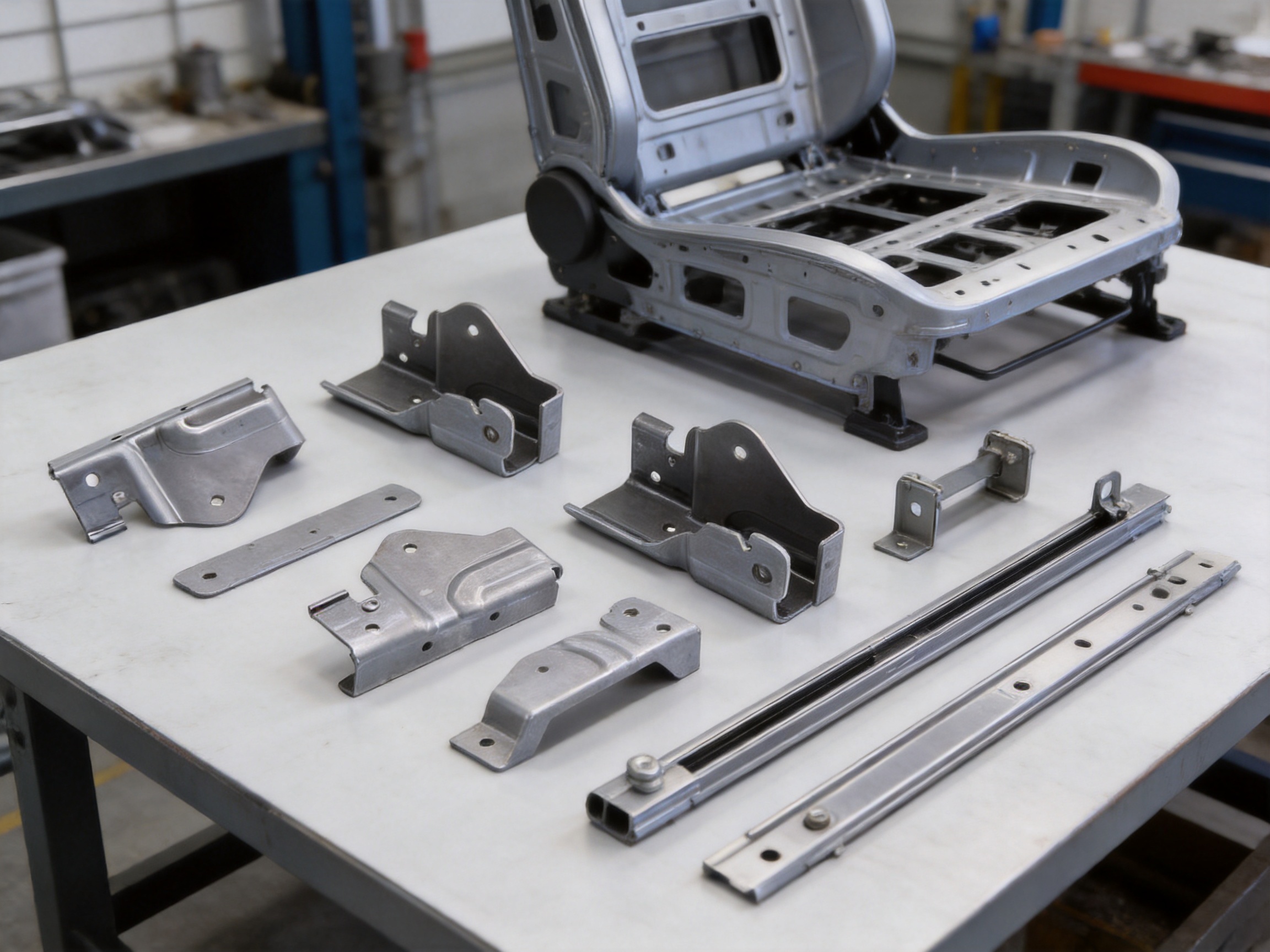
Car Seat Stamping Parts for Stronger, Safer Automotive Seat Structures
2026-07-14
Automotive seats are no longer simple comfort components. They are engineered safety systems that must support the occupant, absorb vibration, maintain positioning accuracy, integrate with adjustment mechanisms, and remain stable under repeated loads throughout the vehicle’s service life. Car seat stamping parts play a central role in this system. These precision-formed metal components are used in seat frames, brackets, reinforcement plates, hinge structures, sliding mechanisms, cushion supports, and connecting assemblies. Their quality directly affects seat strength, installation accuracy, durability, noise control, and occupant protection.
Car seat stamping parts are manufactured through controlled metal stamping processes using high-strength steel, aluminum alloy, or other automotive-grade sheet materials. Compared with ordinary fabricated parts, stamped components offer superior dimensional consistency, stable thickness, repeatable geometry, high production efficiency, and excellent compatibility with automated assembly lines. For automotive manufacturers and seat system suppliers, these characteristics are essential because modern vehicle production requires reliable parts that can be produced in large quantities without sacrificing precision.
The car seat stamping parts discussed in this article are designed for automotive seat frameworks and related seat hardware. They feature uniform thickness, smooth edges, precise dimensions, and reliable load-bearing performance. They are suitable for driver seats, passenger seats, rear seats, and other vehicle seating applications. Their purpose is not only to provide mechanical support but also to contribute to the overall safety and comfort of the vehicle interior.
Suzhou Shuangqisi Mold Equipment Co., Ltd. is a professional manufacturer of stamping dies and hardware stamping parts, integrating design, manufacturing, and service. Located in Suzhou, China, the company has accumulated extensive experience in the mold and stamping industry and provides customers with customized solutions for stamping dies, stamped products, and stamping automation equipment. With advanced equipment, skilled technical staff, and a strong focus on cost and quality control, the company is able to provide car seat stamping parts that meet the demanding requirements of modern automotive production.
Content
- 1 The Role of Car Seat Stamping Parts in Automotive Seat Systems
- 2 Product Overview: Precision Car Seat Stamping Parts
- 3 Key Advantages Over Conventional or Lower-Precision Alternatives
- 4 Manufacturing Strengths Behind High-Quality Car Seat Stamping Parts
- 5 Typical Materials Used for Car Seat Stamping Parts
- 6 Process Flow for Manufacturing Car Seat Stamping Parts
- 7 Design Features That Improve Seat Performance
- 8 Quality Requirements for Automotive Seat Stamping Parts
- 9 Applications in Different Seat Types
- 10 Why Advanced Stamping Dies Matter
- 11 Stamping Automation and Turnkey Solutions
- 12 Comparison with General Stamping Suppliers
- 13 Surface Treatment and Downstream Compatibility
- 14 Packaging and Logistics Considerations
- 15 How Car Seat Stamping Parts Support Safety and Comfort
- 16 Customization Capabilities for Customer Projects
- 17 Important Considerations When Selecting a Car Seat Stamping Parts Supplier
- 18 Frequently Asked Questions
- 18.1 What are car seat stamping parts?
- 18.2 What materials are commonly used?
- 18.3 Why is dimensional accuracy important for seat stamping parts?
- 18.4 How do stamping parts improve seat safety?
- 18.5 Can car seat stamping parts be customized?
- 18.6 What makes precision stamping better than simple fabrication?
- 18.7 Why is die quality so important?
- 18.8 What production equipment is used?
- 18.9 Are these parts suitable for electric vehicles?
- 18.10 How can customers request a quotation?
- 19 Conclusion
- 20 References
- 21 Product: Car seat stamping parts
The Role of Car Seat Stamping Parts in Automotive Seat Systems
A vehicle seat must satisfy multiple engineering requirements at the same time. It must provide comfort during daily driving, maintain stability during acceleration and braking, resist deformation under long-term use, and contribute to passenger safety in emergency conditions. Behind the upholstery, foam, and decorative trim, the metal seat structure is responsible for much of this performance. Stamping parts are among the most important elements in that structure.
Car seat stamping parts are used in seat back frames, cushion frames, side plates, cross members, support brackets, locking plates, adjustment rails, reinforcements, and mounting areas. Each stamped part must fit precisely with neighboring components. Even a small dimensional error may cause assembly difficulty, looseness, abnormal noise, poor seat adjustment, or reduced strength. Therefore, the quality of each stamping part affects the performance of the entire seat assembly.
In addition to dimensional accuracy, these parts must have stable mechanical properties. Automotive seats experience static loads from occupant weight and dynamic loads from road vibration, vehicle movement, emergency braking, and impact conditions. Stamped seat parts must resist bending, twisting, cracking, and fatigue failure. High-strength sheet metal and well-designed forming processes help the parts maintain structural integrity under demanding conditions.
Another important function is assembly compatibility. Modern car seats often include manual or electric adjustment systems, recliners, slide rails, sensors, heating components, ventilation systems, and safety belt-related structures. Stamping parts must therefore support complex assembly layouts while maintaining tight tolerances. Precision stamping is ideal for these requirements because it can create holes, slots, bends, ribs, flanges, and mounting features in a repeatable and cost-effective way.
Product Overview: Precision Car Seat Stamping Parts
Car seat stamping parts are core metal components tailored for automotive seat frameworks. They are manufactured using high-precision stamping processes and are typically made from high-strength steel or aluminum alloy. The parts are designed with smooth edges, consistent material thickness, accurate hole positions, controlled bending angles, and stable structural features. These characteristics ensure that the parts fit tightly with seat cushions, brackets, adjustment mechanisms, and related hardware.
The product is designed to bear both static and dynamic loads. During vehicle operation, the seat structure must tolerate vibration, occupant movement, load transfer, and long-term fatigue. Well-manufactured stamping parts enhance the structural stability of the seat and improve its resistance to vibration and deformation. For manufacturers, this means fewer assembly problems, more reliable final products, and better end-user satisfaction.
These stamping parts are suitable for various car seat types, including driver seats, passenger seats, and rear seats. They are compatible with mainstream automotive models and can be customized according to customer drawings, seat structure requirements, material specifications, and production volume needs. The parts can be produced for both original equipment manufacturing and maintenance applications, providing reliable hardware support for automotive seat production.
Strict quality inspection is essential throughout production. Car seat stamping parts must comply with automotive industry safety expectations and must avoid deformation, cracking, sharp burrs, or poor assembly accuracy. By using precision dies, stable stamping equipment, and controlled inspection procedures, manufacturers can ensure that each batch meets the required performance level.
Key Advantages Over Conventional or Lower-Precision Alternatives
Car seat stamping parts produced through high-precision stamping offer significant advantages compared with parts made by rough fabrication, manual cutting, low-accuracy bending, or inconsistent small-batch processing. These advantages are especially important in the automotive industry, where product reliability, repeatability, weight control, and cost efficiency are all critical.
High Dimensional Accuracy
One of the most important advantages of precision stamping is dimensional consistency. Once the stamping die is properly designed, manufactured, tested, and optimized, it can produce large quantities of parts with stable geometry. Hole positions, edge profiles, bending angles, flange heights, and overall dimensions can be controlled with high accuracy. This reduces assembly adjustment, improves production line efficiency, and supports automated assembly.
In contrast, lower-precision production methods may create variations from part to part. These variations can lead to poor fit, uneven stress distribution, difficult welding, or abnormal seat movement. Precision stamped car seat parts help avoid these issues by maintaining tight tolerances across production batches.
Superior Structural Strength
Stamped parts can be designed with ribs, embossments, flanges, curved profiles, and reinforced edges to increase stiffness without adding unnecessary weight. This is particularly valuable for automotive seats, where the structure must be strong but lightweight. By optimizing part geometry, manufacturers can improve load-bearing capacity while reducing material consumption.
High-strength steel or aluminum alloy materials further improve performance. Steel provides excellent strength and durability, while aluminum alloy may be selected when weight reduction is a priority. The combination of suitable material and optimized stamping design creates seat components that can withstand demanding operating conditions.
Stable Edge Quality and Safer Assembly
Smooth edges and controlled burr levels are essential for automotive seat parts. Sharp burrs may damage adjacent components, interfere with assembly, affect coating performance, or create handling risks for workers. Precision stamping, combined with proper die maintenance and inspection, helps produce clean edges and reliable profiles.
High-quality edge control also supports later processes such as welding, riveting, coating, and final assembly. When edges are consistent and free from excessive burrs, the downstream process becomes more stable and efficient.
Better Fit with Seat Adjustment Mechanisms
Many modern vehicle seats include slide rails, recliners, height adjustment components, electric motors, locking devices, and other moving mechanisms. Stamping parts used near these mechanisms must be highly accurate. If a bracket or support plate is slightly misaligned, the adjustment mechanism may become noisy, stiff, or unreliable.
Precision car seat stamping parts are designed to fit tightly with these mechanisms. Accurate hole positions and stable forming angles help ensure smooth movement and reliable locking performance. This improves both perceived quality and functional safety.
Efficient Mass Production
Automotive manufacturing requires stable, high-volume production. Stamping is one of the most efficient methods for producing metal components in large quantities. Once the die and process are established, parts can be produced quickly with high repeatability. This reduces unit cost and shortens delivery cycles.
Compared with machining each part individually, stamping uses less processing time and can reduce material waste. For customers, this means competitive pricing without compromising strength or precision.
Customization for Different Vehicle Platforms
Car seat structures vary across vehicle models, seat types, and market requirements. Precision stamping allows customization according to customer drawings and technical specifications. Different materials, thicknesses, hole patterns, bends, reinforcements, and surface treatments can be selected based on the application.
This flexibility is especially valuable for seat manufacturers serving multiple vehicle platforms. A capable stamping parts supplier can support prototype development, die design, sample testing, mass production, and continuous improvement.
Manufacturing Strengths Behind High-Quality Car Seat Stamping Parts
The quality of a stamped automotive component depends not only on the press machine but also on die design, material selection, process planning, tooling accuracy, operator experience, inspection control, and production management. Suzhou Shuangqisi Mold Equipment Co., Ltd. has built its manufacturing capabilities around these requirements.
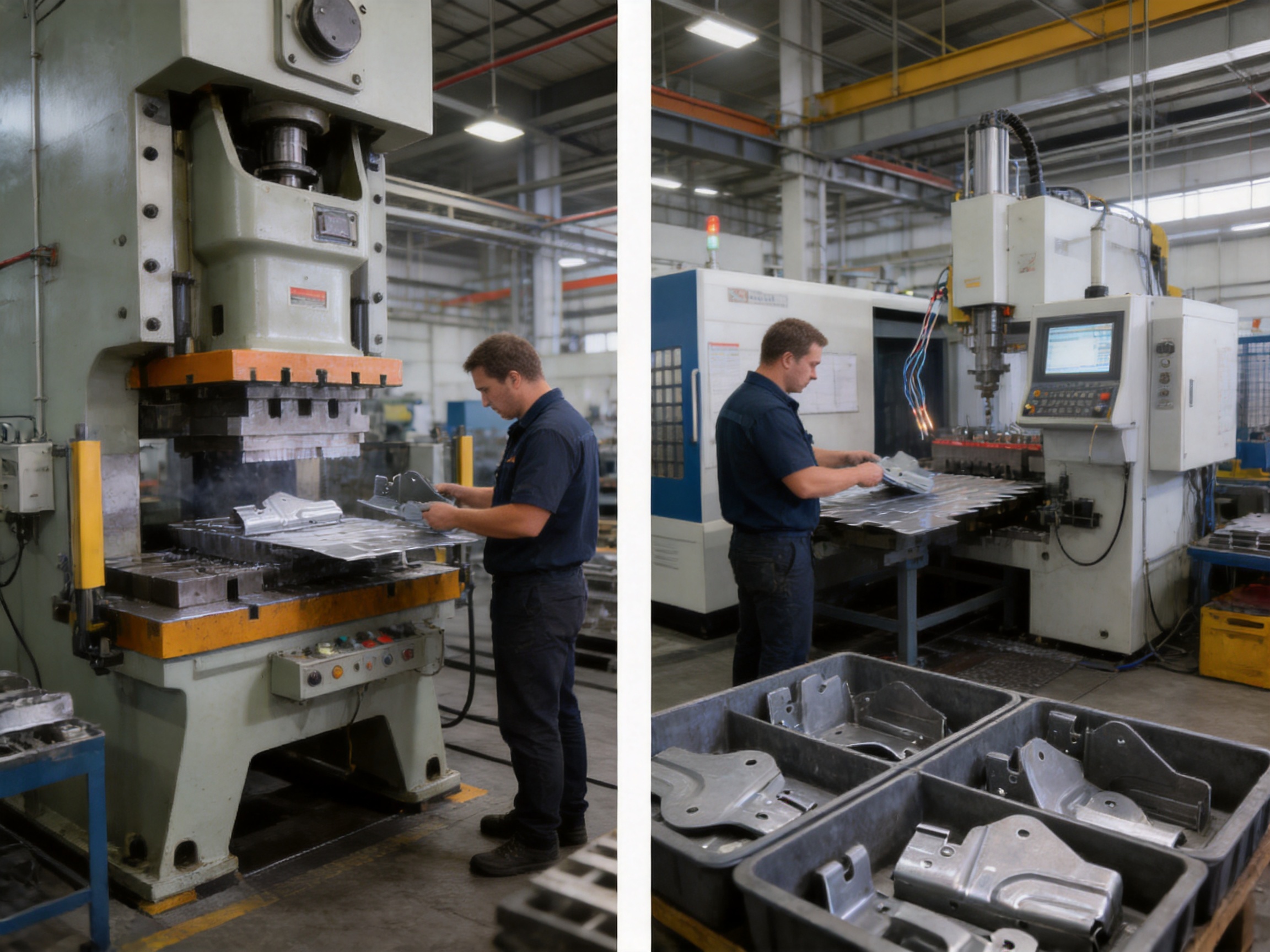
The company is a professional manufacturer of stamping dies and hardware parts, with integrated capabilities in design, manufacturing, and service. It has a technical team of approximately 60 staff members and is equipped with imported wire cutting machines, CNC machining centers, more than 10 grinding machines of various sizes, 25 punch presses ranging from 80T to 400T, and other advanced precision machine tools. These resources allow the company to handle both tooling development and stamped part production.
With 15 years of experience in the mold industry, the company understands that a stamping part is only as reliable as the die and process used to produce it. For car seat stamping parts, this experience is especially important because the parts must meet strict automotive requirements for fit, strength, durability, and consistency.
Integrated Die Design and Stamping Production
A major advantage is the integration of die manufacturing and stamping production. Many suppliers rely on separate tooling vendors, which may create communication delays, design mismatches, and slow troubleshooting. An integrated manufacturer can control the entire chain from part analysis to die design, machining, assembly, trial production, adjustment, and mass production.
For car seat stamping parts, die design must consider material flow, springback, forming stress, hole accuracy, trimming quality, and production stability. The tooling team must predict how the material will behave during stamping and design the die accordingly. If springback or deformation occurs during trial production, the team can quickly adjust the die and optimize the process.
This integrated approach improves development speed and reduces the risk of quality problems. It also allows the company to provide customers with more practical feedback during product development, helping optimize the part structure for manufacturability and cost efficiency.
Advanced Equipment for Precision Manufacturing
Imported wire cutting machines and CNC machining centers are used to manufacture high-accuracy die components. Grinding machines help achieve precise surface quality and dimensional control. These capabilities are important because small die errors can be transferred directly to the stamped parts.
The company’s 25 punch presses, ranging from 80T to 400T, provide flexibility for different part sizes, material thicknesses, and production volumes. Smaller presses may be suitable for compact brackets or reinforcement plates, while larger presses can handle heavier or more complex seat frame components. This equipment range allows the company to respond to diverse customer requirements.
Advanced precision machine tools also support consistent tooling maintenance. A stamping die used in automotive production must be maintained regularly to preserve part accuracy and edge quality. By having the necessary equipment in-house, the company can perform maintenance, repair, and optimization efficiently.
Experienced Operators and Debugging Personnel
Even with advanced equipment, human expertise remains essential. Senior operators and experienced debugging personnel help ensure that stamping processes run smoothly. They understand press behavior, material performance, die adjustment, lubrication, feeding accuracy, and common forming defects.
During trial production, technicians evaluate samples, identify forming problems, and adjust the die or process parameters. During mass production, operators monitor equipment condition, part appearance, dimensional stability, and production rhythm. This practical experience helps reduce scrap, improve consistency, and maintain delivery reliability.
Strict Cost and Quality Control
Automotive customers require both quality and cost competitiveness. Suzhou Shuangqisi Mold Equipment Co., Ltd. emphasizes strict cost and quality control. Cost control does not mean reducing quality; rather, it means improving process efficiency, optimizing material usage, reducing scrap, maintaining tooling properly, and preventing defects before they occur.
Quality control begins with technical review and continues through material preparation, die manufacturing, trial stamping, inspection, mass production, and final delivery. For car seat stamping parts, inspection may include dimensional checks, appearance inspection, edge quality evaluation, hole position verification, bending angle measurement, and functional fit confirmation.
Typical Materials Used for Car Seat Stamping Parts
The choice of material depends on the required strength, weight, corrosion resistance, forming complexity, and customer specification. The two common material categories for car seat stamping parts are high-strength steel and aluminum alloy.
High-Strength Steel
High-strength steel is widely used in automotive seat structures because it offers excellent mechanical strength, durability, and cost effectiveness. It can support demanding load requirements while allowing stamped shapes that improve stiffness. Steel stamping parts are often used in seat frames, brackets, reinforcements, and load-bearing structures.
The advantage of steel is its reliable strength-to-cost ratio. It is suitable for parts that must withstand repeated stress, impact loads, and long-term fatigue. With proper die design and forming control, high-strength steel can be stamped into precise automotive components with stable performance.
Aluminum Alloy
Aluminum alloy may be selected for applications where lightweight design is important. Reducing seat weight helps improve vehicle energy efficiency, especially in electric vehicles and new energy vehicles. Aluminum alloy has good corrosion resistance and lower density than steel, making it useful for selected seat structure components.
However, aluminum forming behavior differs from steel. It requires careful die design, process control, and material handling to prevent cracking, wrinkling, or surface damage. A capable stamping manufacturer must understand these differences and select suitable production parameters.
Material Selection Considerations
The best material is not always the strongest or lightest option. It must match the seat design, safety requirement, cost target, production method, and assembly process. For example, a load-bearing bracket may require high-strength steel, while a non-critical support plate may be optimized for weight or cost. Material thickness must also be chosen carefully to balance strength and formability.
| Selection Factor | High-Strength Steel | Aluminum Alloy | Engineering Consideration |
|---|---|---|---|
| Strength | Very high and suitable for load-bearing structures | Moderate to high depending on alloy grade | Seat frames and safety-related brackets often require higher strength |
| Weight | Heavier than aluminum | Lightweight | Lightweight design is valuable for fuel efficiency and electric vehicles |
| Formability | Good with correct tooling and process design | Requires careful control to avoid cracking | Complex parts need material-specific forming analysis |
| Cost Efficiency | Generally cost-effective | Usually higher material cost | Cost targets influence material selection |
| Application | Frames, brackets, reinforcements, mounting parts | Lightweight support components and selected structures | Final choice depends on seat design and customer specification |
Process Flow for Manufacturing Car Seat Stamping Parts
The production of high-quality car seat stamping parts follows a systematic process. Each step affects the final part’s accuracy, strength, and reliability. A well-controlled process reduces defects and ensures stable production.
Technical Review and Product Analysis
The process begins with customer drawings, samples, or technical requirements. Engineers analyze the part geometry, material, thickness, tolerance requirements, production volume, surface treatment needs, and assembly function. For seat parts, special attention is given to load-bearing areas, mounting holes, bending zones, and interfaces with adjustment mechanisms.
During this stage, engineers may provide manufacturability suggestions. A slight design adjustment may improve forming stability, reduce scrap, lower tooling cost, or strengthen the final part. Early communication helps customers avoid unnecessary problems during mass production.
Die Design
Die design is one of the most critical steps. Engineers determine the stamping sequence, including blanking, piercing, forming, bending, trimming, flanging, and other operations. The die must control material flow and maintain part accuracy. For complex seat parts, progressive dies or multiple-step dies may be used depending on part design and production volume.
Die designers must consider springback, especially when stamping high-strength steel or aluminum alloy. Springback occurs when the material partially returns toward its original shape after forming. If not properly controlled, it can cause incorrect angles or poor fit. Tooling compensation and process adjustment are used to achieve the final required dimensions.
Die Manufacturing
After design approval, die components are manufactured using precision equipment such as CNC machining centers, wire cutting machines, and grinding machines. Accurate die manufacturing is essential because the die determines the stamped part geometry. Components must be machined and assembled carefully to ensure alignment, cutting clearance, surface quality, and long-term durability.
High-quality die manufacturing also improves production efficiency. A well-made die runs more smoothly, produces fewer defects, and requires less frequent adjustment. This is especially important for automotive parts, where stable mass production is required.
Trial Stamping and Debugging
Before mass production, trial stamping is performed. Sample parts are produced and inspected for dimensions, appearance, forming quality, edge condition, and assembly fit. If problems are found, technicians adjust the die, press parameters, lubrication, material feeding, or process sequence.
Debugging requires experience. Problems such as cracking, wrinkling, burrs, deformation, hole shift, or angle deviation must be analyzed correctly. The goal is to achieve stable production conditions before entering batch manufacturing.
Mass Production
Once the samples meet requirements, mass production begins. The punch press, die, material feeding system, and operators work together to produce parts efficiently. Production parameters are controlled to maintain consistency. Operators monitor part quality and machine condition throughout the run.
For car seat stamping parts, stable production is essential because batches may be used directly in seat assembly lines. Inconsistent parts can disrupt downstream welding, riveting, painting, or assembly operations. A reliable stamping supplier must therefore maintain process discipline during every batch.
Inspection and Delivery
Final inspection confirms that the parts meet customer requirements. Inspection may include dimensional measurement, visual checking, burr evaluation, flatness inspection, hole position verification, bending angle measurement, and packaging review. Proper packaging protects parts from deformation, scratches, and contamination during transportation.
High-quality delivery is not only about sending parts on time. It also means ensuring that the parts arrive ready for assembly, with stable quality and complete traceability when required.
Design Features That Improve Seat Performance
Car seat stamping parts can be designed with multiple structural features to improve performance. These features are not decorative; they are functional design elements that help the part meet mechanical and assembly requirements.
Reinforcing Ribs and Embossments
Reinforcing ribs increase stiffness without significantly increasing material thickness. By adding formed ribs or embossments, engineers can improve resistance to bending and vibration. This allows the seat structure to remain stable while controlling weight and cost.
Flanges and Folded Edges
Flanges and folded edges increase strength and improve safety by reducing sharp exposed edges. They also provide better welding or joining surfaces. In seat frames and brackets, flanges help distribute loads and improve assembly stability.
Precision Holes and Slots
Seat components often require holes and slots for bolts, rivets, pins, clips, or positioning features. These holes must be accurately located. Poor hole accuracy can create assembly stress or prevent proper installation. Precision stamping allows holes and slots to be produced consistently.
Controlled Bending Angles
Bending angles are critical for parts that connect to frames, rails, and mechanisms. If the angle is incorrect, the part may not align properly. Controlled forming and die compensation help ensure accurate angles even when using high-strength materials.
Smooth Contact Surfaces
Some stamping parts contact moving mechanisms or adjacent seat components. Smooth surfaces reduce friction, noise, and wear. Proper tooling, material handling, and inspection help maintain surface quality.
Quality Requirements for Automotive Seat Stamping Parts
The automotive industry places high demands on component quality. Seat stamping parts must meet requirements for strength, precision, durability, and safety. Quality control must therefore be built into every stage of production.
Dimensional Stability
Dimensional stability ensures that each part fits into the seat assembly without adjustment. Critical dimensions include hole positions, overall length and width, bending height, flange angle, and flatness. Stable dimensions reduce assembly time and improve product reliability.
Mechanical Reliability
Seat stamping parts must resist deformation and fracture. The material and forming process must preserve the required mechanical properties. Parts should not crack during stamping or fail during use. Load-bearing areas must be designed and produced with particular care.
Edge and Burr Control
Burrs must be controlled to avoid assembly problems and safety risks. Excessive burrs can interfere with fitting, damage coatings, or create sharp edges. Proper die clearance, tooling maintenance, and inspection help maintain acceptable edge quality.
Surface Quality
Surface defects such as scratches, dents, cracks, or severe marks may affect appearance, coating, or fatigue performance. Automotive seat parts often undergo additional processes, so surface condition must support welding, painting, plating, or other treatments.
Batch Consistency
Automotive production requires consistent batches over time. A supplier must be able to produce the same part repeatedly with stable quality. This requires controlled tooling, trained operators, inspection records, and process management.
Applications in Different Seat Types
Car seat stamping parts are used across multiple seating positions and vehicle categories. Although the basic function is structural support, each seat type may have different design priorities.
Driver Seats
Driver seats often include the most adjustment features, such as forward and backward sliding, height adjustment, recline adjustment, lumbar support, and sometimes memory functions. Stamping parts for driver seats must therefore support complex mechanisms and frequent operation. Accuracy and fatigue resistance are especially important.
Passenger Seats
Passenger seats also require reliable support and smooth adjustment. Depending on vehicle class, they may include manual or electric mechanisms. Stamped brackets, side plates, and reinforcement parts help maintain seat stability and comfort.
Rear Seats
Rear seats may include folding mechanisms, split-folding structures, locking systems, and child seat anchorage-related components. Stamping parts used in rear seats must provide reliable connection strength and accurate fit for folding or locking functions.
New Energy Vehicles
New energy vehicles often emphasize lightweight design, interior comfort, and efficient manufacturing. Seat stamping parts for these vehicles may require optimized weight, high structural strength, and compatibility with modern assembly systems. Suzhou Shuangqisi Mold Equipment Co., Ltd. has experience supplying molds and products related to new energy vehicles, which supports its ability to serve this growing market.
Why Advanced Stamping Dies Matter
The stamping die is the foundation of part quality. A precise and durable die can produce accurate parts continuously, while a poorly designed die can cause recurring defects. For car seat stamping parts, the die must manage complex forming behavior and maintain accuracy under repeated production cycles.
Advanced stamping die design considers not only the final part shape but also the entire forming path. The material may stretch, compress, bend, and shift during stamping. If the die does not control these movements, the part may crack, wrinkle, or deviate from the required dimensions. Therefore, die design must combine engineering calculation, production experience, and trial verification.
Suzhou Shuangqisi Mold Equipment Co., Ltd. focuses on stamping die design and manufacturing as a core capability. This is a major advantage because it allows the company to understand the relationship between tooling quality and stamped part performance. Customers benefit from practical tooling knowledge, faster problem solving, and more stable production.
Stamping Automation and Turnkey Solutions
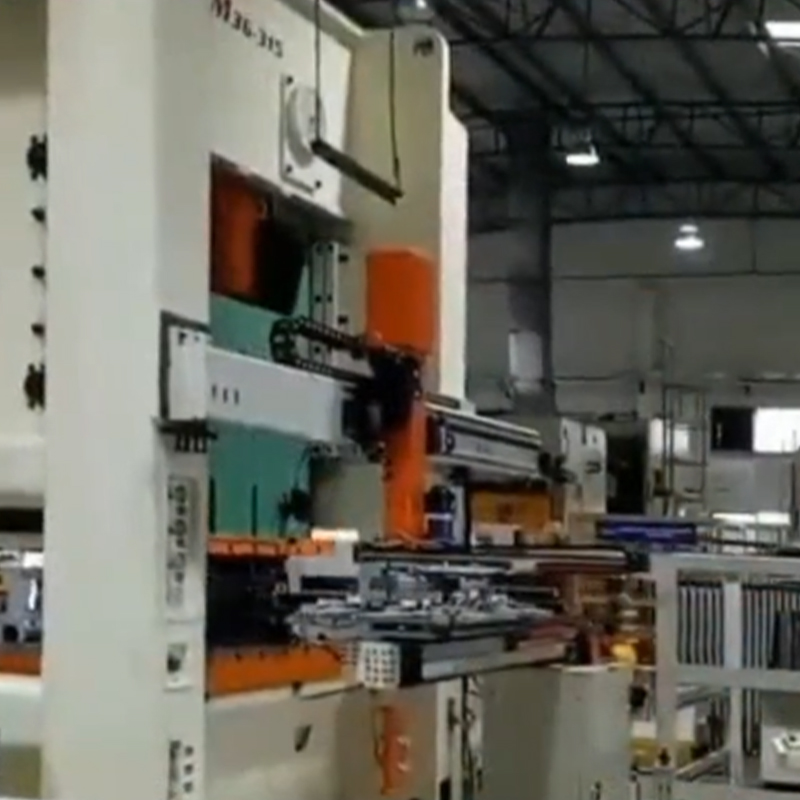
In 2016, the company invested in and established Suzhou Keshuang Intelligent Technology Co., Ltd., which mainly produces stamping automation equipment. This strengthens the company’s ability to provide turnkey solutions for stamping molds and stamping automation. For customers, this means the supplier can support not only individual stamping parts but also broader production system needs.
Stamping automation can improve production efficiency, reduce labor intensity, increase consistency, and enhance safety. Automated feeding, transfer, and collection systems help stabilize production rhythm and reduce manual handling damage. For automotive parts that require high-volume production, automation is often a key factor in cost and quality control.
Turnkey capability is especially valuable for customers launching new products or expanding production capacity. Instead of coordinating separately with die makers, stamping suppliers, and automation equipment providers, customers can work with an integrated partner that understands the complete production chain.
Comparison with General Stamping Suppliers
Not all stamping suppliers are equally prepared for automotive seat component production. General suppliers may be able to produce simple metal parts, but automotive seat stamping requires higher levels of precision, tooling experience, process control, and quality management. The following points highlight the competitive advantages of a specialized and integrated manufacturer.
Greater Tooling Control
Because the company has strong die design and manufacturing capabilities, it can control critical tooling details. This improves part accuracy and reduces reliance on outside tooling sources. Tooling problems can be solved faster, and die maintenance can be performed more efficiently.
Broader Equipment Range
With punch presses from 80T to 400T, the company can produce a wide range of stamping parts. This flexibility supports different seat component sizes and material thicknesses. Customers can source multiple related parts from one supplier, simplifying communication and management.
Automotive Industry Experience
The company supplies molds and products for industries including servo drives, compressors, and new energy vehicles. This experience demonstrates the ability to serve customers that require precision, reliability, and technical responsiveness. Automotive seat parts benefit from the same disciplined approach.
Engineering Support
A strong technical team can support product analysis, die design, sample adjustment, and production optimization. This reduces development risk and helps customers achieve better manufacturability. Engineering support is especially important when developing new seat structures or switching to new materials.
Cost-Effective Manufacturing
Competitive pricing must be supported by efficient production, not by compromising quality. Integrated die making, controlled stamping production, automation capability, and strict process management help reduce waste and improve cost performance. Customers receive reliable parts at practical costs.
Surface Treatment and Downstream Compatibility
Car seat stamping parts may undergo additional processes after stamping, depending on customer requirements. These may include welding, riveting, painting, powder coating, electrophoresis, plating, heat treatment, or assembly with other components. The stamped part must be compatible with these processes.
For example, parts that will be welded must have accurate contact surfaces and stable dimensions. Parts that will be coated must have clean surfaces and controlled edges. Parts that will be riveted or bolted must have accurate holes and sufficient flatness. Good stamping quality supports all downstream operations.
Surface treatment also improves corrosion resistance and service life. Automotive interiors may be exposed to humidity, temperature variation, and long-term environmental effects. Proper material selection and surface treatment help maintain part durability throughout vehicle use.
Packaging and Logistics Considerations
Even a well-manufactured stamping part can be damaged if packaging is poor. Car seat stamping parts may have formed edges, holes, bends, and surfaces that must be protected during storage and transport. Packaging should prevent deformation, scratching, mixing, and contamination.
For high-volume automotive supply, packaging may also need to support efficient line feeding. Parts should be arranged in a way that allows easy counting, handling, and identification. Clear labeling and batch control improve traceability and reduce production confusion.
A professional supplier considers packaging as part of quality assurance. The goal is to deliver parts that are ready for assembly, not merely parts that leave the factory in good condition.
How Car Seat Stamping Parts Support Safety and Comfort
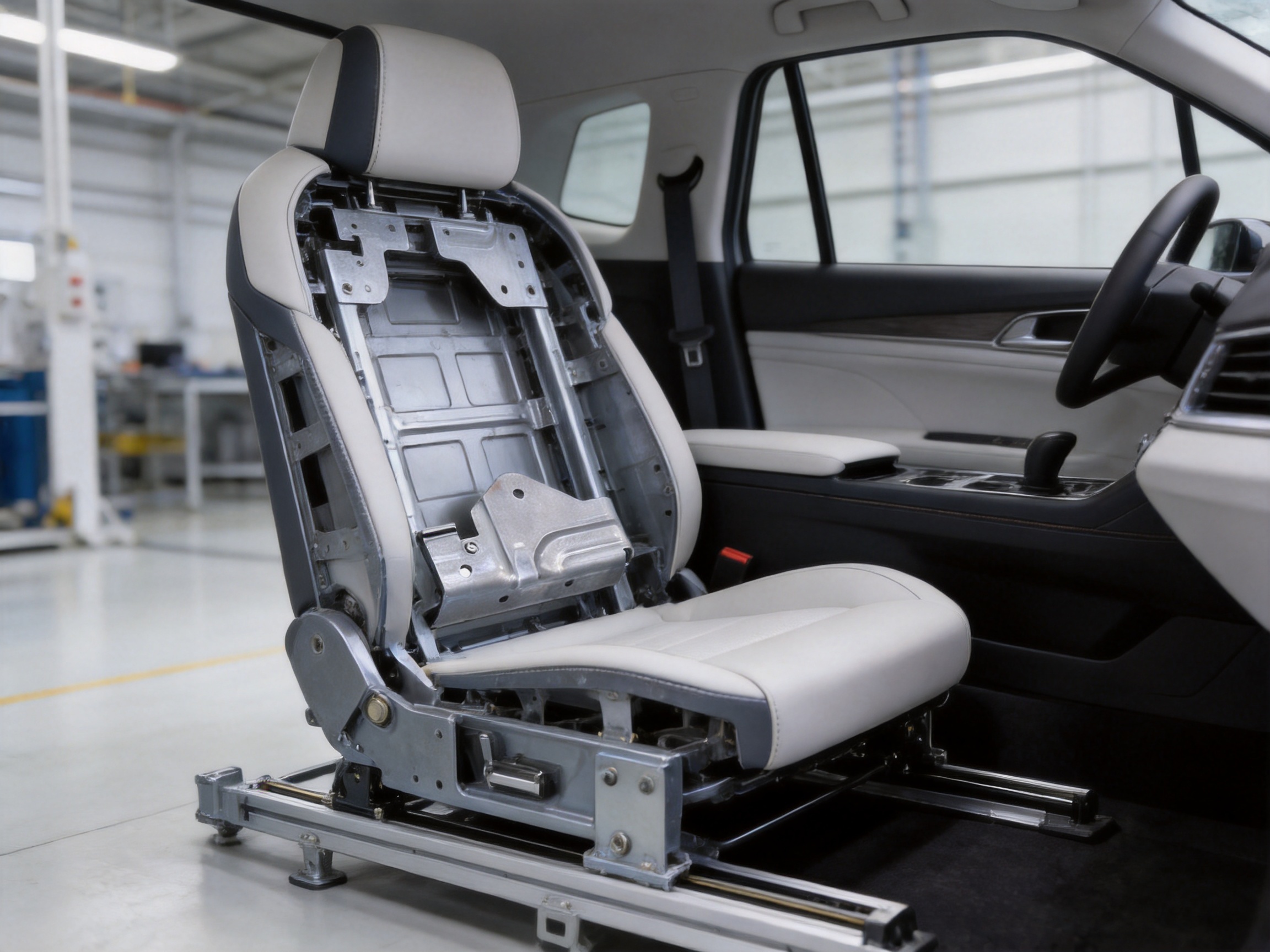
Safety and comfort are closely connected in seat engineering. A seat that feels stable and quiet often depends on the same structural accuracy that supports safety. Stamping parts contribute to both aspects.
From a safety perspective, seat components must maintain position under load. Brackets, frames, and reinforcements must not deform excessively or fail unexpectedly. The seat must remain securely connected to the vehicle structure and maintain proper occupant positioning. High-quality stamping parts help provide this structural reliability.
From a comfort perspective, accurate parts reduce looseness, vibration, and abnormal noise. If a stamped bracket is inaccurate, it may create stress during assembly or allow movement during driving. This can result in squeaks, rattles, or unstable seat feeling. Precision stamping helps improve the user’s perception of quality.
Modern vehicles increasingly compete on interior refinement. Seat stability, quietness, and smooth adjustment are important parts of customer experience. Therefore, even hidden metal stamping parts have a visible effect on vehicle quality.
Customization Capabilities for Customer Projects
Every automotive seat project may have different technical requirements. Customers may provide drawings, samples, material specifications, tolerance standards, or performance requirements. A capable stamping supplier must be able to customize products accordingly.
Customization may include part shape, material grade, thickness, surface finish, hole pattern, bending structure, reinforcement design, and packaging method. For new projects, the supplier may also support prototype development and tooling trials. This helps customers verify part performance before mass production.
Suzhou Shuangqisi Mold Equipment Co., Ltd. can provide customers with customized stamping dies, stamped products, and automation solutions. The company can also invest in related production equipment according to customer needs to deliver cost-effective products and services. This customer-oriented flexibility is valuable for long-term cooperation.
Important Considerations When Selecting a Car Seat Stamping Parts Supplier
Selecting the right supplier is critical. Automotive seat parts affect safety, assembly efficiency, and product reputation. Buyers should evaluate more than price alone.
Tooling Capability
The supplier should have strong die design and manufacturing experience. Good tooling capability ensures part accuracy, stable production, and faster problem solving.
Equipment Capacity
The supplier should have suitable press machines for the required material thickness and part size. A range of press capacities provides flexibility for different components.
Quality Control System
The supplier should inspect critical dimensions, edge quality, appearance, and batch consistency. Quality must be controlled throughout production, not only at final inspection.
Automotive Experience
Automotive parts require disciplined production and technical understanding. Experience with automotive or related precision industries helps reduce risk.
Engineering Communication
Clear technical communication helps solve problems early. A supplier that can review drawings, provide manufacturability suggestions, and support sample testing adds value beyond basic production.
Delivery Reliability
Automotive production schedules are strict. The supplier must be able to deliver stable quality on time and respond quickly to changes or urgent requirements.
Frequently Asked Questions
What are car seat stamping parts?
Car seat stamping parts are precision-formed metal components used in automotive seat structures. They may include brackets, reinforcements, side plates, support parts, frame components, and mounting pieces. They are produced by stamping sheet metal into required shapes using specialized dies and press equipment.
What materials are commonly used?
High-strength steel and aluminum alloy are commonly used. High-strength steel is preferred for many load-bearing structures because of its strength and cost effectiveness. Aluminum alloy may be selected for lightweight applications where reducing vehicle weight is important.
Why is dimensional accuracy important for seat stamping parts?
Dimensional accuracy ensures that the parts fit correctly with seat frames, adjustment mechanisms, brackets, cushions, and assembly fixtures. Accurate parts reduce assembly problems, improve seat stability, and help prevent noise or functional issues.
How do stamping parts improve seat safety?
They provide structural support and help the seat resist deformation under static and dynamic loads. Reliable stamping parts help maintain seat integrity during normal driving, vibration, braking, and demanding operating conditions.
Can car seat stamping parts be customized?
Yes. Parts can be customized according to drawings, samples, materials, thicknesses, tolerances, surface treatments, and application requirements. Custom die design allows production of parts for different vehicle platforms and seat structures.
What makes precision stamping better than simple fabrication?
Precision stamping offers higher repeatability, better dimensional control, faster mass production, smoother edges, and lower unit cost for large volumes. It is especially suitable for automotive applications where consistency and efficiency are essential.
Why is die quality so important?
The die determines the shape, accuracy, edge condition, and production stability of the stamped part. A well-designed and well-manufactured die reduces defects, improves part consistency, and supports efficient mass production.
What production equipment is used?
Production may involve CNC machining centers, wire cutting machines, grinding machines, and punch presses. Suzhou Shuangqisi Mold Equipment Co., Ltd. is equipped with imported wire cutting machines, CNC machining centers, more than 10 grinding machines, and 25 punch presses ranging from 80T to 400T.
Are these parts suitable for electric vehicles?
Yes. Car seat stamping parts can be designed for traditional vehicles, electric vehicles, and new energy vehicles. Material selection and structural design can be optimized for strength, weight, and assembly needs.
How can customers request a quotation?
Customers can provide drawings, samples, material requirements, estimated annual quantity, tolerance standards, and surface treatment requirements. The supplier can then review the project and provide technical feedback and quotation details.
Conclusion
Car seat stamping parts are essential components in modern automotive seat systems. They support seat strength, assembly accuracy, vibration resistance, adjustment mechanism reliability, and long-term durability. Although many of these parts are hidden inside the seat, their quality has a direct influence on vehicle safety, comfort, and manufacturing efficiency.
High-quality car seat stamping parts require more than basic metal forming. They require accurate die design, advanced manufacturing equipment, skilled operators, controlled materials, strict inspection, and practical automotive experience. Compared with lower-precision alternatives, precision stamped seat parts provide better consistency, stronger structural performance, smoother assembly, and more cost-effective mass production.
Suzhou Shuangqisi Mold Equipment Co., Ltd. combines stamping die design, die manufacturing, hardware stamping production, and stamping automation capabilities. With experienced technical staff, advanced precision equipment, multiple punch presses, and a commitment to cost and quality control, the company is well positioned to provide reliable car seat stamping parts for automotive customers. Its integrated capabilities help customers reduce development risk, improve production efficiency, and obtain stable parts suitable for demanding vehicle seat applications.
For manufacturers seeking dependable seat framework components, precision car seat stamping parts offer a strong balance of safety, performance, manufacturability, and value. As automotive seating continues to evolve toward lighter weight, higher safety, greater comfort, and more automated production, high-quality stamping parts will remain a key foundation of successful seat system design.
References
1. Society of Automotive Engineers. Automotive Seating Design and Safety Engineering Principles.
2. Kalpakjian, S., and Schmid, S. Manufacturing Engineering and Technology.
3. Altan, T., and Tekkaya, A. E. Sheet Metal Forming: Processes and Applications.
4. ASM International. Metals Handbook: Forming and Forging.
5. International Organization for Standardization. Quality Management Systems for Automotive Production and Relevant Service Part Organizations.
6. Davies, G. Materials for Automobile Bodies.
Product: Car seat stamping parts
Previous Post
Precision Small Stamped Parts for Laptops and Mobile Phones
Next Post
Progressive Molds for High-Volume Automotive Parts Production
Our Products.
Start Your Business with an OEM Manufacturer Right Here!

Provide global customers with complete turn-key solutions
through
innovation!
QUICK LINKS
CONTACT INFO.
-
 +86-139 1308 8972
 -

-
 No. 118 Yexin Road, Wujiang Economic Development Zone, Suzhou, China
Copyright © Suzhou Shuangqisi Mold Equipment Co., Ltd. All Rights Reserved. Custom Stamping Die Metal Stamping Die Manufacturers
