 English
 Español
 Deutsch

-
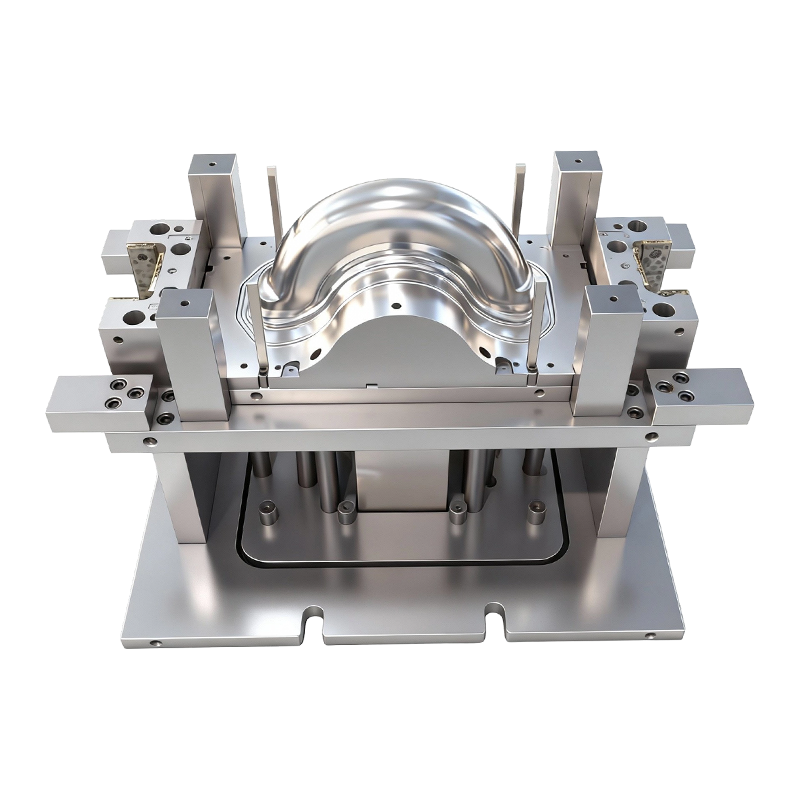
Deep drawing mold for front and rear wheels of two-wheeled electric vehicles
This Deep drawing mold for front and rear wheels o...
-
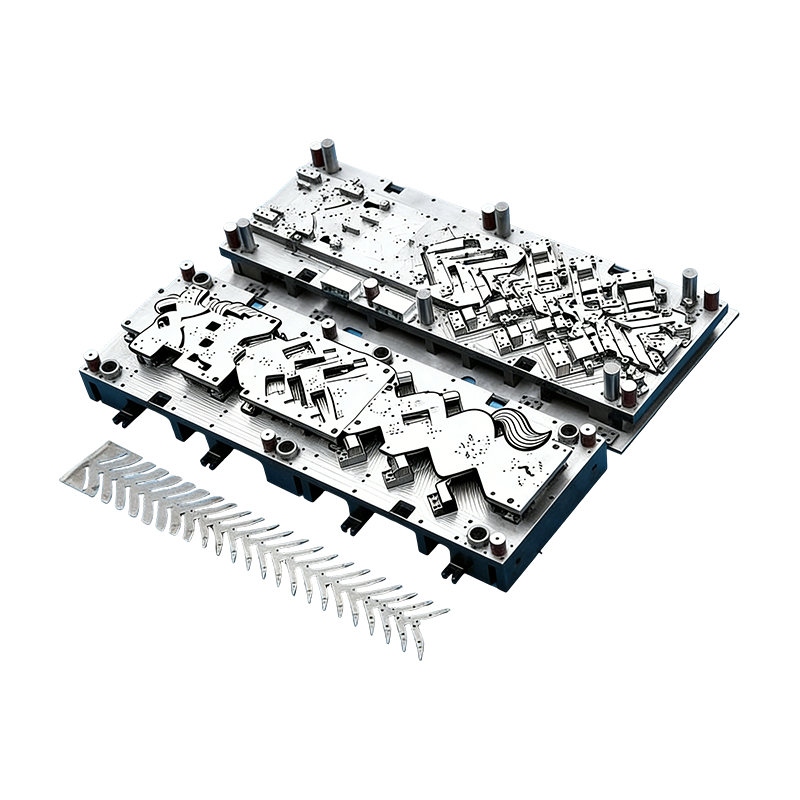
Progressive molds for automotive parts
This Continuous mold for automotive motor housing ...
-
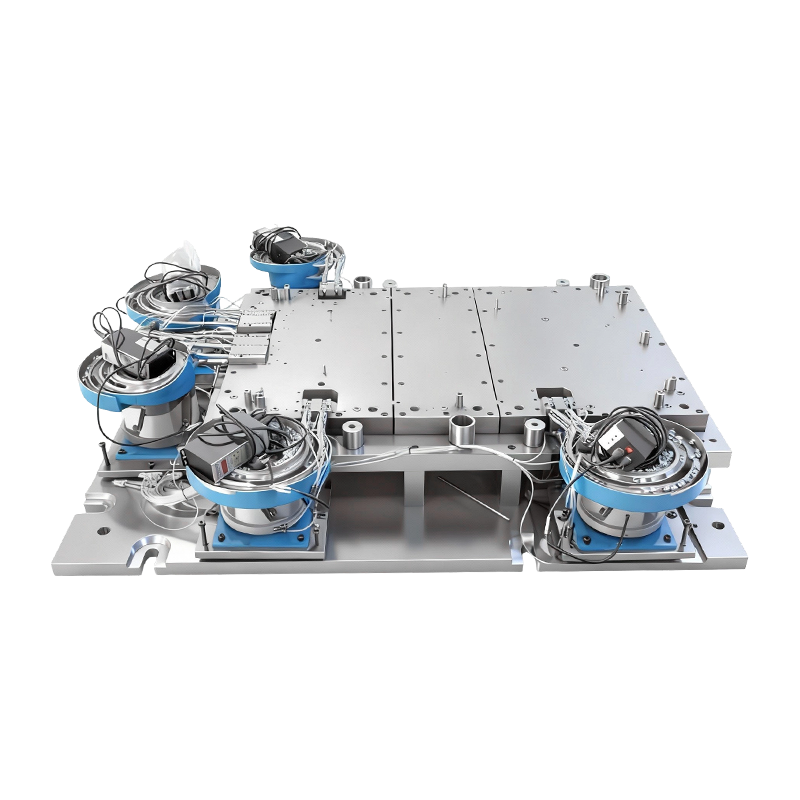
Automatic riveting mold for large computer machine base
This Automatic Riveting Mold for Large Computer Ma...
-
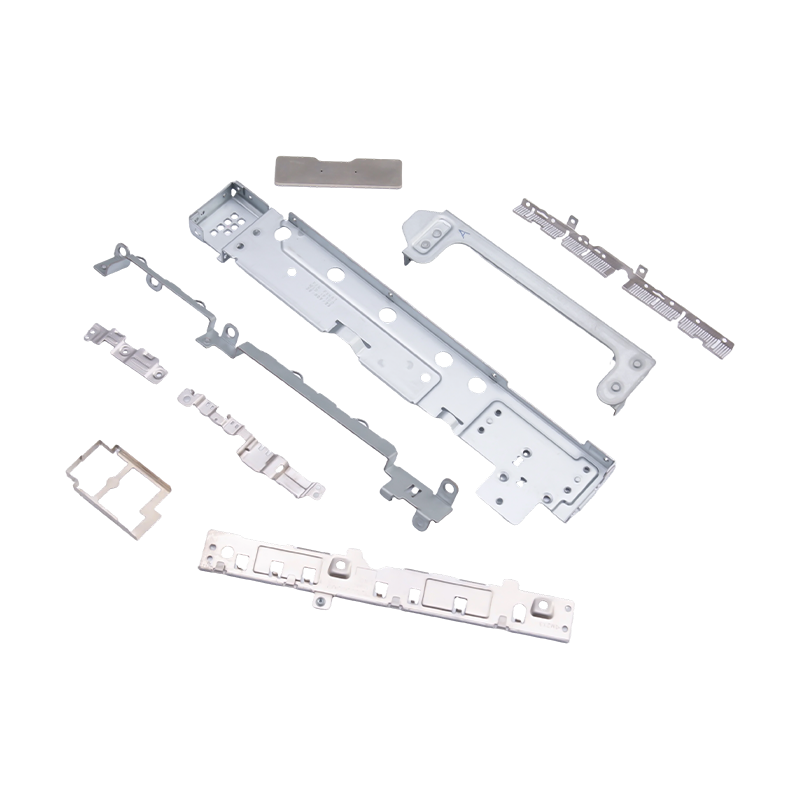
Small stamped parts for laptops and mobile phones
As essential internal components for modern portab...
-
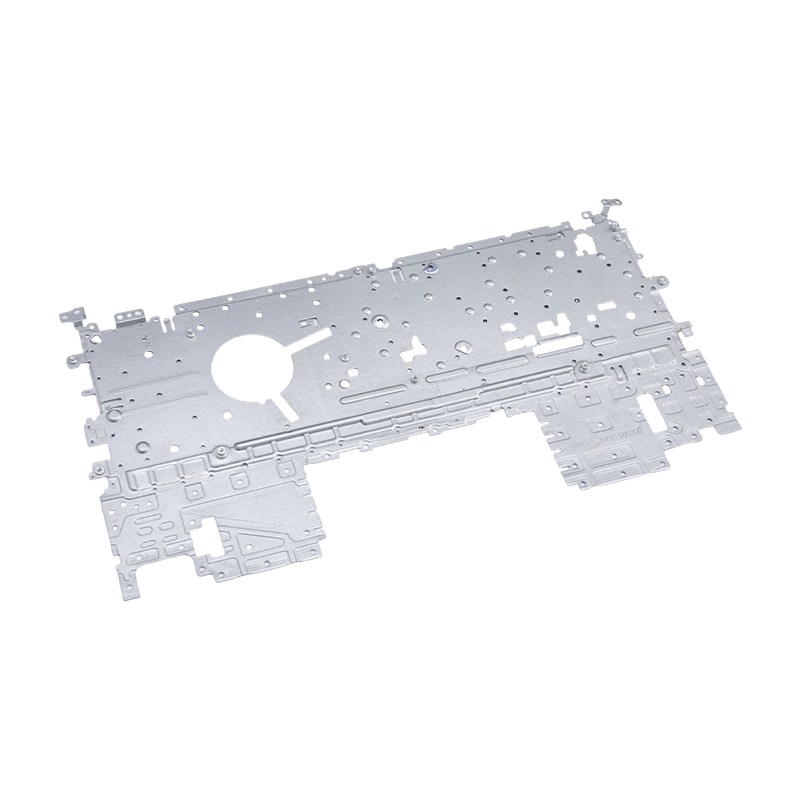
Laptop stamping parts
Our laptop stamping parts are precision-manufactur...
- E-mail us: [email protected]
- Call us: +86-139 1308 8972

Wang Xinyue – After-Sales Support Supervisor
Home / Author / Wang Xinyue – After-Sales Support Supervisor / Advanced Stamping Automation Equipment for Efficient Metal Forming
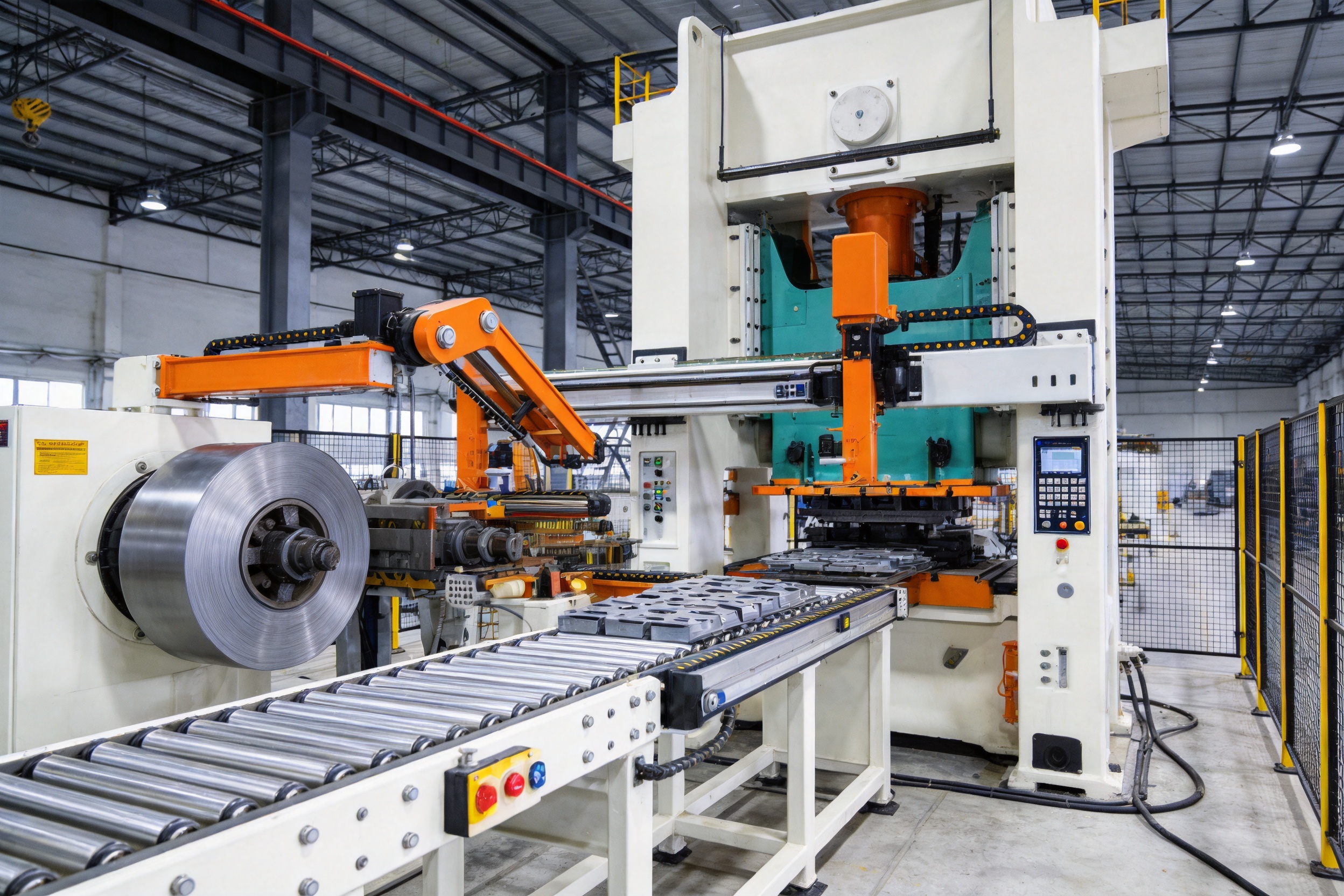
Advanced Stamping Automation Equipment for Efficient Metal Forming
2026-07-08
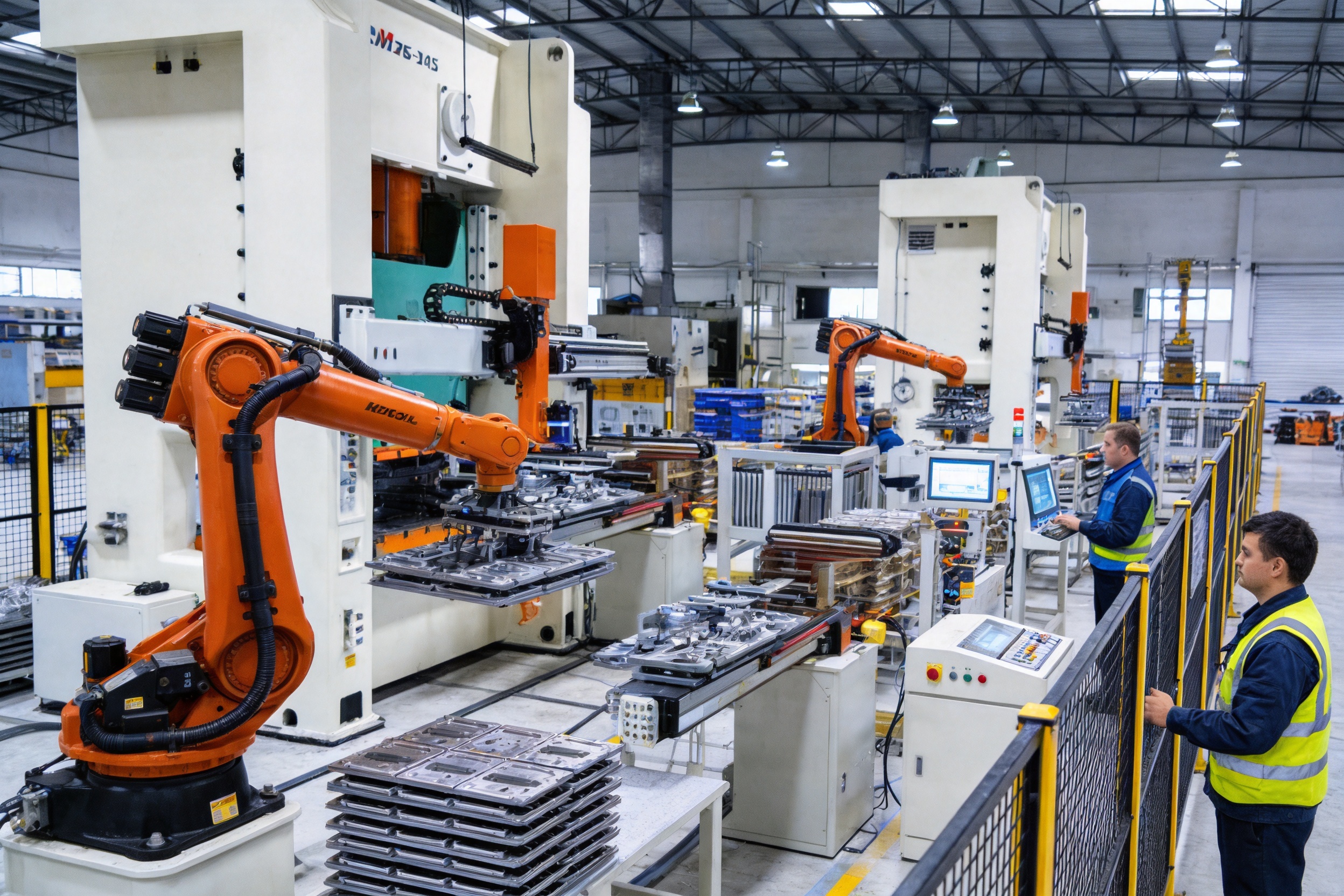
Modern metal forming demands speed, repeatability, safety, and cost control. Stamping automation equipment is designed to meet these requirements by integrating feeding, transferring, positioning, pressing, inspection, and unloading into a coordinated production system. For manufacturers producing metal stamping parts, progressive die components, automotive hardware, compressor parts, servo-drive components, new energy vehicle parts, and precision assemblies, automation is no longer an optional upgrade. It is a practical foundation for stable quality, higher output, lower labor intensity, and better production management.
Stamping automation equipment connects the mechanical strength of stamping presses with intelligent handling and control systems. Instead of relying mainly on manual loading and unloading, automated equipment uses feeders, robots, manipulators, transfer arms, conveyors, sensors, servo systems, and programmable controls to move material accurately through each production stage. The result is a smoother workflow that can reduce downtime, minimize material waste, improve operator safety, and support long-term mass production.
Suzhou Shuangqisi Mold Equipment Co., Ltd. provides stamping automation equipment supported by strong experience in stamping dies, stamping parts, and integrated manufacturing solutions. The company is located in Suzhou, China, and operates with a technical team, advanced machining equipment, precision processing capabilities, and practical production experience. Because it understands both die manufacturing and stamping automation, it can design equipment that is not isolated from the die or the part. Instead, the automation system can be matched with the die structure, press capacity, material behavior, product tolerance, and customer production target.
Content
- 1 Understanding Stamping Automation Equipment
- 2 Product Positioning and Application Fields
- 3 Core Advantages Over Conventional and Competing Solutions
- 4 Advanced Manufacturing Processes Behind the Equipment
- 5 Key Features and Functional Benefits
- 6 How Automation Improves Quality in Stamping Production
- 7 Productivity and Cost Advantages
- 8 Safety Improvements in Automated Stamping Lines
- 9 Customization for Different Presses, Dies, and Materials
- 10 Turnkey Solutions for Stamping Dies and Automation
- 11 Design Considerations for High-Performance Stamping Automation
- 12 Quality Control and Manufacturing Discipline
- 13 Comparison With Manual Stamping and Basic Mechanization
- 14 Industry Trends Driving Demand for Stamping Automation
- 15 Why Manufacturing Experience Matters
- 16 Practical Value for Customers
- 17 Installation, Training, and After-Sales Support
- 18 Questions and Answers
- 18.1 What is stamping automation equipment used for?
- 18.2 Which industries can benefit from this equipment?
- 18.3 Why is integrated die and automation capability important?
- 18.4 How does automation improve product quality?
- 18.5 Can stamping automation equipment be customized?
- 18.6 Does automation reduce labor requirements?
- 18.7 What makes the equipment competitive compared with standard solutions?
- 18.8 How does the equipment protect stamping dies?
- 18.9 Is stamping automation suitable for both new and existing production lines?
- 18.10 What should customers consider before investing in stamping automation?
- 19 Conclusion
- 20 References
- 21 Product: Stamping Automation Equipment
Understanding Stamping Automation Equipment
Stamping automation equipment refers to a complete or partial system used to automate the material flow and handling operations in metal stamping production. It may include coil feeding systems, straighteners, decoilers, transfer manipulators, robotic arms, pick-and-place units, servo feeders, safety devices, conveyors, stacking mechanisms, and control cabinets. Depending on the process, the system may be used with progressive dies, transfer dies, single-station dies, compound dies, or multi-press production lines.
The main purpose of this equipment is to help manufacturers produce stamped parts more efficiently and consistently. In manual stamping, workers must place blanks, remove formed parts, sort products, and monitor operations. This can create variations in timing, placement, and safety conditions. Automated stamping systems use programmed motion and sensor feedback to maintain stable movement and accurate positioning. This improves production consistency and makes it easier to control quality during continuous operation.
Stamping automation equipment can be designed for different manufacturing environments. A small workshop may need a compact feeder and unloading conveyor for a single punch press. A larger factory may require a full automatic line with coil loading, leveling, feeding, progressive stamping, waste removal, part collection, and online inspection. In high-volume production, transfer automation can move parts between stations quickly while maintaining precise orientation. For complex parts, robotic systems can handle irregular shapes, rotate parts, or perform secondary handling tasks.
The value of automation becomes especially clear when production involves high volumes, strict tolerances, difficult materials, or repetitive operations. It also helps companies respond to labor shortages and rising labor costs. By replacing repetitive manual handling with controlled mechanical motion, manufacturers can assign workers to higher-value tasks such as inspection, machine supervision, tool maintenance, process improvement, and production management.
Product Positioning and Application Fields
The stamping automation equipment provided by Suzhou Shuangqisi Mold Equipment Co., Ltd. is positioned for customers who require reliable, cost-effective, and practical automation solutions for metal stamping production. The equipment is suitable for industries such as automotive components, new energy vehicles, household appliances, electrical equipment, compressor parts, servo drives, electronic hardware, industrial hardware, and precision metal assemblies.
In the automotive and new energy vehicle sectors, stamping automation is used to manufacture brackets, structural supports, battery-related hardware, motor parts, connectors, shielding parts, and other metal components. These industries require consistent quality because parts often support assembly reliability and product safety. Automation helps maintain stable positioning and repeatable forming conditions, reducing the risk of dimensional variation.
In compressor and electrical equipment manufacturing, stamped metal components often need clean edges, stable shapes, and dependable batch consistency. Automated feeding and transfer systems can reduce scratches, improve material utilization, and support continuous production. For servo drives and electronic equipment, smaller stamped parts may require precise feeding and careful handling. Automated equipment can be designed to accommodate thin materials, narrow strips, and complex part shapes.
The product also supports manufacturers who need turnkey solutions. Because the company has experience in stamping dies, stamping parts, and stamping automation equipment, it can coordinate the die design with the automation method. This is an important advantage. A die that is difficult to automate may reduce line efficiency, while automation that does not match the die can cause feeding errors, part damage, or unstable output. Integrated development can reduce such risks.
Core Advantages Over Conventional and Competing Solutions
One of the major advantages of this stamping automation equipment is integration. Many suppliers provide either dies or automation, but not both as a coordinated solution. When die manufacturing and automation design are separated, communication gaps can occur. The automation supplier may not fully understand the forming sequence, material springback, part ejection direction, carrier strip design, or critical tolerance requirements. The die maker may not account for robotic gripping points, transfer timing, or sensor placement. Suzhou Shuangqisi Mold Equipment Co., Ltd. has the capability to combine die knowledge with automation engineering, which helps customers obtain a more practical and production-ready system.
Another advantage is cost-effectiveness. Advanced automation does not always mean excessive complexity. A well-designed system should match the real production requirement. For some parts, a servo feeder and optimized progressive die may provide excellent productivity. For others, a transfer manipulator or robotic system may be necessary. The company can evaluate the customer’s product, volume, press capacity, material, and quality standard before recommending a suitable configuration. This helps customers avoid unnecessary investment while still improving production efficiency.
The equipment is also supported by practical manufacturing experience. The company has senior operators and experienced debugging personnel, which is important because stamping automation requires adjustment and optimization after assembly. Even a well-designed machine must be tested with real material and actual dies. Feed length, press synchronization, part ejection, lubrication, sensor response, and transfer timing must be tuned carefully. Experienced technicians can shorten commissioning time and help customers reach stable production faster.
Compared with equipment suppliers that focus only on mechanical assembly, this manufacturer benefits from precision machining capabilities. Imported wire cutting machines, CNC machining centers, grinding machines, punch presses, and other machine tools support the manufacturing of precise components. Precision matters in automation because small errors in guide parts, fixtures, grippers, or transfer mechanisms can accumulate into feeding instability. Better machining capability contributes to smoother motion, longer service life, and more reliable operation.
Another competitive strength is flexibility. Stamping production is highly variable. Materials may include carbon steel, stainless steel, copper alloy, aluminum, and other metal strips or blanks. Part thickness, geometry, forming steps, and production speed differ from project to project. The company can provide customized automation according to customer needs rather than offering only standard equipment. This is especially valuable for manufacturers that produce special components or need automation for existing presses and dies.
Advanced Manufacturing Processes Behind the Equipment
Reliable stamping automation equipment depends on more than assembly. It requires a systematic manufacturing process that includes project evaluation, engineering design, precision machining, component selection, assembly, wiring, programming, debugging, trial production, and after-sales service. Each stage affects final performance. A weak design may cause operational instability. Poor machining may reduce mechanical accuracy. Inadequate debugging may result in repeated downtime. Therefore, a disciplined manufacturing process is essential.
Project Evaluation and Process Planning
The manufacturing process begins with understanding the customer’s production objective. Engineers review the stamped part drawing, material specification, annual volume, required output rate, press information, die type, production environment, and quality requirements. If the automation equipment is part of a new line, the team may also consider factory layout, operator access, maintenance space, coil storage, and downstream packaging. If it is an upgrade for an existing line, engineers analyze the current press, die, and workflow to identify the best automation approach.
This evaluation stage is important because automation must solve actual production problems. For example, if the main issue is inconsistent feeding, a high-quality servo feeding system may be the priority. If manual unloading creates safety risks, an unloading conveyor or robotic removal system may be required. If part orientation must be maintained between several forming stages, transfer automation may be needed. By defining the correct objective, the equipment can be designed with practical value.
Mechanical Design and Structural Optimization
After the project requirements are confirmed, engineers develop the mechanical design. The structure must be rigid enough to withstand continuous operation but also practical for installation and maintenance. Moving components should be designed to reduce vibration and wear. Grippers, fixtures, guide rails, feeding rollers, and transfer arms must be matched to the material and part shape. The design also considers press stroke, die height, shut height, ejection timing, and safe operating distance.
Structural optimization may involve simplifying motion paths, reducing unnecessary mechanisms, improving accessibility, and protecting critical components from stamping oil, scrap, vibration, and dust. In many stamping environments, equipment must operate under tough conditions. Oil mist, metal chips, noise, and repeated impact can affect machine performance. A robust mechanical design improves durability and reduces maintenance requirements.
Precision Machining and Component Manufacturing
The company’s manufacturing strength includes imported wire cutting machines, CNC machining centers, grinding machines of various sizes, punch presses from 80T to 400T, and other advanced precision machine tools. These resources support accurate processing of mechanical parts used in stamping automation equipment. Precision machining helps ensure that guide components, mounting plates, brackets, transmission parts, and fixtures meet design specifications.
Wire cutting is useful for producing accurate profiles and complex shapes. CNC machining centers support efficient processing of structural and functional components. Grinding improves surface quality and dimensional accuracy where close tolerances are needed. Punch presses support in-house testing and production experience, allowing engineers to understand real stamping conditions rather than designing equipment only from theory. This combination of equipment improves the manufacturer’s ability to control quality and delivery.
Electrical Control and System Integration
Stamping automation requires accurate coordination between mechanical motion and press operation. Electrical control systems may include programmable logic controllers, servo drives, human-machine interfaces, sensors, safety relays, encoders, pneumatic controls, and communication modules. The control system must synchronize feeding or transfer motion with the press stroke. It must also monitor abnormal conditions such as misfeed, part jam, material end, air pressure loss, overload, or safety door opening.
A clear and user-friendly control interface helps operators adjust production parameters, monitor status, and respond to alarms. For example, operators may need to set feed pitch, speed, acceleration, production count, lubrication interval, or transfer timing. Good software design reduces training difficulty and supports stable operation. In high-volume production, data collection can also help managers monitor productivity and downtime.
Assembly, Debugging, and Trial Production
After machining and component preparation, the automation equipment is assembled by skilled technicians. Mechanical alignment, wiring quality, pneumatic routing, lubrication, and safety protection are checked carefully. Debugging then begins. During debugging, technicians test each motion separately before running the full production cycle. They confirm sensor signals, servo motion, press synchronization, gripper stability, material feeding accuracy, and part discharge.
Trial production is a critical step. It reveals how the equipment performs under real stamping conditions. Issues such as strip deviation, part sticking, unstable ejection, vibration, or timing conflicts can be identified and corrected. Experienced debugging personnel help improve system stability before delivery. This practical approach reduces customer risk and supports faster production launch.
Key Features and Functional Benefits
Stamping automation equipment can include different modules depending on the production requirement. The following table summarizes common features and the benefits they provide in metal stamping operations.
| Feature | Function | Customer Benefit |
|---|---|---|
| Servo feeding system | Feeds strip material into the press with controlled pitch and speed | Improves feeding accuracy, reduces material waste, and supports stable production |
| Decoiler and straightener | Unwinds coil material and removes coil curvature before feeding | Improves material flatness and reduces forming defects |
| Transfer manipulator | Moves parts between stations or presses | Reduces manual handling and increases production speed |
| Robotic loading and unloading | Handles blanks or finished parts automatically | Improves safety and supports flexible production |
| Sensor monitoring | Detects misfeeds, jams, material presence, and abnormal conditions | Protects dies, reduces downtime, and improves process reliability |
| Human-machine interface | Allows operators to set parameters and monitor production | Simplifies operation and improves process control |
| Safety protection system | Uses guards, interlocks, emergency stops, and safety controls | Reduces operational risk and supports safer production |
| Customized fixtures and grippers | Holds or transfers parts according to product geometry | Improves part handling accuracy and reduces surface damage |
These features can be combined according to the project. A simple line may use only feeding and unloading equipment, while a complex line may require a fully integrated system with press communication, transfer arms, multiple sensors, and automatic stacking. The best solution is the one that meets production goals with the right balance of function, reliability, and investment.
How Automation Improves Quality in Stamping Production
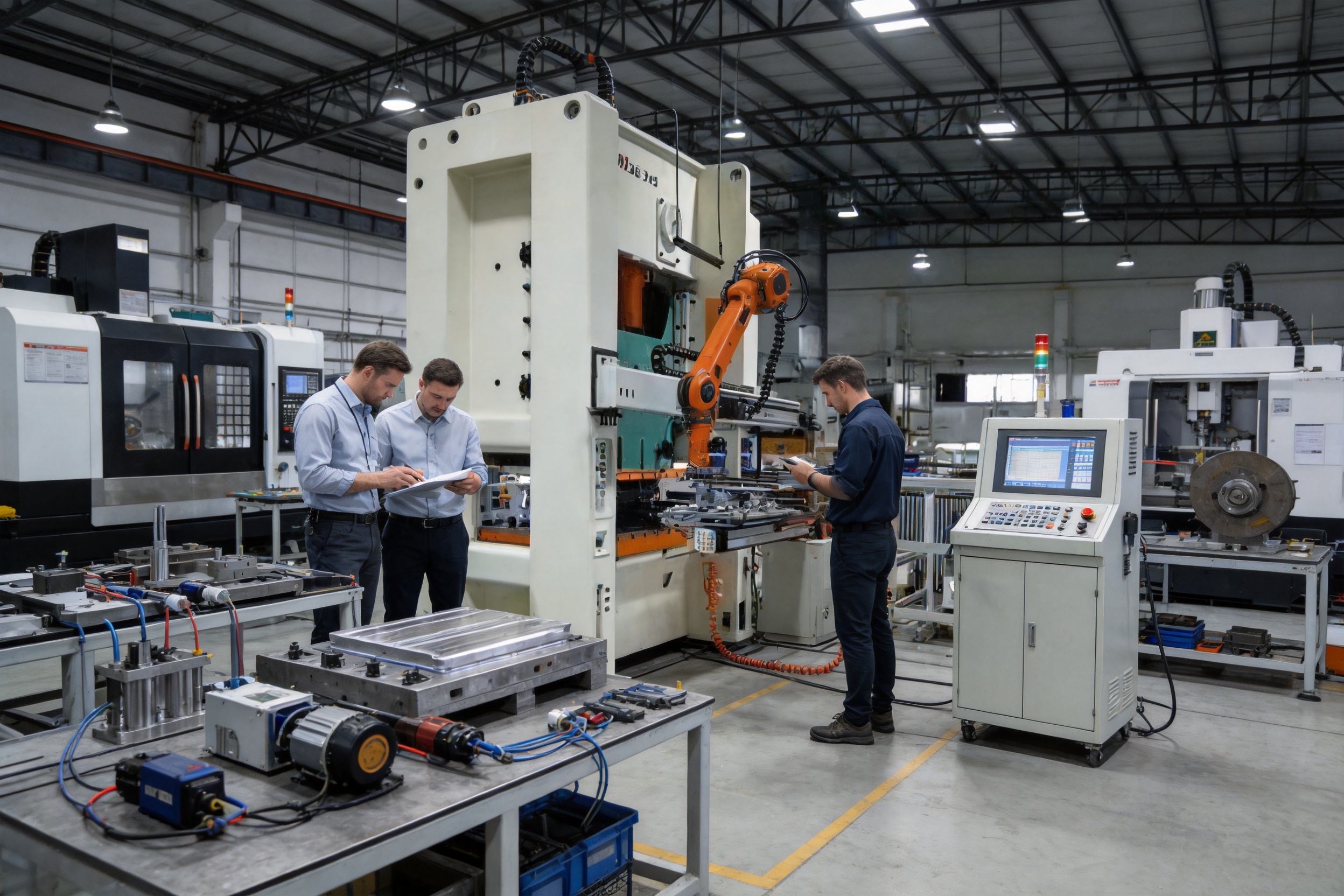
Quality in stamping production is affected by material condition, die accuracy, press stability, feeding precision, lubrication, operator handling, and inspection methods. Automation improves quality mainly by reducing variation. When a servo feeder sends material into the die at a consistent pitch, hole positions, bend locations, and forming stages are more stable. When a transfer manipulator places parts consistently, the risk of misalignment decreases. When sensors detect abnormal conditions, the system can stop before serious damage occurs.
Manual handling can cause product scratches, inconsistent placement, missed operations, or accidental mixing of parts. Automation reduces these risks. It also improves traceability because production counts, alarms, and operating parameters can be recorded. For industries such as automotive and new energy vehicles, traceability and process stability are increasingly important. Customers often need suppliers to demonstrate consistent manufacturing capability, not just occasional good samples.
Automated systems can also support inline inspection. Depending on requirements, sensors or vision systems may verify material presence, part position, hole existence, shape features, or part discharge. While not every project requires vision inspection, the possibility of adding monitoring functions is an advantage. It allows manufacturers to detect defects earlier and reduce the cost of rework or sorting.
Another quality benefit comes from protecting the die. Stamping dies are valuable assets. Misfeeds, double blanks, part jams, and scrap accumulation can damage punches, inserts, guide parts, and die plates. Automation with proper sensors can stop the press when abnormal conditions occur. This prevents expensive repair and reduces production interruption. Since Suzhou Shuangqisi Mold Equipment Co., Ltd. has stamping die manufacturing expertise, it understands how die protection should be considered in automation design.
Productivity and Cost Advantages
Productivity is one of the most visible benefits of stamping automation equipment. Automated feeding and transfer can increase strokes per minute, reduce waiting time, and maintain stable operation over long production shifts. When workers manually place and remove parts, production speed depends on operator fatigue, skill, and safety limits. Automation can work at a consistent pace and can support continuous production with fewer interruptions.
Labor cost reduction is another important factor. Automation does not simply remove workers; it changes the role of workers. Instead of performing repetitive and potentially dangerous handling tasks, operators can supervise multiple machines, inspect quality, prepare materials, maintain dies, and manage production data. This improves labor efficiency and helps companies deal with labor shortages.
Material savings can also be achieved. Accurate feeding reduces scrap caused by misalignment. Stable handling reduces part damage. Optimized die and automation design can improve strip layout and material utilization. In high-volume production, even a small reduction in scrap can create significant savings. The company’s ability to combine stamping die design with automation planning helps customers evaluate material efficiency at the beginning of the project.
Automation also reduces hidden costs. Manual processes may appear inexpensive at first, but they often involve quality variation, training time, safety risks, downtime, and limited scalability. A well-designed automation system requires initial investment, but it can deliver long-term benefits through higher output, fewer defects, lower labor dependence, and improved delivery reliability. For manufacturers competing in demanding markets, these benefits can directly improve competitiveness.
Safety Improvements in Automated Stamping Lines
Stamping presses are powerful machines. Manual loading and unloading near the die area can expose workers to potential hazards. Stamping automation equipment helps keep operators away from dangerous zones by using feeders, manipulators, robots, conveyors, and safety guards. This reduces the need for hands to enter the press area during normal operation.
Safety systems may include emergency stop buttons, safety doors, light curtains, interlocks, overload protection, alarm systems, and controlled operation modes. Properly designed safety logic ensures that the machine stops when unsafe conditions occur. For example, if a guard is opened, the system can prevent automatic operation. If a part is not detected in the correct position, the press can stop before the next stroke.
Improved safety is not only a moral responsibility but also a business advantage. Accidents can cause injuries, production stoppages, equipment damage, and compliance issues. By investing in automation, manufacturers can improve workplace conditions and reduce operational risk. A safer production environment also supports employee morale and long-term workforce stability.
Customization for Different Presses, Dies, and Materials
No two stamping projects are exactly the same. Press capacity may range from small machines to large presses. Suzhou Shuangqisi Mold Equipment Co., Ltd. operates punch presses from 80T to 400T, which gives the company practical understanding of different press conditions. Automation must be matched with press tonnage, stroke length, bed size, die height, speed, and control interface. A feeder that works well on one press may require adjustment for another press. A transfer system must be designed according to available space and motion clearance.
Die type also affects automation. Progressive dies usually require accurate strip feeding. Transfer dies require part movement between stations. Single-operation dies may need blank loading and finished part unloading. Compound dies may require special ejection or separation methods. The company’s die manufacturing experience helps it design automation that supports the die instead of creating conflicts.
Material behavior must also be considered. Thin metal strips may buckle if feeding control is poor. Thick materials may require stronger feeding force. Stainless steel may require attention to scratching and lubrication. Copper or aluminum parts may need gentle handling to prevent surface damage. High-strength materials may create higher forming forces and require careful die protection. Customized automation can address these conditions through proper rollers, guides, grippers, lubrication methods, and sensors.
Turnkey Solutions for Stamping Dies and Automation
A turnkey solution means the customer can receive a coordinated system rather than separately purchasing a die, press accessory, feeder, transfer unit, and control cabinet from multiple suppliers. This approach reduces communication complexity and improves accountability. When a problem occurs, the customer does not need to determine whether it is caused by the die, feeder, press interface, or transfer device. A single integrated supplier can analyze the complete process and provide a practical solution.
Suzhou Shuangqisi Mold Equipment Co., Ltd. can provide customers with turnkey solutions for stamping molds and stamping automation. This is especially valuable for new projects where product development, die design, production planning, and automation investment must be coordinated. The company can also invest in related production equipment according to customer needs to deliver cost-effective products and services. This flexible approach supports customers who require both manufacturing capacity and technical partnership.
Turnkey capability is supported by the company’s 15 years of experience in the mold industry, technical staff, advanced processing equipment, and customer-oriented service concept. Its customer base includes companies in sectors such as servo drives, compressors, and new energy vehicles. These fields require dependable production solutions, and experience in serving such customers helps the company understand demanding industrial requirements.
Design Considerations for High-Performance Stamping Automation
High-performance stamping automation is not achieved by simply adding a robot or feeder to a press. It requires detailed engineering. The first consideration is cycle time. The automation motion must fit within the press cycle. If the feeder or transfer device cannot complete movement before the next stroke, production speed will be limited. Engineers must calculate acceleration, travel distance, positioning time, gripping time, and safety margin.
The second consideration is accuracy. Feeding pitch, transfer position, part orientation, and repeatability must meet the requirements of the die and product. Mechanical rigidity, servo control, guide accuracy, and sensor feedback all affect final accuracy. The system must maintain accuracy not only during initial testing but also after long-term operation.
The third consideration is reliability. Production equipment must run continuously. Components should be selected for durability. Wear parts should be easy to replace. Sensors should be protected from oil and metal debris. Wiring should be organized and secured. Pneumatic components should be accessible for maintenance. A reliable design reduces downtime and improves production planning.
The fourth consideration is maintainability. Operators and maintenance personnel need clear access to adjustment points, lubrication points, sensors, grippers, and control panels. If maintenance is difficult, small problems may become major failures. Good equipment design includes practical details such as removable guards, labeled wiring, modular assemblies, and clear operating instructions.
The fifth consideration is scalability. Customers may begin with one product but later need to produce additional part models. If possible, automation should allow reasonable adjustment or replacement of fixtures. Flexible equipment can improve return on investment by supporting future production needs.
Quality Control and Manufacturing Discipline
Quality control in equipment manufacturing begins with design review and continues through material procurement, machining inspection, assembly verification, electrical testing, and final trial operation. Each component must be checked to ensure it meets the required specification. Critical dimensions should be inspected, and assembly alignment should be verified. Electrical systems should be tested for signal accuracy, safety logic, and stable communication.
The company’s strict cost and quality control is one of its stated advantages. Cost control does not mean reducing quality. It means designing the right equipment, selecting appropriate components, avoiding waste, improving internal efficiency, and preventing rework. Quality control means ensuring that the equipment performs reliably and supports the customer’s production goal. Together, cost and quality control create value for customers.
Experienced operators and debugging personnel are important to this discipline. In stamping automation, small practical details matter. A gripper angle, a guide clearance, a sensor bracket, or a feed roller pressure setting can influence performance. Skilled technicians can identify these details during assembly and trial production. Their experience helps transform engineering drawings into stable production equipment.
Comparison With Manual Stamping and Basic Mechanization
Manual stamping is still used in some factories, especially for low-volume or simple parts. However, manual operations have limitations. Output is lower, quality depends heavily on operator skill, and safety risks are higher. Manual loading and unloading also make it difficult to achieve consistent cycle time. As production volume increases, these limitations become more serious.
Basic mechanization, such as a simple feeder or conveyor, can improve some processes but may not solve all problems. For example, a feeder can improve strip feeding, but finished parts may still require manual removal. A conveyor can remove parts, but without sensors it may not protect the die from misfeeds. A full automation solution considers the complete process from material input to finished part output.
Compared with competitors offering only standard machines, customized stamping automation equipment provides better process matching. Standard equipment may be suitable for common applications, but it may not address special part shapes, limited workshop space, existing press constraints, or specific quality needs. A manufacturer with both die and automation knowledge can provide a more tailored solution.
Industry Trends Driving Demand for Stamping Automation
Several industry trends are increasing demand for stamping automation equipment. The first is the growth of new energy vehicles. These vehicles require many metal components for battery systems, motors, power electronics, thermal management, and structural assemblies. Production volumes are high, and quality requirements are strict. Automation helps suppliers meet these expectations.
The second trend is the demand for smaller, more precise components in electrical and electronic equipment. As products become more compact and integrated, stamped parts may require tighter tolerances and cleaner handling. Automated feeding and inspection can improve consistency.
The third trend is labor cost pressure. Manufacturers in many regions face difficulty recruiting and retaining workers for repetitive production tasks. Automation helps reduce dependence on manual labor and allows companies to use skilled workers more effectively.
The fourth trend is digital production management. Factories increasingly want production data, alarm records, and process visibility. Automation equipment with control systems can provide useful data for management and continuous improvement.
The fifth trend is supply chain competitiveness. Customers expect stable delivery, consistent quality, and cost efficiency. Suppliers with advanced automation are often better positioned to win long-term contracts, especially in industries where quality and delivery performance are closely evaluated.
Why Manufacturing Experience Matters
Stamping automation equipment is not just a machine; it is part of a manufacturing system. Experience matters because real production conditions are more complex than drawings. Material may vary between batches. Presses may have different response times. Dies may require adjustment after trial production. Operators may need simple and clear controls. Maintenance teams may need easy access. A supplier with practical manufacturing experience understands these realities.
Suzhou Shuangqisi Mold Equipment Co., Ltd. has 60 technical staff and a background in stamping dies and hardware parts. Its equipment includes imported wire cutting machines, CNC machining centers, more than 10 grinding machines of various sizes, 25 punch presses ranging from 80T to 400T, and other advanced precision machine tools. These resources are important because they support both technical development and practical testing. The company’s experience with customers such as Anter Group, Ousheng Electric, Dongbei Group, and Huichuan Technology also reflects its ability to serve industrial production needs.
The establishment of Suzhou Keshuang Intelligent Technology Co., Ltd. in 2016 further strengthened the company’s capability in stamping automation equipment. This background demonstrates a strategic focus on automation and intelligent manufacturing. Instead of treating automation as an accessory, the company has developed it as a core part of its solution offering.
Practical Value for Customers
Customers purchasing stamping automation equipment usually care about several practical questions. Will the equipment increase output? Will it reduce defects? Can it run reliably? Is it easy to operate? Can it be maintained without excessive difficulty? Does the supplier understand the part and die? Is the investment reasonable? The equipment described here is designed to answer these concerns through integration, customization, precision manufacturing, and experienced service.
For a customer launching a new stamping part, the company can assist with die and automation planning from the early stage. This reduces the risk of designing a die that later becomes difficult to automate. For a customer upgrading an existing production line, the company can evaluate the current process and recommend targeted improvements. For a customer needing large-volume production, the company can support stable and efficient production through automation and die expertise.
The ability to provide cost-effective products and services is important in competitive markets. Customers need quality, but they also need reasonable investment and fast return. By controlling costs, using internal machining capabilities, and designing equipment according to actual needs, the company can help customers achieve a strong balance between performance and affordability.
Installation, Training, and After-Sales Support
Successful automation does not end when the equipment is delivered. Installation, training, and after-sales support are important parts of the project. During installation, the equipment must be positioned correctly, connected to the press, aligned with the die, and tested with material. Operators must learn how to start and stop the system, set parameters, respond to alarms, perform basic maintenance, and follow safety procedures.
Training helps customers get the most value from automation. Even advanced equipment can perform poorly if operators do not understand correct use. Clear instructions and practical training reduce mistakes and improve confidence. Maintenance training is also important. Operators and technicians should know how to inspect wear parts, clean sensors, check air pressure, lubricate mechanisms, and identify early signs of problems.
After-sales support provides assurance when customers encounter production changes, troubleshooting needs, or equipment adjustments. A supplier with die and automation knowledge can respond more effectively because it can analyze the complete process. This is especially useful when product design changes or new materials are introduced.
Questions and Answers
What is stamping automation equipment used for?
Stamping automation equipment is used to automate material feeding, part transfer, loading, unloading, inspection, and handling in metal stamping production. It helps manufacturers improve productivity, quality consistency, safety, and cost efficiency.
Which industries can benefit from this equipment?
Industries such as automotive components, new energy vehicles, compressors, servo drives, electrical equipment, household appliances, electronic hardware, and precision metal parts manufacturing can benefit from stamping automation equipment.
Why is integrated die and automation capability important?
Integrated capability is important because the die and automation system must work together. Feeding direction, part ejection, gripping points, sensor locations, and production timing should be considered during die design and automation planning. This reduces commissioning problems and improves production stability.
How does automation improve product quality?
Automation improves quality by reducing variation in feeding, positioning, handling, and cycle timing. It can also include sensors to detect misfeeds, jams, missing parts, and abnormal conditions, helping prevent defects and die damage.
Can stamping automation equipment be customized?
Yes. The equipment can be customized according to part shape, material, press capacity, die type, production speed, workshop layout, and customer quality requirements. Customization helps ensure that the automation system matches the actual production process.
Does automation reduce labor requirements?
Automation reduces repetitive manual handling and allows workers to focus on supervision, inspection, maintenance, and process management. This improves labor efficiency and helps companies address labor shortages and rising labor costs.
What makes the equipment competitive compared with standard solutions?
The main competitive advantages include integrated stamping die and automation knowledge, precision manufacturing capability, experienced debugging personnel, customized engineering, practical cost control, and the ability to provide turnkey solutions.
How does the equipment protect stamping dies?
The equipment can use sensors and control logic to detect misfeeds, part jams, material absence, or abnormal positioning. When a problem is detected, the system can stop the press before serious die damage occurs.
Is stamping automation suitable for both new and existing production lines?
Yes. It can be designed for new production lines or adapted to existing presses and dies. For existing lines, engineers evaluate current equipment and workflow before recommending an automation upgrade.
What should customers consider before investing in stamping automation?
Customers should consider part drawings, material type, production volume, press specifications, die type, required cycle time, quality standards, available space, labor cost, and expected return on investment.
Conclusion
Stamping automation equipment plays a central role in modern metal forming. It transforms stamping production from labor-intensive operation into a more stable, efficient, and controllable process. By automating feeding, transferring, handling, monitoring, and unloading, manufacturers can improve quality consistency, increase output, reduce labor intensity, protect dies, and strengthen competitiveness.
The product offered by Suzhou Shuangqisi Mold Equipment Co., Ltd. is supported by strong advantages in stamping die manufacturing, precision machining, practical debugging, and integrated automation engineering. The company’s advanced equipment, experienced technical team, and ability to provide turnkey solutions make it a valuable partner for customers seeking reliable stamping automation. Its strengths are especially relevant for industries requiring precision, stability, and cost-effective mass production, including servo drives, compressors, automotive components, and new energy vehicles.
In a market where manufacturers must deliver higher quality at lower cost and shorter lead times, stamping automation equipment provides a practical path forward. A well-designed system does more than replace manual labor. It improves the entire production process by connecting die design, material handling, press operation, quality monitoring, and production management. For companies planning to upgrade their stamping operations, investing in integrated and customized automation can create lasting value.
References
Altan, T., and Tekkaya, A. E. Sheet Metal Forming: Processes and Applications. ASM International.
Boljanovic, V. Sheet Metal Forming Processes and Die Design. Industrial Press.
Society of Manufacturing Engineers. Tool and Manufacturing Engineers Handbook: Forming. SME Publications.
Groover, M. P. Fundamentals of Modern Manufacturing: Materials, Processes, and Systems. Wiley.
Kalpakjian, S., and Schmid, S. R. Manufacturing Engineering and Technology. Pearson.
Lange, K. Handbook of Metal Forming. McGraw-Hill.
Schuler GmbH. Metal Forming Handbook. Springer.
International Organization for Standardization. Safety of Machinery and Industrial Automation Standards.
Product: Stamping Automation Equipment
Previous Post
Progressive Molds for High-Volume Automotive Parts Production
Next Post
High-Precision Gas Tank End Stamping Parts for Durable Automotive Fuel Systems
Our Products.
Start Your Business with an OEM Manufacturer Right Here!

Provide global customers with complete turn-key solutions
through
innovation!
QUICK LINKS
CONTACT INFO.
-
 +86-139 1308 8972
 -

-
 No. 118 Yexin Road, Wujiang Economic Development Zone, Suzhou, China
Copyright © Suzhou Shuangqisi Mold Equipment Co., Ltd. All Rights Reserved. Custom Stamping Die Metal Stamping Die Manufacturers
