 English
 Español
 Deutsch

-
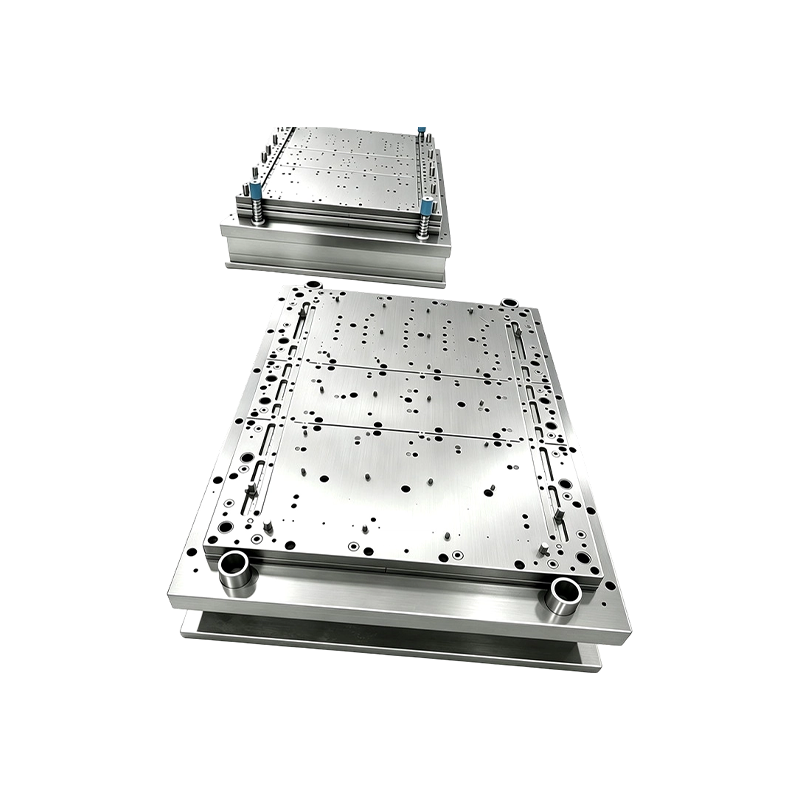
Progressive Stamping Die for Connector & Terminal Parts High Speed Progressive Stamping Die Precision Metal Hardware Stamping Tool mold for Connector Terminal Parts Automotive Components
Progressive Stamping Die for Connector & Termi...
-
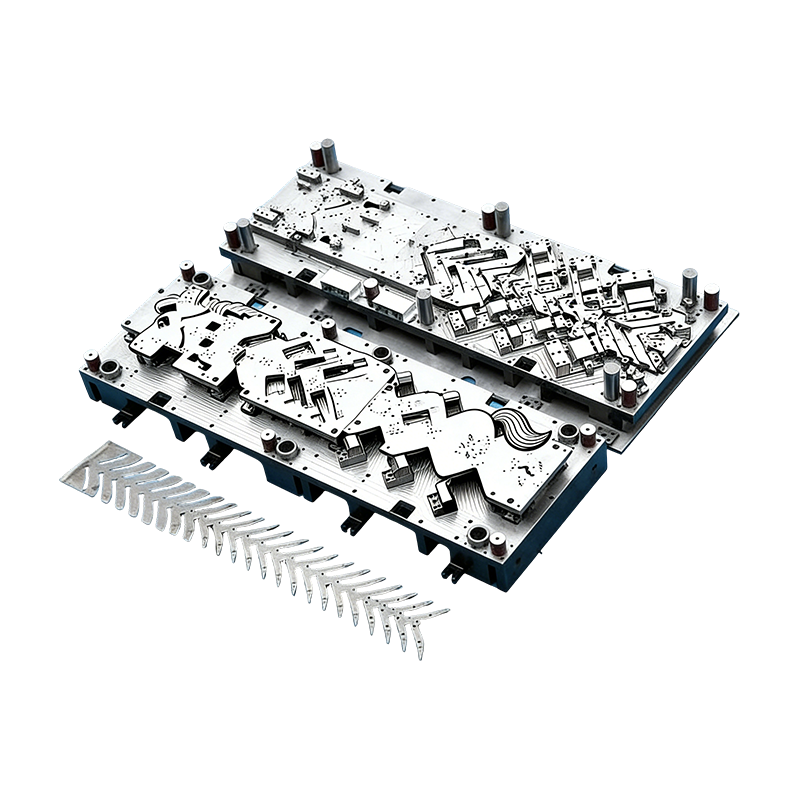
Progressive molds for automotive parts
This Continuous mold for automotive motor housing ...
-
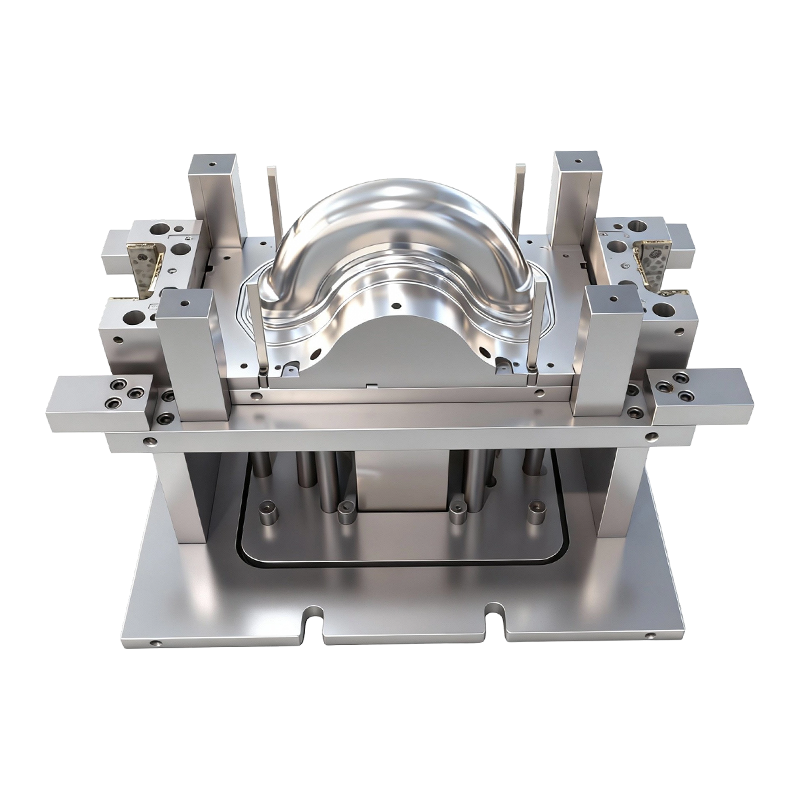
Deep drawing mold for front and rear wheels of two-wheeled electric vehicles
This Deep drawing mold for front and rear wheels o...
-
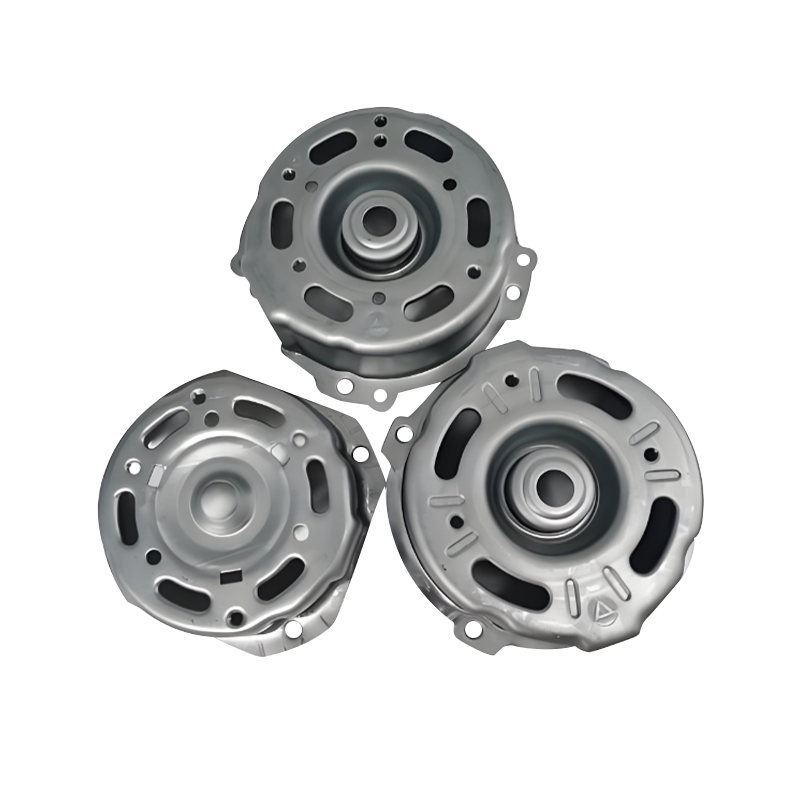
Automotive motor housing stamping parts
Automotive motor housing stamping parts are core c...
-
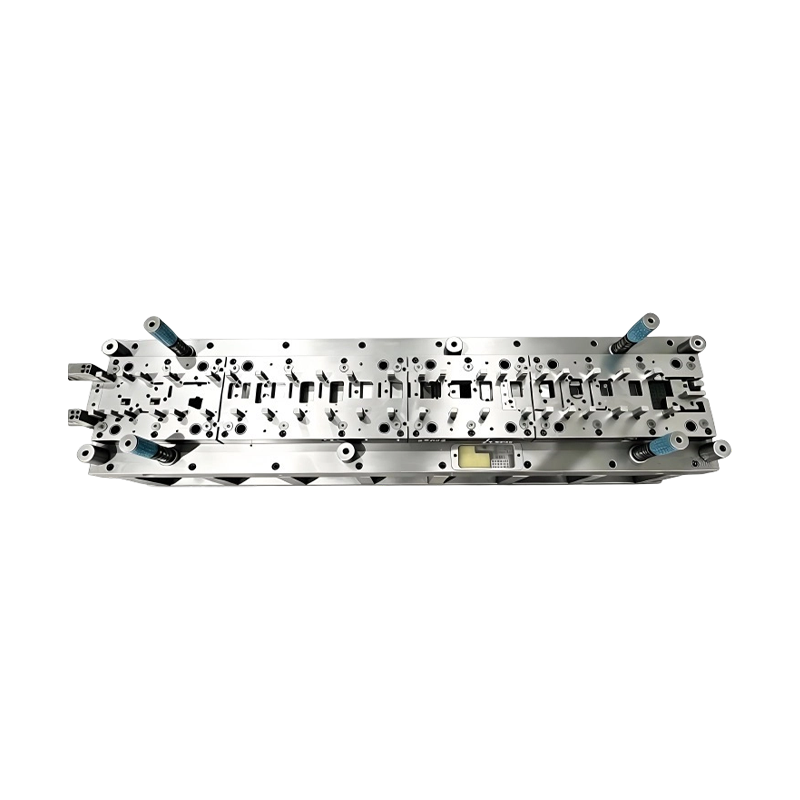
Long-Stroke Multi-Stage Progressive Die Automatic Strip Feed Progressive Die Long Travel Follow on Stamping Tool for Sheet Metal Hardware Press Moulding
Long-Stroke Multi-Stage Progressive DieOur custom ...
-
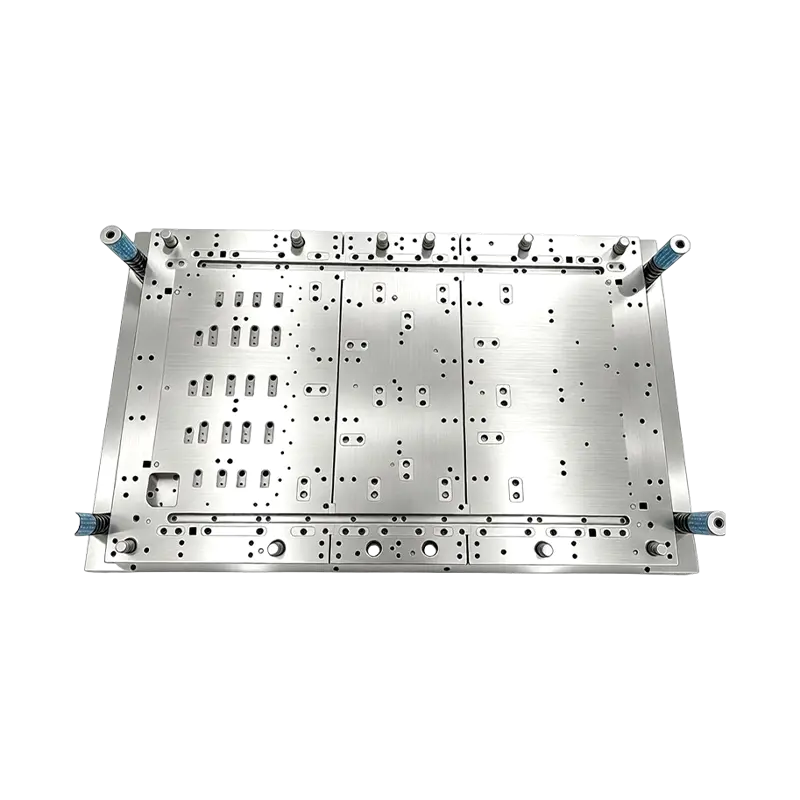
Multi-Station Progressive Stamping Die with Carbide Inserts Custom Multi Station Progressive Stamping Die Carbide Insert Metal Stamping Mold Tool for Equipment Appliances Device Hardware
High Speed Metal Stamping Tool for Precise Equipme...
- E-mail us: [email protected]
- Call us: +86-139 1308 8972

Wang Xinyue – After-Sales Support Supervisor
Home / Author / Wang Xinyue – After-Sales Support Supervisor / Progressive Molds for Automotive Parts: Precision, Productivity, and Integrated Manufacturing
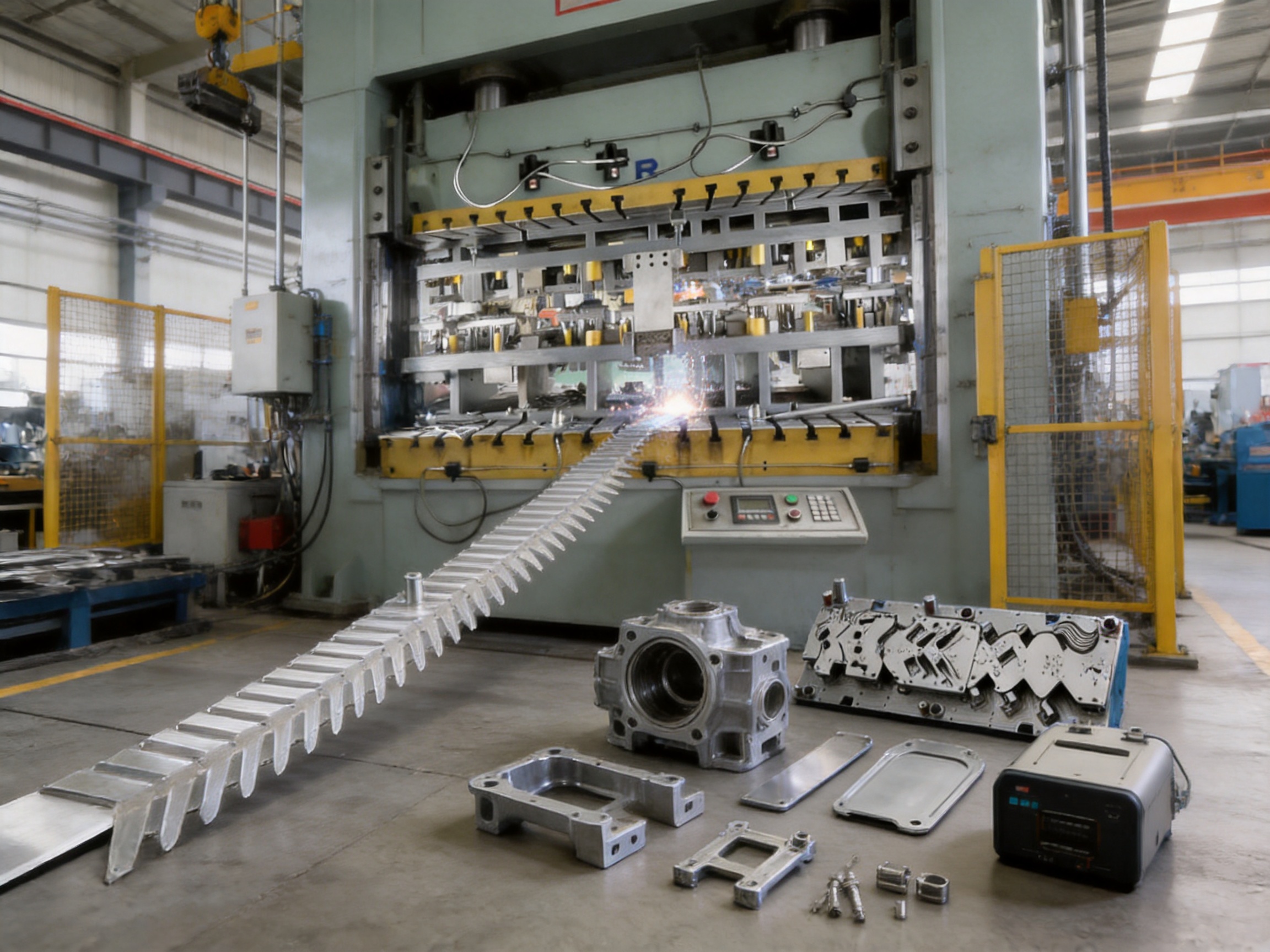
Progressive Molds for Automotive Parts: Precision, Productivity, and Integrated Manufacturing
2026-10-28
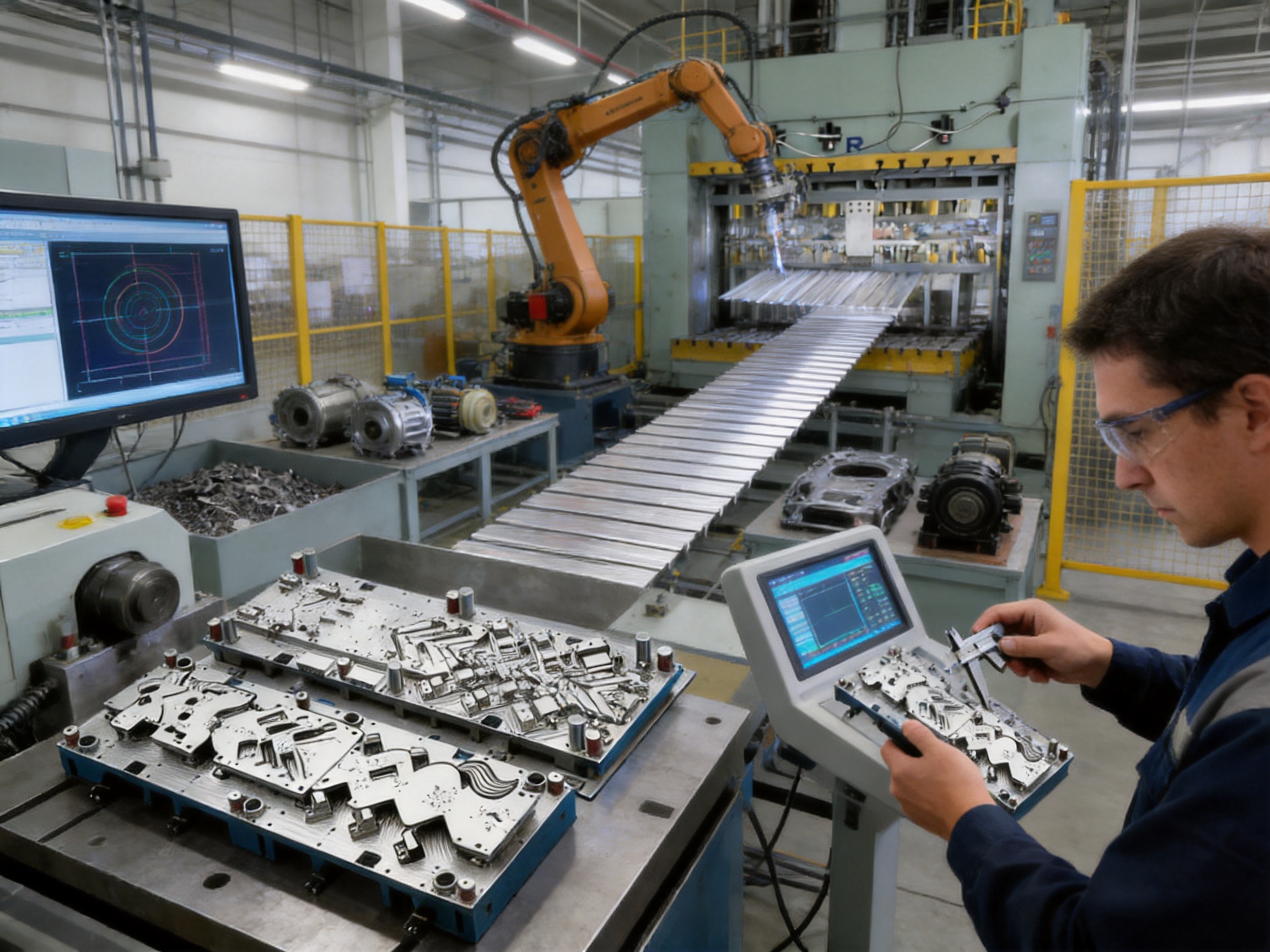
Automotive manufacturing increasingly depends on stamping systems that can produce complex metal components quickly, consistently, and economically. As vehicle platforms become more compact, electrified, and electronically controlled, the demand for accurate motor housings, structural parts, brackets, covers, terminals, and other small-to-medium stamped components continues to grow. These parts must meet strict dimensional requirements while remaining suitable for high-volume production. A progressive mold, also known as a progressive stamping die, is one of the most effective manufacturing solutions for meeting these requirements.
Progressive molds for automotive parts combine multiple forming operations into one coordinated tool. A metal strip moves through a series of stations, and each station performs a specific operation such as piercing, blanking, bending, drawing, embossing, flanging, or forming. By the time the strip reaches the final station, a completed component is produced. This continuous process reduces manual handling, shortens production cycles, and creates a repeatable manufacturing environment for automotive suppliers.
The progressive molds developed by Suzhou Shuangqisi Mold Equipment Co., Ltd. are designed for high-volume, precision production of automotive motor housings and small-sized automotive parts. Their integrated stamping and forming structure supports fast and stable manufacturing while helping users control dimensional accuracy, material utilization, maintenance time, and total production cost. The design is particularly suitable for automotive powertrain components, new energy vehicle parts, electrical housings, compressor components, servo-drive parts, and other precision metal products.
Content
- 1 Why Progressive Molds Are Important in Modern Automotive Manufacturing
- 2 Product Overview: Continuous Forming for Automotive Motor Housings
- 3 Core Advantages Over Conventional Stamping Approaches
- 4 Engineering Design for Automotive Motor Housings
- 5 Advanced Manufacturing Capabilities
- 6 Quality and Reliability in Long-Term Production
- 7 Competitive Advantages for Automotive and Electric Vehicle Suppliers
- 8 Manufacturing Workflow from Concept to Production
- 9 Applications Across Automotive Manufacturing
- 10 Maintenance Recommendations for Long Service Life
- 11 How Customers Can Evaluate a Progressive Mold Supplier
- 12 Questions and Answers
- 12.1 What is a progressive mold for automotive parts?
- 12.2 What automotive products can this mold manufacture?
- 12.3 Can the mold perform deep drawing?
- 12.4 What is the main advantage over separate single-operation dies?
- 12.5 How does the mold support long-term production?
- 12.6 Can the tool be customized?
- 12.7 What equipment is used to manufacture the mold?
- 12.8 Can the supplier provide automation equipment?
- 12.9 Why is press trial important?
- 12.10 What should customers provide when requesting a quotation?
- 13 Conclusion
- 14 References
- 15 Product: Progressive molds for automotive parts
Why Progressive Molds Are Important in Modern Automotive Manufacturing
Automotive production requires much more than simply shaping sheet metal. Every part must fit within a larger assembly, maintain reliable performance throughout its service life, and be manufactured at a cost appropriate for mass production. A stamping die therefore needs to combine precision, durability, productivity, and serviceability.
Traditional single-operation dies may require a separate tool for each forming step. The workpiece must be transferred between presses or stations, often with manual loading or additional handling equipment. This arrangement can increase labor requirements, extend cycle time, create positioning variation, and raise the risk of surface damage. It may also require more floor space and more complex production planning.
A progressive mold addresses these limitations by integrating several operations into one tool. The strip is guided through the die in a controlled sequence, and each station contributes to the finished geometry. Because the material remains connected by a carrier or web until the appropriate separation stage, the position of the part can be controlled accurately from one station to the next.
For automotive manufacturers, this provides several practical benefits:
• High output from a single press line.
• Consistent part positioning and repeatability.
• Reduced manual handling and lower labor dependence.
• Shorter production cycles for large orders.
• Improved compatibility with automated feeding and collection systems.
• More stable quality across long production runs.
• Lower risk of damage caused by repeated transfer between operations.
• More predictable production scheduling.
These benefits are especially valuable for motor housings and similar components that require accurate walls, fitting surfaces, openings, and mounting features. When the component is used in an electric motor, compressor, actuator, servo drive, or powertrain system, dimensional variation can influence assembly alignment, sealing performance, vibration, and long-term reliability.
Product Overview: Continuous Forming for Automotive Motor Housings
The featured progressive mold is engineered specifically for the continuous production of automotive motor housings and small automotive parts. Its design combines stamping, piercing, forming, and drawing operations in an integrated sequence. Instead of treating each operation as an isolated process, the die is developed as a complete manufacturing system in which material flow, forming load, part transfer, and final separation are considered together.
The result is a streamlined process that can support rapid production while maintaining stable quality. The mold is suitable for customers that need large quantities of repeatable components and want to reduce interruptions caused by frequent tool changes or manual repositioning.
Motor housings often include cylindrical, rectangular, flanged, or drawn sections. Depending on the product design, the progressive mold may incorporate blanking, pilot positioning, piercing, drawing, redrawing, trimming, bending, coining, embossing, and final cut-off operations. The exact station configuration is customized according to the material grade, thickness, product geometry, press capacity, production volume, and required tolerances.
The integrated approach is particularly useful for small and medium-sized parts. These components may be too complex for a simple blanking die but too numerous for a slow, manually transferred process. A progressive mold creates a balance between tool complexity and production efficiency.
| Manufacturing requirement | Progressive mold response | Practical benefit |
|---|---|---|
| High annual production volume | Multiple operations are arranged in one continuous die | Higher output and fewer transfers |
| Accurate hole and feature location | Pilot pins and controlled strip progression maintain position | Improved assembly consistency |
| Deep or multi-stage forming | Drawing and forming operations are distributed across stations | More stable material flow and reduced forming stress |
| Long operating cycles | High-hardness alloy steel is used for critical components | Better wear resistance and tool life |
| Fast maintenance | Modular inserts and replaceable components simplify service | Reduced downtime and easier repair |
| Automated press operation | Strip layout and feeding sequence are designed for continuous running | Improved compatibility with automation |
| Strict dimensional requirements | Precision machining, assembly, and tryout are combined | More reliable final part quality |
Core Advantages Over Conventional Stamping Approaches
Integrated Multi-Operation Production
The most important advantage of a progressive mold is the integration of multiple operations in one tool. Conventional processes may require several dies and separate production stages. Every additional stage introduces opportunities for handling error, incorrect orientation, surface damage, and dimensional variation.
With a progressive mold, the part remains under controlled guidance throughout most of the production sequence. The material is indexed through the die with a carefully calculated pitch, and each station is synchronized with the press stroke. This creates a stable relationship between features formed at different stages.
For automotive motor housings, integrated production can help ensure that openings, flanges, formed walls, and mounting features remain aligned. This is important when the finished part must mate with bearings, rotors, covers, electrical assemblies, or other powertrain components.
Higher Production Efficiency
A progressive die can produce one finished part, or multiple parts depending on the strip layout, during every press cycle. Once the press, feeder, and die are properly adjusted, the process can run continuously with limited operator intervention. This makes the system suitable for high-volume orders and just-in-time automotive supply chains.
Higher output is not achieved through speed alone. The die must also minimize stoppages, prevent scrap caused by misfeeds, and maintain stable forming conditions. The design of the strip layout, pilot system, guide structure, scrap discharge, and material support all contributes to productivity.
Compared with a sequence of individually loaded dies, a well-designed progressive mold can reduce the time required for loading, unloading, intermediate inspection, and work-in-process storage. It can also reduce the number of machines and operators required for the same output level.
Consistent Dimensional Accuracy
Automotive parts are commonly produced to tight tolerances because they must fit into assemblies containing many other components. A small error in a hole position, flange height, wall diameter, or forming angle can create assembly difficulty or affect the operation of the final product.
The progressive mold supports consistency by controlling the strip at every stage. Guide components, pilots, precision-machined plates, and accurately fitted inserts help maintain the intended relationship between stations. The part does not need to be manually located again before each operation, which reduces variation caused by operator positioning.
The mold is also designed to achieve uniform wall thickness and precise fitting surfaces where the product geometry requires drawing or forming. Stable material flow is essential for preventing excessive thinning, wrinkling, tearing, or uneven deformation. A properly planned sequence distributes deformation across several stations instead of forcing the material to complete a complex shape in a single step.
Improved Wear Resistance
Automotive production may involve millions of press strokes over the service life of a die. Cutting edges, forming surfaces, guide components, pilots, and other high-contact areas are exposed to repeated loads and friction. If these areas wear too quickly, the tool may produce burrs, dimensional drift, inconsistent forming, or premature failure.
The featured mold uses high-hardness alloy steel components for important working areas. The material selection is intended to provide strong resistance to abrasion, deformation, and repeated impact. Depending on the application, critical components may also be selected or treated according to the forming load, material hardness, expected production volume, and required service life.
Durability is a competitive advantage because it affects more than tool replacement cost. A longer-lasting mold reduces production interruptions, lowers maintenance frequency, simplifies spare-parts planning, and helps maintain stable quality during extended runs. For automotive suppliers, these benefits can improve delivery reliability as well as operating cost.
Modular Maintenance and Faster Recovery
A progressive mold contains many functional components, and some are naturally subject to wear. A design that requires replacement of an entire die section for a small damaged insert can result in unnecessary downtime and high repair costs.
The modular structure of this mold allows selected damaged or worn components to be removed and replaced more efficiently. Replaceable inserts, cutting elements, forming components, and other service parts can be designed as independent units where appropriate. This makes maintenance more practical and can reduce the time needed to return the tool to production.
Modularity also supports engineering changes. If a customer modifies a hole, flange, radius, or other localized feature, it may be possible to update a related insert or station without redesigning the entire die. The feasibility of such changes depends on the product and die structure, but a modular approach provides greater flexibility than a fully integrated, non-serviceable construction.
Progressive molds for automotive parts
Engineering Design for Automotive Motor Housings
Material Flow and Drawing Control
Motor housings and related automotive parts often require drawing or deep forming. During drawing, a flat blank is transformed into a component with depth, walls, shoulders, or cylindrical sections. This operation must be carefully controlled because the material can wrinkle, split, thin unevenly, or lose dimensional stability.
The mold design considers the relationship between blank size, material thickness, punch and die radii, clearance, draw ratio, forming stages, and restraining conditions. When a single forming operation would place excessive stress on the material, the geometry can be divided into multiple stages. Intermediate stations help guide the material toward its final shape gradually.
Accurate forming also depends on lubrication, press speed, material characteristics, and the condition of the working surfaces. The mold can be configured to support the production conditions specified by the customer, including the use of aluminum, steel, stainless steel, galvanized sheet, or other suitable materials. Final material compatibility must be verified through engineering review and testing.
Strip Layout Optimization
Strip layout is one of the most important stages in progressive die design. The layout determines how the raw material moves through the tool, where each operation is located, how the carrier supports the part, and how much scrap is generated.
An optimized layout aims to achieve several goals simultaneously. It must provide adequate material strength for transport, maintain precise positioning, permit safe cutting and forming, and use the raw strip economically. A carrier that is too narrow may cause instability, while a carrier that is unnecessarily wide can increase material waste.
For high-volume automotive parts, even a small reduction in scrap percentage can produce meaningful savings over a long production run. At the same time, the lowest theoretical scrap rate is not always the best solution if it compromises feeding stability or tool life. The engineering objective is to balance material utilization, product quality, production speed, and operational reliability.
Station Planning
Each station in the mold has a defined purpose. Early stations may perform initial piercing, notching, or pilot-hole creation. Middle stations may carry out bending, drawing, embossing, or partial forming. Later stations may complete trimming, calibration, final piercing, and cut-off.
Station planning requires an understanding of the force required at each step and the effect of one operation on the next. If a feature is created too early, it may deform during later drawing. If a cut is made before the part has enough support, the strip may lose stability. If a forming operation is too concentrated, the material may experience excessive stress.
By distributing operations logically, the mold can reduce forming difficulty and improve the quality of the finished component. The sequence is developed around the product’s functional requirements, not simply around the order in which features appear on a drawing.
Precision Guidance and Feeding
Continuous production depends on accurate strip feeding. The feeder must advance the material by the correct pitch, and the die must verify or correct the position before critical operations. Guide pins, pilot pins, guide rails, pressure plates, and material supports work together to keep the strip stable.
Reliable guidance is especially important when the part includes multiple holes, narrow walls, asymmetrical forms, or features that must align with previous operations. A small feeding error can accumulate into a major mismatch if it is not detected early. The mold design therefore considers pilot timing, feed release, strip lift, material clearance, and press synchronization.
When connected to an automated stamping line, the progressive mold can support controlled feeding, automatic lubrication, scrap management, finished-part collection, and production monitoring. This provides a foundation for more efficient and less labor-intensive manufacturing.
Advanced Manufacturing Capabilities
The quality of a progressive mold depends not only on its design but also on how accurately it is manufactured, assembled, adjusted, and tested. Suzhou Shuangqisi Mold Equipment Co., Ltd. integrates design, manufacturing, debugging, and service within one organization. This integrated capability helps reduce communication gaps between engineering and production.
The company operates with a technical team of approximately 60 employees and has accumulated 15 years of experience in the mold industry. Its equipment includes imported wire-cutting machines, CNC machining centers, more than 10 grinding machines of different sizes, and 25 punch presses ranging from 80 tons to 400 tons. These resources support both the manufacture of stamping dies and the trial production needed to verify tool performance.
CNC Machining
CNC machining centers are used to produce accurate die plates, cavities, punches, forming components, and other precision parts. Computer-controlled machining allows engineers and operators to create complex geometries with repeatable dimensional control. It also supports efficient processing of components that require multiple surfaces, pockets, holes, or carefully controlled radii.
For automotive tooling, machining accuracy is directly related to the final part. Errors in a cavity, punch, or guide interface can influence clearance, forming position, burr height, and dimensional stability. CNC machining provides a controlled foundation for subsequent grinding, fitting, and assembly.
Wire-Cutting Technology
Wire cutting is valuable for producing precise profiles, narrow slots, punch shapes, inserts, and intricate die components. It is particularly useful where conventional cutting methods may not provide the required accuracy or geometry.
In a progressive mold, many components must fit together with controlled clearances. Wire-cut parts can be manufactured according to detailed digital data, supporting accurate relationships between cutting edges, forming surfaces, and replaceable inserts. This contributes to both product quality and the serviceability of the finished tool.
Precision Grinding
Grinding is used to refine working surfaces and achieve the required flatness, thickness, parallelism, and edge condition. The company’s range of grinding machines supports the processing of different die components and sizes.
Precision grinding is especially important for plates and components that must sit together accurately. Poor flatness or inconsistent thickness can create uneven loading, premature wear, or misalignment during operation. Carefully finished surfaces help the die run more smoothly and maintain stable clearances.
Press Trial and Debugging
Manufacturing a die is only one part of the process. The tool must also be tested under realistic operating conditions. The company’s press equipment, ranging from 80 tons to 400 tons, allows engineers to conduct trials and evaluate the relationship between die design and press capacity.
During debugging, the team can inspect feeding, forming, cutting, part release, scrap discharge, burrs, wrinkles, cracks, springback, and dimensional accuracy. Adjustments may include modifying clearances, correcting guide relationships, refining forming surfaces, changing pressure conditions, or optimizing the sequence of operations.
This tryout stage is essential for automotive components because a die that appears correct in a digital model may still require practical adjustment when material behavior, press deflection, lubrication, or production speed are considered. Experienced operators and debugging personnel help translate the engineering design into a reliable production process.
Quality and Reliability in Long-Term Production
Quality in stamping is not limited to the appearance of the first sample. A successful progressive mold must continue producing acceptable parts after repeated cycles, material changes, maintenance events, and extended operation. This requires attention to tool construction, process stability, inspection, and maintenance planning.
Dimensional Stability
Dimensional stability is supported by accurate machining, correct assembly, controlled clearances, and suitable material selection. The mold is intended to maintain the geometry of automotive motor housings and other parts over long periods of continuous operation.
Important inspection points may include outside and inside dimensions, wall height, flange position, hole location, hole diameter, flatness, concentricity, perpendicularity, burr height, and surface condition. The exact inspection plan depends on the customer’s drawings and quality standards.
Uniform Wall Thickness
When a part includes drawn or formed walls, uneven thickness can reduce strength or create assembly problems. Excessive thinning may lead to cracking or premature failure, while thickened areas may interfere with mating components.
The progressive forming sequence is designed to manage deformation and promote more uniform wall conditions. Proper radii, forming clearances, material restraint, and staged operations are all important. Because the final result depends on material grade and process conditions, production validation remains an important part of project implementation.
Surface Protection
Automotive components may have visible or functional surfaces that must remain free from dents, scratches, galling, and excessive marks. Controlled material support and smooth forming surfaces help protect the part during continuous movement through the die.
Surface quality also depends on lubrication, tool cleanliness, material condition, press adjustment, and the removal of accumulated scrap. A well-designed die reduces unnecessary contact and supports efficient discharge of finished components.
Production Monitoring
High-volume production benefits from regular monitoring rather than relying only on end-of-line inspection. Operators can track press load, feed consistency, die noise, lubrication, scrap shape, burr condition, and sample dimensions. Changes in these indicators may reveal wear or misalignment before a large quantity of nonconforming parts is produced.
A maintenance record can include stroke count, replacement dates, inspection results, repairs, and process adjustments. This information helps the customer plan preventive maintenance and manage spare components more effectively.
Competitive Advantages for Automotive and Electric Vehicle Suppliers
Automotive and electric vehicle manufacturers are under pressure to shorten development cycles, improve efficiency, and control cost without compromising reliability. A progressive mold supplier must therefore provide more than a basic tool. The supplier must understand the production environment in which the tool will operate.
Experience with New Energy Vehicle Components
The company’s customers include manufacturers associated with servo drives, compressors, and new energy vehicles. These applications often require precision metal parts with strict dimensional and functional requirements. Experience in these areas supports the development of tooling for motor housings, electrical covers, structural brackets, connector components, and other stamped products.
Electric vehicle platforms may use a greater number of motors, actuators, electrical modules, thermal-management systems, and compact housings. Many of these products require high production volumes and repeatable metal forming. Progressive molds are well suited to this environment because they can combine high output with controlled feature placement.
Integrated Mold and Automation Capability
Through its associated investment in Suzhou Keshuang Intelligent Technology Co., Ltd., the company also supports the production of stamping automation equipment. This creates an advantage for customers seeking a more complete solution rather than an isolated die.
An integrated project may include the progressive mold, feeding equipment, transfer or collection systems, automatic lubrication, scrap handling, safety devices, and related production equipment. The exact scope is determined according to the customer’s requirements, but the ability to coordinate tooling and automation can simplify project management.
When the die and automation are designed together, the feeder pitch, strip height, press timing, part discharge, sensor positions, and maintenance access can be considered as one system. This may reduce the risk of compatibility problems that can occur when tools and automation are sourced separately.
Cost Control Without Sacrificing Function
Competitive pricing is valuable, but the lowest initial quotation does not always represent the lowest total cost. A tool that requires frequent repair, produces excessive scrap, or causes repeated line stoppages may become more expensive over its life cycle.
The mold’s high-hardness working components, modular maintenance structure, integrated manufacturing process, and local debugging capabilities are intended to support cost-effective ownership. By considering tool life, productivity, serviceability, material utilization, and production stability together, the customer can evaluate the true economic value of the investment.
Turnkey Project Support
Some customers need a complete production solution rather than a standalone die. The company can provide turnkey solutions covering stamping molds and automation equipment. It can also invest in related production equipment according to customer needs, supporting projects that require a coordinated approach to tooling, machinery, and manufacturing setup.
Turnkey support can be especially beneficial for new production lines, overseas customers, electric vehicle component programs, and suppliers expanding into unfamiliar product categories. A coordinated supplier can help align the product drawing, strip layout, die construction, press selection, automation, trial production, and operator training.
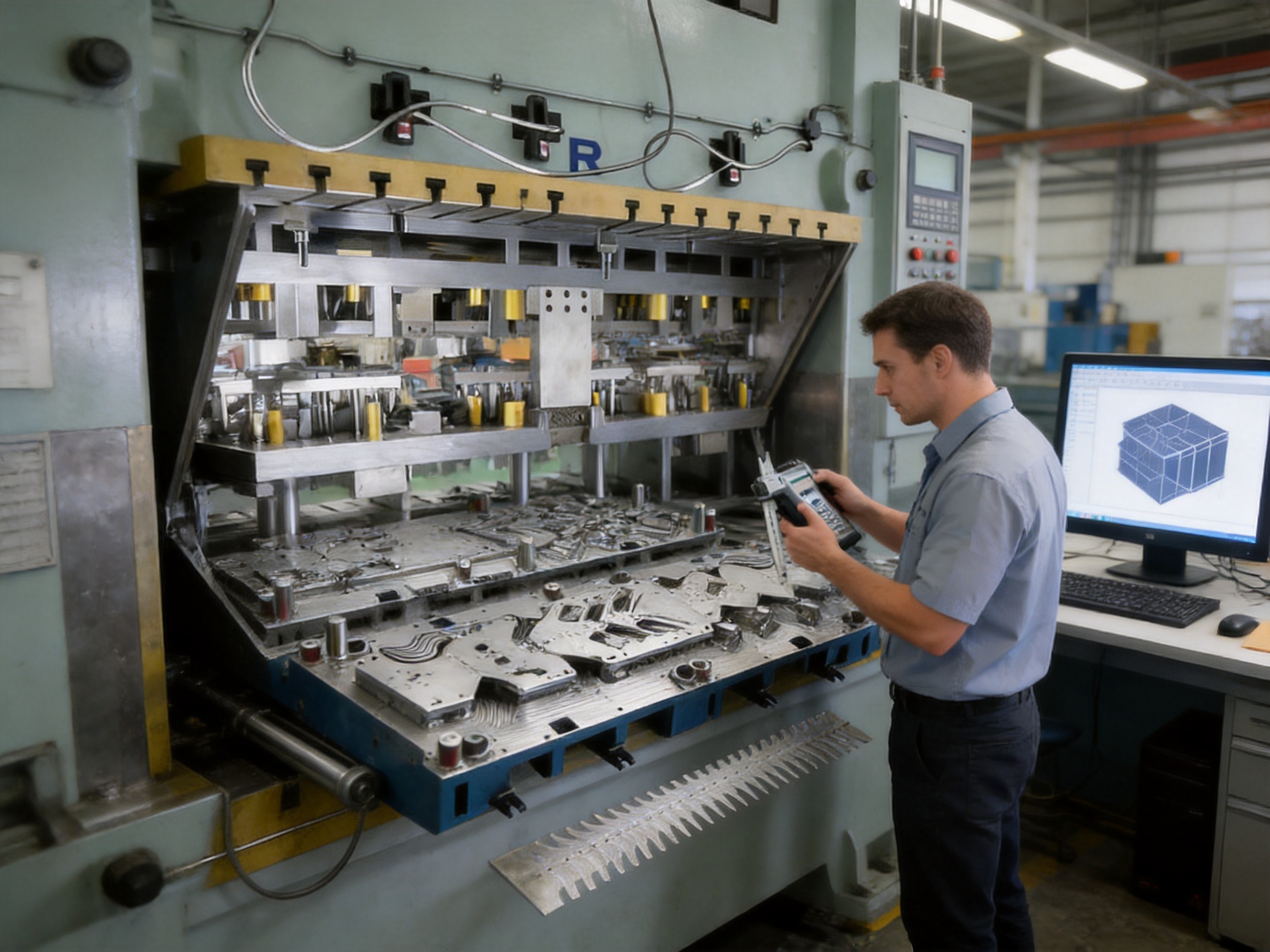
Manufacturing Workflow from Concept to Production
1. Product and Requirement Review
The process begins with a review of the component drawing, material specification, thickness, tolerances, annual volume, press conditions, surface requirements, and inspection standards. The engineering team evaluates whether the part is suitable for progressive stamping and identifies potential forming risks.
At this stage, the customer’s production objectives are also considered. A part intended for a small batch may require a different tooling strategy from a part planned for millions of pieces per year. The required automation level, expected cycle rate, available press, and maintenance preferences influence the design direction.
2. Process Planning
Engineers develop a forming sequence that divides the component into practical operations. They determine where to place pilots, punches, drawing stages, trimming features, bending stations, and final cut-off. The objective is to form the part accurately while maintaining material stability and reasonable tool complexity.
Process planning may include analysis of the blank shape, carrier arrangement, feed pitch, material utilization, forming direction, press force, and estimated scrap. Potential problems such as wrinkling, cracking, springback, interference, or insufficient support are addressed before machining begins.
3. Die Structure and Component Selection
The die structure is developed around production requirements and serviceability. Plates, guide elements, pressure components, inserts, punches, and forming parts are selected according to their function and expected load.
High-wear areas receive particular attention. The use of high-hardness alloy steel in important components helps protect the die against repeated contact and impact. Replaceable sections are incorporated where they can improve maintenance efficiency without compromising rigidity.
4. Precision Machining
After design approval, components are manufactured using CNC machining, wire cutting, grinding, drilling, and related processes. Each operation contributes to the final accuracy of the tool. Critical dimensions and clearances must be controlled carefully because they influence cutting quality, forming behavior, and component life.
5. Assembly and Fitting
Machined parts are assembled and fitted into the complete progressive mold. The team checks movement, alignment, clearances, guide action, component interference, and the accessibility of service parts. Proper fitting is essential for achieving smooth operation and preventing uneven loading.
6. Press Trial and Correction
The assembled mold is installed on a suitable press for trial production. Test parts are inspected for dimensional accuracy, surface quality, burrs, wrinkles, cracks, springback, and other issues. If necessary, engineers make corrections to forming surfaces, clearances, pressure conditions, pilot timing, or strip guidance.
7. Final Validation and Delivery
Once the die produces stable parts, the customer’s requirements are reviewed again. The project may include sample approval, dimensional reports, operating instructions, spare-parts recommendations, and maintenance guidance. The goal is to deliver a tool that can be transferred into the customer’s production environment with minimal uncertainty.
Applications Across Automotive Manufacturing
Although the featured product is focused on automotive motor housings and small-sized automotive parts, the underlying progressive mold technology can support a broad range of applications.
Potential applications include motor covers, compressor components, drive-system parts, brackets, mounting plates, electrical enclosures, sensor supports, actuator components, battery-related hardware, connector shells, shielding parts, and precision hardware used in vehicle assemblies.
For electric vehicles, stamped metal components may be used in traction motors, auxiliary motors, thermal-management systems, charging modules, power electronics, and control units. Many of these parts require accurate holes, tabs, flanges, or formed surfaces that must align with electrical or mechanical assemblies.
For conventional vehicles, the same technology can be applied to powertrain hardware, fuel-system components, compressor parts, chassis brackets, seat mechanisms, door hardware, and other high-volume metal products. The suitability of a progressive mold depends on the part geometry, material, production quantity, and required dimensional performance.
Maintenance Recommendations for Long Service Life
Even a robust die requires proper maintenance. Regular inspection helps preserve quality and prevent minor wear from becoming a major production interruption.
Daily or Shift-Based Checks
Operators should inspect the die for abnormal noise, loose components, excessive scrap accumulation, lubrication problems, feed irregularities, and visible damage. The press and feeder should be stopped immediately if the strip begins to misfeed or if a component appears to interfere with the die.
Periodic Inspection
At planned intervals, maintenance personnel can inspect punches, cutting edges, forming inserts, guide pins, pilot components, springs, pressure plates, and fasteners. Wear measurements and sample-part inspection can help determine whether replacement or adjustment is required.
Cleaning and Lubrication
Metal particles, stamping oil residue, and accumulated scrap can affect movement and surface quality. Cleaning should be performed according to the production material and lubricant used. Appropriate lubrication reduces friction and helps protect forming surfaces, but excessive or unsuitable lubricant may affect downstream processes.
Replacement Planning
Because the mold has a modular structure, customers can maintain a stock of commonly worn components and replace them before failure occurs. Spare-parts planning is particularly valuable for high-volume production where unexpected downtime can affect delivery schedules.
Maintenance requirements vary according to material hardness, strip thickness, production speed, lubrication, part geometry, and operating environment. A documented maintenance plan should therefore be established during production introduction.
How Customers Can Evaluate a Progressive Mold Supplier
When comparing suppliers, customers should examine more than the appearance of the finished tool or the initial purchase price. Important evaluation points include engineering experience, machining resources, press-trial capability, material knowledge, quality control, maintenance support, automation integration, and communication throughout the project.
A capable supplier should be able to explain the proposed forming sequence, strip layout, expected production rate, critical wear areas, maintenance strategy, and validation method. It should also identify potential risks early rather than waiting until the die reaches the tryout stage.
Customers should ask whether the supplier can support engineering changes, provide replacement components, assist with debugging, and coordinate automation if needed. These capabilities can have a significant effect on the success of a long-term production program.
Suzhou Shuangqisi Mold Equipment Co., Ltd. combines die design, manufacturing, stamping resources, technical staff, press trial capability, and automation equipment support. This integrated structure allows the company to serve customers requiring custom stamping die design and manufacturing for automotive, electric vehicle, compressor, servo-drive, and related applications.
Questions and Answers
What is a progressive mold for automotive parts?
A progressive mold is a stamping die containing multiple stations. A metal strip moves through the stations in a continuous sequence, and each station performs one or more operations. The finished automotive part is completed after the strip passes through the final station.
What automotive products can this mold manufacture?
The featured mold is designed primarily for automotive motor housings and small automotive parts. Depending on the engineering design, similar technology may be applied to compressor components, servo-drive parts, electrical housings, brackets, covers, terminals, and other precision stamped products.
Can the mold perform deep drawing?
Yes. The product category includes automotive and electric vehicle deep drawing dies, and the mold can be configured for drawing and multi-stage forming where the component design requires it. The final forming sequence depends on material type, thickness, depth, radius, tolerances, and production conditions.
What is the main advantage over separate single-operation dies?
The main advantage is the integration of multiple operations into one continuous production process. This can reduce handling, labor, transfer time, floor-space requirements, and positioning variation while increasing output and process consistency.
How does the mold support long-term production?
High-hardness alloy steel components provide wear resistance in critical areas, while modular construction allows selected worn or damaged components to be replaced more efficiently. Proper maintenance, lubrication, inspection, and press adjustment are also necessary for long service life.
Can the tool be customized?
Yes. Progressive molds are normally developed according to the customer’s product drawing, material, press capacity, production volume, tolerance requirements, and automation conditions. The station arrangement, strip layout, forming sequence, and replaceable components can be tailored to the project.
What equipment is used to manufacture the mold?
The company uses imported wire-cutting machines, CNC machining centers, grinding machines, and punch presses ranging from 80 tons to 400 tons. These resources support precision machining, assembly, tryout, and debugging.
Can the supplier provide automation equipment?
Yes. Through its integrated stamping automation capabilities, the company can provide automation equipment and turnkey solutions according to customer requirements. The scope may include feeding, collection, scrap handling, and other production-line functions.
Why is press trial important?
Press trial verifies how the completed mold performs under realistic conditions. It allows engineers to inspect feeding, forming, cutting, part release, burrs, surface condition, and dimensional accuracy. It also provides an opportunity to correct issues before the tool is delivered for full production.
What should customers provide when requesting a quotation?
Useful information includes the product drawing, material grade, material thickness, annual quantity, required tolerances, available press specifications, preferred automation level, inspection requirements, and target delivery schedule. More complete information allows the supplier to develop a more accurate technical and commercial proposal.
Conclusion
Progressive molds for automotive parts provide a practical combination of speed, accuracy, durability, and automation readiness. By integrating stamping and forming operations into one continuous tool, they help manufacturers produce motor housings and other precision components at high volume while reducing unnecessary handling and production interruption.
The featured mold is designed with high-hardness alloy steel working components, modular maintenance features, controlled material flow, and a station sequence suited to automotive motor housings and small-sized parts. Its benefits include stable dimensional accuracy, uniform forming, improved wear resistance, easier replacement of damaged components, and compatibility with automated production.
The manufacturing strength behind the tool is equally important. Suzhou Shuangqisi Mold Equipment Co., Ltd. combines professional die design, CNC machining, wire cutting, precision grinding, press trial, debugging, stamping capability, and automation equipment support. Its technical team, production equipment, and experience with automotive, compressor, servo-drive, and new energy vehicle components allow it to provide customized tooling rather than one-size-fits-all products.
For customers evaluating a long-term stamping solution, the value of this type of progressive mold should be considered across the entire production life cycle. Output, material utilization, dimensional stability, maintenance time, service support, automation compatibility, and tool durability all influence the final return on investment. When these factors are addressed together, a well-designed progressive mold becomes more than a forming tool; it becomes a central component of a reliable and efficient automotive manufacturing system.
References
1. Company technical information for progressive molds, stamping dies, stamping parts, and stamping automation equipment.
2. Company product information for automotive motor housing continuous molds and deep drawing dies.
3. Company manufacturing and equipment information regarding CNC machining, wire cutting, grinding, press trials, and stamping automation.
4. Automotive sheet metal forming principles, including blanking, piercing, bending, drawing, trimming, and progressive die sequencing.
5. General die design and maintenance practices for high-volume metal stamping production.
6. General engineering principles for automotive and electric vehicle component manufacturing.
7. General quality-control practices for dimensional inspection, tool validation, process monitoring, and preventive maintenance.
Product: Progressive molds for automotive parts
Previous Post
Heavy Truck Stamping Parts: Precision, Durability, and Integrated Manufacturing for Commercial Vehicles
Next Post
Advanced Stamping Automation Equipment for Efficient Metal Forming Production
Our Products.
Start Your Business with an OEM Manufacturer Right Here!

Provide global customers with complete turn-key solutions
through
innovation!
QUICK LINKS
CONTACT INFO.
-
 +86-139 1308 8972
-

-
 No. 118 Yexin Road, Wujiang Economic Development Zone, Suzhou, China
Copyright © Suzhou Shuangqisi Mold Equipment Co., Ltd. All Rights Reserved. Custom Stamping Die Metal Stamping Die Manufacturers
