 English
 Español
 Deutsch

-
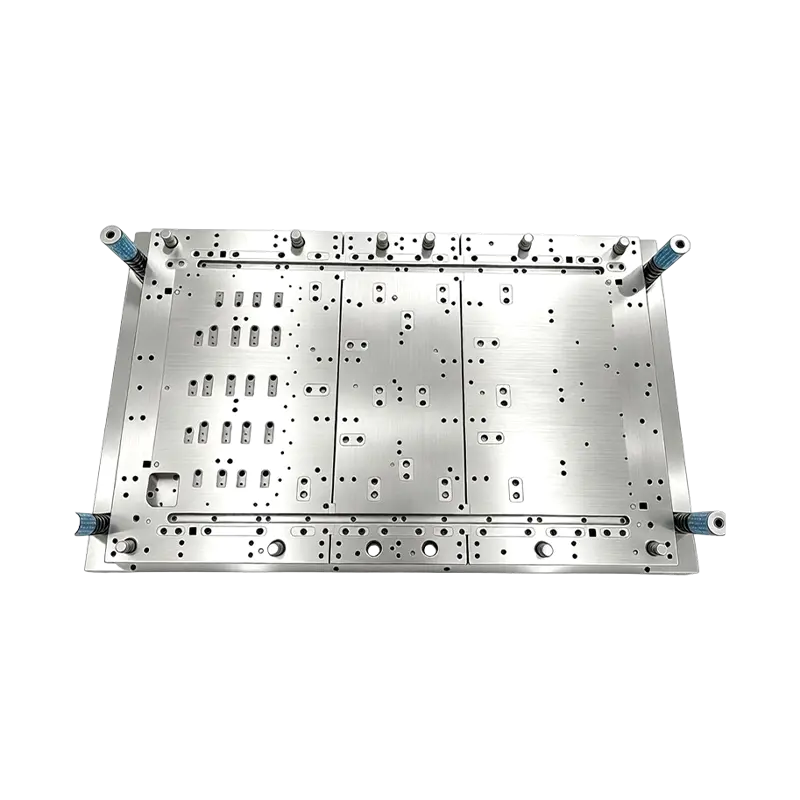
Multi-Station Progressive Stamping Die with Carbide Inserts Custom Multi Station Progressive Stamping Die Carbide Insert Metal Stamping Mold Tool for Equipment Appliances Device Hardware
High Speed Metal Stamping Tool for Precise Equipme...
-
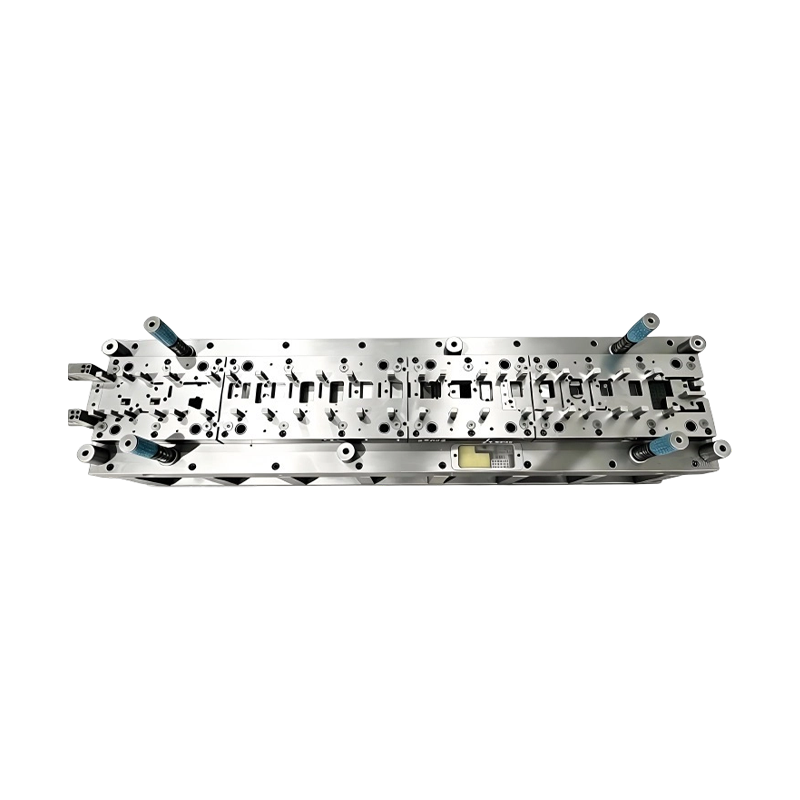
Long-Stroke Multi-Stage Progressive Die Automatic Strip Feed Progressive Die Long Travel Follow on Stamping Tool for Sheet Metal Hardware Press Moulding
Long-Stroke Multi-Stage Progressive DieOur custom ...
-
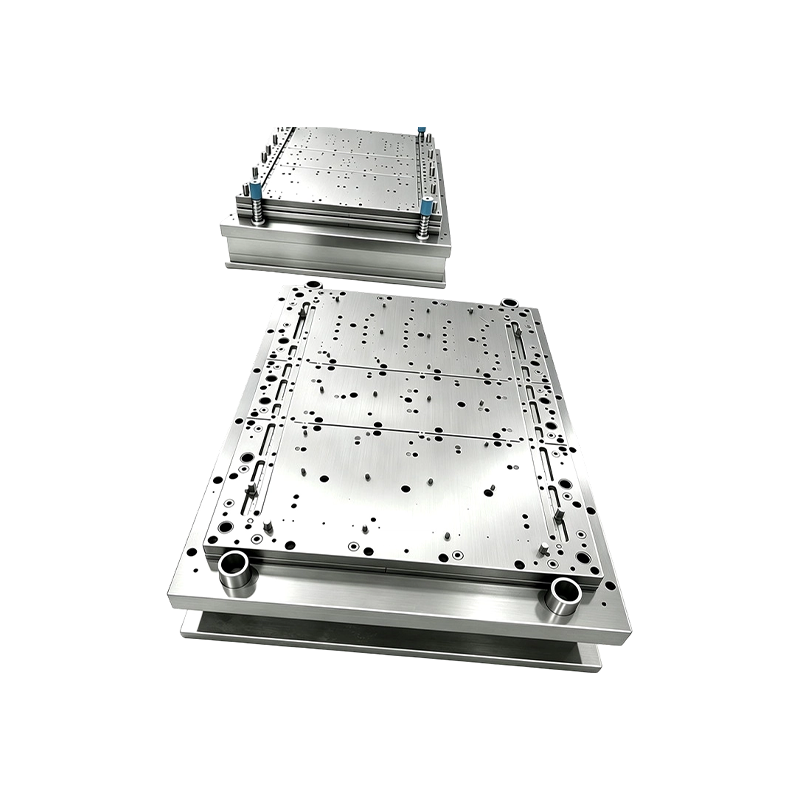
Progressive Stamping Die for Connector & Terminal Parts High Speed Progressive Stamping Die Precision Metal Hardware Stamping Tool mold for Connector Terminal Parts Automotive Components
Progressive Stamping Die for Connector & Termi...
-
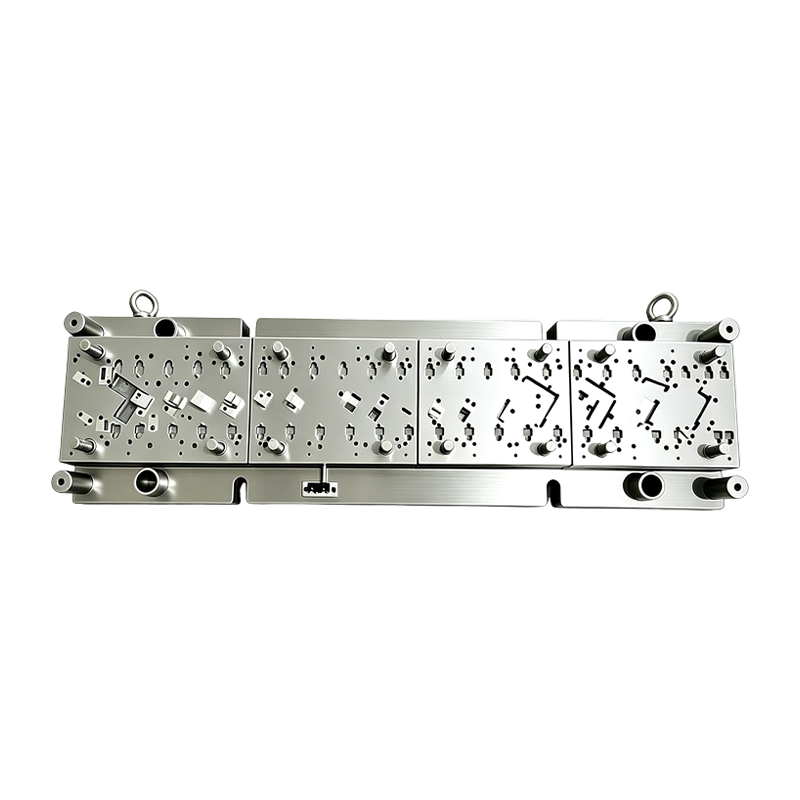
High Speed Progressive Stamping Die Sheet Metal Follow on Press Tool
Multi-operation Metal Stamping Tool for Continuous...
-
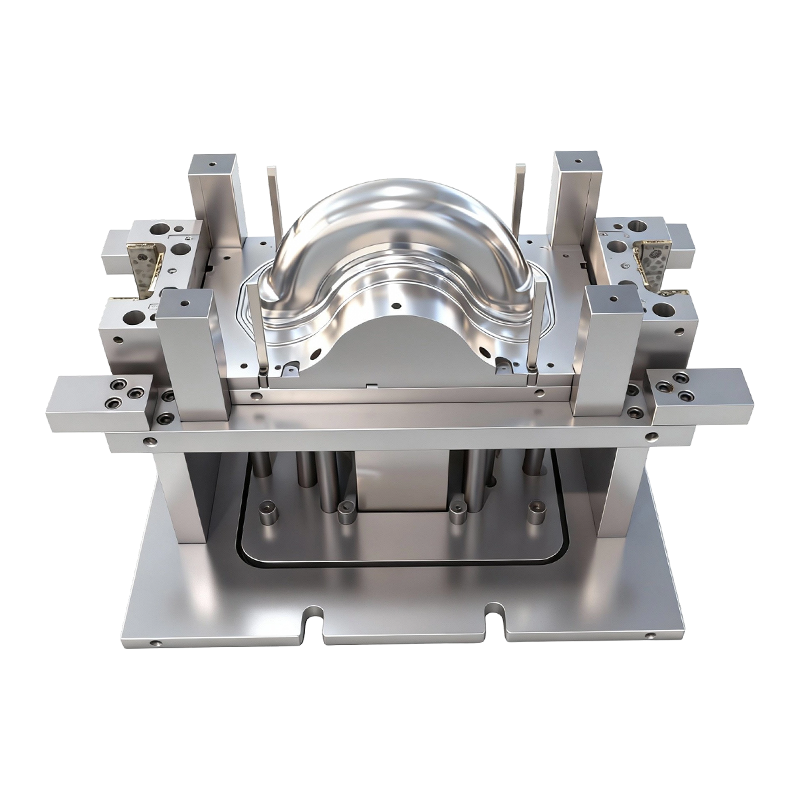
Deep drawing mold for front and rear wheels of two-wheeled electric vehicles
This Deep drawing mold for front and rear wheels o...
- E-mail us: [email protected]
- Call us: +86-139 1308 8972

Wang Xinyue – After-Sales Support Supervisor
Home / Author / Wang Xinyue – After-Sales Support Supervisor / Advanced Stamping Automation Equipment for Efficient Metal Forming Production
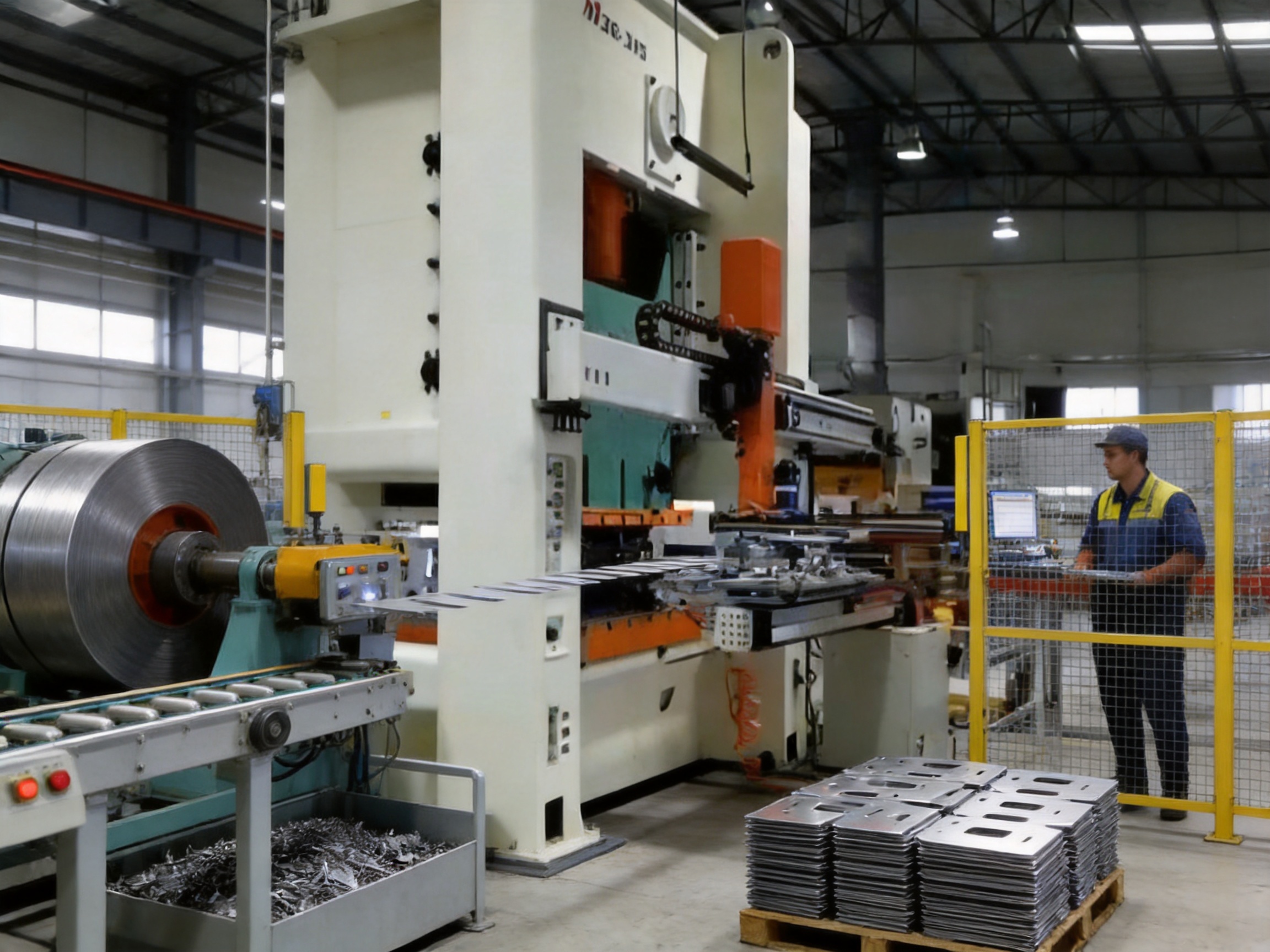
Advanced Stamping Automation Equipment for Efficient Metal Forming Production
2026-10-24
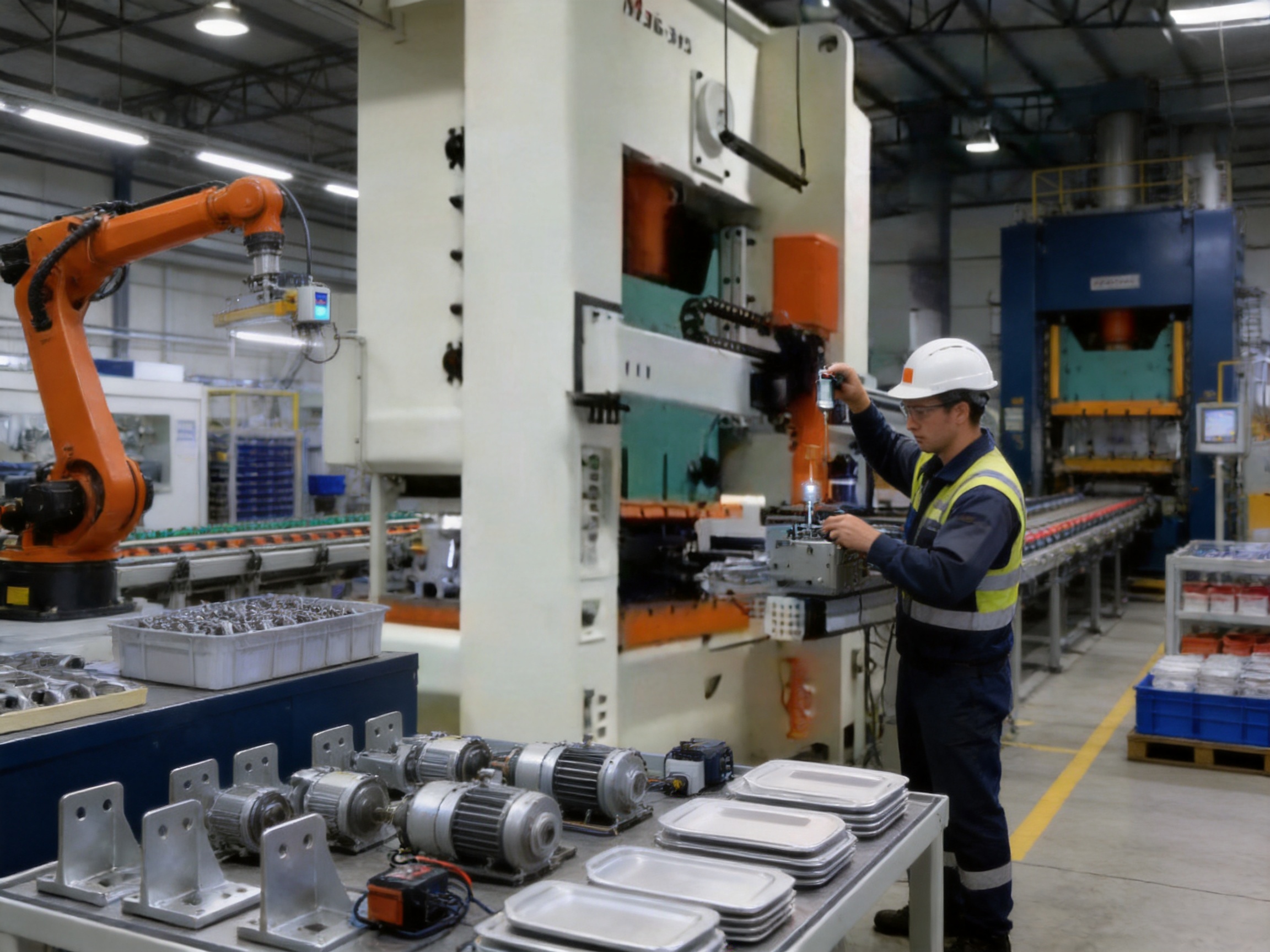
Modern metal forming manufacturers are under constant pressure to improve productivity, stabilize quality, reduce labor dependence, and respond quickly to changing customer requirements. Stamping automation equipment has become an essential part of this transformation. By integrating material feeding, press operation, transfer, inspection, and part collection into a coordinated production system, automated stamping lines can provide consistent output while reducing unnecessary handling and production interruptions.
Suzhou Shuangqisi Mold Equipment Co., Ltd. provides stamping automation equipment alongside stamping dies and stamped hardware parts. This integrated capability allows customers to obtain more than an individual machine or a single die. They can receive a coordinated solution in which the tooling, press operation, feeding process, and production requirements are considered together. This approach is particularly valuable for customers manufacturing components for servo drives, compressors, new energy vehicles, electrical equipment, and other industries that require stable accuracy and repeatable production.
With experience in die design and manufacturing, access to precision machining equipment, a team of technical personnel, and practical knowledge of stamping production, the company can develop automation solutions around the actual characteristics of a customer’s parts. The result is a production system designed to improve efficiency without sacrificing dimensional control, die life, or operational reliability.
Content
- 1 What Is Stamping Automation Equipment?
- 2 Why Manufacturers Invest in Stamping Automation
- 3 Integrated Stamping Automation and Die Manufacturing
- 4 Core Components of an Automated Stamping Line
- 5 Advanced Manufacturing Process
- 6 Manufacturing Strengths and Technical Resources
- 7 Competitive Advantages of an Integrated Supplier
- 8 Applications in Key Industries
- 9 Quality Considerations for Stamping Automation
- 10 Maintenance and Long-Term Reliability
- 11 How to Select the Right Stamping Automation Equipment
- 12 Project Cooperation and Delivery Process
- 13 Value Beyond Initial Equipment Purchase
- 14 Commitment to High-Quality Development
- 15 Conclusion
- 16 Questions and Answers
- 16.1 What products does the supplier provide?
- 16.2 Why is it useful to purchase stamping dies and automation from one supplier?
- 16.3 What types of automation can be used in stamping production?
- 16.4 Can the equipment be customized?
- 16.5 What press capacities are available for production and testing?
- 16.6 What industries can use this equipment?
- 16.7 How does automation improve product quality?
- 16.8 Does the company provide debugging support?
- 16.9 What information should a customer provide before requesting a solution?
- 16.10 How should the return on an automation investment be evaluated?
- 17 References
- 18 Product: Stamping Automation Equipment
What Is Stamping Automation Equipment?
Stamping automation equipment is a coordinated mechanical and electrical system used to move sheet metal or formed parts through one or more stamping operations with limited manual intervention. Depending on the product and process, an automated stamping system may include a decoiler, straightener, servo feeder, transfer mechanism, press interface, die set, lubrication system, part conveyor, scrap removal unit, sensors, protective guarding, and control system.
The purpose of automation is not simply to make a press move faster. A well-designed system must deliver material to the die at the correct speed and position, maintain stable synchronization with the press, protect the tooling, remove finished parts safely, and identify abnormal conditions before they lead to extensive damage or defective production. Automation therefore requires cooperation between mechanical design, die engineering, process planning, electrical control, and commissioning.
For simple parts, a feeder may be sufficient to automate material movement into a progressive die. For more complex components, a transfer system may move blanks between several forming stations. A production line may also include automatic blanking, stacking, visual inspection, weighing, marking, or packaging. The appropriate configuration depends on the material, part geometry, tolerance requirements, production volume, press capacity, and available factory space.
Stamping automation equipment can be applied to the following production arrangements:
Progressive die stamping, in which a strip of material passes through multiple stations within one die.
Transfer stamping, in which individual blanks or partially formed components are moved from one die station to another.
Blanking and forming lines, in which sheet material is separated from a coil and then shaped through one or more operations.
Multi-stage production, in which several presses or forming stations are connected to reduce manual handling between processes.
Automated unloading and collection, in which finished components are separated, conveyed, stacked, or delivered to the next operation.
A correctly selected system can improve the entire production flow rather than improving only one step. This is why the supplier’s ability to understand stamping dies and hardware parts is an important advantage when developing automation equipment.
Stamping Automation Equipment
Why Manufacturers Invest in Stamping Automation
Manual stamping operations can be suitable for low-volume work, prototypes, or products with unusual handling requirements. However, manual loading and unloading often create variations in cycle time, part orientation, material positioning, and operator performance. These variations may become costly when production volumes increase or when components require strict dimensional consistency.
Automation addresses these challenges by establishing a repeatable sequence. Once the system has been properly adjusted, material can be fed, positioned, formed, transferred, and collected according to programmed parameters. The operator can focus on setup, monitoring, quality checks, and maintenance instead of repeatedly placing and removing parts at the press.
Important benefits include:
Higher Production Efficiency
Automated lines can maintain a consistent cycle and reduce the time required for loading and unloading. The press and automation system work as one production unit, allowing more parts to be manufactured within a given shift. Productivity improvements are especially meaningful for high-volume parts used in automotive, electrical, appliance, compressor, and industrial equipment applications.
Improved Repeatability
Accurate feeding and transfer reduce variation caused by inconsistent manual placement. Repeatable positioning helps the die perform as designed and supports stable dimensions from the first part to the last part in a production batch. This is important for components that must fit with other machined, electrical, or mechanical assemblies.
Reduced Labor Intensity
Automation reduces repetitive handling near the press. Operators are still required for setup, inspection, maintenance, material preparation, and process supervision, but their work becomes less physically demanding and more focused on production control. This can also help manufacturers address labor shortages and improve workplace organization.
Better Operator Safety
A properly guarded automated system can reduce the need for operators to place their hands near the die during repetitive production. Safety interlocks, sensors, emergency stops, protective enclosures, and controlled access areas can be incorporated into the system design. Safety must be evaluated as part of the overall equipment concept and verified during commissioning.
Lower Scrap and Rework Risk
Unstable material positioning can cause misfeeds, deformation, incomplete forming, or damage to the die. Automated feeding and monitoring help reduce these problems. When sensors detect an abnormal condition, the line can stop or issue an alarm before a large quantity of defective parts is produced.
More Predictable Production Planning
A stable automated cycle makes it easier to estimate output, schedule material, allocate labor, and coordinate downstream operations. Manufacturers can create more reliable production plans because the line is less dependent on individual operator speed and handling consistency.
Integrated Stamping Automation and Die Manufacturing
One of the strongest advantages of an integrated supplier is the ability to consider automation and die design at the same time. A die cannot be evaluated separately from the way material will enter, move through, and exit the stamping process. Similarly, automation equipment cannot be designed correctly without understanding the die’s pitch, station arrangement, forming forces, part orientation, scrap pattern, and operating cycle.
Suzhou Shuangqisi Mold Equipment Co., Ltd. manufactures stamping dies and hardware parts while also providing stamping automation equipment through its associated technical capabilities. This creates a practical connection between tooling and equipment. The company can analyze whether a part is more suitable for progressive stamping, transfer stamping, or another automated arrangement. It can also consider whether the selected automation method will provide sufficient access, clearance, positioning accuracy, and production flexibility.
This integrated approach can reduce communication gaps that sometimes occur when a customer purchases a die from one supplier and automation equipment from another. When separate suppliers have different assumptions about the press, die dimensions, feeding direction, transfer height, or cycle timing, the customer may face additional modification work during installation. A coordinated design process helps reduce such risks.
The integrated solution may include:
Part and process analysis.
Stamping die design and manufacturing.
Selection of feeding and transfer methods.
Press and automation matching.
Mechanical equipment design.
Control and sensor planning.
Trial production and debugging.
Process adjustment and customer support.
Equipment investment planning for customers who require a broader production solution.
By connecting these activities, the supplier can focus on the performance of the complete production line instead of treating every component as an isolated purchase.
Core Components of an Automated Stamping Line
Material Uncoiling and Preparation
When coil stock is used, a decoiler releases material at a controlled rate. The material may then pass through a straightener to remove coil curvature and stabilize flatness before it reaches the feeder. The choice of decoiler and straightener depends on material width, thickness, coil weight, material strength, and production speed.
Stable material preparation is essential. If the strip is not adequately straightened, the feeder may experience inconsistent movement, and the strip may not enter the die at the correct height. This can influence hole position, forming accuracy, part surface quality, and die life.
Servo Feeding
A servo feeder controls the movement of strip or sheet material with programmable accuracy. It can coordinate feed length, acceleration, deceleration, and timing with the press stroke. Servo systems are especially useful when different products require different feed lengths or when the production process includes multiple stations.
Feeder design must consider the material surface, thickness, stiffness, required pitch, press speed, and die entry conditions. The feeder should provide a secure grip without damaging the material. It should also release or advance the material at the correct moment in relation to the upper and lower die positions.
Transfer Mechanisms
Transfer systems move blanks or formed parts between separate die stations. They may use mechanical arms, grippers, rails, or other coordinated mechanisms. Transfer systems must handle parts carefully, particularly when components are thin, deep drawn, coated, or already partially formed.
The transfer path must provide adequate clearance from the die, press, sensors, guarding, and adjacent equipment. The motion profile should be smooth enough to prevent vibration or part deformation while remaining fast enough for the required production rate.
Press Integration
The automation system must be matched with the press’s rated capacity, stroke, shut height, working area, speed range, control signals, and available space. Press integration also involves confirming the die interface, material direction, electrical communication, emergency stop sequence, and maintenance access.
For customers using presses in the range of 80 tons to 400 tons, equipment configuration can be developed around different levels of forming force and part size. The exact solution must be determined through engineering analysis rather than based only on press tonnage.
Part Discharge and Collection
After forming, finished parts may be discharged onto a conveyor, transferred to a stacking unit, placed into containers, or delivered to a secondary operation. Collection methods should protect the component from scratches, deformation, and mixing with scrap. For products with different orientations or quality requirements, automated sorting and inspection can also be considered.
Scrap Removal
Efficient scrap removal is important for continuous production. Scrap conveyors, chutes, air blow-off systems, or dedicated collection devices can help prevent waste material from accumulating around the die. A clear scrap path also improves housekeeping and reduces the chance of interference with the automation system.
Sensors and Control Systems
Sensors can monitor material presence, feed position, double sheets, part transfer, die protection, and abnormal conditions. The control system coordinates the press, feeder, transfer device, and safety equipment. A dependable control sequence should prevent the line from continuing when a part is missing, incorrectly positioned, or not fully released.
Advanced Manufacturing Process
The quality of stamping automation equipment depends heavily on the quality of the engineering and manufacturing process behind it. Reliable equipment is created through a sequence of design verification, precision machining, assembly, testing, and adjustment. A supplier with die manufacturing experience can apply the same discipline to automation projects.
1. Customer Requirement Review
The process begins with an understanding of the customer’s product, material, production volume, existing press, factory layout, labor structure, and quality objectives. The supplier should review drawings, tolerances, material specifications, part weight, surface requirements, and any special handling constraints.
It is also necessary to understand the customer’s current production problems. Some customers may need higher output, while others may be dealing with inconsistent feeding, excessive labor, high scrap, difficult part handling, or frequent die damage. The most effective automation solution addresses the main production constraint rather than adding equipment without a clear purpose.
2. Process Feasibility Analysis
Engineers evaluate the proposed stamping sequence and determine how material should move through the line. They may compare progressive, transfer, and multi-operation configurations. The analysis considers forming forces, material utilization, station arrangement, feed direction, part release, scrap flow, and access for maintenance.
At this stage, the team can also identify risks such as part sticking, springback, material distortion, excessive transfer movement, or insufficient space between stations. Early identification of these issues reduces later changes and supports a more stable final design.
3. Mechanical and Die Design
The die and automation mechanisms are developed according to the selected process. Die design must provide suitable guiding, locating, stripping, forming, and part release functions. Automation design must provide stable motion, appropriate gripping, sufficient clearance, and correct synchronization.
Where necessary, the design can include adjustable components to accommodate small changes in product dimensions or production conditions. However, adjustment mechanisms should be robust and easy to set. Excessive complexity can make maintenance more difficult, so the design should balance flexibility with simplicity.
4. Precision Machining
The company is equipped with imported wire cutting machines, CNC machining centers, more than ten grinding machines of different sizes, and other precision machine tools. These resources support the production of accurate die components, fixtures, guide elements, mounting surfaces, and automation parts.
Wire cutting is useful for producing complex profiles and high-precision components. CNC machining centers support efficient production of structural parts, plates, holders, and components requiring multiple machining operations. Grinding machines help achieve controlled surface finish, flatness, parallelism, and dimensional accuracy on selected components.
Precision machining is important because small errors in a die or automation interface can become larger problems during high-speed operation. Accurate mounting surfaces and correctly aligned guide components help maintain the intended relationship between the press, die, feeder, and transfer mechanism.
5. Assembly and Alignment
After machining, components are inspected and assembled. The assembly stage includes checking fit, movement, alignment, fastening, lubrication points, sensor positions, and access for adjustment. Die and automation assemblies must be evaluated together where their movements interact.
Correct alignment is particularly important for feeding and transfer operations. If the feeder enters the die at an incorrect height or angle, the material may be scratched, buckled, or misplaced. If a transfer gripper does not release the part at the correct position, the next operation may become unstable. Assembly quality therefore has a direct influence on production reliability.
6. Electrical and Control Integration
Control systems are configured to coordinate the press and automation sequence. The system may include operating modes for setup, manual adjustment, single-cycle testing, and automatic production. Safety functions should be incorporated into the control logic, and abnormal conditions should generate clear alarms for the operator.
Useful control features can include feed-length settings, speed adjustment, cycle counters, fault records, sensor status displays, and recipe storage for different products. The specific functions depend on customer requirements and equipment configuration.
7. Testing and Debugging
Testing is necessary to verify movement, synchronization, part transfer, sensor response, safety functions, and production stability. The company has experienced senior operators and debugging personnel who can help identify practical issues that may not be visible in a drawing or simulation.
During debugging, the team may adjust feed timing, gripper position, transfer height, press speed, sensor sensitivity, material support, and part discharge. Trial production helps determine whether the line can maintain the required quality over repeated cycles rather than only completing a single successful movement.
8. Customer Installation and Production Support
After delivery, the equipment must be installed, connected, leveled, and integrated into the customer’s factory. Operators need to understand setup procedures, normal operation, alarm handling, lubrication, inspection, and routine maintenance. Practical technical support at this stage helps customers reach stable production more quickly.
Manufacturing Strengths and Technical Resources
Suzhou Shuangqisi Mold Equipment Co., Ltd. has 60 technical staff and approximately 15 years of experience in the mold industry. Its manufacturing resources include imported wire cutting machines, CNC machining centers, grinding machines in different sizes, and 25 punch presses ranging from 80 tons to 400 tons.
This combination of personnel and equipment supports the production of tooling and automation solutions for different component sizes and process requirements. It also allows the supplier to evaluate dies through practical stamping trials rather than relying only on theoretical calculations.
Technical Team
A capable technical team is essential for projects that combine dies, presses, automation, and product quality. The company’s technical staff work across design, machining, assembly, debugging, and service activities. Senior operators contribute practical knowledge of machine behavior, while experienced debugging personnel help adjust the line during trial production.
Practical experience is especially valuable when a production issue involves several interacting factors. For example, a feeding problem may be caused by material flatness, feeder pressure, die entry geometry, sensor timing, or press speed. A team familiar with the complete stamping process can investigate the relationship between these factors more efficiently.
Equipment Capacity
The available press range from 80 tons to 400 tons provides flexibility for different stamping requirements. A suitable press must be selected according to forming force, die dimensions, stroke, production speed, and safety margin. The press range also allows trial production and process verification for a variety of customer projects.
Precision machining equipment supports the manufacture of die plates, inserts, guide components, fixtures, transfer parts, and other critical items. Multiple grinding machines help the company process components with different dimensions and finishing requirements without depending on a single machine type.
Experience in Industrial Applications
The company’s customers include Anter Group, Ousheng Electric, Dongbei Group, and Huichuan Technology. Its products and tooling have been used in applications associated with servo drives, compressors, and new energy vehicles. These industries often require reliable repeatability, stable production, and careful control of component dimensions.
Experience in such applications helps the supplier understand the importance of production continuity and assembly compatibility. It also provides exposure to different materials, part shapes, cycle requirements, and quality expectations.
Competitive Advantages of an Integrated Supplier
One Source for Dies, Parts, and Automation
Customers can obtain stamping dies, stamped parts, and stamping automation equipment from a supplier with related capabilities. This simplifies project coordination and can reduce the number of technical interfaces that must be managed during development.
When tooling and automation are designed together, the supplier can coordinate die dimensions, part orientation, transfer access, feed pitch, and production timing. This is often more efficient than asking separate companies to modify their products after delivery.
Turnkey Solution Capability
The company can provide turnkey solutions for stamping molds and stamping automation. A turnkey approach means that the customer can discuss the complete production requirement instead of purchasing isolated components without a unified process plan.
Depending on the project, a turnkey solution may include process planning, die design, die manufacturing, automation design, equipment production, trial stamping, debugging, installation assistance, and production support. The scope can be adjusted to match the customer’s needs.
Cost and Quality Control
Integrated manufacturing can support better control of project cost and quality. When design, machining, assembly, and debugging are coordinated internally, engineering decisions can be evaluated against both performance and manufacturing practicality.
Cost control should not mean selecting the cheapest component at every stage. A better approach is to reduce avoidable rework, excessive manual handling, unstable cycle times, and premature component failure. Equipment that provides dependable production over its working life can offer greater value than equipment with a lower initial price but higher operating risk.
Customization
Stamping automation equipment must be adapted to the customer’s product and factory. Standard modules can be used where appropriate, but the overall system may require customized feeding, gripping, part collection, die interfaces, safety guarding, or control functions.
The company can assess customer-specific requirements and invest in related production equipment when necessary to develop cost-effective solutions. This flexibility is useful for customers who need an automation line designed around an existing press or a particular group of products.
Practical Debugging Experience
Equipment performance is determined not only by design drawings but also by adjustment and commissioning. Experienced operators and debugging personnel can identify problems such as material bounce, unstable release, transfer interference, incorrect sensor timing, and part orientation errors.
Practical debugging experience can shorten the period between installation and stable production. It also helps ensure that the equipment is usable by ordinary operators in a real factory environment.
Applications in Key Industries
New Energy Vehicles
New energy vehicle production requires a wide range of stamped components, including structural parts, brackets, covers, electrical connection parts, and motor-related components. Many of these products require stable dimensional accuracy and reliable traceability. Automated stamping can support high-volume production while reducing manual handling and improving process consistency.
As vehicle designs and material specifications change, flexible automation can also help manufacturers introduce new products more efficiently. Adjustable feeding parameters, programmable recipes, and compatible tooling interfaces may simplify changeover between related components.
Servo Drives and Electrical Equipment
Servo drive and electrical equipment components often require accurate profiles, holes, mounting features, and assembly surfaces. Small dimensional deviations can affect magnetic, mechanical, or electrical performance. Stamping automation supports consistent positioning and repeatable production for these specialized parts.
Compressors
Compressor components may include formed covers, brackets, housings, support parts, and other hardware elements. Production may require controlled forming, careful surface protection, and consistent geometry. Automated transfer and collection can reduce the risk of dents and scratches caused by uncontrolled manual handling.
General Hardware and Industrial Components
Industrial hardware manufacturers frequently produce large quantities of parts with repeated geometry. Automation can improve output and reduce the amount of labor required for repetitive press operations. It can also provide a more organized connection between stamping and later processes such as deburring, cleaning, assembly, or inspection.
Quality Considerations for Stamping Automation
Quality in an automated stamping line must be considered at several levels. The die must form the part correctly. The feeder must position material accurately. The transfer mechanism must move components without deformation. The sensors must detect abnormal conditions. The control system must respond correctly. The operator must be able to set and monitor the line.
Important quality considerations include:
Dimensional accuracy of die components and automation interfaces.
Repeatability of feed length and part positioning.
Correct synchronization between the press and feeder.
Stable transfer without collision or part deformation.
Reliable detection of misfeeds and missing parts.
Protection against double-sheet feeding where applicable.
Consistent lubrication and material support.
Safe and accessible maintenance points.
Clear operating instructions and adjustment procedures.
Trial production under representative material and speed conditions.
A line should be tested over enough cycles to demonstrate stability. Single-cycle movement can confirm basic function, but continuous production reveals issues related to heat, vibration, accumulation, material variation, and operator interaction.
Maintenance and Long-Term Reliability
Automation equipment is a production asset, so reliability depends on regular maintenance. Moving components should be inspected for wear, looseness, lubrication condition, and alignment. Sensors should be kept clean and checked for correct response. Feed rolls, grippers, guide rails, bearings, cables, and pneumatic or hydraulic components should be included in a preventive maintenance schedule.
Operators should record recurring alarms and production interruptions. A repeated fault may indicate a deeper issue such as incorrect adjustment, material variation, excessive vibration, insufficient support, or component wear. Early investigation can prevent more serious damage to the die or automation system.
Maintenance-friendly design is an important part of equipment value. Components that can be accessed without removing major assemblies reduce downtime. Clear adjustment scales, standardized fasteners, labeled connections, and documented spare parts also make service more efficient.
When automation is supplied with the die, the supplier can help define maintenance requirements for both systems. For example, die lubrication, feeder cleaning, transfer alignment, and scrap removal may all influence one another. Coordinated maintenance instructions help preserve overall line performance.
How to Select the Right Stamping Automation Equipment
Customers should evaluate automation equipment according to the complete production requirement rather than focusing only on rated speed. The following questions can help guide the selection process.
What Is the Product Geometry?
Part length, width, thickness, weight, depth, holes, bends, surface finish, and orientation affect the feeding and transfer method. Complex formed parts may require specialized grippers or support tooling.
What Material Will Be Used?
Material type, strength, thickness, surface coating, hardness, and coil condition influence the design of the decoiler, straightener, feeder, die, and handling components.
What Is the Required Output?
Target production volume and takt time determine the required cycle speed, automation configuration, and collection method. The system should meet the target without operating continuously at an unrealistic limit.
What Press Is Available?
Existing press specifications must be reviewed, including tonnage, stroke, working area, shut height, speed, control interface, and die mounting arrangement. If a new press is being considered, the automation supplier can help coordinate the selection.
What Quality Standards Apply?
Customers should identify dimensional tolerances, appearance requirements, inspection frequency, traceability needs, and acceptable scrap levels. These requirements influence sensor selection, inspection options, process control, and trial approval criteria.
How Will the Line Be Maintained?
Maintenance access, spare parts, operator training, lubrication, cleaning, and service response should be considered before purchase. A system that is easy to maintain can provide better long-term value.
Can the Supplier Support the Complete Process?
The supplier’s experience with dies, stamped parts, presses, automation, and debugging should be evaluated. A company capable of handling the complete process may reduce project risk and simplify communication.
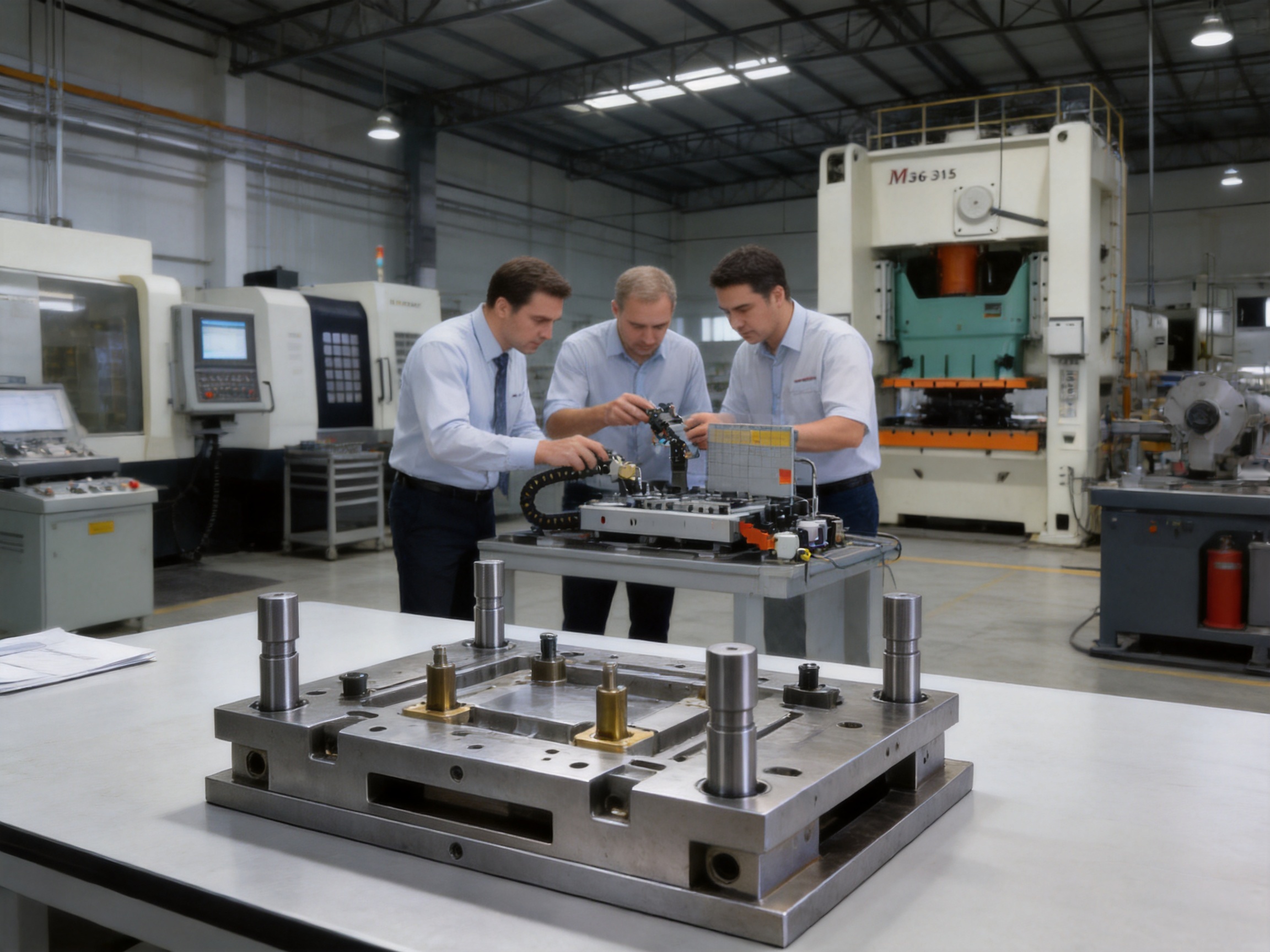
Project Cooperation and Delivery Process
A successful automation project depends on structured cooperation between the customer and supplier. The customer should provide accurate drawings, material information, production targets, press details, factory layout, and quality requirements. The supplier should respond with a clear technical proposal, equipment scope, process concept, estimated cycle, installation requirements, and testing plan.
A typical cooperation process may include the following stages:
Initial product and production review.
Technical clarification and feasibility analysis.
Process and automation concept development.
Quotation and project scope confirmation.
Detailed engineering and design approval.
Die and equipment manufacturing.
Component inspection and system assembly.
Internal testing and trial stamping.
Customer sample review and process adjustment.
Delivery, installation, and commissioning.
Operator training and production handover.
After-sales technical support and improvement.
Clear communication at each stage helps control changes and avoid misunderstandings. It is particularly important to confirm part transfer direction, die height, press interface, material specifications, guarding requirements, electrical standards, and factory space before manufacturing begins.
Value Beyond Initial Equipment Purchase
The value of stamping automation equipment should be measured over its complete operating life. Initial investment is important, but other factors may have an even greater influence on total cost. These include cycle stability, die protection, scrap reduction, labor efficiency, maintenance requirements, changeover time, energy use, and the ability to support future products.
An integrated supplier can help customers consider these factors together. For example, a die design that reduces material waste may improve cost efficiency, while a well-planned transfer system may reduce surface damage and rework. A suitable control system may shorten changeover time, and accessible maintenance points may reduce downtime.
Automation can also support business growth. When production volume increases, a stable automated process may allow the manufacturer to meet demand without adding the same proportion of labor. When customers request new products, a supplier with die and equipment expertise may help adapt the existing production concept or develop a related system.
Commitment to High-Quality Development
Suzhou Shuangqisi Mold Equipment Co., Ltd. focuses on creating value for customers through technical capability, manufacturing experience, cost awareness, and quality control. Its experience in stamping dies provides a foundation for developing automation equipment that is connected to real forming processes rather than designed as a separate handling system.
The company’s development of stamping automation capabilities through Suzhou Keshuang Intelligent Technology Co., Ltd., established in 2016, reflects an effort to expand from tooling and stamped parts toward broader intelligent production solutions. This supports the company’s ability to provide customers with integrated mold and automation services.
Its combination of technical personnel, precision equipment, press capacity, senior operators, debugging experience, and industry application knowledge gives customers a practical partner for stamping production projects. Whether the requirement involves a new automated line, an upgrade to an existing press, a custom feeder, a transfer system, or a complete die-and-automation package, the solution can be developed around the customer’s actual production goals.
Conclusion
Stamping automation equipment is a strategic investment for manufacturers that need higher productivity, consistent quality, safer operation, and better control of production costs. Its effectiveness depends on more than machine speed. Reliable performance requires coordinated die design, accurate machining, stable feeding, precise transfer, suitable press integration, dependable control, careful testing, and practical commissioning.
Suzhou Shuangqisi Mold Equipment Co., Ltd. offers an integrated capability covering stamping dies, stamped parts, and stamping automation equipment. With 60 technical staff, 15 years of mold industry experience, imported wire cutting machines, CNC machining centers, multiple grinding machines, and 25 punch presses from 80 tons to 400 tons, the company can support a broad range of stamping projects.
The company’s ability to combine tooling and automation is one of its most important advantages over suppliers that provide only a single product category. Customers can work with one technical partner for process analysis, die manufacturing, automation development, trial production, debugging, and production support. This can reduce coordination difficulties while improving the connection between the die and the automated line.
For manufacturers in the automotive, new energy vehicle, electrical, compressor, servo drive, and general industrial sectors, a properly engineered stamping automation system can create lasting value. It can reduce repetitive manual work, improve cycle consistency, lower scrap risk, and establish a more scalable production foundation. Through integrated design and manufacturing, the supplier is positioned to deliver cost-effective and technically reliable solutions for modern metal forming production.
Questions and Answers
What products does the supplier provide?
The supplier provides stamping dies, stamped hardware parts, and stamping automation equipment. It can also provide integrated or turnkey solutions that connect tooling and automation according to the customer’s production requirements.
Why is it useful to purchase stamping dies and automation from one supplier?
Dies and automation must work together in terms of dimensions, timing, material movement, part orientation, and clearance. One supplier can coordinate these elements during design and testing, reducing the risk of mismatched interfaces and later modifications.
What types of automation can be used in stamping production?
Common options include coil feeding systems, decoilers, straighteners, servo feeders, transfer mechanisms, automatic part discharge, scrap removal systems, conveyors, sensors, and control systems. The correct configuration depends on the product, material, press, volume, and process sequence.
Can the equipment be customized?
Yes. Stamping automation equipment normally requires customization to match the part geometry, material, die structure, press specifications, production speed, factory layout, and quality requirements. The supplier can develop equipment and related production solutions around customer-specific conditions.
What press capacities are available for production and testing?
The company has 25 punch presses ranging from 80 tons to 400 tons. The appropriate press must be selected according to forming force, die dimensions, stroke, speed, material, and production requirements.
What industries can use this equipment?
Applications include new energy vehicles, servo drives, compressors, electrical equipment, industrial hardware, and other products manufactured from stamped metal components.
How does automation improve product quality?
Automation provides repeatable feeding, positioning, transfer, and collection. It reduces variation caused by manual handling and can use sensors to identify missing parts, misfeeds, double sheets, or other abnormal conditions before extensive defects occur.
Does the company provide debugging support?
The company has senior operators and experienced debugging personnel who can assist with trial production, synchronization, feed adjustment, transfer alignment, sensor setup, and process stabilization.
What information should a customer provide before requesting a solution?
Useful information includes part drawings, material type and thickness, target production volume, dimensional tolerances, existing press specifications, die requirements, factory layout, automation goals, quality standards, and any known production problems.
How should the return on an automation investment be evaluated?
Evaluation should include output improvement, labor reduction, scrap reduction, quality stability, maintenance cost, downtime, changeover time, die protection, safety improvement, and the expected operating life of the equipment. Initial purchase price should be considered together with long-term production value.
References
1. Metal Stamping Industry Practice: Principles of Presswork, Die Design, and Production Control.
2. Manufacturing Automation Fundamentals: Material Handling, Servo Feeding, Transfer Systems, and Industrial Controls.
3. Pressworking Technology: Sheet Metal Forming Processes, Tooling, and Quality Management.
4. Industrial Equipment Safety Practice: Machine Guarding, Interlocks, Emergency Stops, and Operator Protection.
5. Production Engineering Guidelines for Progressive Die and Transfer Die Applications.
6. Company-provided technical and manufacturing information regarding stamping dies, stamped parts, stamping automation equipment, production facilities, technical personnel, press capacity, and industrial applications.
Product: Stamping Automation Equipment
Previous Post
Progressive Molds for Automotive Parts: Precision, Productivity, and Integrated Manufacturing
Next Post
Progressive Molds for Automotive Parts: Precision, Efficiency, and Integrated Stamping Solutions
Our Products.
Start Your Business with an OEM Manufacturer Right Here!

Provide global customers with complete turn-key solutions
through
innovation!
QUICK LINKS
CONTACT INFO.
-
 +86-139 1308 8972
-

-
 No. 118 Yexin Road, Wujiang Economic Development Zone, Suzhou, China
Copyright © Suzhou Shuangqisi Mold Equipment Co., Ltd. All Rights Reserved. Custom Stamping Die Metal Stamping Die Manufacturers
