 English
 Español
 Deutsch
-
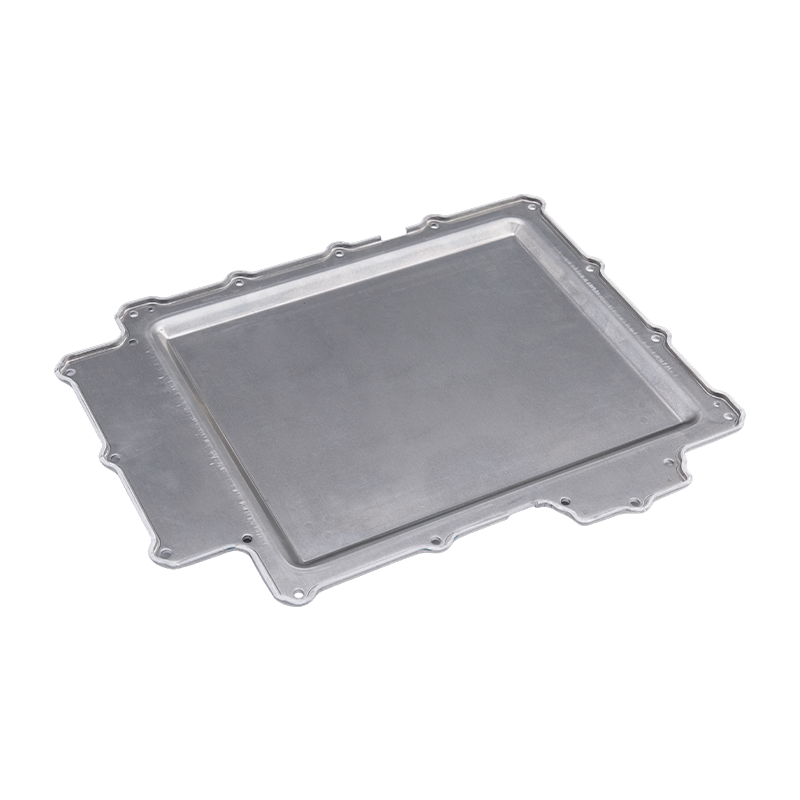
Battery cover stamping parts
Our Battery cover stamping parts are precision-man...
-
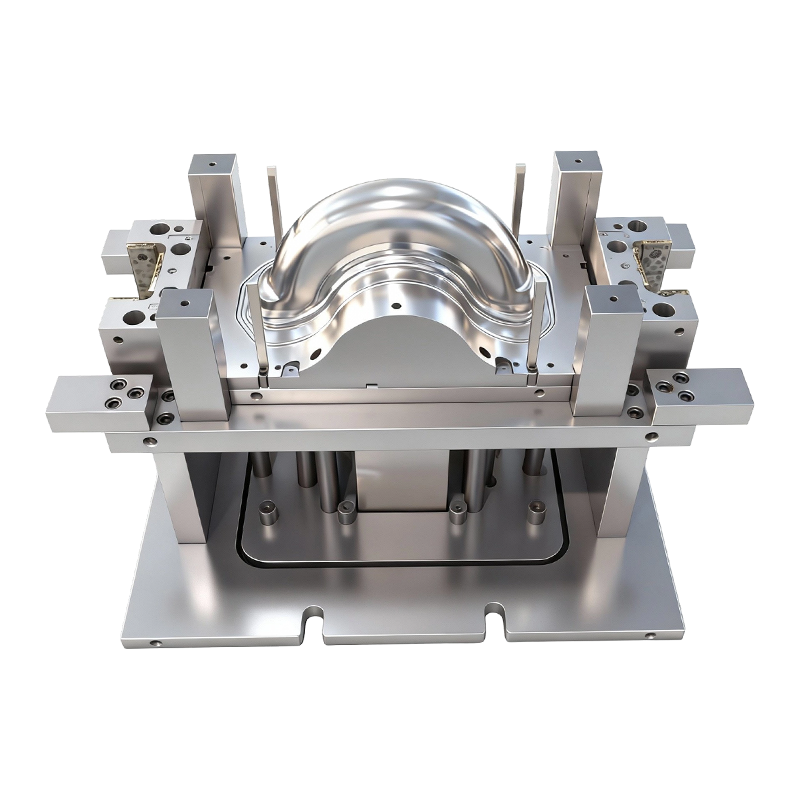
Deep drawing mold for front and rear wheels of two-wheeled electric vehicles
This Deep drawing mold for front and rear wheels o...
-
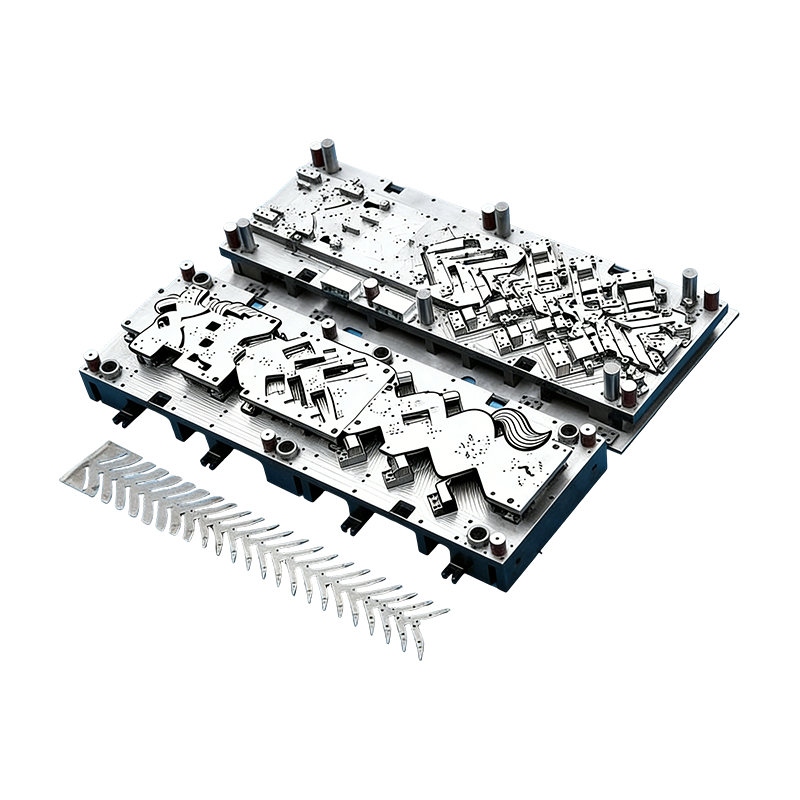
Progressive molds for automotive parts
This Continuous mold for automotive motor housing ...
-
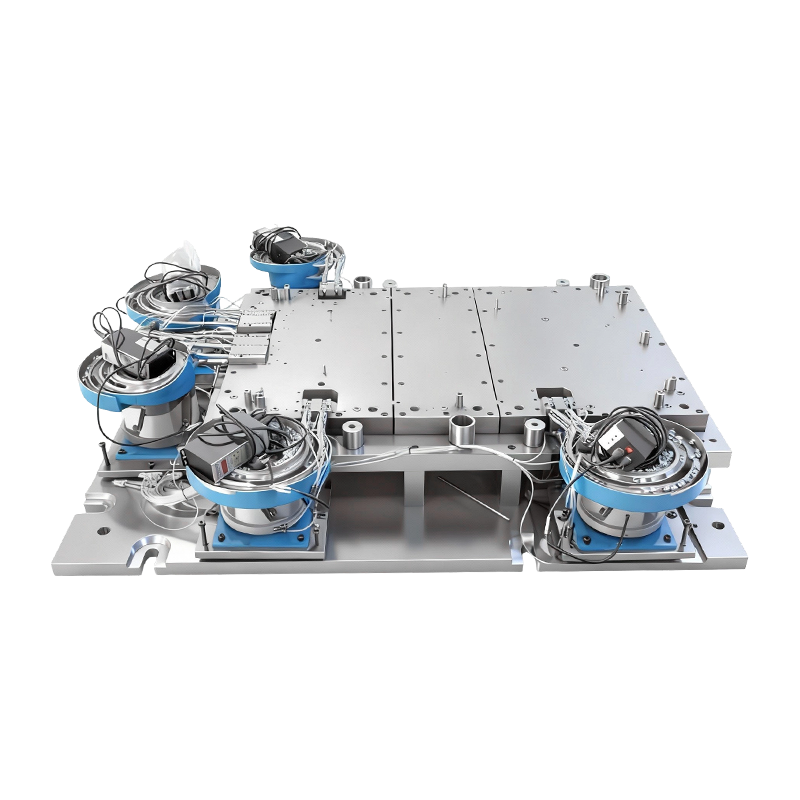
Automatic riveting mold for large computer machine base
This Automatic Riveting Mold for Large Computer Ma...
-
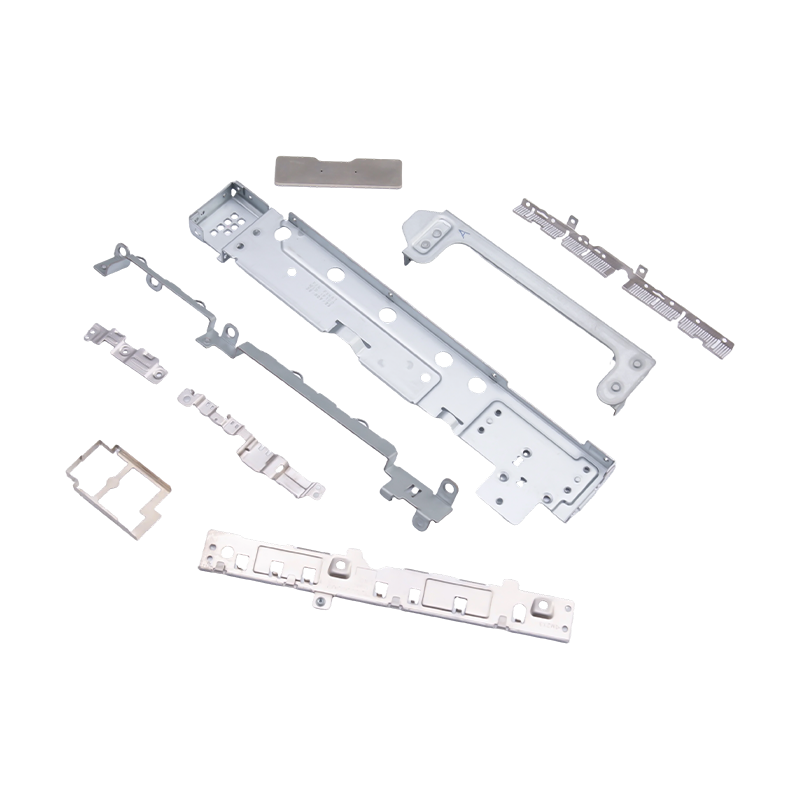
Small stamped parts for laptops and mobile phones
As essential internal components for modern portab...
- E-mail us: [email protected]
- Call us: +86-139 1308 8972

Wang Xinyue – After-Sales Support Supervisor
Home / Author / Wang Xinyue – After-Sales Support Supervisor / Precision Battery Cover Stamping Parts for Reliable Energy Systems
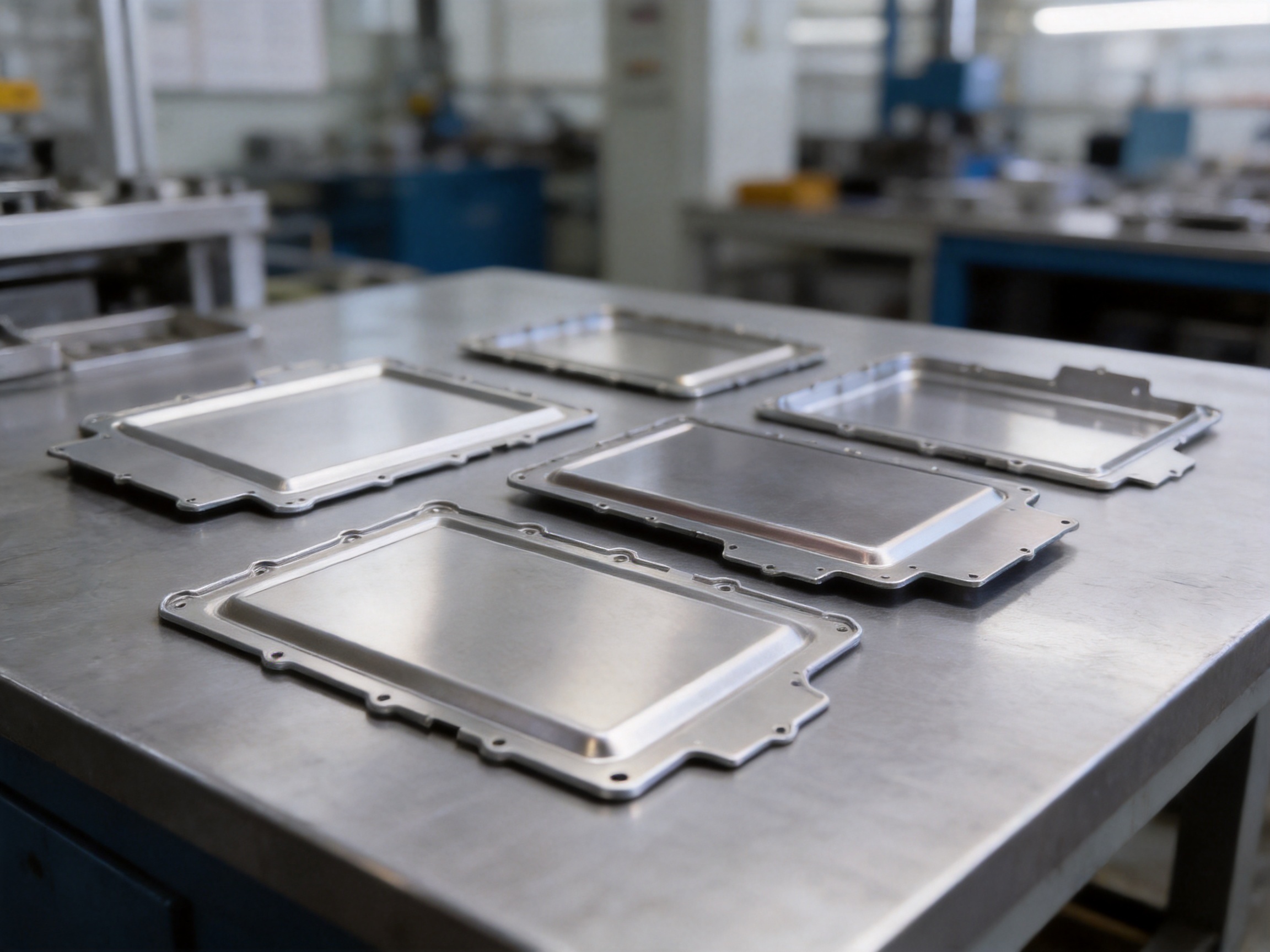
Precision Battery Cover Stamping Parts for Reliable Energy Systems
2026-06-14
Battery cover stamping parts play a decisive role in the safety, stability, assembly efficiency, and long-term durability of modern battery systems. In automotive manufacturing, industrial power supply equipment, and energy storage applications, the battery cover is not merely an external sheet metal component; it is a protective structural part that must resist deformation, contamination, moisture, vibration, and repeated environmental stress. A well-designed battery cover stamping part supports the enclosure, protects the battery core, improves installation consistency, and contributes to the overall reliability of the battery pack.
Suzhou Shuangqisi Mold Equipment Co., Ltd. manufactures battery cover stamping parts with a focus on precision, repeatability, and practical engineering value. The product is designed for use in battery enclosures for automotive, industrial, and energy storage systems. Depending on customer requirements, the parts can be produced from cold-rolled steel, aluminum alloy, or stainless steel, allowing manufacturers to select the best combination of strength, weight, corrosion resistance, and cost. Through advanced stamping processes, strict dimensional control, and integrated tooling capabilities, these components are suitable for high-volume production while maintaining tight tolerances and stable quality.
The competitive advantage of these battery cover stamping parts comes from the combination of material selection, die design, precision stamping, surface quality control, and manufacturing flexibility. Compared with ordinary sheet metal covers or parts made with less controlled processes, precision-stamped battery covers offer better consistency, faster assembly, lower unit cost in mass production, and improved structural performance. They can be customized with holes, flanges, bends, reinforcement ribs, and other installation features to match different battery casing designs and assembly requirements.
Content
- 1 Product Overview: What Battery Cover Stamping Parts Are Designed to Achieve
- 2 Materials: Cold-Rolled Steel, Aluminum Alloy, and Stainless Steel
- 3 Precision Manufacturing and Tight Tolerance Control
- 4 Smooth Surface Finish and Burr-Free Performance
- 5 Protection Against Dust, Moisture, and External Impact
- 6 Customization for Different Battery Models and Installation Requirements
- 7 Advantages Over Competing Solutions
- 8 Advanced Manufacturing Foundation
- 9 Die Design: The Core of Stable Stamping Quality
- 10 Stamping Automation and Turnkey Solutions
- 11 Quality Control: From Raw Material to Finished Part
- 12 Cost-Effectiveness in Mass Production
- 13 Applications in Automotive Battery Systems
- 14 Applications in Industrial and Energy Storage Systems
- 15 Engineering Features That Improve Assembly
- 16 Structural Stability and Safety Contribution
- 17 Why Integrated Mold and Stamping Capability Matters
- 18 Supplier Strength: Experience, Equipment, and Service Mindset
- 19 Design and Purchasing Considerations for Customers
- 20 Environmental and Operational Benefits
- 21 Q&A: Common Questions About Battery Cover Stamping Parts
- 21.1 What are battery cover stamping parts used for?
- 21.2 Which materials are available for these parts?
- 21.3 Can the battery cover stamping parts be customized?
- 21.4 Why is stamping better for mass production than basic sheet metal fabrication?
- 21.5 How does the manufacturer control burrs and deformation?
- 21.6 What manufacturing strengths support product quality?
- 21.7 Are these parts suitable for new energy vehicles?
- 21.8 Can the supplier support automation for stamping production?
- 22 Conclusion: A Precision Component for Safer and More Efficient Battery Systems
- 23 References
- 24 Product: Battery cover stamping parts
Product Overview: What Battery Cover Stamping Parts Are Designed to Achieve
A battery cover stamping part is a formed metal component used to cover, protect, seal, support, or locate parts of a battery enclosure. In many systems, especially in vehicles and energy storage cabinets, batteries are exposed to vibration, temperature fluctuation, dust, humidity, and mechanical impact. The cover must therefore be engineered as a functional component rather than a simple panel. It needs to be strong enough to resist deformation, accurate enough to fit with adjoining parts, and smooth enough to prevent damage during handling and assembly.
The battery cover stamping parts produced by Suzhou Shuangqisi Mold Equipment Co., Ltd. are manufactured with precision stamping technology. The stamping process can include blanking, piercing, bending, flanging, drawing, forming, trimming, and secondary shaping operations according to the geometry of the part. With properly designed stamping dies, a flat metal sheet or coil can be transformed into a part with accurate shape, clean edges, and consistent dimensions. This makes stamping highly suitable for battery cover components that require stable quality across large production batches.
The product is especially suitable for automotive battery covers, new energy vehicle battery enclosure parts, industrial battery protection covers, energy storage battery box panels, and related metal components used in power equipment. In these applications, repeatability is essential. Even a small deviation in hole location, edge shape, flange height, or bending angle can affect assembly quality. By using dedicated stamping dies and controlled forming processes, the parts can meet strict assembly requirements and reduce downstream adjustments.
Another key feature is customization. Battery systems vary significantly by capacity, structure, application environment, heat management strategy, and installation method. For this reason, battery cover stamping parts often need customized hole patterns, mounting structures, reinforcing features, bends, slots, openings, and edge forms. The manufacturer’s ability to design and manufacture stamping dies, produce parts, and support stamping automation provides customers with a more complete solution than a supplier that only provides basic sheet metal processing.
Materials: Cold-Rolled Steel, Aluminum Alloy, and Stainless Steel
Material selection has a major influence on the performance of battery cover stamping parts. Different applications may require different priorities. Some customers need a strong and cost-effective cover with good dimensional stability. Some require lightweight structures to reduce vehicle mass. Others need high corrosion resistance for harsh environments. The ability to manufacture parts from cold-rolled steel, aluminum alloy, and stainless steel allows the product to serve a wide range of battery systems.
Cold-rolled steel is commonly selected when strength, flatness, dimensional accuracy, and cost efficiency are important. It offers good formability and can be stamped into precise structures with stable mechanical performance. For automotive and industrial applications, cold-rolled steel battery covers can provide strong protection against mechanical impact and external pressure. With proper surface treatment, coating, or painting, cold-rolled steel can also meet corrosion resistance requirements for many operating environments.
Aluminum alloy is often preferred for lightweight battery enclosure designs, especially in new energy vehicles and mobile energy equipment. Its lower density helps reduce total system weight, which can improve energy efficiency and extend driving range in electric vehicles. Aluminum also provides natural corrosion resistance and good thermal conductivity. These characteristics can be valuable for battery systems where weight reduction and heat management are priorities. However, aluminum stamping requires careful die design and process control because of springback and surface sensitivity. A capable stamping die manufacturer can compensate for these factors to achieve accurate final dimensions.
Stainless steel is suitable for applications requiring enhanced corrosion resistance, cleanliness, and long service life. It is often used in environments where moisture, chemicals, temperature variation, or outdoor exposure may affect ordinary steel. Stainless steel battery cover stamping parts can provide excellent durability, though the material may require higher forming force and more advanced tooling design. With experienced operators and accurate process planning, stainless steel parts can be produced with smooth surfaces and reliable geometry.
| Material Option | Main Advantages | Typical Application Priority | Manufacturing Considerations |
|---|---|---|---|
| Cold-Rolled Steel | High strength, stable dimensions, cost-effective, good formability | Automotive and industrial battery covers requiring structural rigidity | Often combined with coating or surface protection for corrosion resistance |
| Aluminum Alloy | Lightweight, corrosion resistant, good thermal conductivity | New energy vehicle battery systems and weight-sensitive equipment | Requires careful control of springback and surface quality during stamping |
| Stainless Steel | Excellent corrosion resistance, long service life, clean surface performance | Harsh environments, outdoor systems, and demanding industrial applications | Needs robust die design and sufficient forming capability |
Precision Manufacturing and Tight Tolerance Control
One of the most important advantages of a stamped battery cover is dimensional consistency. Battery systems often include multiple components such as casings, brackets, busbar supports, insulation layers, sealing strips, cooling plates, and fasteners. The battery cover must align with these elements precisely. If the cover is warped, oversized, undersized, or inconsistent in hole position, assembly time increases and product reliability may be affected. Precision stamping reduces these risks by using stable dies and repeatable press operations.
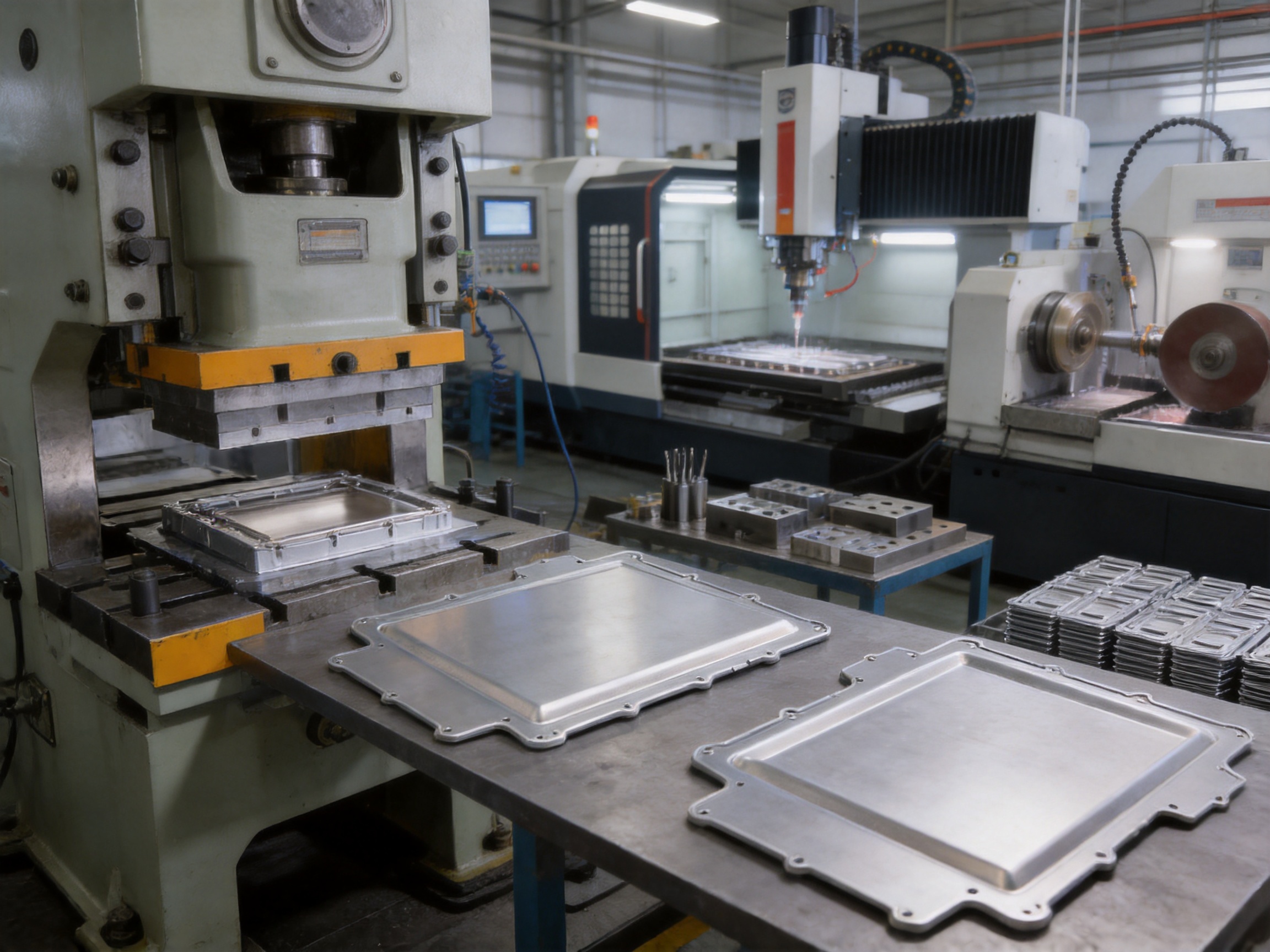
Suzhou Shuangqisi Mold Equipment Co., Ltd. has strong manufacturing resources for precision dies and stamped parts. The company is equipped with imported wire cutting machines, CNC machining centers, more than 10 grinding machines of various sizes, 25 punch presses ranging from 80T to 400T, and other precision machine tools. This equipment foundation supports accurate die manufacturing, stable part production, and efficient mass production. Punch press capacity from 80T to 400T enables the company to handle a variety of part sizes, material thicknesses, and forming difficulties.
Tight tolerance control begins with die design. A stamping die must be engineered to account for material thickness, material strength, grain direction, springback, forming sequence, cutting clearance, burr direction, and required part geometry. If the die is poorly designed, even advanced equipment cannot compensate for the resulting defects. The company’s experience in mold design and manufacturing helps ensure that the forming process is practical and stable before mass production begins.
After die design, precision machining is essential. Wire cutting, CNC machining, and grinding are used to produce die inserts, punches, cavities, forming blocks, guide parts, and other tooling elements. These components must maintain accuracy under repeated press operations. Accurate die components help create clean cut edges, uniform flanges, consistent bends, and stable hole locations. This directly affects the quality of the final battery cover stamping parts.
During stamping production, process control is equally important. Press tonnage, feeding accuracy, die alignment, lubrication, stroke stability, and inspection frequency all influence the final part. Experienced operators and debugging personnel help optimize the production process, reduce scrap, and maintain quality throughout the batch. For customers, this means fewer rejected parts, better assembly efficiency, and more reliable delivery schedules.
Smooth Surface Finish and Burr-Free Performance
Battery cover stamping parts must have a smooth surface and clean edges. Burrs, sharp corners, scratches, dents, and deformations can cause serious problems during assembly and service. A burr may interfere with fitment, damage sealing materials, scratch insulation layers, or create safety risks for operators. Surface defects may also reduce corrosion resistance or create weak points under stress. For battery systems, where electrical safety and mechanical protection are both important, surface quality is not optional.
The battery cover stamping parts described here are manufactured to achieve a smooth surface finish with no burrs or deformation. This is achieved through appropriate cutting clearance, die maintenance, forming process optimization, and inspection. When blanking or piercing operations are performed, punch and die clearance must be carefully controlled according to material type and thickness. Too much clearance can create large burrs and rough fracture zones, while too little clearance can accelerate die wear or cause cracking. A professional die manufacturer understands how to balance these factors.
For bending and flanging operations, surface quality depends on the condition of the die radius, lubrication, pressure distribution, and material behavior. Scratches can occur if the die surface is rough, if debris remains in the tool, or if the forming sequence creates excessive sliding friction. By using precision machining and regular tool maintenance, the manufacturer can improve surface consistency and reduce the need for extensive post-processing.
Burr-free and deformation-free parts are especially valuable in automated assembly. As more battery pack manufacturers introduce robotic handling, automatic fastening, and automated inspection systems, part consistency becomes more important. Robots and fixtures require predictable geometry. A cover with irregular edges or deformation may not seat properly in an automated station. Precision-stamped parts support smoother integration into modern production lines.
Protection Against Dust, Moisture, and External Impact
The primary purpose of a battery cover is protection. Battery cores, cells, modules, connectors, management systems, and internal supports can be sensitive to external contamination and mechanical force. Dust may interfere with electrical connections or thermal management. Moisture can accelerate corrosion and increase electrical safety risks. Impact can deform internal structures or damage insulation. A reliable battery cover stamping part helps create a protective barrier that improves the safety and service life of the entire system.
Metal stamping is well suited for protective covers because it can create a balance of rigidity and form. Through flanges, bends, ribs, and edge structures, a stamped cover can become much stronger than a flat sheet of the same thickness. These features help the component resist bending, twisting, and local deformation. When properly integrated with the battery casing, the cover contributes to enclosure strength and stability.
In automotive environments, battery covers may face vibration, road shock, temperature cycling, and occasional stone impact or debris exposure depending on their installation location. In industrial and energy storage systems, covers may face cabinet vibration, maintenance handling, humidity, and long-term outdoor or semi-outdoor operation. The use of suitable materials and precise forming helps the cover maintain its protective function over time.
Corrosion resistance is another important performance factor. Stainless steel and aluminum alloy naturally provide strong corrosion resistance, while cold-rolled steel can be protected through appropriate coatings or surface treatments. A smooth stamped surface also supports better coating adhesion compared with rough or inconsistent surfaces. When a battery cover is designed and produced with corrosion resistance in mind, the battery enclosure can remain stable and safe throughout a longer service life.
Customization for Different Battery Models and Installation Requirements
No single battery cover design can meet every application. Battery packs differ in size, voltage, thermal strategy, cell arrangement, mounting method, and enclosure architecture. Some covers require only basic protection, while others must include complex installation holes, bent edges, locating tabs, cable openings, ventilation structures, reinforcing ribs, sealing surfaces, or multi-step flanges. Customization is therefore a key advantage of precision battery cover stamping parts.
Suzhou Shuangqisi Mold Equipment Co., Ltd. can customize battery cover stamping parts with holes, flanges, bends, and related structures based on specific installation needs. This capability helps customers reduce additional processing steps and simplify assembly. For example, if mounting holes are stamped accurately during production, the customer does not need separate drilling operations. If flanges and bends are formed in the die, the cover can be installed more quickly and consistently. If locating features are included, the part can align more easily with the casing or other modules.
Customization also supports product differentiation. Battery system manufacturers often need enclosure components that match their proprietary architecture. A supplier with die design and manufacturing capability can help convert engineering drawings into manufacturable stamped parts. During development, the supplier may evaluate forming feasibility, material utilization, burr direction, tolerance requirements, and cost structure. This improves the likelihood that the final part will be both functional and economical.
For mass production, customization must be combined with repeatability. It is not enough to make a prototype that fits once. The part must be produced thousands or millions of times with stable dimensions. Precision stamping dies allow customized geometry to be repeated efficiently. Once the die is validated, the production process can deliver consistent parts at high speed and competitive cost.
Advantages Over Competing Solutions
Battery cover stamping parts offer several advantages over competing manufacturing methods and lower-grade alternatives. One major advantage is production efficiency. Compared with laser cutting and manual bending for large batches, stamping can produce parts much faster after the die is completed. A stamping press can perform cutting, punching, forming, and bending operations in a controlled sequence, reducing cycle time and improving consistency. For manufacturers requiring reliable supply and cost-effective mass production, this efficiency is highly valuable.
Another advantage is dimensional consistency. Manual or semi-manual sheet metal fabrication may be suitable for prototypes or small batches, but it often struggles to maintain tight tolerances at high volume. Stamping dies are designed to control the part shape mechanically, which reduces variation between operators and production shifts. This consistency improves assembly fit and reduces rework.
Structural optimization is also a benefit. A stamped part can incorporate strengthening ribs, flanges, corners, offsets, and formed edges directly into the component. These features can improve stiffness without significantly increasing material thickness or weight. Compared with a simple flat cover, a formed stamping part can deliver better mechanical performance while using material efficiently.
Surface quality and edge control are additional competitive strengths. With proper die clearance and maintenance, stamped battery covers can achieve clean edges and smooth surfaces. Lower-quality suppliers may produce parts with burrs, scratches, poor bending angles, or inconsistent hole positions, leading to assembly problems and quality complaints. Precision manufacturing reduces these risks.
The integrated capability of mold design, mold manufacturing, stamping production, and stamping automation also gives the company an advantage over suppliers that only handle one stage of the process. When tooling and production are managed together, problems can be solved more efficiently. If a part needs adjustment, the die team and stamping team can coordinate quickly. If production volume increases, automation solutions can be considered to improve efficiency and reduce cost. This integrated service model creates value for customers who need long-term cooperation rather than one-time processing.
Advanced Manufacturing Foundation
The manufacturing strength behind a battery cover stamping part is as important as the design of the product itself. Suzhou Shuangqisi Mold Equipment Co., Ltd. is located at No. 118 Yexin Road, Wujiang Economic Development Zone, Suzhou, China. The company is a professional manufacturer of stamping dies and hardware parts integrating design, manufacturing, and service. With 15 years of experience in the mold industry and a team of 60 technical staff, it has developed strong capabilities in stamping die design, precision machining, stamping production, and process debugging.
The company’s equipment base supports both die manufacturing and part production. Imported wire cutting machines provide precision for complex profiles and die components. CNC machining centers support accurate processing of mold plates, forming components, and structural tooling parts. Grinding machines help achieve high surface accuracy and dimensional precision. Punch presses ranging from 80T to 400T allow production of different stamped parts according to size, material, and forming force requirements.
Equipment alone does not create quality; experience and process discipline are also required. The company employs senior operators and experienced debugging personnel who understand the practical behavior of materials and dies in production. During die trial and mass production, they can identify issues such as springback, wrinkling, burr formation, dimensional drift, feeding error, and uneven forming. By adjusting die details, press parameters, lubrication, or process sequence, they help stabilize production.
The company’s main clients include Anter Group, Ousheng Electric, Dongbei Group, and Huichuan Technology, with products supplied mainly for servo drives, compressors, and new energy vehicles. This customer background reflects experience in demanding industrial and automotive-related sectors. Battery cover stamping parts benefit from this technical foundation because the same principles of precision, durability, and assembly reliability apply across these markets.
Die Design: The Core of Stable Stamping Quality
A stamping part is only as reliable as the die that forms it. For battery cover stamping parts, die design must address the full production life of the component. The designer needs to understand the target geometry, material behavior, press capacity, tolerance requirements, production volume, inspection points, maintenance needs, and cost targets. A well-designed die makes production efficient, while a poorly designed die creates continuous quality and cost problems.
Important die design considerations include cutting clearance, forming radius, bending allowance, part orientation, strip layout, material utilization, springback compensation, and station arrangement. For complex covers, progressive dies or multi-station dies may be used to complete several operations in sequence. Each station must be coordinated so that the part remains stable and accurate throughout the forming process. If one station introduces distortion, later stations may amplify the error.
For aluminum alloy parts, die design must consider springback and surface protection. For stainless steel parts, the die must handle higher forming resistance and potential tool wear. For cold-rolled steel parts, designers may focus on optimizing strength, cost, and coating compatibility. These material-specific considerations show why experience is essential. A design that works for one material may not perform well for another.
Die manufacturing precision is equally important. The company’s wire cutting, CNC machining, and grinding capabilities support accurate production of die components. Guide systems, punches, dies, forming blocks, and locating elements must fit together precisely. Accurate tooling reduces part variation and improves die life. This is especially important for customers who require stable long-term production.
Stamping Automation and Turnkey Solutions
In 2016, the company invested in and established Suzhou Keshuang Intelligent Technology Co., Ltd., which mainly produces stamping automation equipment. This development expanded the company’s ability to provide more complete solutions for customers. Instead of offering only stamping dies or only stamped parts, the company can support turnkey solutions for stamping molds and stamping automation. This is a meaningful advantage in a market where customers increasingly seek efficiency, labor reduction, consistency, and cost control.
Stamping automation can include feeding systems, transfer mechanisms, robotic handling, automatic collection, inspection integration, and production line coordination. For battery cover stamping parts, automation can help improve feeding accuracy, reduce manual handling damage, enhance safety, and increase production stability. Automated processes are especially useful for high-volume parts where consistency and cycle time are critical.
Turnkey support also helps customers reduce project complexity. A customer developing a new battery cover may need part design review, die design, die manufacturing, trial production, process optimization, mass production, and potentially automation planning. Working with a supplier that understands these stages can reduce communication gaps and shorten development time. If a problem appears during mass production, the supplier can analyze whether it originates from tooling, material, press settings, feeding, or part design.
The company can also invest in related production equipment according to customer needs to deliver cost-effective products and services. This flexibility is important for long-term projects. Battery system manufacturers may need suppliers who can scale production as demand grows. A supplier with automation capability and investment willingness can better support changing volume requirements.
Quality Control: From Raw Material to Finished Part
Quality control for battery cover stamping parts must cover the entire production process. It begins with raw material selection and verification. Material thickness, mechanical properties, surface condition, and coil or sheet quality affect stamping performance and final part reliability. If the raw material varies significantly, the stamped part may show inconsistent springback, burrs, cracks, or surface defects. Therefore, stable material sourcing and incoming inspection are important.
During die manufacturing, quality control focuses on machining accuracy and assembly precision. Die components must match design specifications. Punches, inserts, guide pins, bushings, forming blocks, and cutting edges need correct dimensions and surface finish. After assembly, the die undergoes trial production to verify part geometry, burr condition, forming stability, and press compatibility. Trial results are used to fine-tune the die before mass production.
In stamping production, inspection may include dimensional measurement, visual inspection, surface defect checks, burr evaluation, hole position verification, bending angle measurement, and fit checks with customer samples or gauges. For parts with tight tolerances, special inspection fixtures may be used to confirm repeatability quickly. Process monitoring helps detect changes before they produce large quantities of nonconforming parts.
Finished parts should be protected during handling and packaging. Even a well-stamped part can be damaged by poor stacking, friction, impact, or contamination. Smooth surface battery covers may require appropriate separation, packing orientation, or protective measures according to the customer’s requirements. Reliable packaging supports safe delivery and reduces quality claims.
Cost-Effectiveness in Mass Production
Cost control is one of the strongest reasons to choose stamping for battery cover production. While stamping dies require initial investment, the unit cost becomes highly competitive when production volume increases. A properly designed die can produce large quantities of parts with short cycle times and consistent quality. This reduces labor cost, rework, scrap, and assembly delays.
Material utilization is another cost factor. Through optimized strip layout and blank design, stamping can reduce material waste. For high-volume battery cover parts, even a small improvement in material utilization can create substantial savings over time. Die designers can evaluate nesting, part orientation, carrier design, and process sequence to improve material efficiency.
Integrated manufacturing also reduces hidden costs. If tooling, stamping, and process debugging are handled by separate suppliers, communication delays and responsibility disputes may occur. An integrated supplier can solve problems faster and optimize the entire process. This can lower project risk and reduce total cost of ownership, even if the initial quotation is not the lowest on paper.
High-quality parts also save downstream costs. A battery cover that fits correctly reduces assembly time. A burr-free edge reduces finishing requirements. A stable surface reduces coating problems. A consistent hole position reduces fixture adjustments. These savings matter in automotive and energy storage production lines where efficiency and reliability are key performance indicators.
Applications in Automotive Battery Systems
Automotive battery systems require parts that can endure vibration, temperature variation, mechanical shock, and strict assembly requirements. Battery cover stamping parts are widely applicable in traditional automotive electrical systems, hybrid vehicles, electric vehicles, and new energy vehicle battery packs. As vehicle electrification grows, the importance of reliable battery enclosure components continues to increase.
In new energy vehicles, battery packs are often installed in spaces where weight, safety, and structural integration are critical. Covers may protect battery modules, service openings, connection areas, or enclosure sections. They may need to work with sealing systems to prevent water and dust ingress. They may also need to allow maintenance access or integrate with other structural elements. Precision stamping supports these functions by delivering repeatable geometry and reliable surface quality.
Automotive manufacturing also demands supply stability. Vehicle production schedules require parts to arrive on time and meet quality standards consistently. A supplier with multiple punch presses, die manufacturing capability, and experienced technical personnel can better support stable production. When design changes occur, in-house die capability can help implement modifications more efficiently.
The company’s experience supplying products for new energy vehicles supports its ability to understand automotive requirements. Automotive customers often require disciplined quality control, documentation, process stability, and continuous improvement. Battery cover stamping parts manufactured under these principles can help customers improve both product performance and production efficiency.
Applications in Industrial and Energy Storage Systems
Beyond automotive applications, battery cover stamping parts are also important in industrial equipment and energy storage systems. Industrial batteries may be used in power backup units, automation equipment, communication systems, forklifts, robotics, and electrical cabinets. Energy storage systems may be installed in residential, commercial, utility, or microgrid environments. In all these applications, battery enclosure protection is essential.
Industrial environments can be demanding. Equipment may operate near dust, oil, humidity, vibration, or temperature variation. Covers must maintain shape and protect internal components over long periods. Stainless steel or coated steel may be selected when corrosion resistance is important, while aluminum may be selected when weight or thermal performance matters. Stamping allows these materials to be formed into practical protective structures.
Energy storage systems are often designed for long service life. Their enclosure components must resist aging and environmental stress. A deformed or corroded cover can compromise sealing, safety, or maintenance convenience. Precision battery cover stamping parts help maintain the integrity of the enclosure and support long-term system reliability.
Because energy storage projects may require different cabinet sizes and battery configurations, customization is valuable. Stamped covers can be designed to match specific module layouts, fastening patterns, cable routes, or ventilation requirements. A manufacturer with die design and stamping automation capabilities can support both customized development and scalable production.
Engineering Features That Improve Assembly
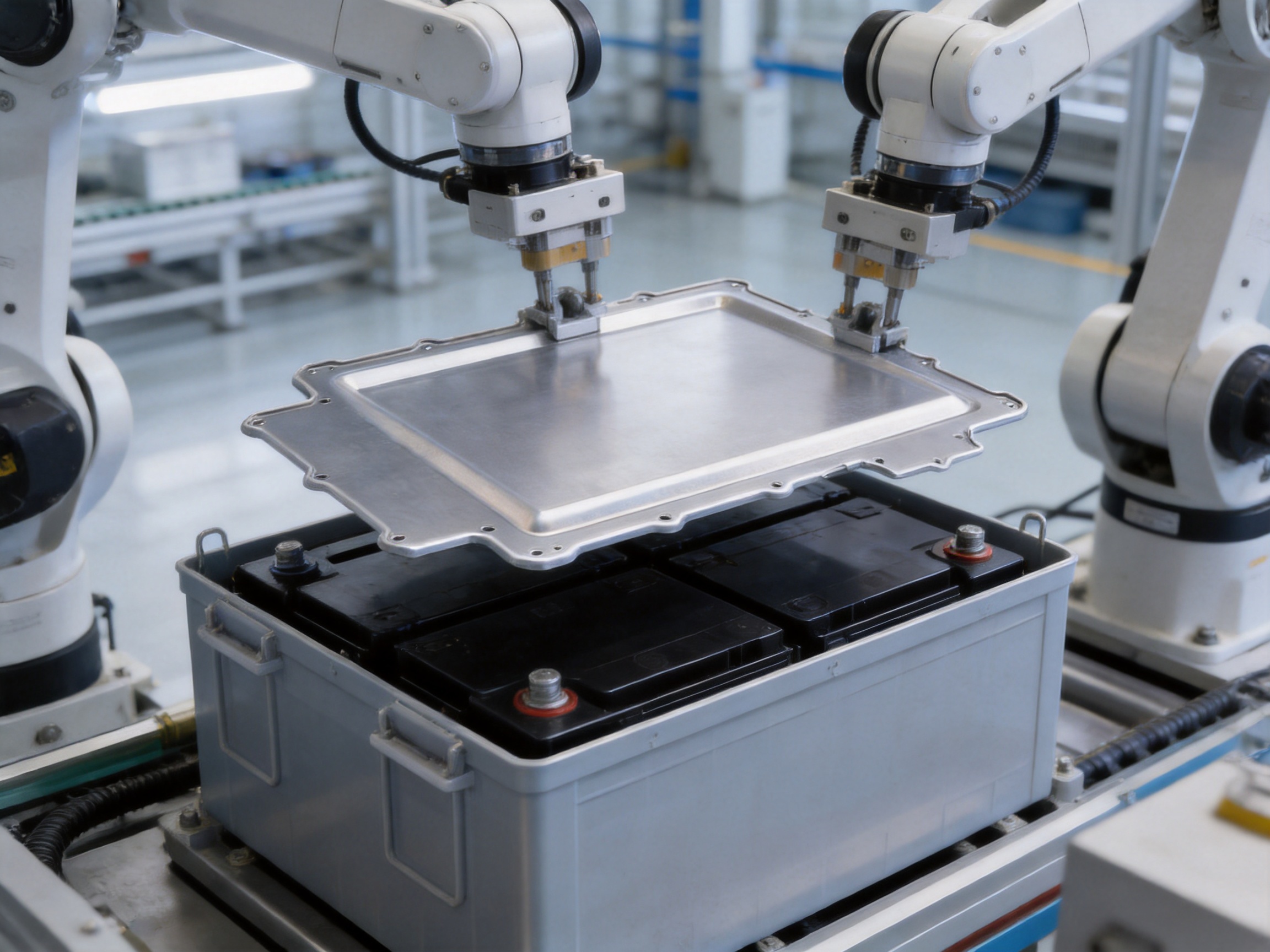
Assembly efficiency is a major concern for battery manufacturers. A cover that is difficult to position, fasten, or seal can slow production and increase labor cost. Precision battery cover stamping parts can include engineering features that improve assembly. These may include locating holes, positioning tabs, flanged edges, reinforced mounting zones, accurately formed bends, and smooth sealing surfaces.
Locating features help operators or automated equipment place the cover correctly. Accurate hole patterns ensure that screws, bolts, rivets, or clips align with the casing. Flanges increase stiffness and provide surfaces for fastening or sealing. Bends and offsets allow the cover to clear internal components while maintaining a compact enclosure design. Reinforcement ribs can prevent vibration noise and reduce flexing.
Because these features are formed during stamping, they can be produced consistently across large batches. This is more efficient than adding features through multiple secondary operations. Integrated stamping design reduces part handling and can improve both quality and cost.
Good assembly performance also depends on burr direction and edge finishing. A burr facing the wrong side may interfere with sealing or contact sensitive components. During die design, burr direction can be planned based on how the part will be assembled. This level of engineering detail distinguishes professional stamping suppliers from basic metal processing vendors.
Structural Stability and Safety Contribution
Battery safety is influenced by many factors, including cell chemistry, thermal management, electrical insulation, battery management systems, and enclosure design. While a cover stamping part is only one component, it contributes to safety by protecting internal parts, maintaining enclosure structure, and resisting external forces. A stable cover helps prevent accidental exposure of battery components and supports the mechanical integrity of the system.
Structural stability comes from material strength, part geometry, forming accuracy, and proper integration with the casing. A flat sheet may flex easily, but a stamped cover with bends and flanges can be significantly stiffer. Reinforcing structures can be added where needed, allowing designers to improve performance without unnecessary material thickness. This supports lightweight and cost-effective design.
Dimensional accuracy also affects safety. If a cover does not fit correctly, gaps may appear, seals may be compressed unevenly, or fasteners may be stressed. Over time, vibration may worsen these issues. Precision-stamped parts help ensure the cover sits correctly and remains secure during operation.
Surface quality contributes to safety as well. Burrs and sharp edges may damage insulation or wiring. Deformation may create contact risks. Corrosion may weaken the cover or contaminate nearby components. By producing smooth, stable, corrosion-resistant parts, the manufacturer helps customers build safer battery systems.
Why Integrated Mold and Stamping Capability Matters
Many suppliers can stamp simple parts, but fewer can provide integrated mold-making, stamping production, automation, and technical service. Integrated capability matters because stamping quality depends on the relationship between product design, die design, process planning, machine capability, and operator skill. When these elements are managed together, quality problems can be prevented or solved more effectively.
If a customer provides a battery cover drawing, the supplier can review the design for manufacturability. The review may identify bend radii that are too small, hole positions too close to edges, areas prone to cracking, unnecessary tolerance complexity, or opportunities to improve material utilization. Early design feedback can reduce development risk and cost.
After design review, the die can be manufactured internally with precision equipment. Trial stamping can then be performed using the company’s punch presses. If the part requires adjustment, the tooling team can modify the die quickly. This short feedback loop reduces delays and improves project efficiency. For mass production, the same knowledge helps maintain die performance and part quality.
Automation capability further strengthens this model. If production volume grows or labor efficiency becomes a priority, automated feeding or handling can be introduced. Because the company understands both dies and automation equipment, it can design solutions that match the actual stamping process. This integrated approach is especially valuable for battery industry customers pursuing stable, scalable manufacturing.
Supplier Strength: Experience, Equipment, and Service Mindset
Suzhou Shuangqisi Mold Equipment Co., Ltd. has 15 years of experience in the mold industry. Experience is important because stamping challenges are often practical and detail-oriented. Materials behave differently from theoretical expectations. Dies wear over time. Small design details can affect mass production stability. Experienced teams can anticipate these issues and create more reliable solutions.
The company’s 60 technical staff provide the human foundation for design, machining, stamping, debugging, quality control, and service. Technical depth allows the company to handle diverse customer needs, from standard stamped parts to customized battery cover components and more complex die projects. Senior operators and experienced debugging personnel help ensure that production is not only possible but stable.
The equipment portfolio supports precision and capacity. Imported wire cutting machines, CNC machining centers, grinding machines, and punch presses from 80T to 400T give the company the ability to manufacture accurate dies and produce a wide range of stamped parts. This reduces dependence on external processing and improves control over schedule and quality.
The company focuses on creating value for customers and pursuing high-quality development. Its advantages include integrated mold-making and stamping automation capabilities, reliable technical expertise, strict cost and quality control, and a commitment to becoming a renowned manufacturer of high-quality stamping dies. For customers purchasing battery cover stamping parts, these strengths translate into better engineering support, more stable production, and a stronger long-term supply relationship.
Design and Purchasing Considerations for Customers
When selecting battery cover stamping parts, customers should evaluate more than the unit price. The first consideration is functional fit. The cover must match the battery casing, internal layout, sealing strategy, and assembly method. Customers should provide drawings, 3D models, material requirements, tolerance standards, surface requirements, and annual volume estimates when possible. This information helps the supplier develop an accurate manufacturing plan.
Material selection should be based on application needs. Cold-rolled steel may be the best choice for strength and cost efficiency. Aluminum alloy may be ideal for lightweight designs. Stainless steel may be preferred for corrosion resistance and harsh environments. The supplier can help evaluate formability, cost, and performance trade-offs.
Tolerance requirements should be practical and clearly defined. Overly tight tolerances may increase tooling cost and inspection complexity without improving actual performance. Critical dimensions such as mounting holes, sealing surfaces, and locating features should be prioritized. Non-critical dimensions may allow wider tolerances to reduce cost. A professional stamping supplier can help identify which dimensions are most important for production and assembly.
Customers should also consider production volume and future scalability. If the part will be produced in high volume, investing in a well-designed stamping die and automation-friendly process can reduce long-term cost. If the design may change, the die strategy should allow reasonable modification. Open communication between customer and supplier helps balance flexibility and efficiency.
Environmental and Operational Benefits
Precision stamping can contribute to environmental and operational efficiency. By optimizing material utilization, stamping reduces scrap. By producing parts with consistent quality, it reduces rework and waste. By enabling lightweight aluminum designs where appropriate, stamped battery covers can help reduce vehicle weight and support energy efficiency. In industrial production, stable parts also reduce downtime and assembly errors.
Long-lasting battery cover components support sustainability by extending product service life. A cover that resists corrosion, deformation, and surface damage helps protect the battery system for a longer period. This can reduce maintenance frequency and replacement needs. In energy storage systems, where long service life is a major value factor, durable enclosure components are especially important.
Automation can also improve operational efficiency and worker safety. Automated feeding and handling reduce repetitive manual operations and minimize the risk of handling sharp metal parts. Stable automated processes can lower defect rates and improve production predictability. These benefits align with modern manufacturing goals of quality, efficiency, safety, and cost control.
Q&A: Common Questions About Battery Cover Stamping Parts
What are battery cover stamping parts used for?
Battery cover stamping parts are used to protect and support battery enclosures in automotive, industrial, and energy storage systems. They help shield battery cores and internal components from dust, moisture, external impact, and handling damage while supporting accurate assembly with the battery casing.
Which materials are available for these parts?
The parts can be manufactured from cold-rolled steel, aluminum alloy, or stainless steel. Cold-rolled steel offers strength and cost efficiency, aluminum alloy provides lightweight performance and corrosion resistance, and stainless steel delivers excellent durability in demanding environments.
Can the battery cover stamping parts be customized?
Yes. The parts can be customized with holes, flanges, bends, mounting features, reinforcing structures, and other geometry based on customer drawings or installation needs. Customization allows the cover to match different battery models and enclosure designs.
Why is stamping better for mass production than basic sheet metal fabrication?
Stamping is faster, more repeatable, and more cost-effective for high-volume production after the die is completed. It provides consistent dimensions, stable hole positions, clean forming, and efficient integration of multiple features in one production process.
How does the manufacturer control burrs and deformation?
Burrs and deformation are controlled through professional die design, accurate cutting clearance, precision machining, proper forming sequence, press parameter control, die maintenance, and inspection. Experienced operators and debugging personnel also help stabilize production quality.
What manufacturing strengths support product quality?
The company has imported wire cutting machines, CNC machining centers, multiple grinding machines, 25 punch presses from 80T to 400T, experienced technical staff, and integrated stamping die manufacturing capability. These strengths support accurate tooling, stable stamping, and reliable mass production.
Are these parts suitable for new energy vehicles?
Yes. Battery cover stamping parts are suitable for new energy vehicle battery enclosures and related automotive applications. They can be designed for lightweight performance, structural stability, corrosion resistance, and precise assembly.
Can the supplier support automation for stamping production?
Yes. Through its related stamping automation capability, the company can provide turnkey solutions involving stamping dies and automation equipment. This helps improve production efficiency, consistency, and scalability for high-volume projects.
Conclusion: A Precision Component for Safer and More Efficient Battery Systems
Battery cover stamping parts are essential protective components for modern battery enclosures. Their value lies in precision, strength, surface quality, corrosion resistance, customization, and production efficiency. In automotive, industrial, and energy storage applications, a well-made stamped cover helps protect internal battery components, improve assembly accuracy, and support long-term system reliability.
The battery cover stamping parts manufactured by Suzhou Shuangqisi Mold Equipment Co., Ltd. combine high-quality materials, advanced stamping processes, tight tolerance control, smooth burr-free surfaces, and flexible customization. The company’s integrated strengths in stamping die design, mold manufacturing, stamping production, precision machining, and stamping automation provide customers with more than a simple part supply service. They provide an engineering-oriented manufacturing solution designed for stable quality and cost-effective mass production.
Compared with less controlled fabrication methods or ordinary suppliers, these precision-stamped parts offer better repeatability, stronger assembly compatibility, improved surface condition, and greater scalability. For manufacturers seeking reliable battery enclosure components, the combination of product performance and manufacturing capability makes precision battery cover stamping parts a strong choice for current and future energy system applications.
References
Kalpakjian, S., and Schmid, S. R. Manufacturing Engineering and Technology. Pearson Education.
Altan, T., and Tekkaya, A. E. Sheet Metal Forming: Processes and Applications. ASM International.
Society of Automotive Engineers. Automotive Sheet Metal Forming and Stamping Engineering Standards.
ASM International. Metals Handbook: Forming and Forging.
Dieter, G. E. Mechanical Metallurgy. McGraw-Hill Education.
Groover, M. P. Fundamentals of Modern Manufacturing: Materials, Processes, and Systems. Wiley.
Product: Battery cover stamping parts
Previous Post
New Energy Vehicle Copper Busbar Stamping Parts for High-Voltage EV Power Systems
Next Post
Precision Small Stamped Parts for Laptops and Mobile Phones
Our Products.
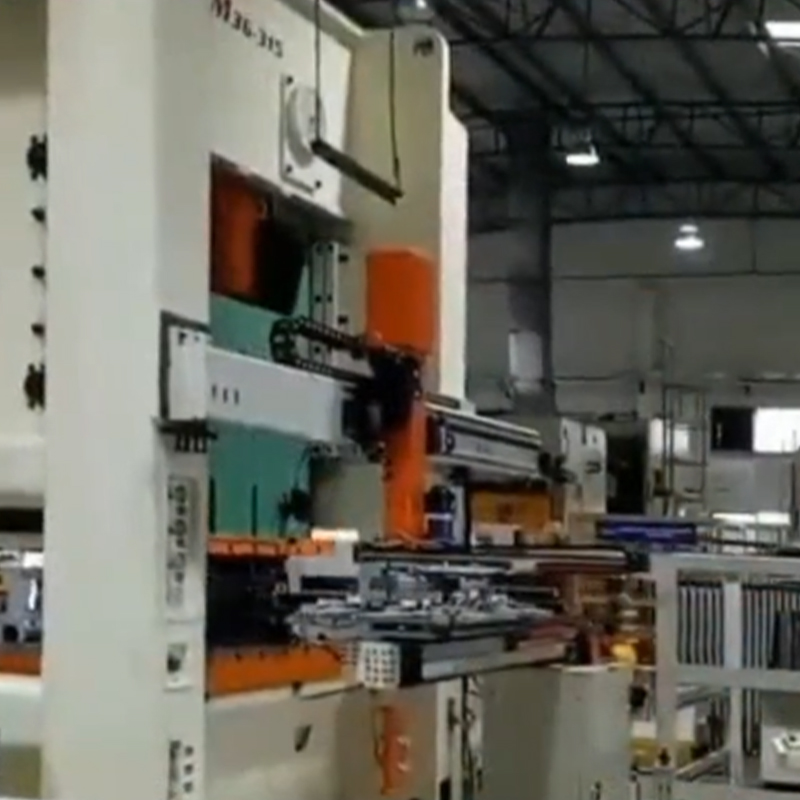
Start Your Business with an OEM Manufacturer Right Here!

Provide global customers with complete turn-key solutions
through
innovation!
QUICK LINKS
CONTACT INFO.
-
 +86-139 1308 8972
 -

-
 No. 118 Yexin Road, Wujiang Economic Development Zone, Suzhou, China
Copyright © Suzhou Shuangqisi Mold Equipment Co., Ltd. All Rights Reserved. Custom Stamping Die Metal Stamping Die Manufacturers
