 English
 Español
 Deutsch
-
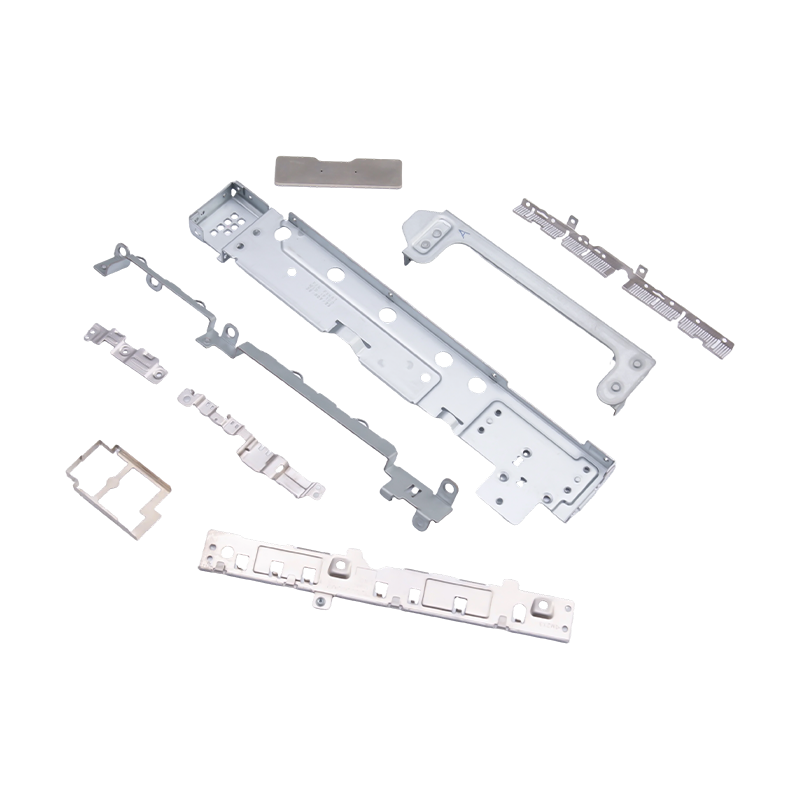
Small stamped parts for laptops and mobile phones
As essential internal components for modern portab...
-
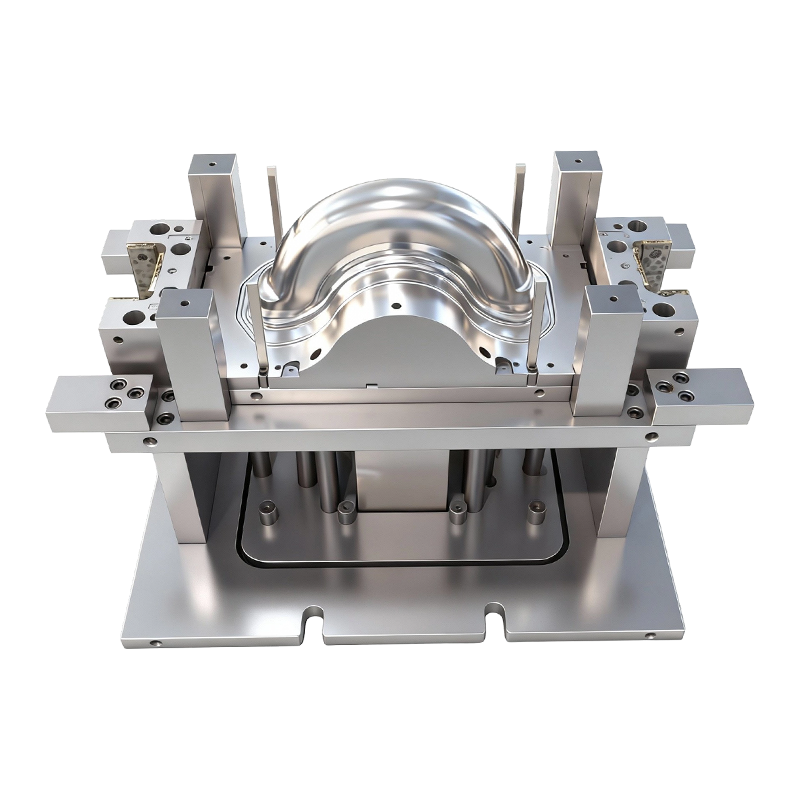
Deep drawing mold for front and rear wheels of two-wheeled electric vehicles
This Deep drawing mold for front and rear wheels o...
-
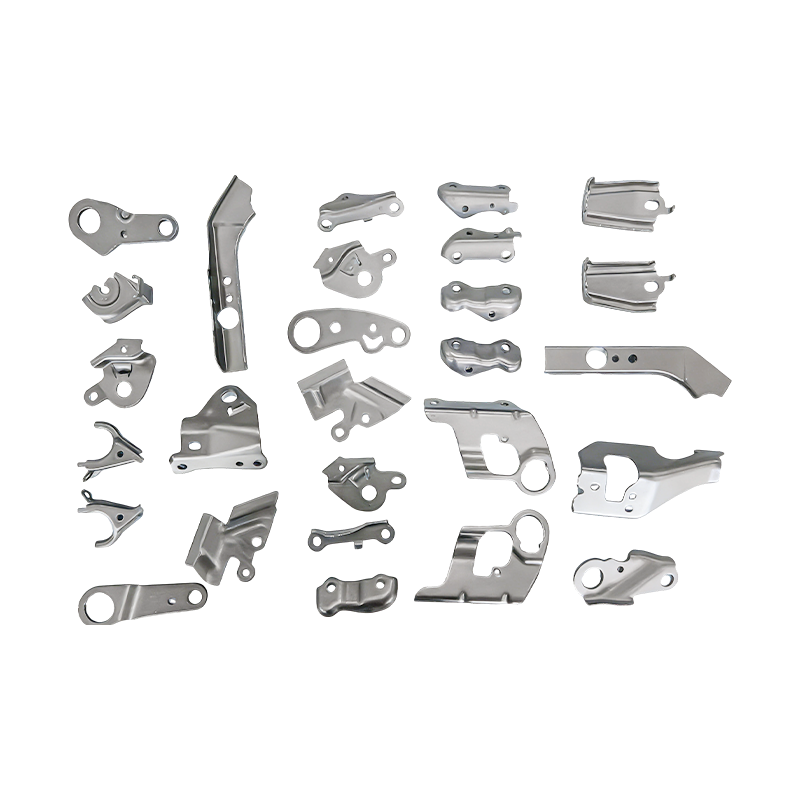
Small automotive parts progressive die stamping parts
Our Small automotive parts progressive die stampin...
-
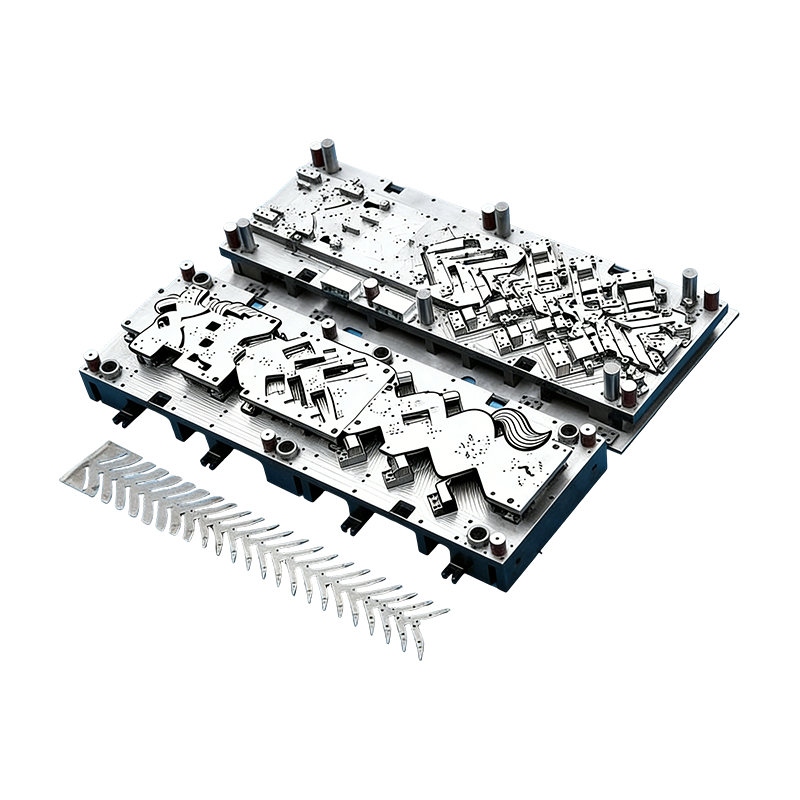
Progressive molds for automotive parts
This Continuous mold for automotive motor housing ...
-
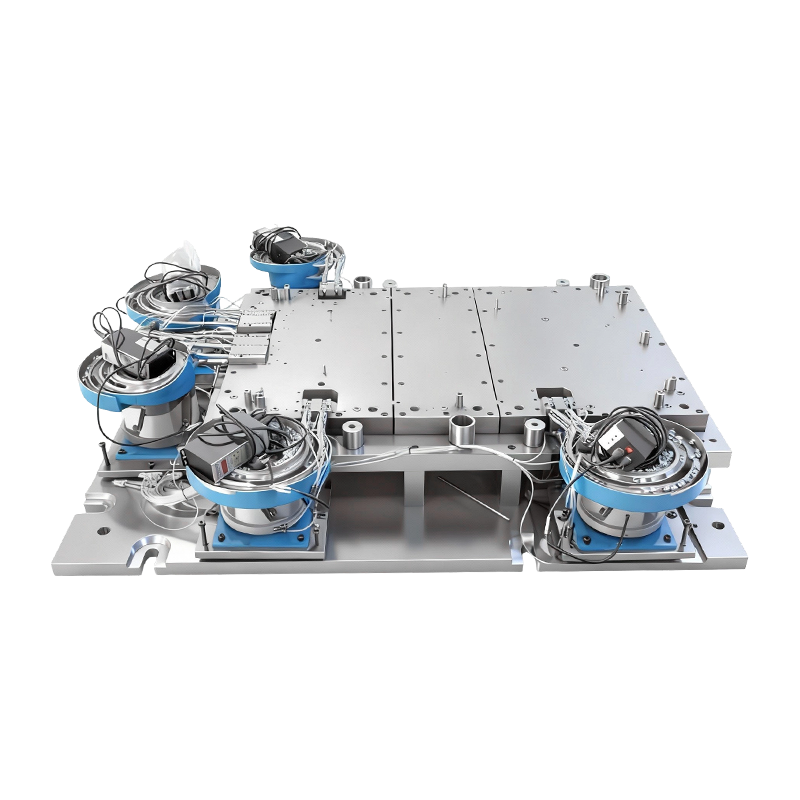
Automatic riveting mold for large computer machine base
This Automatic Riveting Mold for Large Computer Ma...
-
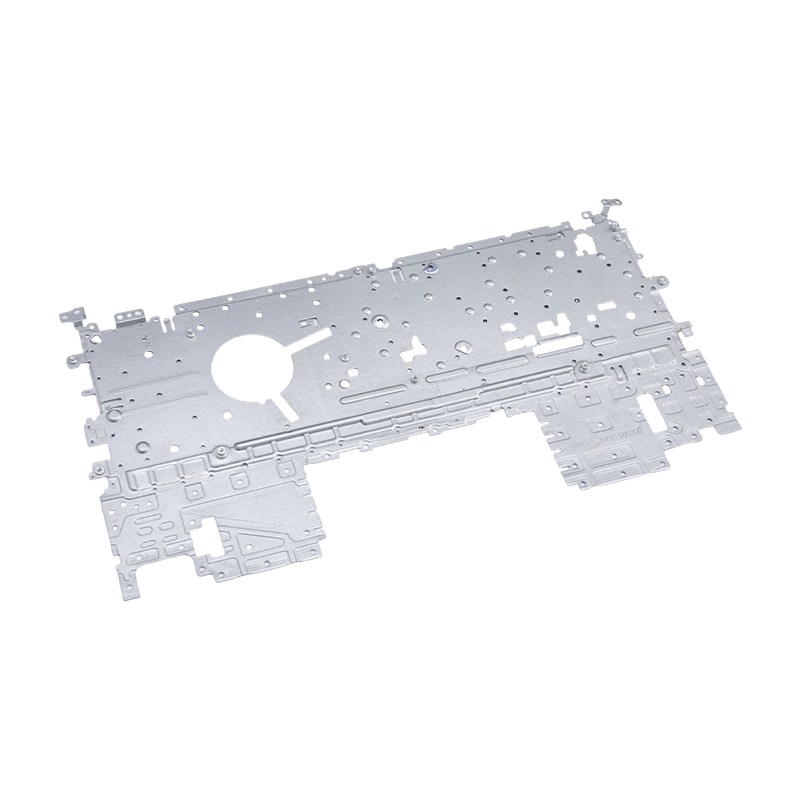
Laptop stamping parts
Our laptop stamping parts are precision-manufactur...
- E-mail us: [email protected]
- Call us: +86-139 1308 8972

Wang Xinyue – After-Sales Support Supervisor
Home / Author / Wang Xinyue – After-Sales Support Supervisor / Precision Small Stamped Parts for Laptops and Mobile Phones
Precision Small Stamped Parts for Laptops and Mobile Phones
2026-05-21
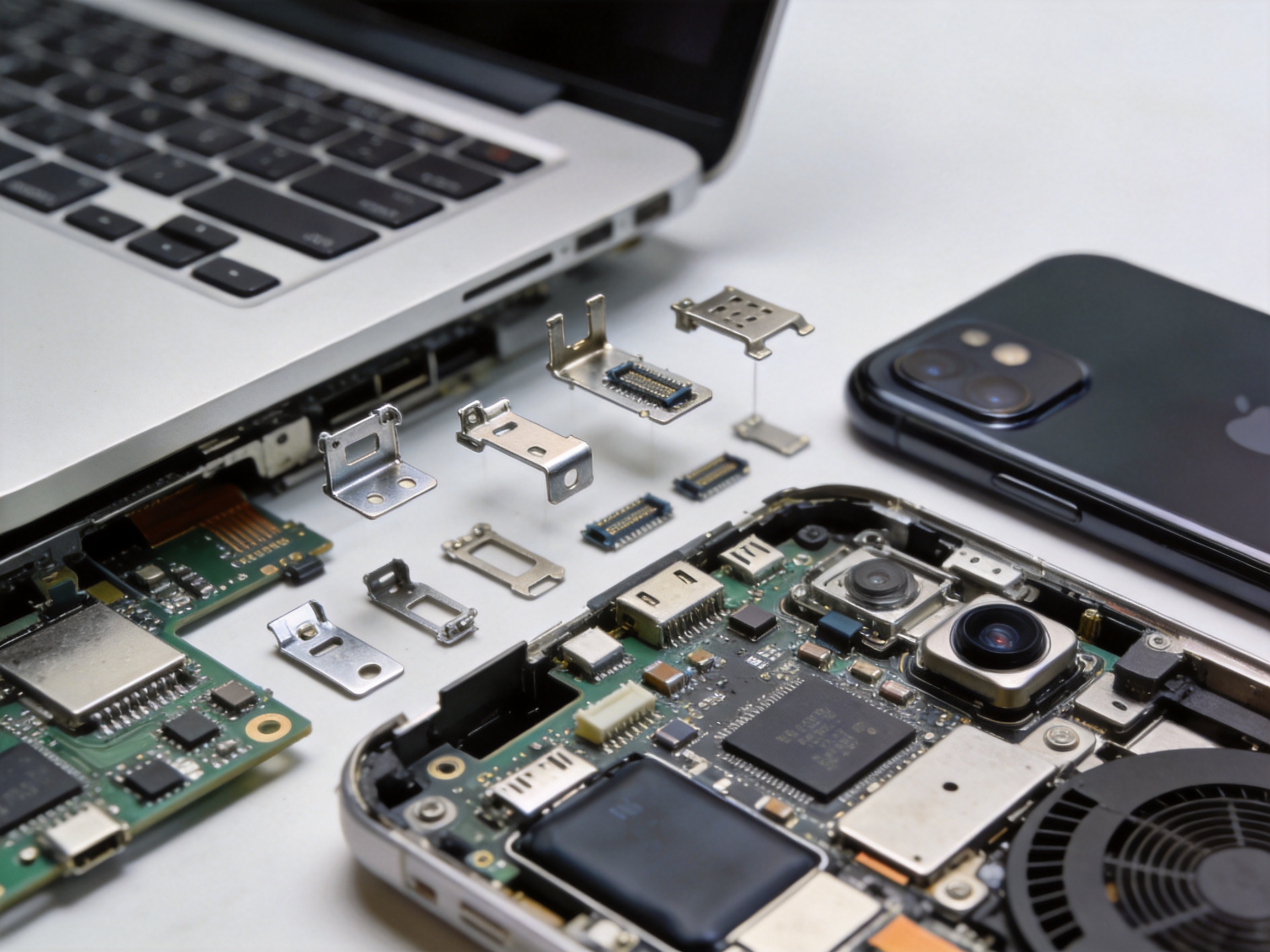
Small stamped parts for laptops and mobile phones are among the most important yet least visible components inside modern portable electronics. As devices become thinner, lighter, faster, and more functionally integrated, every internal metal component must provide consistent dimensional accuracy, stable mechanical performance, reliable electrical behavior, and efficient assembly compatibility. These small parts may serve as brackets, shields, clips, contacts, reinforcement pieces, locating tabs, heat dissipation fixing elements, grounding parts, or structural connectors, but their shared purpose is the same: to help compact electronic products operate reliably under demanding daily conditions.
In laptops and mobile phones, space is extremely limited. A single stamped component may occupy only a few millimeters, but it may influence the stability of a circuit board, the contact reliability of a connector, the assembly strength of a module, or the heat transfer path of a functional unit. For electronics manufacturers, this means small stamped parts must be manufactured with precision, consistency, and repeatability. Even a slight burr, dimensional drift, insufficient flatness, or poor material selection can affect assembly efficiency and final product quality.
Suzhou Shuangqisi Mold Equipment Co., Ltd. focuses on stamping dies, stamping parts, and stamping automation equipment, providing integrated support from die design and manufacturing to stamped part production and automation solutions. With experienced technical personnel, precision processing equipment, punching capacity from 80T to 400T, and long-term experience in the mold and hardware parts industry, the company is positioned to support customers that require stable, cost-effective, and high-quality small stamped parts for consumer electronics.
Content
- 1 The Role of Small Stamped Parts in Portable Electronics
- 2 Product Characteristics and Material Advantages
- 3 Key Functional Applications
- 4 Advantages Over Conventional or Less Integrated Suppliers
- 5 Advanced Manufacturing Process
- 6 Quality Control Priorities
- 7 Technical Capability Summary
- 8 Design Considerations for Laptop and Mobile Phone Manufacturers
- 9 How Precision Stamping Supports Slim and Lightweight Device Design
- 10 Why Manufacturing Experience Matters
- 11 Turnkey Support from Tooling to Automation
- 12 Competitive Value for Electronics Supply Chains
- 13 Application Scenarios in Detail
- 14 Sustainability and Efficient Material Use
- 15 Q&A Section
- 15.1 Q1: What are small stamped parts for laptops and mobile phones?
- 15.2 Q2: Why are these parts important if they are so small?
- 15.3 Q3: What materials are commonly used?
- 15.4 Q4: How do precision stamped parts help make devices thinner and lighter?
- 15.5 Q5: What makes an integrated manufacturer advantageous?
- 15.6 Q6: What manufacturing equipment supports product quality?
- 15.7 Q7: How is quality controlled?
- 15.8 Q8: Can these parts be customized?
- 15.9 Q9: Why is automation useful for stamping production?
- 15.10 Q10: What should buyers consider when choosing a supplier?
- 16 Conclusion
- 17 References
The Role of Small Stamped Parts in Portable Electronics
Portable electronics are defined by density. A modern mobile phone contains circuit boards, batteries, cameras, antennas, connectors, speakers, heat dissipation elements, buttons, vibration motors, shielding structures, and many other modules inside a thin shell. A laptop includes even more internal systems, including hinges, cooling modules, ports, keyboards, touchpads, circuit boards, display connections, storage devices, and structural frames. Small stamped parts are used throughout these systems because metal stamping provides a practical combination of accuracy, strength, conductivity, productivity, and cost efficiency.
Unlike many machined components, stamped parts are formed from sheet metal through carefully designed dies. When the die is accurate and the process is stable, thousands or millions of parts can be produced with consistent geometry. This makes stamping highly suitable for electronics manufacturers, where both precision and production volume are important. Small stamped parts can be made thin, light, complex, and functional, with features such as bends, holes, tabs, spring sections, positioning points, contact surfaces, and mounting structures.
In laptops, small stamped parts often support module positioning and structural reinforcement. They may help secure heat sinks, fans, circuit boards, display cables, internal frames, battery systems, or port assemblies. Because laptops experience repeated opening and closing, vibration during transportation, and thermal changes during use, internal stamped parts must maintain reliable shape and strength over time.
In mobile phones, stamped parts are often even smaller and more complex. They may be used for grounding, shielding, antenna connection, camera module support, speaker module location, SIM card structures, battery contacts, button mechanisms, or circuit board retention. Since mobile phones are frequently dropped, pressed, charged, heated, cooled, and carried in pockets or bags, their internal metal components must withstand repeated mechanical and environmental stress.
Small stamped parts therefore contribute directly to device performance. A precisely formed contact may help maintain stable electrical connection. A well-designed bracket may prevent component movement. A properly produced shield may reduce electromagnetic interference. A heat dissipation fixing part may help keep thermal components in correct position. Although each part is small, its influence can be significant.
Product Characteristics and Material Advantages
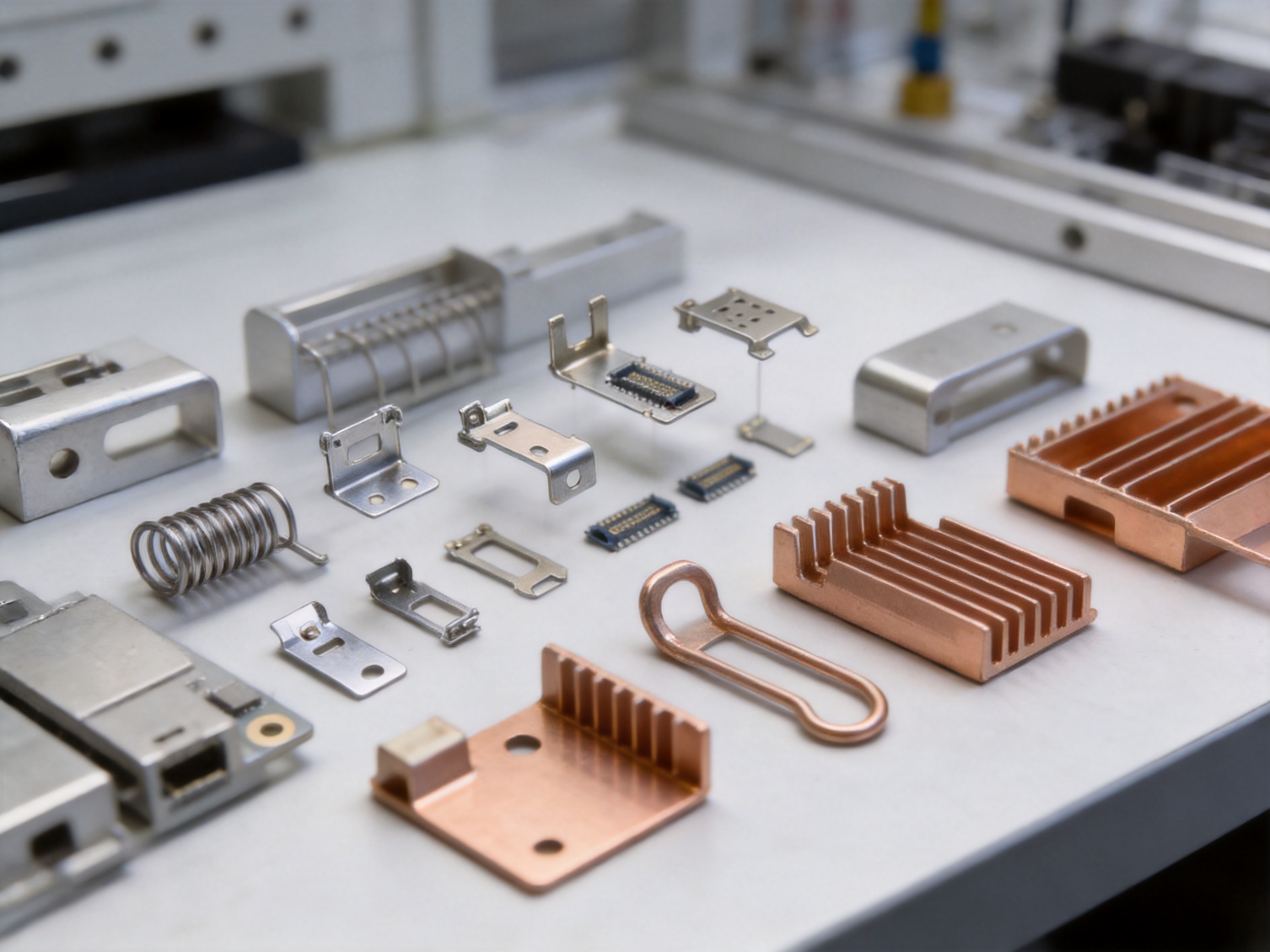
The small stamped parts described here are produced from high-quality metal materials such as stainless steel, aluminum alloy, and copper alloy. Each material provides different benefits, allowing the stamped part to be matched with the specific needs of the electronic device.
Stainless steel is commonly chosen when strength, corrosion resistance, wear resistance, and elastic performance are important. It is suitable for clips, brackets, reinforcement parts, and components that must maintain shape under repeated stress. For compact electronics, stainless steel can provide reliable rigidity even in thin sections, helping manufacturers reduce weight while maintaining durability.
Aluminum alloy is valued for its low density, good machinability, and thermal performance. In laptops and mobile devices, where lightweight design is essential, aluminum alloy can reduce component weight while still providing structural support. In some applications, aluminum alloy parts may contribute to heat dissipation or module fixation, especially when the design requires a balance between weight and thermal function.
Copper alloy is widely used for conductive and elastic applications. It offers strong electrical conductivity, good thermal conductivity, and suitable spring characteristics depending on the alloy grade. In small stamped parts for mobile phones and laptops, copper alloy may be used in contacts, grounding pieces, terminals, shielding connection points, and heat-transfer-related structures.
The ability to select and process these materials is a major advantage. A stamped part is not simply a piece of formed metal; it is a functional component whose performance depends on material grade, thickness, surface condition, forming method, tolerance control, and post-processing requirements. By combining material understanding with precise die design, the manufacturer can create parts that meet the mechanical, electrical, and assembly requirements of specific electronic products.
Key Functional Applications
Small stamped parts for laptops and mobile phones can be applied across many internal systems. Their functions may appear simple, but each application requires careful engineering. Below are several representative uses.
Circuit Connection and Grounding
Electrical continuity is vital in electronic devices. Small stamped contacts and grounding pieces can connect circuit boards, housings, shields, antennas, and other modules. These parts must provide stable contact pressure, low resistance, and consistent positioning. Copper alloy is often selected for such applications because of its conductivity and formability.
Compared with basic low-precision metal parts, precision stamped contacts can offer better repeatability and assembly reliability. A consistent bend angle, contact height, and spring force help ensure that the component continues to perform after repeated device use, temperature changes, and vibration.
Structural Reinforcement
Thin electronic devices require internal support. Small stamped reinforcement pieces can strengthen fragile areas, maintain alignment, and distribute stress. Stainless steel and aluminum alloy parts are frequently used for this purpose. In laptops, they may support hinge zones, keyboard structures, port areas, or module frames. In mobile phones, they may reinforce camera modules, connector areas, button structures, or internal brackets.
Structural reinforcement parts must be dimensionally stable and free from defects that could interfere with assembly. Accurate stamping helps ensure that holes, edges, bends, and tabs are located correctly. This reduces the risk of misalignment during automated assembly and helps improve production efficiency for electronics manufacturers.
Heat Dissipation Module Fixation
Heat management is becoming increasingly important as laptops and mobile phones handle faster processors, high-resolution displays, rapid charging systems, and compact battery structures. Small stamped parts may be used to fix heat pipes, heat spreaders, graphite sheets, shielding covers, or thermal modules in precise positions.
In these applications, a stamped part must provide secure mechanical retention without damaging nearby components. It may also need to maintain contact pressure over time. Material selection, forming accuracy, and surface quality are especially important because any instability can reduce thermal transfer efficiency or create noise, vibration, or component movement.
Component Assembly and Positioning
Many small stamped parts function as positioning and assembly aids. They may include tabs, hooks, clips, stops, brackets, and alignment features. These elements help ensure that modules are assembled quickly and correctly. For high-volume electronics manufacturing, even a minor improvement in assembly speed or reduction in rework can create significant cost savings.
Precision stamped parts can support automated assembly because their dimensions remain consistent across production batches. When parts are stable, feeding, locating, picking, placing, and fastening processes become more reliable. This is especially important for mobile phone and laptop production lines, where speed, accuracy, and low defect rates are essential.
Advantages Over Conventional or Less Integrated Suppliers
The market for small metal components is competitive, but not all suppliers provide the same level of engineering support, manufacturing control, and process integration. The advantages of these small stamped parts are closely connected with the manufacturing capabilities behind them.
Precision Designed for Compact Electronics
Small stamped parts for laptops and mobile phones must satisfy compact design requirements. Compared with general-purpose stamped parts, electronic stamping parts usually require tighter tolerances, cleaner edges, better surface quality, and more reliable batch consistency. A supplier that understands electronic product requirements can design dies and processes that support miniaturization and high integration.
Precision is especially important because electronic components are densely arranged. If a stamped bracket is too high, it may interfere with a cover or board. If a contact is too low, electrical connection may fail. If a hole is offset, assembly may stop. Precision manufacturing reduces these risks and helps customers maintain stable production.
Integrated Die-Making and Stamping Capability
One of the strongest competitive advantages is the integration of stamping die design, die manufacturing, stamped part production, and automation support. Many suppliers can produce parts, and some can build dies, but fewer can combine both with automation knowledge. Integrated capability reduces communication gaps, shortens development cycles, and improves problem-solving efficiency.
When a stamped part requires design adjustment, die correction, trial production, and mass production verification, an integrated manufacturer can respond more quickly. Engineers and production teams can coordinate directly, analyze forming issues, optimize die structures, adjust process parameters, and improve production stability. This is valuable for electronics customers that operate under strict project schedules.
Cost Control Without Sacrificing Quality
Small stamped parts are often used in high quantities, so unit cost is important. However, low cost alone is not enough. A cheap part that causes assembly failure, rework, field complaints, or product reliability issues can become extremely expensive. The ideal supplier must control cost while maintaining dimensional accuracy, material reliability, and process consistency.
By combining die manufacturing, stamping production, skilled operators, and automation resources, the company can provide cost-effective solutions. Proper die design reduces scrap. Stable punching processes reduce variation. Accurate tooling reduces rework. Automation can improve efficiency and consistency. These factors allow customers to receive competitive pricing while still protecting product quality.
Production Stability for High-Volume Demand
Laptop and mobile phone supply chains require stable production. Once a product enters mass production, customers need reliable delivery, consistent quality, and rapid response to engineering changes. The availability of punch presses ranging from 80T to 400T provides flexibility for different part sizes, material thicknesses, and forming requirements. This equipment base supports both small precision parts and more robust stamped components.
Stable production also depends on experienced operators and debugging personnel. A stamping process may appear simple after it is established, but reaching stable production requires knowledge of die clearance, material behavior, press speed, lubrication, feeding accuracy, burr control, springback, and tool wear. Experienced personnel can identify problems early and maintain process reliability.
Advanced Manufacturing Process
The quality of small stamped parts begins long before the press starts running. It begins with understanding the application, choosing the right material, designing the die, preparing precision tooling, testing the forming process, and establishing quality control standards. The company’s manufacturing process is built around these steps.
Design Review and Manufacturability Analysis
Before production, the part design must be evaluated for manufacturability. Engineers consider material type, material thickness, tolerances, bend radii, hole positions, forming sequence, surface requirements, and assembly conditions. This analysis helps determine whether the part can be stamped reliably and whether design improvements can reduce cost or improve performance.
For example, a contact part may require a specific spring force. The die design must support accurate bend angles and consistent elastic behavior. A bracket may require flatness after forming, so the process must account for stress distribution and springback. A shielding part may require clean edges and accurate hole positions, so cutting clearance and tooling precision become critical.
Precision Die Design
The die is the heart of stamped part production. For small electronic components, dies may include punching, bending, forming, trimming, embossing, coining, and progressive features. A well-designed die ensures that each operation occurs in the correct sequence and that the material flows predictably.
Die design must also consider maintenance. In high-volume production, cutting edges wear, punches may need replacement, and forming inserts may require adjustment. A robust die structure improves service life and reduces downtime. For electronics customers, this means more stable supply and fewer production interruptions.
Die Manufacturing with Precision Equipment
The company is equipped with imported wire cutting machines, CNC machining centers, more than ten grinding machines of various sizes, and other advanced precision machine tools. These resources support accurate die component production. Wire cutting is especially useful for precise profiles and complex die inserts. CNC machining enables efficient production of die plates, cavities, and structural components. Grinding helps achieve flatness, parallelism, and surface quality for critical tooling elements.
Precision die manufacturing directly affects stamped part quality. If die components are inaccurate, the stamped parts will also be unstable. By investing in precision processing equipment and experienced operators, the company strengthens its ability to produce dies that support tight tolerances and long-term repeatability.
Trial Stamping and Debugging
After the die is assembled, trial stamping is performed. This stage verifies whether the part meets dimensional, functional, and appearance requirements. Debugging personnel analyze issues such as burrs, deformation, springback, cracking, misfeeding, surface scratches, or unstable dimensions. Adjustments may be made to die clearance, forming angles, pressure settings, material feeding, or local tooling geometry.
Experienced debugging personnel are a major strength. In precision stamping, problems are not always obvious. A small dimensional change may be caused by material variation, local stress, tool wear, or feeding inconsistency. Skilled technicians can diagnose root causes and make effective corrections, reducing development time and improving final production stability.
Mass Production Stamping
Once the process is stable, mass production begins. The company’s punch presses from 80T to 400T provide capacity for different applications. For small stamped parts used in laptops and mobile phones, stable press operation, accurate feeding, proper lubrication, and routine inspection are critical.
Mass production must maintain the same quality level achieved during trial production. This requires process discipline, tool maintenance, operator training, and inspection control. With long-term experience in stamping dies and hardware parts, the company can support continuous production while meeting customer requirements for quality and delivery.
Automation Support
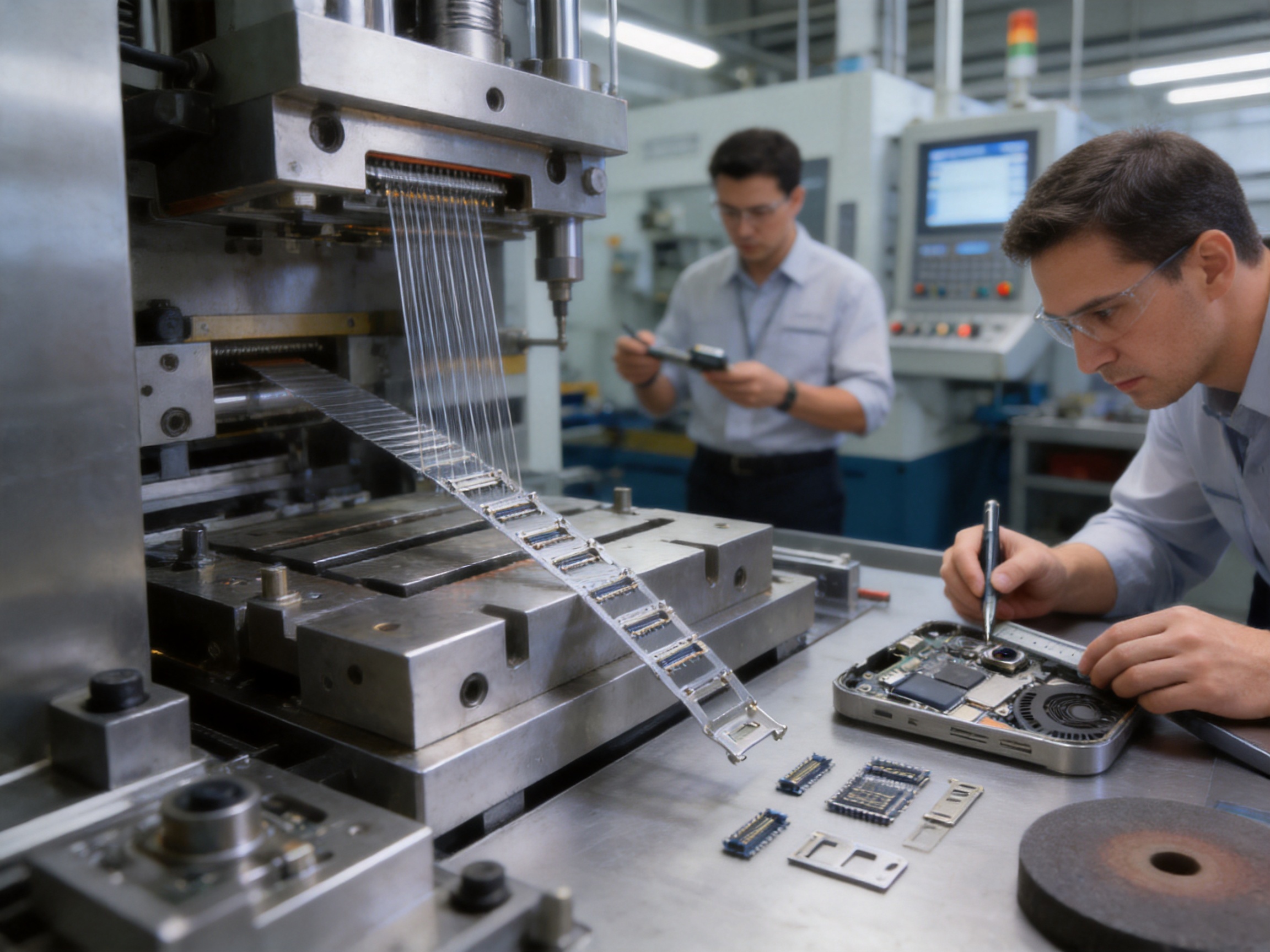
The company’s investment in stamping automation equipment strengthens its ability to provide turnkey solutions. Automation can include feeding systems, transfer systems, in-line handling, collection systems, and process integration based on customer needs. Automation is valuable for improving efficiency, reducing manual handling variation, and supporting large-scale production.
For small electronic parts, automation can also help protect part surfaces and maintain consistent production rhythm. When paired with a stable die and controlled stamping process, automation contributes to higher productivity and more predictable output.
Quality Control Priorities
Quality control for small stamped parts must address dimensions, material properties, surface condition, burrs, flatness, elasticity, strength, and functional compatibility. Because the parts are used inside electronics, defects may not be visible after assembly, but they can still affect device performance. Therefore, prevention and process control are more important than final inspection alone.
Dimensional Consistency
Dimensional accuracy is essential for assembly. Critical dimensions may include hole diameter, hole position, overall length, width, bend height, contact height, tab location, and flatness. A consistent process helps ensure that parts fit correctly with circuit boards, housings, fasteners, connectors, and other modules.
Burr and Edge Control
Burrs can create assembly interference, scratch nearby components, affect electrical contact, or produce loose particles. For electronic stamping parts, burr control is especially important. Proper die clearance, sharp cutting edges, controlled tool wear, and inspection procedures help reduce burr risks.
Surface Quality
Surface condition may influence appearance, electrical conductivity, coating adhesion, friction, or assembly performance. Scratches, stains, oxidation, or dents can be unacceptable depending on the application. Careful material handling, tooling design, and production control help maintain surface quality.
Functional Verification
Some parts require more than dimensional inspection. Contacts may require contact height and spring force verification. Brackets may require assembly testing. Heat dissipation fixing parts may require retention performance checks. By understanding the part’s function, quality control can focus on the characteristics that matter most to the customer.
Technical Capability Summary
| Capability Area | Manufacturing Strength | Customer Benefit |
|---|---|---|
| Material Processing | Stainless steel, aluminum alloy, copper alloy, and other suitable sheet metals | Parts can be optimized for strength, weight, conductivity, thermal performance, and durability |
| Die Design | Integrated design and manufacturing experience for stamping dies | Improved manufacturability, stable forming, and faster engineering response |
| Precision Tooling | Imported wire cutting machines, CNC machining centers, grinding machines, and precision machine tools | High tooling accuracy supports consistent stamped part quality |
| Stamping Capacity | More than 25 punch presses ranging from 80T to 400T | Flexible production for different part sizes, materials, and order volumes |
| Technical Team | Approximately 60 technical staff with experienced operators and debugging personnel | Strong process troubleshooting, stable production, and dependable customer support |
| Automation Solutions | Stamping automation equipment capability through related intelligent technology resources | Higher efficiency, improved consistency, and turnkey production support |
| Industry Experience | About 15 years of mold industry experience | Reliable project execution and practical engineering recommendations |
Design Considerations for Laptop and Mobile Phone Manufacturers
When selecting small stamped parts for electronic products, manufacturers should evaluate more than price. The best component is one that satisfies design, production, assembly, reliability, and cost requirements at the same time. Several factors should be considered during development.
Material Thickness and Strength
Thin materials save space and weight, but they must still provide adequate strength. If the material is too thin, the part may deform during assembly or use. If it is too thick, it may increase weight, cost, or assembly difficulty. The correct thickness depends on the function, material grade, forming structure, and expected load.
Springback Control
Many small stamped parts include bends or elastic features. After forming, metal tends to spring back slightly. This effect varies by material, thickness, bend radius, and forming method. Accurate die design and process debugging help control springback so final dimensions remain within tolerance.
Assembly Compatibility
A part that meets drawing dimensions may still create assembly problems if the design does not consider actual production conditions. For example, a sharp edge may scratch a plastic housing, a tab may interfere with a cable, or a contact may require too much insertion force. Early design review helps avoid these issues.
Surface Treatment Requirements
Some stamped parts may require plating, cleaning, passivation, oxidation protection, or other surface treatments depending on application. Conductive parts may require suitable contact surfaces. Corrosion-resistant parts may need material or treatment selection based on the operating environment. Surface treatment should be considered during die and process design because it may affect dimensions, tolerances, and functional surfaces.
High-Volume Production Feasibility
A design that works in prototype quantities may not be ideal for mass production. Complex features, extremely tight tolerances, or difficult materials may increase scrap rates and tooling wear. A supplier with die design and production experience can recommend changes that preserve function while improving manufacturability and cost efficiency.
How Precision Stamping Supports Slim and Lightweight Device Design
The trend in consumer electronics is clear: devices must become thinner, lighter, stronger, and more capable. Precision stamping helps achieve this goal because sheet metal parts can provide high strength in very thin forms. Compared with bulky machined parts, stamped parts can reduce material usage and weight. Compared with plastic parts, metal stamped parts can provide better conductivity, heat resistance, grounding performance, and mechanical strength.
For laptops, precision stamping supports slimmer internal layouts by enabling compact brackets, covers, clips, and reinforcement structures. These parts can be designed to fit around circuit boards, battery packs, ports, and cooling systems. Their thin profiles allow engineers to maximize internal space for batteries, thermal modules, and performance hardware.
For mobile phones, the value is even greater. Every internal part must be extremely compact. Stamped metal components can combine multiple functions into one part, such as positioning, grounding, shielding, and fastening. This functional integration helps reduce part count, simplify assembly, and support lightweight design.
High integration also improves reliability when properly engineered. Fewer separate components can mean fewer assembly steps and fewer potential failure points. A stamped part that combines several functions can improve efficiency while maintaining device performance.
Why Manufacturing Experience Matters
Precision stamping is not only about owning machines. Equipment is important, but manufacturing experience determines how effectively equipment is used. The company’s long experience in the mold industry provides practical knowledge of die structure, forming behavior, production troubleshooting, and customer requirements. This knowledge is especially valuable for electronic stamping parts, where small dimensional changes can create large consequences.
Experienced teams can identify risks during drawing review. They can suggest better bend designs, adjust tolerance strategies, recommend suitable materials, and plan tooling structures that support mass production. During trial production, they can quickly detect forming problems and make practical corrections. During mass production, they can maintain stable output through tool maintenance and process control.
The company’s customer base in fields such as servo drives, compressors, and new energy vehicles also reflects experience with demanding industrial applications. Although laptops and mobile phones have their own requirements, experience in precision molds and metal parts for technical industries supports a disciplined manufacturing culture. Products for electronics, drives, compressors, and new energy systems all require reliability, repeatability, and controlled production.
Turnkey Support from Tooling to Automation
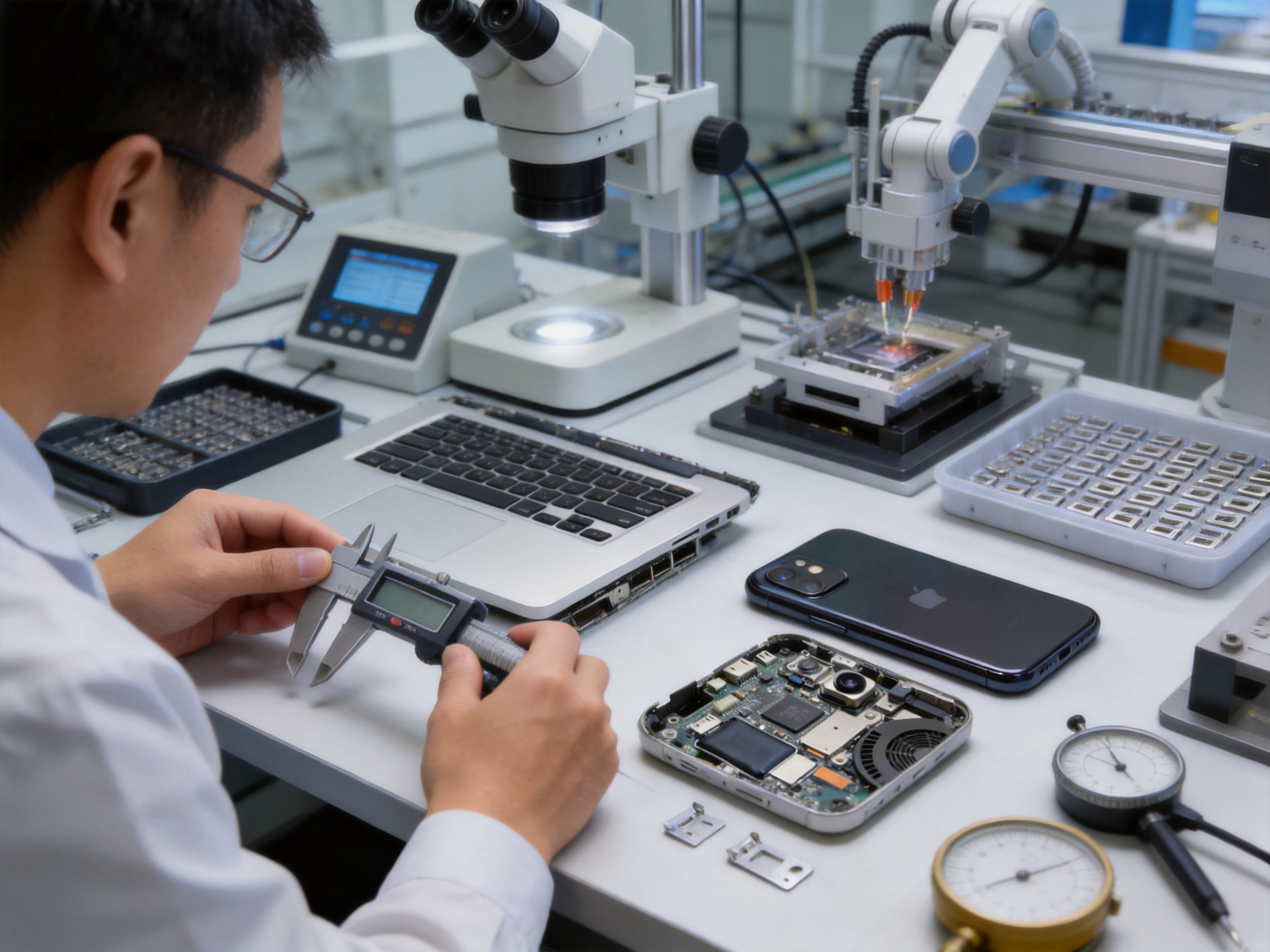
A major advantage for customers is the ability to receive more complete support rather than only individual parts. The company can provide stamping mold solutions, stamped product manufacturing, and stamping automation support. This turnkey approach helps customers reduce supplier coordination complexity and improve project efficiency.
For example, a customer developing a new laptop bracket or mobile phone contact may need feasibility analysis, die design, prototype trial, mass production planning, and automation integration. If these stages are handled by separate suppliers, communication delays and responsibility gaps may occur. An integrated supplier can coordinate the process more smoothly.
Turnkey support is also useful when production volume increases. The initial die and process may be suitable for early production, but higher output may require improved feeding, collection, inspection, or handling systems. With automation capability, the supplier can help optimize production efficiency as demand grows.
Competitive Value for Electronics Supply Chains
Electronics supply chains are under constant pressure to reduce cost, shorten development cycles, improve quality, and support rapid product launches. Small stamped parts may be inexpensive individually, but they can influence the entire manufacturing process. A poor-quality part can stop an assembly line, create rework, delay shipment, or affect end-user satisfaction. Therefore, choosing the right stamped parts supplier is a strategic decision.
The competitive value of these small stamped parts comes from several combined strengths. First, the parts are designed for compact electronic applications, supporting miniaturization and high integration. Second, they can be made from materials that match specific functional needs, including strength, conductivity, corrosion resistance, and lightweight performance. Third, precision dies and controlled stamping processes support dimensional consistency. Fourth, integrated die-making, stamping, and automation capabilities improve efficiency and responsiveness. Fifth, experienced technical personnel provide practical engineering support.
Compared with competitors that focus only on basic stamping, this integrated approach provides more value. It supports better early-stage design, more stable tooling, faster troubleshooting, more reliable mass production, and stronger cost control. For customers producing laptops and mobile phones, these benefits can translate into smoother assembly, reduced defect rates, improved delivery reliability, and better final product performance.
Application Scenarios in Detail
Mobile Phone Camera Module Support
Camera modules in mobile phones are increasingly complex, often including multiple lenses, sensors, stabilization components, and protective structures. Small stamped brackets or positioning pieces can help secure these modules inside the phone. They must be extremely accurate because camera alignment affects image quality and device assembly. Stainless steel or aluminum alloy parts may be selected depending on strength and weight requirements.
Laptop Cooling System Fixation
Laptops often use fans, heat pipes, vapor chambers, heat spreaders, and graphite sheets to control temperature. Stamped clips and brackets can hold thermal components in place. These parts must maintain pressure and position over time, even after repeated heating and cooling cycles. Stable stamped parts help protect thermal performance and reduce the risk of vibration noise.
Connector and Port Reinforcement
USB ports, charging connectors, audio connectors, display connectors, and internal board-to-board connectors experience repeated insertion, removal, or cable movement. Small stamped reinforcement parts can strengthen these areas and improve durability. Accurate forming is important because connector alignment affects user experience and assembly reliability.
Grounding and Shielding Connections
Electronic devices must control electromagnetic interference and maintain stable grounding paths. Copper alloy or stainless steel stamped parts may provide contact between shielding covers, boards, and housings. These parts must maintain reliable pressure and position, even under vibration and thermal change. Precision stamping supports consistent contact geometry and performance.
Sustainability and Efficient Material Use
Precision stamping can also support sustainability goals. Because stamped parts are formed from sheet metal, efficient die layout and material utilization can reduce scrap. Well-designed progressive dies can improve production efficiency and reduce waste per part. Durable tooling reduces the need for frequent replacement, and stable production reduces defective output.
Lightweight metal parts also contribute indirectly to energy efficiency in portable electronics. Although each part is small, reducing device weight across millions of units can reduce material consumption and transportation burden. The use of appropriate materials and efficient manufacturing methods supports both economic and environmental objectives.
Cost-effective production does not mean careless production. It means using engineering knowledge to reduce waste, optimize processes, prevent defects, and deliver reliable parts. This philosophy aligns with the needs of electronics manufacturers that must balance performance, cost, and sustainability.
Q&A Section
Q1: What are small stamped parts for laptops and mobile phones?
They are precision metal components formed by stamping processes and used inside portable electronic devices. They may function as brackets, contacts, clips, grounding pieces, reinforcement parts, heat dissipation fixing components, shielding connections, or assembly positioning elements.
Q2: Why are these parts important if they are so small?
Small stamped parts often support critical functions such as electrical connection, module positioning, structural strength, heat dissipation support, and assembly stability. A small defect can cause assembly problems or affect device reliability, so precision and consistency are essential.
Q3: What materials are commonly used?
Common materials include stainless steel, aluminum alloy, and copper alloy. Stainless steel offers strength and corrosion resistance, aluminum alloy provides lightweight and thermal advantages, and copper alloy is suitable for conductive and elastic applications.
Q4: How do precision stamped parts help make devices thinner and lighter?
Stamped sheet metal parts can provide strength, conductivity, and functional features in thin profiles. They can also combine several functions into one component, reducing part count and supporting compact internal layouts.
Q5: What makes an integrated manufacturer advantageous?
An integrated manufacturer can support die design, die manufacturing, part stamping, process debugging, and automation solutions. This reduces communication gaps, improves response speed, and helps ensure the stamped parts are suitable for stable mass production.
Q6: What manufacturing equipment supports product quality?
Important equipment includes imported wire cutting machines, CNC machining centers, grinding machines, precision machine tools, and punch presses from 80T to 400T. These resources support accurate die manufacturing and stable stamped part production.
Q7: How is quality controlled?
Quality control focuses on dimensions, burrs, surface quality, flatness, material performance, contact function, forming accuracy, and assembly compatibility. Preventive process control and experienced debugging are crucial for stable quality.
Q8: Can these parts be customized?
Yes. Small stamped parts are typically customized according to customer drawings, device structure, material requirements, tolerance needs, and functional applications. Custom die design allows parts to be tailored for specific laptop and mobile phone products.
Q9: Why is automation useful for stamping production?
Automation can improve production efficiency, reduce manual handling variation, support stable feeding and collection, and help maintain consistent output. For high-volume electronics parts, automation can improve both cost control and delivery reliability.
Q10: What should buyers consider when choosing a supplier?
Buyers should evaluate die design capability, stamping experience, equipment level, quality control, material knowledge, automation support, engineering response, delivery stability, and ability to provide cost-effective mass production solutions.
Conclusion
Small stamped parts for laptops and mobile phones are essential components that support the performance, reliability, and compact design of modern portable electronics. They enable circuit connection, structural reinforcement, heat dissipation module fixation, grounding, shielding, and precise component assembly. Their value lies not only in their physical form but also in the engineering and manufacturing precision behind them.
With high-quality materials such as stainless steel, aluminum alloy, and copper alloy, these parts can be optimized for strength, durability, conductivity, lightweight design, and thermal support. With accurate die design and stable stamping processes, they can meet the demanding dimensional and functional requirements of laptops and mobile phones.
Suzhou Shuangqisi Mold Equipment Co., Ltd. provides strong manufacturing advantages through integrated stamping die design, die manufacturing, stamped part production, and stamping automation solutions. Its technical team, precision equipment, punch press capacity, experienced operators, debugging personnel, and long mold industry experience support reliable production and cost-effective service. For electronics manufacturers seeking durable, high-performance, and precisely manufactured small stamped parts, this integrated capability provides a practical competitive advantage.
As portable electronics continue to evolve toward slimmer structures, higher power density, greater integration, and more demanding reliability standards, precision small stamped parts will remain indispensable. A dependable manufacturing partner can help customers transform small metal components into large improvements in product stability, production efficiency, and market competitiveness.
References
1. Kalpakjian, S., and Schmid, S. R. Manufacturing Engineering and Technology. Pearson Education.
2. Lange, K. Handbook of Metal Forming. Society of Manufacturing Engineers.
3. ASM International. ASM Handbook, Volume 14B: Metalworking: Sheet Forming.
4. Altan, T., and Tekkaya, A. E. Sheet Metal Forming: Processes and Applications. ASM International.
5. Groover, M. P. Fundamentals of Modern Manufacturing: Materials, Processes, and Systems. Wiley.
6. Malloy, R. A. Plastic Part Design for Injection Molding: An Introduction. Hanser Publications. Reference used for assembly and design-for-manufacturing comparison in compact product development.
Previous Post
Precision Battery Cover Stamping Parts for Reliable Energy Systems
Next Post
Precision Small Stamped Parts for Laptops and Mobile Phones
Our Products.
Start Your Business with an OEM Manufacturer Right Here!

Provide global customers with complete turn-key solutions
through
innovation!
QUICK LINKS
CONTACT INFO.
-
 +86-139 1308 8972
 -

-
 No. 118 Yexin Road, Wujiang Economic Development Zone, Suzhou, China
Copyright © Suzhou Shuangqisi Mold Equipment Co., Ltd. All Rights Reserved. Custom Stamping Die Metal Stamping Die Manufacturers
