 English
 Español
 Deutsch
-
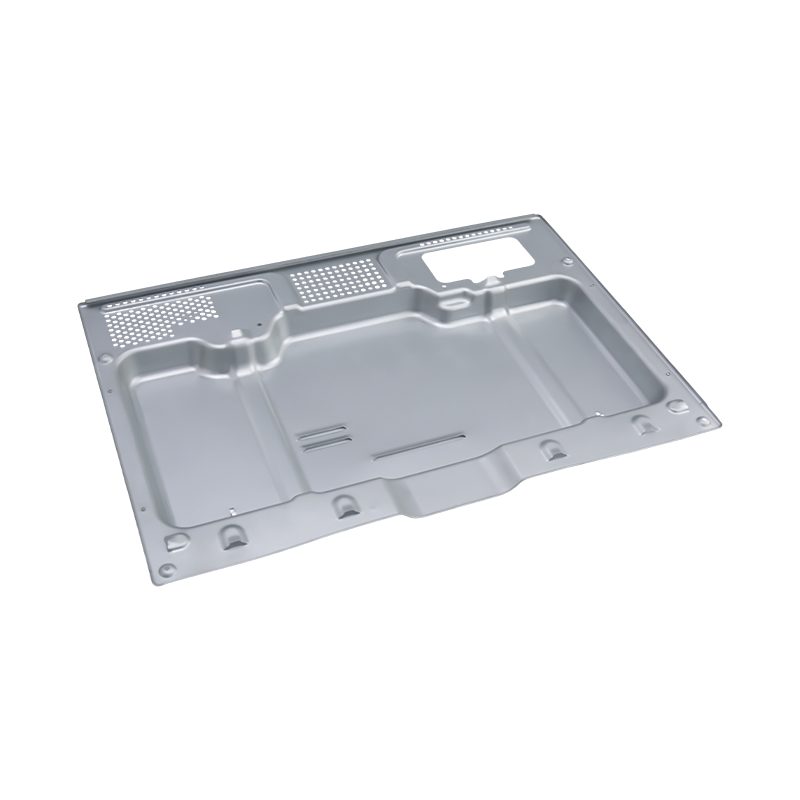
High-end oven stamping parts
Our High-end oven stamping parts are precision-man...
-
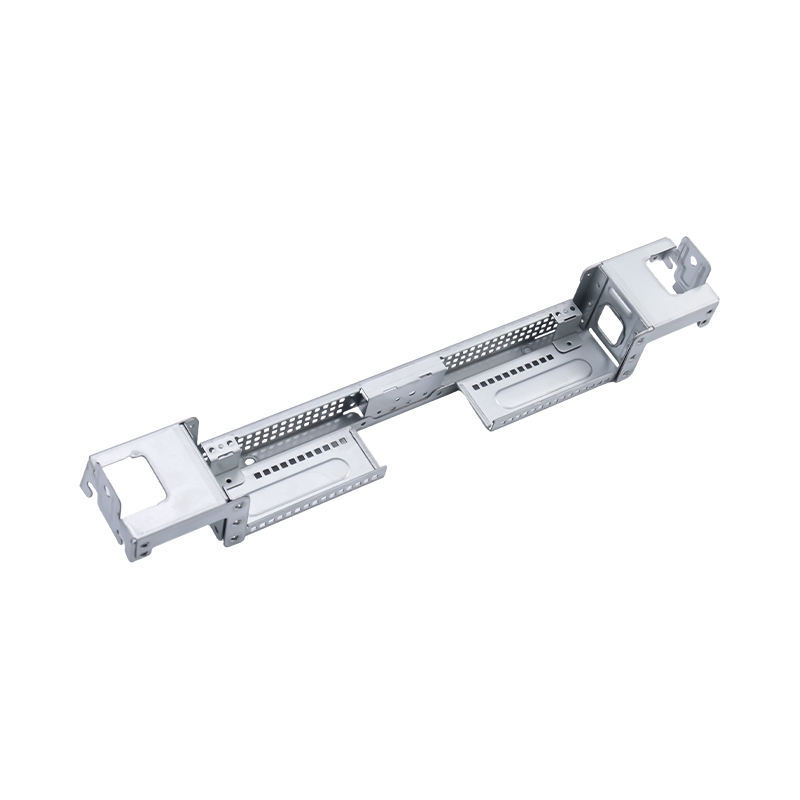
High-end large computer stamping parts
Our High-end large computer stamping parts are pre...
-
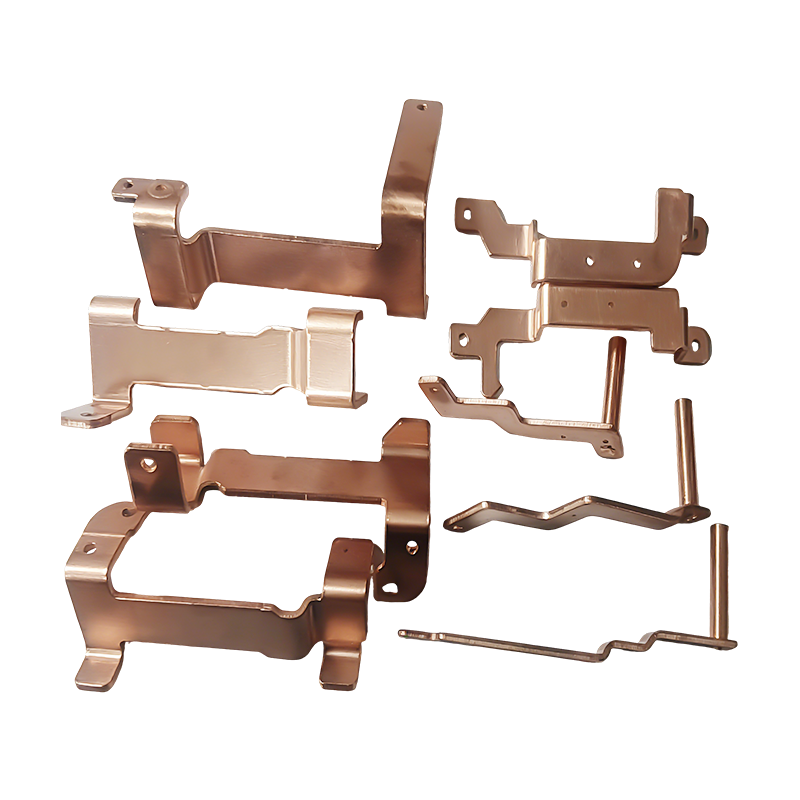
New energy vehicle copper busbar stamping parts
New energy vehicle copper busbar stamping parts ar...
-
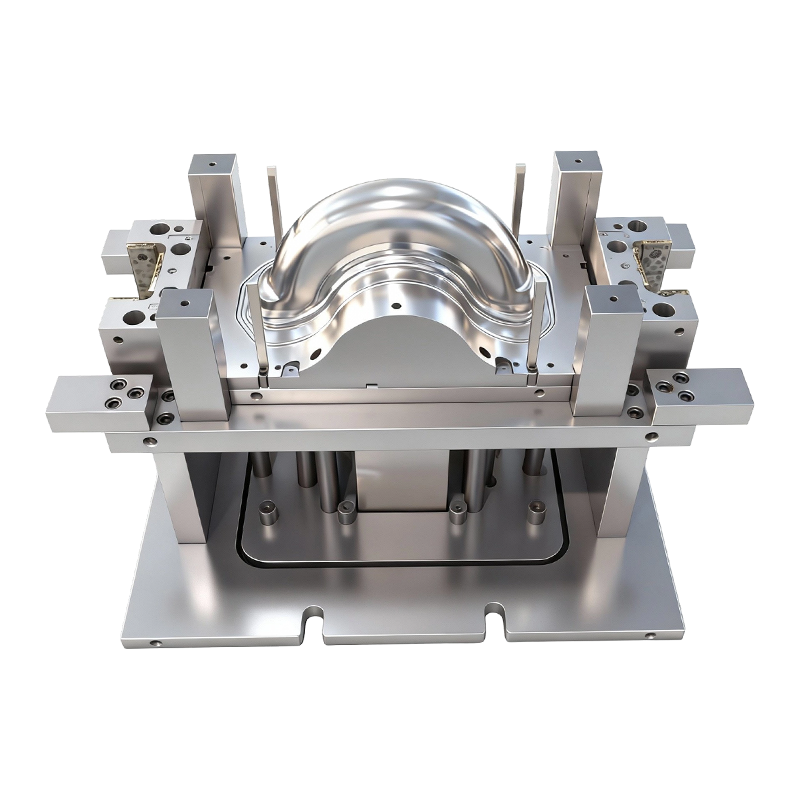
Deep drawing mold for front and rear wheels of two-wheeled electric vehicles
This Deep drawing mold for front and rear wheels o...
-
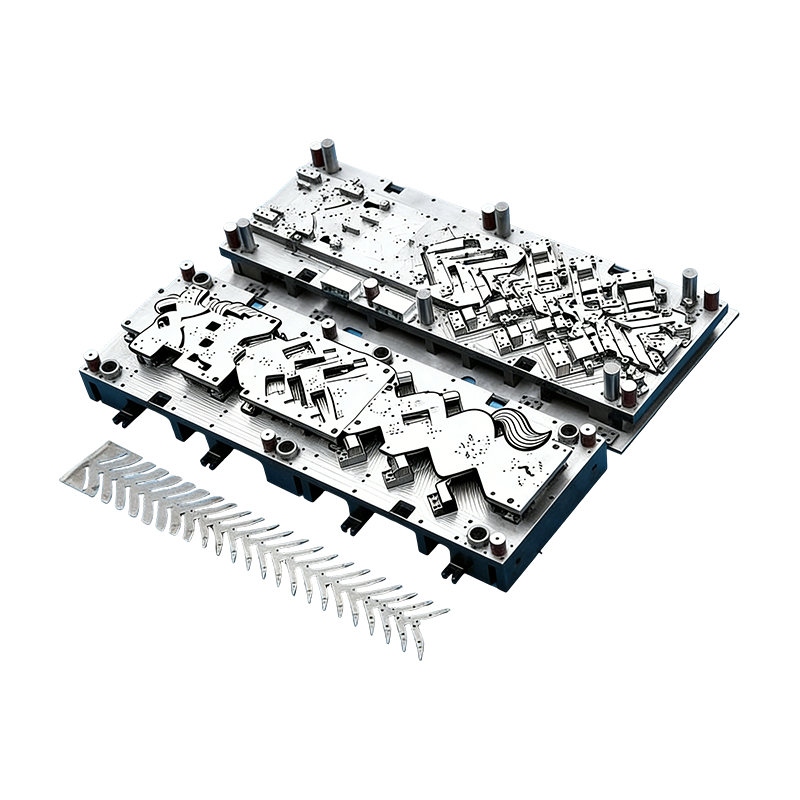
Progressive molds for automotive parts
This Continuous mold for automotive motor housing ...
- E-mail us: [email protected]
- Call us: +86-139 1308 8972

Wang Xinyue – After-Sales Support Supervisor
Home / Author / Wang Xinyue – After-Sales Support Supervisor / New Energy Vehicle Copper Busbar Stamping Parts for High-Voltage EV Power Systems
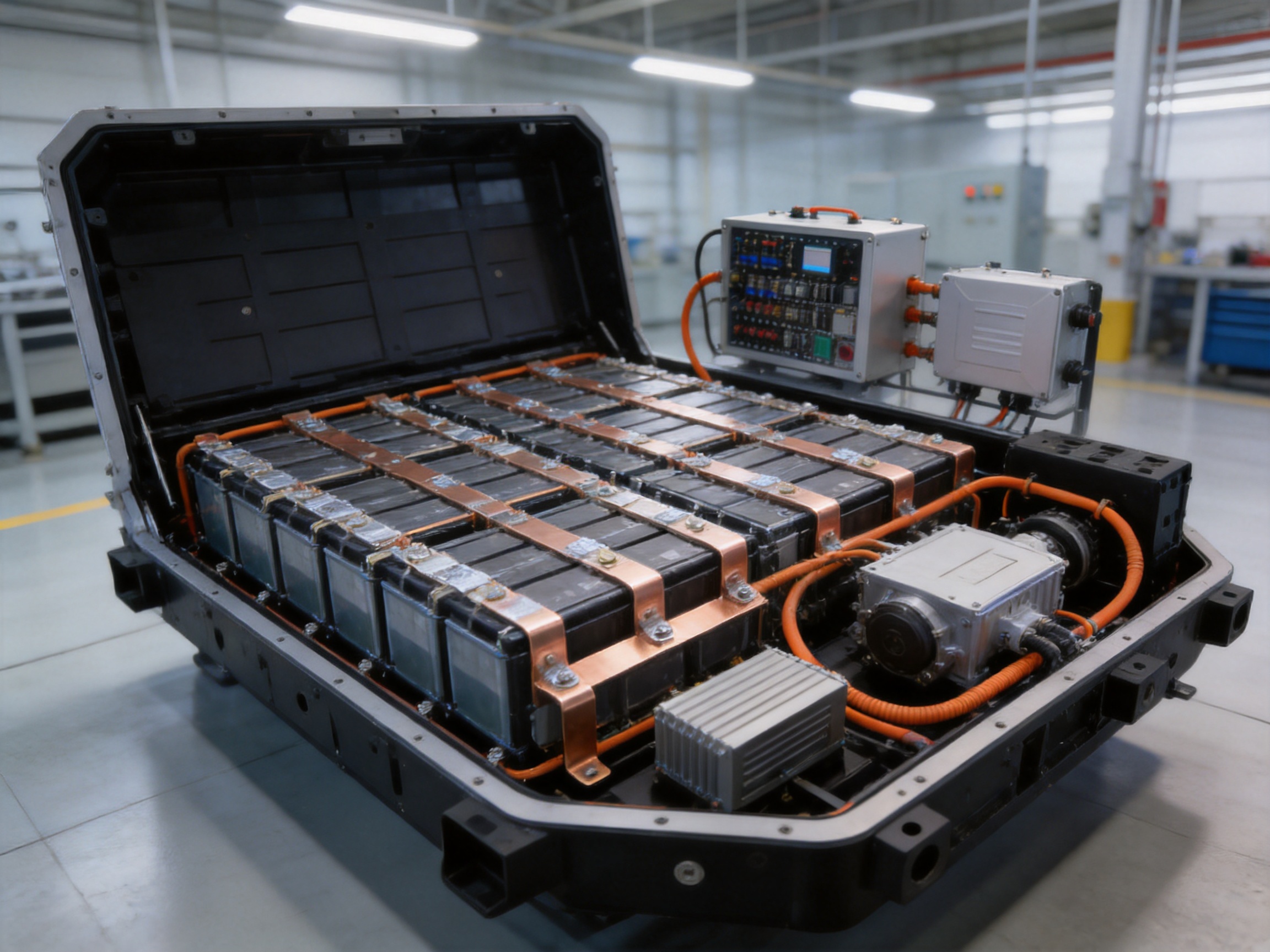
New Energy Vehicle Copper Busbar Stamping Parts for High-Voltage EV Power Systems
2026-06-24
New energy vehicle copper busbar stamping parts are essential conductive components used in electric vehicles, hybrid vehicles, and related high-voltage power systems. As the automotive industry shifts from traditional internal combustion platforms to electrified architectures, the need for safe, compact, efficient, and durable power distribution components has increased rapidly. Copper busbars produced by precision stamping provide a practical and high-performance solution for transmitting large currents between battery packs, power distribution units, drive motors, battery management systems, inverters, DC/DC converters, onboard chargers, and other electrical modules.
Unlike conventional wiring harnesses, copper busbar stamping parts offer stable geometry, lower resistance, better thermal performance, easier assembly, and improved space utilization. They are designed to carry currents from approximately 30A to 2000A, depending on material thickness, geometry, plating, insulation design, contact structure, and application conditions. In high-voltage electric vehicle systems, these features are not optional; they directly influence energy efficiency, operating safety, battery performance, and long-term reliability.
The product discussed in this article is manufactured from high-purity copper materials such as C11000, C10100, or T2 grade copper, with copper content typically equal to or greater than 99.9%. These materials are selected because of their excellent electrical conductivity, thermal conductivity, corrosion response, and mechanical forming behavior. Through precision stamping, dimensional tolerances can be controlled within approximately ±0.05 mm to ±0.2 mm, enabling reliable connection with modules that require tight assembly accuracy.
Suzhou Shuangqisi Mold Equipment Co., Ltd. provides integrated capabilities in stamping die design, die manufacturing, precision stamping, and stamping automation. Located in Suzhou, China, the company combines 15 years of mold industry experience with advanced processing equipment, technical staff, experienced operators, and practical production know-how. Its manufacturing resources include imported wire cutting machines, CNC machining centers, multiple grinding machines, 25 punch presses ranging from 80T to 400T, and stamping automation solutions. This combination allows the company to serve demanding applications in new energy vehicles, servo drives, compressors, and precision electromechanical systems.
New energy vehicle copper busbar stamping parts
Content
- 1 The Role of Copper Busbar Stamping Parts in Electric Vehicles
- 2 Material Selection: Why High-Purity Copper Matters
- 3 Precision Stamping as a Competitive Manufacturing Method
- 4 Key Product Advantages Over Competing Solutions
- 5 Technical Specifications and Performance Characteristics
- 6 Surface Treatment and Contact Reliability
- 7 Design Considerations for EV Copper Busbars
- 8 Advanced Manufacturing Capabilities
- 9 Tooling Expertise: The Foundation of Busbar Quality
- 10 Quality Control for Automotive Applications
- 11 Applications in New Energy Vehicle Systems
- 12 Why Integrated Mold and Automation Capability Matters
- 13 Cost, Performance, and Value Balance
- 14 Customization Options
- 15 Sustainability and Environmental Considerations
- 16 Practical Selection Guide for Buyers and Engineers
- 17 Q&A Section
- 17.1 Q1: What are new energy vehicle copper busbar stamping parts used for?
- 17.2 Q2: Why are copper busbars preferred over traditional wiring harnesses in many EV systems?
- 17.3 Q3: What materials are commonly used for these busbar stamping parts?
- 17.4 Q4: What dimensional accuracy can be achieved?
- 17.5 Q5: What surface treatments are available?
- 17.6 Q6: What current range can these parts support?
- 17.7 Q7: Why is precision tooling important for copper busbar production?
- 17.8 Q8: How does the manufacturer support custom projects?
- 17.9 Q9: What standards are relevant for automotive copper busbar parts?
- 17.10 Q10: What makes these copper busbar stamping parts competitive?
- 18 Conclusion
- 19 References
- 20 Product: New energy vehicle copper busbar stamping parts
The Role of Copper Busbar Stamping Parts in Electric Vehicles
Electric vehicles depend on efficient energy transfer. Energy generated or stored in a battery pack must move through the vehicle’s electrical system with minimal loss, stable voltage behavior, and safe thermal performance. Copper busbar stamping parts act as structured conductive pathways that replace bundles of cables in many areas of the vehicle. Their rigid or semi-rigid form allows engineers to design compact current paths that are predictable, repeatable, and easy to assemble.
In a typical new energy vehicle, a copper busbar may connect battery modules in series or parallel, distribute power inside a battery pack, link the battery pack to a high-voltage distribution box, connect an inverter to a motor controller, or create a low-resistance path inside a power electronics module. Because these applications often operate under vibration, temperature cycling, humidity, and high current loads, the conductive component must deliver both electrical and mechanical reliability.
Conventional cables remain useful in many automotive applications, especially where flexibility is required. However, cables can occupy more space, require additional routing work, increase assembly complexity, and introduce more variation during installation. A stamped copper busbar can be shaped precisely during manufacturing so that it fits a specific module layout. Mounting holes, bending zones, contact tabs, terminals, slots, and positioning features can be integrated into a single stamped part. This reduces the number of secondary components and simplifies assembly.
Another major advantage is thermal behavior. When current passes through a conductor, resistance causes heat generation. Copper has high electrical conductivity and high thermal conductivity, making it suitable for high-current applications. A properly designed busbar has a larger cross-sectional area than many equivalent cable structures and can dissipate heat more effectively. This helps protect surrounding components and contributes to stable system operation.
In battery systems, busbar consistency is especially important. Unequal resistance between connection paths can contribute to current imbalance, uneven heating, or inconsistent cell performance. Precision stamping ensures that each component follows a controlled dimensional and material standard. This repeatability improves module-level performance and supports high-volume automotive production.
Material Selection: Why High-Purity Copper Matters
The performance of a busbar begins with material selection. High-purity copper grades such as C11000, C10100, and T2 copper are widely used because they offer excellent conductivity and processing characteristics. Copper content of 99.9% or higher supports stable low-resistance current transmission. Electrical conductivity can reach up to approximately 59.6 MS/m, while thermal conductivity can reach around 385 W/m·K, depending on grade, temper, and processing conditions.
In electric vehicle applications, even small increases in electrical resistance can lead to higher heat generation and energy loss. The use of high-quality copper helps minimize voltage drop and supports efficient transfer of electrical power. This is particularly important in high-current systems where resistance losses increase significantly as current rises.
High-purity copper also offers excellent formability. During stamping, the material may be blanked, pierced, embossed, coined, bent, or formed into complex shapes. A material with reliable ductility helps reduce cracking, burr formation, springback variation, and forming defects. This allows manufacturers to produce parts with consistent geometry and smooth contact surfaces.
For high-voltage vehicles, the copper material may also need to support additional processing such as surface plating, insulation coating, overmolding, welding, riveting, or assembly with fasteners. Stable material composition helps maintain performance through these processes. For example, good surface quality improves plating adhesion, while consistent hardness supports predictable forming and assembly behavior.
Compared with lower-grade conductive materials, high-purity copper busbar stamping parts offer stronger long-term reliability. Aluminum can be used in certain lightweight busbar designs, but it has lower conductivity than copper and may require larger cross sections to achieve the same current-carrying performance. Aluminum also presents different joining and corrosion considerations. Copper remains a preferred choice in many high-performance EV systems where compactness, conductivity, and contact reliability are critical.
Precision Stamping as a Competitive Manufacturing Method
Precision stamping is one of the most effective production methods for copper busbar parts because it combines high output, dimensional repeatability, and cost efficiency. Once a stamping die is designed, manufactured, debugged, and validated, it can produce parts at scale with consistent shape and quality. This is essential for automotive programs, where thousands or millions of components may be required over a product lifecycle.
In busbar manufacturing, stamping can create flat profiles, holes, slots, contact features, alignment structures, and edge forms. Progressive dies can perform multiple operations in sequence, allowing the part to move through stations that progressively shape and finish it. Compound dies or transfer dies may also be used depending on part complexity and production requirements. For high-volume applications, automation can be integrated to improve cycle time, reduce manual handling, and enhance consistency.
Dimensional control is one of the strongest advantages of stamped busbars. With careful die design and precision machining, tolerances of approximately ±0.05 mm to ±0.2 mm can be achieved for many features. This matters because busbars often interface with battery cells, module housings, screw terminals, contactors, fuses, sensors, and electronic assemblies. Poor dimensional accuracy can lead to assembly interference, improper contact pressure, electrical instability, or increased rework.
Stamping also supports material utilization. Efficient strip layout, nesting, and die engineering reduce scrap and improve cost competitiveness. In the EV industry, where copper material cost is an important factor, optimized material usage can make a significant difference in total project economics. Compared with machining each part from a copper plate, stamping is often faster, more repeatable, and more economical at scale.
Suzhou Shuangqisi Mold Equipment Co., Ltd. has an advantage because it integrates stamping die design, die manufacturing, stamping production, and automation equipment capabilities. This reduces communication gaps between design and production teams. If a part requires adjustment for manufacturability, tooling engineers and stamping engineers can collaborate quickly. This integrated approach improves development efficiency and reduces the risk of tooling delays.
Key Product Advantages Over Competing Solutions
New energy vehicle copper busbar stamping parts offer multiple advantages compared with traditional wiring harnesses, machined conductive plates, or lower-precision stamped alternatives. These advantages are especially valuable in high-voltage EV systems where performance, safety, and production efficiency are closely connected.
Lower Electrical Resistance
High-purity copper provides excellent electrical conductivity, allowing current to move with minimal resistance. Lower resistance means reduced energy loss, lower heat generation, and improved efficiency. In battery and power electronics applications, this contributes to longer driving range, better thermal management, and more reliable operation.
Efficient Heat Dissipation
Copper’s high thermal conductivity helps distribute and dissipate heat generated during current transmission. A properly designed stamped busbar can act as both a conductor and a thermal pathway. This reduces the risk of localized hot spots and helps protect nearby electronic or battery components.
Compact and Lightweight System Design
Although copper is denser than aluminum, stamped copper busbars can be designed with optimized geometry, reducing unnecessary material while maintaining current capacity. Compared with large cable bundles, busbars support compact layouts and better packaging. This is important in modern EV platforms where space is limited and module integration is increasing.
High Dimensional Accuracy
Precision stamping provides consistent part dimensions, hole positions, bend angles, and contact surfaces. This supports automated assembly and reduces the likelihood of installation errors. Accurate parts also help maintain consistent contact pressure, which is essential for stable electrical performance.
Improved Assembly Efficiency
Stamped busbars can integrate multiple functional features into one component. Mounting holes, terminal sections, positioning tabs, and contact areas can be formed directly during production. This reduces the number of separate parts and simplifies assembly. Compared with routing flexible cables, installing a pre-formed busbar is often faster and more repeatable.
Enhanced Reliability Under Vibration
Automotive components must withstand continuous vibration and mechanical shock. Copper busbar stamping parts are designed with robust mechanical strength and stable mounting interfaces. They can maintain electrical contact under vibration conditions when properly designed with suitable fastening, plating, and contact structure.
Adaptability to Surface Treatments
Tin, nickel, or silver plating can be applied to enhance corrosion resistance, reduce contact resistance, and improve soldering or joining behavior. Typical plating thicknesses of 3–5 μm may be used depending on application needs. Surface treatment selection can be customized based on electrical load, environment, mating material, and cost target.
Technical Specifications and Performance Characteristics
The following table summarizes common technical characteristics of new energy vehicle copper busbar stamping parts. Actual specifications should be confirmed based on customer drawings, application requirements, testing standards, and vehicle platform conditions.
| Parameter | Typical Range or Description | Application Significance |
|---|---|---|
| Material | C11000, C10100, T2 copper, or equivalent high-purity copper | Ensures high conductivity, formability, and stable electrical performance |
| Copper Content | ≥99.9% | Supports low resistance and efficient power transmission |
| Dimensional Accuracy | Approximately ±0.05 mm to ±0.2 mm | Improves assembly fit, contact stability, and repeatability |
| Electrical Conductivity | Up to approximately 59.6 MS/m | Minimizes voltage drop and energy loss |
| Thermal Conductivity | Approximately 385 W/m·K | Supports heat dissipation and thermal stability |
| Surface Treatment | Tin, nickel, silver plating, or customized treatment | Enhances corrosion resistance and contact performance |
| Plating Thickness | Commonly 3–5 μm, depending on design | Balances conductivity, durability, and cost |
| Operating Temperature | Approximately -40°C to 125°C | Suitable for demanding automotive environments |
| Current Capacity | Approximately 30A to 2000A | Supports low-voltage and high-voltage EV power distribution |
| Applicable Standards | IATF 16949, RoHS, ISO-related requirements | Supports automotive quality, environmental compliance, and process control |
Surface Treatment and Contact Reliability
Surface treatment plays a major role in busbar performance. Bare copper has excellent conductivity, but it can oxidize when exposed to air, humidity, heat, or chemical contaminants. Copper oxide layers may increase contact resistance and reduce long-term electrical stability. Therefore, surface plating is frequently applied to improve durability and interface performance.
Tin plating is commonly used because it provides good corrosion resistance, acceptable conductivity, and cost efficiency. It is suitable for many power distribution applications and offers reliable performance when paired with compatible contact materials. Tin plating is also relatively easy to process and widely accepted in automotive electrical systems.
Nickel plating offers stronger hardness, wear resistance, and corrosion resistance. It can serve as a barrier layer and may be used where higher temperature resistance or improved durability is required. Nickel plating may also be combined with other surface layers depending on the application.
Silver plating provides very low contact resistance and excellent conductivity. It is often selected for high-performance or high-current contact zones where electrical efficiency is a priority. Although silver is more expensive than tin or nickel, its performance benefits can justify its use in demanding systems.
The product may use plating thicknesses around 3–5 μm, but final plating specifications depend on customer requirements. Critical factors include current level, mating surface, contact pressure, environmental exposure, vibration conditions, and expected service life. A well-designed plating system helps reduce contact resistance, prevent corrosion, and maintain stable electrical behavior throughout vehicle operation.
Design Considerations for EV Copper Busbars
Effective busbar design requires more than choosing copper and stamping it into shape. Engineers must consider electrical, thermal, mechanical, environmental, and manufacturing factors. These factors influence the final geometry, thickness, hole design, bending structure, plating selection, insulation method, and quality inspection plan.
Current-Carrying Capacity
The required current capacity determines the cross-sectional area of the busbar. Higher current requires larger conductive area or improved thermal management. Engineers must consider continuous current, peak current, duty cycle, ambient temperature, allowable temperature rise, and cooling conditions. A busbar designed only for peak current without considering continuous operation may overheat, while an overly conservative design may waste copper and increase cost.
Voltage and Insulation Requirements
High-voltage EV systems require proper insulation distance, creepage distance, clearance, and protective coating. Depending on application, busbars may be insulated through powder coating, heat-shrink tubing, plastic overmolding, epoxy coating, or assembly within insulated housings. The stamping part must be compatible with the selected insulation method.
Mechanical Mounting
Mounting holes and fastening features must be designed to maintain stable contact pressure. Screw joints, riveted connections, welded joints, and spring contacts each have different design requirements. Hole position accuracy and surface flatness are important for reliable assembly.
Bending and Forming
Many busbars require bends to match the three-dimensional layout of an EV module. Copper has good formability, but bend radius, material thickness, grain direction, temper, and forming sequence must be managed carefully. Poor bend design can cause cracking, thinning, springback variation, or dimensional instability.
Thermal Expansion
Electric vehicles experience temperature changes from cold start to high-load operation. Copper expands with temperature, so the busbar design should accommodate thermal expansion without creating excessive stress. Slots, flexible sections, or controlled mounting strategies may be used in certain applications.
Manufacturability
A design that looks effective in a CAD model may not be optimal for stamping production. Sharp corners, extremely tight tolerances, difficult bends, narrow bridges, or unfavorable material flow can increase tooling cost and production risk. Early collaboration between customer engineers and the manufacturer helps optimize the design for cost, quality, and scalability.
Advanced Manufacturing Capabilities
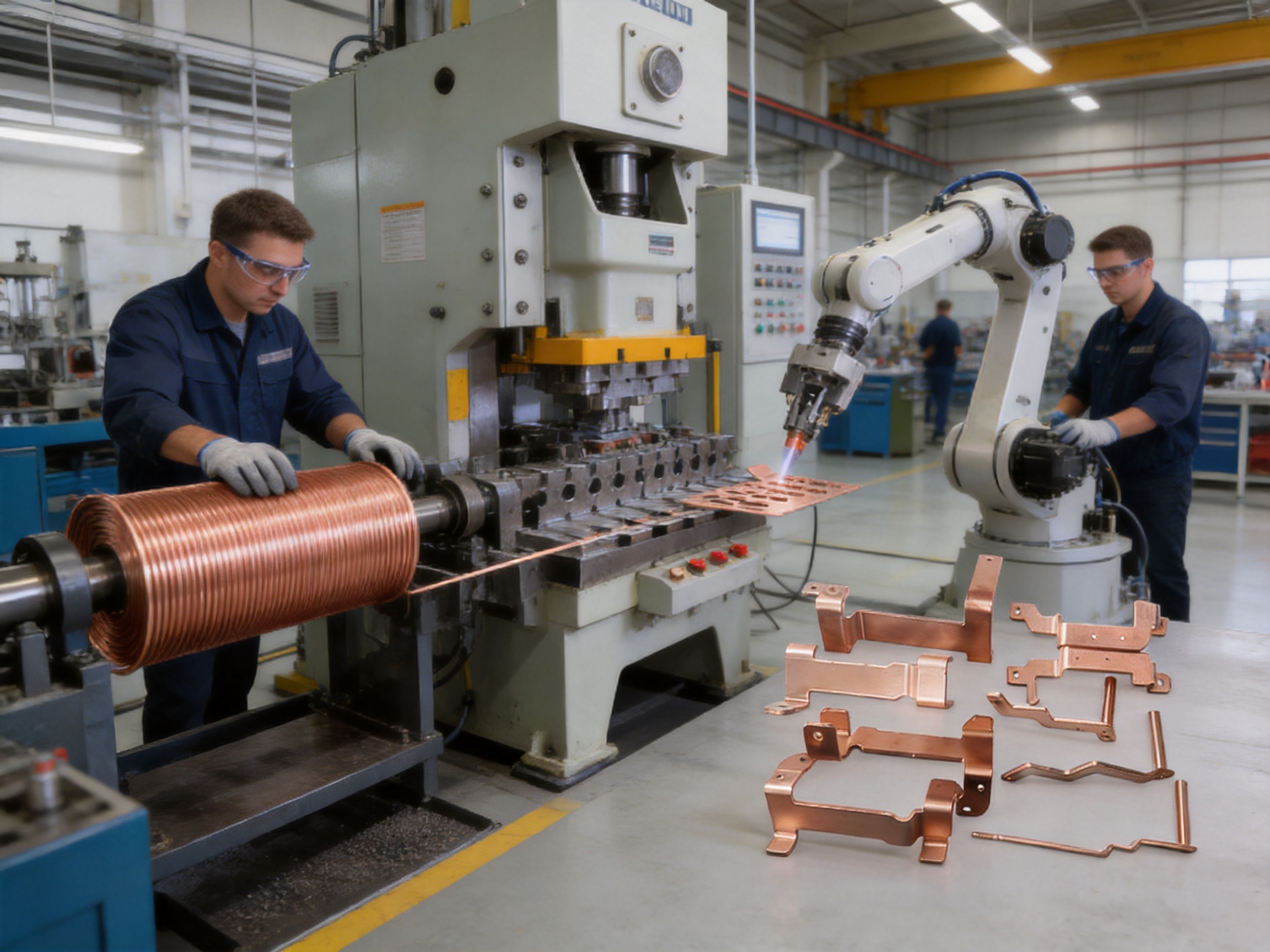
Suzhou Shuangqisi Mold Equipment Co., Ltd. supports the production of new energy vehicle copper busbar stamping parts through a manufacturing system built around precision tooling, metal stamping, and automation. The company’s experience in stamping dies and hardware parts gives it a strong foundation for producing parts that require tight tolerances and stable quality.
The company has 60 technical staff members who support design, manufacturing, debugging, process improvement, and customer service. Skilled technical personnel are essential because busbar manufacturing often involves complex interactions between material properties, die clearance, punch geometry, forming sequence, burr control, flatness, plating preparation, and inspection methods.
The company’s equipment includes imported wire cutting machines, CNC machining centers, more than 10 grinding machines of various sizes, and advanced precision machine tools. These resources are important for die manufacturing because stamping quality depends heavily on tool accuracy. Punches, dies, inserts, guide components, forming stations, and cutting edges must be produced and maintained with high precision.
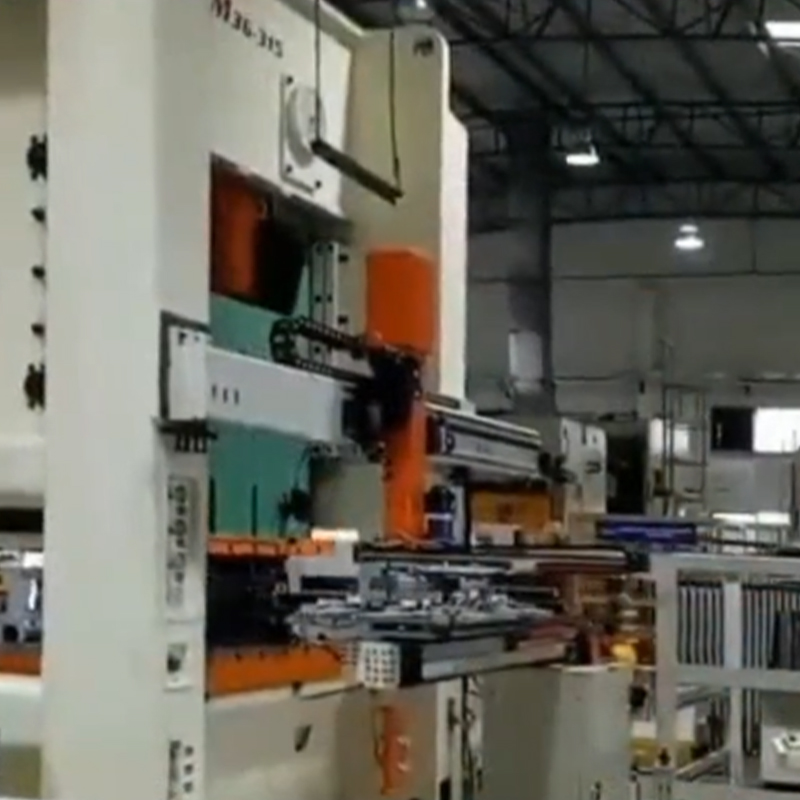
Its 25 punch presses, ranging from 80T to 400T, provide flexibility for different part sizes, material thicknesses, and production volumes. Smaller presses may be suitable for compact terminals and thin copper parts, while larger presses can handle wider strips, thicker materials, or more complex forming operations. The availability of multiple press capacities helps the company match each project to the appropriate equipment.
In addition, the company invested in Suzhou Keshuang Intelligent Technology Co., Ltd. in 2016, focusing on stamping automation equipment. This strengthens its ability to provide turnkey solutions for stamping molds and stamping automation. Automation can improve feeding accuracy, part transfer, inspection integration, productivity, and safety. For automotive customers, automation also supports consistent output and traceable production control.
Tooling Expertise: The Foundation of Busbar Quality
High-quality stamped busbars depend on high-quality tooling. A stamping die is not merely a production device; it is the physical expression of process engineering. Every punch clearance, cutting edge, guide pillar, forming insert, stripper plate, and pilot feature influences part quality. For copper busbars, tooling must manage burrs, flatness, dimensional stability, and surface protection.
Copper is relatively soft compared with many steels, but it can still create tooling challenges. It may adhere to tool surfaces, form burrs if clearance is not optimized, or deform if holding force is insufficient. Tool wear must be monitored to prevent dimensional drift or edge quality problems. Precision grinding and accurate wire cutting are essential for maintaining cutting profiles and forming surfaces.
Die design also affects material utilization. By optimizing strip layout, the manufacturer can reduce copper waste and improve cost competitiveness. This is an important advantage because copper price fluctuation can strongly influence overall product cost. A supplier with strong tooling capability can offer design suggestions that reduce scrap without compromising performance.
For progressive stamping, each station must be designed to maintain part positioning and control stress distribution. Piercing may occur before forming, forming may require staged bending, and final blanking must preserve critical features. If the process sequence is poorly designed, the part may twist, warp, or fail to meet tolerance requirements. Experienced tooling engineers can anticipate these problems and develop stable processes.
Tool debugging is another important stage. Even a well-designed die may require adjustment after trial production. Experienced debugging personnel can identify issues such as springback, burr direction, insufficient forming, material feeding variation, or uneven pressure. The ability to debug quickly shortens development time and supports smoother project launch.
Quality Control for Automotive Applications
Automotive components require strict quality control because failures can affect vehicle safety, user experience, and brand reputation. Copper busbar stamping parts are particularly critical because they transmit electrical power. A defective busbar may cause overheating, poor contact, voltage drop, electrical failure, or assembly problems.
Quality control begins with material verification. Copper grade, thickness, hardness, surface condition, and certificate compliance should be checked before production. Material traceability helps ensure that each production batch meets customer specifications.
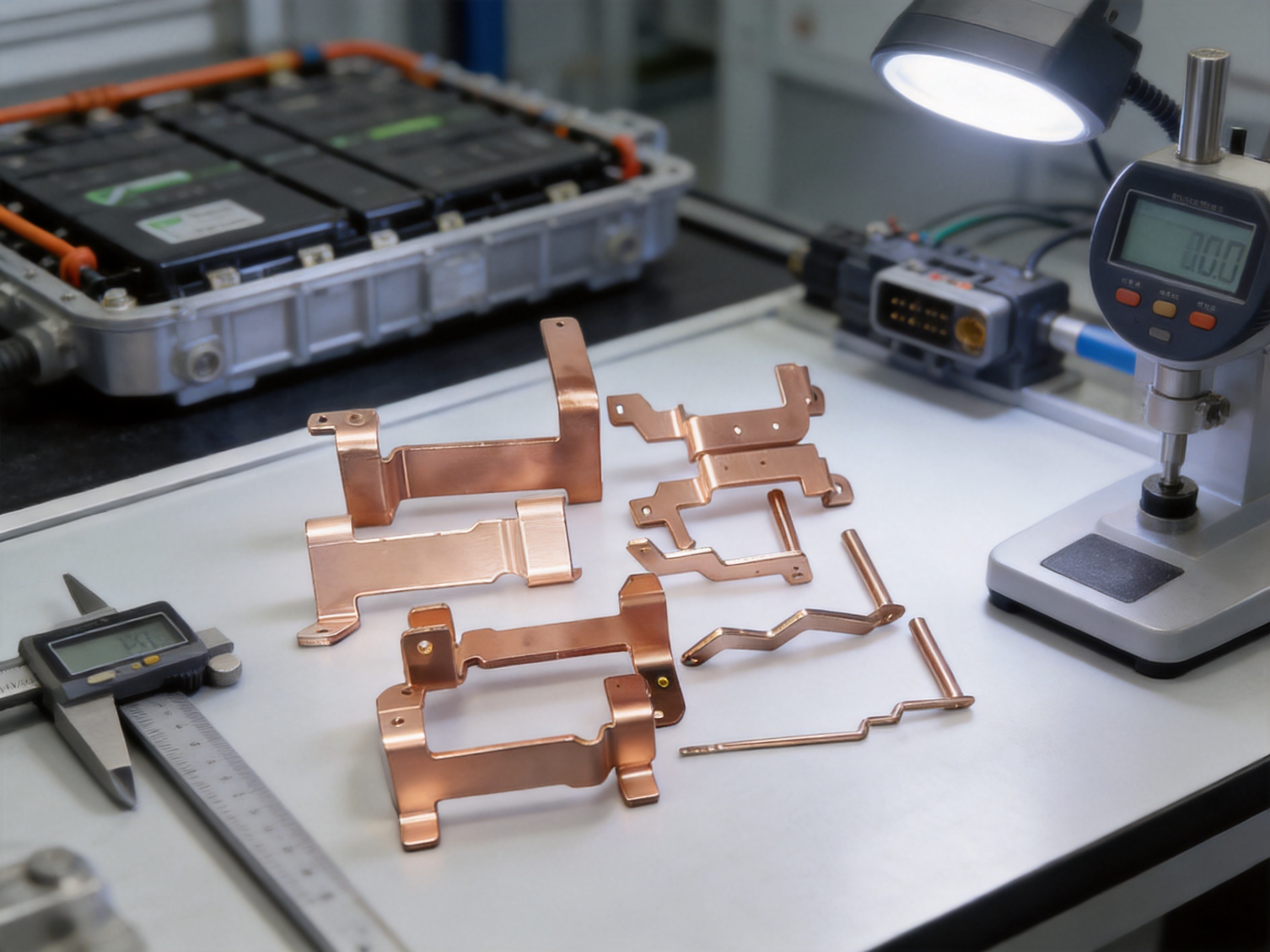
During stamping, critical dimensions are inspected using suitable measuring equipment. Hole diameter, hole position, overall length, width, bend angle, flatness, burr height, and contact surface quality may be monitored. Statistical process control can be used for high-volume production to detect trends before they become defects.
Surface quality is also important. Scratches, dents, oxidation, contamination, or plating defects can affect electrical performance and assembly appearance. Handling methods, tooling surface condition, lubrication control, and packaging must be considered to protect parts throughout production.
After plating, inspection may include coating thickness, adhesion, appearance, corrosion resistance, and contact resistance checks. If the busbar requires insulation, coating thickness, dielectric strength, adhesion, and coverage must be verified. Automotive-grade products may also require vibration testing, thermal cycling, salt spray testing, current temperature rise testing, and mechanical strength validation.
Compliance with IATF 16949, RoHS, and ISO-related standards supports disciplined process control and environmental responsibility. IATF 16949 emphasizes automotive quality management, defect prevention, process capability, and continuous improvement. RoHS compliance ensures restriction of certain hazardous substances. ISO standards provide structured management and technical frameworks that support consistency and customer confidence.
Applications in New Energy Vehicle Systems
Copper busbar stamping parts are used across multiple EV subsystems. Their precise shape and high conductivity make them suitable for both high-voltage and low-voltage power distribution.
Battery Pack Connections
Inside battery packs, busbars connect cells, modules, and electrical protection components. They support series and parallel configurations and help maintain low-resistance paths. Good dimensional accuracy is essential because battery modules are assembled with strict spacing and alignment requirements.
Battery Management Systems
Busbars may be integrated with sensing points for voltage and temperature monitoring. Stable electrical connections help the battery management system collect accurate data. Inconsistent resistance or loose contacts can affect measurement accuracy and system safety.
Power Distribution Units
High-voltage power distribution units route energy to inverters, DC/DC converters, onboard chargers, air-conditioning compressors, and other systems. Stamped busbars enable compact internal layouts and reliable high-current paths.
Motor and Inverter Connections
Inverters and drive motors handle high current and frequent load changes. Copper busbars help manage power transfer with low loss and good thermal performance. Their rigid structure also improves assembly repeatability in compact power electronics housings.
DC/DC Converters and Onboard Chargers
These systems require reliable conductive components that can withstand heat, vibration, and long operating periods. Stamped copper parts can be customized for module-specific layouts and contact requirements.
Why Integrated Mold and Automation Capability Matters
Many suppliers can stamp metal parts, but not all can provide integrated die design, die manufacturing, stamping production, and automation support. Integration matters because busbar quality is influenced by every stage of development. When these stages are separated among multiple suppliers, communication delays and technical inconsistencies may occur.
A company with in-house mold capability can respond faster to design changes. If a customer modifies a mounting hole, bend angle, or contact area, tooling engineers can evaluate the impact quickly. If production reveals an issue, the die can be adjusted without waiting for an external toolmaker. This improves flexibility and reduces project risk.
Automation capability adds another advantage. Stamping automation can include automatic feeding, material straightening, transfer systems, robotic handling, in-die monitoring, sensor-based detection, and integrated inspection. These technologies reduce manual variation and improve production stability. They are especially valuable for automotive parts that require consistent quality over long production runs.
Turnkey support is also valuable for customers developing new EV platforms. Instead of coordinating separate mold, stamping, and automation suppliers, customers can work with one manufacturing partner that understands the full process chain. This can reduce development time, simplify communication, and improve cost control.
Cost, Performance, and Value Balance
In automotive manufacturing, the best component is not always the cheapest one. The best component is the one that provides the required performance, reliability, and manufacturability at a competitive total cost. Copper busbar stamping parts offer a strong value balance because they improve electrical performance while supporting efficient mass production.
Compared with machined copper parts, stamped busbars usually offer lower unit cost at scale. Machining removes material and can be slower for high-volume production. Stamping uses coil or sheet material efficiently and produces parts quickly once the die is validated. This makes it suitable for automotive programs with repeated production demand.
Compared with traditional wiring harnesses, stamped busbars can reduce assembly labor, improve packaging, and lower variation. Although tooling investment is required, the benefits often become significant in medium- and high-volume applications. Reduced assembly complexity can also lower downstream quality risks.
Compared with low-cost, low-precision suppliers, a technically capable manufacturer provides better long-term value. Poorly controlled burrs, weak plating adhesion, dimensional variation, or unreliable contact surfaces can lead to hidden costs such as rework, warranty issues, production delays, or system failures. A strong manufacturing partner helps prevent these problems through process control and engineering support.
Customization Options
New energy vehicle copper busbar stamping parts can be customized according to customer drawings, samples, electrical requirements, and assembly conditions. Customization may include material grade, thickness, surface finish, plating type, plating area, hole geometry, bend configuration, insulation method, terminal design, and packaging format.
Selective plating may be used when only contact areas require premium surface treatment. This can reduce cost while maintaining electrical performance. Different areas of the busbar may also have different requirements, such as bare copper welding zones, nickel barrier layers, or tin-plated fastening points.
Insulation customization is another important area. Some busbars require full insulation except at connection points, while others are installed inside protected housings and need only limited insulation. The insulation design must consider voltage, temperature, mechanical abrasion, chemical exposure, and assembly method.
For complex systems, busbars may be assembled with plastic parts, fasteners, sensors, or welded terminals. Design-for-assembly support can improve the final module structure. Early supplier involvement allows the stamping manufacturer to recommend geometry changes that reduce cost and improve reliability.
Sustainability and Environmental Considerations
Copper busbar stamping parts support vehicle electrification, which is closely connected with energy efficiency and emissions reduction. Inside the vehicle, low-resistance copper conductors help minimize energy waste. At the production level, efficient stamping processes and optimized material utilization help reduce manufacturing waste.
RoHS-compliant materials and surface treatments support environmental responsibility by restricting hazardous substances. Responsible process control also includes proper handling of plating chemicals, lubricants, scrap metal, and packaging materials.
Copper is recyclable, which adds another sustainability advantage. Scrap generated during stamping can be collected and recycled. At the end of a vehicle’s service life, copper components can also be recovered through recycling systems. This contributes to resource efficiency and circular material use.
Practical Selection Guide for Buyers and Engineers
When selecting copper busbar stamping parts, buyers and engineers should evaluate both product specifications and supplier capability. A busbar may appear simple, but its performance depends on many details. The following considerations can help guide supplier evaluation and technical confirmation.
Confirm Electrical Requirements
Define continuous current, peak current, voltage level, allowable voltage drop, and temperature rise limits. These parameters influence material thickness, width, cross-section, and surface treatment.
Review Mechanical Layout
Confirm assembly space, mounting points, bend requirements, contact interfaces, and tolerance stack-up. A busbar must fit reliably into the module without forcing, bending, or misalignment during installation.
Specify Surface Treatment
Select tin, nickel, silver, or other plating based on contact resistance, corrosion environment, mating material, and cost. Confirm plating thickness, adhesion requirements, and inspection standards.
Evaluate Manufacturing Capability
Choose a supplier with strong die design, precision machining, stamping capacity, quality control, and automation experience. Supplier capability has a direct effect on product consistency.
Consider Total Cost
Look beyond unit price. Consider tooling cost, material utilization, defect risk, assembly efficiency, delivery stability, and technical support. A reliable supplier can reduce total project cost even if the initial quotation is not the lowest.
Q&A Section
Q1: What are new energy vehicle copper busbar stamping parts used for?
They are used for high-current power transmission and distribution in electric vehicles and hybrid vehicles. Common applications include battery packs, battery management systems, high-voltage distribution units, inverters, drive motors, DC/DC converters, and onboard chargers.
Q2: Why are copper busbars preferred over traditional wiring harnesses in many EV systems?
Copper busbars provide lower resistance, better heat dissipation, more compact layout, higher assembly repeatability, and improved mechanical stability. They can reduce wiring complexity and improve power distribution efficiency.
Q3: What materials are commonly used for these busbar stamping parts?
High-purity copper grades such as C11000, C10100, and T2 copper are commonly used. These materials typically have copper content of 99.9% or higher and provide excellent electrical and thermal conductivity.
Q4: What dimensional accuracy can be achieved?
Depending on part geometry, material thickness, tooling design, and inspection method, precision stamping can typically achieve dimensional tolerances around ±0.05 mm to ±0.2 mm for many features.
Q5: What surface treatments are available?
Common surface treatments include tin plating, nickel plating, and silver plating. These treatments improve corrosion resistance, reduce contact resistance, and enhance long-term connection reliability.
Q6: What current range can these parts support?
Depending on design, material thickness, cross-sectional area, temperature conditions, and connection method, copper busbar stamping parts can support current-carrying requirements from approximately 30A to 2000A.
Q7: Why is precision tooling important for copper busbar production?
Precision tooling controls burr height, hole accuracy, bend angle, flatness, surface quality, and overall repeatability. A high-quality die is essential for stable mass production and reliable automotive assembly.
Q8: How does the manufacturer support custom projects?
Suzhou Shuangqisi Mold Equipment Co., Ltd. can support custom projects through stamping die design, die manufacturing, stamping production, and automation solutions. The company can work according to customer drawings, samples, performance requirements, and production volume targets.
Q9: What standards are relevant for automotive copper busbar parts?
Relevant requirements may include IATF 16949 automotive quality management, RoHS environmental compliance, and ISO-related quality or testing standards. Specific standards depend on the customer and application.
Q10: What makes these copper busbar stamping parts competitive?
Their competitiveness comes from high-purity copper material, excellent conductivity, precision stamping accuracy, reliable surface treatment, strong vibration and temperature resistance, customizable design, and integrated manufacturing support from tooling to automation.
Conclusion
New energy vehicle copper busbar stamping parts are critical components for modern electric vehicle power systems. They provide low-resistance current transmission, efficient thermal performance, compact layout, stable assembly, and long-term reliability under demanding automotive conditions. By replacing or reducing traditional wiring harnesses in many applications, they help improve system efficiency and manufacturing productivity.
The use of high-purity copper materials such as C11000, C10100, and T2 copper gives these parts excellent conductivity and formability. Precision stamping enables tight dimensional control, repeatable quality, and cost-effective mass production. Surface treatments such as tin, nickel, and silver plating further enhance corrosion resistance and contact stability.
Suzhou Shuangqisi Mold Equipment Co., Ltd. strengthens product value through integrated capabilities in die design, die manufacturing, stamping production, and stamping automation. With experienced technical staff, advanced machining equipment, multiple punch presses, quality control discipline, and practical automotive project experience, the company can provide reliable solutions for new energy vehicle customers seeking high-performance copper busbar stamping parts.
As EV platforms continue to evolve toward higher voltage, higher power density, and greater integration, the demand for precision conductive components will continue to grow. Copper busbar stamping parts will remain a key solution for efficient, safe, and scalable electric vehicle power distribution.
References
1. Copper Development Association. Copper and Copper Alloys: Electrical Conductivity and Applications.
2. International Automotive Task Force. IATF 16949 Automotive Quality Management System Standard.
3. International Organization for Standardization. ISO Quality Management and Technical Standards for Manufacturing Processes.
4. SAE International. Electric Vehicle High-Voltage System Design and Safety Guidelines.
5. ASM International. Metals Handbook: Properties and Selection of Nonferrous Alloys.
6. IEC Technical Literature. Electrical Conductors, Contact Resistance, and Thermal Performance in Power Systems.
Product: New energy vehicle copper busbar stamping parts
Previous Post
High-End Oven Stamping Parts for Reliable Thermal Performance
Next Post
Precision Battery Cover Stamping Parts for Reliable Energy Systems
Our Products.
Start Your Business with an OEM Manufacturer Right Here!

Provide global customers with complete turn-key solutions
through
innovation!
QUICK LINKS
CONTACT INFO.
-
 +86-139 1308 8972
 -

-
 No. 118 Yexin Road, Wujiang Economic Development Zone, Suzhou, China
Copyright © Suzhou Shuangqisi Mold Equipment Co., Ltd. All Rights Reserved. Custom Stamping Die Metal Stamping Die Manufacturers
