 English
 Español
 Deutsch
-
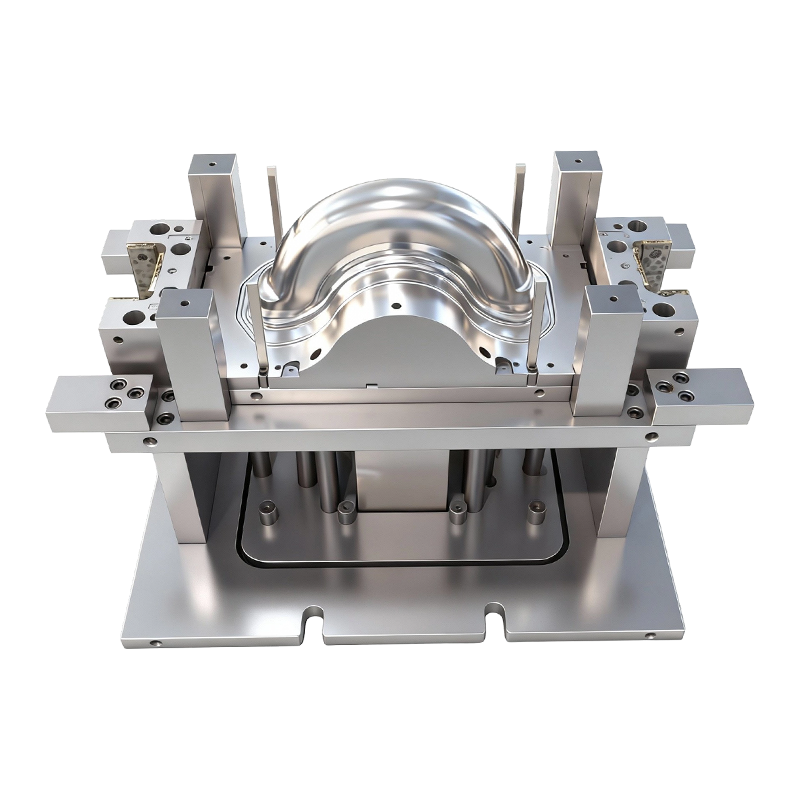
Deep drawing mold for front and rear wheels of two-wheeled electric vehicles
This Deep drawing mold for front and rear wheels o...
-
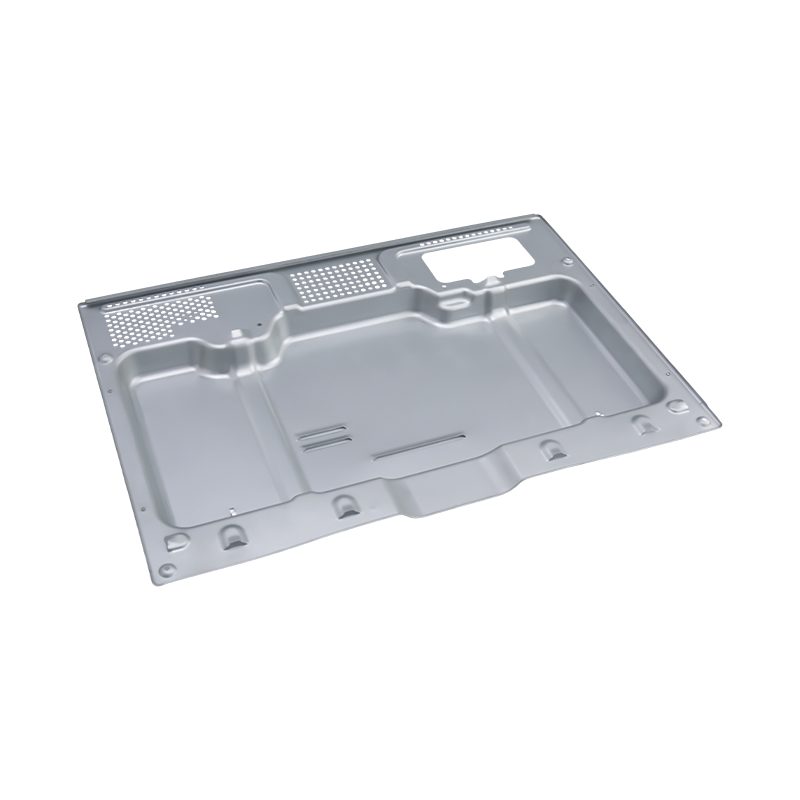
High-end oven stamping parts
Our High-end oven stamping parts are precision-man...
-
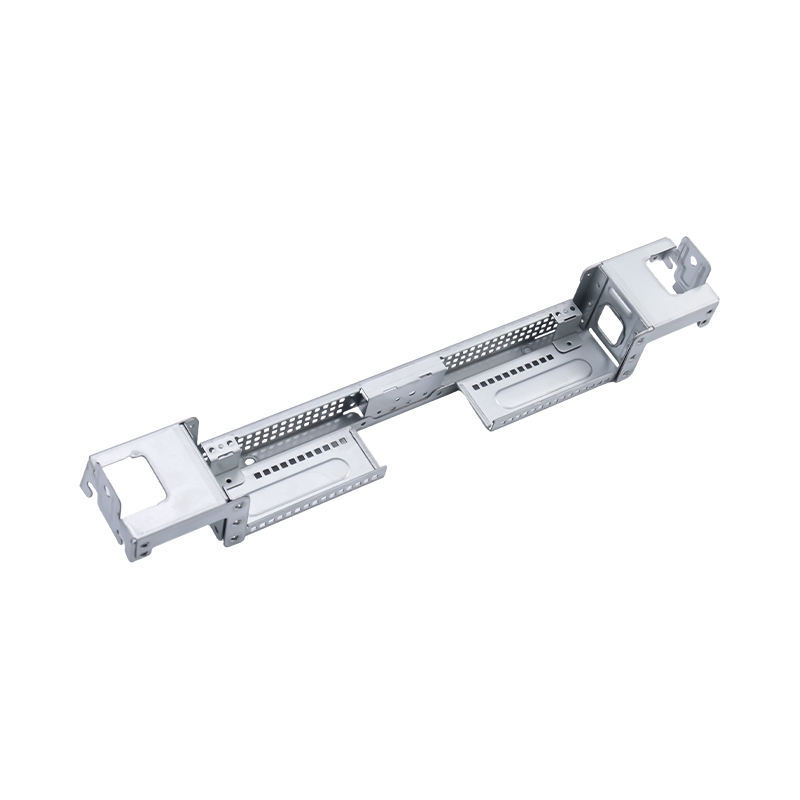
High-end large computer stamping parts
Our High-end large computer stamping parts are pre...
-
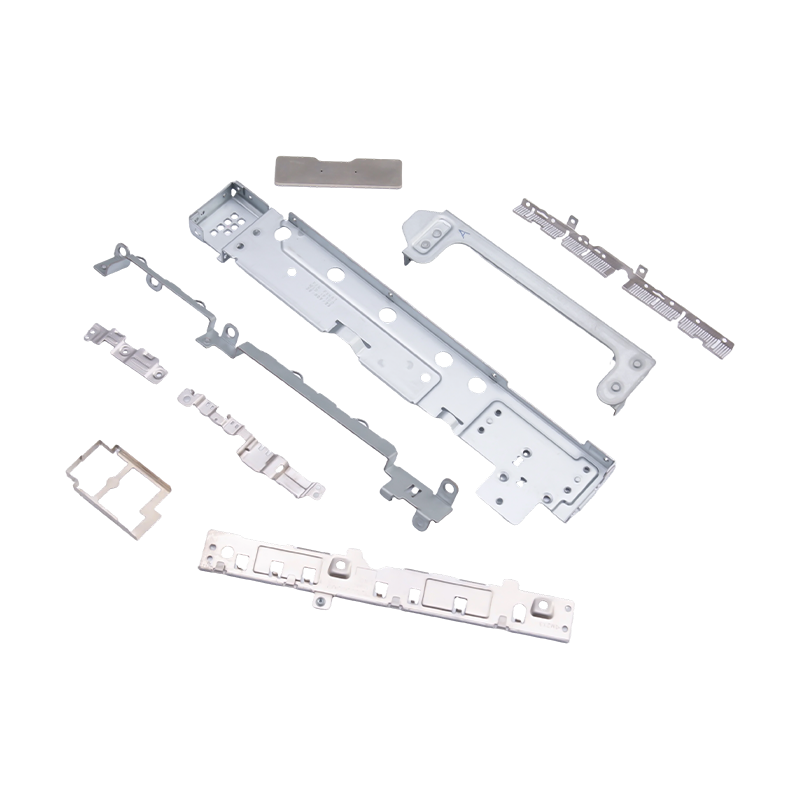
Small stamped parts for laptops and mobile phones
As essential internal components for modern portab...
-
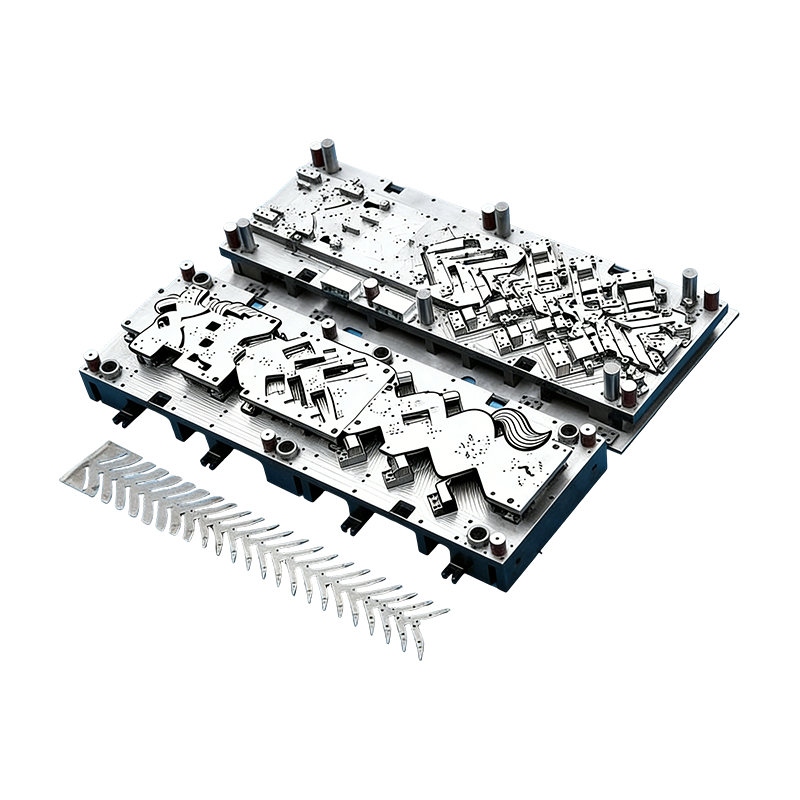
Progressive molds for automotive parts
This Continuous mold for automotive motor housing ...
- E-mail us: [email protected]
- Call us: +86-139 1308 8972

Wang Xinyue – After-Sales Support Supervisor
Home / Author / Wang Xinyue – After-Sales Support Supervisor / High-End Oven Stamping Parts: Precision Components for Durable, Safe, and Efficient Oven Manufacturing
High-End Oven Stamping Parts: Precision Components for Durable, Safe, and Efficient Oven Manufacturing
2026-08-31
Content
- 1 Understanding High-End Oven Stamping Parts
- 2 Materials Selected for Heat, Strength, and Corrosion Resistance
- 3 Precision Cold and Hot Stamping Processes
- 4 Die Design as the Core of Part Quality
- 5 Advanced Manufacturing Equipment and Technical Capability
- 6 Quality Control from Material Receipt to Final Delivery
- 7 Surface Treatment for Long-Term Oven Service
- 8 Advantages Compared with Ordinary Stamped Components
- 9 Applications in Premium Household and Commercial Ovens
- 10 Engineering Workflow for Customized Oven Components
- 11 Integration with Stamping Automation Equipment
- 12 Why Integrated Manufacturing Creates a Competitive Advantage
- 13 Reliability, Maintenance, and After-Sales Value
- 14 Environmental and Efficiency Considerations
- 15 Choosing a Supplier for High-End Oven Stamping Parts
- 16 Frequently Asked Questions
- 16.1 What are high-end oven stamping parts?
- 16.2 Which materials can be used for oven stamping parts?
- 16.3 What is the difference between cold stamping and hot stamping?
- 16.4 Why is die accuracy important?
- 16.5 Can the parts be customized for different oven models?
- 16.6 How are burrs and sharp edges controlled?
- 16.7 What surface treatments are suitable for oven components?
- 16.8 Can stamping automation be supplied with the parts and dies?
- 16.9 What production press sizes are available?
- 16.10 How can manufacturers reduce total production costs?
- 16.11 What information should be provided for a quotation?
- 17 Conclusion
- 18 References
- 19 Product: High-end oven stamping parts
High-End Oven Stamping Parts: Precision Components for Durable, Safe, and Efficient Oven Manufacturing
Modern ovens are expected to deliver reliable heating performance, accurate temperature control, attractive appearance, and long service life. Behind these visible and functional features is a complex network of metal components that supports the oven shell, door, heating system, insulation, racks, control assemblies, and internal structural elements. High-end oven stamping parts are essential to this network. Although many of these components remain hidden after final assembly, their dimensional accuracy, material quality, surface condition, and resistance to heat directly influence the safety and performance of the finished appliance.
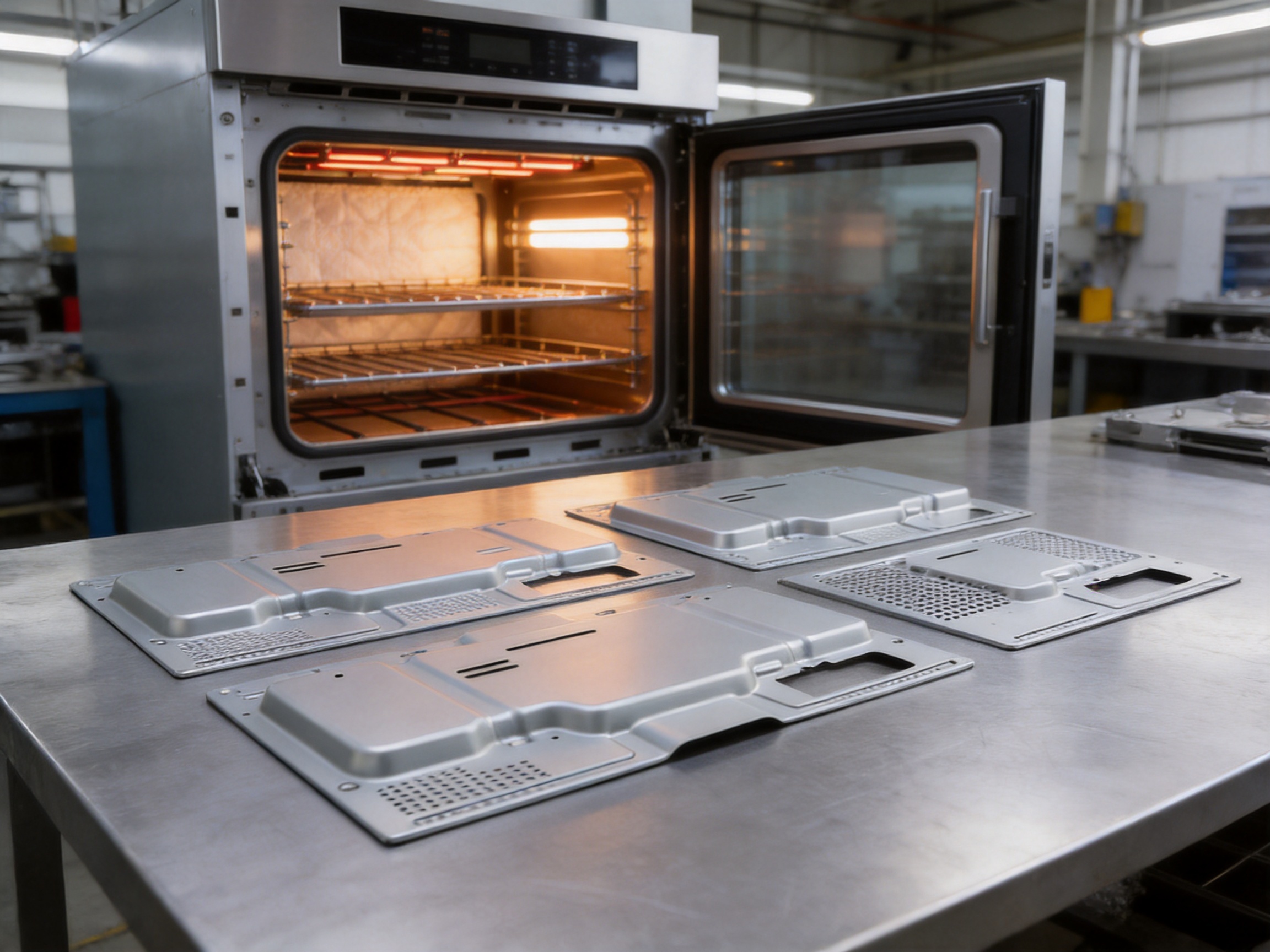
High-end oven stamping parts are precision-manufactured metal components developed for premium household ovens, commercial ovens, baking equipment, and related thermal appliances. They can be used in oven shells, door frames, heating element brackets, internal support structures, mounting plates, reinforcement members, and other assemblies requiring repeatable geometry and dependable mechanical strength. Through carefully controlled cold stamping and hot stamping processes, these parts can achieve consistent dimensions, tight tolerances, clean edges, and efficient production repeatability.
For oven manufacturers, the value of a stamping part is not limited to its individual shape. A well-designed component must fit accurately with neighboring parts, remain stable during repeated heating and cooling cycles, resist corrosion, support efficient assembly, and maintain its performance throughout the expected product life. The manufacturing process must therefore combine material expertise, die design, precision machining, press forming, quality inspection, and surface treatment.
Integrated mold and stamping capabilities provide an important advantage in this field. When die design, die manufacturing, part production, debugging, and automation planning are coordinated by one experienced technical team, manufacturers can reduce communication delays, improve development consistency, and respond more efficiently to customized requirements. This integrated approach is especially valuable when oven models have different dimensions, door configurations, heating layouts, insulation arrangements, or installation methods.
High-end oven stamping parts
Understanding High-End Oven Stamping Parts
Oven stamping parts are formed from metal sheet or coil material using dies and presses. Depending on the required geometry, the process may include blanking, piercing, bending, drawing, flanging, embossing, forming, trimming, or a combination of several operations. The die determines the shape of the component, while the press supplies the force required to deform the material accurately and consistently.
High-end components differ from basic stamped pieces in several important ways. They require more precise dimensional control, better material selection, improved surface treatment, and more careful consideration of service conditions. An oven operates in an environment where heat, moisture, grease, cleaning chemicals, vibration, and repeated thermal expansion may occur together. A part that performs adequately in a general low-temperature application may not be suitable for long-term oven use.
Typical oven stamping components include structural brackets, door frame members, hinge reinforcement plates, heating element supports, fan mounting brackets, insulation retainers, side supports, rack guides, mounting tabs, control-panel reinforcement parts, rear panels, base plates, and customized connecting pieces. Each component has its own functional requirements. A heating element bracket must maintain the position of the heating element under high temperatures. A door frame must preserve alignment and support repeated opening and closing. A mounting plate must provide stable fastening and resist deformation during assembly and use.
The design of these parts often requires cooperation between the stamping supplier and the oven manufacturer. Drawings, three-dimensional models, material specifications, tolerance requirements, assembly conditions, production quantities, and surface treatment standards all influence the final solution. A professional supplier should be able to review the design, identify potential forming risks, recommend practical modifications, and develop the corresponding die structure.
Materials Selected for Heat, Strength, and Corrosion Resistance
Material selection is one of the foundations of high-performance oven stamping parts. The selected metal must be suitable for the expected temperature, mechanical load, corrosion conditions, forming method, and surface treatment. Depending on the application, stainless steel, heat-resistant steel, coated carbon steel, galvanized steel, aluminum alloys, or other specialized sheet materials may be considered.
Heat-resistant steel is often selected for components exposed to elevated operating temperatures. It can provide improved dimensional stability and resistance to oxidation compared with ordinary low-carbon steel. Stainless steel may be used when corrosion resistance, cleanability, appearance, and long-term surface stability are especially important. Aluminum alloys can offer reduced weight and good formability in suitable applications, although their temperature range and mechanical requirements must be evaluated carefully.
Material thickness also affects part performance. A thicker component may provide greater rigidity and load-bearing capacity, while a thinner component may reduce weight and material consumption. The correct choice depends on the part’s geometry and function rather than thickness alone. Proper rib design, flanging, embossing, and reinforcement can increase stiffness without unnecessarily increasing material usage.
Before production, material specifications should be reviewed and confirmed. Important considerations include thickness tolerance, tensile strength, yield strength, elongation, surface quality, chemical composition, and suitability for forming. Consistent incoming material helps reduce variation during stamping and supports stable production over long manufacturing runs.
Precision Cold and Hot Stamping Processes
Cold stamping is widely used for oven components that can be formed at room temperature while maintaining the necessary dimensional accuracy and surface quality. It is suitable for brackets, plates, frames, supports, panels, and many other components. Cold stamping can provide high production efficiency, repeatability, and relatively low unit cost when the die has been properly designed and commissioned.
Hot stamping or heat-assisted forming may be considered for materials or geometries requiring improved formability, reduced springback, or enhanced structural performance. The correct process depends on the material grade, part shape, required strength, production volume, and service environment. A capable engineering team can determine whether cold forming, hot forming, or a combination of operations is the most practical solution.
Stamping operations can be arranged as single-step, progressive, compound, transfer, or multi-operation processes. A simple part may be completed in one die, while a more complex component may require a sequence of blanking, piercing, bending, drawing, and trimming operations. The process plan must balance production efficiency with part quality and die life.
Progressive dies are useful for high-volume production because multiple operations can be completed as the strip advances through the die. This approach can improve consistency and reduce manual handling. Compound dies can perform multiple cutting operations in a single press stroke, while transfer processes can move larger or deeper parts between forming stations. The appropriate configuration is selected after evaluating the part’s shape, material, tolerance, annual demand, and equipment conditions.
Blanking and Piercing
Blanking creates the basic outline of a component, while piercing produces holes, slots, or other internal openings. Accurate cutting is important because poor clearance or worn tooling may create burrs, distortion, cracks, or dimensional inconsistency. For oven components, hole position is often critical because the holes may be used for screws, rivets, heating element installation, wiring clips, hinges, or alignment pins.
Bending and Flanging
Bending gives the part its required angle or three-dimensional profile. Flanges can add rigidity, create fastening surfaces, or allow the component to connect with another assembly. Bend radius, material direction, springback, and die clearance must be considered carefully. If these factors are not controlled, the finished part may fail to align with the oven shell or may require excessive adjustment during assembly.
Drawing and Forming
Drawing operations are used when a flat blank must be formed into a deeper or more complex shape. They require careful control of blank-holder force, lubrication, punch and die radii, material flow, and forming depth. Improper conditions may produce wrinkles, tearing, thinning, or uneven surfaces. For high-end oven components, forming simulations, trial production, and dimensional verification can help reduce these risks before mass production.
Trimming and Calibration
After forming, excess material may be removed through trimming. Calibration or correction operations can improve dimensional accuracy and compensate for springback. These final forming steps are particularly useful for parts that must fit precisely into door assemblies, heating systems, or multi-piece structural frames.
Die Design as the Core of Part Quality
The stamping die is the main tool that determines the final geometry of an oven stamping part. A well-designed die supports accurate forming, stable production, controlled material flow, efficient maintenance, and long service life. A poorly designed die may cause repeated quality problems even when the press and material are suitable.
Die design begins with an evaluation of the product drawing or three-dimensional model. Engineers review functional surfaces, fastening locations, bend lines, radii, material thickness, tolerances, and potential interference with other assemblies. They also consider the production volume and the customer’s preferred press equipment. A die intended for an 80-ton press will have different design considerations from one intended for a 400-ton press.
Important die design elements include punch and die clearance, guiding systems, stripping structures, lifters, pilots, inserts, cutting edges, forming surfaces, sensors, and maintenance access. The die must hold the material securely while allowing controlled movement through each operation. Proper guidance helps maintain alignment between upper and lower die components and reduces uneven wear.
For components used in high-temperature environments, dimensional stability during stamping is only the first requirement. The die should produce smooth edges and consistent contact surfaces so that the finished part does not create unwanted stress concentrations or assembly gaps. Stable die performance also helps ensure that parts from the beginning, middle, and end of a production batch remain interchangeable.
Die development may include design review, machining, assembly, trial stamping, measurement, correction, and final approval. This iterative process is essential for complex components. Trial results can reveal springback, material flow issues, burr formation, insufficient clearance, or unexpected interference. Engineers can then modify the die before formal production begins.
Advanced Manufacturing Equipment and Technical Capability
High-end oven stamping parts require more than a press. They depend on a complete manufacturing system that includes precision machining, wire cutting, grinding, die assembly, press testing, inspection, and process control. Suzhou Shuangqisi Mold Equipment Co., Ltd. has developed an integrated production capability covering stamping die design, mold manufacturing, hardware part production, and stamping automation equipment.
The company has a technical team of approximately 60 employees and operates a range of advanced precision equipment. Imported wire cutting machines support the accurate production of complex die profiles, narrow slots, inserts, and other detailed components. CNC machining centers are used to manufacture die bases, forming components, guide structures, and precision tooling elements according to approved engineering data.
More than 10 grinding machines of various sizes support the finishing of die components and other precision parts. Grinding is important for achieving accurate dimensions, smooth surfaces, and controlled clearances. Properly finished die components can improve the quality of stamped edges and forming surfaces while helping to extend tool life.
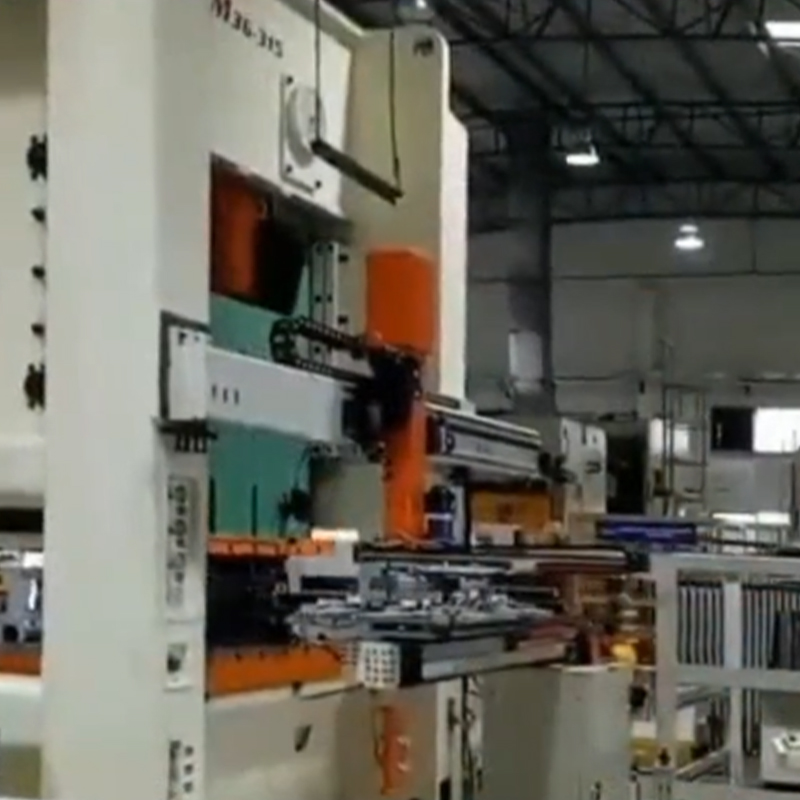
The company also operates 25 punch presses ranging from 80 tons to 400 tons. This equipment range allows different sizes and types of oven components to be produced according to their forming force and physical dimensions. Smaller brackets and plates may be manufactured on lower-tonnage equipment, while larger or more demanding structural components may require higher press capacity.
Equipment capability is strengthened by experienced senior operators and debugging personnel. Press settings, feeding conditions, die alignment, lubrication, material handling, and inspection frequency all influence production quality. Experienced personnel can identify abnormal sounds, material movement, burr changes, surface marks, and dimensional drift before these issues become large-scale production problems.
Quality Control from Material Receipt to Final Delivery
Quality control should begin before the first stamping operation. Incoming materials are checked against the approved specification, including material type, thickness, surface condition, and basic dimensional requirements. Traceability records can help connect each production batch with its material source, die, machine, operator, and inspection results.
During die tryout and mass production, process parameters are monitored to maintain consistent performance. These parameters may include press speed, stroke, feed length, forming force, lubrication, strip alignment, and tooling condition. Stable process parameters reduce variation and improve the interchangeability of finished parts.
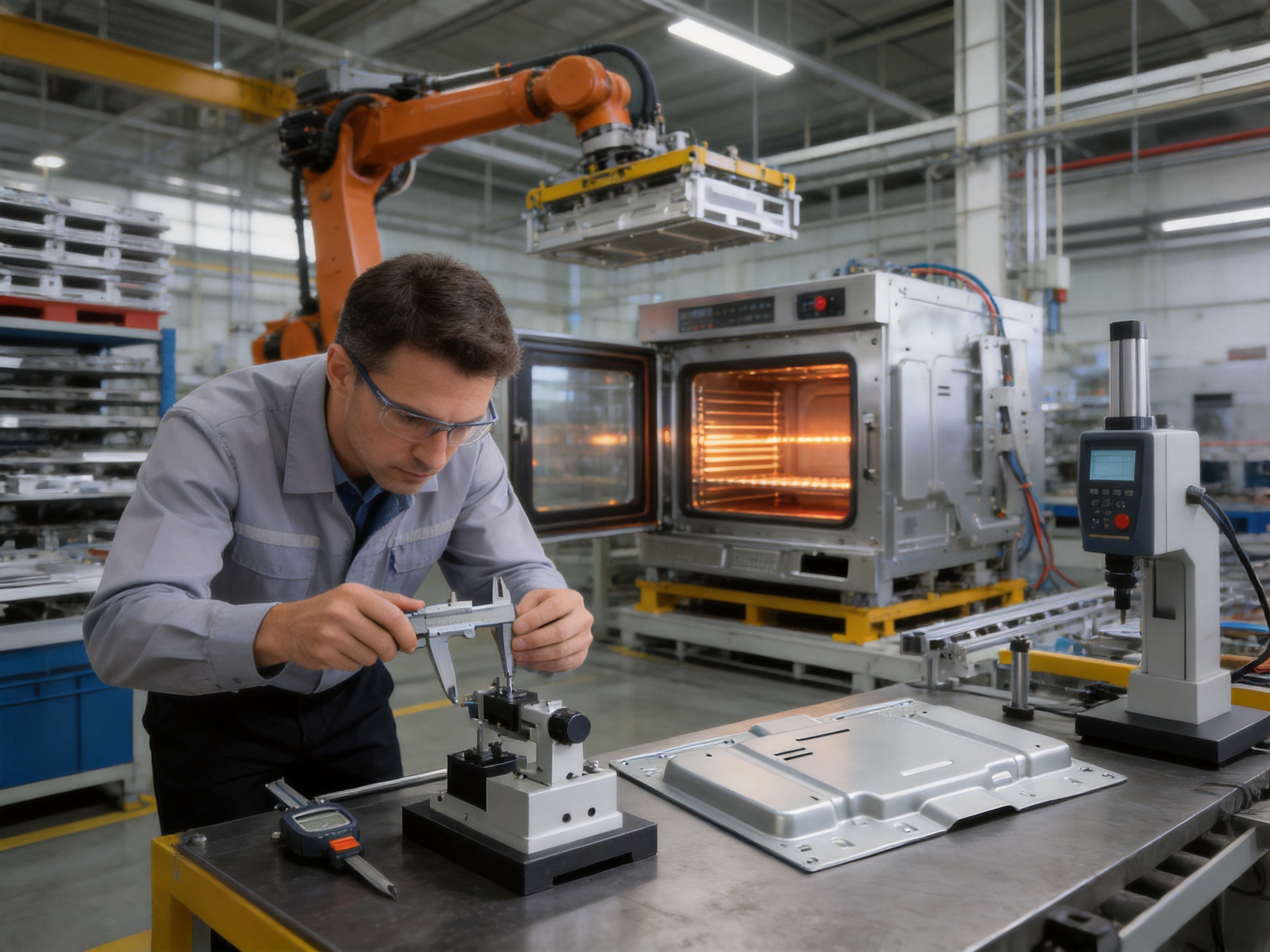
Dimensional inspection may involve calipers, micrometers, height gauges, gauges, coordinate measuring equipment, templates, and specially designed inspection fixtures. The inspection method should match the part’s tolerance and functional requirements. Critical holes, bend angles, flatness, overall dimensions, and assembly reference points should receive particular attention.
Surface inspection is also important. Parts are checked for cracks, dents, scratches, excessive burrs, wrinkles, oil contamination, oxidation, and other defects. For visible components such as door frame parts or external reinforcement panels, appearance requirements may be stricter than for concealed internal brackets.
Quality control can also include first-piece approval, patrol inspection, final sampling, and customer-specific inspection reports. When a customer requires special testing or documentation, inspection procedures can be adapted to meet the agreed standard. The objective is not simply to identify defective parts but to establish a stable and traceable manufacturing process.
Surface Treatment for Long-Term Oven Service
Oven stamping parts may be exposed to heat, steam, grease, cleaning agents, and repeated temperature changes. Surface treatment helps protect the metal and improves the part’s resistance to corrosion, oxidation, and handling damage. The treatment method should be selected according to the material, operating temperature, visible appearance, food-contact considerations, and assembly requirements.
Deburring is a basic but essential step. Cutting and piercing can leave sharp edges that may injure assembly workers, damage insulation, interfere with wiring, or create stress concentrations. Proper deburring produces safer edges and improves the fit between adjacent components. It also supports a cleaner appearance and reduces the risk of loose metal particles entering the appliance.
Anti-rust coating may be applied when additional corrosion protection is required. Heat-resistant spraying can be used for suitable components exposed to elevated temperatures. The coating must be compatible with the operating environment and should be applied at a controlled thickness. Excessive coating may interfere with assembly tolerances, while insufficient coverage may leave vulnerable areas unprotected.
For parts used in food-related equipment, the full material and coating system must be evaluated in accordance with the applicable safety requirements of the target market. Food-grade suitability depends on the material, coating formulation, curing process, location within the appliance, and intended contact conditions. Technical documentation and customer specifications should therefore be reviewed before final approval.
Surface treatment also affects maintenance. Smooth, well-finished surfaces are easier to clean and less likely to retain grease or moisture. This can contribute to improved hygiene and reduced corrosion risk during the service life of the oven.
Advantages Compared with Ordinary Stamped Components
High-end oven stamping parts offer several advantages over generic stamped metal components. The first is application-specific design. Instead of using a standard bracket or plate without considering the oven’s thermal and structural conditions, each part is developed for its actual position, load, temperature, and assembly method.
The second advantage is improved dimensional consistency. Premium ovens often use multiple layers of sheet metal, insulation, heating elements, hinges, fans, and electronic components in a compact space. Small dimensional errors can accumulate and cause door gaps, uneven heating element placement, vibration, difficult assembly, or interference with wiring. Precision stamping helps reduce these risks.
The third advantage is better resistance to service conditions. Heat-resistant steel, stainless steel, aluminum alloys, protective coatings, and suitable forming methods can be combined to improve durability. The selected solution depends on the part’s exposure and function, rather than relying on a single material for every application.
The fourth advantage is production repeatability. A professionally designed die can manufacture large quantities of parts with consistent geometry. This supports automated or semi-automated assembly, reduces manual correction, and makes replacement parts easier to match with original assemblies.
The fifth advantage is efficient customization. Oven manufacturers frequently develop multiple product families with different capacities, door sizes, heating layouts, and control configurations. A supplier with in-house die design, machining, stamping, and automation capabilities can adapt more quickly than a supplier that depends entirely on outside tooling partners.
The sixth advantage is improved total cost control. A low purchase price for an individual component may not represent the lowest overall cost if the part causes assembly delays, high rejection rates, premature corrosion, or warranty claims. Accurate stamping, reliable surface treatment, and stable quality can lower the total cost of ownership for the appliance manufacturer.
| Evaluation Factor | Standard Stamped Part | High-End Oven Stamping Part | Value to the Oven Manufacturer |
|---|---|---|---|
| Dimensional control | Basic production tolerance | Application-specific tolerances and inspection | Improved fit and assembly consistency |
| Material selection | General-purpose sheet metal | Heat-resistant steel, stainless steel, aluminum alloy, or approved alternatives | Better performance under heat and corrosion conditions |
| Edge quality | Possible burrs requiring additional correction | Controlled cutting, deburring, and edge finishing | Safer handling and fewer assembly problems |
| Tooling development | Basic die structure | Engineered die with trial, measurement, and optimization | More stable mass production |
| Surface protection | Limited or general treatment | Anti-rust coating, heat-resistant spraying, or specified finishing | Improved durability and cleanability |
| Customization | Limited design flexibility | Standard and customized solutions | Better support for multiple oven models |
| Production integration | Part supply only | Die, stamping, debugging, and automation coordination | Shorter communication chain and better project control |
Applications in Premium Household and Commercial Ovens
Oven shells and cabinet structures require parts that contribute to rigidity, alignment, and safe enclosure of internal systems. Stamped panels, corner members, reinforcement plates, and connecting brackets can be designed to support the external shell while leaving space for insulation, ventilation, wiring, and heating assemblies.
Door frames are another important application. An oven door must open and close repeatedly while maintaining a suitable seal and stable alignment. Stamped frame elements can provide the required shape and fastening surfaces. Their dimensional accuracy affects the relationship between the door glass, insulation, hinges, handle, and sealing system.
Heating element brackets must hold electrical heating components in the intended position. If a bracket deforms or shifts, heating distribution may change, electrical clearance may be affected, or the element may come too close to adjacent parts. Heat-resistant materials and carefully formed geometries help maintain stability throughout repeated operating cycles.
Internal support structures include rack guides, tray supports, fan brackets, divider supports, and reinforcement members. These components must balance strength with efficient use of internal space. Stamping allows designers to create ribs, flanges, and formed channels that increase stiffness while keeping the part relatively lightweight.
Commercial ovens and baking equipment may place additional demands on structural parts because of larger chamber sizes, heavier trays, higher duty cycles, and more frequent cleaning. The appropriate material thickness, reinforcement design, and surface treatment should be selected according to the actual operating conditions.
Customized stamping parts can also be developed for special cooking equipment, industrial heating cabinets, laboratory ovens, sterilization equipment, and other appliances requiring formed metal components that can withstand controlled heat exposure.
Engineering Workflow for Customized Oven Components
A reliable project begins with the collection of complete technical information. This may include two-dimensional drawings, three-dimensional models, material specifications, annual demand, target press conditions, surface requirements, inspection standards, assembly references, and packaging instructions.
After receiving the information, engineers review the part for manufacturability. They consider whether the selected bend radii are suitable, whether holes are positioned sufficiently far from edges, whether deep forming may cause thinning, and whether the proposed tolerances are realistic for the material and process. If a design modification can improve production stability without affecting function, it can be discussed with the customer before die construction.
The next stage is process planning. Engineers determine the blank layout, operation sequence, die type, press capacity, material feeding method, and inspection points. For high-volume parts, material utilization and cycle time are evaluated together with quality requirements.
Die design and manufacturing follow the approved process plan. Precision machining, wire cutting, grinding, and assembly are coordinated to achieve the specified geometry. During tryout, sample parts are produced and measured. Any required corrections are completed before formal production approval.
Mass production is then arranged according to the customer’s schedule. Press selection, operator assignment, material preparation, surface treatment, inspection, and packaging are coordinated to maintain a smooth workflow. If automation is included, feeding, transfer, stacking, and detection systems can be developed to reduce manual intervention.
After delivery, technical communication remains important. Feedback from assembly or field service can be used to improve future batches, refine tooling, and reduce recurring issues. A supplier that provides both products and technical support can become a long-term manufacturing partner rather than a simple component vendor.
Integration with Stamping Automation Equipment
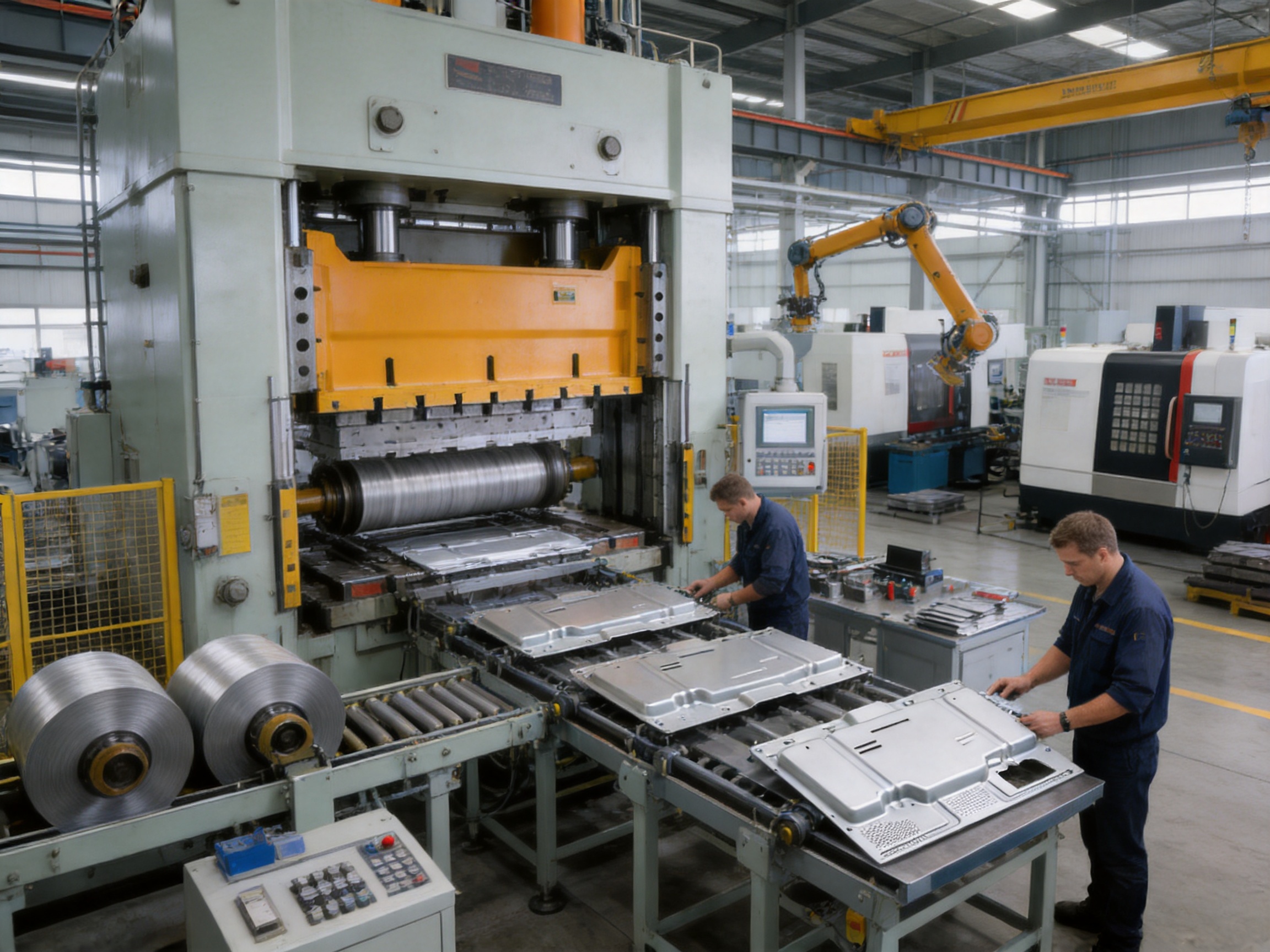
Automation can improve productivity, consistency, and workplace safety in the production of oven stamping parts. Depending on the component and production volume, automation may include coil feeding, straightening, automatic transfer, robotic loading and unloading, part separation, stacking, visual inspection, and production data collection.
Automated feeding helps maintain a stable material pitch and reduces errors associated with manual placement. Transfer systems can move parts between forming stations while preserving orientation and reducing handling damage. Automatic unloading and stacking can protect finished surfaces and support continuous production.
Automation is particularly valuable for repetitive high-volume products. It can reduce operator exposure to moving tooling, stabilize cycle times, and improve production planning. However, automation should be designed around the part and die rather than added without considering the complete process. Part geometry, material flexibility, press timing, available space, safety requirements, and downstream packaging all influence the automation solution.
The combination of stamping dies and automation equipment creates a more complete manufacturing system. The same technical organization can coordinate die structure, press operation, feeding sequence, sensor locations, part handling, and inspection requirements. This reduces the risk that a die and an automation unit will work independently but fail to achieve the desired production performance together.
Why Integrated Manufacturing Creates a Competitive Advantage
Many suppliers can perform a single production step, such as machining a die or stamping a metal part. An integrated manufacturer can connect several stages into one controlled project. This creates advantages in communication, troubleshooting, scheduling, and cost management.
When die design and stamping production are handled by separate companies, design changes may require multiple rounds of technical discussion. Responsibility for dimensional problems can also become unclear. With integrated capabilities, the engineering team can evaluate the die and the stamped part together. If a trial part shows an issue, the cause can be investigated more directly and corrections can be implemented more efficiently.
Integrated production also improves knowledge transfer. Die designers understand the practical requirements of press operators, while production personnel can provide feedback to the tooling team. This two-way communication helps develop dies that are not only theoretically accurate but also practical to operate and maintain.
Cost control is another advantage. In-house manufacturing of major tooling components can reduce dependence on external suppliers and help coordinate material purchasing, machining, assembly, and tryout. These efficiencies can support competitive pricing without sacrificing technical requirements.
For customers developing a new oven model, a single partner capable of supplying dies, stamped parts, and automation equipment can simplify project management. It can also make it easier to plan future production expansion, model changes, and replacement tooling.
Reliability, Maintenance, and After-Sales Value
Reliable stamping parts contribute to the long-term stability of the finished oven. Accurate components reduce stress caused by forced assembly and help maintain the designed relationship between structural and functional assemblies. Stable brackets and supports can reduce vibration, movement, and noise during operation.
Good surface treatment can reduce corrosion-related maintenance. This is particularly important in ovens exposed to steam, cooking residue, detergents, and repeated cleaning. Parts that remain clean and stable for longer periods can reduce service interventions and improve user satisfaction.
Ease of installation is also important. Properly positioned holes, formed tabs, and accurate bends allow assembly workers to install parts efficiently. Clear and repeatable fastening locations can reduce labor time and the need for manual adjustment. In high-volume appliance production, even a small reduction in assembly time can create significant economic value.
Replacement compatibility is another consideration. When components are manufactured according to controlled drawings and consistent tooling, replacement parts can better match the original production parts. This simplifies after-sales service and reduces the risk of fit problems during maintenance.
For appliance manufacturers, these benefits can help reduce warranty costs and protect brand reputation. A reliable internal component may not be visible to the end user, but its performance can influence the durability and safety of the complete oven.
Environmental and Efficiency Considerations
Efficient stamping can reduce material waste compared with machining a complete component from solid metal. Nesting and strip-layout optimization help use the available sheet or coil more effectively. The appropriate die structure can also reduce the number of separate operations and lower energy consumption per part.
Longer die life supports sustainability by reducing the frequency of tooling replacement and the consumption of tool steel and machining resources. Proper heat treatment, surface finishing, alignment, lubrication, and maintenance all contribute to extended die life.
Lightweight structural design can reduce material consumption while preserving strength. Ribs, embossments, flanges, and formed channels can improve rigidity without simply increasing sheet thickness. This approach may reduce the weight of the final appliance and make handling easier during manufacturing and installation.
Surface treatment should be managed responsibly, with suitable process controls for coating materials, cleaning agents, and waste streams. Customers may also require documentation related to restricted substances, environmental compliance, or product safety. These requirements should be incorporated into the project specification from the beginning.
Choosing a Supplier for High-End Oven Stamping Parts
When evaluating a supplier, oven manufacturers should consider more than the quoted unit price. The supplier’s tooling experience, press range, technical staffing, inspection capability, surface treatment knowledge, production capacity, and ability to support customization are all important.
A supplier should be able to explain how the material will be selected, how the part will be formed, what type of die will be used, how tolerances will be inspected, and how surface treatment will be controlled. Clear answers to these questions indicate that the supplier understands the complete manufacturing process.
It is also useful to evaluate the supplier’s ability to manage development projects. A structured workflow with design review, process planning, die tryout, sample approval, mass production, inspection, and after-sales support helps prevent misunderstandings and delays.
Production equipment provides another important indication of capability. A supplier with CNC machining centers, wire cutting machines, grinding equipment, and a broad range of punch presses can respond to more types of parts and project requirements. The presence of experienced operators and debugging personnel is equally important because practical process knowledge directly affects production stability.
Finally, customers should assess whether the supplier can support future needs. An oven manufacturer may initially require one bracket or frame component but later need additional parts, automated feeding, replacement dies, or a complete stamping production line. A supplier with integrated mold and automation capabilities can offer a more scalable relationship.
Frequently Asked Questions
What are high-end oven stamping parts?
High-end oven stamping parts are precision-formed metal components designed for premium household ovens, commercial ovens, baking equipment, and related thermal appliances. They may include brackets, door frame components, support plates, heating element mounts, reinforcement parts, rack guides, and customized structural members.
Which materials can be used for oven stamping parts?
Depending on the application, materials may include heat-resistant steel, stainless steel, coated carbon steel, galvanized steel, and aluminum alloys. Material selection depends on operating temperature, mechanical load, corrosion exposure, forming requirements, appearance, and applicable safety standards.
What is the difference between cold stamping and hot stamping?
Cold stamping forms sheet metal at or near room temperature and is widely used for parts that can achieve the required shape and accuracy without heating. Hot stamping or heat-assisted forming uses elevated temperature to improve formability or reduce springback for suitable materials and geometries. The best process is selected through engineering evaluation.
Why is die accuracy important?
The die determines the shape, hole position, bend angle, and dimensional repeatability of the stamped part. Accurate tooling helps the part fit correctly during oven assembly, reduces manual adjustment, lowers rejection rates, and supports stable mass production.
Can the parts be customized for different oven models?
Yes. Oven stamping parts can be customized according to drawings, three-dimensional models, material specifications, tolerances, assembly requirements, press capacity, surface treatment, and production volume. Standardized solutions can also be provided for recurring component types.
How are burrs and sharp edges controlled?
Burrs are controlled through proper die clearance, sharp and well-maintained cutting edges, suitable process parameters, and post-stamping deburring when required. Edge inspection is important because sharp edges can affect worker safety, wiring, insulation, and assembly quality.
What surface treatments are suitable for oven components?
Possible treatments include deburring, anti-rust coating, heat-resistant spraying, and other customer-approved finishes. The treatment must be compatible with the part’s temperature, corrosion exposure, appearance requirements, and intended position inside the oven.
Can stamping automation be supplied with the parts and dies?
Yes. A supplier with stamping automation capabilities may provide feeding, transfer, loading, unloading, stacking, inspection, and other equipment according to the production process. Coordinating automation with the die and press can improve efficiency and reduce manual handling.
What production press sizes are available?
The available press range described for this manufacturing operation extends from approximately 80 tons to 400 tons. The appropriate press is selected according to part size, material thickness, forming depth, die structure, and required forming force.
How can manufacturers reduce total production costs?
Manufacturers can reduce total costs through optimized die design, efficient material utilization, stable stamping processes, reduced manual correction, accurate assembly fit, durable surface treatment, and integrated coordination between tooling, stamping, and automation. The lowest unit price is not always the lowest total cost if quality problems create rework or warranty expenses.
What information should be provided for a quotation?
Useful information includes part drawings or three-dimensional models, material and thickness, annual demand, surface treatment, dimensional tolerances, quality standards, packaging requirements, target delivery schedule, and whether the project requires a new die, stamped parts, automation, or a complete production solution.
Conclusion
High-end oven stamping parts are essential precision components that support the strength, alignment, safety, durability, and serviceability of modern ovens. Their performance depends on a combination of appropriate materials, accurate die design, controlled cold or hot stamping, careful deburring, suitable surface treatment, and comprehensive inspection.
For oven manufacturers, a strong supplier should provide more than individual metal parts. The most valuable partner can support the entire process from product review and die design to precision machining, trial production, mass stamping, surface finishing, inspection, and automation integration. This approach improves communication, supports customization, and creates better control over quality, cost, and delivery.
Suzhou Shuangqisi Mold Equipment Co., Ltd. combines stamping die design and manufacturing with hardware part production and stamping automation equipment. With a technical team of approximately 60 employees, imported wire cutting machines, CNC machining centers, more than 10 grinding machines, and 25 punch presses from 80 tons to 400 tons, the company is equipped to address a wide range of component and tooling requirements.
Its experience in mold manufacturing, practical knowledge from senior operators and debugging personnel, and integrated approach to dies, stamped parts, and automation provide a strong foundation for customized oven component projects. By focusing on dimensional accuracy, heat resistance, corrosion protection, efficient assembly, and long-term reliability, high-end oven stamping parts can deliver value throughout the complete life cycle of an appliance.
References
1. ASM International. Metal Forming and Stamping Process Fundamentals.
2. American Iron and Steel Institute. Guidelines for Sheet Steel Forming and Fabrication.
3. International Organization for Standardization. Quality Management Systems—Requirements, ISO 9001.
4. International Organization for Standardization. General Tolerances for Linear and Angular Dimensions.
5. Society of Automotive Engineers. Recommended Practices for Sheet Metal Forming and Die Design.
6. European Committee for Standardization. Household and Similar Electrical Appliances—Safety Requirements.
7. International Electrotechnical Commission. Safety of Household and Similar Electrical Appliances.
8. Manufacturing engineering principles for progressive dies, precision stamping, tooling maintenance, and production automation.
9. Technical product and manufacturing information supplied for high-end oven stamping parts and integrated stamping die production.
Product: High-end oven stamping parts
Previous Post
High-End Large Computer Stamping Parts: Precision, Strength, and Reliable Industrial Integration
Next Post
Precision Copper Busbar Stamping Parts for New Energy Vehicles
Our Products.
Start Your Business with an OEM Manufacturer Right Here!

Provide global customers with complete turn-key solutions
through
innovation!
QUICK LINKS
CONTACT INFO.
-
 +86-139 1308 8972
 -

-
 No. 118 Yexin Road, Wujiang Economic Development Zone, Suzhou, China
Copyright © Suzhou Shuangqisi Mold Equipment Co., Ltd. All Rights Reserved. Custom Stamping Die Metal Stamping Die Manufacturers
