 English
 Español
 Deutsch
-
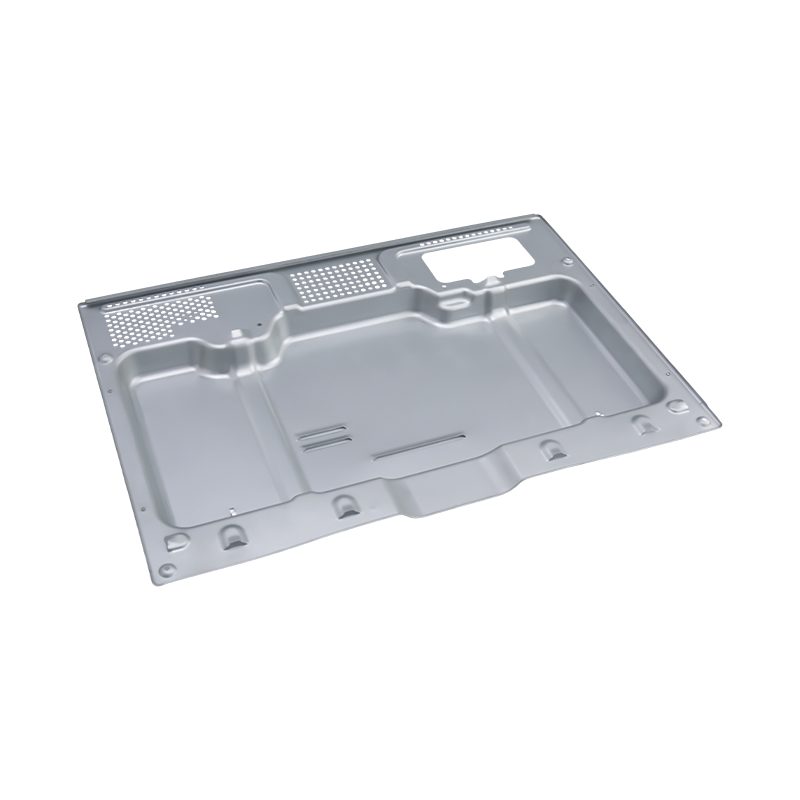
High-end oven stamping parts
Our High-end oven stamping parts are precision-man...
-
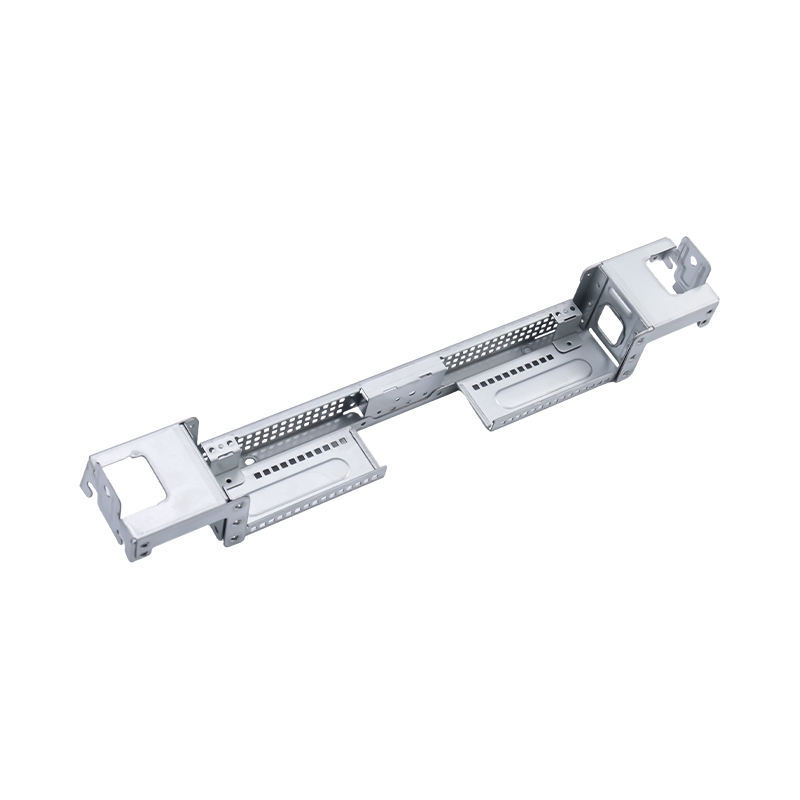
High-end large computer stamping parts
Our High-end large computer stamping parts are pre...
-
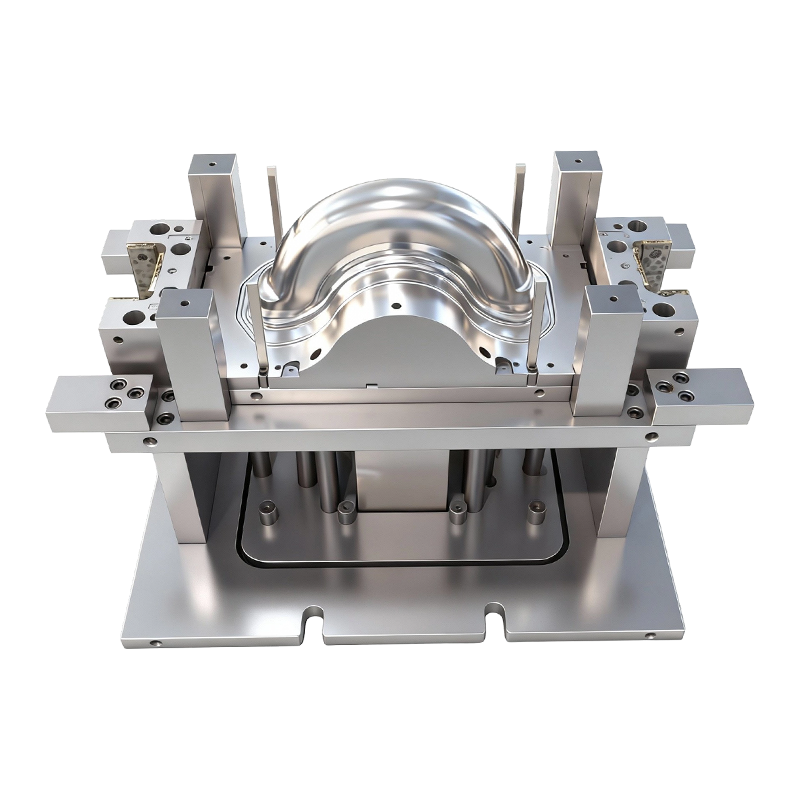
Deep drawing mold for front and rear wheels of two-wheeled electric vehicles
This Deep drawing mold for front and rear wheels o...
-
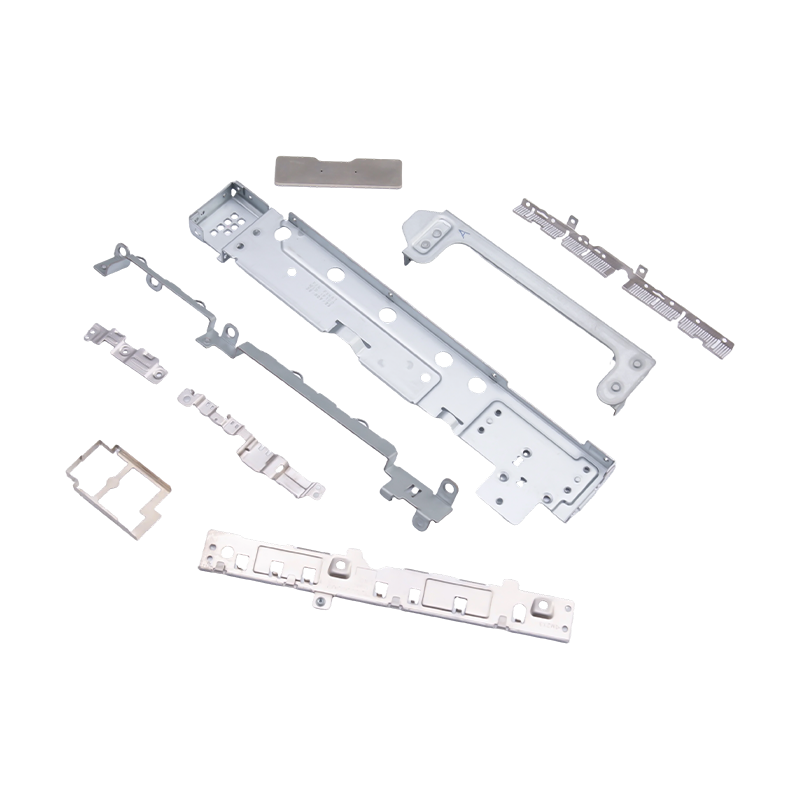
Small stamped parts for laptops and mobile phones
As essential internal components for modern portab...
-
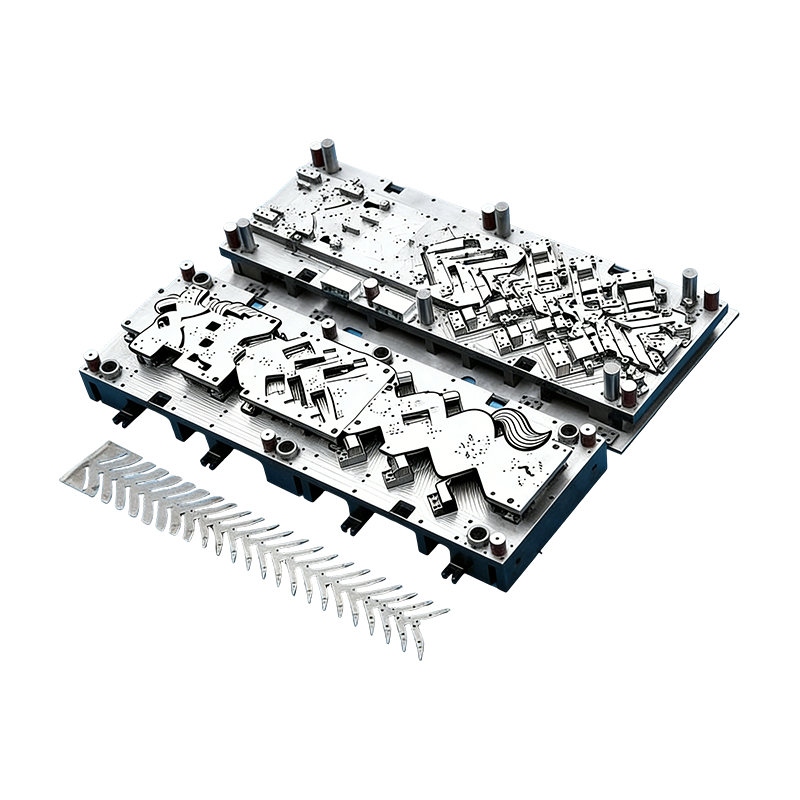
Progressive molds for automotive parts
This Continuous mold for automotive motor housing ...
- E-mail us: [email protected]
- Call us: +86-139 1308 8972

Wang Xinyue – After-Sales Support Supervisor
Home / Author / Wang Xinyue – After-Sales Support Supervisor / High-End Large Computer Stamping Parts: Precision, Strength, and Reliable Industrial Integration
High-End Large Computer Stamping Parts: Precision, Strength, and Reliable Industrial Integration
2026-09-02
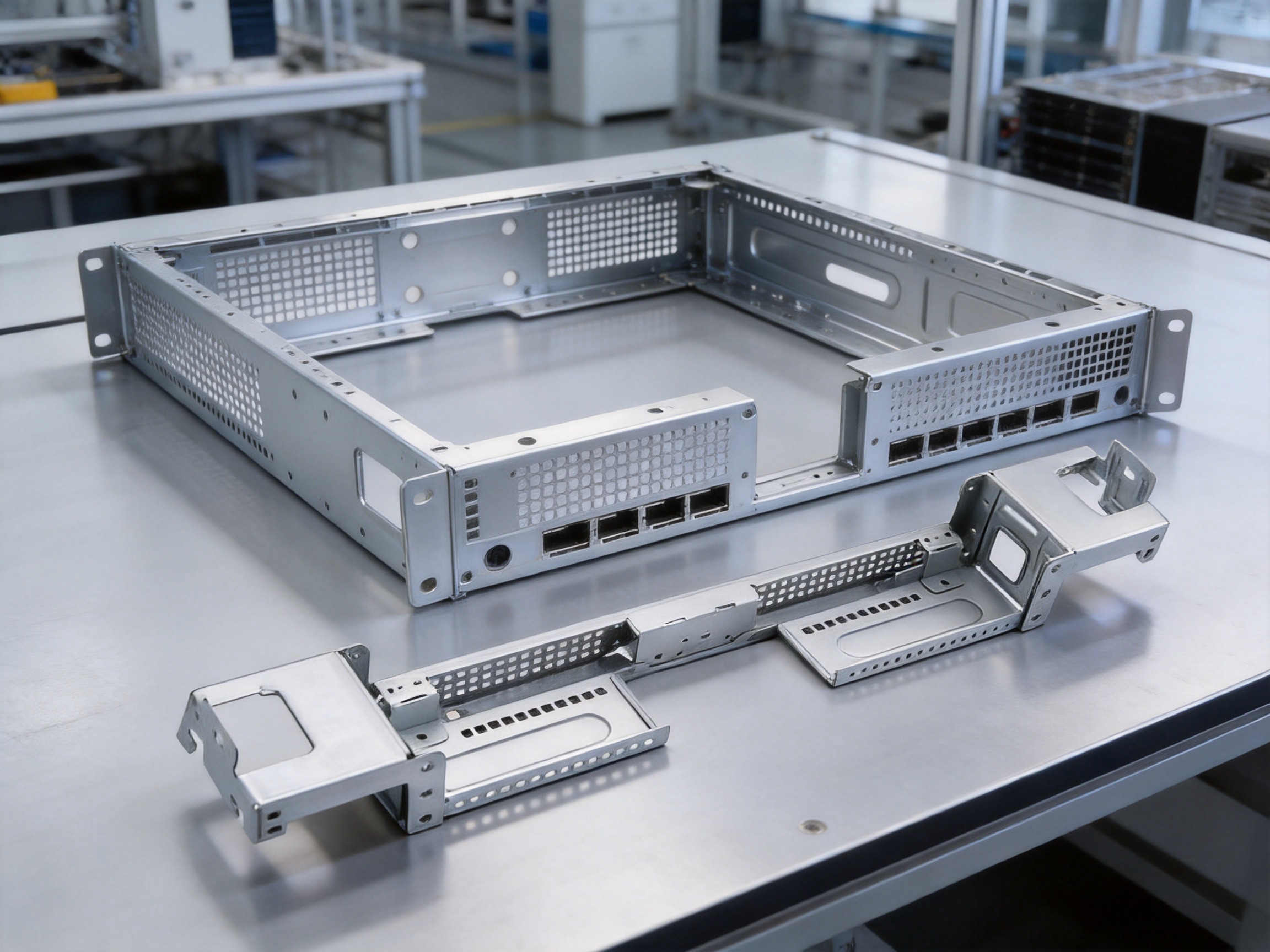
High-end large computer stamping parts are essential structural components for modern computing equipment. Although they are often hidden inside a finished product, these parts directly influence the strength, dimensional stability, assembly efficiency, service life, and overall reliability of servers, mainframe systems, industrial computers, and other high-performance computing platforms. A well-designed and accurately manufactured stamped component can support complex hardware while maintaining a rigid structure, consistent fit, and dependable protection during long-term operation.
Large computer stamping parts must meet demanding requirements. They may need to support heavy internal assemblies, protect sensitive electronic modules, accommodate ventilation and cable-routing structures, and remain stable under vibration, pressure, heat, and repeated handling. At the same time, their dimensions must be controlled closely enough to ensure rapid integration into computer production lines. Any excessive burr, uneven edge, distortion, or dimensional deviation can create assembly gaps, interfere with adjacent components, or reduce the structural performance of the completed enclosure.
The high-end large computer stamping parts introduced in this article are precision-engineered for core computer hardware applications. Typical uses include server chassis, mainframe frames, industrial computer housings, and other large metal structures used to support and protect electronic systems. Manufactured from high-strength cold-rolled steel or aluminum alloy, these parts combine material strength, controlled forming, deburring, and anti-corrosion surface treatment. Their production is supported by professional stamping die design, precision machining, systematic inspection, and practical experience in stamping mold and hardware-part manufacturing.
The result is a component solution focused on stable performance rather than appearance alone. Each part is intended to contribute to secure equipment operation, efficient production-line integration, and reliable long-term use. For computer manufacturers seeking a dependable source for large stamped metal structures, the combination of material selection, tooling capability, production capacity, and quality control is a decisive advantage.
High-end large computer stamping parts
Content
- 1 Product Scope and Application Areas
- 2 Key Product Advantages
- 3 Material Selection for Large Computer Hardware
- 4 Precision Stamping Die Design and Manufacturing
- 5 Manufacturing Process for Computer Stamping Parts
- 6 Quality Control and Inspection Priorities
- 7 Advantages Compared with Less Specialized Alternatives
- 8 Manufacturing Strengths and Technical Resources
- 9 Role of Stamping Automation in Computer-Part Production
- 10 Design Considerations for Customers
- 11 Cost Efficiency and Long-Term Value
- 12 Recommended Supplier Evaluation Criteria
- 13 Typical Benefits for Computer Manufacturers
- 14 Q&A
- 14.1 What are high-end large computer stamping parts?
- 14.2 Why are these parts important for servers and industrial computers?
- 14.3 Which materials are available?
- 14.4 How does stamping compare with manual sheet-metal fabrication?
- 14.5 How are burrs and sharp edges controlled?
- 14.6 What quality characteristics are inspected?
- 14.7 Can the parts be customized?
- 14.8 Can the supplier provide stamping dies as well as stamped parts?
- 14.9 Is stamping automation available?
- 14.10 What press capacity is available?
- 14.11 How can customers begin a project?
- 15 Conclusion
- 16 References
- 17 Product: High-end large computer stamping parts
Product Scope and Application Areas
High-end large computer stamping parts are used where a computer system requires a rigid, accurately formed, and corrosion-resistant metal structure. They can serve as external housings, internal frames, support plates, mounting structures, cover panels, reinforcement members, or other customized hardware elements. The exact geometry depends on the target computer platform, the internal hardware layout, the required installation method, and the customer’s production process.
Server chassis are one of the most important application areas. A server enclosure must accommodate processors, memory modules, storage systems, power supplies, cooling components, cable assemblies, and service-access structures. The metal stamping parts used in such a chassis must be strong enough to hold these assemblies without excessive deformation. They must also provide accurate mounting locations so that internal modules can be installed efficiently and remain correctly aligned during operation.
Mainframe frames require similar structural dependability, often with an even greater emphasis on dimensional consistency and long-term stability. Large computing systems may contain numerous interconnected units and can operate continuously for extended periods. Their frames and supporting parts must withstand the weight of installed hardware, repeated maintenance, equipment movement, and operational vibration. A stamped component that retains its shape and maintains reliable fastening points can help preserve the alignment and safety of the complete system.
Industrial computer housings are another significant application. Industrial environments can expose equipment to dust, mechanical vibration, temperature variations, accidental contact, and other demanding conditions. The housing must protect electronic assemblies while allowing effective installation, maintenance, and heat-management arrangements. Properly formed cold-rolled steel or aluminum alloy parts provide a practical balance between structural performance, processability, and manufacturing efficiency.
These components may also be adapted for specialized computing cabinets, control-system enclosures, data-processing equipment, communication-related hardware structures, and customized electronic equipment. Because each project may require different openings, bends, mounting points, reinforcement features, and surface requirements, the quality of the stamping die and the accuracy of the production process are central to the final result.
Key Product Advantages
High Structural Rigidity
Large computer hardware needs a stable supporting structure. Thin or improperly formed sheet metal can flex under the weight of internal assemblies, pressure during transportation, or vibration during operation. High-end stamped parts are designed to improve rigidity through appropriate material selection, controlled forming, bent flanges, reinforcing shapes, and accurately positioned structural features.
High-strength cold-rolled steel offers dependable mechanical strength and good forming characteristics. It is suitable for many chassis and frame applications where rigidity, durability, and cost control are important. Aluminum alloy can be selected when lower weight, corrosion resistance, and efficient handling are priorities. By matching the material to the product structure and operating conditions, manufacturers can achieve a more balanced design instead of relying on a single material for every application.
The rigid structure of these computer stamping parts helps the finished equipment withstand long-term operation vibration and external pressure. It can also reduce the risk of distortion during assembly and transportation. This is particularly important for large computer products, where a small deformation in one area can influence panel alignment, fastening accuracy, or the fit of adjacent modules.
Controlled Dimensional Accuracy
Dimensional accuracy is one of the most important performance indicators for large stamped hardware. A chassis or frame may include numerous holes, slots, bends, flanges, and connection points. These features must be positioned accurately so that internal and external components can be installed without excessive adjustment.
Precision stamping dies help control the shape and repeatability of the part. When the die structure, material flow, press conditions, and production sequence are properly coordinated, large quantities of parts can be produced with consistent geometry. This consistency supports faster assembly and reduces the need for manual correction on the customer’s production line.
The manufacturing approach described for these parts includes batch inspection of thickness uniformity and edge smoothness. Thickness consistency helps ensure that the part maintains predictable strength and weight. Smooth edges help prevent assembly interference, reduce handling risks, and minimize the possibility of damage to cables, insulation, or nearby electronic components.
Compatibility with Production-Line Assembly
Computer manufacturers often require components that can be integrated directly into standardized production processes. Parts that require repeated adjustment or manual rework can increase labor costs and slow production. A properly engineered stamping part supports quick installation through accurate dimensions, consistent holes, reliable bend angles, and clean edges.
Compatibility also depends on the relationship between the stamped part and the customer’s assembly equipment. Mounting locations, access openings, fastening surfaces, and component clearances must correspond to the complete product design. For this reason, professional stamping-part production involves more than simply pressing sheet metal into a shape. It requires an understanding of tooling, assembly requirements, material behavior, and the operating conditions of the finished computer system.
The parts are intended for seamless integration into computer production lines. This makes them suitable for manufacturers that value repeatable processing and stable batch quality. When the component arrives with controlled dimensions and an appropriate surface finish, it can move through assembly with fewer interruptions and less dependence on corrective work.
Surface Protection and Corrosion Resistance
Metal computer structures must maintain their function and appearance during storage, transportation, assembly, and service. Anti-corrosion surface treatment helps protect the material from environmental exposure and supports a longer service life. It can also create a more uniform surface for the finished equipment, depending on the customer’s specified process and appearance requirements.
Surface treatment is especially relevant for steel parts. Even when the component is installed indoors, moisture, handling, packaging conditions, and temperature changes can affect untreated metal surfaces. A suitable anti-corrosion process helps preserve the component and reduces the risk of surface deterioration that could influence assembly or product presentation.
Deburring is an equally important finishing step. Stamping can leave sharp edges or small burrs if the cutting and forming process is not properly controlled. Deburring improves handling safety and protects surrounding parts. It also contributes to a closer fit between panels and structural members, reducing the possibility of visible gaps or interference during installation.
Material Selection for Large Computer Hardware
Material selection should reflect the structural, environmental, and production requirements of the computer system. The two primary material options for these large stamping parts are high-strength cold-rolled steel and aluminum alloy. Each offers different advantages, and the most appropriate choice depends on the part’s function, thickness, shape, weight limitations, and surface requirements.
High-Strength Cold-Rolled Steel
Cold-rolled steel is widely used for computer chassis and frames because it provides a practical combination of strength, surface quality, and forming performance. Its stable sheet structure is suitable for stamping, bending, and the creation of mounting features. For large structural parts, steel can provide the rigidity needed to support heavy electronic assemblies and maintain the shape of the enclosure.
Cold-rolled steel is also useful when the design includes broad panels, reinforcing bends, fastening surfaces, and other features that must remain stable during repeated use. The material can be processed through progressive or dedicated stamping dies according to the component design. After forming, deburring and anti-corrosion treatment can further improve suitability for industrial computer applications.
Aluminum Alloy
Aluminum alloy is appropriate for projects where weight reduction, handling convenience, or corrosion resistance is important. Large computer housings can become difficult to install or transport if their structural materials are unnecessarily heavy. Aluminum alloy can help reduce the overall weight while maintaining a useful level of strength when the design and thickness are properly selected.
Aluminum alloy also has good process flexibility for many housing and panel applications. Its use must be supported by appropriate die design and forming parameters, because material behavior differs from that of steel. Springback, surface protection, and edge quality should be considered during tooling and inspection. With suitable process control, aluminum alloy parts can provide a professional appearance and reliable structural performance.
Material Consistency
Regardless of the selected material, consistency is essential. Variations in thickness, hardness, surface condition, or flatness can influence forming results and final assembly. Batch inspection of thickness uniformity provides useful control over the incoming and finished material condition. It also supports more predictable die performance and helps maintain stable production parameters.
Material selection should therefore be coordinated with the stamping die design, press capacity, part geometry, surface treatment, and customer assembly requirements. A technically suitable material is not enough if the tooling and production process are not adapted to it. The strength of an integrated manufacturer lies in managing these factors as one complete system.
Precision Stamping Die Design and Manufacturing
The stamping die is the foundation of a reliable large computer stamping part. It determines the main shape, hole locations, bend features, edge quality, and repeatability of the finished component. A die designed without considering material flow, forming sequence, springback, clearance, or production volume can cause distortion, cracking, burrs, or inconsistent dimensions.
Professional die development begins with an understanding of the customer’s component requirements. The engineering team must review the part geometry, material, thickness, tolerance expectations, press capacity, production quantity, and assembly environment. Large computer components may require several forming operations, including blanking, piercing, bending, drawing, trimming, or shaping. The sequence should be arranged to control deformation and maintain the accuracy of critical features.
Die components must be manufactured accurately and assembled carefully. The company’s equipment includes imported wire cutting machines, CNC machining centers, and more than ten grinding machines of various sizes. These resources support the production of die plates, inserts, guide components, forming sections, and other precision tooling elements. Accurate machining and grinding are particularly important for large dies, where small errors can be repeated across a broad part area.
Wire cutting can be used for precise profiles and complex internal features. CNC machining centers support efficient production of three-dimensional die components and accurately located holes. Grinding machines help achieve the required flatness, surface condition, and dimensional control on critical die surfaces. Together, these processes provide a practical foundation for producing reliable stamping tools for demanding hardware applications.
Die debugging is another important stage. Even a carefully designed tool may require adjustment after initial trial production because actual material behavior can differ from theoretical calculations. Senior operators and experienced debugging personnel can evaluate forming marks, bend angles, part flatness, burr conditions, and dimensional results. They can then refine the die or process parameters to improve production stability.
Importance of Die Accuracy for Large Parts
Large parts present special challenges. A large sheet area can amplify minor dimensional deviations, and uneven force distribution can produce warping or twisting. The die must provide appropriate guidance and support across the working area. Press selection, material positioning, blank-holder conditions, and forming sequence must also be considered.
Accurate tooling helps prevent assembly gaps in finished computer products. When panel edges, mounting holes, and bend lines are correctly positioned, the part can be installed with a more predictable fit. This improves production efficiency and contributes to the structural appearance of the completed chassis or housing.
Tool durability is also important. A stamping die used for repeated production must maintain its critical dimensions over time. Proper material selection for die components, accurate machining, suitable clearances, and regular maintenance all contribute to longer tool service life. These factors can reduce unexpected production interruptions and support stable delivery for customers.
Manufacturing Process for Computer Stamping Parts
The manufacturing process combines engineering preparation, material handling, stamping, finishing, inspection, and delivery preparation. Each stage contributes to the final performance of the part. A weakness in one stage can influence later operations, so the process should be managed as a connected sequence.
1. Technical Review and Process Planning
The process begins with a review of the part design and application. The manufacturer evaluates the material, thickness, shape, critical dimensions, required openings, fastening points, bend structures, surface requirements, and anticipated production volume. This information is used to determine the appropriate die type, press capacity, number of operations, and inspection points.
For computer hardware, the technical review should also consider assembly relationships. A hole pattern may need to match a circuit-board support, a panel may need to clear a cooling module, or a flange may need to connect with a neighboring frame. These details are essential because a stamped part is not an isolated object; it is part of a larger mechanical and electronic system.
2. Tooling Manufacture and Trial
After the process plan is established, the stamping die is manufactured using precision equipment. Machining, wire cutting, grinding, fitting, and inspection are performed to create the required tool geometry. The die is then installed on a suitable press for trial production.
Trial parts are examined for flatness, dimensional accuracy, edge quality, forming marks, holes, bend angles, and overall fit. If necessary, the die is adjusted and tested again. This iterative debugging stage helps ensure that the final tool can produce stable parts rather than only one acceptable sample.
3. Stamping and Forming
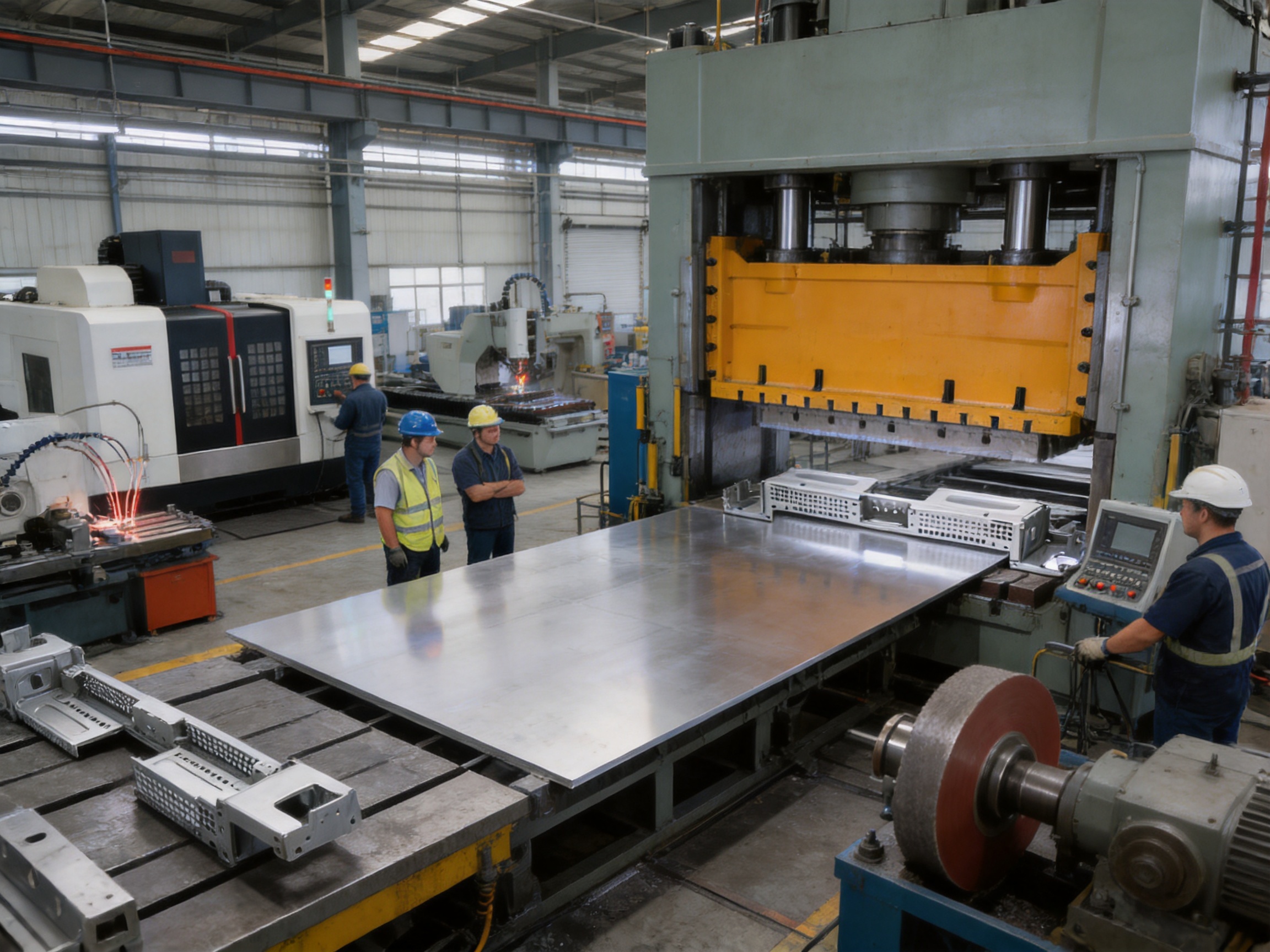
The prepared material is placed into the stamping operation according to the established production method. The available press range includes 25 punch presses from 80 tons to 400 tons. This range allows the manufacturer to match different part sizes, material thicknesses, and forming loads with suitable production equipment.
Press capacity must be selected carefully. An undersized press may not provide sufficient force or stability, while an unnecessarily large press may reduce process efficiency. The correct equipment supports controlled forming and helps protect both the die and the material. Operators monitor feeding, positioning, forming behavior, and part removal during production.
For high-volume or repeat orders, consistent operating conditions are particularly important. Stable press settings, material positioning, die maintenance, and operator procedures help reduce variation between batches. Standardized manufacturing practices create a more predictable relationship between the first production run and later deliveries.
4. Deburring and Edge Treatment
After stamping, the parts undergo deburring and edge treatment. This step removes or reduces sharp edges and unwanted material around cut features. It improves worker safety, protects cables and adjacent components, and supports a cleaner assembly result.
Edge smoothness is inspected as part of batch quality control. This is important for large computer housings because operators may handle broad panels repeatedly during assembly and maintenance. Clean edges also help the part sit correctly against neighboring panels and reduce the risk of visible or functional gaps.
5. Surface Anti-Corrosion Treatment
The finished stamped parts receive suitable surface anti-corrosion treatment according to the product requirements. This step helps protect the metal during storage, transportation, assembly, and service. Surface treatment may also support the visual uniformity expected for computer housings and industrial equipment.
The treatment process should be compatible with the selected substrate and the customer’s subsequent operations. Steel and aluminum alloy may require different preparation and protection methods. Careful coordination helps prevent surface defects, uneven coverage, or interference with later assembly processes.
6. Final Inspection and Packaging
Final inspection focuses on the characteristics that influence installation and long-term use. These include thickness uniformity, flatness, dimensional accuracy, edge smoothness, surface condition, hole position, and the presence of deformation or other visible defects.
Packaging should protect large panels and frames from scratching, bending, moisture, and impact during transportation. Proper separation and support are especially important for thin or broad components. The objective is to ensure that the product reaches the customer in the same condition in which it passed final inspection.
Quality Control and Inspection Priorities
Quality control for computer stamping parts must address both measurable dimensions and practical assembly performance. A component can appear acceptable while still creating problems if its holes are slightly misaligned, its flange angle is inconsistent, or its edges are not sufficiently smooth. Inspection therefore needs to reflect the actual requirements of the finished computer equipment.
| Inspection Area | Purpose | Customer Benefit |
| Material thickness | Confirm uniformity and consistency across the batch | Predictable strength, weight, and forming behavior |
| Flatness | Identify warping, twisting, or excessive deformation | Closer panel fit and easier assembly |
| Critical dimensions | Verify length, width, hole positions, bend locations, and clearances | Reliable integration with computer modules and frames |
| Edge smoothness | Check deburring effectiveness and handling safety | Reduced interference and protection for cables and operators |
| Surface condition | Confirm anti-corrosion treatment and visual consistency | Improved durability during storage and service |
| Batch repeatability | Compare parts across the production order | Stable production-line performance and reduced rework |
Thickness uniformity is a basic but important control point. Uneven thickness can affect mass distribution, forming behavior, and structural performance. It may also lead to variations in the fit of fastening components. Batch inspection helps identify abnormal material conditions before they influence a large number of parts.
Flatness is critical for broad panels and frames. A distorted panel may be difficult to fasten and can create gaps between the enclosure and adjacent structures. It may also place unwanted stress on the computer chassis. Controlling the forming process and checking finished flatness helps maintain a more reliable assembly condition.
Edge smoothness is directly related to both safety and functionality. A burr can cut an operator, damage a wire, or prevent two parts from sitting flush. Deburring and inspection are therefore not cosmetic steps; they are part of the product’s functional quality.
Inspection results should be connected to production improvement. If a recurring deviation is identified, the manufacturer can review the die condition, press settings, material positioning, forming sequence, or operator method. This feedback process helps improve future batches and supports a more stable long-term supplier relationship.
Advantages Compared with Less Specialized Alternatives
Computer manufacturers can obtain metal panels and frames from many general sheet-metal suppliers. However, large computer stamping parts made through an integrated stamping-die and hardware-manufacturing process offer several practical advantages over less specialized alternatives.
Better Repeatability Than Basic Fabrication
General cutting, bending, or manual fabrication can be useful for prototypes and low-volume work, but repeated production often requires greater consistency. Stamping dies establish a repeatable relationship between the material and the forming tool. Once the process is properly debugged, the same critical features can be reproduced across many parts with less manual adjustment.
This repeatability is valuable for computer production lines. When every chassis panel or frame follows the same dimensional standard, assembly equipment and operators can work more efficiently. The customer also benefits from reduced variation between production batches.
More Efficient for Repeated Production
For suitable volumes, stamping can provide faster cycle times than individual fabrication methods. A properly designed die can combine or coordinate multiple operations, reducing the number of separate manual steps. This supports more efficient production and can contribute to competitive part pricing while maintaining the required structure.
Efficiency does not mean compromising quality. The process must still include die inspection, operator control, deburring, surface treatment, and final inspection. The advantage comes from combining standardized production with appropriate quality controls.
Integrated Tooling and Part Manufacturing
Some suppliers provide only the finished metal part, while others specialize only in die production. An integrated manufacturer can coordinate both areas more effectively. Design decisions made during tooling can be evaluated against actual part performance, and production feedback can be used to improve the die.
This integrated capability also simplifies communication. The customer can discuss part geometry, die structure, material selection, stamping conditions, and quality requirements with a team that understands the complete process. Fewer handoffs can reduce misunderstanding and shorten the path from design review to stable production.
Broader Production Capacity
The company has 25 punch presses ranging from 80 tons to 400 tons, along with precision machining and grinding equipment for tooling production. This equipment base supports different component sizes and forming requirements. The availability of multiple presses also provides flexibility when coordinating production schedules or selecting equipment for a particular part.
The company’s technical organization includes 60 technical staff, senior operators, and experienced debugging personnel. This combination of equipment and personnel is important because machinery alone does not guarantee a good result. Practical experience is needed to interpret forming behavior, adjust tools, prevent recurring defects, and keep production stable.
Attention to Industrial Durability
Low-cost components may focus primarily on initial appearance or basic dimensional fit. High-end computer stamping parts are designed with the operating environment in mind. Structural rigidity, vibration resistance, surface protection, edge quality, and long-term dimensional stability are treated as connected requirements.
This approach is particularly valuable for servers, mainframes, and industrial computers that may operate continuously or under demanding conditions. A structurally reliable metal component can support the safety and serviceability of the complete equipment system.
Manufacturing Strengths and Technical Resources
Suzhou Shuangqisi Mold Equipment Co., Ltd. is a professional manufacturer integrating stamping die design, die manufacturing, hardware-part production, and service. Located in Suzhou, China, the company has 15 years of experience in the mold industry and has developed capabilities for customers requiring both tooling and stamped products.
The company operates with 60 technical staff and is equipped with imported wire cutting machines, CNC machining centers, more than ten grinding machines of different sizes, 25 punch presses ranging from 80 tons to 400 tons, and other precision machine tools. These resources support the production of stamping dies and large metal components with different dimensions and process requirements.
One important strength is the combination of design and manufacturing experience. Stamping die design affects part quality, production cost, cycle time, maintenance needs, and delivery stability. By managing design and fabrication within an integrated organization, the company can evaluate tooling decisions in relation to the actual hardware part and customer application.
Another strength is practical debugging ability. Senior operators and experienced debugging personnel can address the real-world differences that occur during trial stamping and mass production. They can examine whether a defect comes from material behavior, die clearance, press selection, positioning, forming sequence, or another process factor. This experience helps transform technical drawings into stable production results.
The company’s main clients include Anter Group, Ousheng Electric, Dongbei Group, and Huichuan Technology. Its products and molds are mainly used for servo drives, compressors, and new energy vehicles. These applications demonstrate experience with industrial hardware that requires controlled manufacturing and dependable production support. The same capabilities are relevant to large computer stamping parts, where structural accuracy and repeatability are equally important.
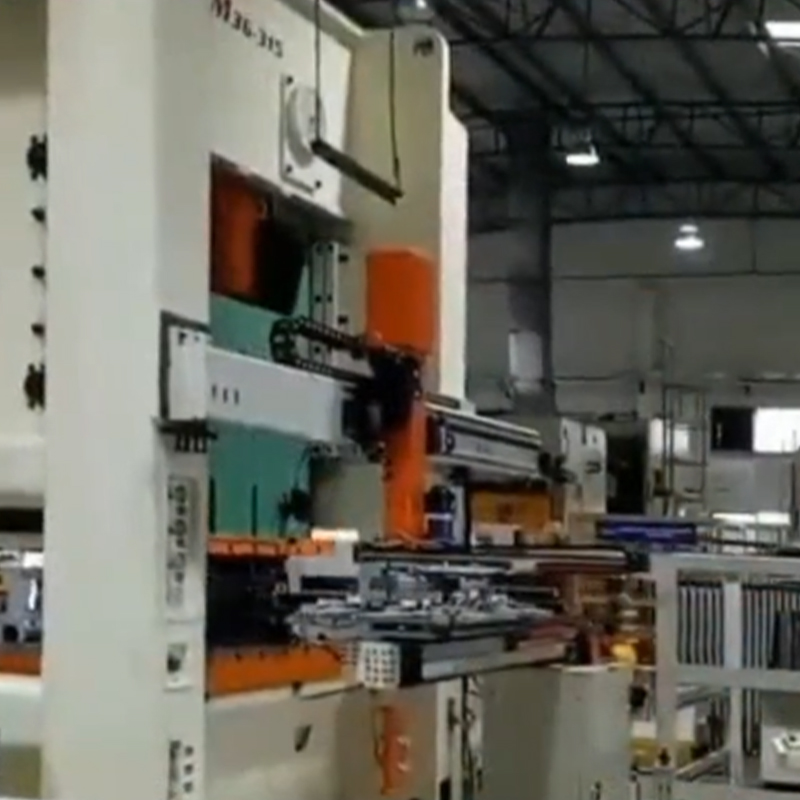
In 2016, the company invested in and established Suzhou Keshuang Intelligent Technology Co., Ltd., which mainly produces stamping automation equipment. This development expanded the organization’s ability to provide solutions beyond individual dies or parts. Customers can receive turnkey solutions involving stamping molds and stamping automation, and the company can invest in related production equipment according to customer needs.
This integrated model can be valuable for computer hardware manufacturers planning a new production line or improving an existing one. Instead of treating tooling, press operation, and automation as separate purchases, the customer can consider them as parts of one coordinated manufacturing system. The goal is to deliver cost-effective products and services while maintaining control over quality and production efficiency.
Role of Stamping Automation in Computer-Part Production
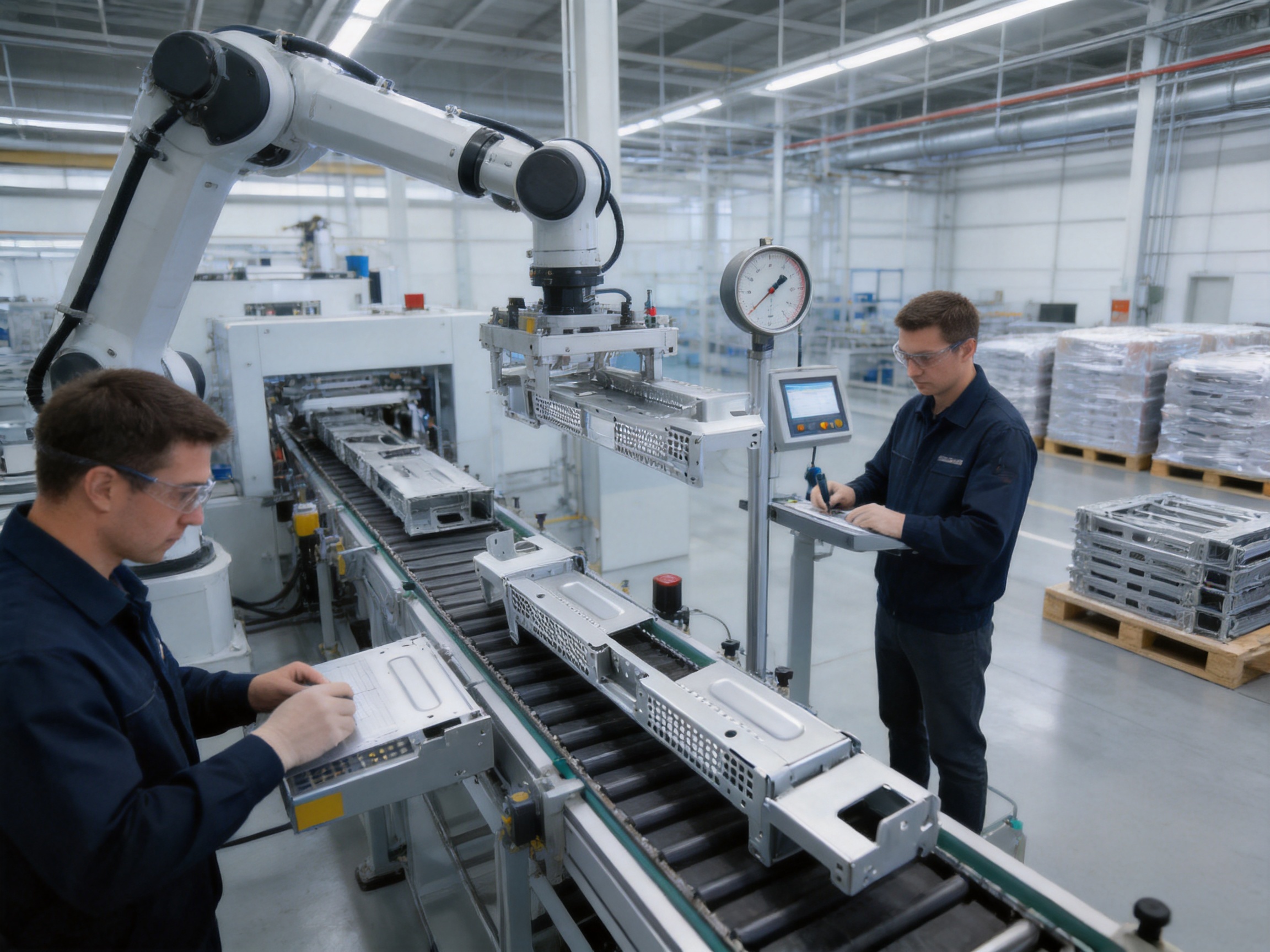
Automation can improve the consistency and efficiency of stamping operations, especially when parts are produced repeatedly. Automated feeding, transfer, positioning, and removal can reduce manual handling and help maintain a consistent process rhythm. It can also improve operator safety by limiting direct contact with the press area.
For large computer stamping parts, automation must be designed around the size, weight, shape, and surface sensitivity of the component. Broad panels can be difficult to position manually without creating scratches or misalignment. A suitable automated system can support more controlled movement between operations and reduce handling variation.
Automation is most effective when the die, press, material, and product design are coordinated. If the part geometry is not suitable for automated transfer, or if the die requires frequent manual correction, automation may not deliver its full benefit. The company’s combined experience in molds and stamping automation allows these factors to be considered together.
A turnkey approach may include die development, press selection, automation planning, debugging, and production support. This can help customers establish a more complete manufacturing solution. It also provides a path for future capacity expansion, since related equipment can be developed according to actual production requirements rather than generic assumptions.
Design Considerations for Customers
Customers planning to develop large computer stamping parts should provide complete technical information as early as possible. Product drawings should identify critical dimensions, tolerances, material grade, thickness, surface requirements, hole and slot locations, fastening methods, and expected annual or monthly volume. Three-dimensional models, assembly drawings, and samples can further improve the technical review.
It is also useful to identify which dimensions are functionally critical and which are primarily visual or non-critical. For example, a mounting hole that connects to a server rail may require tighter control than an external edge hidden inside the enclosure. Clear priority information allows the manufacturer to focus tooling and inspection resources where they provide the greatest value.
Customers should consider the complete assembly environment rather than evaluating the part alone. The component may need to align with injection-molded pieces, circuit-board brackets, cooling structures, power modules, cable guides, or neighboring sheet-metal panels. Reviewing these interfaces during the die-design stage helps prevent problems later.
Material and surface treatment should also be selected with the final operating environment in mind. A lightweight aluminum component may be preferred for handling, while a steel frame may be more suitable for high rigidity. Anti-corrosion treatment should be compatible with packaging, storage, assembly, and any additional finishing operations required by the computer manufacturer.
Finally, customers should discuss inspection standards and packaging requirements before production begins. Agreement on measurement methods, sampling frequency, acceptable edge conditions, flatness expectations, and delivery protection helps both parties maintain consistent quality expectations.
Cost Efficiency and Long-Term Value
The price of a stamped computer part is only one part of its total value. A lower unit price may not be economical if the part causes assembly delays, high rejection rates, frequent adjustments, or premature structural problems. Reliable tooling and stable production can reduce these hidden costs.
Stamping dies require an initial investment, but they can provide significant advantages over repeated manual fabrication when the production volume is appropriate. A durable die can produce consistent parts over many cycles, reduce processing time, and simplify downstream assembly. The economic benefit becomes stronger when the part design is standardized and the customer requires long-term supply.
Integrated manufacturing can also reduce coordination costs. When the same supplier manages die production, stamping, finishing, inspection, and automation support, communication can be more direct. Technical changes can be evaluated across the whole process instead of being passed between unrelated vendors.
Quality control contributes to long-term value by preventing avoidable failures. Thickness inspection, flatness checks, dimensional verification, edge inspection, and surface-treatment review all help identify problems before shipment. This protects the customer’s production schedule and supports more reliable product delivery.
For high-performance computers, structural reliability has additional value because the metal housing protects expensive electronic assemblies. A stable frame can support proper installation, service access, and equipment handling. In this context, the stamped part is not merely a low-level accessory; it is a functional component of the overall product architecture.
Recommended Supplier Evaluation Criteria
When selecting a supplier for large computer stamping parts, buyers should evaluate more than the supplier’s press tonnage. A complete assessment should include tooling design capability, material experience, precision machining resources, production capacity, inspection methods, surface treatment control, debugging experience, and after-sales support.
Tooling capability is essential because the die controls repeatability and part geometry. Buyers should determine whether the supplier can design and manufacture the die internally and whether it has the equipment required for precision machining, wire cutting, grinding, fitting, and maintenance.
Production capacity should be matched to the part and the expected order volume. A supplier with presses ranging from 80 tons to 400 tons can offer more flexibility than a supplier with only one or two press sizes. However, the equipment must be supported by capable operators and a clear production-management process.
Inspection capability should cover the characteristics that affect assembly and service. Buyers should ask how the supplier controls material thickness, flatness, critical dimensions, edge smoothness, surface protection, and batch consistency. It is also important to understand how nonconforming parts are isolated and how corrective action is implemented.
Experience in related industrial sectors can provide useful confidence. Customers supplying servo drives, compressors, new energy vehicles, and other technical products often require disciplined manufacturing and stable quality. Experience with such applications can help a supplier understand the importance of repeatability, structural performance, and delivery reliability.
Automation capability can be an additional advantage for customers planning a complete production solution. A supplier able to support both stamping dies and automation equipment may help simplify line development and improve the coordination between tooling and material handling.
Typical Benefits for Computer Manufacturers
Using high-end large computer stamping parts can provide benefits throughout the product lifecycle. During design verification, accurate samples help engineers confirm assembly relationships and enclosure structure. During mass production, repeatable geometry supports efficient installation. During service, rigid and correctly fitted structures make equipment maintenance more predictable.
The parts can also support a professional appearance. Even when the component is not visible to the end user, consistent panel alignment, smooth edges, and controlled surface condition influence the perceived quality of the computer system. For industrial equipment manufacturers, this can contribute to a stronger product presentation.
Reliable metal structures can assist in protecting internal hardware from mechanical stress. They provide mounting stability for heavy or sensitive modules and help maintain the intended relationship between components. While the stamped part is not responsible for every aspect of system performance, its structural role should not be underestimated.
For production managers, the main benefit is predictability. Predictable dimensions, predictable material behavior, predictable delivery, and predictable assembly all make it easier to plan manufacturing operations. This predictability is one of the most important differences between a professionally controlled stamping process and an inconsistent low-cost source.
Q&A
What are high-end large computer stamping parts?
They are precision-formed metal components used in large computer hardware, including server chassis, mainframe frames, industrial computer housings, support plates, cover panels, and related structural assemblies. They are typically produced from high-strength cold-rolled steel or aluminum alloy and finished through deburring and anti-corrosion treatment.
Why are these parts important for servers and industrial computers?
They provide structural support and protection for internal electronic assemblies. Their rigidity helps the equipment withstand vibration and external pressure, while their dimensional accuracy supports reliable installation of processors, storage units, power modules, cooling systems, cable structures, and other components.
Which materials are available?
The primary material options are high-strength cold-rolled steel and aluminum alloy. Steel is often selected for rigidity and stable structural support, while aluminum alloy can be considered when weight reduction and corrosion resistance are important. The final choice should be based on the design, application, thickness, forming requirements, and surface specifications.
How does stamping compare with manual sheet-metal fabrication?
For repeated production, stamping can offer better repeatability, faster processing, and more consistent critical features. A properly designed die controls hole locations, bend structures, and part geometry across the production batch. Manual fabrication can still be useful for prototypes or small quantities, but it may require more adjustment and produce greater variation in mass production.
How are burrs and sharp edges controlled?
After stamping, the parts undergo deburring and edge treatment. The finished edges are inspected for smoothness to reduce handling risks, protect cables and adjacent components, and prevent interference during assembly.
What quality characteristics are inspected?
Important inspection points include material thickness uniformity, flatness, critical dimensions, hole and slot positions, bend accuracy, edge smoothness, surface condition, and batch consistency. The exact inspection plan can be adjusted according to the customer’s drawings and assembly standards.
Can the parts be customized?
Yes. Large computer stamping parts are generally developed according to the customer’s drawings, samples, assembly requirements, material selection, thickness, tolerance, surface treatment, and production volume. Customized die design is used to produce the required geometry.
Can the supplier provide stamping dies as well as stamped parts?
Yes. The manufacturer integrates stamping die design, die manufacturing, hardware-part production, and service. This allows customers to coordinate tooling and production through one technical organization.
Is stamping automation available?
The related organization established by the company mainly produces stamping automation equipment. The company can provide turnkey solutions for stamping molds and stamping automation, and can also invest in related production equipment according to customer requirements.
What press capacity is available?
The company operates 25 punch presses ranging from 80 tons to 400 tons. The suitable press is selected according to the material, part size, thickness, forming operation, and required production conditions.
How can customers begin a project?
Customers should provide drawings or three-dimensional models, material and thickness information, tolerance requirements, surface-treatment expectations, estimated order volume, and assembly details. A technical review can then determine the tooling approach, press requirements, inspection plan, and delivery schedule.
Conclusion
High-end large computer stamping parts provide the structural foundation required by servers, mainframes, industrial computers, and other demanding electronic systems. Their value comes from the combination of strong material, accurate forming, rigid geometry, smooth edges, corrosion protection, and reliable batch consistency.
The manufacturing process begins with technical review and precision stamping die design. It continues through wire cutting, CNC machining, grinding, die fitting, press debugging, controlled stamping, deburring, surface treatment, and final inspection. Each stage contributes to the ability of the finished component to integrate smoothly into a computer production line.
Suzhou Shuangqisi Mold Equipment Co., Ltd. combines 15 years of mold-industry experience with a technical team of 60 staff, precision tooling equipment, 25 punch presses from 80 tons to 400 tons, and practical expertise in stamping production. Its integrated capabilities include stamping die design, mold manufacturing, hardware-part production, and stamping automation solutions. These strengths allow the company to address both individual component requirements and broader production-line needs.
Compared with less specialized alternatives, professionally engineered stamping parts can offer stronger repeatability, improved assembly compatibility, more stable quality, and better long-term production value. For computer manufacturers that require durable metal structures and dependable supply, a coordinated approach to materials, tooling, stamping, finishing, inspection, and automation provides a solid foundation for high-performance equipment manufacturing.
References
1. Company-provided product information for high-end large computer stamping parts.
2. Company-provided manufacturing and equipment profile for Suzhou Shuangqisi Mold Equipment Co., Ltd.
3. General principles of sheet-metal stamping, die design, forming operations, and dimensional inspection.
4. General manufacturing practices for computer chassis, server frames, and industrial electronic housings.
5. General quality-control principles for thickness uniformity, flatness, deburring, surface protection, and batch repeatability.
Product: High-end large computer stamping parts
Previous Post
No previous article
Next Post
High-End Oven Stamping Parts: Precision Components for Durable, Safe, and Efficient Oven Manufacturing
Our Products.
Start Your Business with an OEM Manufacturer Right Here!

Provide global customers with complete turn-key solutions
through
innovation!
QUICK LINKS
CONTACT INFO.
-
 +86-139 1308 8972
 -

-
 No. 118 Yexin Road, Wujiang Economic Development Zone, Suzhou, China
Copyright © Suzhou Shuangqisi Mold Equipment Co., Ltd. All Rights Reserved. Custom Stamping Die Metal Stamping Die Manufacturers
