 English
 Español
 Deutsch
-
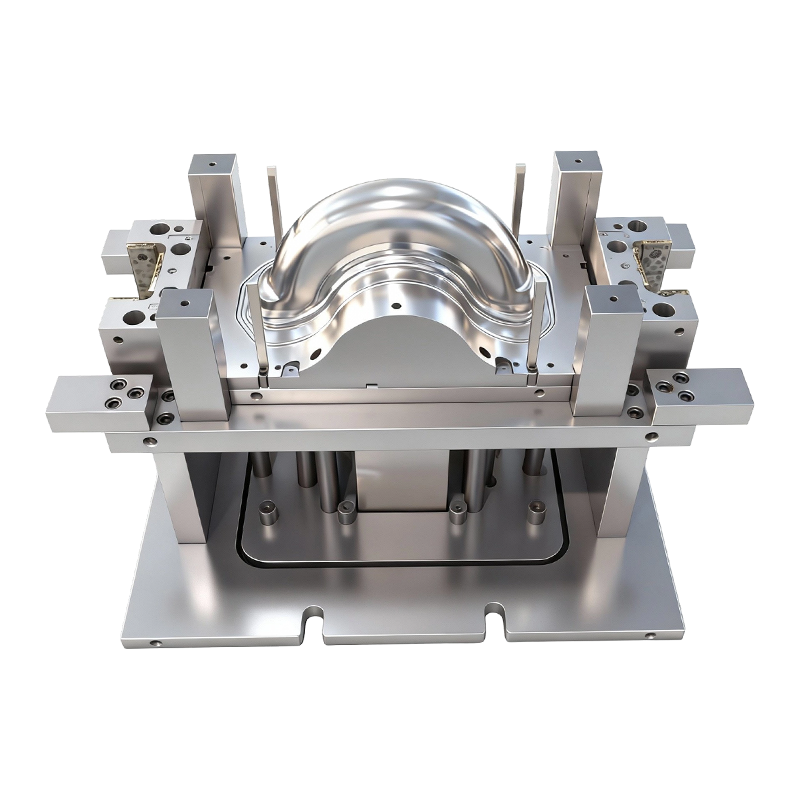
Deep drawing mold for front and rear wheels of two-wheeled electric vehicles
This Deep drawing mold for front and rear wheels o...
-
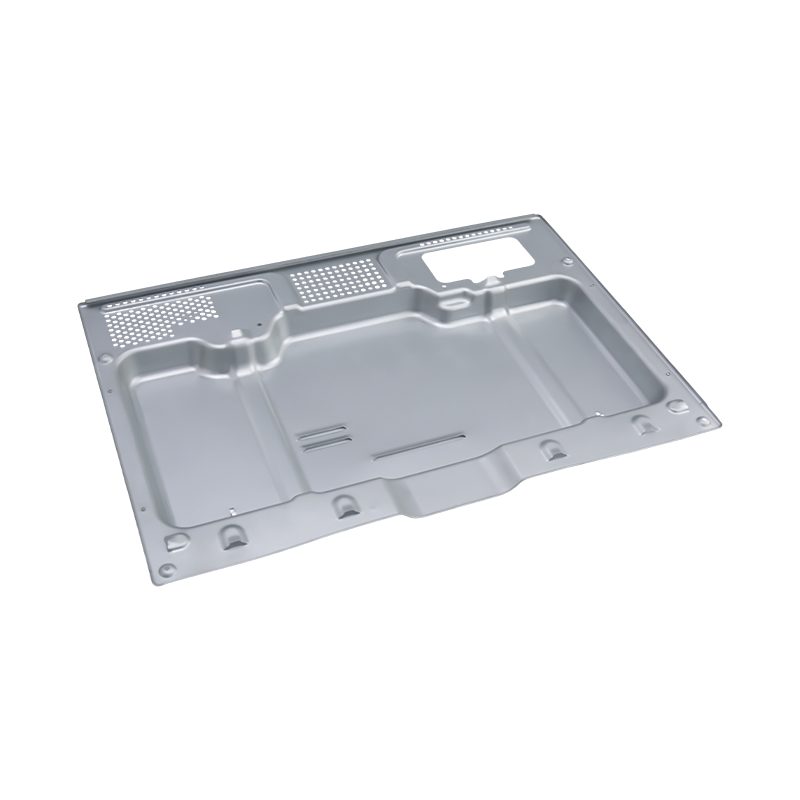
High-end oven stamping parts
Our High-end oven stamping parts are precision-man...
-
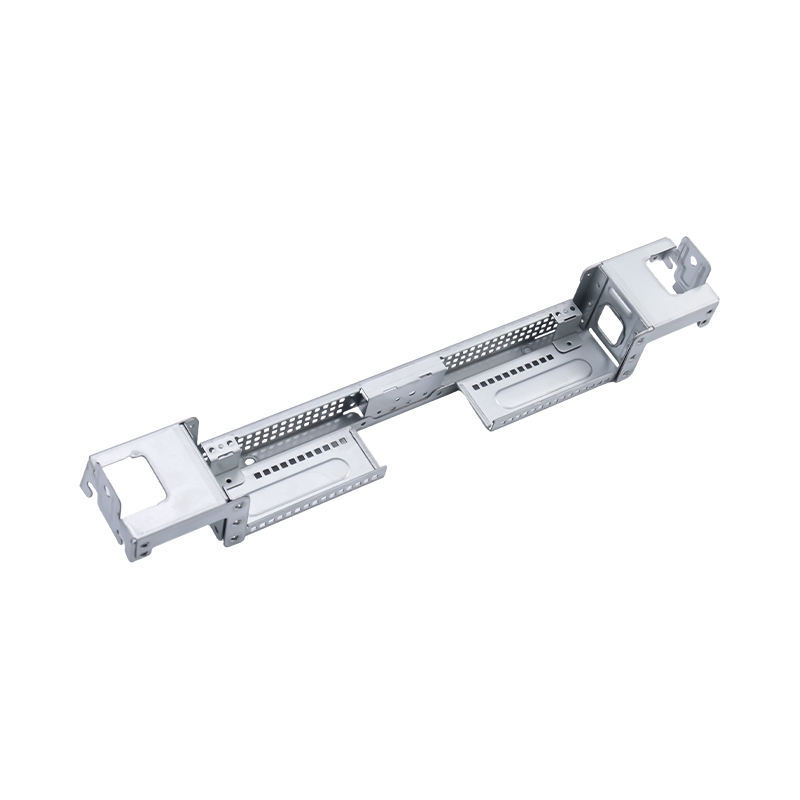
High-end large computer stamping parts
Our High-end large computer stamping parts are pre...
-
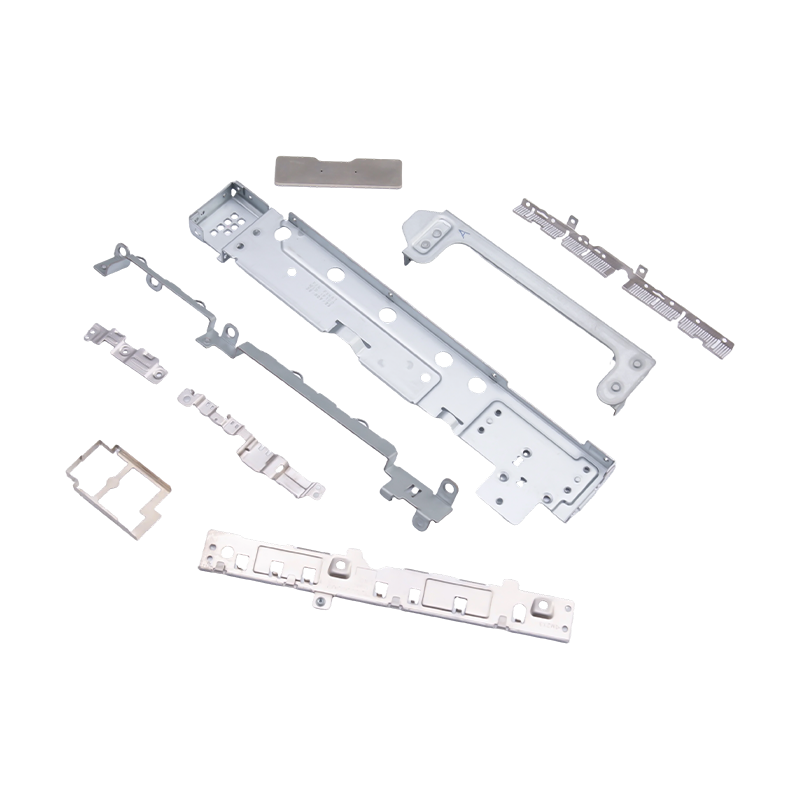
Small stamped parts for laptops and mobile phones
As essential internal components for modern portab...
-
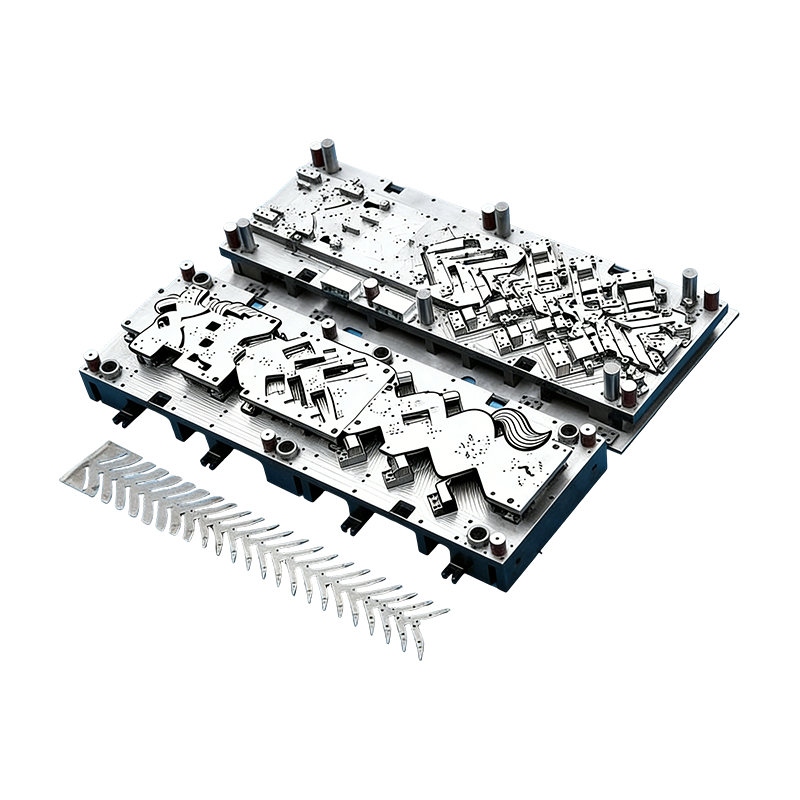
Progressive molds for automotive parts
This Continuous mold for automotive motor housing ...
- E-mail us: [email protected]
- Call us: +86-139 1308 8972

Wang Xinyue – After-Sales Support Supervisor
Home / Author / Wang Xinyue – After-Sales Support Supervisor / High-End Large Computer Stamping Parts: Precision, Strength, and Reliable Production for Advanced Hardware
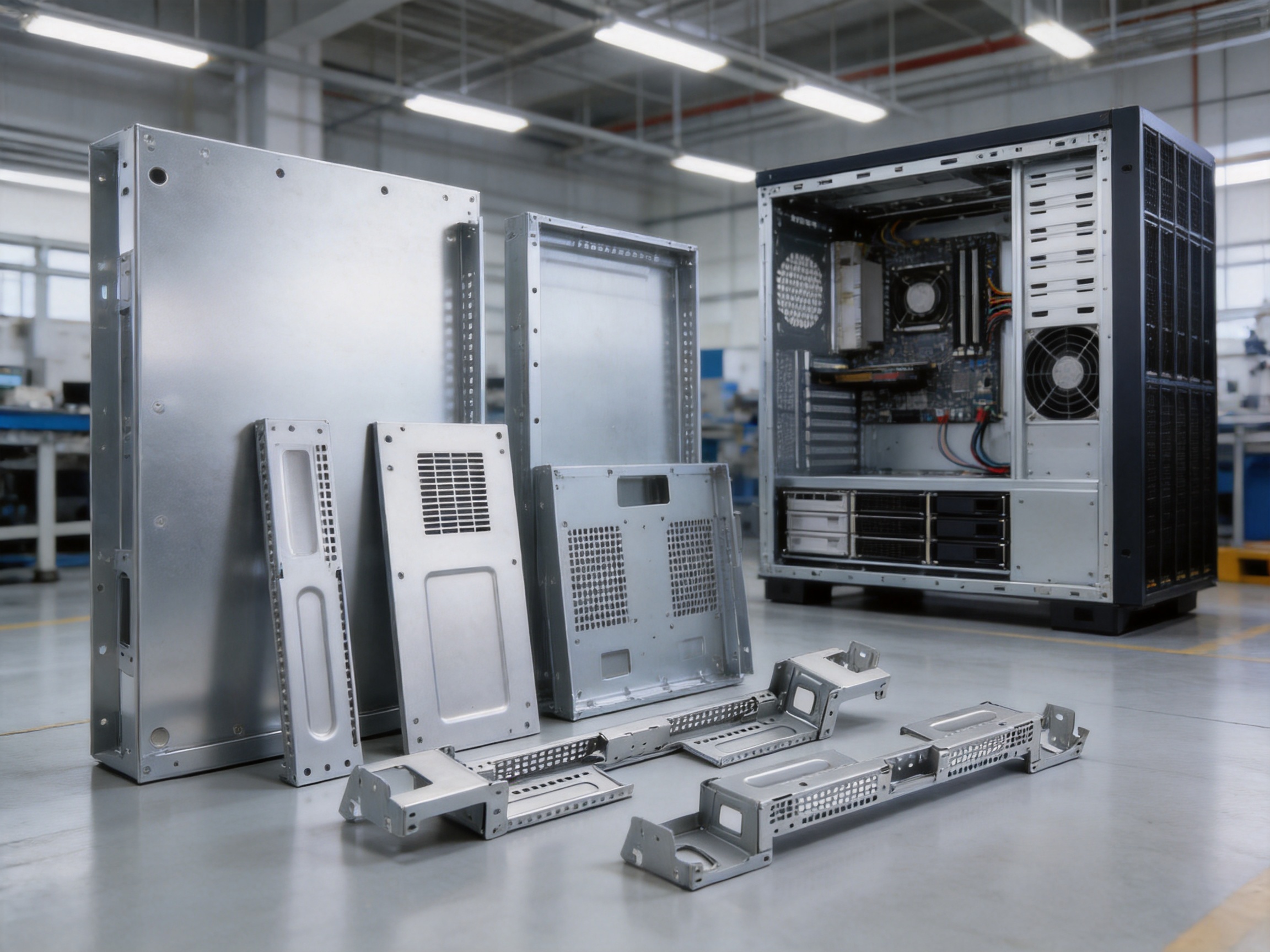
High-End Large Computer Stamping Parts: Precision, Strength, and Reliable Production for Advanced Hardware
2026-08-19
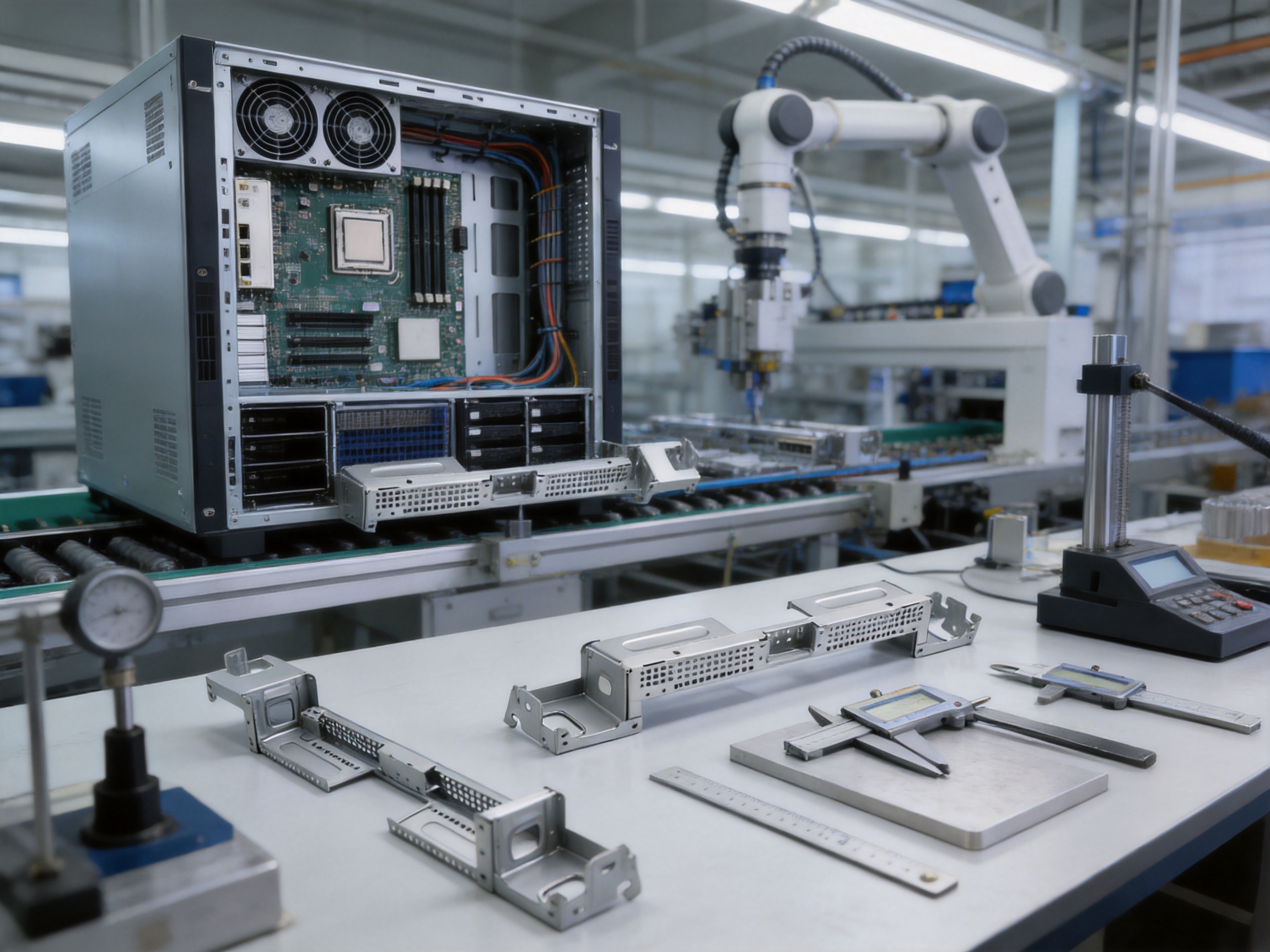
High-end large computer stamping parts are essential structural components for modern server systems, mainframes, industrial computers, storage equipment, and other demanding electronic hardware. Although these parts are often hidden inside the finished product, their influence on equipment performance is considerable. A stamped chassis panel, frame member, mounting plate, or housing component must support internal assemblies, maintain dimensional stability, resist vibration, protect sensitive electronics, and allow fast, accurate integration during production.
As computer equipment becomes more powerful, compact, and continuously operational, the requirements for structural parts have increased. Large computer enclosures must accommodate heavier processors, expanded storage systems, advanced cooling assemblies, power modules, cable-management structures, and high-density circuit boards. These requirements place greater demands on material selection, forming accuracy, edge quality, surface protection, and production consistency.
High-end large computer stamping parts are designed to meet these requirements through controlled stamping, precision tooling, deburring, inspection, and surface treatment. Manufactured from high-strength cold-rolled steel or aluminum alloy, these components combine structural rigidity with practical production efficiency. They are suitable for computer hardware manufacturers that require dependable parts in stable batches and need components that can be integrated into automated or standardized assembly lines.
Content
- 1 1. The Importance of Structural Stamping Parts in Computer Hardware
- 2 2. Product Overview and Application Scope
- 3 3. Core Advantages of High-End Large Computer Stamping Parts
- 4 4. Advanced Manufacturing Process
- 5 5. Manufacturing Equipment and Technical Capability
- 6 6. Advantages Compared with Less Specialized Suppliers
- 7 7. Material Selection for Computer Stamping Components
- 8 8. Design Considerations for Large Computer Stamping Parts
- 9 9. Quality Assurance and Reliability
- 10 10. Applications in Advanced Computer Manufacturing
- 11 11. Customer Benefits of Working with an Integrated Manufacturer
- 12 12. Production Efficiency and Stamping Automation
- 13 13. Why Process Consistency Matters in Computer Hardware
- 14 14. Cooperation Process for Customized Projects
- 15 15. Packaging, Handling, and Delivery Considerations
- 16 16. Long-Term Value for Equipment Manufacturers
- 17 17. Technical Strengths of the Manufacturing Partner
- 18 18. Frequently Asked Questions
- 18.1 Q1: What are high-end large computer stamping parts used for?
- 18.2 Q2: Which materials are available for these components?
- 18.3 Q3: Why is flatness important for large computer panels?
- 18.4 Q4: How are sharp edges and burrs controlled?
- 18.5 Q5: How does anti-corrosion treatment benefit computer equipment?
- 18.6 Q6: What inspection items are important for these parts?
- 18.7 Q7: Can the manufacturer produce custom stamping dies?
- 18.8 Q8: What press capacity is available?
- 18.9 Q9: Can the company provide stamping automation equipment?
- 18.10 Q10: What information should a customer provide for a quotation?
- 18.11 Q11: Are these components suitable for automated assembly lines?
- 18.12 Q12: What makes an integrated supplier advantageous?
- 19 19. Conclusion
- 20 References
- 21 Product: High-end large computer stamping parts
1. The Importance of Structural Stamping Parts in Computer Hardware
Computer equipment depends on more than electronic components. Processors, memory modules, circuit boards, storage drives, power supplies, fans, and communication modules all require a reliable mechanical structure. The enclosure and internal frame must hold these components in the correct position while protecting them from external pressure, vibration, dust, accidental contact, and installation stress.
Large computer stamping parts provide the mechanical foundation for these systems. They may be used as chassis panels, supporting brackets, internal partitions, mounting plates, frame sections, reinforcement members, drive-bay components, shielding pieces, and housing shells. Their geometry is generally developed according to the equipment’s electrical architecture, cooling requirements, installation process, and service-access needs.
A small dimensional error can create significant assembly problems. If a mounting hole is misaligned, a circuit board may not sit correctly. If a panel is not flat, the enclosure may develop visible gaps. If an edge is not properly deburred, it may damage cables, injure operators, or interfere with neighboring parts. If the material thickness varies excessively, the finished chassis may lack uniform rigidity or fail to meet design expectations.
For this reason, computer stamping components must be manufactured with attention to both individual part quality and system-level compatibility. The part must perform correctly on its own and must also cooperate with the customer’s welding, riveting, fastening, painting, assembly, and inspection processes.
2. Product Overview and Application Scope
The high-end large computer stamping parts described in this article are precision-engineered components for core computer hardware. Their principal application areas include server chassis, mainframe frames, industrial computer housings, large equipment cabinets, electronic control enclosures, and related structural assemblies.
Depending on the customer’s design, the components may be produced as flat panels, formed covers, deep structural sections, multi-bend brackets, internal support plates, or assembled frame elements. The final geometry can include openings for ventilation, mounting holes for circuit boards, slots for connectors, flanges for fastening, locating features for assembly, and reinforcement ribs for improved stiffness.
The product category is suitable for both visible and internal applications. Visible panels require clean surfaces, consistent edges, and reliable dimensional appearance. Internal components require accurate interfaces, robust mechanical performance, and repeatable fit. In either case, precision stamping provides an efficient method for producing consistent shapes at commercial scale.
The components are manufactured primarily from high-strength cold-rolled steel or aluminum alloy. Cold-rolled steel provides high rigidity, dependable forming performance, and good suitability for protective coating. Aluminum alloy offers lower weight, corrosion resistance, and favorable thermal characteristics. The final material selection depends on the required strength, weight, conductivity, surface finish, operating environment, and cost target.
| Product characteristic | Value for computer manufacturers | Typical application benefit |
|---|---|---|
| High dimensional accuracy | Improves assembly consistency | Reliable fit for panels, boards, frames, and mounting systems |
| Rigid formed structure | Supports heavy and sensitive internal equipment | Reduces deformation caused by vibration or external pressure |
| Cold-rolled steel option | Provides strength and stable forming performance | Suitable for chassis frames and load-bearing structures |
| Aluminum alloy option | Reduces weight and supports corrosion resistance | Useful for portable, thermally sensitive, or premium equipment |
| Deburred edges | Improves operator safety and cable protection | Reduces interference during wiring and assembly |
| Anti-corrosion surface treatment | Extends service reliability | Supports long-term operation in demanding environments |
| Batch inspection | Controls production consistency | Helps maintain stable quality across repeated orders |
3. Core Advantages of High-End Large Computer Stamping Parts
3.1 Strong Structural Performance
Computer housings and frames must remain stable throughout their operating life. High-end large stamping parts use carefully selected sheet materials and formed geometries to achieve a strong ratio between weight and rigidity. Strategic bends, flanges, ribs, and folded sections can increase stiffness without requiring excessive material thickness.
This rigid structure is important for equipment exposed to continuous vibration. Servers, industrial computers, and mainframes may operate for extended periods with cooling fans, rotating storage devices, power modules, and other components running continuously. A weak or poorly formed enclosure can gradually experience deformation, loose connections, rattling, or misalignment. A properly designed stamped structure helps maintain the position of internal components and reduces the risk of mechanical instability.
High-strength cold-rolled steel is especially suitable when the enclosure must support considerable weight or resist external pressure. Aluminum alloy can provide an attractive alternative when reduced mass, corrosion resistance, or improved heat-management characteristics are priorities. The availability of both materials enables the structure to be matched to the equipment’s operating requirements rather than forcing every project into one material solution.
3.2 Accurate Dimensions and Flatness
Dimensional accuracy is one of the most important advantages of precision stamping. Large panels and frames must remain within controlled dimensional limits so that they can be installed without excessive adjustment. Accurate forming also helps ensure that holes, slots, bends, and mounting surfaces align with the customer’s complete system design.
Flatness is particularly important for computer chassis panels and equipment housings. A panel that is not sufficiently flat may create assembly gaps, uneven contact, poor visual appearance, or interference with adjacent components. In some applications, distortion can also affect electromagnetic shielding, airflow paths, grounding connections, and the positioning of cooling assemblies.
Through suitable die design, press selection, forming-sequence planning, and process control, large stamped components can be produced with repeatable geometry. The objective is not merely to make one acceptable sample, but to maintain consistent results across the entire production batch.
3.3 Smooth and Safe Edges
Stamped sheet metal can produce sharp edges, burrs, or minor surface irregularities if the tooling and finishing process are not properly controlled. These defects may cause safety concerns, damage wires, scratch painted surfaces, or complicate final assembly.
Deburring is therefore an essential step in the manufacturing process. It improves edge smoothness and supports safer handling by production workers. Smooth edges also reduce the possibility of cable insulation being cut during installation or service. For large computer hardware, where many cables and harnesses pass through narrow spaces, edge quality is a practical performance requirement rather than merely a cosmetic preference.
3.4 Anti-Corrosion Protection
Computer equipment may be installed in factories, communication rooms, data centers, control rooms, workshops, and other environments with varying humidity and contamination levels. Even when the equipment is indoors, long service life requires protection against corrosion.
Surface anti-corrosion treatment helps preserve the appearance and mechanical integrity of stamped parts. It can also improve the adhesion and durability of subsequent coatings, depending on the customer’s finishing system. A controlled surface-treatment process reduces the risk of premature oxidation and supports more stable performance during storage, transportation, assembly, and operation.
The appropriate treatment can be selected according to the material, application, appearance requirements, environmental exposure, and downstream coating process. The important principle is that surface protection must be considered as part of the total manufacturing process rather than as an isolated final activity.
3.5 Efficient Integration into Production Lines
Large computer manufacturers often operate standardized assembly lines where components must arrive in a predictable and usable condition. Parts with inconsistent dimensions, incomplete deburring, or uncertain surface quality can interrupt production and create hidden costs through rework and sorting.
High-end stamped parts are designed for quick integration. Consistent mounting features, controlled edges, stable flatness, and uniform thickness allow operators and automated equipment to handle components more efficiently. When the parts are produced according to the customer’s drawings and process requirements, they can be integrated into fastening, riveting, welding, painting, and final assembly operations with fewer adjustments.
This production compatibility is one of the major advantages of working with a supplier capable of both die manufacturing and stamping production. The tooling, process, and part quality can be considered together, which supports more reliable transition from design to mass production.
High-end large computer stamping parts
4. Advanced Manufacturing Process
4.1 Design and Engineering Review
Manufacturing begins with a detailed review of the component design. The engineering team evaluates the material, thickness, overall size, bend locations, hole patterns, tolerances, surface requirements, and intended assembly method. For large computer parts, the review also considers the relationship between the stamped component and the complete chassis or frame.
At this stage, engineers identify potential forming challenges. These may include excessive bending stress, material deformation, springback, narrow flanges, closely spaced holes, large unsupported flat areas, and uneven load distribution. Early identification of these issues helps prevent problems later in die construction and production.
Design-for-manufacturing analysis can also help determine whether a component should be produced in one forming operation or through several progressive or sequential operations. The decision depends on part size, material behavior, production quantity, available press capacity, dimensional requirements, and the customer’s assembly process.
4.2 Precision Stamping Die Development
The die is the central tool used to convert sheet material into the required component. Its quality directly affects dimensional accuracy, surface condition, edge quality, and production stability. A properly designed die must guide the material correctly, control forming forces, maintain alignment, and withstand repeated production cycles.
Die development may include blanking, piercing, bending, forming, flanging, and other operations. Each operation must be arranged so that the material is supported and controlled throughout the process. For a large computer panel, the die must also limit warping and preserve the flatness of broad surfaces.
The manufacturer’s equipment includes imported wire-cutting machines, CNC machining centers, and more than ten grinding machines of different sizes. These resources support the preparation of accurate die components, guide elements, inserts, cutting edges, forming surfaces, and precision-finished interfaces.
Wire cutting is useful for producing detailed profiles and accurately shaped die elements. CNC machining centers support the production of complex cavities, mounting surfaces, and structural die components. Grinding machines help achieve the surface finish and dimensional precision needed for reliable die operation. Together, these capabilities allow tooling work to be managed with greater internal control.
4.3 Material Preparation
Material preparation is a vital part of producing reliable stamped components. High-strength cold-rolled steel and aluminum alloy must be selected according to the product’s mechanical and environmental requirements. The sheet should be checked for thickness consistency, surface condition, flatness, and suitability for the planned forming operations.
Material thickness uniformity affects forming behavior and final assembly. If the thickness varies significantly, the part may show inconsistent bending, uneven rigidity, or changes in hole and edge quality. Proper material control helps maintain stable results across a complete production batch.
Material handling is also important for large panels. Scratches, dents, and contamination can become visible on finished surfaces or interfere with coating. Careful storage, transport, and feeding procedures reduce the risk of damage before the stamping operation begins.
4.4 Stamping and Forming
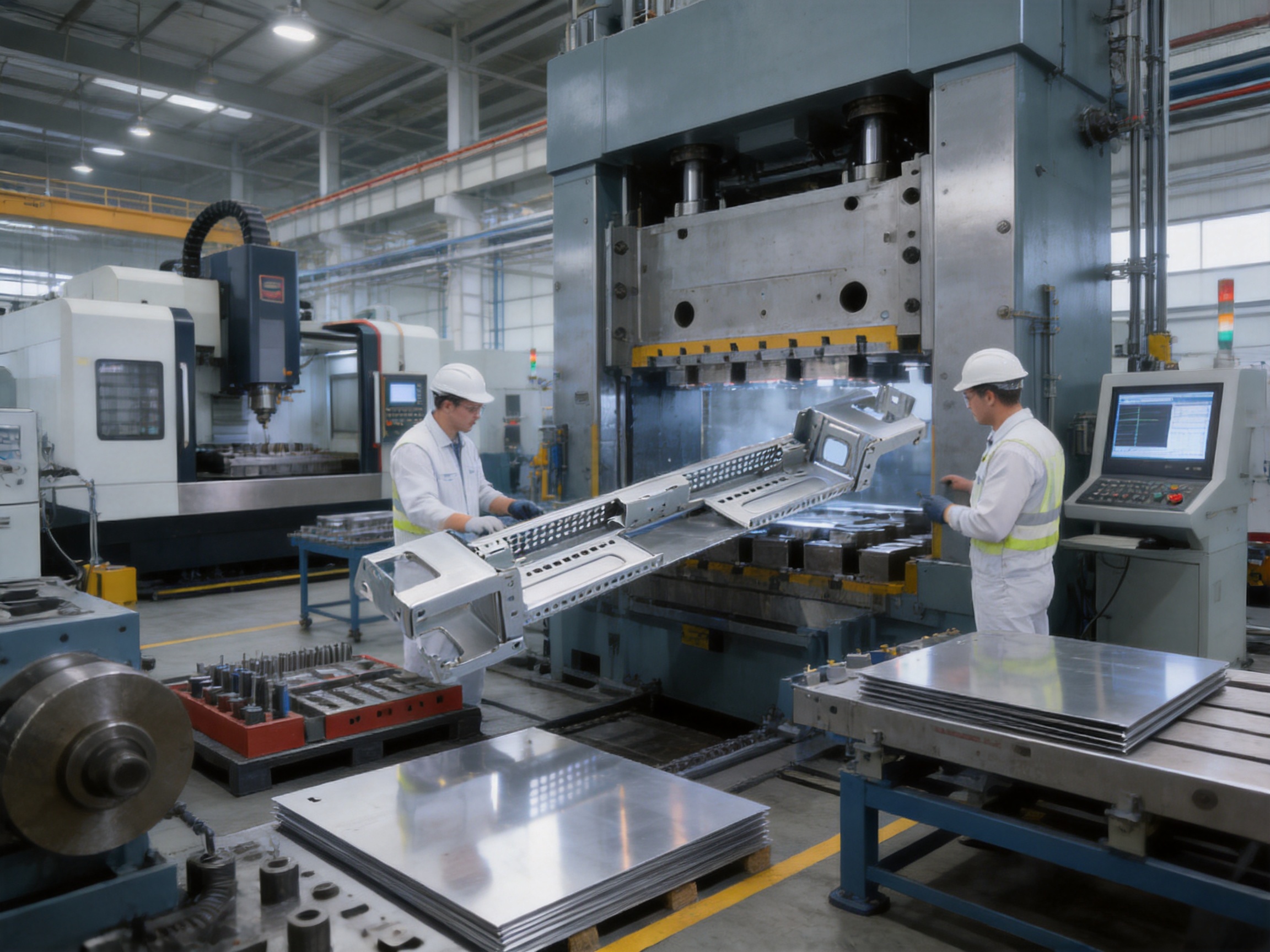
The company operates 25 punch presses ranging from 80 tons to 400 tons. This press range provides flexibility for producing different sizes and structures of stamping parts. Smaller or less complex components can be matched with suitable lower-capacity equipment, while larger computer panels, frame members, and stronger materials may require higher press capacity.
Press selection must consider more than nominal tonnage. Engineers also evaluate the projected forming area, material strength, die dimensions, stroke requirements, feeding method, forming sequence, and desired production rate. Matching the press to the die and part reduces unnecessary stress on the tooling and helps improve process stability.
During stamping, the sheet is cut, pierced, bent, or formed according to the die design. The process must maintain appropriate clearance, pressure, alignment, and material flow. Excessive force can damage the material or shorten die life, while insufficient control may result in incomplete forming, distortion, or dimensional variation.
Large computer stamping parts often include several functional features in one component. A chassis panel may require ventilation openings, fastening holes, cable passages, folded edges, locating points, and reinforcement areas. The stamping sequence must be organized so that the formation of one feature does not compromise another.
4.5 Deburring and Edge Finishing
After stamping, the parts undergo deburring and edge finishing. This operation removes unwanted burrs and sharp projections created during cutting or piercing. The degree of finishing depends on the part geometry, material, customer requirements, and contact with operators or cables.
Deburring must be controlled carefully. Excessive removal may alter the intended geometry or reduce the edge’s functional effectiveness. Insufficient removal may leave safety or assembly problems. A balanced process delivers smooth edges while preserving the dimensional integrity of the component.
Edge inspection is especially important for large computer housings because these parts often include long perimeter edges, internal openings, and cable-routing features. Consistent edge quality supports safer assembly and improves the finished appearance of the computer equipment.
4.6 Surface Anti-Corrosion Treatment
After deburring and cleaning, the stamped components receive surface anti-corrosion treatment according to the product requirements. The treatment helps protect the material during storage, transport, assembly, and long-term use. It also supports a consistent surface condition for downstream painting or finishing where required.
Surface treatment must be compatible with the selected material. Steel and aluminum alloys have different chemical and physical characteristics, so the process should be controlled to avoid poor adhesion, uneven appearance, or unwanted reactions. Cleaning before treatment is equally important because oil, dust, and residue can reduce the effectiveness of the protective layer.
A well-controlled surface process contributes to both durability and customer confidence. It reduces the probability that parts will arrive with early corrosion or develop surface deterioration during normal indoor operation.
4.7 Inspection and Batch Control
Inspection is performed throughout production rather than only at the end. In-process checks can identify die wear, material movement, forming variation, or surface problems before a large number of parts are produced. Final checks confirm that the completed batch meets the agreed technical requirements.
Important inspection points include material thickness uniformity, overall dimensions, hole positions, bend angles, flatness, edge smoothness, surface condition, and visible defects. The inspection method may include measuring tools, gauges, templates, visual examination, and customer-specific inspection procedures.
Batch control is particularly valuable for computer hardware manufacturers that use repeated assemblies. Consistent parts reduce the need for line-side adjustment and help maintain predictable production output. When quality records are retained, production teams can also trace results and respond more efficiently to future improvement requirements.
5. Manufacturing Equipment and Technical Capability
The production capability behind a stamping part is a major factor in product reliability. Suzhou Shuangqisi Mold Equipment Co., Ltd. combines die design, die manufacturing, stamping production, and automation capability. This integrated structure enables the company to coordinate tooling and part production instead of treating them as unrelated services.
The company has 60 technical staff and operates imported wire-cutting machines, CNC machining centers, more than ten grinding machines of various sizes, 25 punch presses from 80 tons to 400 tons, and other precision machine tools. This equipment base supports different manufacturing stages, from die component preparation to final stamping and finishing.
| Capability | Manufacturing role | Relevance to large computer parts |
|---|---|---|
| Imported wire-cutting machines | Produces accurate profiles and die details | Supports precise cutting edges, inserts, and complex tool geometry |
| CNC machining centers | Machines complex die structures and functional surfaces | Improves tooling accuracy and repeatability |
| Grinding machines | Finishes precision surfaces and components | Supports die alignment, surface quality, and dimensional stability |
| 80T–400T punch presses | Forms components across a broad size and strength range | Provides production flexibility for panels, brackets, and frames |
| Experienced operators | Controls setup, forming, and production details | Helps maintain stable quality during complex stamping work |
| Debugging personnel | Adjusts tooling and resolves process issues | Reduces trial-production delays and improves die performance |
Equipment alone does not guarantee quality. The experience of operators, engineers, and debugging personnel is equally important. Experienced personnel can recognize early signs of uneven material flow, abnormal press noise, die wear, excessive burrs, or dimensional drift. Their practical knowledge helps convert equipment capability into stable production results.
The company’s technical team has approximately 15 years of experience in the mold industry. This accumulated experience supports the development of stamping tools and components for varied customer requirements, including products associated with servo drives, compressors, new energy vehicles, and other industrial applications. Experience across these demanding sectors can contribute to disciplined manufacturing practices for electronic hardware components.
6. Advantages Compared with Less Specialized Suppliers
6.1 Integrated Die and Part Manufacturing
One of the most important competitive advantages is the integration of mold-making and stamping production. A supplier that only stamps parts may depend on external tooling sources, which can create communication delays and make process changes more difficult. When the die manufacturer and stamping producer are part of the same technical organization, design feedback can move more quickly between departments.
This integration is useful when a computer chassis component requires a tooling adjustment. If a flange needs a dimensional correction, a hole position must be modified, or a forming sequence needs improvement, the die and production teams can evaluate the issue together. The result can be a more efficient correction process and better control over the final part.
6.2 Broader Press Capacity
A broad press range allows the supplier to match equipment to the part rather than using an unsuitable machine for every order. The 80-ton to 400-ton capacity range supports different material strengths, component sizes, and forming requirements.
Compared with a supplier that has only one or two press sizes, a broader equipment range may offer greater flexibility in production planning. It can also reduce the risk of forcing a large component onto an undersized press or using excessive capacity for a smaller part. Proper equipment matching supports tooling life, dimensional stability, and production efficiency.
6.3 Better Control of Large Flat Components
Large computer panels are more difficult to keep flat than small brackets because broad surfaces can experience stress release and deformation during cutting and forming. A specialized stamping process considers the material condition, die support, forming sequence, blank layout, and post-stamping handling.
The company’s experience in mold manufacturing and industrial stamping provides a foundation for addressing these challenges. By controlling the die structure and process parameters, the manufacturer can focus on flatness, edge alignment, and assembly compatibility rather than treating the part as a simple sheet-metal item.
6.4 Quality Control from Tooling to Finished Part
Less specialized suppliers may inspect only the final component. A stronger approach evaluates the entire production chain. Tooling accuracy, material condition, press setup, forming results, deburring, surface treatment, and final inspection all influence the result.
Integrated quality control makes it easier to identify the source of a problem. For example, inconsistent hole positions may originate from die alignment, material movement, press setup, or tool wear. A manufacturer with internal technical and debugging resources can investigate these causes more directly.
6.5 Turnkey Solutions and Automation Support
In addition to stamping dies and parts, the company can provide stamping automation equipment through its related intelligent technology operation. This creates an opportunity for customers to obtain a broader solution covering tooling, production equipment, and process integration.
Automation can improve material handling, feeding, transfer, positioning, and production consistency. It may also reduce manual handling of large panels and improve workplace efficiency. For customers developing or upgrading a computer hardware production line, the ability to discuss stamping parts and automation with connected technical teams can simplify project coordination.
7. Material Selection for Computer Stamping Components
7.1 High-Strength Cold-Rolled Steel
High-strength cold-rolled steel is a practical choice for load-bearing frames, chassis structures, internal supports, and equipment housings that require rigidity. Its mechanical strength helps the finished part resist bending and external pressure. It is also suitable for many standard stamping operations when the die and forming parameters are correctly designed.
Steel components can provide a solid, stable foundation for heavy equipment. They are often appropriate for stationary servers, industrial computers, control cabinets, and mainframe structures where low weight is less important than strength and structural stability.
Surface protection is important for steel because exposed or poorly protected areas may be vulnerable to oxidation. Cleaning, deburring, and anti-corrosion treatment should therefore be treated as essential parts of production.
7.2 Aluminum Alloy
Aluminum alloy is useful when weight reduction, corrosion resistance, or thermal considerations are important. A lighter housing can simplify equipment handling, installation, and service. It may also support applications where the total system weight must be controlled.
Aluminum alloy has different forming behavior from steel. Its strength, ductility, springback, surface sensitivity, and response to tooling must be considered during die design. Proper process planning helps prevent scratches, distortion, cracking, and dimensional variation.
For premium industrial computers, mobile equipment, compact data systems, and specialized electronic housings, aluminum may offer a strong balance between mechanical performance and weight. The final selection should be based on the complete product environment rather than on material price alone.
7.3 Selecting the Right Material
Material selection should consider the following factors: required structural rigidity, component size, operating vibration, external pressure, corrosion exposure, heat dissipation, electrical grounding, surface appearance, assembly method, total weight, production quantity, and budget.
A supplier with experience in both steel and aluminum stamping can help customers compare these factors during the engineering stage. The objective is to select a material that performs reliably while remaining practical to form, finish, inspect, transport, and assemble.
8. Design Considerations for Large Computer Stamping Parts
8.1 Flatness and Stress Management
Large flat areas should be evaluated carefully because they are vulnerable to warping. Designers may introduce suitable bends, flanges, beads, or reinforcement features to improve stiffness and reduce deformation. The forming sequence should also be considered early, since the order of cutting and bending affects the final shape.
When a broad panel must remain visually flat, the die should provide adequate support during forming. Material selection, blank size, press settings, and handling after stamping also influence results. A coordinated design approach reduces the risk of relying on post-production correction.
8.2 Mounting Holes and Locating Features
Mounting holes must correspond accurately with circuit boards, power supplies, fans, storage devices, rails, and external panels. Locating holes or reference edges may be included to make assembly faster and more repeatable.
Hole-to-edge distance, hole spacing, burr direction, and the relationship between holes and bends should be reviewed during die design. Features placed too close to a bend may distort during forming. Proper design review helps prevent interference and supports reliable downstream fastening.
8.3 Ventilation and Cable Openings
Modern computers require effective airflow. Stamped panels may include ventilation openings, mesh-support areas, fan cutouts, and airflow channels. These openings must provide the required function without weakening the panel excessively.
Cable openings also require smooth edges and appropriate positioning. The geometry should allow cables to pass without sharp bends or abrasion. Deburring and edge finishing are particularly important around these openings because they are frequently contacted during installation and maintenance.
8.4 Assembly and Service Requirements
A computer housing must not only be strong; it must also be practical to assemble and service. Removable panels, access openings, fastener locations, grounding points, and internal supports should be designed with the production and maintenance process in mind.
Stamped parts with accurate flanges and locating features can reduce assembly time. Consistent geometry can also improve interchangeability, allowing replacement panels or brackets to fit without extensive adjustment.
8.5 Surface and Appearance Requirements
Visible computer panels often require a clean, uniform surface before painting, powder coating, plating, or another finishing operation. Surface scratches, dents, excessive tool marks, and uneven edges can affect the final appearance.
The required appearance level should be discussed before production. Internal supports may prioritize function, while external panels may require stricter cosmetic control. Clear requirements help the manufacturer establish suitable handling, inspection, and finishing procedures.
9. Quality Assurance and Reliability
Quality assurance for high-end computer stamping parts involves more than checking whether the component matches a drawing. The part must also be suitable for repeated assembly, long-term operation, transportation, storage, and interaction with other materials.
Thickness uniformity is an important inspection item. Consistent thickness supports predictable rigidity and forming behavior. It also helps maintain stable weight, fastening performance, and surface treatment results from batch to batch.
Flatness inspection is essential for panels and housing sections. A flatness check can identify warping that may not be obvious when the component is viewed casually. Depending on the product, gauges, reference surfaces, measuring tools, or customer-approved inspection fixtures may be used.
Edge smoothness checks confirm that deburring has been completed effectively. The inspection should cover external edges, internal openings, slots, holes, and areas that may contact wires or operators.
Dimensional inspection verifies the overall length, width, height, bend position, hole pattern, flange size, and other critical features. The most important dimensions are those that affect assembly, alignment, safety, sealing, grounding, airflow, or structural performance.
Surface inspection evaluates scratches, dents, contamination, corrosion, coating irregularities, and other visible conditions. A well-organized inspection process helps separate functional requirements from cosmetic requirements and ensures that both are addressed appropriately.
10. Applications in Advanced Computer Manufacturing
10.1 Server Chassis
Server chassis must support multiple storage devices, processors, memory modules, power supplies, cooling fans, expansion cards, and cable systems. Their frames and panels require accurate mounting features and strong structural performance.
High-end stamping parts can be used for server covers, internal frame members, drive supports, power-supply brackets, fan partitions, motherboard trays, and reinforcement sections. The parts must maintain their shape during transportation, rack installation, and continuous operation.
10.2 Mainframe Frames
Mainframe systems typically involve large structures with many internal modules and extensive cabling. Their frames must support organized installation and allow service access. Dimensional stability is vital because numerous components depend on shared reference points.
Stamped frame parts can provide repeatable structural sections with integrated bends, holes, and mounting interfaces. Their consistent geometry supports modular assembly and helps reduce the need for manual adjustment.
10.3 Industrial Computer Housings
Industrial computers may operate in factories, transportation systems, energy facilities, automation environments, and control applications. These systems often face vibration, dust, temperature changes, and frequent maintenance requirements.
Rigid stamped housings and brackets help protect the electronics and maintain their location under external stress. Anti-corrosion treatment further supports use in environments where humidity, airborne particles, or industrial contaminants may be present.
10.4 Electronic Control Cabinets
Control cabinets require strong panels, mounting plates, partitions, cable-routing features, and protection for internal control devices. Stamping provides an efficient method for producing these structural components in repeatable batches.
The parts can be designed to support circuit breakers, control modules, communication equipment, terminal blocks, and power-management devices. Accurate openings and mounting points improve installation efficiency and internal organization.
10.5 Specialized High-Performance Equipment
High-performance computing systems, communication devices, storage platforms, and special-purpose electronic equipment often require customized mechanical structures. These products may have unusual dimensions, high component density, specialized cooling paths, or strict weight requirements.
Custom stamping die design allows the structural components to be adapted to these requirements. The combination of engineering review, precision tooling, suitable material selection, and controlled finishing can support specialized product development.
11. Customer Benefits of Working with an Integrated Manufacturer
Customers purchasing large computer stamping parts often need more than a single batch of metal components. They need technical communication, reliable tooling, stable production, predictable delivery, and a partner able to respond when the design evolves.
An integrated manufacturer can simplify communication because die design, stamping production, quality control, and automation discussions are connected. This can reduce the number of separate technical interfaces that a customer must manage.
The company’s ability to provide turnkey solutions for stamping molds and stamping automation can be valuable for customers building new production lines. Instead of sourcing the die, press-related process support, automation equipment, and stamped parts from unrelated suppliers, a customer can discuss these requirements within one coordinated manufacturing network.
The company can also invest in related production equipment according to customer needs. This flexibility may support projects that require a dedicated process arrangement, a new production setup, or a more economical approach to long-term supply.
Competitive pricing is supported by the company’s internal manufacturing resources, technical team, equipment base, and experience. Cost competitiveness should not be considered only as a low unit price. For computer manufacturers, the total cost also includes tool development, inspection, rework, assembly delays, line interruptions, part replacement, and service issues. Stable quality and efficient integration can help reduce these indirect costs.
12. Production Efficiency and Stamping Automation
Stamping automation can improve the handling and movement of sheet-metal components during production. Large computer parts may be difficult to handle manually because of their size, weight, surface sensitivity, or repeated production volume. Automated feeding, transfer, positioning, and unloading can help create a more consistent process.
Automation also supports workplace efficiency. By reducing repetitive manual handling, it can allow operators to focus more closely on equipment monitoring, quality checks, and process control. When combined with properly designed dies and suitable press capacity, automation can contribute to stable cycle times and predictable output.
The company established Suzhou Keshuang Intelligent Technology Co., Ltd. in 2016 to focus primarily on stamping automation equipment. This related capability strengthens the company’s ability to provide coordinated solutions for customers seeking both tooling and production automation.
Automation planning should be matched to the component and production volume. A high-volume server panel may justify a more automated feeding and transfer system, while a lower-volume customized industrial housing may require a flexible arrangement. The appropriate solution depends on part geometry, press layout, labor requirements, quality targets, and future capacity plans.
13. Why Process Consistency Matters in Computer Hardware
Computer hardware manufacturers frequently produce large numbers of related units. A small variation in a structural part may be repeated across hundreds or thousands of products, increasing the effect of any quality problem. Consistency is therefore central to production reliability.
Stable stamping parameters help ensure that dimensions and surface conditions remain within the required range. Regular tooling inspection helps identify wear before it causes significant variation. Controlled deburring prevents changes in edge quality from batch to batch. Material inspection reduces the effect of thickness or surface differences.
Process consistency also supports inventory management. When components are interchangeable, customers can maintain simpler production planning and reduce the risk of holding multiple versions of supposedly identical parts. Consistent quality can make final assembly more predictable and simplify the investigation of any future issue.
For high-end computer equipment, consistency supports more than appearance. It can influence grounding continuity, airflow alignment, mechanical protection, rack compatibility, thermal management, and service access. This is why the manufacturing process must be controlled as a complete system.
14. Cooperation Process for Customized Projects
14.1 Initial Technical Discussion
A project normally begins with customer drawings, three-dimensional data, samples, material specifications, tolerance requirements, annual volume, and intended application information. The more complete the information, the more accurately the supplier can evaluate tooling and production requirements.
The customer and manufacturer should discuss critical dimensions, cosmetic surfaces, corrosion requirements, assembly interfaces, packaging, inspection standards, and delivery expectations. This creates a shared technical foundation before die construction begins.
14.2 Feasibility and Cost Evaluation
Engineers review the component for forming feasibility, material utilization, press capacity, die complexity, production cycle, and inspection requirements. They may suggest changes that improve manufacturability without compromising the product’s function.
A cost evaluation should consider tooling, material, stamping, finishing, inspection, packaging, and expected production volume. When a project involves automation, the cost and benefit of automated feeding or transfer should also be reviewed.
14.3 Tooling Development and Trial Production
After the technical requirements are confirmed, the die is designed and manufactured using suitable machining and finishing equipment. Trial production is used to evaluate forming behavior, dimensions, flatness, edge quality, and surface condition.
Experienced debugging personnel adjust the tooling and process when necessary. Trial results should be documented so that corrections are based on measured information rather than assumptions.
14.4 Approval and Batch Production
Once the sample or first article meets the agreed requirements, batch production can begin. Production staff continue to monitor the process, while inspection personnel check the critical characteristics at appropriate intervals.
For recurring orders, production records and quality feedback can support continuous improvement. If the customer changes the computer chassis design or introduces a new material, the previous manufacturing experience can provide a useful starting point for the next project.
15. Packaging, Handling, and Delivery Considerations
Large stamped computer parts must be protected after production. Broad surfaces can be scratched or bent if they are stacked improperly. Edges and openings should be separated or protected where necessary. Packaging should also prevent contamination and moisture exposure during transportation.
Parts should be arranged so that their weight is distributed safely and their critical surfaces are not exposed to unnecessary contact. If the customer uses automated or semi-automated assembly, packaging can be designed to support efficient unpacking and part orientation.
Clear identification of part numbers, batch information, quantities, and inspection status helps customers manage receiving and production control. Good logistics practices preserve the quality achieved during stamping and finishing.
16. Long-Term Value for Equipment Manufacturers
The value of high-end large computer stamping parts extends beyond their initial purchase price. A strong, accurate, and corrosion-resistant component can contribute to longer equipment life, smoother assembly, reduced maintenance, and more consistent product quality.
Reliable structures also support customer confidence in the finished computer system. A chassis that remains stable, closes properly, protects cables, and supports internal modules reflects the quality of the entire product. In industrial and enterprise applications, this reliability can be especially important because equipment may operate continuously and downtime may be expensive.
Manufacturers that invest in properly engineered stamping parts may also benefit from design standardization. Once a reliable structural platform has been developed, related computer models can share mounting concepts, frame sections, or panel architectures. This can reduce development time for future products and simplify production planning.
17. Technical Strengths of the Manufacturing Partner
Suzhou Shuangqisi Mold Equipment Co., Ltd. is a professional manufacturer integrating stamping die design, die manufacturing, hardware parts production, and service. Located in Suzhou, China, the company has developed its manufacturing capability through approximately 15 years of experience in the mold industry.
The company has 60 technical staff and a production base equipped with imported wire-cutting machines, CNC machining centers, more than ten grinding machines of various sizes, 25 punch presses ranging from 80 tons to 400 tons, and other precision machine tools. This combination supports both customized tooling and production of stamped hardware components.
Its customers include Anter Group, Ousheng Electric, Dongbei Group, and Huichuan Technology. The company mainly supplies molds and products for servo drives, compressors, new energy vehicles, and other industrial applications. These sectors require disciplined engineering, reliable tooling, and stable production, all of which are relevant to high-end electronic structural parts.
The company’s technical team includes senior operators and experienced debugging personnel. Their role is important in translating design requirements into repeatable production. Practical experience with tool adjustment, press setup, material behavior, and inspection helps address the details that cannot be solved by equipment specifications alone.
By combining mold manufacturing and stamping automation capabilities, the company aims to provide cost-effective, integrated solutions. This approach is particularly suitable for customers that require custom dies, stamped parts, and production equipment as part of one coordinated project.
18. Frequently Asked Questions
Q1: What are high-end large computer stamping parts used for?
They are used for server chassis, mainframe frames, industrial computer housings, electronic control cabinets, internal support structures, mounting plates, panels, brackets, and other computer hardware components. Their purpose is to support and protect electronic assemblies while maintaining accurate integration with the finished equipment.
Q2: Which materials are available for these components?
The principal material options are high-strength cold-rolled steel and aluminum alloy. Steel is suitable when rigidity and load-bearing performance are priorities. Aluminum alloy is useful when lower weight, corrosion resistance, or thermal considerations are important. The final material should be selected according to the complete application.
Q3: Why is flatness important for large computer panels?
Flatness helps prevent assembly gaps, uneven appearance, interference with adjacent components, and problems with airflow, grounding, shielding, or panel fastening. Large flat surfaces are more susceptible to deformation, so die design, forming sequence, material control, and inspection are all important.
Q4: How are sharp edges and burrs controlled?
After stamping, the parts undergo deburring and edge finishing. The process removes sharp projections and improves edge smoothness. Inspection confirms that external edges, internal openings, slots, and cable passages meet the required safety and assembly standards.
Q5: How does anti-corrosion treatment benefit computer equipment?
Anti-corrosion treatment helps protect stamped parts from oxidation during storage, transportation, assembly, and long-term operation. It is especially important for steel components and for equipment used in environments with humidity, dust, or industrial contamination.
Q6: What inspection items are important for these parts?
Typical inspection items include material thickness uniformity, overall dimensions, hole locations, bend angles, flatness, edge smoothness, surface condition, and corrosion protection. The exact inspection plan should be based on the customer’s drawings and application requirements.
Q7: Can the manufacturer produce custom stamping dies?
Yes. The company integrates stamping die design and manufacturing with stamped-part production. Its wire-cutting machines, CNC machining centers, grinding machines, punch presses, technical staff, and debugging personnel support customized tooling projects.
Q8: What press capacity is available?
The company operates 25 punch presses ranging from 80 tons to 400 tons. This range supports different part sizes, material strengths, and forming requirements. The appropriate press is selected according to the component and die design.
Q9: Can the company provide stamping automation equipment?
Yes. Through its related intelligent technology operation, the company focuses on stamping automation equipment and can provide coordinated solutions for stamping molds and automation. The specific automation arrangement depends on the component, production volume, press layout, and customer requirements.
Q10: What information should a customer provide for a quotation?
Useful information includes two-dimensional drawings, three-dimensional files if available, material and thickness, annual or monthly volume, critical tolerances, surface requirements, inspection standards, packaging needs, and the intended computer application. Samples or reference parts can also help clarify the requirements.
Q11: Are these components suitable for automated assembly lines?
They are designed for standardized production and quick integration into computer manufacturing lines. Consistent dimensions, smooth edges, controlled flatness, and repeatable mounting features support automated or semi-automated assembly. Final compatibility depends on the customer’s line design and technical specifications.
Q12: What makes an integrated supplier advantageous?
An integrated supplier can coordinate die design, tooling production, stamping, deburring, surface treatment, inspection, and automation support. This can simplify communication, reduce coordination delays, improve technical feedback, and support more consistent results from the first trial through batch production.
19. Conclusion
High-end large computer stamping parts are fundamental to the reliability, safety, and assembly efficiency of modern computer hardware. Their performance depends on accurate dimensions, stable flatness, structural rigidity, smooth edges, suitable materials, and effective surface protection.
High-strength cold-rolled steel and aluminum alloy provide flexible options for different equipment requirements. Precision stamping supports repeatable production, while deburring and anti-corrosion treatment improve safety and long-term durability. Inspection of thickness uniformity, edge smoothness, dimensions, and surface condition helps ensure that each batch is suitable for industrial assembly.
The manufacturing strengths of Suzhou Shuangqisi Mold Equipment Co., Ltd. include integrated die design and manufacturing, a technical team of 60 staff, approximately 15 years of mold-industry experience, imported wire-cutting machines, CNC machining centers, multiple grinding machines, and 25 punch presses from 80 tons to 400 tons. Its related stamping automation capability also supports customers seeking broader production-line solutions.
For server chassis, mainframe frames, industrial computer housings, and specialized electronic structures, the right stamping partner can provide more than individual metal parts. It can contribute to manufacturability, production stability, tooling efficiency, quality control, automation planning, and long-term product value. When these capabilities are combined, high-end large computer stamping parts become a dependable foundation for advanced computer equipment.
References
1. Company-provided product information for high-end large computer stamping parts, including material options, applications, finishing processes, and inspection requirements.
2. Company-provided manufacturing information concerning stamping die design, CNC machining, wire cutting, grinding, punch press capacity, technical staffing, and production capabilities.
3. Company-provided corporate information concerning integrated mold manufacturing, stamping parts production, stamping automation equipment, and turnkey manufacturing solutions.
4. General principles of sheet-metal stamping, press forming, die engineering, deburring, dimensional inspection, and corrosion protection for industrial components.
5. General manufacturing considerations for server chassis, mainframe frames, industrial computer housings, electronic enclosures, and structural hardware assemblies.
Product: High-end large computer stamping parts
Previous Post
Precision Copper Busbar Stamping Parts for New Energy Vehicles
Next Post
Deep Drawing Molds for Front and Rear Wheels of Two-Wheeled Electric Vehicles
Our Products.
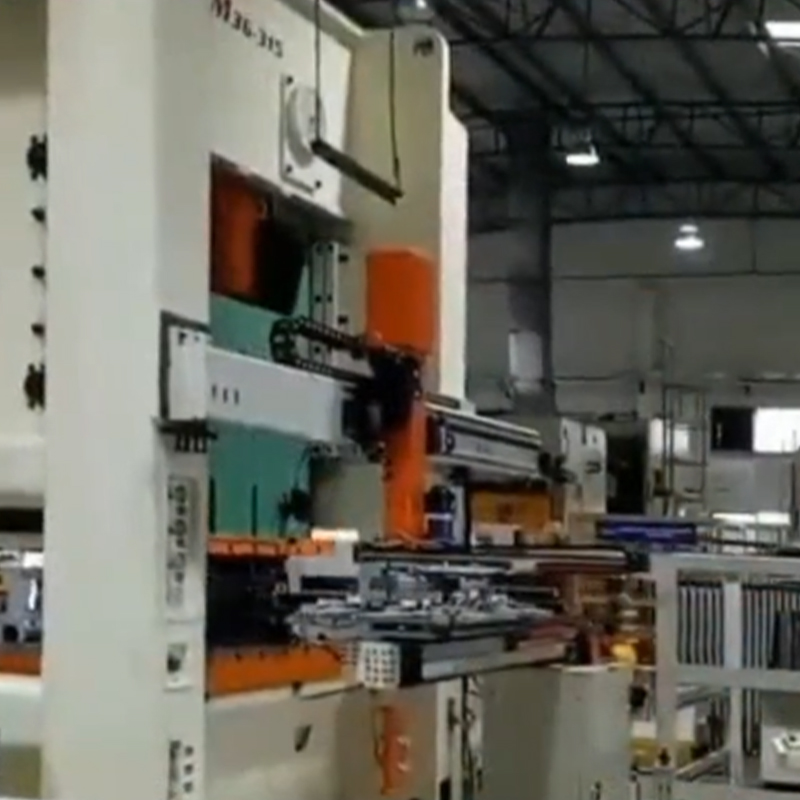
Start Your Business with an OEM Manufacturer Right Here!

Provide global customers with complete turn-key solutions
through
innovation!
QUICK LINKS
CONTACT INFO.
-
 +86-139 1308 8972
 -

-
 No. 118 Yexin Road, Wujiang Economic Development Zone, Suzhou, China
Copyright © Suzhou Shuangqisi Mold Equipment Co., Ltd. All Rights Reserved. Custom Stamping Die Metal Stamping Die Manufacturers
