 English
 Español
 Deutsch
-
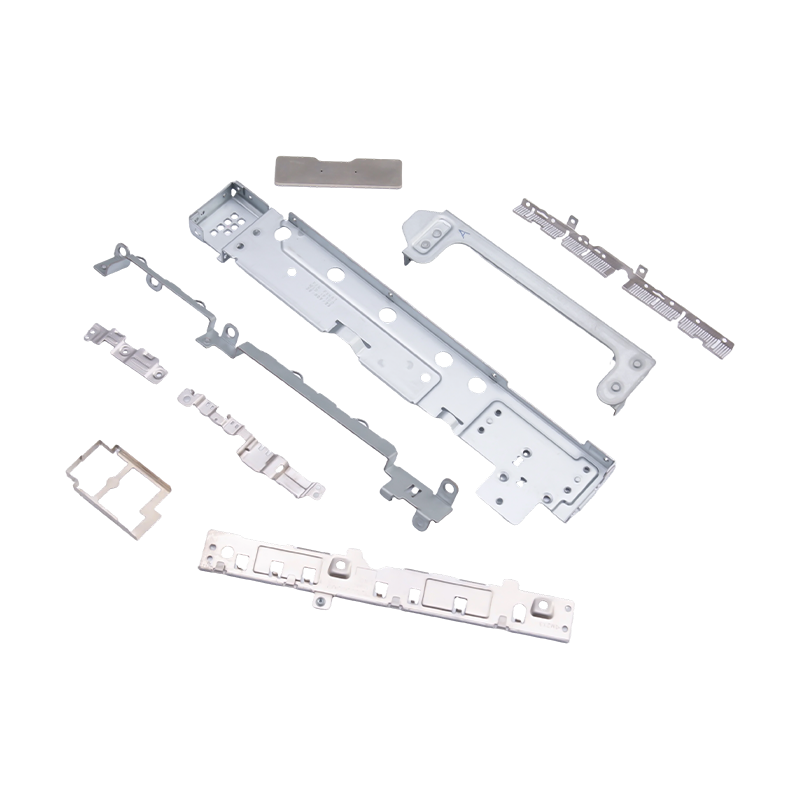
Small stamped parts for laptops and mobile phones
As essential internal components for modern portab...
-
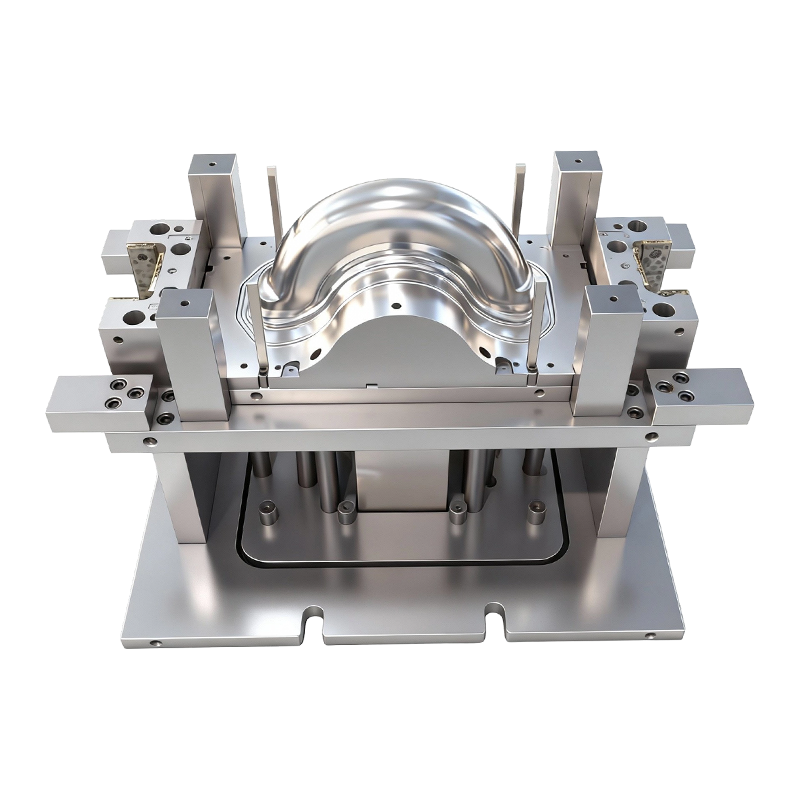
Deep drawing mold for front and rear wheels of two-wheeled electric vehicles
This Deep drawing mold for front and rear wheels o...
-
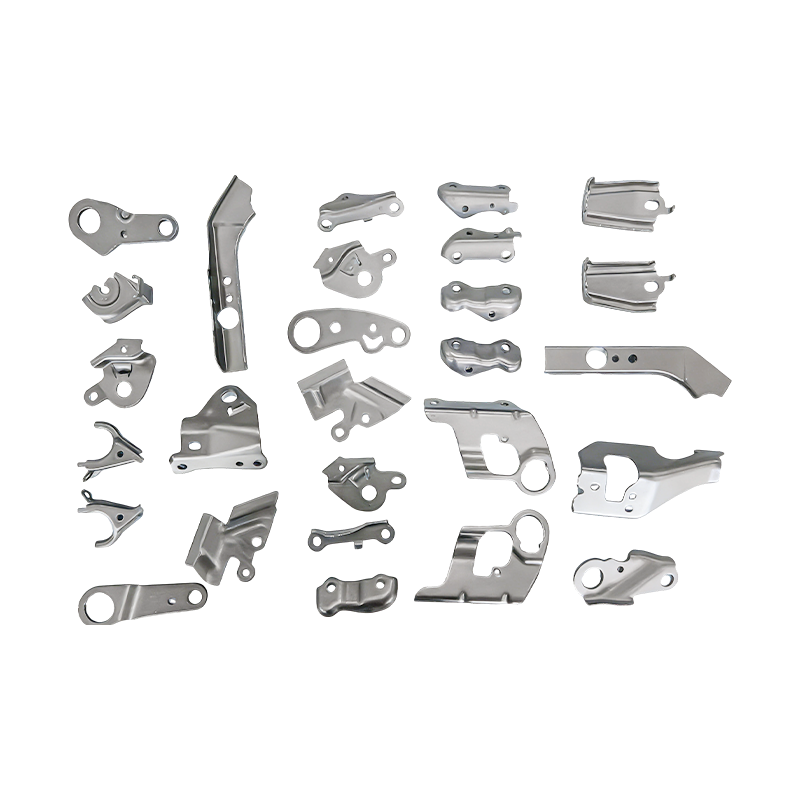
Small automotive parts progressive die stamping parts
Our Small automotive parts progressive die stampin...
-
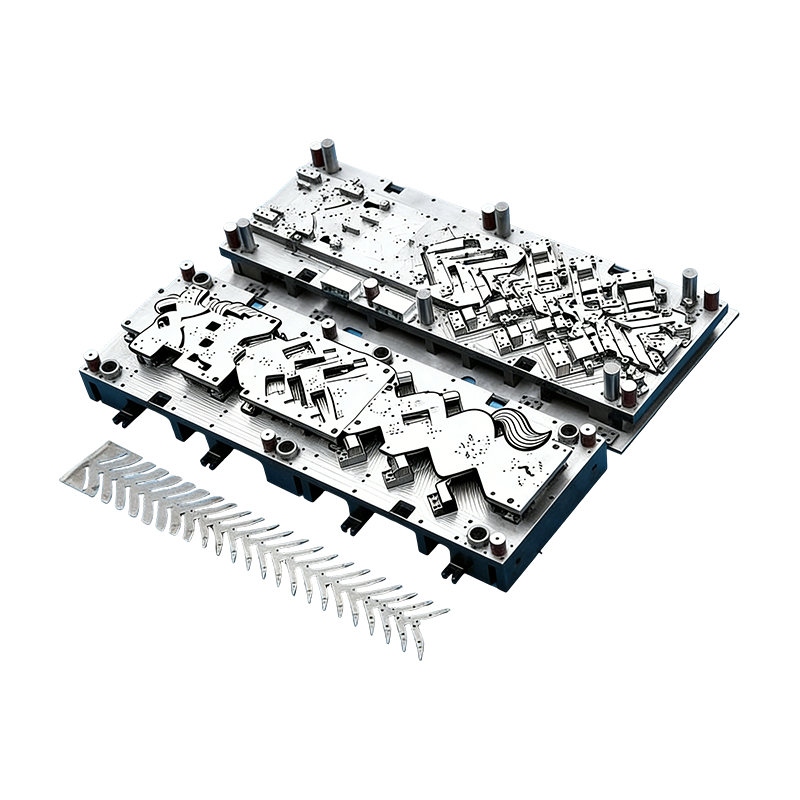
Progressive molds for automotive parts
This Continuous mold for automotive motor housing ...
-
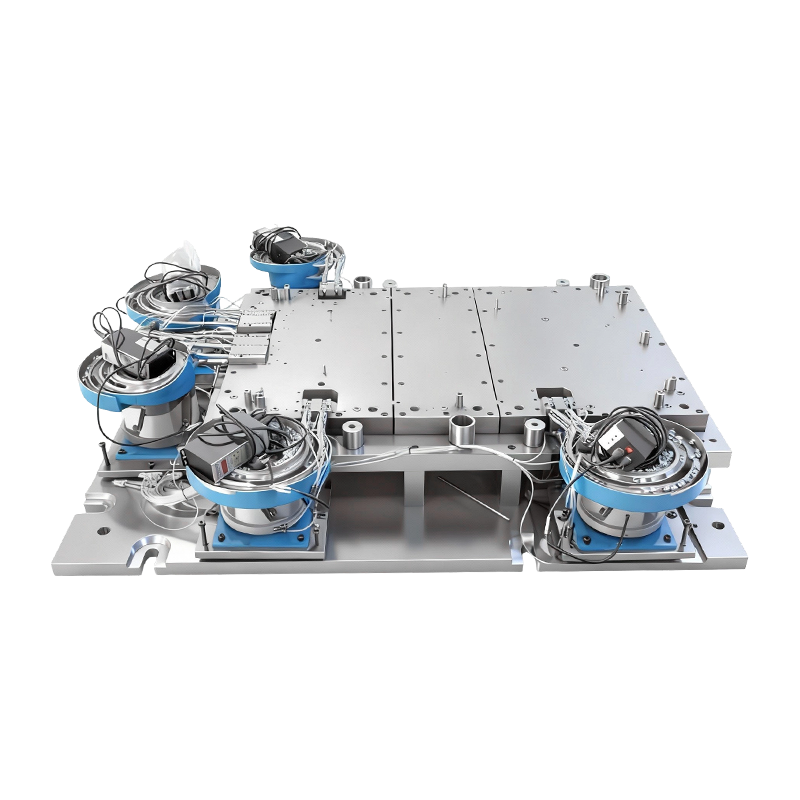
Automatic riveting mold for large computer machine base
This Automatic Riveting Mold for Large Computer Ma...
-
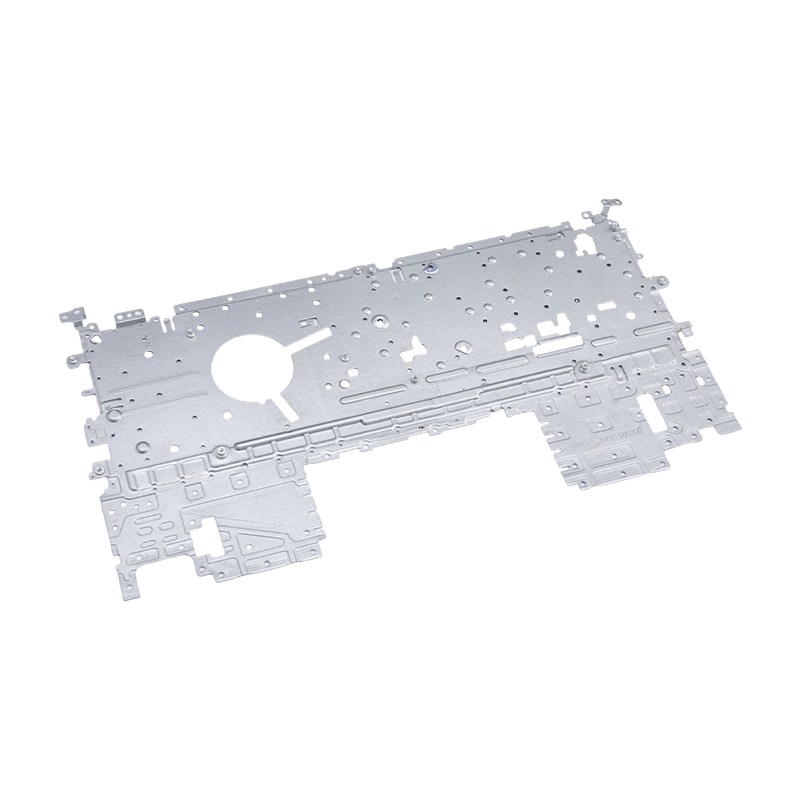
Laptop stamping parts
Our laptop stamping parts are precision-manufactur...
- E-mail us: [email protected]
- Call us: +86-139 1308 8972

Liu Yanan – After-Sales Service Engineer
Home / Author / Liu Yanan – After-Sales Service Engineer / Precision Small Stamped Parts for Laptops and Mobile Phones
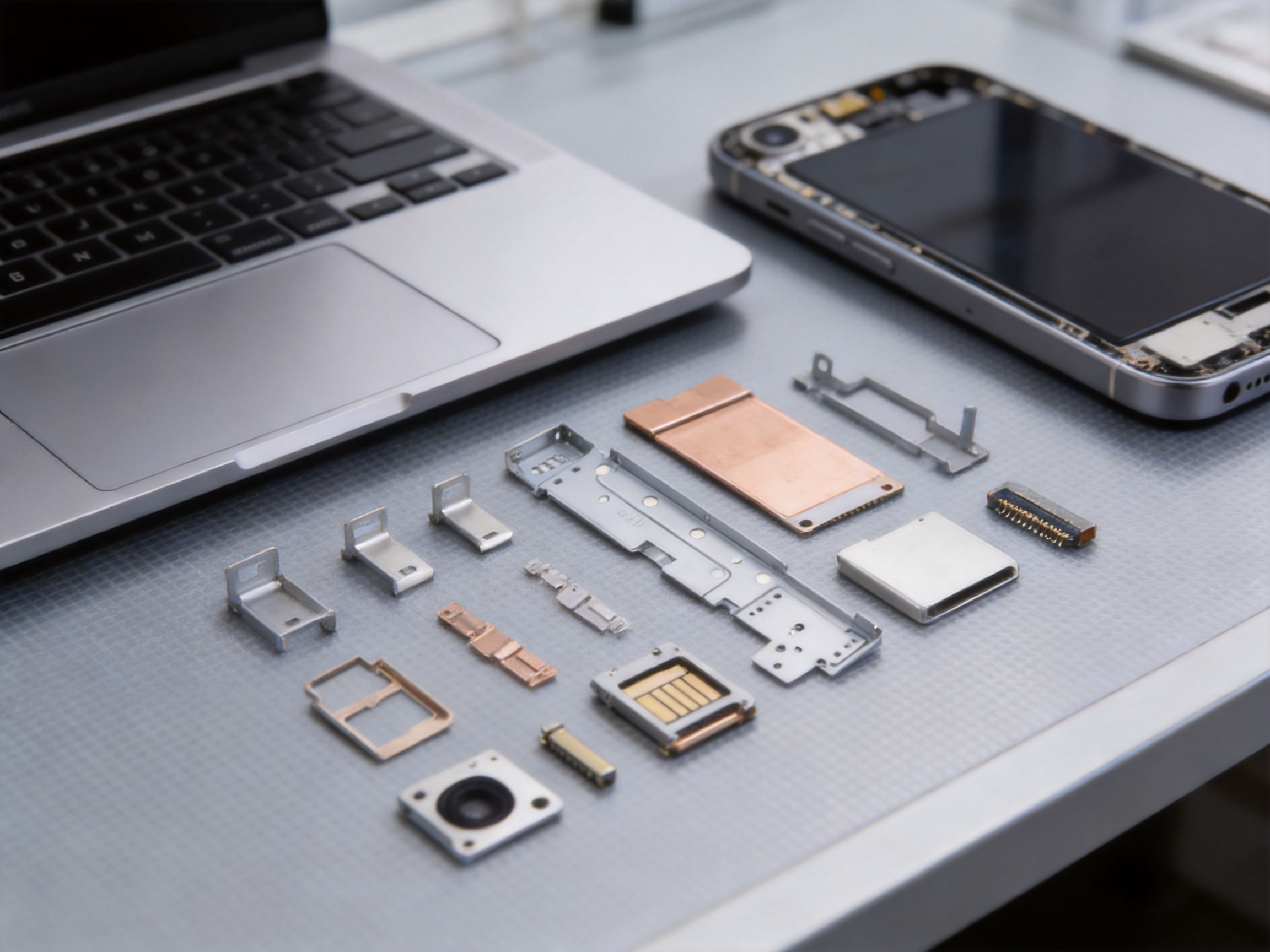
Precision Small Stamped Parts for Laptops and Mobile Phones
2026-06-30
Small stamped parts for laptops and mobile phones are among the least visible yet most important components inside modern portable electronics. While consumers often notice display quality, battery life, processing speed, and exterior design, the reliability of a device also depends on a network of tiny metal components that provide connection, support, shielding, fixation, heat-transfer assistance, spring force, grounding, and mechanical reinforcement. These components must fit into extremely limited internal spaces, maintain stable performance under vibration and repeated use, and support high-volume production without dimensional inconsistency.
In the electronics industry, precision is not optional. A small deviation in thickness, flatness, burr height, hole position, spring angle, or plating compatibility may affect assembly efficiency, electrical contact, device durability, or long-term operating stability. This is why precision-stamped metal parts are widely used in laptops, mobile phones, tablets, wearable devices, communication modules, battery systems, hinges, connectors, camera assemblies, speaker modules, heat dissipation modules, and other compact electronic structures.
Small stamped parts for laptops and mobile phones are typically manufactured from stainless steel, aluminum alloy, copper alloy, phosphor bronze, beryllium copper, nickel-plated materials, and other performance-oriented metals. These materials are selected according to the product’s required strength, elasticity, conductivity, corrosion resistance, thermal behavior, surface finish, and cost target. Through stamping die design, precision forming, punching, bending, drawing, progressive processing, and automated production, flat metal strips can be transformed into highly functional micro-scale components with repeatable quality.
Suzhou Shuangqisi Mold Equipment Co., Ltd. is a professional manufacturer focused on stamping dies, stamping parts, and stamping automation equipment. Located in Suzhou, China, the company integrates mold design, mold manufacturing, precision stamping, debugging, and service support. With technical staff, advanced precision equipment, wire cutting machines, CNC machining centers, multiple grinding machines, and punch presses ranging from 80T to 400T, the company has developed comprehensive capability for producing high-quality stamped parts for demanding industries such as electronic products, servo drives, compressors, and new energy vehicles.
Small stamped parts for laptops and mobile phones
Content
- 1 The Role of Small Stamped Parts in Portable Electronics
- 2 Why Precision Stamping Is Suitable for Laptop and Mobile Phone Components
- 3 Key Product Advantages of Small Stamped Parts for Laptops and Mobile Phones
- 4 Materials Commonly Used for Small Electronic Stamping Parts
- 5 Manufacturing Process from Design to Mass Production
- 6 Competitive Advantages Over Alternative Manufacturing Methods
- 7 Quality Control for Precision Electronic Stamping Parts
- 8 Design Considerations for Custom Small Stamped Parts
- 9 Applications in Laptops
- 10 Applications in Mobile Phones
- 11 How Advanced Manufacturing Strength Supports Product Reliability
- 12 Turnkey Solutions for Stamping Dies and Automation
- 13 Cost Control Without Sacrificing Quality
- 14 Environmental and Production Efficiency Considerations
- 15 Q&A: Small Stamped Parts for Laptops and Mobile Phones
- 15.1 What are small stamped parts used for in laptops and mobile phones?
- 15.2 Why choose stamped metal parts instead of machined parts?
- 15.3 Which materials are commonly used?
- 15.4 How does precision stamping improve electronic device reliability?
- 15.5 Can small stamped parts be customized?
- 15.6 What makes die design important?
- 15.7 How are these parts inspected?
- 15.8 Why is automation useful in stamping production?
- 15.9 How does Suzhou Shuangqisi Mold Equipment Co., Ltd. support customers?
- 16 Conclusion
- 17 References
- 18 Product: Small stamped parts for laptops and mobile phones
The Role of Small Stamped Parts in Portable Electronics
Laptops and mobile phones are built around compact architecture. Every internal millimeter is planned, and every component must justify its space. Small stamped parts help manufacturers achieve slim, lightweight, durable, and highly integrated designs by replacing bulkier machined or assembled alternatives with thin, accurately formed metal components.
In a laptop, precision-stamped parts may be used in keyboard mechanisms, hinge reinforcement, display brackets, EMI shielding, grounding terminals, battery contacts, connector housings, fan and heat pipe fixation structures, speaker mesh supports, internal frames, and screw reinforcement plates. In mobile phones, stamped parts are commonly found in SIM card trays, connector terminals, battery contact pieces, camera module brackets, shielding covers, antenna grounding parts, speaker components, vibration motor fixtures, heat spreader support parts, button domes, and internal structural elements.
The value of these components lies in their ability to combine multiple functions into a compact form. A stamped component can be designed to provide mechanical locking, electrical conductivity, vibration resistance, positioning support, and thermal conduction at the same time. This multifunctional nature is especially important for portable electronics, where designers must improve performance while reducing weight and thickness.
Another reason stamped parts are widely used is production efficiency. Once the stamping die is developed and validated, high-volume production can be achieved with excellent repeatability. Progressive dies can complete multiple operations in one continuous strip-feed process, including punching, blanking, embossing, bending, forming, coining, and separation. Compared with individual machining, stamping provides much higher productivity and lower unit cost for mass-produced electronic components.
Why Precision Stamping Is Suitable for Laptop and Mobile Phone Components
Precision stamping is particularly suitable for small electronic parts because it offers a strong balance between accuracy, speed, cost control, and design flexibility. Electronics manufacturers typically require millions of parts with consistent dimensions, reliable surface condition, controlled burrs, and stable mechanical properties. Stamping meets these needs when the die, material, equipment, and process control are properly engineered.
For extremely small parts, the stamping die is the heart of quality. A well-designed die controls material flow, clearance, forming angle, cutting edge durability, springback, and dimensional stability. The die must also allow easy maintenance, accurate guiding, stable feeding, and efficient production. Suzhou Shuangqisi Mold Equipment Co., Ltd. has long experience in mold design and manufacturing, enabling the company to support custom requirements from product analysis to die development and mass production.
Precision stamping also allows tight control over thickness and geometry. Many laptop and mobile phone parts are made from thin metal strips, where even slight deformation can affect assembly. By using optimized die structures, accurate grinding, high-quality tooling steel, precision wire cutting, and stable press equipment, stamped parts can maintain consistent flatness, hole positions, bending angles, and contour dimensions.
Another advantage is material utilization. In the electronics industry, cost competitiveness is important because production volume can be extremely high. Progressive die layouts can be optimized to reduce scrap rate while maintaining part quality. Efficient nesting, strip layout planning, and process simulation help improve material yield, which directly contributes to lower overall production cost.
Finally, stamping is compatible with secondary processes such as cleaning, heat treatment, deburring, electroplating, passivation, polishing, welding, riveting, and assembly. This makes it possible to deliver parts that meet both mechanical and electrical performance requirements.
Key Product Advantages of Small Stamped Parts for Laptops and Mobile Phones
Compact Size with High Functional Integration
Modern electronics continue to become thinner, lighter, and more powerful. A smartphone may contain hundreds of individual internal components, and a laptop must accommodate batteries, cooling modules, speakers, antennas, boards, connectors, cameras, hinges, and housing structures within a narrow body. Small stamped metal parts are ideal for this environment because they can be designed with fine features, complex contours, slots, tabs, hooks, ribs, and contact areas.
Compared with many plastic components, stamped metal parts provide superior strength in thinner sections. This allows designers to reduce space consumption while maintaining mechanical stability. Compared with machined parts, stamped parts can often achieve lower thickness, lighter weight, and higher output efficiency. For portable electronics, this combination is highly valuable.
Reliable Mechanical Strength and Durability
Internal components must withstand repeated handling, transportation vibration, thermal cycling, drop impact, assembly pressure, and long-term use. Materials such as stainless steel and copper alloy provide excellent durability. Stainless steel offers strength, corrosion resistance, and stable mechanical properties, making it suitable for structural and spring-like applications. Copper alloy provides conductivity and elasticity, making it suitable for terminals, contacts, and grounding components. Aluminum alloy provides lightweight performance and thermal advantages, which can be useful in heat dissipation-related parts.
Through precision forming, reinforcement ribs, embossing, and controlled bending, stamped parts can achieve greater stiffness and fatigue resistance without unnecessary material consumption. This is important for parts that must hold modules securely, maintain electrical contact pressure, or resist deformation during assembly.
Dimensional Accuracy for Smooth Assembly
Electronics manufacturing relies heavily on automated or semi-automated assembly. Components must fit consistently into fixtures, housings, PCB assemblies, and module systems. A stamped part with unstable dimensions may cause assembly jams, contact failure, poor alignment, or increased rejection rates. Precision stamping provides repeatable dimensional control when dies are correctly designed, maintained, and monitored.
For laptop and mobile phone manufacturers, consistent part quality means smoother assembly lines, reduced downtime, fewer rework operations, and lower total cost. This advantage is especially important when production schedules are tight and product lifecycles are short.
Electrical Conductivity and Grounding Performance
Many small stamped parts are used for electrical connection, grounding, battery contact, antenna connection, or electromagnetic shielding. Copper alloys and plated materials provide excellent conductivity, while designed spring structures ensure reliable contact pressure. Stamped terminals can be manufactured with precise contact geometry, allowing stable electrical performance even under vibration and repeated insertion cycles.
Grounding components are also essential for signal stability and electromagnetic compatibility. Smartphones and laptops contain high-frequency circuits, wireless modules, antennas, processors, and memory systems. Proper metal grounding and shielding help reduce interference, support signal integrity, and improve device reliability.
Support for Heat Dissipation
As portable electronics become more powerful, thermal management becomes increasingly important. Small stamped components can assist in fixing heat dissipation modules, positioning heat spreaders, supporting fans, or conducting heat in localized areas. Aluminum and copper-based materials are especially useful when thermal behavior is a key requirement.
Although small stamped parts are not always the primary heat dissipation element, their dimensional stability and secure fixation function help keep thermal modules in correct contact with processors, batteries, or other heat-generating elements. This improves cooling efficiency and supports stable device performance.
High Production Efficiency and Competitive Cost
Compared with machining, laser cutting, or manual assembly of multiple small elements, precision stamping is highly efficient in mass production. Progressive dies can produce parts rapidly with consistent quality. Once tooling is validated, the cost per part becomes very competitive, especially for large-volume laptop and mobile phone applications.
This efficiency is one of the key advantages over competitors using less integrated manufacturing methods. A supplier with strong die-making capability, stamping production capacity, and automation experience can shorten development cycles, reduce quality variation, and control cost more effectively.
Materials Commonly Used for Small Electronic Stamping Parts
Material selection determines the functional performance of a stamped component. Different areas inside laptops and mobile phones require different combinations of strength, conductivity, elasticity, thermal performance, corrosion resistance, and surface compatibility. A professional stamping manufacturer must understand both the material properties and the forming behavior during die design.
| Material | Main Advantages | Typical Applications in Electronics | Key Considerations |
|---|---|---|---|
| Stainless Steel | High strength, corrosion resistance, good durability, stable mechanical performance | Brackets, shields, reinforcement plates, spring structures, fixing components | Requires precise die clearance and forming control to manage springback |
| Aluminum Alloy | Lightweight, good thermal conductivity, corrosion resistance, attractive surface finish | Heat dissipation supports, lightweight frames, covers, structural plates | Surface protection and forming crack prevention may be required |
| Copper Alloy | Excellent conductivity, good elasticity, strong contact performance | Terminals, battery contacts, grounding clips, connector parts, antenna contacts | Material hardness and plating compatibility must be carefully controlled |
| Phosphor Bronze | Good spring properties, fatigue resistance, conductivity | Contact springs, connector terminals, grounding parts | Suitable for repeated contact applications with controlled forming |
| Nickel-Plated or Tin-Plated Metal | Improved corrosion resistance, solderability, conductivity, surface stability | Electrical terminals, shielding parts, contact components | Tooling must protect plating layers from scratches or peeling |
The choice of material is not based only on technical requirements. Cost, availability, strip tolerance, surface condition, post-processing requirements, and production volume must also be considered. For example, a grounding spring may require high fatigue resistance and stable electrical contact, while a structural bracket may prioritize strength and flatness. A heat-related part may require aluminum or copper alloy for better thermal performance. A shielding cover may require excellent flatness and clean edges to ensure proper assembly and electromagnetic shielding.
Suzhou Shuangqisi Mold Equipment Co., Ltd. supports customized production according to customer drawings, samples, material specifications, and performance requirements. By combining material knowledge with die design experience, the company can help customers improve manufacturability, reduce unnecessary cost, and achieve reliable mass production.
Manufacturing Process from Design to Mass Production
Product Requirement Analysis
The production of a high-quality small stamped part begins with requirement analysis. Engineers review drawings, 3D models, tolerance standards, functional areas, assembly relationships, material requirements, surface treatment needs, and expected production volume. For electronic parts, special attention is paid to burr direction, critical dimensions, contact areas, flatness, bending angle, hole accuracy, and packaging requirements.
At this stage, design-for-manufacturing feedback is highly valuable. If a part has an extremely narrow bridge, sharp corner, difficult bending sequence, or unrealistic tolerance, early communication can prevent tooling problems later. A capable supplier does not simply manufacture according to a drawing; it also helps customers improve manufacturability while preserving product function.
Stamping Die Design
Die design determines whether the product can be produced efficiently and consistently. For small electronic stamping parts, progressive dies are frequently used because they can complete multiple operations in one continuous process. The die design must define strip layout, feeding pitch, pilot hole positioning, punching sequence, bending sequence, forming stages, carrier design, part separation, and waste removal.
Important technical decisions include cutting clearance, punch strength, die insert design, guiding accuracy, material strip support, anti-jump protection, springback compensation, and maintenance accessibility. When dealing with small parts, the die must prevent deformation, part sticking, material lifting, and dimensional drift. High-precision machining and accurate assembly are essential.
Suzhou Shuangqisi Mold Equipment Co., Ltd. has 15 years of mold industry experience and a technical team capable of supporting custom stamping die design and manufacturing. Its strength lies in integrating mold-making with stamping production and automation, allowing the company to consider not only the die itself but also the long-term production environment.
Precision Tooling Manufacturing
After die design is confirmed, tooling components are manufactured using advanced equipment such as imported wire cutting machines, CNC machining centers, grinding machines, and other precision machine tools. Tooling components must meet high accuracy requirements because even small tooling errors can create large production problems in micro-sized stamped parts.
Wire cutting is often used to create accurate punch and die profiles, especially for complex contours. CNC machining supports high-precision pockets, plates, and die structures. Grinding ensures accurate thickness, parallelism, and surface finish. Skilled toolmakers then assemble, fit, and adjust the die components. The combination of advanced equipment and experienced operators directly affects tooling life and product quality.
Trial Stamping and Debugging
Before mass production, the die must be tested and debugged. Trial stamping verifies whether the actual parts meet dimensional, functional, and surface requirements. Engineers check burr height, hole position, flatness, forming angle, springback, surface marks, material feeding stability, and part separation. If problems are found, the die is adjusted through grinding, insert modification, clearance correction, forming compensation, or process sequence optimization.
Experienced debugging personnel are especially important for precision stamping. The behavior of thin metal strip can be affected by material batch variation, rolling direction, hardness, lubrication, press speed, and die temperature. Skilled technicians understand how to adjust the process to achieve stable production.
Mass Production with Press Equipment
Once the die is validated, production begins on punch presses suitable for the part size, thickness, material, and forming force. Suzhou Shuangqisi Mold Equipment Co., Ltd. is equipped with 25 punch presses ranging from 80T to 400T, enabling it to produce a wide range of stamping parts. For small electronic components, the correct press selection improves accuracy, tool life, and output stability.
During production, operators monitor strip feeding, lubrication, part discharge, scrap removal, noise, vibration, and product quality. For high-volume electronics components, process stability is essential. A minor issue, if not detected early, can generate large quantities of nonconforming parts. Therefore, quality checks are integrated into production routines.
Secondary Processing and Surface Treatment
Depending on customer requirements, stamped parts may undergo deburring, cleaning, polishing, heat treatment, electroplating, passivation, or assembly operations. Surface treatment is especially important for electronic parts because contact resistance, corrosion resistance, solderability, and appearance may depend on plating or passivation quality.
For example, copper alloy terminals may require tin, nickel, silver, or gold plating depending on conductivity and corrosion requirements. Stainless steel parts may require passivation to improve corrosion resistance. Parts used in visible or semi-visible areas may need strict surface control to prevent scratches or stains.
Inspection and Packaging
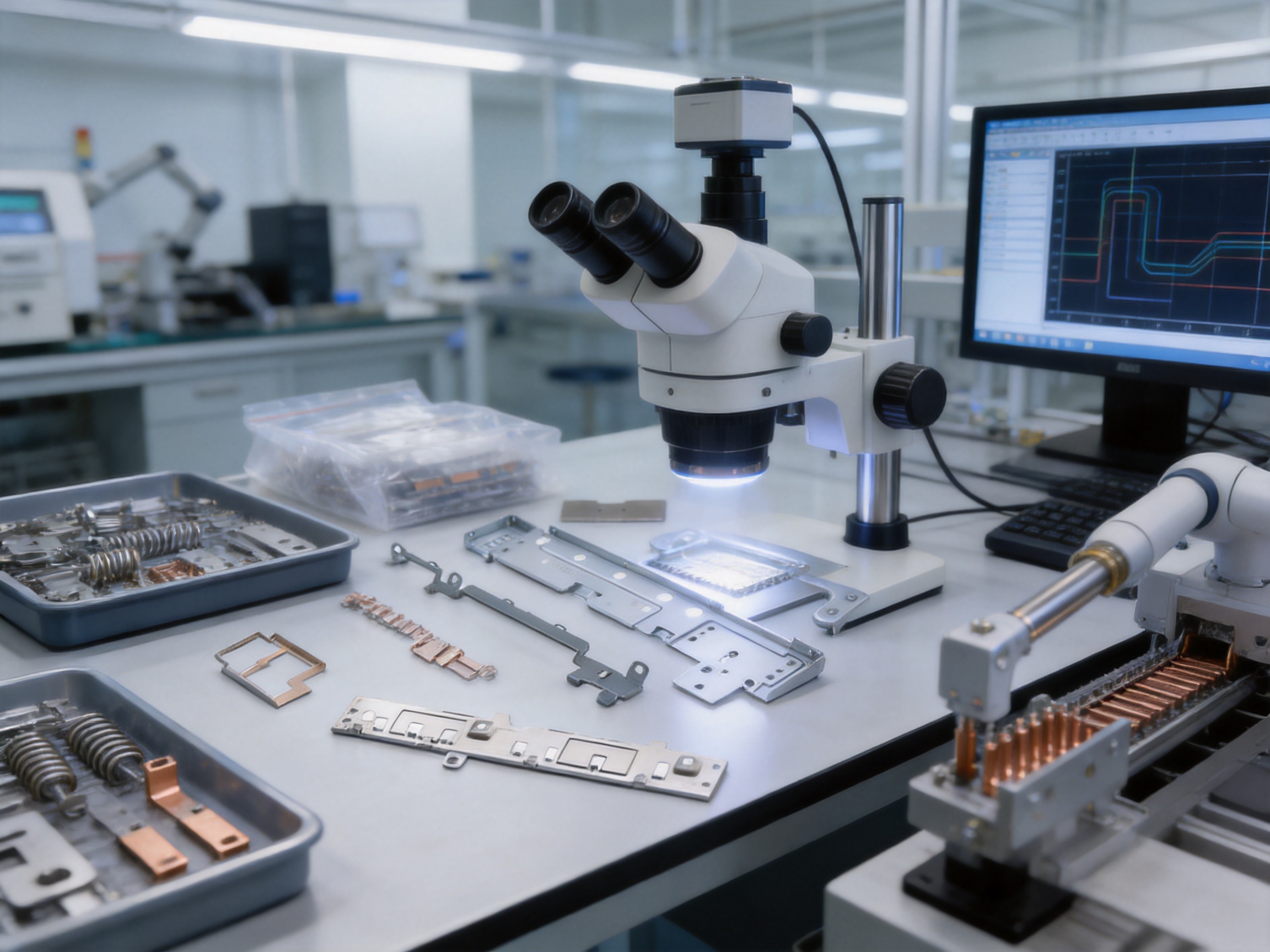
Inspection ensures that parts meet customer standards before delivery. Measurements may include thickness, width, length, hole diameter, hole position, angle, flatness, burr height, coating condition, and visual quality. For small parts, customized inspection fixtures, optical measurement equipment, microscopes, and gauges may be used.
Packaging is also important. Thin stamped components can deform, scratch, or become tangled if packed improperly. Electronic parts may require tray packaging, reel packaging, layered packaging, anti-static bags, or protective separators. Good packaging protects product quality during transportation and supports efficient customer assembly.
Competitive Advantages Over Alternative Manufacturing Methods
Compared with CNC Machining
CNC machining is flexible and accurate, but it is often not the most efficient method for very high-volume thin metal parts. Machining removes material from a block or sheet, which may increase material waste and cycle time. For small electronic components with thin profiles and repeated geometry, stamping is usually faster and more economical after tooling is completed.
Precision stamping also enables features such as formed springs, embossed ribs, integrated tabs, and bent contact arms to be produced in a continuous process. These features may require multiple machining or assembly steps if made by other methods. Therefore, stamped parts often provide better productivity and lower unit cost for laptop and mobile phone applications.
Compared with Laser Cutting
Laser cutting is useful for prototypes and low-volume sheet parts, but it may produce heat-affected edges, slower throughput, and higher per-part cost in mass production. Stamping can produce punched holes, slots, and contours at high speed without thermal influence. It can also combine cutting with forming and bending in one progressive die.
For electronics manufacturers requiring stable high-volume supply, stamping provides a more scalable solution. The initial die investment is offset by long-term production efficiency and consistent quality.
Compared with Plastic Components
Plastic parts are widely used in electronics, but metal stamped parts offer superior strength, conductivity, heat resistance, shielding capability, and fatigue performance in many applications. A thin metal bracket can provide high stiffness where plastic would require greater thickness. A metal grounding clip can conduct electricity, while plastic cannot. A stamped shielding cover can reduce electromagnetic interference, which plastic alone cannot achieve unless metallized.
Therefore, small stamped metal parts are not merely replacements for plastic; they provide functions that are essential to advanced electronic devices.
Compared with Suppliers Without Integrated Die and Automation Capabilities
A major advantage of Suzhou Shuangqisi Mold Equipment Co., Ltd. is its integrated capability in stamping dies, stamping parts, and stamping automation equipment. Some suppliers rely on external tooling vendors, separate automation providers, or limited production equipment. This can increase communication delays, development cost, and quality risk. An integrated manufacturer can coordinate design, toolmaking, process debugging, mass production, and automation more effectively.
The company also invested in and established Suzhou Keshuang Intelligent Technology Co., Ltd. in 2016, focusing on stamping automation equipment. This enables turnkey solutions for stamping molds and stamping automation. For customers, this means better coordination between die design and automated production requirements, improved efficiency, reduced labor dependence, and more stable long-term output.
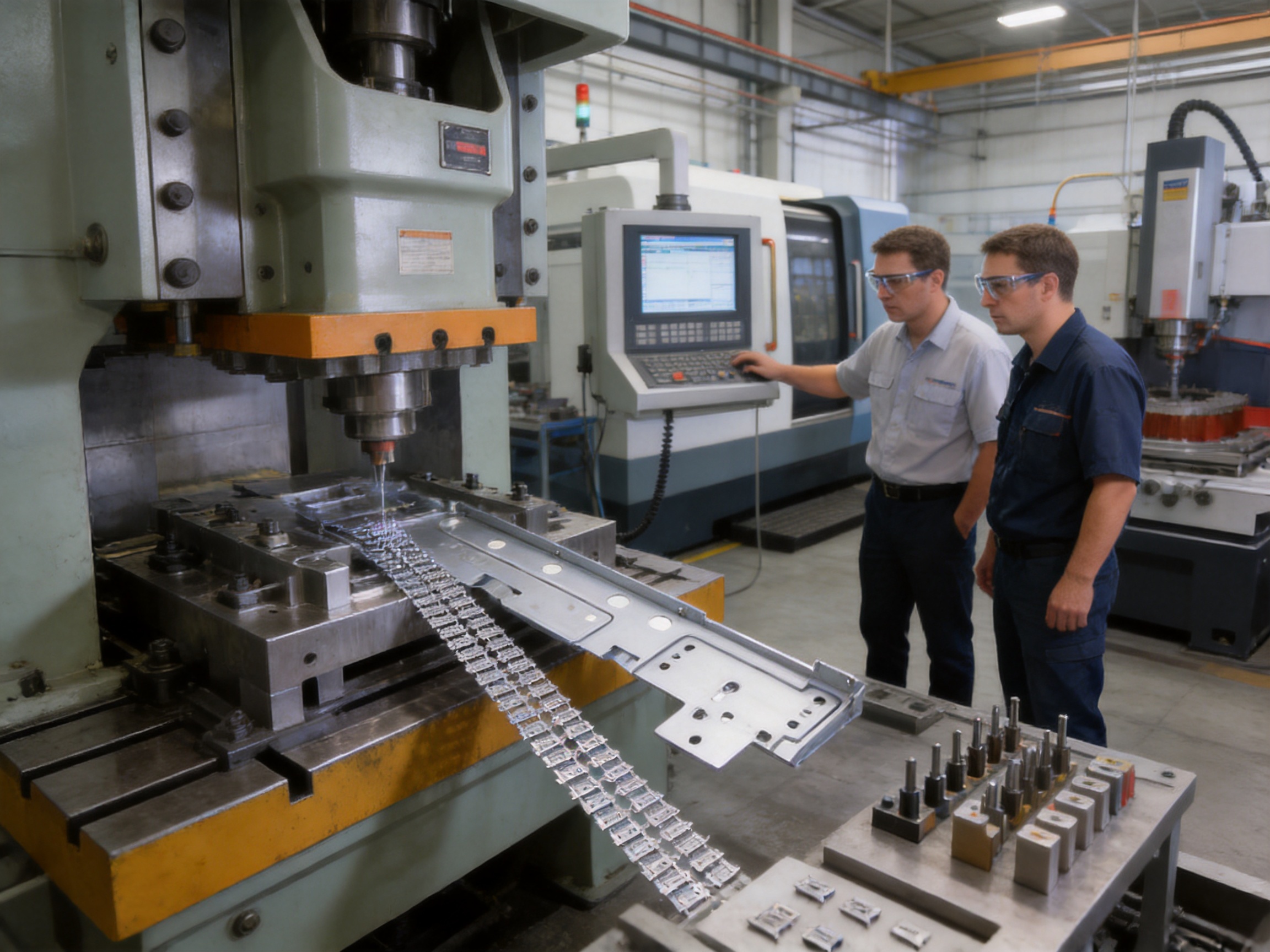
Quality Control for Precision Electronic Stamping Parts
Quality control for small stamped parts must be systematic. Because these components are small, defects may not be obvious to the naked eye, but they can still affect performance. Common quality concerns include burrs, deformation, scratches, oxidation, incorrect angle, insufficient spring force, excessive contact resistance, poor plating adhesion, dimensional drift, and packaging damage.
A strong quality system begins before production. Material certificates, strip thickness, hardness, surface condition, and plating condition must be verified. During die manufacturing, tooling accuracy is checked to ensure that punches, inserts, guide posts, plates, and forming components meet design requirements. During trial production, first-article inspection confirms that the stamped part meets customer drawings and functional requirements.
In mass production, inspection frequency is defined according to product risk, production volume, and customer standards. Critical dimensions may be monitored through sampling, fixture checking, or automated detection. Burr control is especially important because excessive burrs can interfere with assembly, cause short circuits, or affect contact reliability. Burr direction is often specified so that any unavoidable burr is positioned away from functional contact surfaces.
Flatness and angle control are also critical. A bracket with poor flatness may fail to hold a module properly. A contact spring with an incorrect angle may provide too little or too much force. Too little contact force can cause unstable electrical connection; too much force can damage mating components or create assembly difficulty.
Surface condition must be carefully controlled. Scratches, dents, stains, rust, or plating damage may reduce corrosion resistance, electrical reliability, or appearance quality. Clean handling, proper lubrication, controlled cleaning, and protective packaging are important parts of the quality process.
Suzhou Shuangqisi Mold Equipment Co., Ltd. emphasizes strict cost and quality control. Its experience serving customers in demanding fields such as servo drives, compressors, and new energy vehicles supports its ability to handle precision and reliability requirements. These industries require stable performance, strong process discipline, and long-term quality consistency, which are also essential for electronic stamping parts.
Design Considerations for Custom Small Stamped Parts
Tolerance Planning
Not every dimension requires the tightest possible tolerance. Overly strict tolerances can increase tooling complexity, inspection cost, and production difficulty. A professional manufacturer helps customers identify truly critical dimensions and apply reasonable tolerances to noncritical areas. This improves manufacturability while maintaining product function.
Burr Direction and Edge Quality
Burrs are a natural result of punching and cutting, but they must be controlled. Designers should specify burr direction for contact areas, assembly edges, and surfaces near circuits. If necessary, deburring or secondary finishing can be applied. However, it is often more efficient to design the stamping process so burrs are located in noncritical areas.
Bending Radius and Springback
Metal bends according to material thickness, hardness, grain direction, and forming method. If the bending radius is too small, cracking may occur. If springback is not considered, the final angle may be incorrect. Die design must compensate for springback and ensure stable forming.
Material Grain Direction
For spring parts and bent components, grain direction can affect fatigue life and cracking risk. Proper strip layout considers the relationship between bending lines and rolling direction. This is particularly important for copper alloys, stainless steel spring parts, and contact components.
Surface Treatment Allowance
If plating or coating is required, the design should consider thickness change, masking areas, contact surfaces, and post-plating forming risks. Some parts are stamped after plating, while others are plated after stamping. Each approach has advantages and challenges. Pre-plated material may reduce processing steps, but die design must protect the plated surface. Post-plating can cover cut edges, but it adds process complexity.
Assembly Method
Small stamped parts may be assembled by snapping, welding, riveting, screw fixation, adhesive bonding, or insertion into plastic housings. The stamping design should support the selected assembly method. Tabs, holes, locating features, ribs, or locking hooks can be integrated into the part to simplify assembly and reduce additional components.
Applications in Laptops
Laptops combine mechanical mobility with high electronic density. Their internal stamped parts must support repeated opening and closing, heat generation, portable vibration, and compact assembly. Precision stamped brackets are used to hold circuit boards, speakers, fans, heat pipes, antennas, and connectors. Reinforcement plates improve local strength around screws or hinges. Shielding covers protect sensitive circuits from electromagnetic interference. Grounding terminals help stabilize electrical performance.
Keyboard systems may use small metal components for tactile response, support, or fixation. Hinges and display modules may require precision metal reinforcements to withstand repeated movement. Cooling systems require stamped supports that keep fans and heat pipes correctly positioned. Battery systems require conductive parts with stable contact pressure and corrosion resistance.
As laptops become thinner, stamped components must provide more performance in less space. A well-designed stamped part can replace multiple separate pieces, reducing assembly steps and improving reliability. This is where a manufacturer with strong die design capability can create practical value for customers.
Applications in Mobile Phones
Mobile phones place even stricter demands on miniaturization. Components must be extremely compact, lightweight, and reliable under daily handling. Stamped parts are used in SIM card trays, buttons, camera brackets, internal shields, antenna contacts, battery contacts, speaker supports, vibration motor fixtures, connector terminals, grounding clips, and frame reinforcements.
Smartphones also require high electromagnetic compatibility. Multiple antennas, high-speed processors, wireless charging modules, cameras, sensors, and communication chips operate in close proximity. Stamped shielding parts and grounding clips help reduce interference and support signal stability.
Battery and charging systems require reliable contact components. Copper alloy stamped parts can provide conductivity and spring force. Their surface treatment must resist oxidation and maintain low contact resistance. Camera modules require precision brackets that maintain optical alignment, because even small positional errors can affect image quality. Button components require consistent tactile feel and fatigue resistance.
Mobile phone production volume can be very high, so consistency and efficiency are essential. Progressive stamping and automation provide strong advantages in this environment, helping manufacturers meet delivery schedules and quality expectations.
How Advanced Manufacturing Strength Supports Product Reliability
The performance of small stamped parts depends not only on product design but also on manufacturing strength. Advanced equipment, skilled technicians, experienced die designers, quality systems, and automation capabilities all contribute to final reliability.
Suzhou Shuangqisi Mold Equipment Co., Ltd. has 60 technical staff and combines design, manufacturing, and service. This structure supports rapid communication and problem solving. When customers require custom stamping parts, the company can participate from early design review through die development, trial production, and mass production.
The company’s equipment base includes imported wire cutting machines, CNC machining centers, more than 10 grinding machines of various sizes, 25 punch presses from 80T to 400T, and other advanced precision machine tools. These resources are important because high-quality dies require accurate machining, stable assembly, and precise maintenance. Stamping production requires presses that match product force and accuracy requirements.
Experienced operators and debugging personnel also provide a strong competitive advantage. Tooling design may be accurate on paper, but real production still requires practical knowledge. Debugging personnel must understand how materials behave, how forming pressure affects dimensions, how tool wear appears, and how to stabilize production. This knowledge is built through years of practice.
The company’s background in serving customers such as Anter Group, Ousheng Electric, Dongbei Group, and Huichuan Technology reflects experience in industrial supply chains that value reliability, delivery, and performance. Its products have been used in applications related to servo drives, compressors, and new energy vehicles, which further demonstrates capability in demanding manufacturing environments.
Turnkey Solutions for Stamping Dies and Automation
Many electronics manufacturers need more than individual parts. They require complete production solutions that reduce risk, shorten development time, and improve cost performance. A supplier that can provide both stamping dies and stamping automation is better positioned to support these needs.
Through its investment in Suzhou Keshuang Intelligent Technology Co., Ltd., the company can provide stamping automation equipment and turnkey solutions. This capability is especially valuable for high-volume electronic stamped parts because automation improves consistency, reduces manual handling, and supports efficient production.
Automation can be applied to feeding, part transfer, detection, counting, stacking, assembly, and packaging. When automation is considered during die design, the entire process becomes smoother. For example, part orientation, carrier design, discharge direction, and inspection access can be optimized from the beginning. This reduces later modification and improves production efficiency.
For customers, turnkey capability means fewer suppliers to coordinate, faster response to engineering changes, and better alignment between tooling and production equipment. It can also reduce total investment because the supplier can design practical systems according to actual production requirements rather than overengineering unnecessary functions.
Cost Control Without Sacrificing Quality
Cost control is a major concern in the laptop and mobile phone supply chain. However, low cost should not mean unstable quality. The best approach is to reduce waste, improve production efficiency, optimize material use, design durable tooling, prevent defects, and streamline assembly.
Precision stamping supports cost control in several ways. First, progressive dies reduce labor and cycle time. Second, optimized strip layouts reduce material waste. Third, accurate dies reduce rejection and rework. Fourth, automation reduces handling damage and improves output consistency. Fifth, early manufacturability review prevents expensive design changes after tooling has begun.
Suzhou Shuangqisi Mold Equipment Co., Ltd. emphasizes strict cost and quality control. This is important for customers that need competitive pricing but cannot accept unstable supply. The company’s integrated capabilities allow it to manage cost from die design through production, rather than treating each stage separately.
Environmental and Production Efficiency Considerations
Efficient stamping production can also support sustainability goals. Material utilization is one of the most important factors. A well-designed strip layout reduces scrap, and recyclable metal scrap can be collected and processed. Durable dies reduce frequent replacement. Automation improves energy and labor efficiency by stabilizing production flow.
Small stamped parts also support the design of lighter electronic devices. Lightweight components can contribute to reduced material consumption and improved portability. In some cases, stamped metal parts enable repairable or modular assembly structures, which can support longer product life.
Surface treatment and cleaning processes should be selected carefully to meet performance needs while controlling environmental impact. Responsible manufacturing requires attention to chemical handling, waste management, and process efficiency.
Q&A: Small Stamped Parts for Laptops and Mobile Phones
What are small stamped parts used for in laptops and mobile phones?
They are used for electrical connection, grounding, EMI shielding, structural reinforcement, heat dissipation module fixation, battery contact, connector support, camera module positioning, speaker support, vibration motor fixation, and general component assembly. Their compact size and high precision make them suitable for dense electronic structures.
Why choose stamped metal parts instead of machined parts?
Stamped metal parts are usually more efficient and cost-effective for high-volume production. Stamping can produce thin, complex, repeatable parts at high speed, especially when using progressive dies. Machining is useful for certain applications, but it is often slower and more expensive for mass-produced thin electronic components.
Which materials are commonly used?
Common materials include stainless steel, aluminum alloy, copper alloy, phosphor bronze, and plated metal strips. Stainless steel provides strength and corrosion resistance, aluminum alloy offers lightweight and thermal benefits, and copper alloys provide excellent conductivity and spring performance.
How does precision stamping improve electronic device reliability?
Precision stamping ensures consistent dimensions, stable contact force, proper assembly fit, controlled burrs, and reliable mechanical performance. These factors reduce assembly defects, improve electrical stability, and support long-term durability inside laptops and mobile phones.
Can small stamped parts be customized?
Yes. Customization can include material, thickness, contour, holes, slots, bends, embossing, spring features, surface treatment, burr direction, packaging method, and production volume. A professional manufacturer can also provide design-for-manufacturing suggestions to improve quality and reduce cost.
What makes die design important?
The die controls cutting, forming, feeding, dimensional stability, burr direction, and production efficiency. A high-quality die is essential for stable mass production. Poor die design can lead to deformation, excessive burrs, tool wear, feeding problems, and inconsistent dimensions.
How are these parts inspected?
Inspection may include dimensional measurement, visual inspection, burr height checking, flatness testing, angle measurement, surface condition review, plating inspection, and functional testing. For very small parts, optical measurement systems, microscopes, gauges, and custom fixtures may be used.
Why is automation useful in stamping production?
Automation reduces manual handling, improves production consistency, increases efficiency, supports online inspection, and reduces the risk of deformation or contamination. It is especially valuable for high-volume electronic parts that require stable quality and fast delivery.
How does Suzhou Shuangqisi Mold Equipment Co., Ltd. support customers?
The company provides stamping die design and manufacturing, precision stamped parts, stamping automation equipment, trial production, debugging, mass production, and service support. Its integrated capabilities help customers obtain cost-effective and reliable stamping solutions.
Conclusion
Small stamped parts for laptops and mobile phones are essential components that support the performance, durability, and compact design of modern portable electronics. Although they are often hidden inside devices, their functions are critical. They provide electrical connection, grounding, shielding, structural support, fixation, thermal assistance, and assembly integration. Their quality directly affects device reliability and manufacturing efficiency.
Precision stamping offers major advantages for these components, including high-volume efficiency, repeatable accuracy, material flexibility, cost competitiveness, and the ability to create complex functional features in thin metal forms. Compared with machining, laser cutting, plastic alternatives, or suppliers without integrated tooling capability, a professional stamping manufacturer can provide stronger value through stable production, optimized die design, and efficient automation.
Suzhou Shuangqisi Mold Equipment Co., Ltd. combines 15 years of mold industry experience, advanced precision equipment, skilled technical staff, 80T to 400T press capacity, strict quality control, and integrated stamping automation capability. These strengths enable the company to deliver reliable small stamped parts for electronic applications and provide turnkey solutions for customers seeking high-quality, cost-effective manufacturing support.
As laptops and mobile phones continue to become thinner, lighter, faster, and more integrated, the demand for precision small stamped parts will remain strong. Manufacturers that can combine material expertise, die engineering, precision processing, stamping production, and automation will play a key role in the future of portable electronics manufacturing.
References
1. ASM International. Metals Handbook: Forming and Forging.
2. Schuler GmbH. Metal Forming Handbook.
3. Kalpakjian, S., and Schmid, S. Manufacturing Engineering and Technology.
4. Altan, T., and Tekkaya, A. E. Sheet Metal Forming: Processes and Applications.
5. Groover, M. P. Fundamentals of Modern Manufacturing: Materials, Processes, and Systems.
6. Society of Manufacturing Engineers. Tool and Manufacturing Engineers Handbook: Forming.
7. Davis, J. R. Stainless Steels: ASM Specialty Handbook.
8. Copper Development Association. Copper and Copper Alloy Applications in Electrical Components.
Product: Small stamped parts for laptops and mobile phones
Previous Post
Automotive Motor Housing Stamping Parts: Precision Protection for Modern Vehicle Motors
Next Post
High-Precision Gas Tank End Stamping Parts for Durable Fuel Tank Assemblies
Our Products.
Start Your Business with an OEM Manufacturer Right Here!

Provide global customers with complete turn-key solutions
through
innovation!
QUICK LINKS
CONTACT INFO.
-
 +86-139 1308 8972
 -

-
 No. 118 Yexin Road, Wujiang Economic Development Zone, Suzhou, China
Copyright © Suzhou Shuangqisi Mold Equipment Co., Ltd. All Rights Reserved. Custom Stamping Die Metal Stamping Die Manufacturers
