 English
 Español
 Deutsch

-
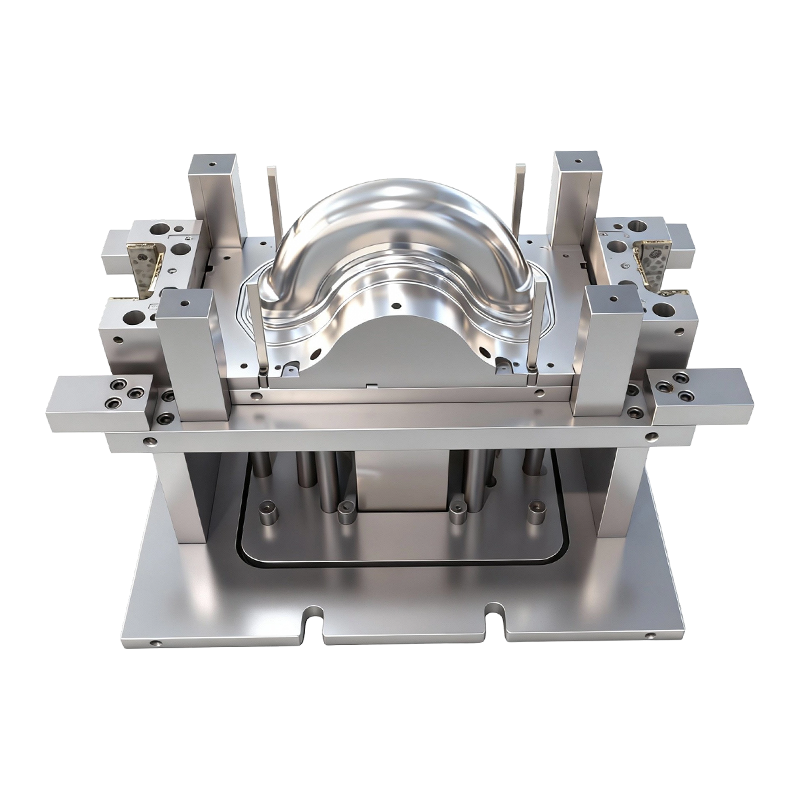
Deep drawing mold for front and rear wheels of two-wheeled electric vehicles
This Deep drawing mold for front and rear wheels o...
-
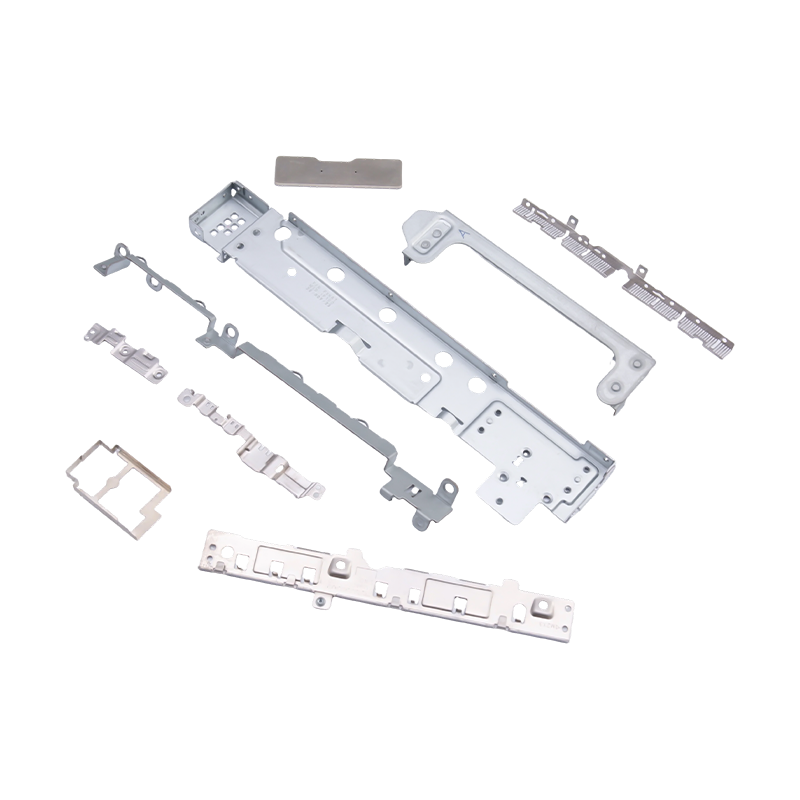
Small stamped parts for laptops and mobile phones
As essential internal components for modern portab...
-
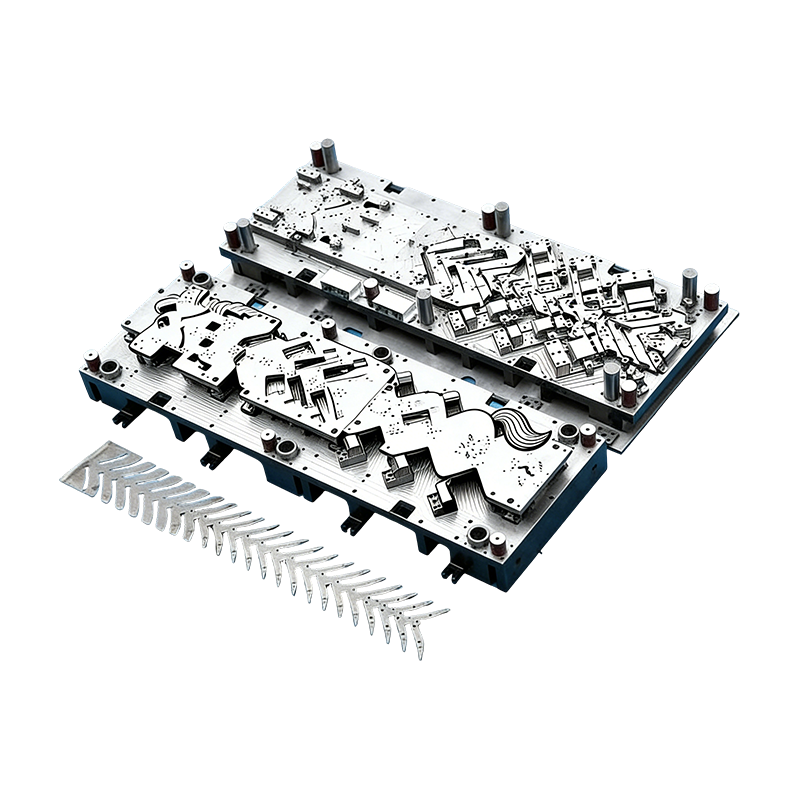
Progressive molds for automotive parts
This Continuous mold for automotive motor housing ...
-
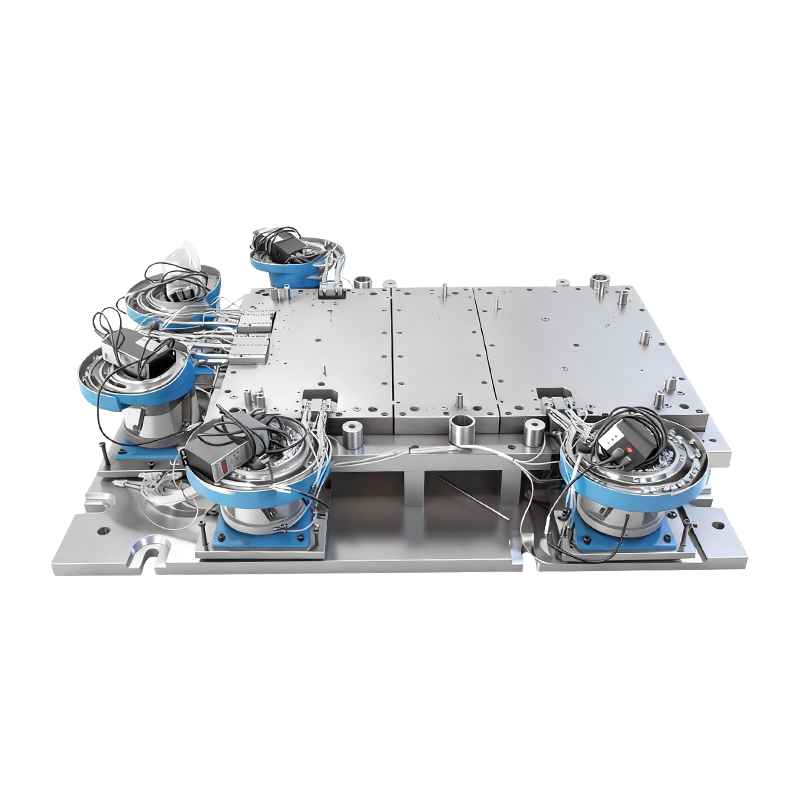
Automatic riveting mold for large computer machine base
This Automatic Riveting Mold for Large Computer Ma...
-
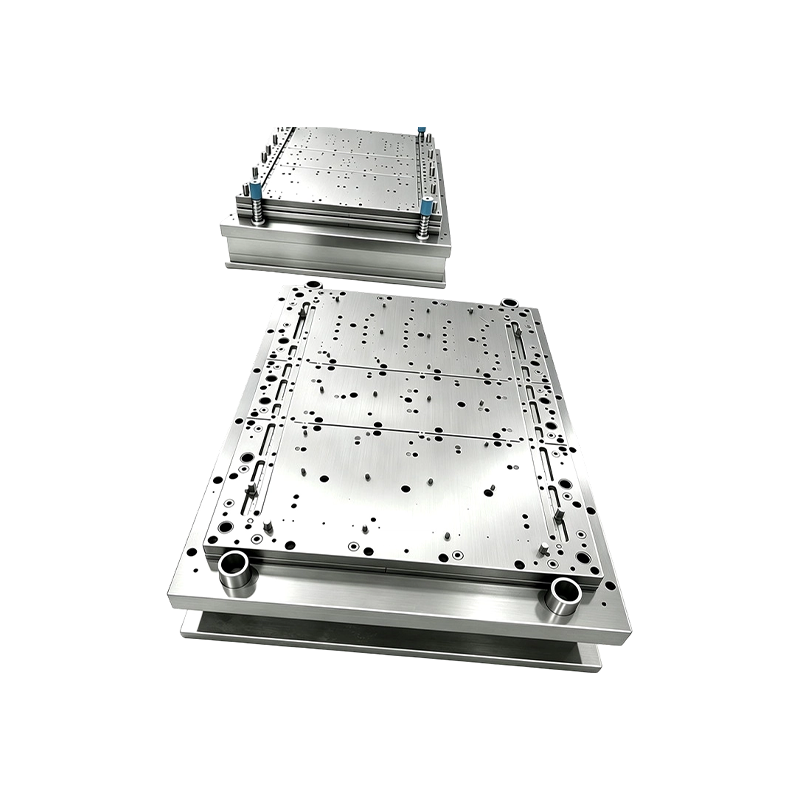
Progressive Stamping Die for Connector & Terminal Parts High Speed Progressive Stamping Die Precision Metal Hardware Stamping Tool mold for Connector Terminal Parts Automotive Components
Progressive Stamping Die for Connector & Termi...
-
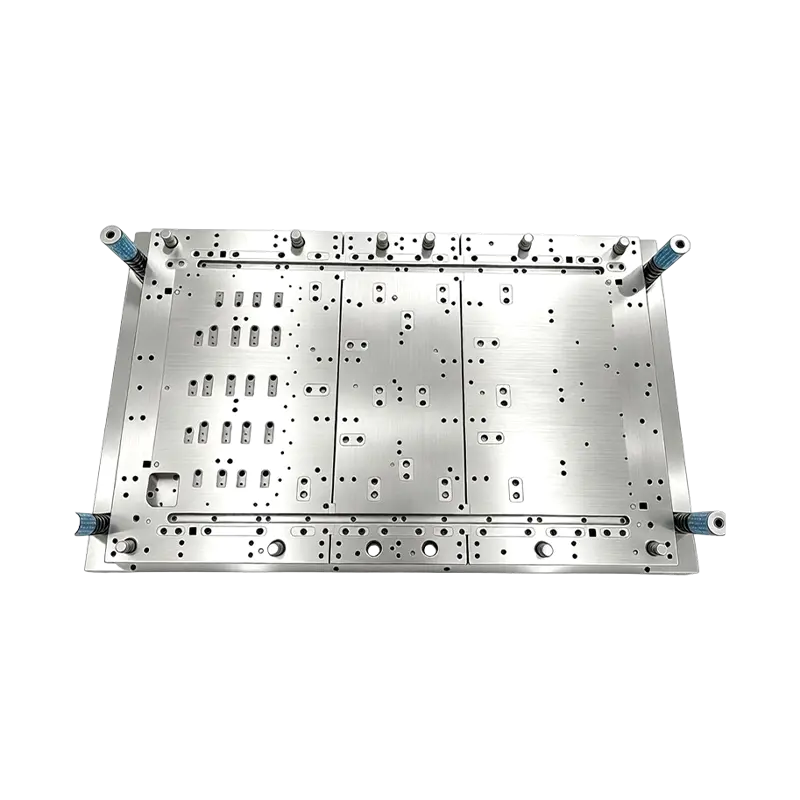
Multi-Station Progressive Stamping Die with Carbide Inserts Custom Multi Station Progressive Stamping Die Carbide Insert Metal Stamping Mold Tool for Equipment Appliances Device Hardware
High Speed Metal Stamping Tool for Precise Equipme...
- E-mail us: [email protected]
- Call us: +86-139 1308 8972

Liu Yanan – After-Sales Service Engineer
Home / Author / Liu Yanan – After-Sales Service Engineer / Deep Drawing Dies for Front and Rear Wheels of Two-Wheeled Electric Vehicles
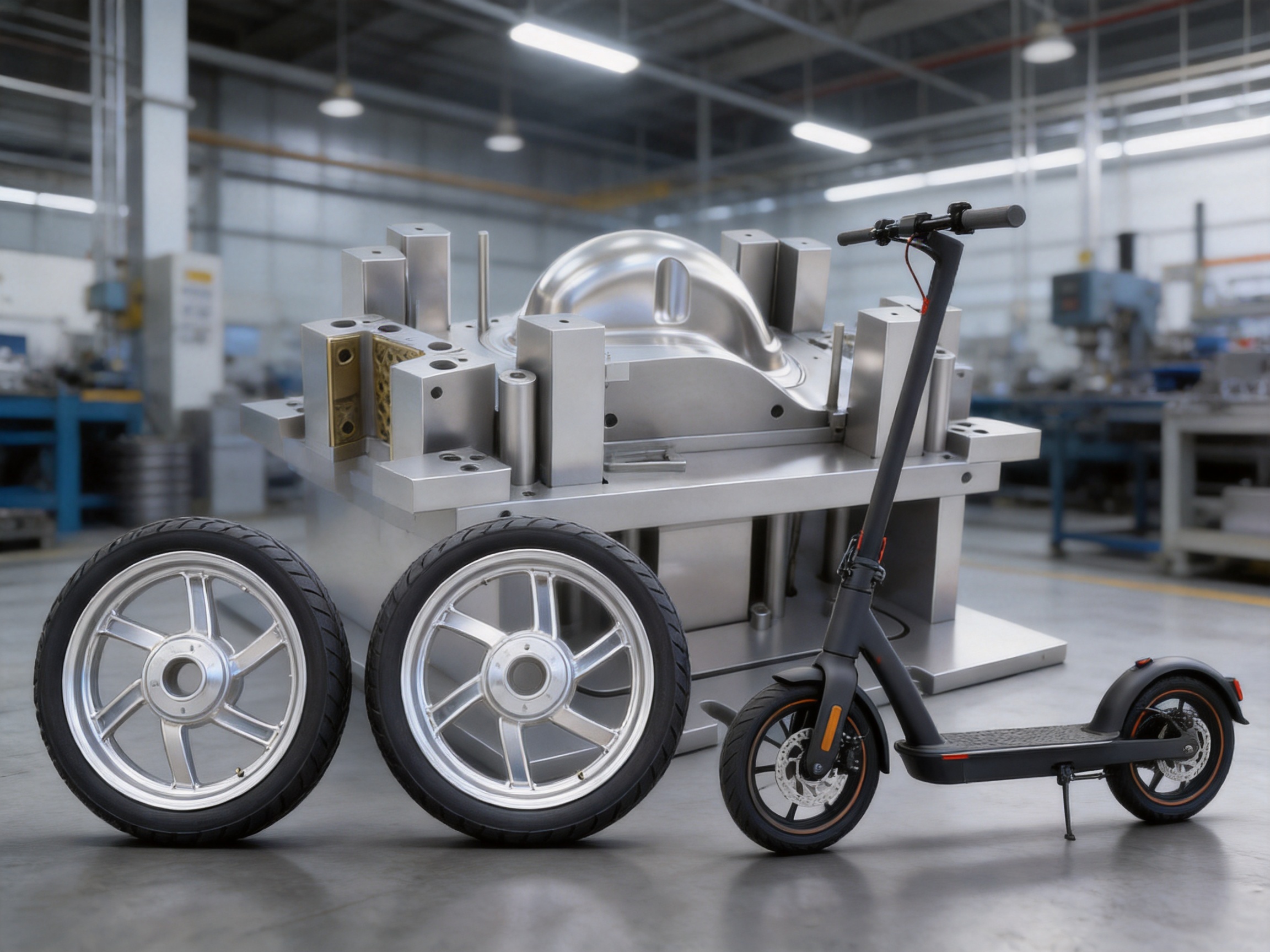
Deep Drawing Dies for Front and Rear Wheels of Two-Wheeled Electric Vehicles
2026-10-08
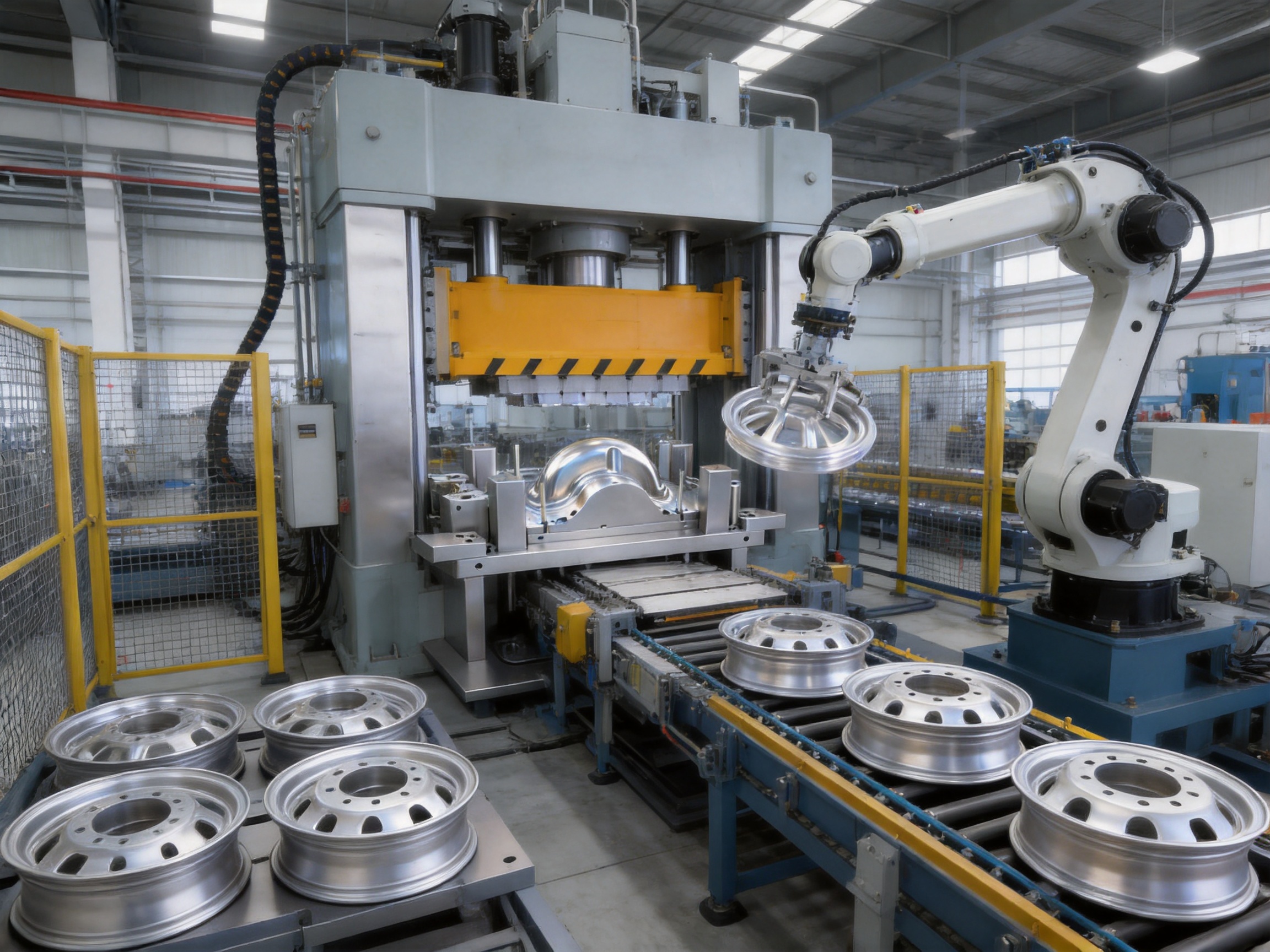
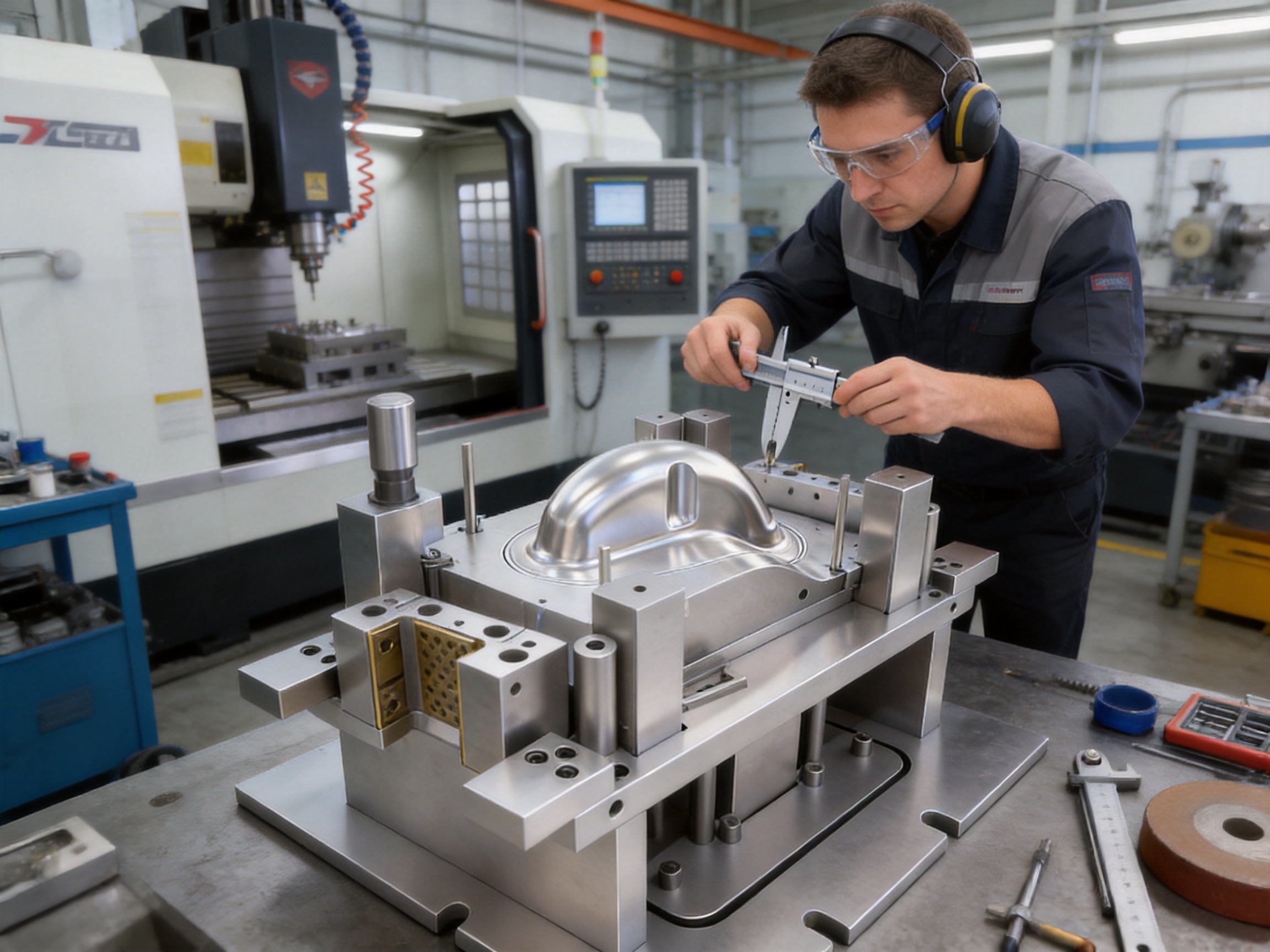
The rapid development of two-wheeled electric vehicles has created new requirements for component strength, production efficiency, dimensional consistency, and cost control. Among the most important structural components are the front and rear wheels. Wheels must support the vehicle, withstand repeated impact and vibration, maintain stable geometry, and provide reliable performance throughout the vehicle’s service life. For manufacturers seeking stronger and more durable alternatives to traditional plastic wheels, metal wheel forming technology offers significant advantages.
The deep drawing mold for front and rear wheels of two-wheeled electric vehicles is a specialized metal stamping die developed for the efficient production of wheel blanks and related wheel components. It is designed to guide sheet metal through a controlled forming process, creating a consistent shape while maintaining dimensional accuracy and structural integrity. The mold is particularly suitable for manufacturers of electric bicycles, electric scooters, light electric motorcycles, and other compact two-wheeled vehicles requiring reliable metal wheel components.
Developed by Suzhou Shuangqisi Mold Equipment Co., Ltd., the mold reflects extensive experience in stamping die design, precision machining, mold debugging, and production support. The company combines die manufacturing with stamping automation capabilities, allowing customers to obtain more than an individual tool. Depending on their production requirements, customers can receive a coordinated solution covering die design, manufacturing, testing, process adjustment, automation integration, and equipment planning.
Compared with plastic wheel solutions, a properly formed metal wheel can provide improved load-bearing performance, better impact resistance, greater durability, and more stable operation under demanding conditions. The deep drawing mold is therefore not only a forming tool but also an important part of the production system used to upgrade the quality of two-wheeled electric vehicle components.
Content
- 1 Product Overview
- 2 Why Metal Wheels Are Increasingly Important
- 3 Core Advantages of the Deep Drawing Mold
- 4 Technical Design Considerations
- 5 Manufacturing Process and Quality Control
- 6 Manufacturing Capabilities of the Supplier
- 7 Integrated Mold and Automation Solutions
- 8 Advantages Over Conventional or Less Specialized Solutions
- 9 Application in Front and Rear Wheel Production
- 10 Production Efficiency and Cost Control
- 11 Recommended Project Development Process
- 11.1 Step One: Confirm Product Requirements
- 11.2 Step Two: Evaluate Forming Feasibility
- 11.3 Step Three: Develop the Die Design
- 11.4 Step Four: Manufacture and Assemble the Tool
- 11.5 Step Five: Conduct Trial Production
- 11.6 Step Six: Integrate Automation and Production Equipment
- 11.7 Step Seven: Deliver Technical Support
- 12 Quality, Reliability, and Customer Support
- 13 Important Customer Information for Technical Evaluation
- 14 Q&A
- 14.1 What is a deep drawing mold for two-wheeled electric vehicle wheels?
- 14.2 Why use metal wheels instead of plastic wheels?
- 14.3 Can the mold be used for both front and rear wheels?
- 14.4 What defects can the mold help reduce?
- 14.5 What equipment is used to manufacture the die?
- 14.6 Can the supplier provide stamping automation?
- 14.7 Can the mold be customized?
- 14.8 Does the company support trial production and debugging?
- 14.9 What information should be provided when requesting a quotation?
- 14.10 How does automation improve wheel production?
- 14.11 How should the die be maintained?
- 15 Conclusion
- 16 References
- 17 Product: Deep drawing mold for front and rear wheels of two-wheeled electric vehicles
Product Overview
The deep drawing mold for front and rear wheels is engineered to transform flat metal blanks into wheel-shaped components through controlled plastic deformation. During the process, the sheet material is positioned inside the die, held securely, and drawn into the cavity by a punch or forming mechanism. The shape of the cavity, the movement of the forming components, the blank-holder pressure, and the material flow conditions all influence the final result.
A well-designed deep drawing die must achieve several objectives at the same time. It must allow the material to flow smoothly, prevent excessive wrinkling, reduce the possibility of cracking, maintain a consistent wall profile, and support repeatable production across large batches. It must also be sufficiently durable to withstand continuous stamping operations while maintaining the accuracy of the forming surfaces.
This wheel-forming mold uses a rational cavity structure to support stable material deformation. The forming surfaces are developed according to the required wheel geometry and production conditions. By controlling the contact relationship between the punch, die, blank holder, and workpiece, the mold helps manufacturers obtain wheel blanks with consistent shape and size.
The product is categorized as an automotive and electric vehicle deep drawing die. Its application is focused on front and rear wheels for two-wheeled electric vehicles, although the underlying design principles can also support related sheet metal forming applications when the material, thickness, geometry, and press capacity are suitable.
Why Metal Wheels Are Increasingly Important
Traditional plastic wheels have been widely used in some light electric vehicle applications because of their low weight, relatively simple production, and low material cost. However, plastic structures can face limitations when vehicles are subjected to higher loads, frequent impacts, rough roads, temperature changes, or long operating cycles. In these conditions, manufacturers may need a stronger and more durable alternative.
Metal wheels can offer a more robust structural solution. Properly formed metal components can withstand higher mechanical loads and provide improved resistance to impact and deformation. Their material characteristics also make them suitable for applications in which the wheel must maintain shape under repeated stress. For manufacturers competing in a market that increasingly values safety, service life, and product quality, metal wheel production can create a meaningful product advantage.
However, the benefits of metal wheels depend heavily on the quality of the forming process. Poorly designed tooling may produce uneven thickness, wrinkles, cracks, dimensional deviations, or excessive springback. Such defects can weaken the wheel, increase post-processing requirements, and reduce production efficiency. A specialized deep drawing mold is therefore essential for realizing the full benefits of metal wheel construction.
The wheel mold described in this article is designed to address these production requirements. Its forming cavity supports controlled material movement, while its precision manufacturing helps maintain consistent dimensions from one workpiece to the next. This combination can help manufacturers reduce defects and produce wheel components with more predictable performance.
Core Advantages of the Deep Drawing Mold
Consistent Shape and Dimensions
One of the most important advantages of a specialized deep drawing die is its ability to produce repeatable wheel geometry. Consistent dimensions are essential for assembly, balance, compatibility with other vehicle components, and reliable operation. When each blank is formed according to the same geometric standard, downstream processes can be organized more efficiently.
The die cavity is manufactured with attention to the required forming profile. Precision machining and inspection help ensure that the cavity, punch, and other working components maintain the intended relationship. During production, the material is guided through a controlled forming path, reducing variations caused by uncontrolled deformation.
For electric vehicle manufacturers, dimensional consistency can simplify the assembly of tires, hubs, bearings, axles, braking components, and related parts. It can also reduce the need for manual correction and help improve the stability of the complete vehicle.
Improved Structural Stability
A wheel blank must not only look correct; it must also possess reliable structural characteristics. A controlled deep drawing process distributes deformation more evenly and helps create a stable formed structure. The resulting component can provide better resistance to operational loads than an improperly formed part with localized thinning, cracking, or distortion.
The cavity design of this mold is intended to support smooth forming and minimize unnecessary material stress. Correct control of the forming geometry helps reduce the risk of abrupt deformation. This is particularly important in wheel production, where structural consistency affects load-bearing ability and long-term durability.
Reduced Production Defects
Common defects in deep drawing include wrinkles, tearing, cracks, excessive thinning, uneven forming, dimensional deviation, and springback. These defects may result from unsuitable tooling geometry, improper blank-holder pressure, incorrect process parameters, insufficient lubrication, or inadequate material preparation.
A dedicated wheel mold helps address these risks at the tooling design stage. The forming cavity is developed around the specific geometry and material flow requirements of the wheel. When combined with appropriate press settings and process debugging, the mold can reduce defect rates and improve production stability.
Lower defect rates provide direct economic value. Manufacturers can reduce scrap, limit rework, decrease inspection pressure, and make better use of raw materials. More stable forming also supports smoother scheduling and fewer interruptions on the production line.
Lower Post-Processing Costs
When a die produces accurate and stable wheel blanks, the amount of corrective work required after forming can be reduced. A part that exits the press with the correct shape and acceptable surface quality requires fewer manual adjustments and less secondary machining.
Reduced post-processing can improve total manufacturing efficiency. It may also decrease labor consumption, tooling wear in later operations, energy use, and the risk of introducing new defects during correction. For high-volume electric vehicle component production, these savings can become significant over time.
Suitability for Upgraded Electric Vehicle Components
The electric vehicle market is moving toward stronger, safer, and more durable products. Consumers and vehicle manufacturers increasingly expect components to withstand demanding operating conditions while maintaining an attractive cost structure. Metal wheel production supports this direction by providing a more robust alternative to certain plastic wheel applications.
The deep drawing mold helps manufacturers introduce metal wheel components without relying entirely on complex manual forming operations. It provides a repeatable production foundation that can be incorporated into a larger stamping line or automated manufacturing system.
Technical Design Considerations
Forming Cavity Design
The forming cavity is the central working area of a deep drawing die. Its profile determines how the blank is supported and how the material moves during drawing. For front and rear wheel applications, the cavity must reflect the required wheel contour while allowing the sheet to deform without excessive localized stress.
A rational cavity design should consider the depth of draw, transition radii, material thickness, blank diameter, target geometry, and required surface condition. Smooth transitions are generally important because sharp changes in direction can increase the risk of cracking or uneven material flow.
The mold’s cavity structure is developed to support smooth forming. The purpose is to create a more stable transition from the flat blank to the formed wheel profile, reducing the likelihood of production defects and helping maintain the required dimensions.
Punch and Die Alignment
Accurate alignment between the punch and die is essential for reliable deep drawing. Misalignment can lead to uneven clearance, irregular wall thickness, asymmetric forming, accelerated wear, and damage to the workpiece. Precision machining and careful assembly are therefore critical during mold manufacturing.
The die-making process includes machining of the principal working components, fitting, inspection, and debugging. Each stage contributes to the final alignment accuracy. Proper alignment also protects the press and reduces unnecessary stress on the mold during repeated operation.
Material Flow Control
Deep drawing depends on controlled material flow. If the sheet enters the cavity too freely, wrinkling may occur. If the material is restrained excessively, tearing or severe thinning may result. The die must therefore provide an appropriate balance between material movement and material restraint.
Blank-holder conditions, forming radii, clearance, lubrication, press speed, and material characteristics all influence the flow behavior. A specialized mold gives the manufacturer a better foundation for adjusting these factors during trial production and process debugging.
Durability of Working Components
Stamping dies used in production must withstand repeated contact, pressure, friction, and thermal variation. The durability of the working components affects maintenance frequency, dimensional stability, and overall production cost.
Manufacturing quality is especially important in the cavity and punch areas. Precision machining, appropriate material selection, surface treatment when required, and careful finishing can help extend tool life. Regular inspection and maintenance should also be incorporated into the customer’s production plan.
Manufacturing Process and Quality Control
Suzhou Shuangqisi Mold Equipment Co., Ltd. integrates die design, mold manufacturing, stamping support, and automation services. This integrated structure allows the company to coordinate different stages of a project rather than treating design, machining, testing, and production as isolated activities.
Engineering and Product Analysis
The manufacturing process begins with a review of the customer’s product requirements. These requirements may include wheel geometry, material type, material thickness, target production volume, press capacity, dimensional tolerances, surface requirements, and downstream assembly conditions.
Engineering analysis helps determine the appropriate forming method and die structure. The design team considers how the blank will enter the cavity, where deformation will be concentrated, how the workpiece will be removed, and what adjustments may be required during trial production.
Early evaluation is important because tooling decisions influence the entire manufacturing system. A die designed without consideration of the available press or automation equipment may create unnecessary production limitations. By reviewing the mold and equipment requirements together, the company can help customers develop a more practical solution.
Precision Machining
The company is equipped with imported wire cutting machines, CNC machining centers, more than ten grinding machines of different sizes, and other precision machine tools. These facilities support the manufacture of complex die components and working surfaces.
CNC machining centers are used for accurate production of die structures and shaped components. Wire cutting machines are suitable for the precise machining of certain profiles and narrow features. Grinding equipment supports the finishing of surfaces that require close dimensional control and smooth contact conditions.
The combination of different machine tools allows the manufacturing process to be matched to the requirements of each component. Rough machining, semi-finishing, finishing, grinding, fitting, and inspection can be arranged according to the material and accuracy requirements of the die.
Assembly and Fitting
After the principal components are machined, the die is assembled and fitted. This stage requires experienced technicians because small deviations in component relationships can affect forming performance. The fit between the punch, die, guide components, blank holder, and supporting structures must be checked carefully.
Experienced mold operators and debugging personnel play an important role in this stage. Their practical knowledge helps identify issues that may not be fully apparent from drawings alone, including uneven contact, difficult workpiece removal, abnormal wear points, or material flow problems.
Trial Production and Debugging
Trial production is used to verify the forming effect and identify adjustments before the mold is released for regular production. Test blanks are formed under controlled conditions, and the resulting parts are inspected for geometry, surface quality, wrinkles, cracks, thinning, and dimensional variation.
Based on the trial results, technicians may adjust forming clearances, blank-holder conditions, component alignment, workpiece positioning, or other process parameters. The objective is to achieve a stable forming window that can be used by the customer’s production team.
Debugging is particularly valuable for deep drawing applications because theoretical calculations cannot always predict every aspect of actual material behavior. Practical testing helps confirm how the selected material and tooling interact under real press conditions.
Inspection and Delivery
Before delivery, the mold should be inspected for assembly condition, working surface quality, movement, alignment, and forming performance. The inspection process provides an opportunity to confirm that the tool meets the project requirements and is ready for installation or further production validation.
Clear technical communication is also important. Customers should receive information about suitable press conditions, operating procedures, maintenance requirements, and any special considerations related to the forming process. Such information supports a smoother transition from mold delivery to production operation.
Manufacturing Capabilities of the Supplier
Suzhou Shuangqisi Mold Equipment Co., Ltd. is a professional manufacturer of stamping dies and hardware parts, integrating design, manufacturing, and service. The company has approximately 60 technical staff and more than 15 years of experience in the mold industry. Its capabilities cover product development, tooling production, stamping support, and automation planning.
The company operates a production system supported by imported wire cutting machines, CNC machining centers, grinding machines, punch presses ranging from 80 tons to 400 tons, and other precision equipment. This equipment base allows the company to serve a variety of stamping and forming requirements.
The available press range is important for customers whose projects require different forming forces and production scales. While the correct press must always be selected according to the specific wheel design, material, thickness, and process conditions, access to multiple press capacities provides greater flexibility during trial production and production planning.
The company’s customers include organizations in the servo drive, compressor, and new energy vehicle sectors. Its client base also includes Anter Group, Ousheng Electric, Dongbei Group, and Huichuan Technology. Experience across these industries provides exposure to applications requiring precision, repeatability, cost control, and dependable delivery.
Integrated Mold and Automation Solutions
A major advantage of working with an integrated supplier is the ability to coordinate tooling and automation from the beginning of the project. In 2016, Suzhou Shuangqisi Mold Equipment Co., Ltd. invested in and established Suzhou Keshuang Intelligent Technology Co., Ltd., which mainly produces stamping automation equipment.
This relationship supports the development of turnkey solutions for stamping molds and stamping automation. Customers may require automatic feeding, transfer mechanisms, material handling, part removal, press synchronization, or other production-line functions. When the die and automation are considered together, the overall system can be designed with better compatibility.
Automation can provide several benefits in wheel component manufacturing. It can reduce manual handling, improve production rhythm, enhance operator safety, and support more consistent positioning of blanks. Automated transfer can also help reduce variation caused by differences in manual loading and unloading.
For customers expanding production capacity, the company can also invest in related production equipment according to project requirements. This approach may be useful for enterprises that need cost-effective production support but do not want to manage multiple unrelated suppliers for the mold, press, automation, and process integration.
| Requirement | Contribution of the Deep Drawing Mold | Customer Benefit |
|---|---|---|
| Consistent wheel geometry | Controlled cavity profile and guided material forming | More stable assembly and reduced dimensional variation |
| Load-bearing performance | Controlled metal deformation and stable formed structure | Improved durability for demanding vehicle applications |
| Production efficiency | Repeatable stamping process and compatibility with automation | Higher output potential and reduced manual handling |
| Defect reduction | Rational cavity design and trial-production debugging | Less scrap, rework, and post-processing |
| Project coordination | Integrated mold, stamping, and automation capabilities | Simplified supplier management and faster implementation |
| Long-term tooling value | Precision machining, fitting, inspection, and maintenance support | More reliable production and improved return on tooling investment |
Advantages Over Conventional or Less Specialized Solutions
Compared with Plastic Wheel Components
The most direct advantage of a metal wheel-forming solution is its suitability for applications requiring higher structural strength and durability. Plastic wheels may be appropriate for selected low-load applications, but they can be less suitable when the vehicle is exposed to repeated impact, heavier loads, or demanding operating environments.
Metal wheel components produced through controlled deep drawing can provide a stronger foundation for vehicle construction. They can also support the development of products positioned toward higher quality, longer service life, and improved structural reliability.
Compared with General-Purpose Dies
A general-purpose stamping die may not be optimized for the specific material flow and geometry of a two-wheeled electric vehicle wheel. Specialized tooling is designed around the product’s actual forming requirements. This specialization can improve forming stability and reduce the need for extensive modification after production begins.
The wheel mold also benefits from application-specific engineering. The design team can evaluate the required shape, press capacity, material behavior, production volume, and automation needs as part of one project. This is more effective than adapting an unsuitable standard tool to a complex component.
Compared with Fragmented Supplier Management
When a customer purchases the die from one supplier, automation from another, and production support from a third, communication gaps may affect the final result. Differences in technical assumptions can cause problems related to part positioning, press timing, transfer space, or maintenance procedures.
An integrated mold and automation supplier can reduce these coordination risks. The die, press operation, and automation system can be reviewed together, helping the customer establish a more coherent production process.
Compared with Low-Precision Tooling
Low-precision tooling may produce acceptable parts during initial trials but become unstable as production volume increases. Dimensional drift, uneven wear, and inconsistent forming can increase operating costs over time.
Precision machining, fitting, grinding, and inspection provide a stronger foundation for repeatable production. Although tooling quality is only one part of the overall process, it is a fundamental factor in controlling variation and maintaining production efficiency.
Application in Front and Rear Wheel Production
Front and rear wheels may have different structural requirements depending on the vehicle design, load distribution, braking system, hub structure, and frame arrangement. The mold design should therefore be developed according to the specific product rather than assuming that all wheel components are identical.
For front wheel applications, dimensional consistency may be particularly important for steering behavior, axle alignment, and the integration of braking or suspension components. For rear wheel applications, the wheel may interact with the drive system, transmission components, motor structure, or additional load-bearing elements.
The deep drawing mold can be adapted to the required wheel geometry and production conditions. The final technical design should be confirmed through engineering analysis and trial production. Factors such as material grade, sheet thickness, blank size, draw depth, forming sequence, and required tolerance should be discussed before the mold is manufactured.
Manufacturers may use the die for prototype development, small-batch validation, or high-volume production, depending on the press and automation configuration. The tooling can become part of a broader manufacturing strategy for replacing selected plastic components with stronger metal alternatives.
Production Efficiency and Cost Control
Tooling investment should be evaluated according to total production value rather than purchase price alone. A lower-cost die may create greater expenses if it produces high scrap rates, requires frequent adjustment, or has limited durability. A well-designed mold can provide value through stable production, reduced waste, lower labor requirements, and improved product quality.
The deep drawing mold supports cost control in several ways. First, it helps reduce production defects through controlled material forming. Second, it can lower the need for manual correction and secondary processing. Third, it may be integrated with automation to reduce handling labor and improve production rhythm. Fourth, stable tooling can help reduce unplanned downtime associated with frequent adjustments.
Material utilization is also important. A suitable blank design and forming method can help manufacturers manage the amount of sheet metal used in each component. Since metal cost can represent a substantial part of component cost, reducing unnecessary waste contributes directly to manufacturing competitiveness.
Production planning should also consider maintenance and spare parts. Working components subject to wear may require inspection or replacement over time. Establishing a maintenance schedule can help prevent unexpected stoppages and preserve forming accuracy throughout the service life of the die.
Recommended Project Development Process
Step One: Confirm Product Requirements
The customer should provide available drawings, three-dimensional models, material specifications, thickness information, expected production volume, and quality requirements. If the product is still in the development stage, preliminary dimensions and performance targets can be reviewed first.
Step Two: Evaluate Forming Feasibility
The engineering team reviews the wheel profile, draw depth, transition areas, material flow, and potential forming risks. This stage helps determine whether a single operation or multiple forming operations may be required and what press conditions should be considered.
Step Three: Develop the Die Design
The die structure is designed around the product geometry, press capacity, workpiece handling, and production objectives. The design should include appropriate forming surfaces, guiding structures, blank control, workpiece removal, and provisions for inspection and maintenance.
Step Four: Manufacture and Assemble the Tool
Die components are machined using suitable equipment, then finished, inspected, assembled, and fitted. The accuracy of the working components and the quality of assembly are essential to the final forming result.
Step Five: Conduct Trial Production
Trial production verifies whether the tool can achieve the required shape, dimensions, and surface condition. Test results are reviewed, and necessary adjustments are made by experienced debugging personnel.
Step Six: Integrate Automation and Production Equipment
If automatic production is required, feeding, transfer, positioning, and unloading systems are coordinated with the die and press. The objective is to create a stable and practical production rhythm while maintaining operator safety and component quality.
Step Seven: Deliver Technical Support
After delivery, the customer should receive guidance on mold installation, operating conditions, lubrication, inspection, maintenance, and troubleshooting. Continued communication can help address production questions and support the long-term performance of the tooling.
Quality, Reliability, and Customer Support
Quality control in mold manufacturing involves more than checking the final appearance of the tool. It includes design review, material control, machining accuracy, surface finishing, component fitting, movement inspection, trial forming, and process documentation.
The company’s technical team includes senior operators and experienced debugging personnel. Their practical skills are valuable when adapting a theoretical design to actual production conditions. Deep drawing performance can be influenced by small differences in material properties, press behavior, lubrication, and handling. Experienced personnel can help identify and correct these issues more efficiently.
Reliable customer support is especially important for specialized tooling. A customer may need assistance during installation, first production, line adjustment, or later maintenance. A supplier capable of supporting both molds and automation can provide more comprehensive assistance throughout the project lifecycle.
Strict cost and quality control also contribute to customer value. The goal is not simply to manufacture a die but to provide a tooling solution that meets the required performance while maintaining a reasonable total cost. Suzhou Shuangqisi Mold Equipment Co., Ltd. focuses on creating customer value through technical capability, integrated services, and long-term cooperation.
Important Customer Information for Technical Evaluation
To develop an accurate quotation and suitable mold design, customers should provide as much technical information as possible. The required information may include the wheel drawing, three-dimensional data, material grade, material thickness, blank dimensions, target cycle time, annual production quantity, press specifications, and required tolerance.
Customers should also explain whether the wheel will undergo subsequent operations such as trimming, piercing, flanging, welding, surface treatment, painting, or assembly. Understanding the complete production route helps the die manufacturer optimize the forming process and ensure compatibility with downstream operations.
If the customer intends to automate the line, information about the available press, factory layout, material loading method, operator arrangement, and expected production rhythm should also be discussed. Early communication reduces the risk of redesign and helps create a more efficient complete solution.
Q&A
What is a deep drawing mold for two-wheeled electric vehicle wheels?
It is a specialized stamping die used to form flat metal blanks into front or rear wheel-shaped components. The die controls the movement of the sheet metal through a forming cavity to create a consistent geometry and stable structure.
Why use metal wheels instead of plastic wheels?
Metal wheels can provide improved load-bearing capacity, impact resistance, durability, and structural stability in applications where plastic wheels may have limitations. The final performance depends on the material, design, forming quality, and complete vehicle structure.
Can the mold be used for both front and rear wheels?
The mold concept is suitable for front and rear wheel applications, but the specific die design must be developed according to the geometry and requirements of each wheel. Front and rear wheels may differ in dimensions, load conditions, hub structures, and related components.
What defects can the mold help reduce?
A properly designed mold can help reduce wrinkles, cracks, uneven forming, dimensional deviation, excessive thinning, and other defects related to uncontrolled material flow. Correct press settings, lubrication, material selection, and operator control are also required for stable production.
What equipment is used to manufacture the die?
The manufacturing facility includes imported wire cutting machines, CNC machining centers, grinding machines of various sizes, punch presses from 80 tons to 400 tons, and other precision machine tools. The equipment is selected according to the requirements of each die component.
Can the supplier provide stamping automation?
Yes. The company has integrated stamping automation capabilities through its related automation operation, Suzhou Keshuang Intelligent Technology Co., Ltd. Customers can discuss automatic feeding, transfer, handling, and other production-line requirements along with the mold project.
Can the mold be customized?
Yes. The die should be customized according to the wheel drawing, material, thickness, press capacity, production volume, dimensional tolerances, and downstream process requirements. Technical details should be confirmed before design and manufacturing begin.
Does the company support trial production and debugging?
Yes. Experienced operators and debugging personnel support trial production and process adjustment. The purpose of debugging is to verify the formed part and establish suitable production conditions before regular manufacturing.
What information should be provided when requesting a quotation?
Customers should provide product drawings or three-dimensional models, material and thickness information, expected output, available press specifications, tolerance requirements, and any automation or downstream processing needs. More complete information enables a more accurate technical evaluation.
How does automation improve wheel production?
Automation can reduce manual handling, improve blank positioning, increase production consistency, support a stable cycle time, and enhance operator safety. The exact benefits depend on the selected press, transfer system, production volume, and line configuration.
How should the die be maintained?
Maintenance should include regular cleaning, lubrication where appropriate, inspection of working surfaces and guide components, checking of fasteners and alignment, monitoring of wear, and timely replacement of damaged or worn parts. A preventive maintenance schedule can help protect forming accuracy and reduce downtime.
Conclusion
The deep drawing mold for front and rear wheels of two-wheeled electric vehicles provides a practical solution for manufacturers seeking to produce stronger and more durable metal wheel components. Through controlled material forming, rational cavity design, precision machining, and trial-production debugging, the mold helps improve dimensional consistency, structural stability, and production reliability.
Its value extends beyond the die itself. When combined with stamping presses, automation equipment, experienced operators, and technical support, it can become part of an efficient manufacturing system for electric vehicle wheel production. The ability to coordinate mold design, precision manufacturing, stamping, and automation gives customers a more complete path from product concept to stable mass production.
Suzhou Shuangqisi Mold Equipment Co., Ltd. brings more than 15 years of mold-industry experience, a team of approximately 60 technical staff, precision machining resources, press capacity from 80 tons to 400 tons, and integrated automation capabilities. These strengths enable the company to serve customers requiring customized metal stamping dies, hardware parts, deep drawing tools, and turnkey stamping solutions.
For manufacturers upgrading from plastic wheels to metal wheels or developing new two-wheeled electric vehicle platforms, the mold can support improved component quality and long-term production competitiveness. The most effective results will be achieved through early technical communication, accurate product data, appropriate press selection, controlled process parameters, and continuous maintenance after delivery.
References
1. ASM International, Metal Forming Handbook.
2. American Society of Mechanical Engineers, Manufacturing Engineering and Metal Forming Principles.
3. Society of Manufacturing Engineers, Sheet Metal Stamping and Die Design Practices.
4. Schuler, Metal Forming Handbook.
5. European Committee for Standardization, general guidance on machinery safety and production equipment integration.
6. Internal technical information concerning deep drawing die design, precision machining, stamping automation, and electric vehicle component manufacturing.
Deep drawing mold for front and rear wheels of two-wheeled electric vehicles
For product consultation, tooling evaluation, or customized stamping automation requirements, customers can contact Suzhou Shuangqisi Mold Equipment Co., Ltd. at No. 118 Yexin Road, Wujiang Economic Development Zone, Suzhou, China. The company can be reached by telephone at +86-139 1308 8972 or by email at [email protected].
Product: Deep drawing mold for front and rear wheels of two-wheeled electric vehicles
Previous Post
Heavy Truck Stamping Parts: Precision, Strength, and Reliable Manufacturing for Commercial Vehicles
Next Post
High-Speed Progressive Stamping Dies for Precision Connector, Terminal, and Automotive Components
Our Products.
Start Your Business with an OEM Manufacturer Right Here!

Provide global customers with complete turn-key solutions
through
innovation!
QUICK LINKS
CONTACT INFO.
-
 +86-139 1308 8972
-

-
 No. 118 Yexin Road, Wujiang Economic Development Zone, Suzhou, China
Copyright © Suzhou Shuangqisi Mold Equipment Co., Ltd. All Rights Reserved. Custom Stamping Die Metal Stamping Die Manufacturers
