 English
 Español
 Deutsch
-
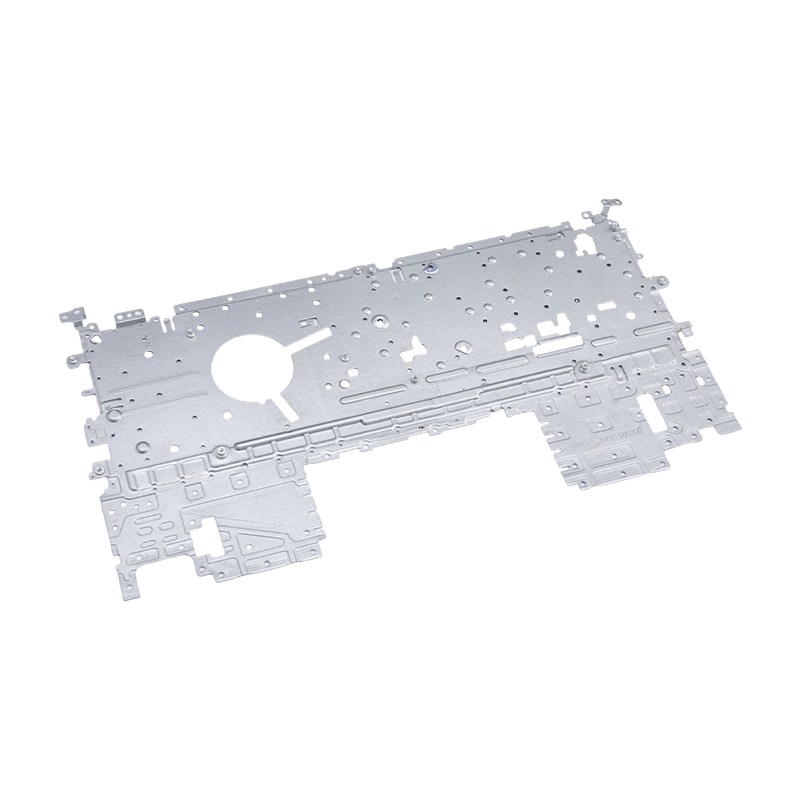
Laptop stamping parts
Our laptop stamping parts are precision-manufactur...
-
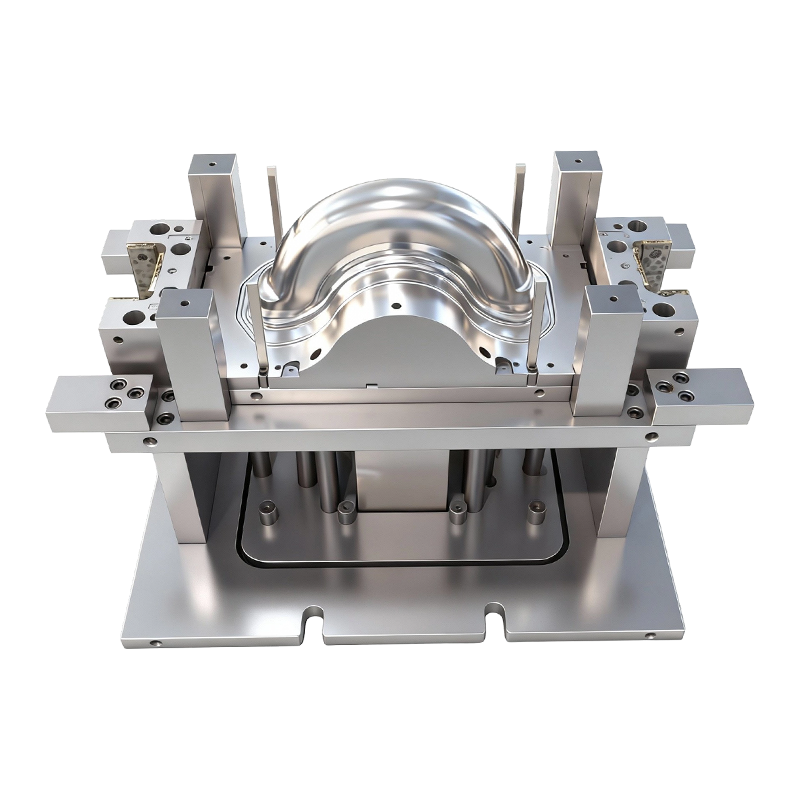
Deep drawing mold for front and rear wheels of two-wheeled electric vehicles
This Deep drawing mold for front and rear wheels o...
-
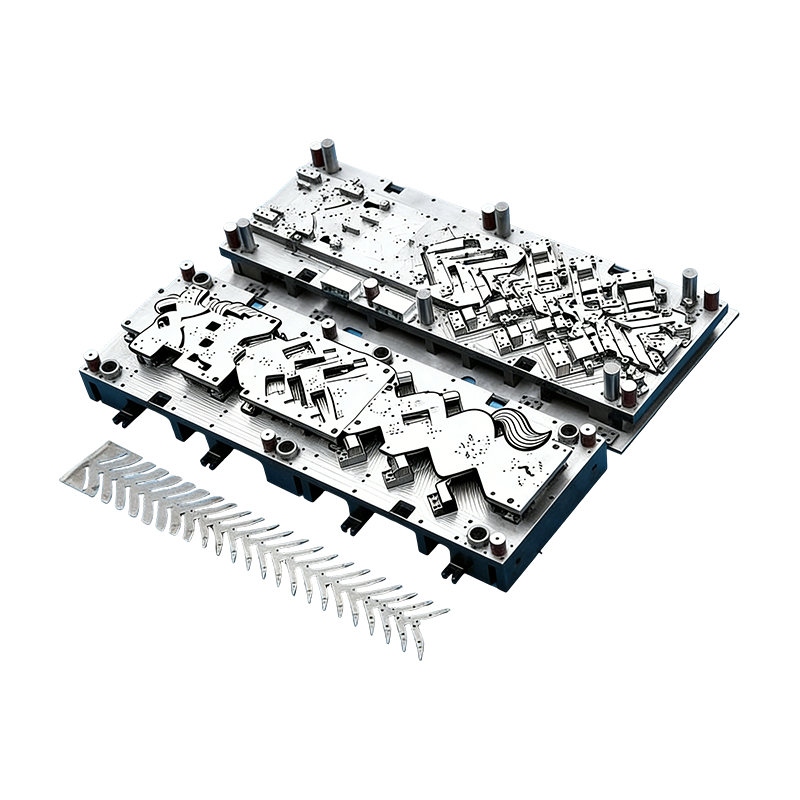
Progressive molds for automotive parts
This Continuous mold for automotive motor housing ...
-
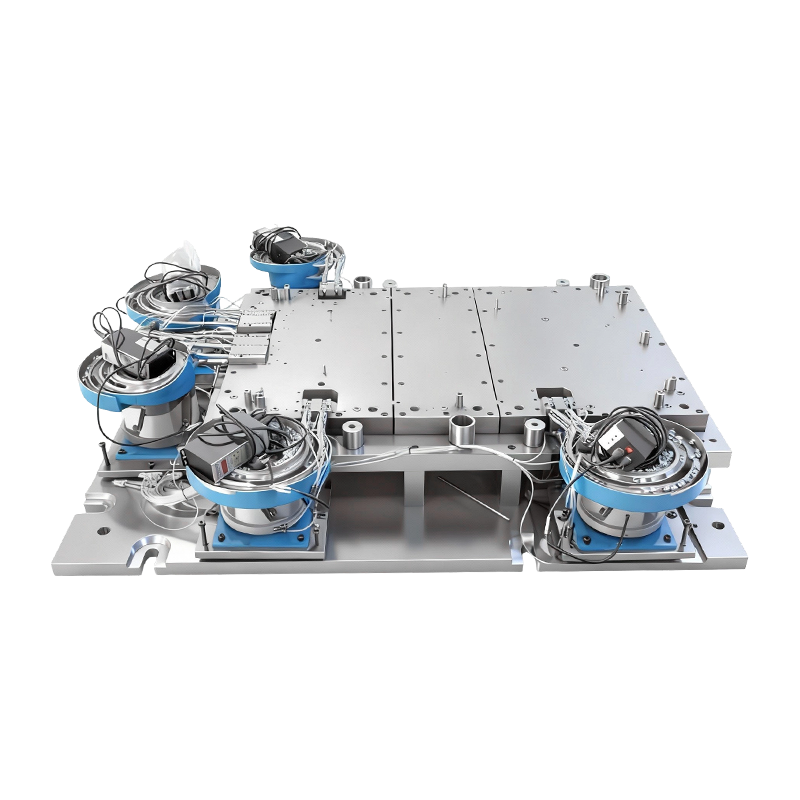
Automatic riveting mold for large computer machine base
This Automatic Riveting Mold for Large Computer Ma...
-
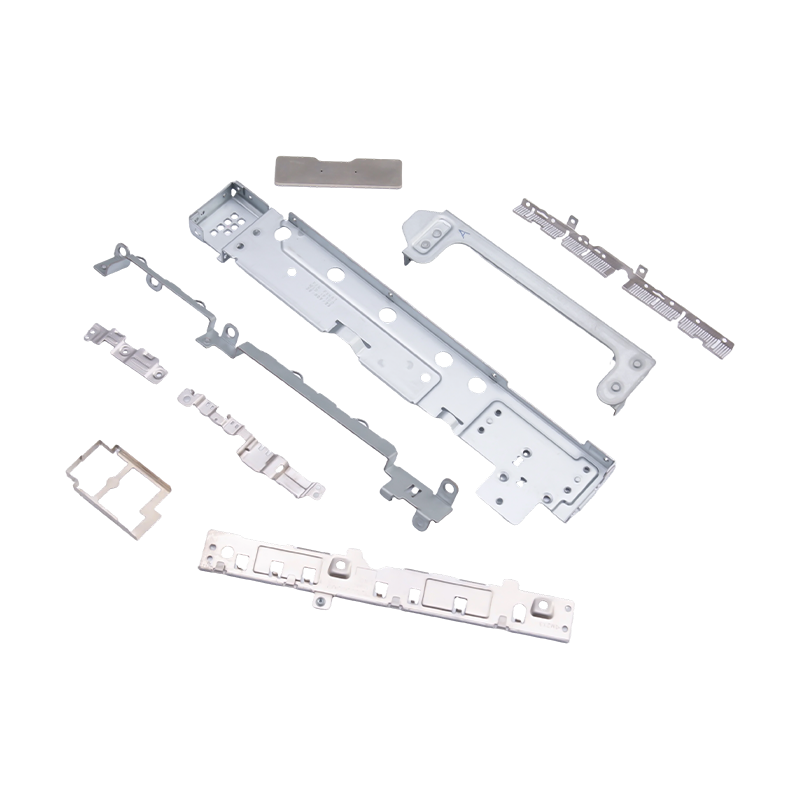
Small stamped parts for laptops and mobile phones
As essential internal components for modern portab...
- E-mail us: [email protected]
- Call us: +86-139 1308 8972

Chen Siyi – Overseas Sales Manager
Home / Author / Chen Siyi – Overseas Sales Manager / Precision Laptop Stamping Parts for Durable, Lightweight Electronic Assemblies
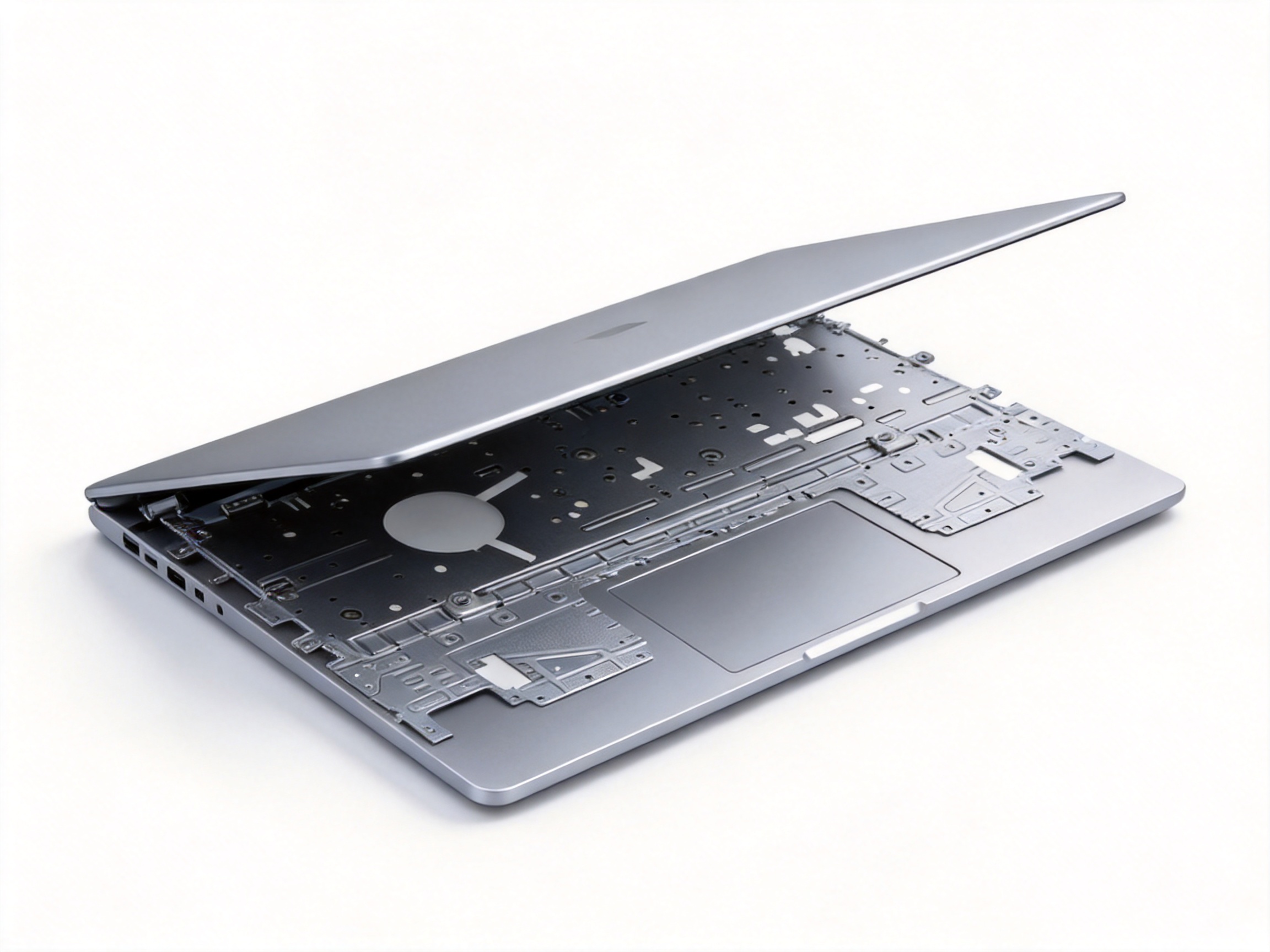
Precision Laptop Stamping Parts for Durable, Lightweight Electronic Assemblies
2026-06-04
Modern laptops are expected to be thin, light, rigid, thermally stable, visually refined, and highly reliable over years of daily use. Behind the sleek exterior of a notebook computer is a complex internal architecture supported by dozens of metal components, including chassis reinforcements, brackets, shields, hinges, battery supports, connector frames, keyboard supports, touchpad reinforcement plates, and internal structural parts. Laptop stamping parts are among the most important components in this system because they provide dimensional stability, assembly accuracy, protection, and mechanical strength without adding unnecessary weight.
Laptop stamping parts are precision-manufactured metal components produced through carefully engineered stamping, forming, punching, trimming, deburring, and surface treatment processes. They are widely used in laptop chassis structures, internal brackets, support frames, fastening interfaces, electronic shielding components, and assemblies that require accurate hole positions and snap-fit features. Compared with many machined or plastic alternatives, properly designed stamped parts offer a strong combination of repeatable accuracy, high production efficiency, cost control, material utilization, structural rigidity, and lightweight performance.
The laptop stamping parts introduced here are designed for demanding electronic applications. They are manufactured from high-quality cold-rolled steel, aluminum alloy, or magnesium alloy according to customer requirements and product design objectives. These materials are selected for their excellent balance of strength, formability, corrosion resistance, surface finish, and weight reduction capability. Through advanced stamping and mold technologies, the parts can achieve consistent dimensions, smooth edges, precise hole locations, stable snap-fit structures, and reliable performance in automated assembly environments.
For laptop manufacturers, component consistency is not merely a quality preference; it directly affects production yield, assembly speed, product appearance, structural durability, and after-sales reliability. A minor deviation in a bracket hole, a burr on a fastening edge, or instability in a formed feature may lead to assembly interference, electrical safety concerns, cosmetic defects, or long-term vibration issues. For this reason, high-quality laptop stamping parts must be supported by strong die design capability, accurate mold manufacturing, strict inspection, experienced process debugging, and stable mass-production management.
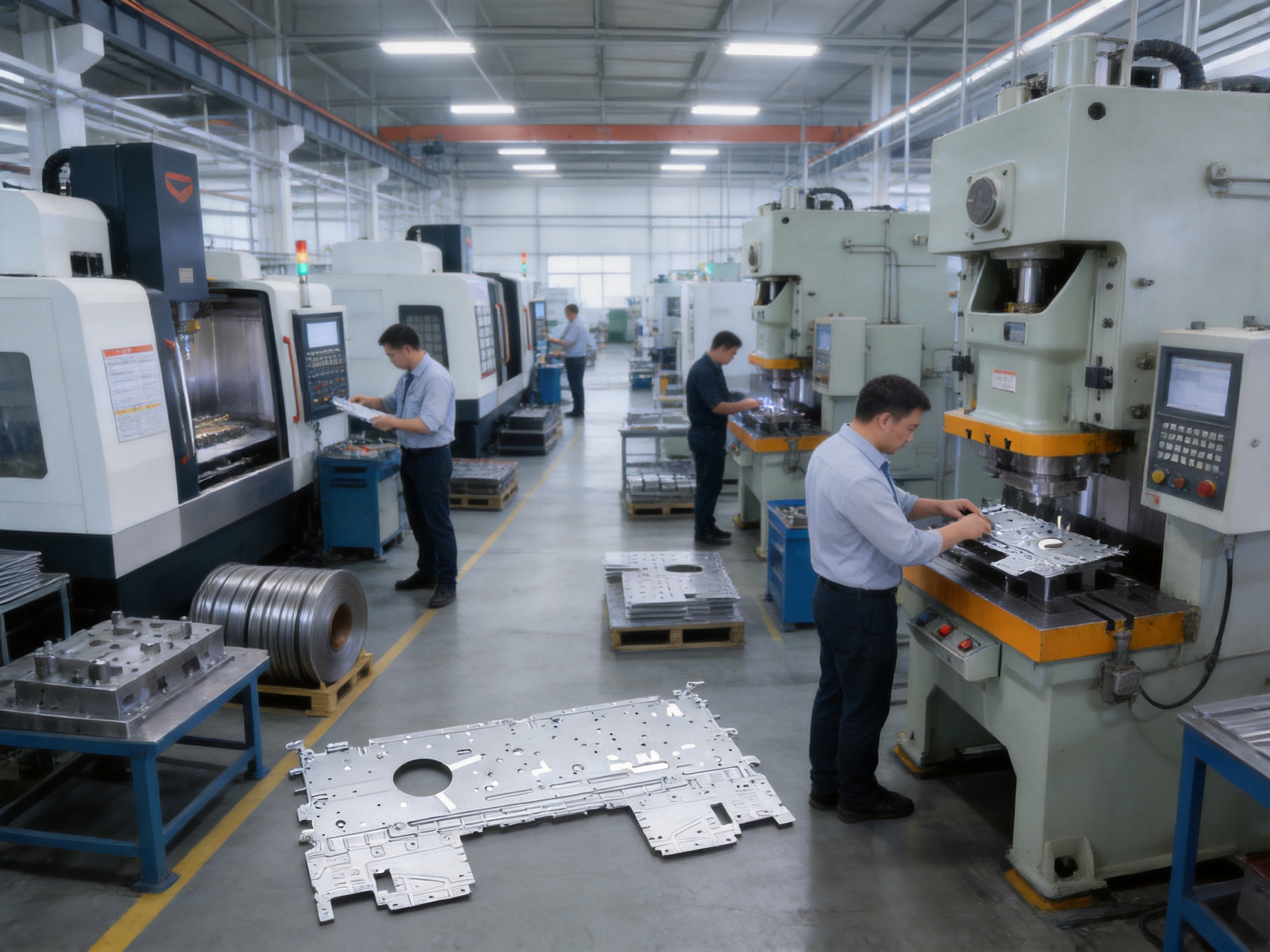
Suzhou Shuangqisi Mold Equipment Co., Ltd. provides laptop stamping parts supported by integrated capabilities in stamping dies, stamping parts, and stamping automation equipment. Located in Suzhou, China, the company combines mold design, die manufacturing, stamping production, process service, and automation solutions. With 15 years of experience in the mold industry, a technical team of 60 staff, imported wire cutting machines, CNC machining centers, more than 10 grinding machines, and 25 punch presses ranging from 80T to 400T, the company has the technical foundation required to deliver accurate, reliable, and cost-effective laptop metal stamping components.
Content
- 1 Understanding Laptop Stamping Parts
- 2 Material Options and Performance Advantages
- 3 Core Manufacturing Process
- 4 Manufacturing Strengths Behind Reliable Laptop Stamping Parts
- 5 Advantages Over Ordinary Competitors
- 6 Product Features and Technical Benefits
- 7 Typical Applications in Laptop Manufacturing
- 8 Comparison of Key Product Characteristics
- 9 Design for Manufacturability
- 10 Quality Control and Inspection
- 11 Integration with Stamping Automation
- 12 Customization Based on Customer Drawings
- 13 Cost Control Without Compromising Quality
- 14 Why Reliable Supply Matters for Laptop Manufacturers
- 15 Environmental and Practical Value of Precision Stamping
- 16 Practical Purchasing Considerations
- 17 Q&A: Laptop Stamping Parts
- 17.1 What are laptop stamping parts?
- 17.2 Which materials are commonly used for these parts?
- 17.3 Why are stamped metal parts important in laptops?
- 17.4 How do these parts improve assembly efficiency?
- 17.5 Can the parts be customized?
- 17.6 What makes these laptop stamping parts competitive?
- 17.7 Why is deburring important for laptop components?
- 17.8 How does the manufacturer support quality stability?
- 17.9 What production equipment supports these parts?
- 17.10 Are these parts suitable for thin and lightweight laptops?
- 18 Conclusion
- 19 References
- 20 Product: Laptop stamping parts
Understanding Laptop Stamping Parts
Laptop stamping parts are metal components formed from sheet material by applying controlled pressure through dies and presses. The stamping process may include blanking, piercing, bending, drawing, embossing, coining, trimming, tapping preparation, and progressive forming. In laptop applications, these parts are usually thin, precise, lightweight, and designed to integrate with screws, clips, electronic modules, thermal components, batteries, displays, connectors, and exterior housings.
Unlike general-purpose metal brackets, laptop stamping parts must meet strict requirements for dimensional tolerance, surface cleanliness, edge quality, flatness, and compatibility with compact product layouts. Laptops have limited internal space, and every component must fit within a tightly controlled stack-up. A small dimensional error can affect motherboard alignment, screen hinge positioning, keyboard feel, speaker placement, battery safety clearance, or cooling module installation. Therefore, the parts must be engineered with a clear understanding of electronic product assembly requirements.
Typical laptop stamping parts include structural support brackets, display hinge reinforcements, internal chassis plates, mounting frames, keyboard support sheets, touchpad backing plates, speaker brackets, fan brackets, connector shields, battery retaining parts, grounding clips, cable routing clips, EMI shielding plates, heat dissipation support plates, and snap-fit elements. Some components are highly visible and require fine cosmetic control, while others are hidden inside the device but must still deliver excellent structural reliability.
Compared with plastic parts, metal stamping parts provide higher rigidity, better grounding performance, improved heat resistance, greater dimensional stability, and better resistance to creep under load. Compared with fully machined metal parts, stamped components can be produced faster and more economically in medium-to-high-volume production. Compared with die-cast parts, stamped sheet-metal parts are often thinner, lighter, and more suitable for assemblies that require elastic features, precise bends, or complex hole patterns.
Because laptops continue to become thinner and lighter, the importance of well-designed metal stamping components has increased. Manufacturers must reduce weight while maintaining durability, and they must also improve assembly efficiency while controlling cost. Laptop stamping parts satisfy these demands by enabling structural optimization through material selection, thickness control, rib design, bending features, and accurate fastening interfaces.
Material Options and Performance Advantages
The selection of material is one of the most important decisions in laptop stamping part design. Each material has unique properties that affect strength, weight, corrosion resistance, forming behavior, surface treatment compatibility, and cost. High-quality production begins with a clear understanding of the required function of each part and the operating environment inside the laptop.
Cold-rolled steel is commonly selected when strength, dimensional stability, and cost efficiency are priorities. It offers excellent formability, predictable mechanical properties, and good rigidity in thin-gauge applications. Cold-rolled steel is suitable for brackets, support plates, hinge reinforcements, fastening frames, and internal structural parts that must maintain shape under screw torque, vibration, or repeated handling during assembly. With appropriate surface treatment, it also provides effective corrosion resistance.
Aluminum alloy is often selected when weight reduction and corrosion resistance are especially important. It provides a favorable strength-to-weight ratio and can be used for internal supports, chassis-related components, heat-related structures, and lightweight reinforcements. Aluminum alloy is also compatible with various surface treatments, allowing improved appearance, oxidation resistance, and functional performance. In laptop assemblies, aluminum parts can help reduce total device weight while retaining sufficient stiffness.
Magnesium alloy is used when aggressive weight reduction is required. It is significantly lighter than many structural metals while providing useful rigidity for electronic housings and internal frameworks. Magnesium alloy components can support thin and light laptop designs, especially where low weight is a competitive product goal. However, magnesium alloy stamping and processing require experienced control of material behavior, forming conditions, edge quality, and surface protection.
In addition to the base material, sheet thickness must be carefully controlled. A part that is too thin may deform during assembly or use, while a part that is too thick may add weight, increase cost, and create unnecessary packaging constraints. The right thickness is determined through structural analysis, practical assembly needs, and production feasibility. Proper die design allows a stamped part to achieve improved stiffness through bends, ribs, flanges, and local formed features without relying only on thicker material.
The laptop stamping parts discussed here are designed to provide excellent rigidity and corrosion resistance while reducing unnecessary device weight. This balance is especially valuable for manufacturers seeking reliable internal structures for mainstream laptop models and customized designs. Through careful material selection and process control, stamped parts can meet the dual objective of durability and lightweight performance.
Core Manufacturing Process
Producing high-quality laptop stamping parts requires more than pressing sheet metal into shape. The full manufacturing process includes product review, material evaluation, die design, die manufacturing, trial stamping, dimensional inspection, process adjustment, mass production, deburring, surface treatment, final inspection, packaging, and delivery. Each stage influences the final part quality.
The process typically begins with customer drawings, 3D models, samples, or functional requirements. Engineers analyze the part geometry, tolerance requirements, assembly relationships, material properties, hole positions, bending angles, flatness requirements, and surface treatment needs. If a design feature is difficult to stamp reliably, engineering suggestions may be provided to improve manufacturability while preserving product function.
Die design is a critical stage. A stamping die must guide the material through forming operations in a stable and repeatable way. For complex laptop parts, progressive dies or compound dies may be used to combine blanking, piercing, forming, and trimming steps. The die layout affects material utilization, production speed, dimensional accuracy, burr direction, bending stability, and maintenance convenience. A well-designed die reduces variation and supports high-volume production with consistent results.
After die design, precision mold manufacturing is performed using equipment such as wire cutting machines, CNC machining centers, grinding machines, and other precision tools. Die components must be manufactured with high accuracy because even a small error in the die can be repeated across thousands or millions of parts. Grinding quality, clearance control, guide accuracy, punch and die insert alignment, and surface finish all contribute to the final stamping quality.
Trial stamping is used to validate the die. During this phase, engineers examine part dimensions, burr height, bending angle, hole position accuracy, flatness, springback, edge quality, and assembly compatibility. Adjustments may be made to the die or process settings. This debugging stage is especially important for laptop parts because of the tight tolerances and compact assembly requirements of electronic products.
Once the process is stable, mass production can begin. Press selection is based on material thickness, part size, forming force, die requirements, and production volume. With punch presses ranging from 80T to 400T, Suzhou Shuangqisi Mold Equipment Co., Ltd. can support a wide range of laptop stamping components, from small brackets and clips to larger structural plates. Stable press performance helps maintain repeatability and reduces production variation.
Deburring is another essential process. Laptop components must not have sharp edges that could damage cables, scratch other parts, injure assembly workers, or create electrical safety risks. Deburring removes unwanted sharpness and improves handling safety. Depending on the part and requirement, deburring may be performed by mechanical, vibratory, brushing, grinding, or other suitable methods.
Surface treatment is selected according to functional and appearance requirements. Possible treatments may include cleaning, anti-rust treatment, plating, passivation, anodizing, coating, or other finishes depending on material and customer specifications. Surface treatment can improve corrosion resistance, conductivity, insulation, cosmetic appearance, wear resistance, or bonding compatibility. For laptop components, the finish must also be consistent and clean to avoid contamination in electronic assembly.
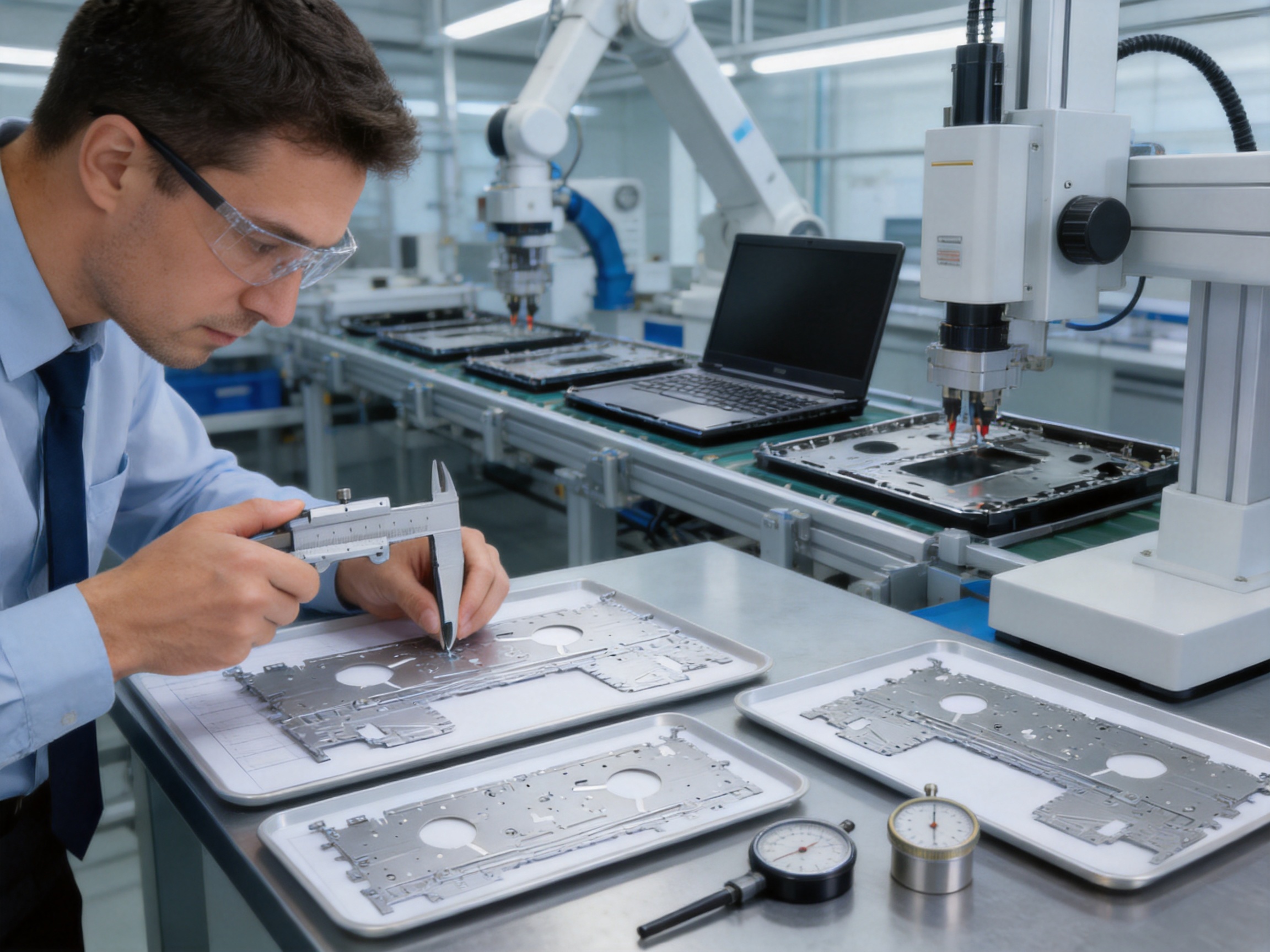
Final inspection confirms that parts meet drawing requirements before packaging. Inspection can include dimensional measurement, visual review, burr evaluation, surface check, flatness inspection, hole location verification, forming angle confirmation, material verification, and sample assembly if required. Reliable inspection systems reduce customer risk and support stable supply.
Manufacturing Strengths Behind Reliable Laptop Stamping Parts
The quality of laptop stamping parts depends heavily on the strength of the manufacturer. A supplier with only basic press capacity may be able to produce simple parts, but laptop components require a broader combination of engineering, tooling, precision machining, production control, and quality management. Suzhou Shuangqisi Mold Equipment Co., Ltd. is positioned as a professional manufacturer of stamping dies and hardware parts integrating design, manufacturing, and service, which gives it an important advantage for electronic stamping applications.
One of the company’s core strengths is its integration of die manufacturing and stamping production. When die design and part production are handled within one technical system, problems can be identified and solved more efficiently. If a stamped feature requires improvement, the tooling team and production team can coordinate directly. This reduces communication delays, shortens development cycles, and improves process stability.
The company is equipped with imported wire cutting machines, CNC machining centers, more than 10 grinding machines of various sizes, and other precision machine tools. These capabilities support accurate mold component manufacturing. For laptop parts, accurate dies are essential because they determine hole position, bending geometry, part outline, and repeatability. Precision machining capability allows the company to control die quality rather than relying heavily on outside suppliers.
The availability of 25 punch presses from 80T to 400T provides production flexibility. Smaller presses may be suitable for compact brackets, clips, and electronic shielding components, while larger presses can support more demanding structural parts. This range allows the company to match the process to the part instead of forcing all products into a limited production platform. Proper press selection improves efficiency, protects tooling, and supports consistent quality.
The company also has senior operators and experienced debugging personnel. This is an important advantage that is sometimes overlooked. Even with advanced equipment, stamping quality depends on practical experience. Operators and debugging engineers understand material flow, springback behavior, die clearance, punch wear, burr formation, press adjustment, feeding stability, and troubleshooting methods. Their experience helps reduce trial time and maintain stable output.
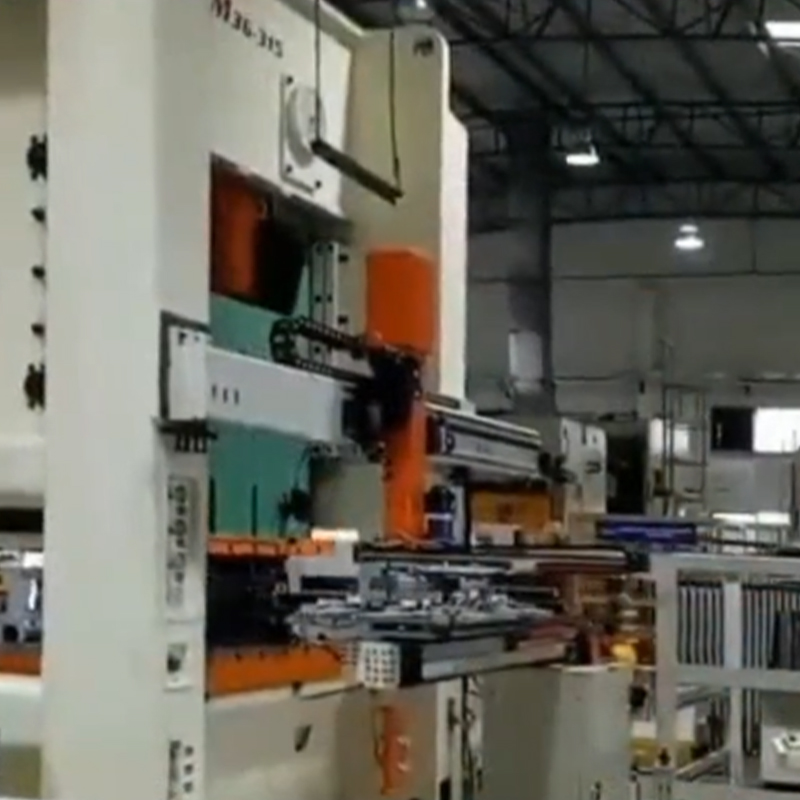
Another notable strength is the company’s involvement in stamping automation equipment through its investment in Suzhou Keshuang Intelligent Technology Co., Ltd. This background supports turnkey solutions for stamping molds and stamping automation. For laptop manufacturers, automation compatibility is increasingly important. Parts must be suitable for efficient feeding, positioning, assembly, inspection, and packaging. A supplier with automation knowledge can design stamping solutions that reduce labor dependence and improve production efficiency.
The company’s experience serving industries such as servo drives, compressors, and new energy vehicles also contributes to its technical depth. These sectors require reliability, durability, and process discipline. The knowledge gained from producing molds and parts for demanding applications can be applied to laptop stamping components, especially in areas such as dimensional stability, structural strength, repeatable quality, and cost control.
Advantages Over Ordinary Competitors
Laptop manufacturers often compare suppliers based on price, lead time, technical capability, quality stability, communication, and long-term support. While low-cost suppliers may appear attractive at first, stamping parts with poor accuracy or unstable production can create hidden costs in assembly delays, rework, scrap, warranty issues, and production interruptions. The laptop stamping parts described here offer several advantages over ordinary competitors.
First, the parts are built around precision. Accurate hole positions, snap-fit structures, bending angles, and outlines are essential for electronic assembly. A competitor with weak die design or limited inspection may produce parts that look acceptable at first glance but fail during automated assembly or final product testing. Precision manufacturing reduces these risks and supports higher assembly yield.
Second, the parts are designed for stable integration into laptop assembly lines. Compatibility with mainstream laptop models and customized laptop designs requires consistent geometry. Stable stamped parts allow assembly operators and automated equipment to install components quickly without manual correction. This improves production efficiency and reduces post-processing workloads.
Third, the company offers customization based on customer drawings. Many laptop manufacturers require unique internal structures due to differences in motherboard layout, battery size, thermal module design, hinge mechanism, display structure, and product thickness. Custom stamping capability allows each part to be optimized for the final laptop design rather than adapted from a generic component.
Fourth, the integrated mold-making and stamping capability helps control cost and lead time. When tooling and production are separated among multiple suppliers, communication gaps and delays may occur. Integrated capability allows engineering changes, die repair, process optimization, and production planning to be handled more directly. This can shorten development cycles and improve responsiveness.
Fifth, advanced equipment supports better consistency. Imported wire cutting machines, CNC machining centers, grinding machines, and a broad press range contribute to accurate tooling and stable production. Competitors with older or less complete equipment may struggle with tight tolerances, complex geometries, or high-volume consistency.
Sixth, the company’s experience in stamping automation provides additional value. Laptop production often relies on high-speed, standardized assembly. Parts that are designed without automation awareness may cause feeding, orientation, or installation problems. A supplier familiar with automation can better support efficient production flow.
Seventh, strict cost and quality control make the product attractive for manufacturers seeking both reliability and competitiveness. High-performance laptop components must be affordable at scale. By combining tooling knowledge, process optimization, equipment capability, and production experience, the company can provide cost-effective parts without sacrificing essential quality.
Product Features and Technical Benefits
The laptop stamping parts are designed with a focus on dimensional consistency, structural reliability, smooth edges, and assembly convenience. These features directly support the performance of the final laptop product and the efficiency of the manufacturing line.
Precise hole positions are one of the most important features. Laptops use many screws, posts, connectors, and alignment pins. If hole positions are inaccurate, assembly force may increase, screws may not seat correctly, or connected components may shift. Precise holes reduce assembly resistance and improve final product consistency.
Snap-fit structures can reduce the need for additional fasteners and improve assembly speed. A well-formed snap-fit feature must maintain elasticity and dimensional accuracy. If it is too loose, the part may rattle; if it is too tight, assembly may be difficult or the feature may break. Stamping enables repeatable snap-fit geometry when the die and process are correctly controlled.
Smooth edges improve safety and reliability. Burrs and sharp edges can cut wires, damage insulation, interfere with moving parts, or cause handling injuries. Advanced deburring and edge control are therefore essential for laptop components. Smooth edges also improve the perceived quality of the assembly.
Excellent rigidity helps protect internal components and maintain laptop structure. Thin devices are vulnerable to bending, twisting, and localized stress. Metal stamping parts can provide reinforcement in key areas, such as hinges, keyboard support regions, touchpad zones, ports, and motherboard mounting locations. Rigidity can be improved through formed ribs, bends, flanges, and material selection.
Corrosion resistance supports long-term reliability. Laptops are used in varied environments, including humid offices, outdoor work locations, travel conditions, and temperature changes. Surface-treated metal parts help prevent corrosion that could affect appearance, grounding, strength, or assembly stability.
Lightweight design is another major benefit. By using aluminum alloy or magnesium alloy where appropriate, and by optimizing geometry, stamped parts can reduce weight while maintaining structural function. This supports thin-and-light laptop product strategies and improves user experience.
Cost efficiency is achieved through high-volume stamping production. Once a die is validated, each production cycle can form parts rapidly and repeatably. Material utilization can be optimized through die layout, and production efficiency can be improved through automation. This makes stamping an ideal process for laptop manufacturers requiring stable supply.
Typical Applications in Laptop Manufacturing
Laptop stamping parts are used in many areas of notebook computer construction. Although each laptop model has its own design, several common applications demonstrate the importance of these components.
In chassis assemblies, stamped metal parts provide internal reinforcement and support. They help maintain the shape of the laptop base, support the motherboard, distribute load, and improve resistance to bending. In thin laptops, internal stamped reinforcements may be essential because the external housing alone may not provide enough stiffness.
In hinge areas, stamped reinforcements help manage the repeated stress generated when the screen is opened and closed. Hinge regions are among the most mechanically demanding zones in a laptop. If reinforcement is insufficient, the housing may crack, loosen, or deform over time. Accurate stamping parts provide reliable support and ensure that hinge screws and brackets remain correctly aligned.
In keyboard assemblies, stamped plates or supports help provide a stable typing feel. A weak keyboard support can create flex, noise, or uneven key response. Metal stamping components can reinforce the keyboard area while maintaining a thin profile.
In touchpad areas, backing plates and support parts help maintain touchpad flatness and responsiveness. Because touchpads are sensitive input devices, their mounting structure must be stable and accurately positioned. Stamped parts support precise installation and consistent user experience.
In thermal module assemblies, stamped brackets and plates can support fans, heat pipes, heat sinks, and ventilation structures. Dimensional accuracy is important because thermal components must contact chips properly and fit within tight clearances. Metal components also offer heat resistance and structural stability near warm operating areas.
In connector and port areas, stamped frames and shields help position interfaces such as USB ports, audio jacks, display connectors, power connectors, and card slots. Accurate alignment is critical for user convenience and durability. Poorly positioned ports can create insertion difficulty or long-term stress on the motherboard.
In EMI shielding applications, stamped metal shields help reduce electromagnetic interference and protect sensitive circuits. These parts often require precise shapes, grounding contact points, and clean edges. Stamping is well suited for producing shielding features at scale.
In battery assemblies, stamped retaining parts can help position and secure battery packs. Because battery safety is important, these parts must be free from sharp burrs and must maintain accurate clearance. Stable stamped components help prevent movement and protect nearby wiring.
Comparison of Key Product Characteristics
The following table summarizes important characteristics of high-quality laptop stamping parts and explains their value in laptop manufacturing.
| Characteristic | Technical Meaning | Benefit for Laptop Manufacturers |
|---|---|---|
| Precise Hole Position | Controlled punching and die accuracy ensure reliable alignment with screws, posts, and modules. | Improves assembly yield and reduces rework caused by misalignment. |
| Smooth Edge Quality | Deburring and process control reduce sharp edges and burrs. | Protects cables, improves safety, and supports clean electronic assembly. |
| High Rigidity | Material selection and formed features strengthen thin sheet-metal structures. | Improves laptop durability and reduces flex in key areas. |
| Lightweight Design | Aluminum alloy, magnesium alloy, and optimized geometry reduce unnecessary mass. | Supports thin-and-light laptop designs and enhances user experience. |
| Corrosion Resistance | Appropriate material and surface treatment improve environmental durability. | Extends service life and maintains stable performance. |
| Custom Specification | Parts can be manufactured according to customer drawings and laptop structures. | Allows seamless integration into unique product designs. |
| Automation Compatibility | Consistent dimensions and controlled geometry support automated handling and assembly. | Increases production efficiency and reduces labor-related variation. |
| Cost-Effective Production | Stamping dies enable rapid repeatable production after tooling validation. | Reduces unit cost in medium and high-volume laptop manufacturing. |
Design for Manufacturability
Design for manufacturability is essential for laptop stamping parts. A part may appear simple in a 3D model, but sheet-metal behavior during stamping must be carefully considered. Material stretches, bends, springs back, and reacts to tooling clearance. If design rules are ignored, the part may become difficult to produce consistently, even with good equipment.
Important design considerations include minimum bend radius, hole-to-edge distance, hole-to-bend distance, material grain direction, forming depth, bend sequence, burr direction, flatness requirements, and tolerance stack-up. Engineers must also consider whether a feature will be produced by piercing before bending, bending before piercing, or a progressive sequence. Each choice affects final accuracy.
For snap-fit structures, the design must account for both forming feasibility and functional elasticity. A snap feature must be strong enough to hold during use but flexible enough to assemble without damage. The material, thickness, bend radius, and formed height all influence snap performance. Tooling design must maintain the feature geometry across repeated production cycles.
For holes and slots, tolerance requirements should match functional needs. Overly tight tolerances increase tooling complexity and cost, while loose tolerances may create assembly problems. A capable stamping supplier can review drawings and recommend practical tolerance strategies that maintain function while supporting efficient production.
For thin laptop parts, flatness can be challenging. Stamping operations may introduce stress, distortion, or warpage. The die design and forming sequence must minimize deformation, and secondary leveling or process adjustment may be used when necessary. Material selection also affects flatness stability.
Surface treatment should be considered early in design. Coatings and plating can change dimensions slightly, affect conductivity, and influence friction during assembly. Areas requiring grounding may need special treatment or masking. A knowledgeable supplier can coordinate stamping and finishing requirements to avoid later issues.
Quality Control and Inspection
Quality control for laptop stamping parts must be systematic. Because these parts are often assembled into high-value electronic products, defects can be costly. A strong inspection process helps prevent nonconforming parts from entering production lines.
Incoming material inspection confirms that sheet material meets specified grade, thickness, surface condition, and mechanical properties. Material inconsistency can affect forming behavior, springback, strength, and surface quality. Reliable suppliers control material sources and verify key parameters before production.
In-process inspection monitors dimensions during stamping production. Operators may check critical dimensions at defined intervals, including hole positions, outer profiles, bending heights, angles, and flatness. Early detection prevents large batches of defective parts and allows quick process correction.
Burr inspection is especially important for electronic stamping parts. Burr height and direction can affect assembly and safety. Tool wear can increase burrs over time, so punch and die conditions must be monitored. Regular maintenance helps maintain edge quality.
Surface inspection identifies scratches, dents, stains, deformation, oxidation, and coating defects. For laptop components, even internal parts may require clean surfaces because contaminants can affect electronic assembly. Visible parts require even stricter cosmetic standards.
Dimensional measurement may use calipers, height gauges, projectors, coordinate measurement equipment, or custom inspection fixtures depending on part complexity. For high-volume production, go/no-go gauges and dedicated fixtures can improve inspection efficiency for key features.
Packaging inspection is also necessary. Thin stamped parts can be bent or scratched during transportation if packaging is inadequate. Proper separators, trays, bags, cartons, or protective materials can preserve part quality from factory to customer assembly line.
Integration with Stamping Automation
Automation is increasingly important in metal stamping and electronic manufacturing. Automated feeding, stamping, transfer, inspection, and packaging can improve efficiency, consistency, and safety. The ability to provide stamping automation solutions gives a supplier additional value, especially for customers requiring stable high-volume output.
Automation begins with part and die design. Parts should be designed for stable feeding and positioning whenever possible. If a component is easily tangled, difficult to orient, or vulnerable to deformation during handling, automation efficiency may suffer. By considering automation early, the part and process can be optimized.
Progressive die stamping is one common method for efficient production. A metal strip advances through a sequence of stations, and each station performs a specific operation. By the time the strip reaches the end of the die, the completed part is separated. This method is suitable for many small and medium-sized laptop components and can provide excellent repeatability.
Transfer stamping may be used when parts require multiple forming steps or cannot remain attached to a strip throughout the process. Automated transfer devices move parts between stations. This approach can support more complex geometries, although it requires careful equipment coordination.
Automated inspection can help detect defects in real time. Vision systems, sensors, and gauges may check part presence, orientation, dimensions, or surface features. For laptop components with strict requirements, automated inspection can reduce the risk of human error and improve traceability.
The company’s ability to provide turnkey solutions for stamping molds and stamping automation is a meaningful advantage. Customers can obtain not only parts but also process support, tooling solutions, and production improvement options. This is particularly valuable for manufacturers planning new product launches, capacity expansion, or cost-reduction projects.
Customization Based on Customer Drawings
Laptop design changes rapidly. Each generation may introduce thinner housings, different hinge designs, new battery layouts, modified thermal modules, and revised port configurations. As a result, custom laptop stamping parts are often required. Standard components cannot fully satisfy the diverse requirements of modern notebook products.
Customization begins with customer drawings or samples. The engineering team reviews the design and identifies key functional areas. These may include screw holes, grounding points, bending features, mating surfaces, snap-fit structures, cable clearance zones, and cosmetic surfaces. The goal is to understand not only the part shape but also its role in the complete laptop assembly.
After review, the supplier can provide feedback on manufacturability. Suggestions may involve adjusting bend radius, modifying hole placement, improving material utilization, changing burr direction, adding reinforcing ribs, simplifying tooling, or selecting a more suitable material. Good engineering communication helps reduce risk before tooling begins.
Prototype or trial production may be used to confirm design performance. Samples can be checked for fit, assembly speed, structural function, and surface quality. If the laptop manufacturer identifies needed changes, die adjustments or design revisions can be made before mass production.
Mass production then follows a controlled process. Production plans, inspection standards, packaging requirements, and delivery schedules are aligned with customer needs. This supports stable supply and helps laptop manufacturers maintain their own production rhythm.
Custom specifications are especially important for manufacturers seeking differentiation. A premium laptop may require ultra-thin lightweight structures, while a rugged laptop may require stronger reinforcements. A gaming laptop may need thermal module brackets and structural support around heavier components. Business laptops may prioritize reliability, serviceability, and stable assembly. Custom stamping allows the metal parts to match each product strategy.
Cost Control Without Compromising Quality
Cost control is a major concern for laptop manufacturers, but low unit price alone does not define true cost. A part that creates assembly problems, rework, scrap, or warranty failures can be far more expensive than a slightly higher-quality part. Effective cost control requires balancing tooling investment, material utilization, production efficiency, quality stability, logistics, and long-term reliability.
Stamping is naturally cost-effective for volume production because a validated die can produce parts quickly. However, cost efficiency depends on intelligent die design and process planning. Material strip layout can significantly affect scrap rate. A well-designed layout improves material utilization and reduces waste. This is important when using aluminum or magnesium alloys, which may have higher material costs than standard steel.
Tooling durability also affects cost. A poorly made die may require frequent repair, create quality variation, or cause downtime. Precision die manufacturing and proper maintenance extend die life and improve total production economics. The company’s equipment and mold-making experience support reliable tooling performance.
Production efficiency is improved through suitable press selection, stable feeding, reduced process interruptions, and automation where appropriate. The availability of multiple presses from 80T to 400T allows production to be assigned efficiently according to part requirements. This helps control cost while maintaining process reliability.
Quality stability reduces hidden costs. Accurate parts reduce assembly rework. Smooth edges reduce cable damage. Consistent surface treatment reduces rejection. Reliable packaging prevents transportation damage. These quality measures may not always be visible in the quoted unit price, but they strongly influence the customer’s total cost.
Why Reliable Supply Matters for Laptop Manufacturers
Laptop production depends on synchronized supply chains. A missing bracket, shield, or reinforcement plate can stop an assembly line just as effectively as a missing processor or display panel. Therefore, reliable supply of stamping parts is critical.
A capable supplier supports stable production through process planning, inventory coordination, equipment readiness, and quality management. When production demand increases, the supplier must be able to respond. When engineering changes occur, the supplier must adjust quickly. When quality issues arise, the supplier must identify root causes and implement corrective actions.
The company’s combination of technical staff, equipment capacity, experienced operators, and integrated tooling capability supports this requirement. Customers benefit from a supplier that can manage development and production within a unified system. This is especially important for laptop manufacturers launching new models under tight schedules.
Stable supply also depends on communication. Understanding customer priorities, confirming specifications, and responding to technical questions help prevent misunderstandings. Custom stamping parts are not simple catalog items; they require coordination between the customer’s design team and the supplier’s engineering and production teams.
Environmental and Practical Value of Precision Stamping
Precision stamping can support more responsible manufacturing when properly managed. Efficient material utilization reduces scrap. Long-lasting dies reduce repeated tooling waste. Accurate parts reduce rework and rejected assemblies. Lightweight components can also contribute to lower transportation weight and improved product portability.
Material selection can be optimized according to function. Instead of using thicker material everywhere, engineers can use formed features to strengthen specific zones. This reduces unnecessary metal consumption. Aluminum and magnesium alloys can reduce product weight, while cold-rolled steel can provide economical strength where weight is less critical.
Process stability also reduces waste. Every defective part represents wasted material, machine time, labor, energy, and logistics. By emphasizing accurate die design, experienced debugging, and quality inspection, production can achieve better yield and lower waste.
In laptop manufacturing, lightweight durable parts also improve product life. A laptop that resists deformation, maintains hinge alignment, and protects internal components is less likely to require repair or replacement. This contributes to better resource use over the product lifecycle.
Practical Purchasing Considerations
When selecting laptop stamping parts, buyers should evaluate more than price. They should review supplier capabilities in die design, mold manufacturing, stamping production, material selection, inspection, surface treatment coordination, and automation support. A supplier with complete capability is better positioned to handle complex requirements and long-term production needs.
Buyers should provide detailed drawings, material requirements, surface treatment standards, tolerance requirements, annual volume estimates, packaging needs, and assembly information. The more complete the information, the more accurately the supplier can design tooling and quote production.
It is also useful to identify critical-to-quality features. Not every dimension has equal importance. By clearly marking key hole positions, mating surfaces, grounding features, cosmetic areas, and assembly interfaces, the customer helps the supplier focus inspection and process control on the most important characteristics.
For new projects, buyers should allow sufficient time for manufacturability review, tooling design, die manufacturing, trial production, sample approval, and mass production preparation. Rushing the tooling stage may create long-term quality problems. A disciplined launch process improves reliability.
For ongoing production, buyers should maintain communication regarding forecast changes, design updates, quality feedback, and delivery requirements. Stable cooperation between customer and supplier improves performance on both sides.
Q&A: Laptop Stamping Parts
What are laptop stamping parts?
Laptop stamping parts are precision metal components produced from sheet materials through stamping, forming, punching, bending, trimming, deburring, and surface treatment processes. They are used in laptop chassis, brackets, internal support structures, shields, mounting frames, and snap-fit assemblies.
Which materials are commonly used for these parts?
Common materials include cold-rolled steel, aluminum alloy, and magnesium alloy. Cold-rolled steel provides strength and cost efficiency, aluminum alloy offers lightweight corrosion-resistant performance, and magnesium alloy supports ultra-light structural applications.
Why are stamped metal parts important in laptops?
They provide rigidity, alignment, grounding, shielding, mounting support, and long-term structural stability. They help protect internal components and support efficient assembly in compact laptop designs.
How do these parts improve assembly efficiency?
Precise hole positions, consistent dimensions, smooth edges, and accurate snap-fit structures allow parts to fit correctly without excessive adjustment. This reduces rework, improves assembly speed, and supports automated production lines.
Can the parts be customized?
Yes. The parts can be manufactured according to customer drawings, samples, materials, tolerance requirements, surface treatment standards, and functional needs. Customization is essential because laptop internal layouts differ across models.
What makes these laptop stamping parts competitive?
Their competitiveness comes from accurate die design, advanced machining equipment, stable stamping production, careful deburring, reliable surface treatment, experienced process debugging, and integrated mold-making and automation capabilities.
Why is deburring important for laptop components?
Deburring removes sharp edges and burrs that could damage cables, scratch nearby parts, cause assembly injuries, or create electrical risks. Smooth edges improve safety and product reliability.
How does the manufacturer support quality stability?
Quality stability is supported through material inspection, precision die manufacturing, trial stamping, in-process checks, dimensional measurement, surface inspection, burr control, and proper packaging.
What production equipment supports these parts?
The manufacturing system includes imported wire cutting machines, CNC machining centers, multiple grinding machines, precision machine tools, and 25 punch presses ranging from 80T to 400T. These resources support die accuracy and production flexibility.
Are these parts suitable for thin and lightweight laptops?
Yes. By using aluminum alloy, magnesium alloy, optimized sheet thickness, and structural forming features, the parts can provide strength while reducing unnecessary weight. This makes them suitable for thin-and-light laptop designs.
Conclusion
Laptop stamping parts are small in appearance but critical to the quality, strength, assembly efficiency, and reliability of modern notebook computers. They support chassis structures, brackets, internal assemblies, hinge regions, keyboards, touchpads, connectors, batteries, thermal modules, and shielding systems. Their performance affects not only manufacturing efficiency but also the user’s long-term experience.
High-quality laptop stamping parts require accurate materials, advanced stamping processes, precise dies, experienced operators, smooth deburring, reliable surface treatment, and strict inspection. The best results come from a supplier that understands both metal forming and electronic assembly requirements.
Suzhou Shuangqisi Mold Equipment Co., Ltd. brings together stamping die design, mold manufacturing, stamping production, and automation-related capabilities. With advanced equipment, experienced technical staff, a wide press range, and 15 years of industry experience, the company is able to provide customized, reliable, and cost-effective laptop stamping parts for manufacturers seeking stable supply and high-performance components.
For laptop manufacturers, choosing a capable stamping partner means reducing risk, improving assembly efficiency, controlling cost, and supporting better product quality. Precision laptop stamping parts are not merely metal pieces; they are engineered structural solutions that help transform a compact electronic design into a durable, manufacturable, and competitive product.
References
Kalpakjian, S., and Schmid, S. R. Manufacturing Engineering and Technology. Pearson Education.
Groover, M. P. Fundamentals of Modern Manufacturing: Materials, Processes, and Systems. Wiley.
Boljanovic, V. Sheet Metal Forming Processes and Die Design. Industrial Press.
ASM International. ASM Handbook: Forming and Forging. ASM International.
Lange, K. Handbook of Metal Forming. Society of Manufacturing Engineers.
Davies, G. Materials for Automobile Bodies. Butterworth-Heinemann.
Society of Manufacturing Engineers. Tool and Manufacturing Engineers Handbook: Forming. SME.
Ulrich, K. T., and Eppinger, S. D. Product Design and Development. McGraw-Hill Education.
Product: Laptop stamping parts
Previous Post
Heavy Truck Stamping Parts for Durable Commercial Vehicle Performance
Next Post
Deep Drawing Mold for Metal Front and Rear Wheels of Two-Wheeled Electric Vehicles
Our Products.
Start Your Business with an OEM Manufacturer Right Here!

Provide global customers with complete turn-key solutions
through
innovation!
QUICK LINKS
CONTACT INFO.
-
 +86-139 1308 8972
 -

-
 No. 118 Yexin Road, Wujiang Economic Development Zone, Suzhou, China
Copyright © Suzhou Shuangqisi Mold Equipment Co., Ltd. All Rights Reserved. Custom Stamping Die Metal Stamping Die Manufacturers
