 English
 Español
 Deutsch
-
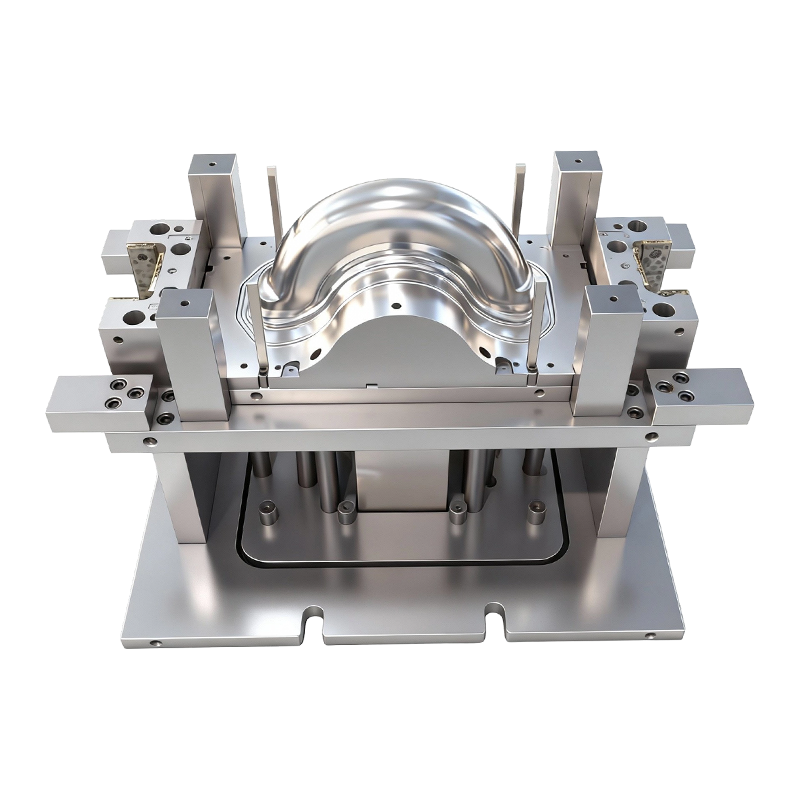
Deep drawing mold for front and rear wheels of two-wheeled electric vehicles
This Deep drawing mold for front and rear wheels o...
-
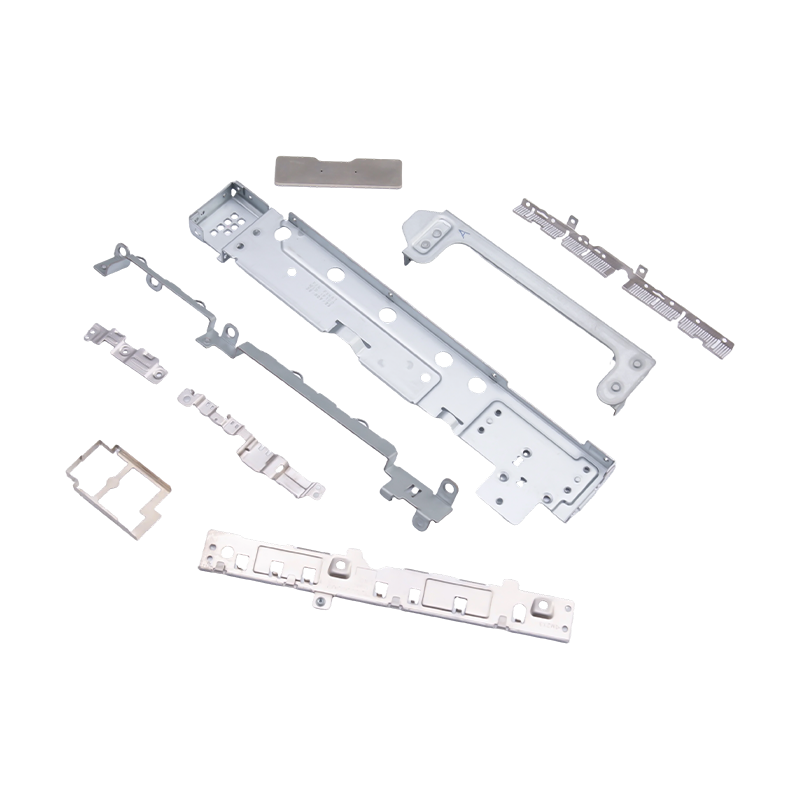
Small stamped parts for laptops and mobile phones
As essential internal components for modern portab...
-
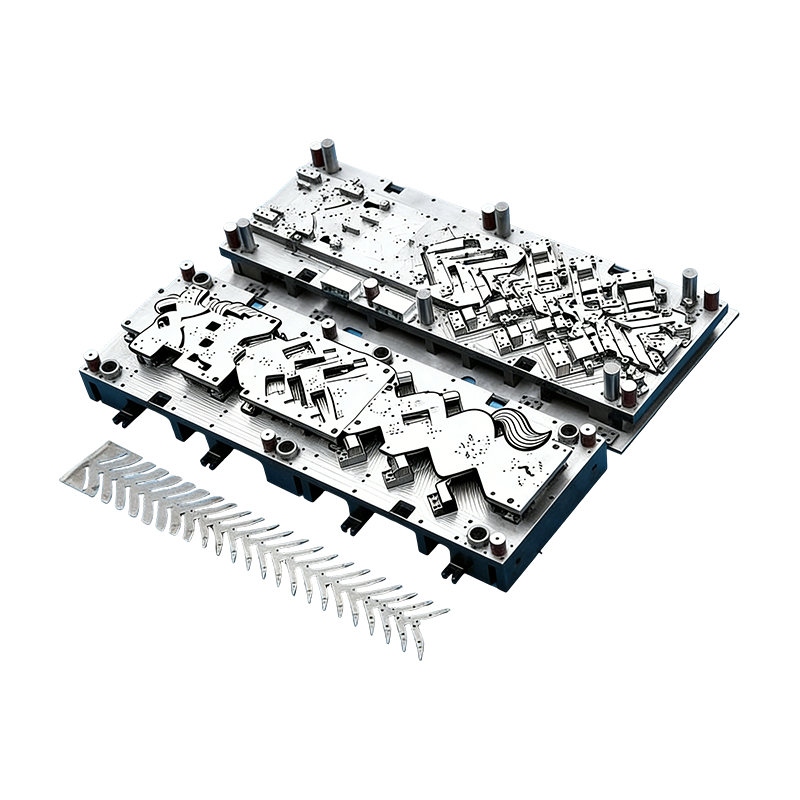
Progressive molds for automotive parts
This Continuous mold for automotive motor housing ...
-
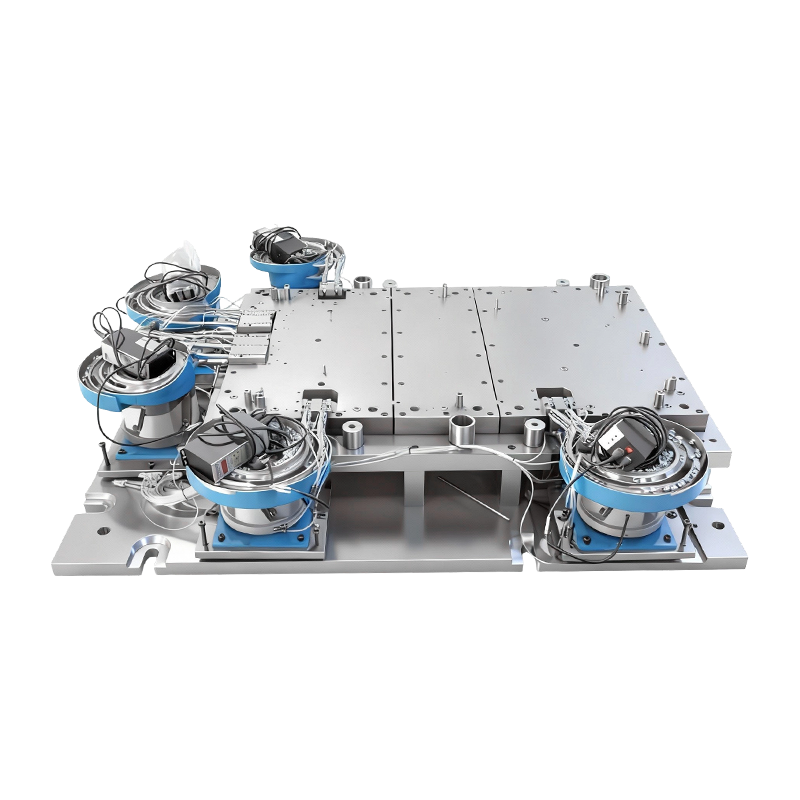
Automatic riveting mold for large computer machine base
This Automatic Riveting Mold for Large Computer Ma...
- E-mail us: [email protected]
- Call us: +86-139 1308 8972

Chen Siyi – Overseas Sales Manager
Home / Author / Chen Siyi – Overseas Sales Manager / Deep Drawing Mold for Metal Front and Rear Wheels of Two-Wheeled Electric Vehicles
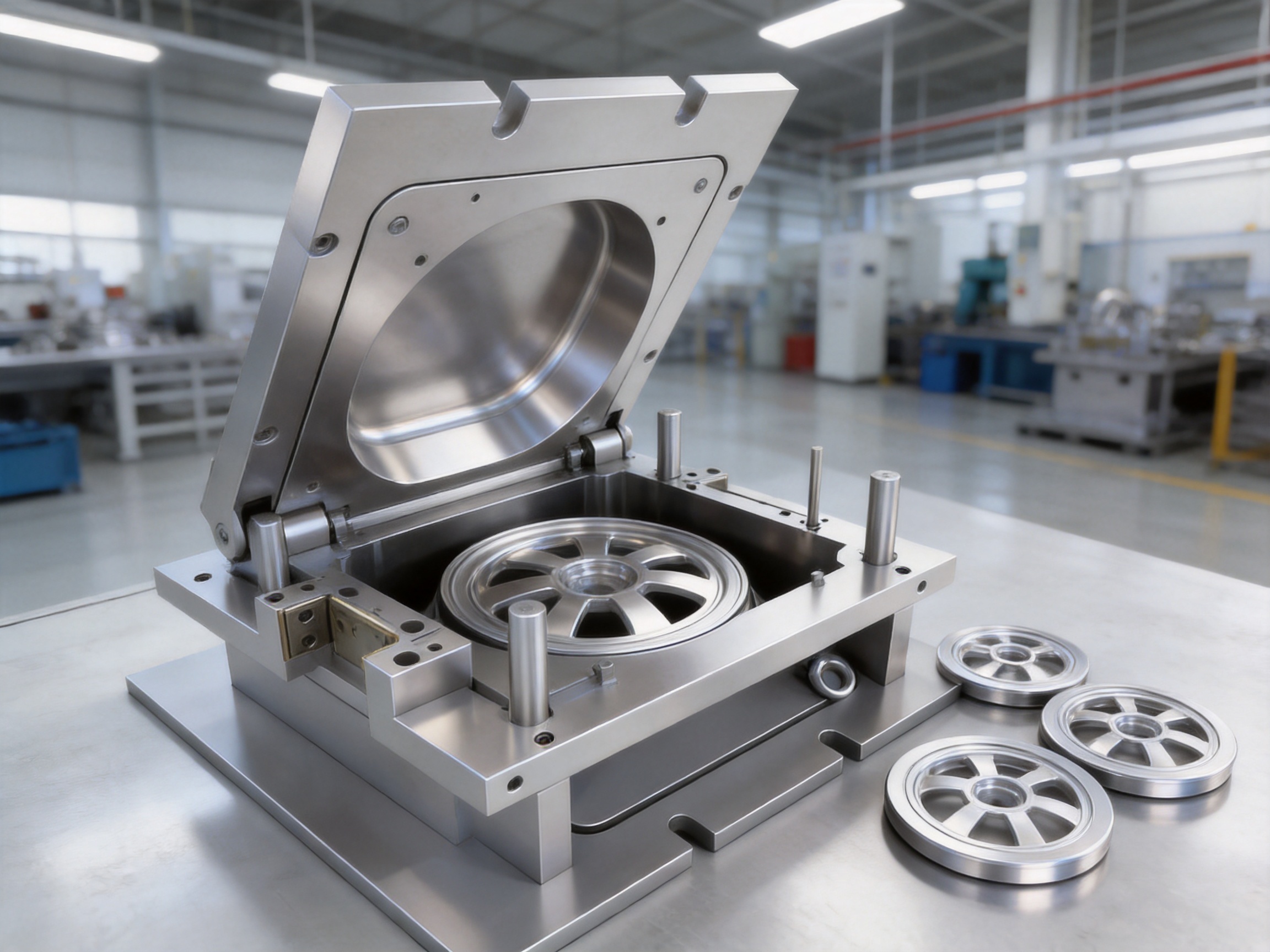
Deep Drawing Mold for Metal Front and Rear Wheels of Two-Wheeled Electric Vehicles
2026-06-02
The deep drawing mold for front and rear wheels of two-wheeled electric vehicles is a specialized forming tool designed for the mass production of metal wheel blanks used in electric motorcycles, electric scooters, and other two-wheeled electric mobility platforms. As the electric vehicle industry continues to demand stronger, safer, and more durable wheel components, metal wheel structures are increasingly replacing traditional plastic wheel solutions. This mold directly supports that transition by enabling consistent, efficient, and repeatable deep drawing of metal wheel components with improved structural strength and dimensional stability.
Unlike general-purpose stamping tooling, this mold is developed specifically for the geometry, forming depth, material flow, and load-bearing requirements of front and rear wheels for two-wheeled electric vehicles. Its core value lies in controlled material deformation, stable cavity design, high precision, and manufacturing reliability. The result is a wheel blank that can better withstand riding loads, vibration, road impact, and long-term service conditions compared with many plastic wheel alternatives or poorly controlled metal forming processes.
Suzhou Shuangqisi Mold Equipment Co., Ltd. has developed this product based on its long-term experience in stamping dies, stamping parts, and stamping automation equipment. The company integrates die design, precision machining, trial production, debugging, and production support, which allows the mold to be optimized not only for part geometry but also for real manufacturing efficiency. This combination of tooling capability and production understanding gives the deep drawing mold a strong advantage in practical industrial application.
Deep drawing mold for front and rear wheels of two-wheeled electric vehicles
Content
- 1 Product Overview and Application Background
- 2 Why Metal Wheel Deep Drawing Matters in Electric Vehicle Manufacturing
- 3 Key Advantages Compared with Conventional or Competitor Tooling
- 4 Precision Deep Drawing Technology for Wheel Blank Stability
- 5 Advanced Manufacturing Capabilities Behind the Mold
- 6 Integrated Mold and Automation Strength
- 7 How the Mold Improves Wheel Quality
- 8 Material Flow Control and Defect Reduction
- 9 Cost Advantages Through Process Efficiency
- 10 Customization for Different Wheel Designs
- 11 Role in Replacing Traditional Plastic Wheels
- 12 Manufacturing Process from Design to Delivery
- 13 Quality Control and Inspection Philosophy
- 14 Competitive Strength of the Manufacturer
- 15 Production Line Integration and Turnkey Support
- 16 Industry Value and Market Competitiveness
- 17 Maintenance Considerations for Long-Term Mold Performance
- 18 Recommended Customer Scenarios
- 19 Q&A Section
- 19.1 What is the main function of this deep drawing mold?
- 19.2 Why is this mold important for replacing plastic wheels?
- 19.3 How does the mold reduce defects during production?
- 19.4 Can the mold be customized for different wheel designs?
- 19.5 What makes this mold different from ordinary stamping dies?
- 19.6 What company capabilities support the quality of this mold?
- 19.7 Is the mold suitable for automated production lines?
- 19.8 How does the mold help reduce overall production cost?
- 19.9 What industries can benefit from this mold technology?
- 19.10 What after-sales or project support is valuable for customers?
- 20 Conclusion
- 21 References
- 22 Product: Deep drawing mold for front and rear wheels of two-wheeled electric vehicles
Product Overview and Application Background
Two-wheeled electric vehicles are widely used for urban commuting, delivery services, short-distance transportation, and personal mobility. Their wheels must carry vehicle weight, rider weight, battery weight, acceleration force, braking force, cornering stress, and road shock. In earlier stages of the industry, plastic wheels were often used because they were lightweight and easy to mold. However, plastic wheels have limitations in high-load applications, especially when exposed to continuous vibration, temperature variation, aging, and impact.
Metal wheels offer significant advantages in strength, rigidity, impact resistance, and long-term durability. They are more suitable for vehicles that carry heavier batteries, travel at higher speeds, or operate under demanding road conditions. However, manufacturing metal wheels requires accurate forming technology. If the deep drawing process is unstable, the wheel blank may suffer from wrinkling, cracking, uneven wall thickness, poor roundness, or excessive rebound. These defects can increase scrap rates and create additional processing costs.
The deep drawing mold for front and rear wheels of two-wheeled electric vehicles is engineered to solve these issues. It provides a controlled forming environment that guides the metal sheet into the desired wheel shape while maintaining dimensional consistency. The mold structure, cavity profile, forming clearance, blank holding system, and material flow path are all coordinated to improve forming stability. This enables manufacturers to produce wheel blanks with reliable shape, consistent size, and reduced post-processing requirements.
For manufacturers upgrading from plastic wheels to metal wheels, this mold is especially valuable. It helps them overcome the technical barrier of metal wheel forming and supports a more mature production process. Instead of relying on repeated trial and error, manufacturers can use a dedicated tooling solution designed for wheel forming characteristics from the beginning.
Why Metal Wheel Deep Drawing Matters in Electric Vehicle Manufacturing
The wheel is one of the most safety-critical parts of a two-wheeled electric vehicle. Even though it may appear simple from the outside, the wheel must distribute load, maintain balance, support braking systems, and work together with tires, hubs, and drive components. Any instability in wheel geometry can affect riding comfort, safety, tire wear, and assembly accuracy.
Deep drawing is a forming process in which a metal sheet blank is drawn into a die cavity by a punch. When used correctly, deep drawing can create smooth, continuous, and strong metal shapes with efficient material utilization. For wheel blanks, deep drawing offers advantages because it can form a relatively complex three-dimensional structure from sheet metal while preserving the continuity of the material. Compared with welded or assembled structures, a well-formed drawn blank can reduce weak points and improve overall integrity.
The challenge is that wheel blanks require a balance between depth, curvature, thickness control, and symmetry. If material flow is not well controlled, the blank may tear at high-stress areas or wrinkle at compression zones. Therefore, mold design is not simply about machining a cavity; it is about engineering the forming behavior of the material. A successful mold must account for sheet thickness, metal grade, lubrication, press capacity, drawing speed, blank holder force, and springback behavior.
This product addresses these factors through precision design and manufacturing. The cavity is developed to support smooth material flow. The forming surface is processed to reduce friction and resist wear. The mold clearance is controlled to support uniform wall thickness. The guiding and alignment systems help maintain accurate punch-to-die movement. Together, these features improve the quality and repeatability of wheel blank production.
Key Advantages Compared with Conventional or Competitor Tooling
One of the most important advantages of this deep drawing mold is its specialization. General metal stamping molds may form simple shells or basic curved parts, but electric vehicle wheel blanks require higher forming stability and stricter dimensional control. A specialized mold can reduce development time, improve first-pass success, and support stable batch production.
Compared with conventional tooling, this mold is designed to reduce forming defects. Wrinkling, cracking, edge deformation, and uneven thickness are common problems in deep drawing. By optimizing the cavity geometry and blank holding conditions, the mold helps the metal flow more evenly during forming. This directly reduces scrap rates and helps manufacturers maintain production cost competitiveness.
Another advantage is durability. Because wheel production can involve high-volume manufacturing, the mold must withstand repeated press cycles without losing accuracy. High-quality machining, precision grinding, and strict assembly control contribute to long service life. A durable mold reduces downtime, maintenance frequency, and replacement cost, which is especially important for manufacturers producing large quantities of electric vehicle wheels.
The mold also supports better product consistency. In wheel manufacturing, consistency is not only a quality matter but also an assembly requirement. Front and rear wheel components must fit with bearings, axles, braking parts, and tires. Inconsistent geometry may cause assembly interference or poor rotation balance. By producing stable blanks, this mold helps manufacturers achieve smoother downstream processes.
Compared with many low-cost competitors, the product is supported by an integrated manufacturing system. Suzhou Shuangqisi Mold Equipment Co., Ltd. is not only a mold maker but also a provider of stamping automation equipment and stamping parts. This allows the engineering team to design the mold with actual production lines in mind. The result is a practical tool that is easier to install, debug, and integrate into automated or semi-automated stamping systems.
| Feature | Technical Purpose | Manufacturing Benefit |
|---|---|---|
| Specialized deep drawing cavity | Controls metal flow during wheel blank forming | Reduces wrinkles, cracks, and dimensional variation |
| Precision machining and grinding | Improves surface accuracy and forming clearance | Enhances part consistency and mold service life |
| Optimized blank holding design | Balances material tension and compression | Improves forming stability and lowers scrap rate |
| Durable mold structure | Withstands repeated production cycles | Reduces downtime and maintenance costs |
| Automation-ready manufacturing concept | Supports integration with stamping equipment | Improves production efficiency and labor productivity |
| Custom engineering support | Adapts mold design to wheel size and material requirements | Supports different electric vehicle models and market needs |
Precision Deep Drawing Technology for Wheel Blank Stability
The quality of a deep drawn wheel blank depends heavily on the relationship between the punch, die cavity, blank holder, and material blank. If this relationship is not properly engineered, the forming process becomes unstable. The mold for front and rear wheels of two-wheeled electric vehicles is developed around the principle of controlled deformation. Each area of the mold contributes to the final shape by guiding how the metal stretches, bends, and flows.
The cavity design is one of the most important technical features. It must accommodate the required wheel profile while avoiding sudden transitions that concentrate stress. Smooth cavity transitions allow the sheet metal to move more naturally, lowering the risk of tearing. At the same time, the design must prevent excessive material accumulation that could lead to wrinkling. Achieving this balance requires experience with forming simulation, material behavior, and practical die debugging.
Another critical factor is forming clearance. If the clearance is too small, friction increases and the material may thin excessively. If the clearance is too large, the part may lose accuracy or wrinkle. Precision machining and careful fitting help maintain the proper clearance throughout the forming zone. This contributes to consistent wall thickness and stable geometry.
Surface quality is also essential. A rough or poorly finished mold surface can scratch the wheel blank, increase friction, and accelerate mold wear. High-quality grinding and finishing improve material flow and reduce surface defects. This is especially important when the wheel blank will undergo later processes such as trimming, punching, welding, coating, or assembly.
Because electric vehicle wheel components often require high roundness and dimensional stability, alignment accuracy is also vital. A well-guided mold structure ensures that the punch enters the die cavity accurately during every stroke. This reduces eccentric forming and supports symmetrical part quality. For rotating components such as wheels, symmetry is a major quality factor.
Advanced Manufacturing Capabilities Behind the Mold
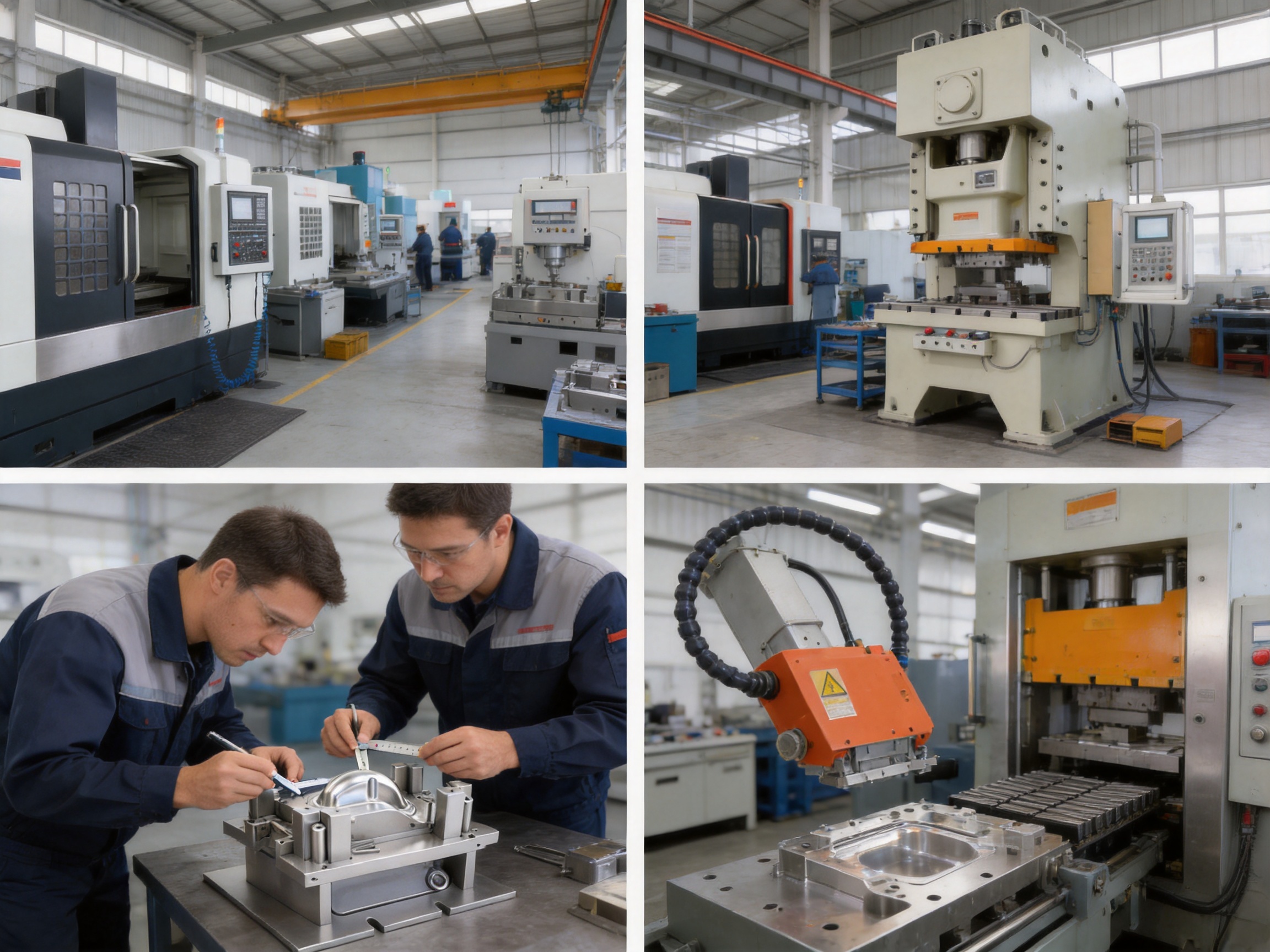
A high-quality deep drawing mold cannot be produced by design alone. It requires advanced processing equipment, experienced operators, strict quality control, and practical debugging capability. Suzhou Shuangqisi Mold Equipment Co., Ltd. has built its mold manufacturing strength around these elements. The company is equipped with imported wire cutting machines, CNC machining centers, more than ten grinding machines of various sizes, and 25 punch presses ranging from 80T to 400T.
Wire cutting equipment is used to produce accurate profiles, inserts, and precision die components. This process is especially useful for parts requiring tight dimensional tolerances and complex contours. CNC machining centers provide efficient and accurate milling for larger mold plates, cavity structures, and supporting components. Grinding machines are used to refine surfaces, improve flatness, control dimensions, and ensure stable assembly quality.
The presence of multiple punch presses from 80T to 400T is a major advantage because it allows the company to conduct mold testing and process validation under realistic production conditions. A mold that looks accurate in the workshop still needs to prove itself in actual stamping or deep drawing operation. Trial pressing helps engineers evaluate material flow, forming load, part shape, trimming allowance, and possible defects. Adjustments can then be made before the mold is delivered to the customer.
The company’s senior operators and experienced debugging personnel provide another important advantage. Deep drawing dies often require practical tuning. Even with advanced design methods, real material behavior can vary due to sheet batch differences, lubrication, press condition, and production speed. Experienced die technicians can identify whether a defect is caused by blank size, binder pressure, surface friction, local stress concentration, or clearance variation. Their ability to solve problems quickly reduces development time and improves delivery reliability.
The company’s technical team includes 60 technical staff members, supporting design, machining, assembly, inspection, and after-sales service. With 15 years of industry experience, the company has accumulated practical knowledge in mold design and manufacturing for servo drives, compressors, new energy vehicles, and related industrial applications. This broad experience enhances its ability to solve complex forming challenges.
Integrated Mold and Automation Strength
One of the strongest competitive advantages of the manufacturer is its ability to provide both stamping molds and stamping automation solutions. In modern production, a mold is rarely used as an isolated tool. It must work with presses, feeding devices, transfer mechanisms, safety systems, sensors, and production planning requirements. If the mold is designed without considering automation, later integration can become difficult and expensive.
The company invested in and established Suzhou Keshuang Intelligent Technology Co., Ltd. in 2016, focusing on stamping automation equipment. This background gives the mold engineering team a deeper understanding of how tooling interacts with automated production systems. For customers, this means the deep drawing mold can be developed as part of a larger turnkey solution rather than a single standalone product.
Automation-ready mold design can improve production efficiency in several ways. It can support more stable feeding, more predictable part release, easier transfer between stations, and safer operation. When the mold is used in a high-volume wheel production line, these factors directly influence productivity and labor cost. A mold that forms the part well but causes frequent feeding jams or part removal problems will still limit production efficiency. Therefore, practical automation compatibility is a major advantage.
For manufacturers seeking to scale electric vehicle wheel production, turnkey support is especially valuable. Instead of coordinating separately with mold suppliers, automation suppliers, and production debugging teams, customers can work with a company capable of integrating these functions. This reduces communication errors, shortens project timelines, and improves accountability.
The ability to invest in related production equipment according to customer needs also reflects flexibility. Some customers may need mold delivery only, while others may require full production support. The company can provide cost-effective services based on actual project requirements. This flexible cooperation model helps customers manage investment risk while improving manufacturing capability.
How the Mold Improves Wheel Quality
The mold improves wheel quality first by enhancing structural stability. A properly deep drawn metal wheel blank has a continuous material structure that can distribute stress more effectively than many plastic components or poorly formed metal parts. When used in front and rear wheels, this structural stability contributes to better load-bearing performance and longer service life.
Second, the mold improves dimensional accuracy. Electric vehicle wheels must match multiple connected parts. If the blank geometry is unstable, later machining or assembly steps may require additional correction. By forming consistent blanks, the mold reduces the burden on downstream processing and improves total production efficiency.
Third, the mold helps reduce surface and forming defects. Defects such as cracks and wrinkles not only reduce appearance quality but can also weaken the part. Cracks can become failure points under repeated stress, while wrinkles may interfere with assembly or coating. The reasonable cavity design and controlled forming process help prevent these problems.
Fourth, the mold supports long-term consistency in mass production. Quality in one trial sample is not enough for industrial manufacturing. Customers need stable production over thousands or even millions of cycles. Durable mold materials, accurate machining, and proper debugging help maintain quality over extended production runs.
Finally, the mold helps support the industry upgrade from plastic wheels to metal wheels. This is not simply a material substitution; it is a manufacturing upgrade. Metal wheel production requires more advanced tooling and process control. By providing a reliable deep drawing mold, the manufacturer helps electric vehicle companies raise the technical level of their wheel component production.
Material Flow Control and Defect Reduction
Material flow control is the heart of deep drawing. During the process, the metal blank is pulled into the cavity while the blank holder controls how much material can move. If too much material flows too quickly, wrinkles may form. If too little material flows, the sheet may stretch excessively and crack. The mold must manage this balance throughout the entire forming stroke.
The deep drawing mold for electric vehicle wheels uses a reasonable cavity design to guide material flow smoothly. The forming zones are arranged to reduce sudden resistance. The blank holding design helps stabilize the edge area of the sheet. The punch and die profiles are coordinated to distribute strain more evenly. These design choices help reduce the most common deep drawing defects.
Defect reduction has a direct economic impact. Every cracked or wrinkled wheel blank represents wasted material, machine time, labor, and inspection effort. In high-volume production, even a small defect rate can create significant cost. By improving forming reliability, the mold helps reduce total production cost rather than only reducing tooling cost.
Lower defect rates also improve delivery stability. Manufacturers supplying electric vehicle brands often face strict delivery schedules. If production is interrupted by frequent mold adjustments or high scrap rates, customer commitments may be affected. A stable deep drawing mold helps create a more predictable production environment.
Cost Advantages Through Process Efficiency
The value of a deep drawing mold should be measured by total production efficiency, not only by purchase price. A low-cost mold that produces unstable parts, requires frequent repair, or causes high scrap rates can become more expensive over time. By contrast, a well-engineered mold may provide better long-term value through lower defect rates, faster production, reduced maintenance, and better part consistency.
This mold contributes to cost advantages in several ways. First, stable forming reduces scrap. Second, improved dimensional accuracy reduces correction and post-processing work. Third, durable construction reduces downtime. Fourth, automation compatibility can reduce labor dependence. Fifth, efficient debugging reduces the time required to start production.
For electric vehicle wheel manufacturers, these savings accumulate over the full production cycle. When production volume is high, each percentage point of scrap reduction matters. Each hour of avoided downtime increases output. Each reduction in rework improves delivery and profitability. Therefore, the mold’s competitive advantage is not limited to technical quality; it also supports better business performance.
In addition, the manufacturer’s strict cost and quality control helps customers obtain high-quality tooling at competitive prices. The company’s integrated production capability reduces unnecessary outsourcing and improves control over critical processes. This supports both cost management and delivery reliability.
Customization for Different Wheel Designs
Two-wheeled electric vehicles vary widely in size, style, performance, and application. A compact city scooter may use a different wheel design from a high-load delivery vehicle. Front and rear wheels may also have different structural requirements because of braking systems, drive systems, and assembly interfaces. Therefore, a deep drawing mold for wheel production must be adaptable to customer-specific requirements.
The mold can be customized according to wheel diameter, drawing depth, sheet thickness, material grade, structural profile, and production volume. Engineers can adjust cavity shape, forming steps, blank dimensions, and process parameters based on the customer’s drawing or sample. This customization helps ensure that the mold supports both product performance and manufacturing efficiency.
Customization also includes consideration of downstream processing. Some wheel blanks may require trimming, punching, flanging, welding, coating, or assembly after deep drawing. If these later steps are considered during mold design, the blank can be formed with better allowances and reference surfaces. This reduces the risk of problems in later operations.
The company’s experience across stamping dies, stamping parts, and automation equipment supports this customization process. Engineers are able to view the product from multiple angles: tool design, part manufacturability, press operation, automation transfer, and cost control. This comprehensive approach helps customers avoid hidden problems that may not appear in the first design stage.
Role in Replacing Traditional Plastic Wheels
The replacement of plastic wheels with metal wheels is an important trend in two-wheeled electric vehicle manufacturing. Plastic wheels may provide advantages in weight and molding flexibility, but their limitations become more visible as vehicle requirements increase. Heavier batteries, higher torque motors, longer service life expectations, and more demanding road conditions all place greater stress on wheel components.
Metal wheels offer better resistance to deformation and impact. They can provide improved load-bearing capacity and more stable performance over time. In applications such as delivery vehicles, shared mobility fleets, and frequent commuting, these advantages are especially important. A stronger wheel can reduce maintenance frequency and improve user confidence.
However, the transition to metal wheels requires reliable production tooling. Without a high-quality deep drawing mold, manufacturers may face high scrap rates or inconsistent quality. This product helps bridge the gap between the idea of metal wheel upgrading and practical mass production. It provides the forming foundation needed to produce metal wheel blanks efficiently.
As more manufacturers adopt metal wheels, the demand for professional deep drawing dies will continue to grow. Companies that master this tooling technology can gain a competitive position in the electric vehicle component supply chain. This mold supports that position by delivering a mature, industry-adopted solution.
Manufacturing Process from Design to Delivery
The production of a deep drawing mold begins with understanding the customer’s part requirements. Engineers analyze the wheel blank drawing, material specifications, dimensional tolerances, production volume, press conditions, and downstream processes. This information forms the basis for mold design and process planning.
Next, the forming process is evaluated. Engineers consider blank size, drawing depth, material flow direction, possible thinning areas, and risk zones for wrinkling or cracking. Based on this analysis, the mold structure and cavity profile are designed. The design must balance part quality, mold durability, ease of maintenance, and manufacturing cost.
After design approval, precision machining begins. Mold plates, cavity inserts, punches, blank holders, guide components, and other parts are processed using CNC machining, wire cutting, grinding, and other precision equipment. Dimensional inspection is conducted during and after machining to ensure that components meet design requirements.
Assembly is then performed by skilled technicians. Proper alignment, fitting, clearance control, and surface finishing are essential. Even small assembly errors can affect deep drawing performance. Therefore, experienced mold builders play a critical role in the final quality of the tool.
The mold is then tested on suitable press equipment. Trial production allows the team to verify forming quality and identify any areas requiring adjustment. If defects appear, technicians analyze the cause and modify the mold or process parameters accordingly. Only after the mold achieves stable forming results is it prepared for delivery.
After delivery, technical support may be provided for installation, debugging, and production start-up. This service-oriented approach helps customers put the mold into use more quickly and with greater confidence.
Quality Control and Inspection Philosophy
Quality control for a deep drawing mold involves more than checking final dimensions. It requires control throughout the entire manufacturing process. Material selection, machining accuracy, heat treatment, surface finish, assembly precision, and trial performance all influence final mold quality.
The company emphasizes strict cost and quality control. This means that each process is managed to prevent errors rather than only correcting them at the end. Precision machining equipment provides a strong foundation, but skilled inspection and experienced judgment are equally important.
For a wheel deep drawing mold, several quality points are especially important. The cavity surface must be smooth and accurate. The punch and die alignment must be stable. The blank holder must apply pressure evenly. The guiding system must resist wear and maintain motion accuracy. The mold structure must be strong enough to withstand forming force without deformation.
Inspection also extends to trial parts. Wheel blanks produced during mold testing are evaluated for shape, thickness distribution, surface condition, edge quality, and dimensional consistency. These trial results confirm whether the mold can meet real production requirements.
Competitive Strength of the Manufacturer
Suzhou Shuangqisi Mold Equipment Co., Ltd. is located at No. 118 Yexin Road, Wujiang Economic Development Zone, Suzhou, China. The company is a professional manufacturer of stamping dies and hardware parts integrating design, manufacturing, and service. Its business covers stamping dies, stamping parts, and stamping automation equipment, giving it a broad technical foundation.
The company has 60 technical staff members and a complete set of advanced processing and production equipment. Imported wire cutting machines, CNC machining centers, grinding machines, and punch presses from 80T to 400T enable the company to handle complex mold projects and verify production performance. This equipment base supports high-precision manufacturing and practical trial capability.
With 15 years of experience in the mold industry, the company has served customers in fields such as servo drives, compressors, and new energy vehicles. Its major clients include Anter Group, Ousheng Electric, Dongbei Group, and Huichuan Technology. This customer base reflects the company’s ability to meet industrial standards and supply demanding manufacturing sectors.
The company’s philosophy is to create value for customers and pursue high-quality development. This is reflected in its focus on integrated solutions, competitive pricing, reliable technical support, and practical manufacturing knowledge. For customers requiring electric vehicle wheel molds, these strengths provide confidence in both product quality and project execution.
Production Line Integration and Turnkey Support
Many customers need more than a mold. They need a complete production approach that includes tooling, press selection, feeding method, automation equipment, safety considerations, and process debugging. The company’s ability to provide turnkey solutions for stamping molds and stamping automation is therefore a major advantage.
Turnkey support can include process planning, mold manufacturing, automation coordination, trial production, and optimization. This reduces the burden on the customer’s engineering team and helps ensure that all parts of the production system work together. For a product such as a metal electric vehicle wheel blank, where forming stability and volume production are both important, integrated support can significantly improve project success.
Production line integration also helps improve consistency. When the mold and automation equipment are developed with a unified concept, feeding and part transfer can be more stable. This reduces the risk of part damage, positioning errors, and manual handling variation. It also supports safer and more efficient production.
For customers expanding capacity, automation can be introduced according to budget and production needs. Some projects may begin with semi-automatic operation and later upgrade to full automation. A mold designed with this flexibility in mind can better support long-term growth.
Industry Value and Market Competitiveness
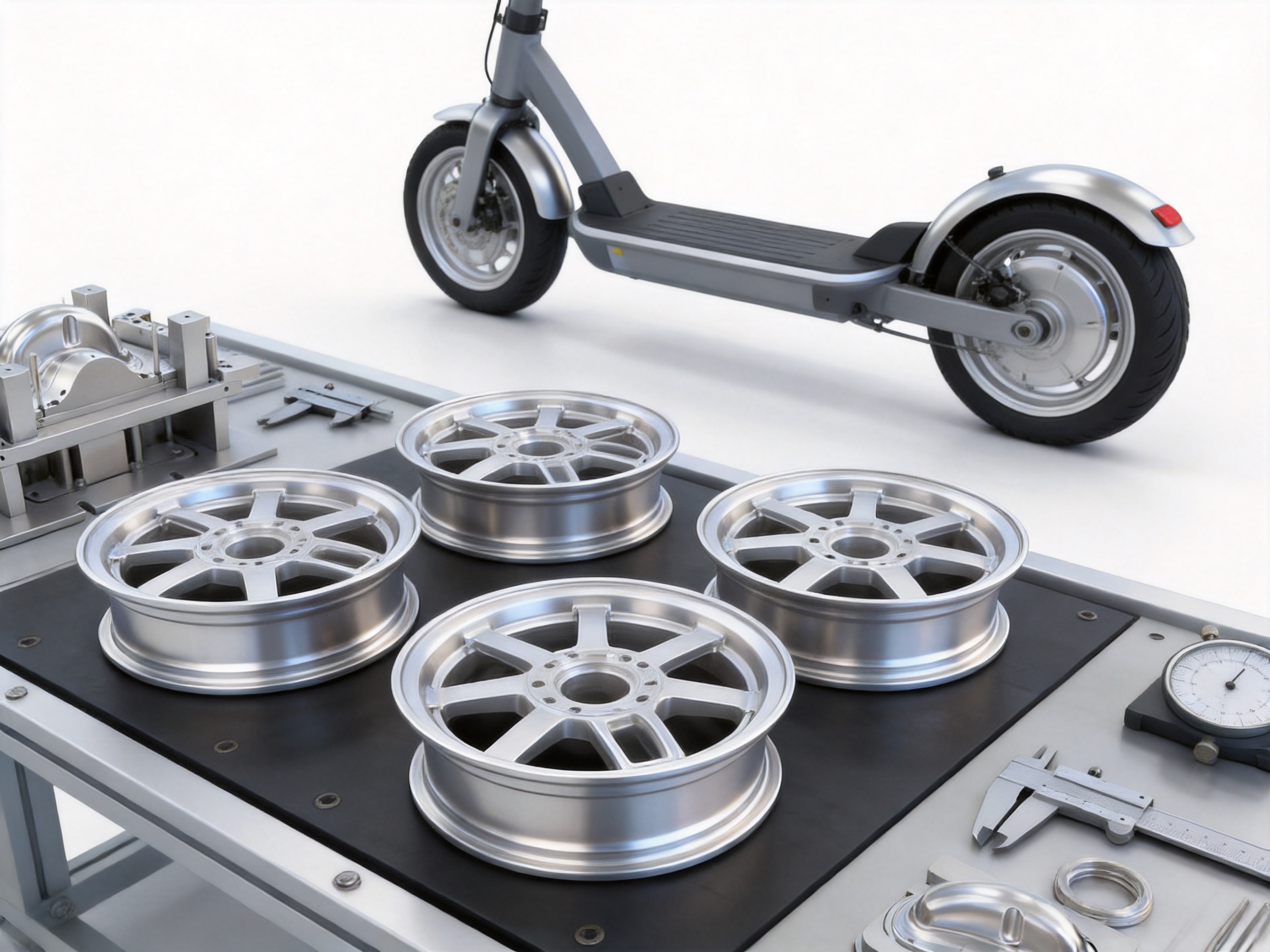
The electric vehicle industry is highly competitive. Manufacturers must improve product quality while controlling cost and shortening development cycles. Wheel components are a visible and functional part of the vehicle, so improvements in wheel durability and stability can enhance the overall product image. A reliable metal wheel solution can become a selling point for vehicle brands.
The deep drawing mold supports this competitiveness by enabling higher-quality metal wheel production. Manufacturers using this mold can offer wheels with improved strength and durability compared with traditional plastic alternatives. They can also reduce production defects and improve manufacturing efficiency, which helps them maintain cost advantages.
Because the mold is already widely adopted by the industry, it reflects practical acceptance rather than only theoretical design. Industry adoption indicates that the mold addresses real production needs and provides measurable value to manufacturers. This is important for customers evaluating tooling suppliers because proven application reduces project risk.
The mold also helps promote the broader upgrade of electric vehicle components. As the market moves toward safer, stronger, and more reliable products, high-quality tooling becomes a foundation for progress. Advanced deep drawing molds allow manufacturers to produce better components at scale, supporting the development of the entire electric mobility supply chain.
Maintenance Considerations for Long-Term Mold Performance
Even a high-quality mold requires proper maintenance to achieve maximum service life. Regular cleaning, lubrication, inspection, and adjustment help preserve forming accuracy and prevent premature wear. Operators should remove metal debris, monitor surface condition, and check guiding components during production.
Because deep drawing involves significant friction and forming force, surface wear should be monitored carefully. If scratches or rough areas appear on the cavity surface, they may affect part quality and accelerate defects. Timely polishing or repair can prevent small issues from becoming major problems.
Blank holder performance should also be checked. Uneven pressure can lead to wrinkling or cracking. Springs, hydraulic systems, or other pressure components should be maintained according to the mold design. Alignment components should be inspected to ensure accurate movement.
The manufacturer’s service experience can help customers establish proper maintenance practices. Good maintenance not only extends mold life but also stabilizes production quality. This reinforces the long-term value of investing in a professionally designed and manufactured deep drawing mold.
Recommended Customer Scenarios
This deep drawing mold is suitable for manufacturers producing front and rear wheels for two-wheeled electric vehicles. It is especially suitable for companies upgrading from plastic wheels to metal wheels, companies improving load-bearing capacity, and companies seeking more durable wheel structures.
It is also suitable for manufacturers facing problems with existing tooling, such as high scrap rates, unstable dimensions, frequent cracking, wrinkling, poor surface quality, or excessive post-processing. By adopting a specialized deep drawing mold, these manufacturers can improve process stability and reduce hidden production costs.
For new product development, the mold can support faster industrialization. Instead of designing wheel production from zero, customers can rely on an experienced mold supplier with practical knowledge of deep drawing and stamping automation. This helps shorten the path from design concept to mass production.
For high-volume producers, the mold’s durability and automation compatibility are important advantages. Stable cycle performance, reduced downtime, and efficient part forming can support competitive production capacity.
Q&A Section
What is the main function of this deep drawing mold?
The main function is to form metal blanks for the front and rear wheels of two-wheeled electric vehicles. It uses deep drawing technology to shape sheet metal into stable wheel components with consistent size, improved structural strength, and reduced forming defects.
Why is this mold important for replacing plastic wheels?
Plastic wheels can have limitations in load-bearing capacity, aging resistance, and durability. Metal wheels provide stronger structural performance, but they require accurate forming technology. This mold enables manufacturers to produce metal wheel blanks efficiently and consistently, making the upgrade from plastic to metal more practical.
How does the mold reduce defects during production?
The mold uses a reasonable cavity design, controlled forming clearance, stable blank holding, and precision-machined surfaces. These features help control metal flow, reduce wrinkles, prevent cracking, and improve dimensional consistency.
Can the mold be customized for different wheel designs?
Yes. The mold can be customized according to wheel diameter, drawing depth, material thickness, metal grade, structural profile, and production requirements. Customization helps ensure that the mold matches the customer’s product and production line.
What makes this mold different from ordinary stamping dies?
This mold is specialized for deep drawing wheel blanks, which require higher forming stability and more careful material flow control than many ordinary stamped parts. It is designed for the geometry, strength, and consistency requirements of electric vehicle wheels.
What company capabilities support the quality of this mold?
Suzhou Shuangqisi Mold Equipment Co., Ltd. has advanced equipment such as imported wire cutting machines, CNC machining centers, grinding machines, and 80T to 400T punch presses. The company also has experienced technical staff, skilled operators, debugging personnel, and 15 years of mold industry experience.
Is the mold suitable for automated production lines?
Yes. The manufacturer has integrated capabilities in stamping dies and stamping automation equipment. This allows the mold to be designed with production line integration, feeding, transfer, and efficiency in mind.
How does the mold help reduce overall production cost?
It reduces cost by lowering scrap rates, improving dimensional consistency, reducing rework, supporting efficient production, and minimizing downtime through durable construction. Although tooling quality may require careful investment, the long-term production savings can be significant.
What industries can benefit from this mold technology?
The primary application is two-wheeled electric vehicle wheel manufacturing. However, the technical principles are also relevant to automotive and electric vehicle deep drawing dies, metal wheel components, structural stamped parts, and other deep drawn metal products requiring high consistency.
What after-sales or project support is valuable for customers?
Customers benefit from design consultation, mold trial production, debugging support, production line integration guidance, and maintenance recommendations. These services help the mold enter production faster and maintain stable performance over time.
Conclusion
The deep drawing mold for front and rear wheels of two-wheeled electric vehicles is a valuable tooling solution for manufacturers seeking stronger, more durable, and more reliable metal wheel components. By replacing traditional plastic wheel limitations with precision-formed metal structures, the mold supports the quality upgrade of electric mobility products.
Its advantages come from specialized cavity design, controlled material flow, precision machining, durable structure, and production-oriented engineering. It helps reduce defects, improve consistency, lower post-processing costs, and support high-volume manufacturing. For companies competing in the fast-growing two-wheeled electric vehicle market, these benefits can directly improve product performance and manufacturing competitiveness.
The strength behind the mold is equally important. Suzhou Shuangqisi Mold Equipment Co., Ltd. combines mold design, precision manufacturing, stamping production knowledge, and automation capability. With advanced equipment, experienced technical staff, practical debugging expertise, and turnkey solution capability, the company can support customers from mold concept to production implementation.
As electric vehicle wheel technology continues to evolve, reliable deep drawing molds will remain essential. Manufacturers that invest in professional tooling can produce better wheel components, reduce production risk, and strengthen their market position. This deep drawing mold provides a mature and practical solution for that goal.
References
1. Lange, K. Handbook of Metal Forming. Society of Manufacturing Engineers.
2. Altan, T., and Tekkaya, A. E. Sheet Metal Forming: Processes and Applications. ASM International.
3. Schuler GmbH. Metal Forming Handbook. Springer.
4. Hosford, W. F., and Caddell, R. M. Metal Forming: Mechanics and Metallurgy. Cambridge University Press.
5. Kalpakjian, S., and Schmid, S. R. Manufacturing Engineering and Technology. Pearson.
6. Marciniak, Z., Duncan, J. L., and Hu, S. J. Mechanics of Sheet Metal Forming. Butterworth-Heinemann.
Product: Deep drawing mold for front and rear wheels of two-wheeled electric vehicles
Previous Post
Precision Laptop Stamping Parts for Durable, Lightweight Electronic Assemblies
Next Post
Precision Automotive Motor Housing Stamping Parts for Durable Electric Drive Systems
Our Products.
Start Your Business with an OEM Manufacturer Right Here!

Provide global customers with complete turn-key solutions
through
innovation!
QUICK LINKS
CONTACT INFO.
-
 +86-139 1308 8972
 -

-
 No. 118 Yexin Road, Wujiang Economic Development Zone, Suzhou, China
Copyright © Suzhou Shuangqisi Mold Equipment Co., Ltd. All Rights Reserved. Custom Stamping Die Metal Stamping Die Manufacturers
