 English
 Español
 Deutsch

-
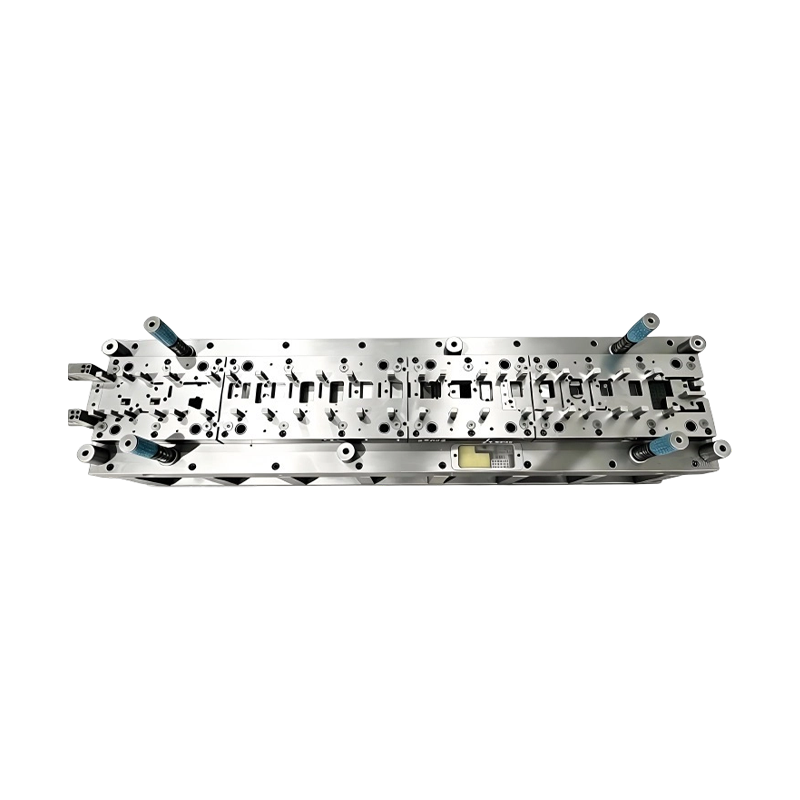
Long-Stroke Multi-Stage Progressive Die Automatic Strip Feed Progressive Die Long Travel Follow on Stamping Tool for Sheet Metal Hardware Press Moulding
Long-Stroke Multi-Stage Progressive DieOur custom ...
-
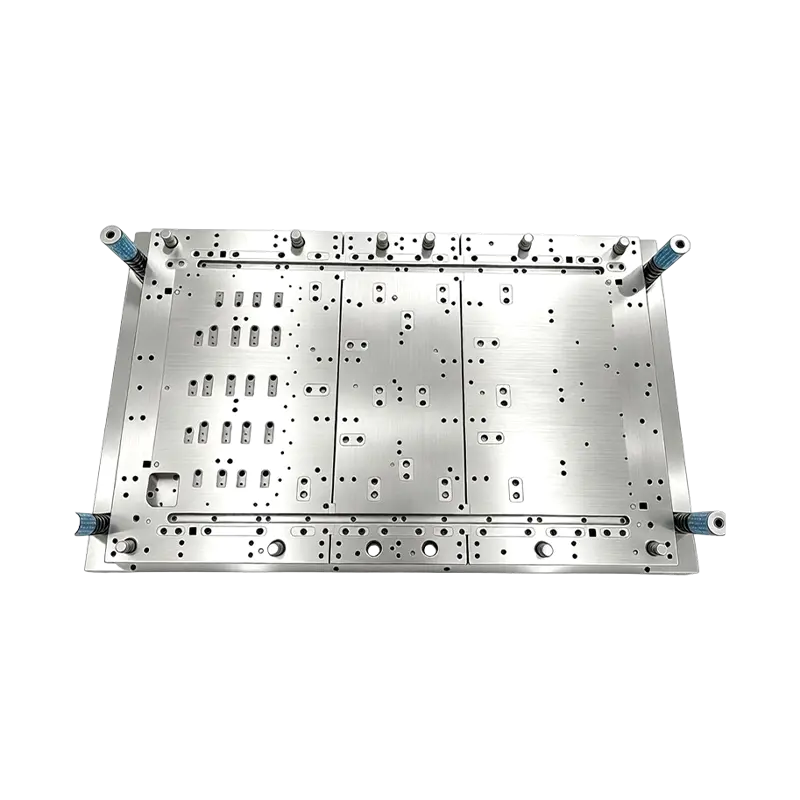
Multi-Station Progressive Stamping Die with Carbide Inserts Custom Multi Station Progressive Stamping Die Carbide Insert Metal Stamping Mold Tool for Equipment Appliances Device Hardware
High Speed Metal Stamping Tool for Precise Equipme...
-
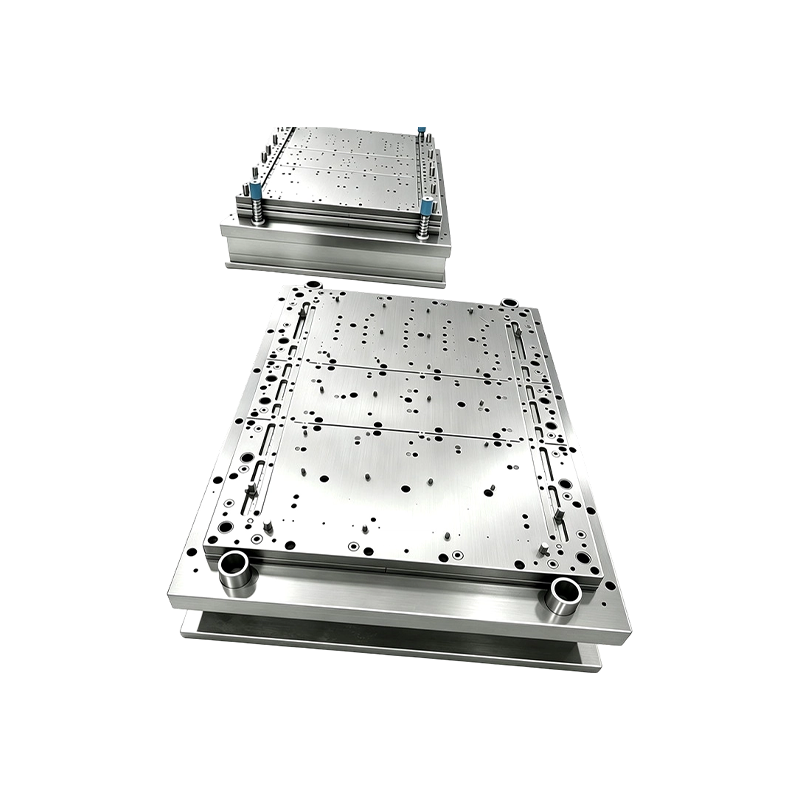
Progressive Stamping Die for Connector & Terminal Parts High Speed Progressive Stamping Die Precision Metal Hardware Stamping Tool mold for Connector Terminal Parts Automotive Components
Progressive Stamping Die for Connector & Termi...
-
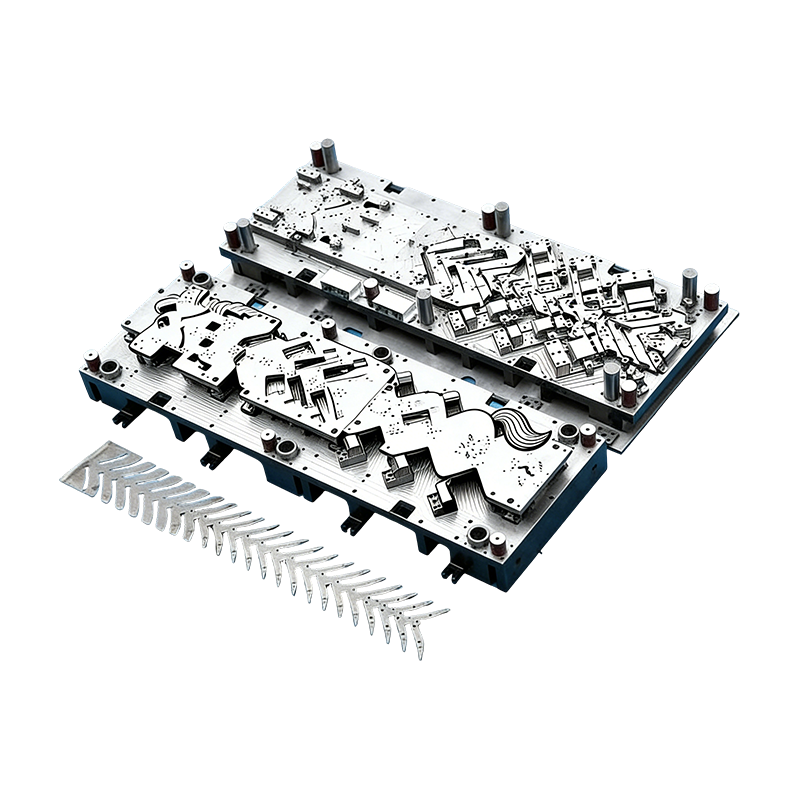
Progressive molds for automotive parts
This Continuous mold for automotive motor housing ...
-
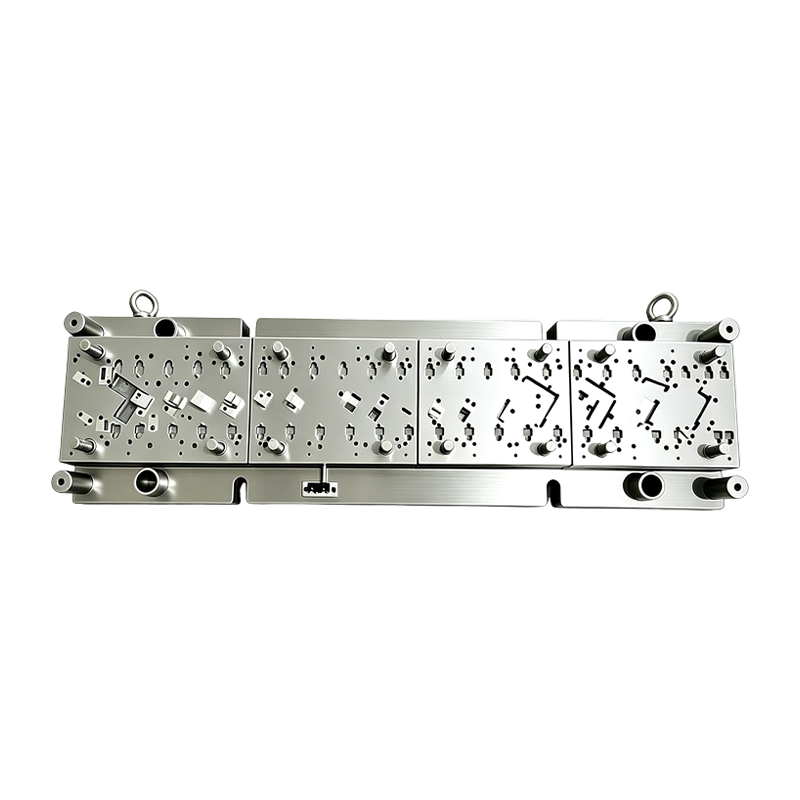
High Speed Progressive Stamping Die Sheet Metal Follow on Press Tool
Multi-operation Metal Stamping Tool for Continuous...
-
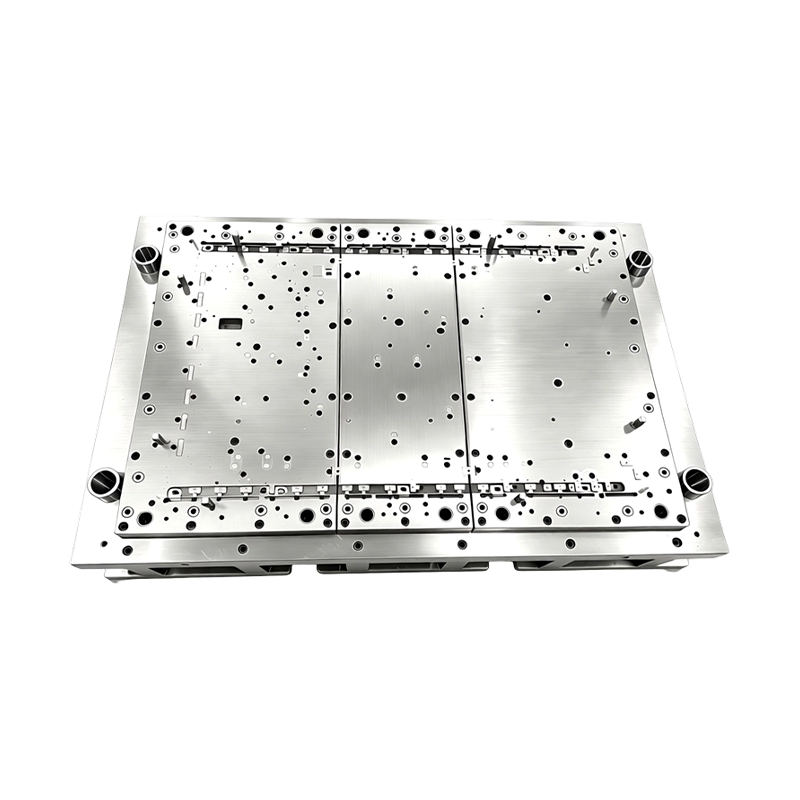
High Precision Stamping Die Multi Station Hardware Progressive Mold Tooling
Precision Metal Stamping Tool for Automotive &...
- E-mail us: [email protected]
- Call us: +86-139 1308 8972

Chen Siyi – Overseas Sales Manager
Home / Author / Chen Siyi – Overseas Sales Manager / Long-Stroke Multi-Stage Progressive Dies for Complex Sheet Metal Forming
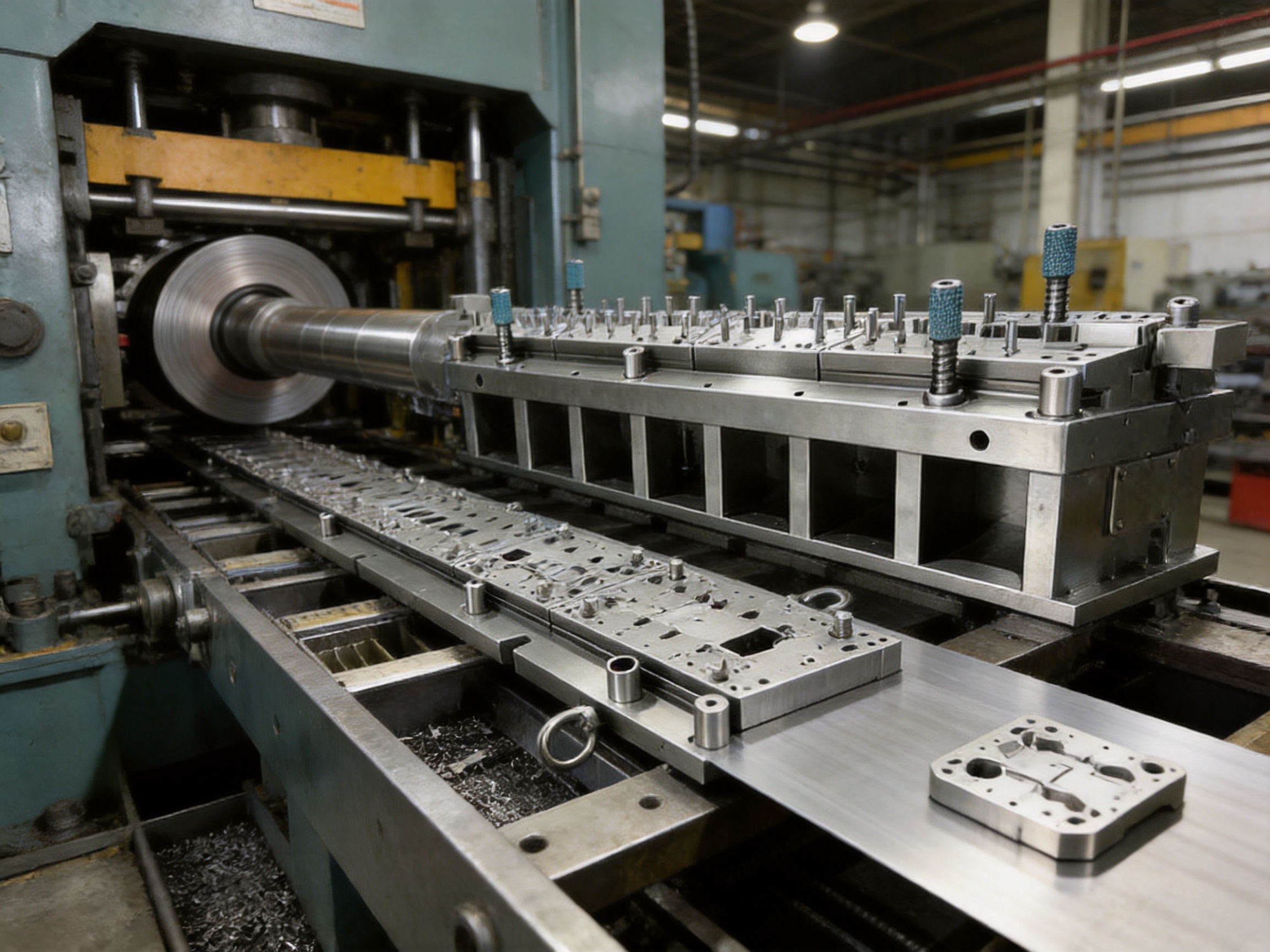
Long-Stroke Multi-Stage Progressive Dies for Complex Sheet Metal Forming
2026-09-26
Modern automotive, electric vehicle, electrical, and industrial products increasingly depend on sheet metal components that are compact, strong, precise, and geometrically complex. A single component may require piercing, lancing, bending, offset forming, embossing, coining, restriking, and final blanking before it is ready for assembly. Performing these operations separately can increase labor, handling, tooling costs, and dimensional variation. A long-stroke multi-stage progressive die provides an integrated solution by carrying the strip through a carefully engineered sequence of forming stations in one continuous automated process.
This type of progressive die is designed for long strip travel and complex three-dimensional forming. Instead of limiting production to simple flat blanks or a small number of operations, the extended die body accommodates numerous stations distributed along the strip direction. Each station performs a defined operation, and the metal strip advances pitch by pitch until the completed component is separated at the final station. The result is a reliable, repeatable, and highly automated method for producing complicated sheet metal hardware at high volume.
Long-stroke progressive tooling is especially valuable for automotive brackets, electric vehicle battery components, electrical clips, connector housings, sensor mounting parts, structural shields, relay frames, and other components requiring several controlled forming stages. The design combines precision die engineering, stable strip guidance, modular forming inserts, progressive springback management, efficient scrap discharge, and automated part ejection.
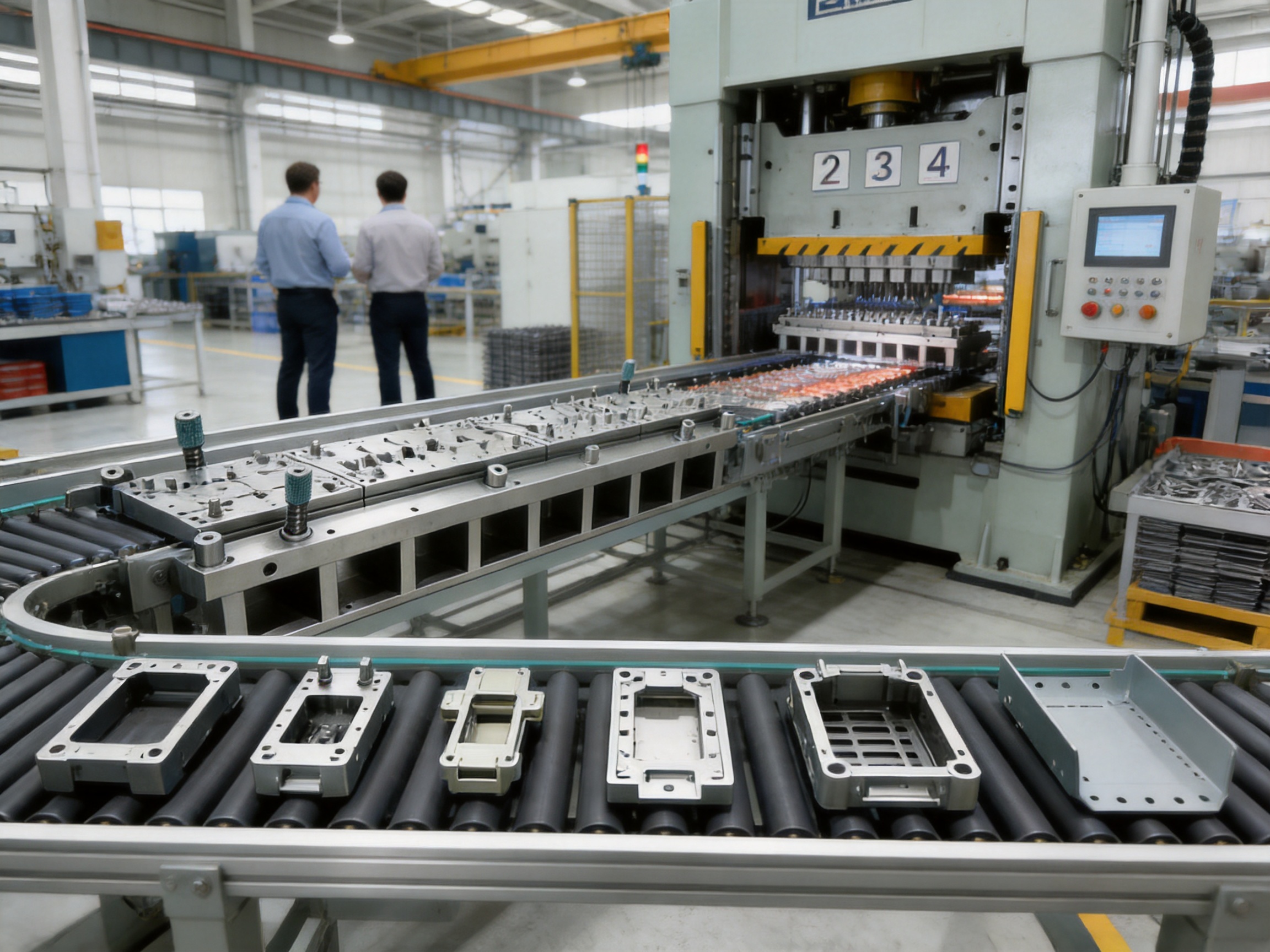
Long-Stroke Multi-Stage Progressive Die Automatic Strip Feed Progressive Die Long Travel Follow on Stamping Tool for Sheet Metal Hardware Press Moulding
Content
- 1 What Is a Long-Stroke Multi-Stage Progressive Die?
- 2 Why Complex Sheet Metal Parts Require Multi-Stage Forming
- 3 Extended Station Layout for Complex Three-Dimensional Components
- 4 Springback Compensation Through Sequential Bending
- 5 Long-Strip Stability and Accurate Feeding
- 6 Heavy-Duty Die Base and Multi-Point Guidance
- 7 Modular Forming Inserts for Faster Maintenance
- 8 Integrated Scrap Management and Part Ejection
- 9 Manufacturing Process and Engineering Workflow
- 10 Production Capacity and Manufacturing Resources
- 11 Advantages Compared with Conventional Stamping Solutions
- 12 Applications in Automotive and Electric Vehicles
- 13 Applications in Electrical, Electronics, and Industrial Equipment
- 14 Applications in Telecom, Data Centers, and Aerospace
- 15 Quality Control and Process Reliability
- 16 Cost and Productivity Considerations
- 17 Why Choose an Integrated Die and Automation Supplier?
- 18 Project Selection and Customer Cooperation
- 19 Frequently Asked Questions
- 19.1 What types of parts are suitable for a long-stroke progressive die?
- 19.2 How many stations can the die contain?
- 19.3 Can the die produce three-dimensional parts?
- 19.4 How is springback controlled?
- 19.5 How does the tooling prevent strip movement and warping?
- 19.6 What happens to piercing scrap?
- 19.7 How is the finished part removed?
- 19.8 Can the die be modified if the product design changes?
- 19.9 What press capacity is available for tryout and production?
- 19.10 Does the supplier provide automation equipment?
- 19.11 What industries can use this tooling?
- 19.12 What information should be prepared before requesting a quotation?
- 20 Conclusion
- 21 References
- 22 Product: Long-Stroke Multi-Stage Progressive Die Automatic Strip Feed Progressive Die Long Travel Follow on Stamping Tool for Sheet Metal Hardware Press Moulding
What Is a Long-Stroke Multi-Stage Progressive Die?
A progressive die is a specialized stamping tool containing multiple stations arranged along a common strip path. A coil or pre-cut strip enters the die through an automatic feeder. During each press cycle, the strip advances by a predetermined pitch. At every station, a particular operation is completed. Depending on the part design, these operations may include pilot piercing, hole punching, trimming, lancing, bending, embossing, coining, drawing, restriking, and final separation.
A long-stroke multi-stage progressive die extends this principle by providing a longer working area and a greater number of stations. A typical design may include eight to thirty or more stations, depending on the component geometry, material characteristics, production volume, and required forming sequence. The extended layout gives the tooling designer enough space to divide difficult operations into controlled stages instead of forcing several demanding actions into one station.
For example, a complex automotive bracket may first receive pilot holes and internal piercing features. The strip may then pass through lancing and pre-forming stations, followed by several bending stages. A restriking station can correct the formed geometry, while a coining station can improve local precision or strengthen a functional area. The final station may perform blanking and release the finished three-dimensional part. All of these operations occur in a coordinated sequence while the strip remains connected to its carrier system.
Long-stroke tooling is not simply a longer version of a conventional progressive die. The increased length creates additional engineering requirements. Strip stability, die-base rigidity, guide-post distribution, thermal behavior, scrap routing, press synchronization, and maintenance access must all be addressed. The tool must remain accurately aligned over its entire working area so that each station performs consistently over millions of cycles.
Why Complex Sheet Metal Parts Require Multi-Stage Forming
Many sheet metal components cannot be produced accurately through one bending or forming action. A sharp bend made in one hit may cause cracking, excessive springback, local distortion, or an unstable strip. High-strength steel and stainless steel can be particularly difficult because they require greater forming force and often exhibit greater elastic recovery after unloading.
Dividing the process into multiple stations allows the material to be shaped gradually. A pre-bend can establish the initial angle without overloading the material. A second station can continue the bend, and a final bending or restriking station can bring the component close to its target geometry. Local embosses and beads may also be formed in separate stages to prevent interference with neighboring features.
This staged method provides several important benefits:
• It reduces the forming load required at any single station.
• It improves control of bend angles and formed heights.
• It reduces the risk of cracking, tearing, and local buckling.
• It allows piercing and forming operations to be positioned in a logical sequence.
• It provides more opportunities for springback compensation.
• It supports high-volume production with less manual intervention.
• It reduces the need for secondary bending and correction operations.
The multi-stage approach is especially useful when one component combines flat and three-dimensional areas. A long progressive die can preserve the strength of the strip carrier while progressively transforming individual sections into finished parts. The process is therefore suitable for components that must meet demanding dimensional, functional, and assembly requirements.
Extended Station Layout for Complex Three-Dimensional Components
The extended station layout is one of the most important advantages of a long-stroke progressive die. The additional die length creates room for a larger number of dedicated operations. Rather than combining unrelated functions into a congested station, the process can be arranged to provide better access, more stable forming, and improved serviceability.
A typical station sequence may be organized as follows:
1. Strip entry and initial leveling.
2. Pilot hole piercing for accurate pitch control.
3. Internal piercing and slot creation.
4. Lancing or carrier preparation.
5. Initial embossing or local stiffening.
6. Pre-bending of one side feature.
7. Pre-bending of an opposing feature.
8. Intermediate forming and offset creation.
9. Final bending or side forming.
10. Coining, sizing, or restriking.
11. Additional piercing or trimming.
12. Final blanking and part ejection.
The exact sequence depends on the part drawing, material grade, thickness, required tolerances, and press capacity. Some parts may require more than thirty stations, while simpler components may use fewer. The essential principle remains the same: every operation is positioned where it can be performed with adequate clearance, forming space, and strip support.
Compared with a short-stroke terminal die or a simple blanking tool, the extended layout provides greater flexibility. It can produce parts with multiple offsets, raised areas, tabs, flanges, clips, hooks, pierced holes, and formed channels without transferring the workpiece between separate tools. This can substantially reduce production handling and improve process consistency.
Springback Compensation Through Sequential Bending
Springback occurs when formed sheet metal partially returns toward its original shape after the forming force is removed. It is affected by material strength, thickness, bend radius, grain direction, forming angle, tooling condition, and process variation. If springback is not properly controlled, the finished component may fail to meet assembly requirements even when the die dimensions are correct.
A long-stroke multi-stage die addresses springback by distributing the forming work among several stations. A pre-bending station can bring the material partway toward the desired angle. A following station can increase the angle, and a restriking station can apply controlled pressure to stabilize the final geometry. Coining may be used in selected areas where improved dimensional control or a localized material impression is required.
This method is more effective than relying on one severe bending action. A single-hit bend may create high local stress and produce significant variation when the material lot changes. With several forming stages, the process has more opportunities to compensate for the elastic behavior of the material. The tooling can also be designed with deliberate overbend or controlled sizing features where necessary.
Springback compensation is especially important for high-strength steel, stainless steel, and thicker sheet materials. These materials are common in structural automotive parts, battery-related hardware, protective shields, and industrial components. By applying incremental deformation, the die can deliver more consistent bend angles across long production runs and reduce the amount of manual adjustment required after stamping.
Long-Strip Stability and Accurate Feeding
Strip control becomes increasingly important as the die becomes longer and the number of forming stations increases. During progressive stamping, the strip is repeatedly lifted, advanced, positioned, clamped, and formed. If the strip twists, bows, or loses accurate registration, errors can accumulate across the die length.
The tooling incorporates multiple methods to stabilize the strip. Precision pilot pins engage previously prepared pilot holes and correct the strip position at defined intervals. Strip lifters support the material during return and feed movements. Pressure pads help maintain contact with the die surface, while guide rails control lateral movement and prevent the strip from drifting away from the intended path.
Multiple pilot locations are particularly beneficial in a long die because they reduce the effect of pitch error over extended travel. The strip is not dependent on a single positioning point at the front of the tool. Instead, it is checked and guided repeatedly as it moves from station to station. This improves the relationship between piercing features, formed features, and final blanking contours.
Stable feeding also protects the tooling. When a strip is allowed to lift or twist, punches may enter the material off-center, increasing the risk of chipped edges, broken punches, distorted holes, or uneven forming. Proper strip control reduces these risks and supports predictable operation at the intended press speed.
Heavy-Duty Die Base and Multi-Point Guidance
A long die body must resist deflection and maintain parallelism across its full length. A conventional four-corner guide arrangement may not provide sufficient control for a tool with many forming stations and substantial forming loads. For this reason, the die is built on a stress-relieved, precision-ground base with guide pillar sets distributed along the working area.
Multi-point guidance helps the upper and lower die sections move in a controlled relationship. It reduces uneven clearance, angular displacement, and localized loading. This is especially important when the die includes high-load bending, coining, piercing, and blanking stations operating within the same tool.
Without adequate rigidity, a long die may experience deflection sometimes described as a “banana effect.” The center or an end of the tool can move away from the intended plane, causing inconsistent cutting clearance and variation in bend depth. The consequences may include burrs, premature wear, misaligned punches, inconsistent formed heights, and unstable part dimensions.
A rigid die base, combined with distributed guidance, helps maintain uniform performance across the entire station layout. Stress relief and precision grinding are important preparation steps because residual stress or poor flatness can become more noticeable as the tool length increases. The resulting structure is designed for repeated cyclic loading and long service life.
Modular Forming Inserts for Faster Maintenance
Each forming station may use independently replaceable modular inserts. This design allows individual areas of the die to be adjusted, repaired, or replaced without dismantling the complete tool. It is a major practical advantage for production tooling because the most frequently worn or most sensitive features can be serviced locally.
Modularity is also useful during tryout and engineering changes. If a bend angle requires modification because of material behavior, only the related insert may need to be revised. If a product design changes one local feature, the affected forming element can be redesigned without rebuilding the entire die. This shortens development time and limits the cost of future changes.
Replacement inserts can also reduce maintenance downtime. A damaged punch, forming block, or coining element can be removed and replaced while the rest of the die remains intact. Clear identification of individual components simplifies maintenance planning and spare-parts management.
Compared with a fully integrated one-piece forming structure, modular construction offers greater flexibility over the life of the die. It supports product revisions, material changes, controlled process improvement, and quicker recovery from localized wear. For customers operating high-volume lines, these advantages directly affect equipment availability and total production cost.
Integrated Scrap Management and Part Ejection
Progressive dies generate scrap at several stations, particularly where holes, slots, internal profiles, or carrier features are pierced. If scrap is not removed efficiently, slugs can accumulate inside the tool and cause blockages, damaged components, or unplanned press stoppages.
The long-stroke die uses internal scrap chutes and designated discharge routes to move slugs away from the active forming area. Scrap is directed toward selected outlets along the die body rather than being allowed to remain near the punches. This is important in a long tool because operators should not need to stop the press frequently to clear scattered scrap.
At the final station, the completed three-dimensional part can be released through air blow-off or a mechanical kicker. The finished component may then be transferred to a conveyor, collection system, or downstream inspection area. Automated ejection reduces manual part retrieval and helps maintain a continuous production cycle.
Effective scrap management supports both safety and quality. It reduces the likelihood of slug pulling, tool interference, and unexpected strip damage. It also improves housekeeping around the press and makes the production system easier to integrate with automatic packaging, counting, inspection, or subsequent assembly equipment.
Manufacturing Process and Engineering Workflow
The quality of a progressive die depends not only on the final machining operation but also on the engineering decisions made before the first component is cut. A systematic workflow helps ensure that the tool is manufacturable, serviceable, and suitable for the customer’s press and production requirements.
Part and Material Review
The process begins with an evaluation of the part drawing, three-dimensional model, material grade, material thickness, dimensional tolerances, surface requirements, and annual production volume. Engineers review the location of bends, holes, embosses, flanges, and functional surfaces to determine whether the component is suitable for progressive forming.
Material behavior is considered at this stage. Mild steel, high-strength steel, stainless steel, copper alloys, and other sheet materials may require different bend radii, clearances, forming sequences, and springback compensation strategies. The available press tonnage, stroke, shut height, feed pitch, and press table dimensions are also important design inputs.
Strip Layout and Station Planning
A strip layout is developed to determine material utilization, carrier design, station count, feed pitch, and operation sequence. The layout must balance several objectives: minimizing scrap, providing sufficient support for the strip, preventing feature interference, and creating a stable path through the tool.
Critical forming operations are divided into suitable stages. Piercing may be placed before or after a bend depending on accessibility and the risk of deformation. Embosses and stiffening features may be added before major bends if they help strengthen the blank, or later if they must be formed on an already shaped surface.
Station planning also considers maintenance access. Components that are likely to wear or require adjustment should be designed for convenient removal. Scrap discharge routes, sensor locations, lubrication points, and safety clearances are integrated into the layout rather than added after the main design is complete.
Precision Machining
After design approval, major die plates and inserts are manufactured using CNC machining, wire electrical discharge machining, grinding, and related precision processes. Complex profiles and narrow slots can be produced through wire cutting, while CNC machining creates pockets, mounting surfaces, forming cavities, and structural features.
Grinding is used to achieve accurate flatness, parallelism, and surface condition on critical components. Punches, dies, guide elements, and modular forming inserts require careful dimensional control because even small errors can affect part geometry or tool life.
The manufacturing capability of Suzhou Shuangqisi Mold Equipment Co., Ltd. includes imported wire cutting machines, CNC machining centers, more than ten grinding machines of various sizes, and other precision machine tools. This equipment supports the production of complex die components and helps maintain control over key manufacturing operations.
Assembly and Tryout
Following machining, the die components are assembled and checked for fit, alignment, movement, and clearance. Engineers verify that guide systems operate smoothly and that punches, inserts, pressure pads, lifters, and scrap passages function as intended.
Tryout stamping is then performed using the specified or representative material. Samples are inspected for burr height, hole position, bend angle, formed height, surface damage, cracks, distortion, and final part dimensions. If a feature requires correction, the modular insert concept allows targeted adjustments rather than extensive reconstruction of the entire tool.
Tryout is also used to confirm feed stability and the synchronization of the die with the automatic feeder. The goal is not merely to produce one acceptable sample but to establish a repeatable process that remains stable during continuous production.
Final Validation and Delivery
Before delivery, the tool is reviewed for operating safety, maintenance accessibility, spare-part requirements, lubrication points, scrap discharge, and integration with the customer’s press line. Documentation may include station layouts, maintenance instructions, component identification, recommended clearances, and trial results.
When required, the tooling supplier can support installation, press adjustment, production debugging, and process optimization. This service-oriented approach is particularly valuable for customers introducing a long progressive die into an existing automated line.
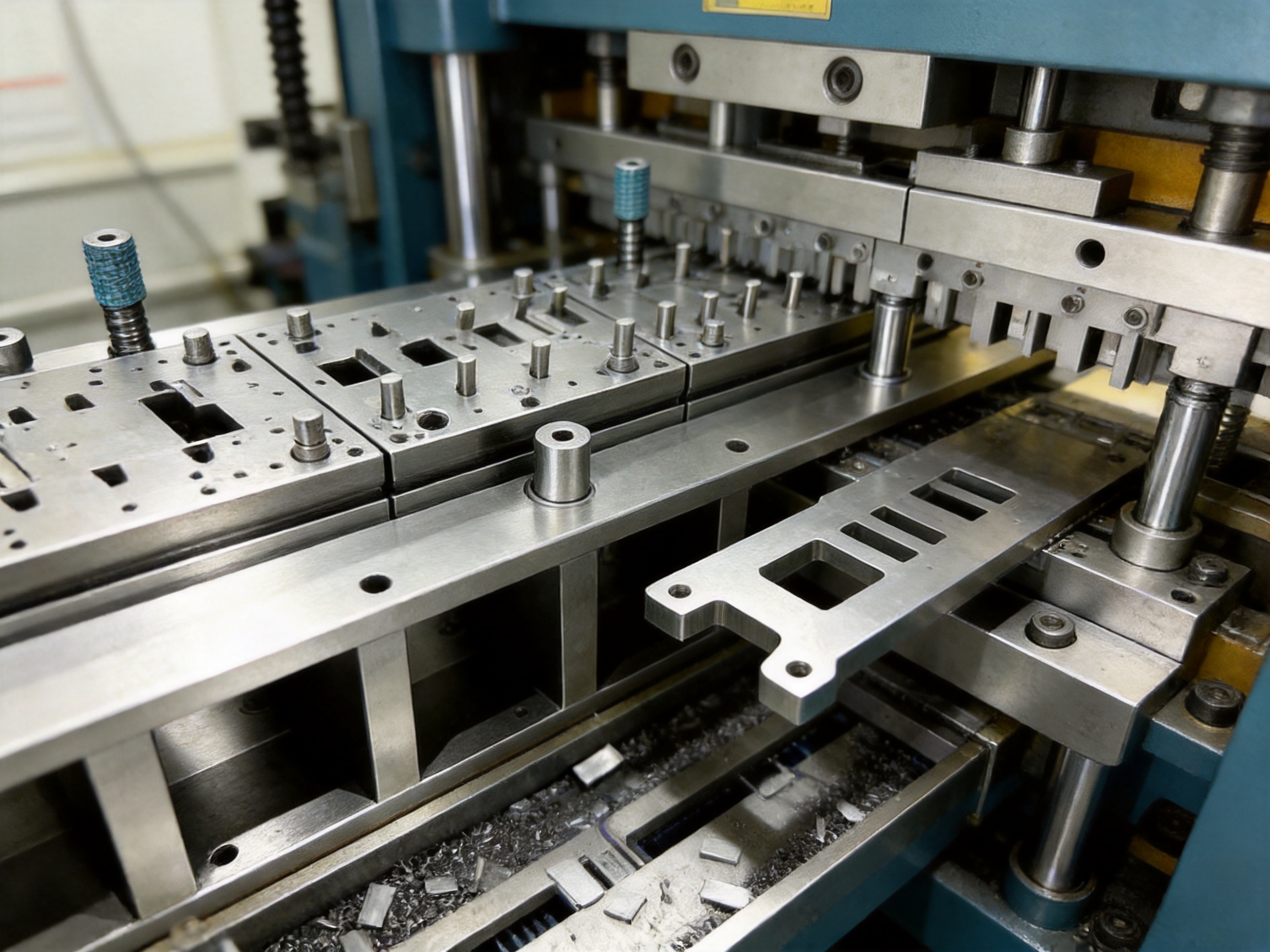
Production Capacity and Manufacturing Resources
Suzhou Shuangqisi Mold Equipment Co., Ltd. is a professional manufacturer integrating stamping die design, die manufacturing, hardware part production, and stamping automation. The company has approximately 15 years of experience in the mold industry and employs 60 technical staff. Its manufacturing resources include CNC machining centers, imported wire cutting equipment, multiple grinding machines, and 25 punch presses ranging from 80 tons to 400 tons.
This combination of engineering and production resources provides several benefits for customers. The same organization can review a part design, develop a strip layout, manufacture the die, perform tryout, and support production debugging. The integrated structure reduces communication gaps that can occur when design, tooling, and automation are handled by unrelated suppliers.
The company’s press capacity also provides a practical platform for sampling and production validation across a range of component sizes and forming requirements. Different projects can be matched to appropriate press tonnage, while experienced operators and debugging personnel help identify and resolve issues during the tryout phase.
In addition to die manufacturing, the company established Suzhou Keshuang Intelligent Technology Co., Ltd. in 2016 to focus on stamping automation equipment. This enables the group to provide turnkey solutions involving progressive dies, automatic feeding, part handling, and related production equipment. Customers may therefore obtain not only a tool but also a coordinated manufacturing system designed around the tool.
Advantages Compared with Conventional Stamping Solutions
| Evaluation Area | Long-Stroke Multi-Stage Progressive Die | Conventional Single-Operation Approach |
|---|---|---|
| Number of operations | Multiple piercing, bending, forming, and sizing operations in one progressive process | Often requires several separate dies or secondary operations |
| Part handling | Strip remains guided and advances automatically | More manual or robotic transfers may be required |
| Three-dimensional forming | Suitable for complex bends, offsets, embosses, and formed features | Often limited by the capacity of one operation |
| Springback control | Pre-bending, final bending, restriking, and coining can be distributed across stations | Greater dependence on one forming hit and post-process correction |
| Production consistency | Automated pitch control and repeated pilot positioning support repeatability | Variation may increase with transfers and manual positioning |
| Labor requirement | Designed for automatic strip feeding and part ejection | May require additional operators or handling systems |
| Maintenance | Modular inserts allow localized repair and modification | Major changes may require extensive die rebuilding |
| Scrap control | Integrated chutes and planned discharge points | Scrap removal may be less coordinated |
| High-volume suitability | Well suited to continuous, repeatable production | May involve higher handling time and lower line efficiency |
The table illustrates why a long-stroke progressive die can deliver lower total manufacturing effort even when its initial design and construction are more sophisticated. The die consolidates multiple operations, reduces work-in-process handling, and provides a controlled path from coil material to finished component.
Applications in Automotive and Electric Vehicles
Automotive and electric vehicle manufacturers use a wide range of sheet metal hardware that benefits from progressive forming. Seat brackets, door panel clips, hinge components, brake line clips, sensor brackets, structural reinforcement plates, and connector housings often combine holes, tabs, bends, and formed surfaces in one compact component.
Electric vehicle production introduces additional demand for battery-related and electrical hardware. Battery module brackets, busbar supports, cooling system clips, charging connector parts, motor housing components, and protective shields may require high repeatability and reliable dimensional control. A long-stroke die can combine functional piercing and three-dimensional forming while maintaining automatic production flow.
Many vehicle components must fit into restricted assembly spaces. Small dimensional errors in a mounting bracket or connector support can affect alignment, vibration behavior, electrical clearance, or assembly speed. The controlled station sequence and repeatable pilot positioning of a progressive die help support these requirements.
The tooling can also be designed around high-strength materials used for lightweighting and structural performance. Because these materials may create higher forming loads and springback, the heavy-duty die base, staged bending sequence, and restriking capability become important competitive advantages.
Applications in Electrical, Electronics, and Industrial Equipment
Electrical and electronic products use many stamped components with precise holes, tabs, terminals, shields, and spring features. Typical examples include relay frames, switch housings, terminal blocks, connector shells, EMI shielding cans, PCB mounting clips, and electrical contact supports.
These components often require small features positioned accurately relative to one another. A progressive die can pierce reference holes early in the sequence and use them to control subsequent operations. Forming stations can then create clips, contact points, side walls, and retention features without removing the strip from the guided process.
Industrial automation equipment also depends on stamped brackets, sensor mounts, actuator clips, conveyor parts, relay sockets, and terminal strip housings. Such components may be produced in large quantities and need reliable repeatability for assembly-line compatibility. Automatic strip feeding and final part ejection help reduce production interruptions.
For home appliances, the same technology can produce drum brackets, compressor mounting plates, hinge components, motor supports, and control panel frames. The die configuration can be adapted to different material thicknesses and part sizes while preserving the core principles of sequential forming and automatic handling.
Applications in Telecom, Data Centers, and Aerospace
Telecommunications and data center equipment often contains compact brackets, cable management clips, server chassis hardware, heat sink mounting parts, and shielding frames. These parts may combine long flanges, tabs, pierced mounting holes, and formed retention features. A multi-station die can form these features in a coordinated sequence and reduce the need for secondary assembly preparation.
Aerospace-related sheet metal components place strong emphasis on traceability, dimensional control, material handling, and process discipline. Lightweight bracket preforms, clip fasteners, and structural sheet metal components may be considered for progressive production when the material and geometry are suitable. Tooling and production processes can be developed to support customer quality systems and, where applicable, AS9100-compatible manufacturing environments.
Every application must be evaluated individually. The appropriate solution depends on material, geometry, tolerance, batch size, inspection requirements, and certification needs. A long progressive die is most valuable when the component has enough production volume and operational complexity to justify an integrated multi-station process.
Quality Control and Process Reliability
Quality control begins with the design review and continues through machining, assembly, tryout, and production support. Important control points include die-base flatness, guide-post alignment, punch-to-die clearance, insert dimensions, forming radii, pilot-hole positioning, and the condition of cutting edges.
During tryout, samples should be checked against the part drawing and relevant customer specifications. Inspection may include coordinate measurement, optical measurement, profile checking, gauge verification, and functional assembly testing. Bend angles, hole locations, burrs, part flatness, formed heights, and critical interfaces should be monitored.
Process reliability also depends on maintenance. Cutting edges must be sharpened or replaced before wear creates unacceptable burrs. Pilot pins and guide components should be inspected for damage. Pressure pads, lifters, springs, and air passages require routine checks. A documented preventive maintenance program helps preserve die accuracy and reduce unexpected downtime.
The modular design of the tooling supports this maintenance philosophy. Instead of treating the die as an inaccessible single structure, technicians can identify and service individual stations. This makes troubleshooting more efficient and allows wear trends to be monitored over time.
Cost and Productivity Considerations
The initial cost of a long-stroke multi-stage progressive die may be higher than that of a simple single-operation tool because it contains more stations, precision components, guidance systems, and engineering work. However, the correct economic evaluation must consider the complete production process rather than the purchase price alone.
By combining multiple operations, the die can reduce labor, work-in-process storage, inter-operation transport, secondary bending, and separate inspection steps. Automatic feeding and part ejection support longer unattended production periods. Stable forming also reduces scrap caused by inconsistent bends or misaligned features.
For high-volume programs, these savings can compensate for the higher initial tooling investment. The modular inserts and integrated maintenance features further reduce lifecycle cost by making repairs and changes more targeted. Customers should evaluate the expected production quantity, cycle rate, material utilization, labor cost, secondary operations, and required service life when comparing tooling alternatives.
Why Choose an Integrated Die and Automation Supplier?
A progressive die does not operate independently from the press, feeder, sensors, lubrication system, scrap removal equipment, and finished-part handling system. If these elements are designed separately without adequate coordination, the production line may experience feed errors, part collisions, scrap accumulation, or difficult setup procedures.
An integrated supplier can coordinate the die design with automatic strip feeding and downstream handling. The supplier can also review press specifications, define the required feed pitch, determine the appropriate ejection method, and support commissioning. This reduces the number of interfaces that the customer must manage.
Suzhou Shuangqisi Mold Equipment Co., Ltd. combines die design and manufacturing with stamping automation capability. Its related automation organization can support equipment intended to work with stamping tools, allowing customers to pursue a more complete turnkey solution. The company also states that it can invest in related production equipment according to customer needs, which may be useful for projects requiring a coordinated tooling and production strategy.
The company’s customer base includes organizations associated with servo drives, compressors, electrical products, and new energy vehicles. These applications reflect the ability to work with components requiring controlled stamping, reliable production, and integration into industrial manufacturing systems.
Project Selection and Customer Cooperation
A successful project begins with complete technical information. Customers should provide part drawings or three-dimensional models, material specifications, thickness, tolerance requirements, annual volume, press information, coil dimensions, and any special surface or inspection requirements. Samples of existing parts may also help clarify functional expectations.
During technical discussions, engineers can evaluate whether the part is suitable for a progressive die, identify potential forming risks, and recommend changes to radii, hole locations, carrier connections, or feature sequencing. Early design-for-manufacturing feedback can prevent expensive changes after tooling construction begins.
Customers should also discuss future requirements. If the component may change in the next product revision, modular inserts and replaceable forming elements can be planned from the beginning. If multiple material grades may be used, the die can be designed with appropriate adjustment and compensation provisions where practical.
Clear communication continues through design approval, manufacturing, tryout, sample inspection, delivery, installation, and production ramp-up. A strong supplier relationship helps ensure that the die is not only dimensionally correct but also easy to operate, maintain, and integrate into the customer’s manufacturing environment.
Frequently Asked Questions
What types of parts are suitable for a long-stroke progressive die?
Suitable parts typically contain several piercing, bending, forming, embossing, trimming, or coining features and are required in medium- to high-volume production. Examples include automotive brackets, electrical clips, connector housings, battery supports, sensor brackets, structural shields, relay frames, and industrial mounting parts.
How many stations can the die contain?
The die can be designed with approximately eight to thirty or more stations, depending on the part geometry and process requirements. The final station count is determined by the number of operations, material behavior, forming loads, available press space, and required production speed.
Can the die produce three-dimensional parts?
Yes. The die is specifically designed for progressive three-dimensional forming. Sequential stations can create bends, offsets, flanges, embosses, channels, clips, and other formed features before final blanking separates the completed component.
How is springback controlled?
Springback is managed through staged pre-bending, final bending, restriking, sizing, and, where appropriate, coining. Dividing a severe bend into several controlled operations can improve angle consistency and reduce variation caused by material strength or lot differences.
How does the tooling prevent strip movement and warping?
Precision pilot pins, strip lifters, pressure pads, guide rails, and multiple positioning points help keep the strip flat and accurately registered. These features are especially important when the strip passes through many stations and undergoes repeated deformation.
What happens to piercing scrap?
Internal scrap chutes direct pierced slugs toward designated discharge points. Planned scrap routing reduces buildup inside the die and helps prevent blockages, tool interference, and unplanned press stoppages.
How is the finished part removed?
The final three-dimensional part can be ejected by air blow-off or a mechanical kicker. It can then be deposited onto a conveyor, collection system, or downstream inspection station.
Can the die be modified if the product design changes?
Modular forming inserts allow selected stations to be adjusted or replaced without rebuilding the complete die. This supports design revisions, material changes, springback corrections, and localized wear repair.
What press capacity is available for tryout and production?
The manufacturer operates punch presses ranging from approximately 80 tons to 400 tons. The suitable press depends on the part size, material, thickness, station loads, die dimensions, and production requirements.
Does the supplier provide automation equipment?
Yes. The company group includes a related organization focused on stamping automation equipment. It can support automatic feeding, part handling, and other equipment required for a coordinated stamping solution.
What industries can use this tooling?
Applications include automotive, electric vehicles, new energy, electrical and electronics, telecommunications, data centers, home appliances, industrial automation, and selected aerospace-related sheet metal programs.
What information should be prepared before requesting a quotation?
Customers should provide the part drawing or model, material grade, thickness, tolerances, production quantity, press specifications, coil or strip information, quality requirements, and any special packaging or automation expectations.
Conclusion
A long-stroke multi-stage progressive die provides an efficient and technically advanced way to manufacture complex sheet metal components. Its extended station layout allows piercing, bending, forming, embossing, coining, restriking, and blanking to be combined in one automated strip-fed process. This reduces secondary operations, manual handling, and dimensional variation while supporting high-volume production.
The principal advantages include staged springback compensation, stable long-strip guidance, heavy-duty multi-point die construction, modular forming inserts, integrated scrap management, and automatic finished-part ejection. Together, these features make the tooling suitable for demanding components used in vehicles, electric vehicles, battery systems, electrical equipment, industrial automation, appliances, telecom infrastructure, and other engineered products.
The manufacturing strength behind the product is equally important. With experienced technical personnel, CNC machining, imported wire cutting, multiple grinding machines, a broad press range, die tryout capability, and related stamping automation resources, Suzhou Shuangqisi Mold Equipment Co., Ltd. can support projects from initial design review through tooling manufacture and production commissioning.
For manufacturers seeking to improve productivity while maintaining reliable part quality, a properly engineered long-stroke progressive die can be more than a stamping tool. It can become the central component of an integrated, repeatable, and scalable sheet metal production system.
References
1. ASM International, ASM Handbook: Forming and Forging.
2. Society of Manufacturing Engineers, Tool and Manufacturing Engineers Handbook: Forming.
3. American Society of Mechanical Engineers, guidance on dimensional tolerancing and manufacturing documentation.
4. ISO, Quality Management Systems — Requirements.
5. Automotive Industry Action Group, Advanced Product Quality Planning and Control Plan Reference Manual.
6. European Committee for Standardization, general principles for metal forming and production quality control.
7. Suzhou Shuangqisi Mold Equipment Co., Ltd., company manufacturing capabilities and product information supplied for this article.
Product: Long-Stroke Multi-Stage Progressive Die Automatic Strip Feed Progressive Die Long Travel Follow on Stamping Tool for Sheet Metal Hardware Press Moulding
Previous Post
Precision Car Seat Stamping Parts for Safe, Durable, and Efficient Automotive Seating Systems
Next Post
High-Precision Compound Blanking and Piercing Dies for Flat Sheet Metal Components
Our Products.
Start Your Business with an OEM Manufacturer Right Here!

Provide global customers with complete turn-key solutions
through
innovation!
QUICK LINKS
CONTACT INFO.
-
 +86-139 1308 8972
-

-
 No. 118 Yexin Road, Wujiang Economic Development Zone, Suzhou, China
Copyright © Suzhou Shuangqisi Mold Equipment Co., Ltd. All Rights Reserved. Custom Stamping Die Metal Stamping Die Manufacturers
