 English
 Español
 Deutsch

-
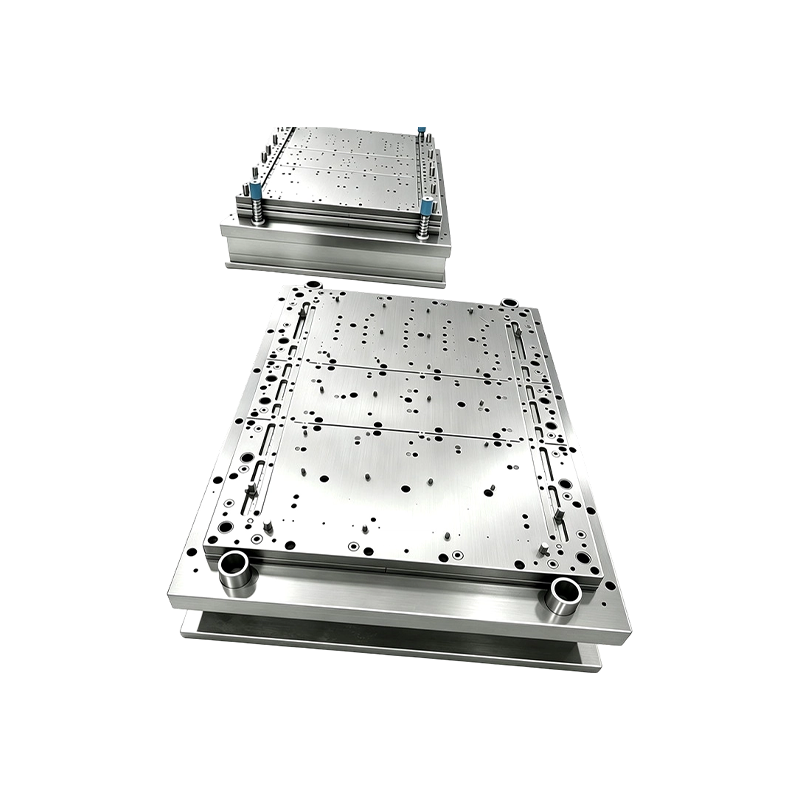
Progressive Stamping Die for Connector & Terminal Parts High Speed Progressive Stamping Die Precision Metal Hardware Stamping Tool mold for Connector Terminal Parts Automotive Components
Progressive Stamping Die for Connector & Termi...
-
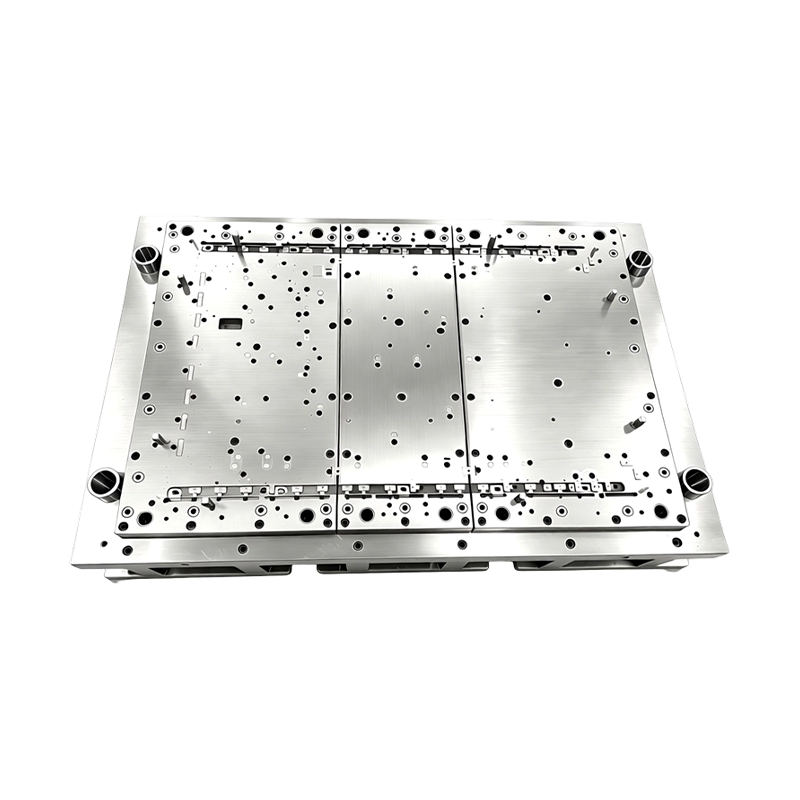
High Precision Stamping Die Multi Station Hardware Progressive Mold Tooling
Precision Metal Stamping Tool for Automotive &...
-
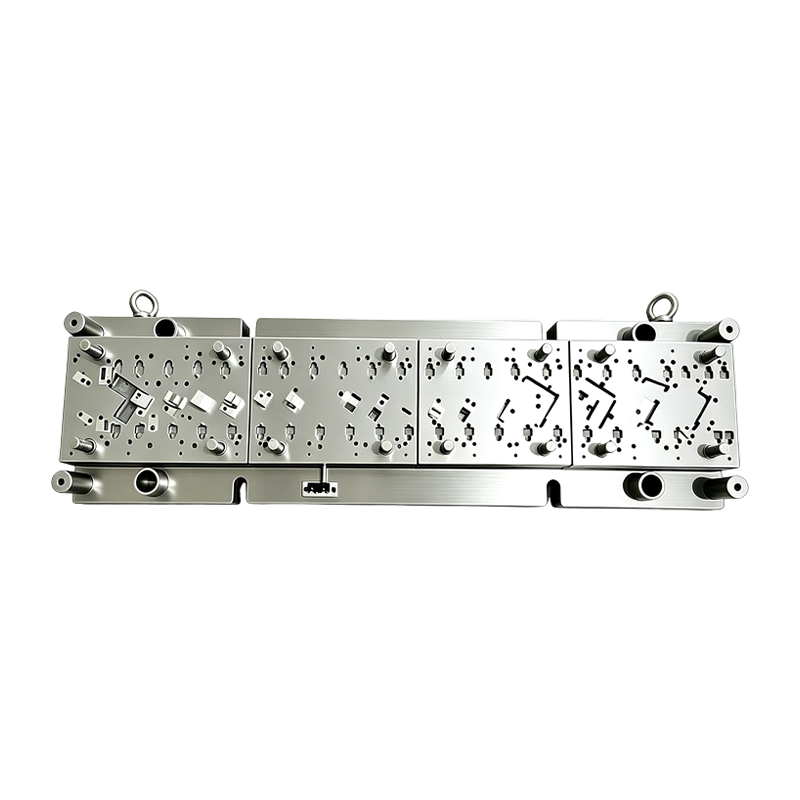
High Speed Progressive Stamping Die Sheet Metal Follow on Press Tool
Multi-operation Metal Stamping Tool for Continuous...
-
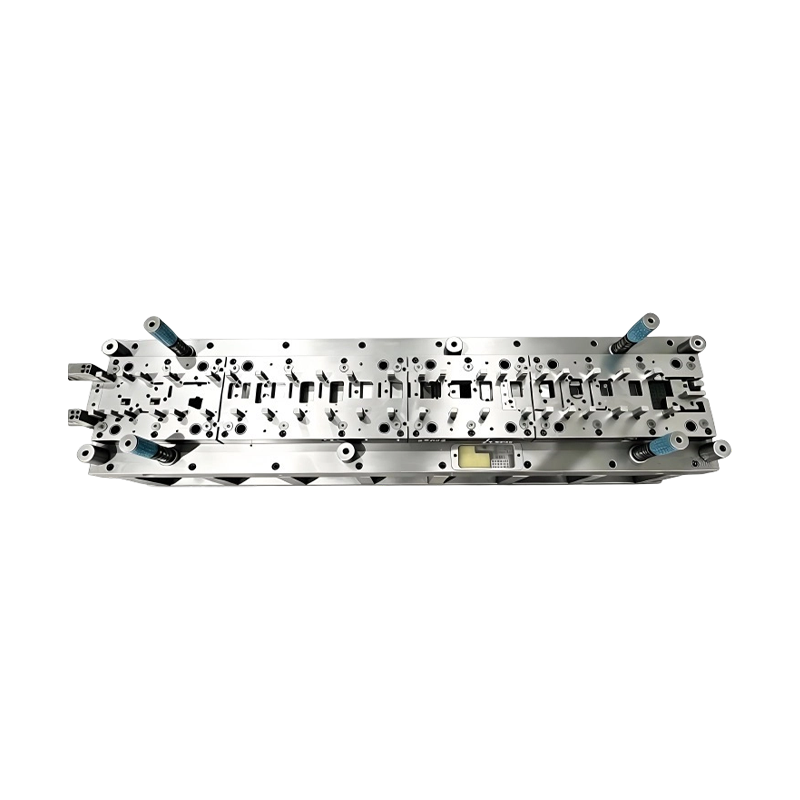
Long-Stroke Multi-Stage Progressive Die Automatic Strip Feed Progressive Die Long Travel Follow on Stamping Tool for Sheet Metal Hardware Press Moulding
Long-Stroke Multi-Stage Progressive DieOur custom ...
-
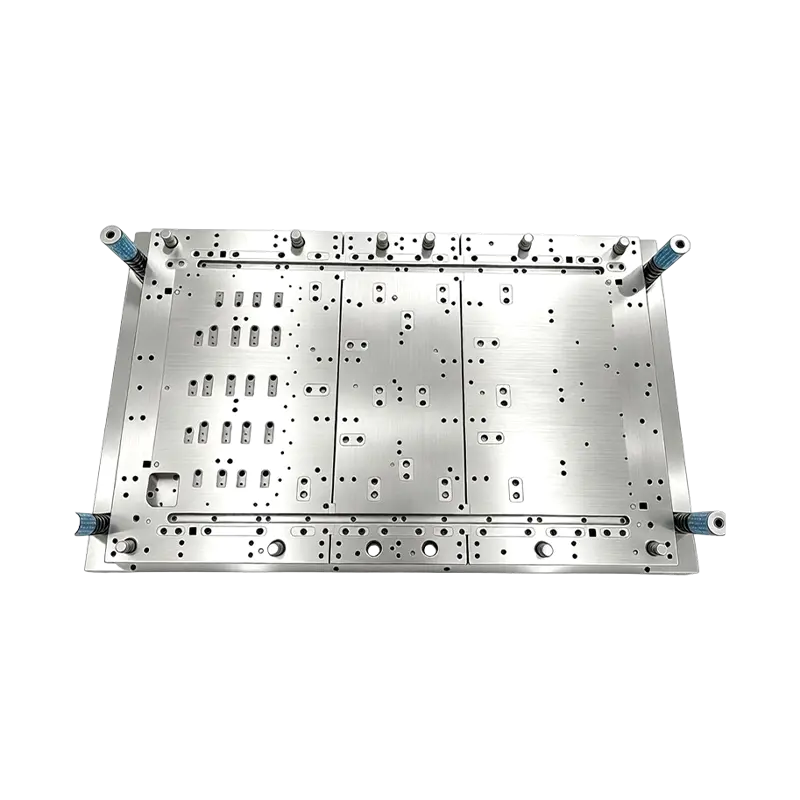
Multi-Station Progressive Stamping Die with Carbide Inserts Custom Multi Station Progressive Stamping Die Carbide Insert Metal Stamping Mold Tool for Equipment Appliances Device Hardware
High Speed Metal Stamping Tool for Precise Equipme...
- E-mail us: [email protected]
- Call us: +86-139 1308 8972

Chen Siyi – Overseas Sales Manager
Home / Author / Chen Siyi – Overseas Sales Manager / High-End Oven Stamping Parts: Precision, Heat Resistance, and Reliable Manufacturing for Advanced Oven Systems
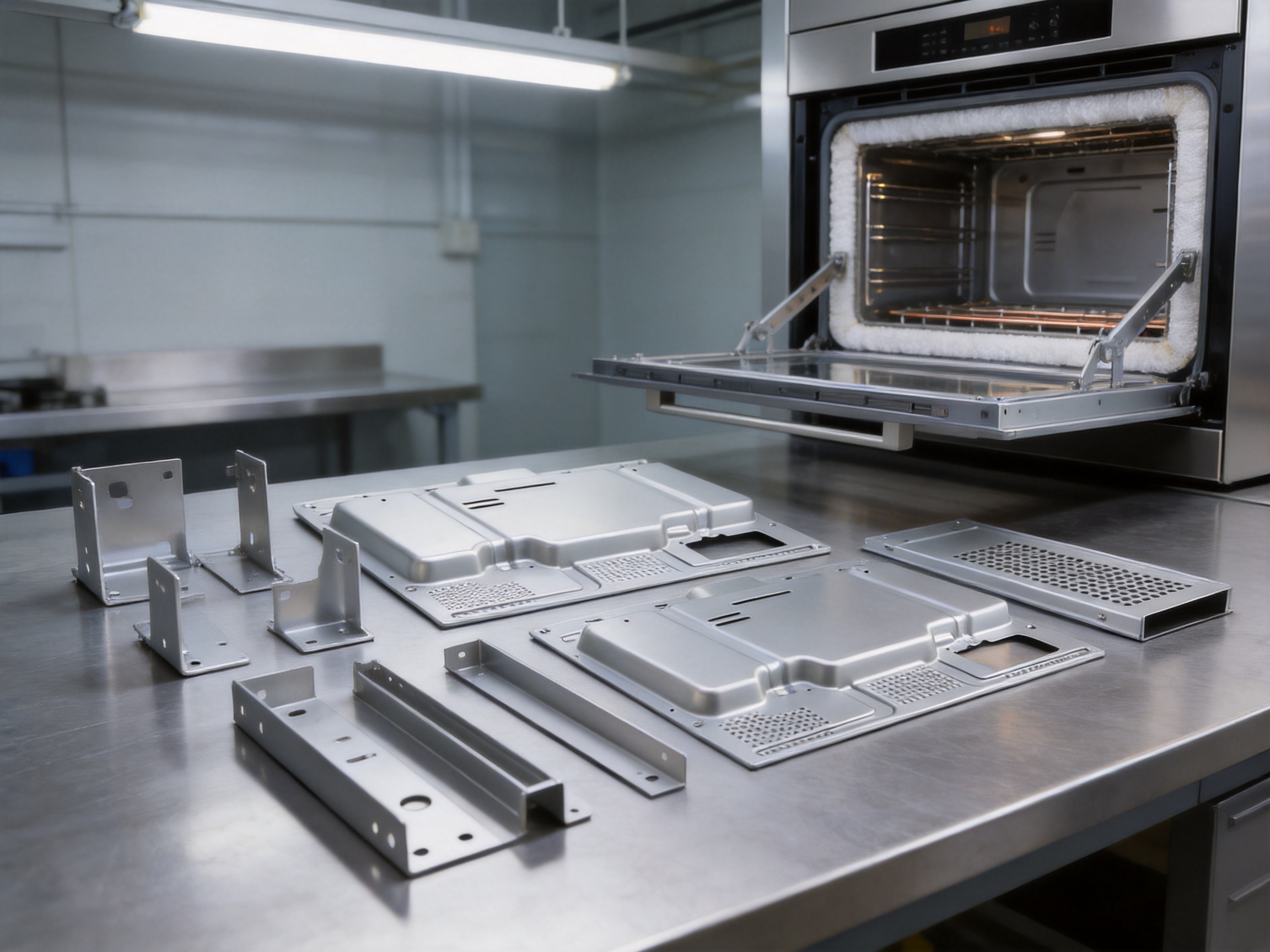
High-End Oven Stamping Parts: Precision, Heat Resistance, and Reliable Manufacturing for Advanced Oven Systems
2026-10-04
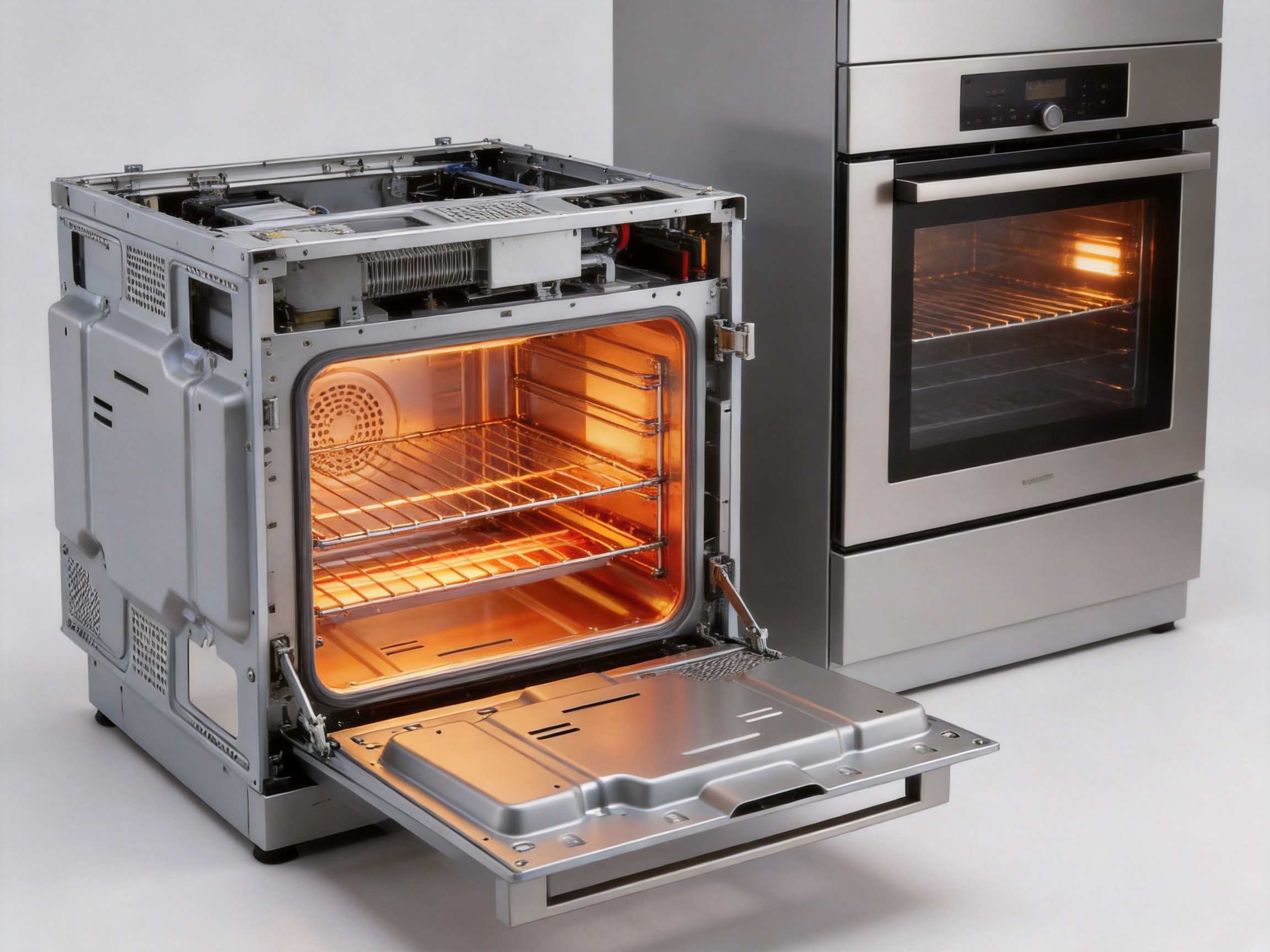
High-end ovens demand more than attractive exterior panels and powerful heating systems. Every oven depends on a network of accurately formed metal components that support its structure, protect internal assemblies, guide heat, secure the door, and maintain reliable operation through repeated heating and cooling cycles. High-end oven stamping parts are essential to this performance. They are engineered to fit precisely, withstand severe thermal conditions, resist corrosion, and support efficient assembly on modern production lines.
Premium stamping components are used in oven shells, door frames, heating element brackets, internal support structures, mounting assemblies, reinforcement panels, and other functional areas. Although many of these parts are not visible to the end user, their quality directly affects oven safety, durability, appearance, service life, and manufacturing efficiency. A poorly formed bracket may cause misalignment. An inaccurate frame may affect door sealing. An inadequately protected support part may corrode after repeated exposure to heat, humidity, and food-related contaminants.
High-end oven stamping parts are therefore manufactured with a combination of carefully selected materials, controlled forming processes, precision tooling, strict dimensional inspection, and appropriate surface treatment. When these capabilities are integrated under one manufacturing system, oven producers can obtain stable quality, reduced assembly time, and more dependable supply performance.
The following article examines the design, materials, production methods, quality advantages, and application value of premium oven stamping parts. It also explains how an integrated stamping die and automation manufacturer can support both standardized component supply and customized oven production programs.
Content
- 1 1. The Role of Stamping Parts in Modern Oven Construction
- 2 2. Product Overview: High-End Oven Stamping Parts
- 3 3. Material Selection for Thermal Appliance Components
- 4 4. Precision Stamping Processes Used for Oven Parts
- 5 5. Manufacturing Infrastructure and Technical Capability
- 6 6. Integrated Die Manufacturing and Stamping Automation
- 7 7. Surface Treatment and Safety-Oriented Finishing
- 8 8. Quality Control from Tooling to Finished Component
- 9 9. Advantages over Conventional or Lower-Grade Alternatives
- 10 10. Applications in Household and Commercial Ovens
- 11 11. Customization and Project Cooperation
- 12 12. Cost Control without Sacrificing Quality
- 13 13. Sustainability and Resource Efficiency
- 14 14. Installation, Maintenance, and Service Benefits
- 15 15. Selecting a Suitable Manufacturing Partner
- 16 16. Why an Integrated Manufacturing Model Creates Value
- 17 17. Recommended Development and Approval Workflow
- 18 18. Q&A: Common Questions about High-End Oven Stamping Parts
- 18.1 Q1: What are high-end oven stamping parts?
- 18.2 Q2: Which materials can be used?
- 18.3 Q3: Can the parts be customized for different oven models?
- 18.4 Q4: Why is dimensional accuracy important for oven parts?
- 18.5 Q5: How do these parts withstand high temperatures?
- 18.6 Q6: What surface treatments are available?
- 18.7 Q7: Can the manufacturer provide stamping dies as well as parts?
- 18.8 Q8: Is automation available for oven stamping production?
- 18.9 Q9: What press capacity is available?
- 18.10 Q10: How are stamped parts inspected?
- 18.11 Q11: Can the parts help reduce oven assembly costs?
- 18.12 Q12: What information should a customer provide for a quotation?
- 19 19. Conclusion
- 20 References
- 21 Product: High-end oven stamping parts
1. The Role of Stamping Parts in Modern Oven Construction
An oven is a thermal appliance composed of multiple systems that must operate together accurately. The outer shell provides the main enclosure. The inner cavity contains the heating environment. The door assembly must open and close smoothly while maintaining a stable seal. Heating elements must remain securely positioned. Insulation, ventilation channels, racks, control components, and safety devices all require dependable supports and mounting points.
Stamping parts connect these systems mechanically. They may appear as simple brackets, plates, frames, clips, channels, covers, reinforcements, or formed supports, but each component usually performs a specific structural or functional task. The geometry of a stamped part can determine whether another assembly fits correctly, whether a fastener remains secure, and whether loads are distributed safely during use.
In premium household ovens, dimensional consistency is especially important because the design often includes narrow gaps, concealed fasteners, integrated insulation, soft-closing doors, precise airflow paths, and high-quality exterior finishes. Commercial ovens may place even greater demands on the components because they are exposed to longer operating hours, more frequent cleaning, heavier loading, and repeated thermal cycling.
High-end stamping parts must meet several requirements simultaneously:
First, they must have accurate dimensions and stable geometry. The component must fit the intended assembly without excessive adjustment or rework.
Second, the material must retain sufficient strength at elevated temperatures. A component that is acceptable at room temperature may lose rigidity, deform, or oxidize when exposed to continuous heat.
Third, the part must resist corrosion and surface degradation. Ovens are exposed to moisture, grease, cleaning agents, condensation, and heat, all of which can accelerate material deterioration.
Fourth, edges and surfaces must be safe and clean. Proper deburring prevents sharp edges from damaging wiring, insulation, seals, or operators during assembly and maintenance.
Finally, the part must be economical to manufacture in the required volume. A premium component should not only perform well but also support efficient production, repeatable output, and predictable purchasing costs.
2. Product Overview: High-End Oven Stamping Parts
High-end oven stamping parts are precision-manufactured metal components designed for premium domestic ovens, built-in ovens, commercial baking equipment, and related thermal appliances. They can be produced in standardized configurations or customized according to customer drawings, three-dimensional models, sample parts, assembly requirements, and production targets.
The product range may include structural plates, side supports, door-frame elements, heating-element brackets, cavity reinforcements, mounting brackets, fastening supports, cover plates, ventilation components, stiffening ribs, and other formed metal parts. Depending on the application, parts may be created through blanking, piercing, bending, drawing, forming, embossing, flanging, or multiple operations performed in sequence.
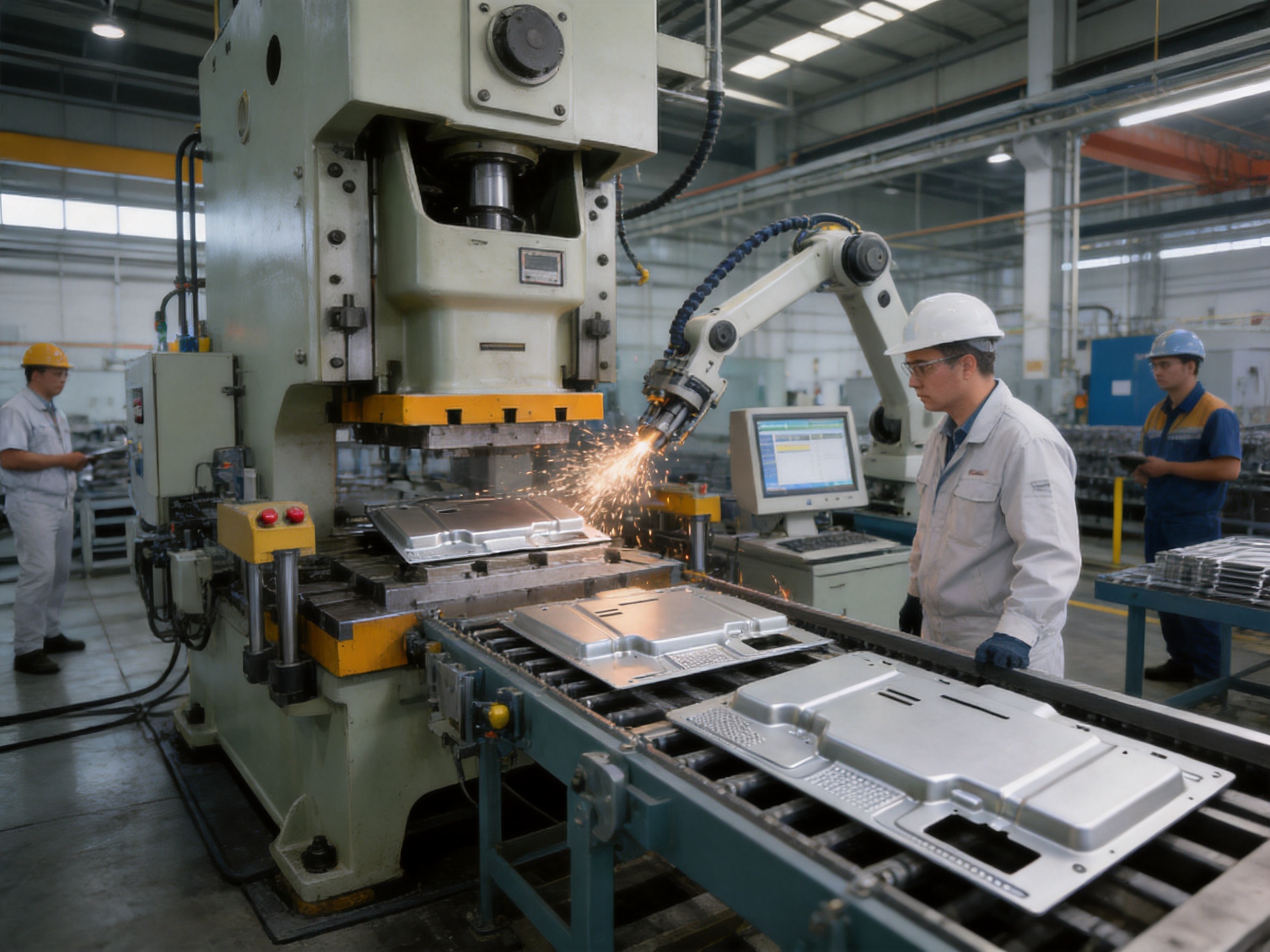
The manufacturing approach is selected according to material thickness, shape complexity, dimensional requirements, annual demand, available press equipment, and assembly conditions. A simple bracket may be produced using a progressive die or a series of individual operations. A larger oven frame may require a dedicated forming die and controlled bending sequence. A complex component may combine piercing, shallow drawing, embossing, and edge forming in one coordinated production plan.
The objective is not simply to press metal into a desired shape. The objective is to create a component that remains stable throughout its service life and can be incorporated into the customer’s assembly process without unnecessary correction or manual fitting.
Material selection is also application-specific. Heat-resistant steel and aluminum alloys may be considered depending on the operating temperature, structural load, corrosion environment, weight requirements, conductivity requirements, and surface appearance. The final specification can be confirmed according to the customer’s technical documents and product validation standards.
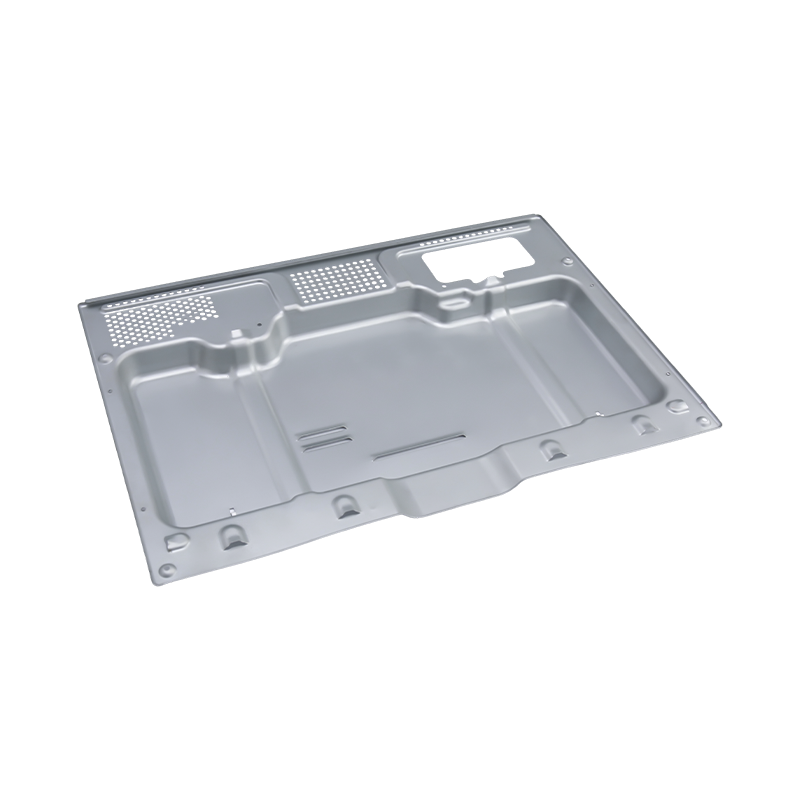
High-end oven stamping parts
3. Material Selection for Thermal Appliance Components
Material selection is one of the most important decisions in oven stamping part design. The selected metal must accommodate forming operations while also delivering reliable performance after installation. It must retain appropriate strength, show acceptable resistance to oxidation and corrosion, and be compatible with the oven’s temperature range and surrounding materials.
3.1 Heat-Resistant Steel
Heat-resistant steel is often suitable for brackets, reinforcements, support members, frames, and other components that require rigidity and durability. Steel provides a favorable balance between strength, formability, availability, and cost. Depending on the design and performance requirements, the material grade may be selected for improved corrosion resistance, higher-temperature stability, better surface quality, or easier forming.
For oven applications, the material specification should be evaluated together with the component’s location. A bracket positioned near a heating element may experience a very different thermal environment from a side reinforcement located behind insulation. The thickness, forming radius, fastening method, and expected load should also be considered before finalizing the material.
3.2 Aluminum Alloys
Aluminum alloys can be advantageous when low weight, good corrosion resistance, or efficient thermal conductivity is important. They may be used in selected covers, brackets, support elements, and structural components where the design does not require the same high-temperature strength as a steel component.
Aluminum stamping requires careful control because the material has different forming behavior from steel. Excessive deformation may cause cracking, surface marks, or dimensional springback. Die clearance, forming radius, lubrication, and process sequence must be adjusted to the selected alloy and part geometry.
3.3 Compatibility with Surface Treatment
The base material must also be compatible with the planned surface treatment. A component may receive deburring, anti-rust protection, heat-resistant spraying, or another specified finish. The treatment must adhere consistently, preserve critical dimensions, and remain stable during the oven’s operating conditions.
Surface treatment selection should account for the part’s location, temperature exposure, contact with insulation or seals, cleaning methods, and appearance requirements. Components positioned inside the thermal cavity may require different treatment considerations from external structural panels or concealed mounting brackets.
4. Precision Stamping Processes Used for Oven Parts
Precision stamping converts sheet metal into repeatable components through controlled pressure and specialized tooling. The exact process depends on the shape and function of the part, but a typical production program includes engineering review, die design, material preparation, forming, secondary operations, surface treatment, inspection, and packing.
4.1 Engineering Review and Process Planning
Before a die is manufactured, the component drawing should be reviewed for manufacturability. Important factors include bend radii, material direction, hole positions, corner conditions, tolerance requirements, fastening points, surface visibility, and the possibility of distortion during forming.
Experienced process engineers consider how the metal will flow during each operation. They determine whether the part can be produced in one operation or whether it should be separated into blanking, piercing, bending, drawing, and calibration stages. The goal is to reduce deformation risk while maintaining a practical production cycle.
Process planning also addresses the customer’s volume requirements. A low-volume customized part may be appropriate for a simple progressive or compound die arrangement. A high-volume part may justify a more automated progressive die, transfer process, or dedicated production cell that reduces labor and increases consistency.
4.2 Blanking and Piercing
Blanking creates the basic outline of the component, while piercing forms holes, slots, or openings used for fastening, ventilation, alignment, and assembly. These operations must be controlled carefully because hole position and edge quality often affect downstream assembly.
Inaccurate piercing can cause fasteners to sit off-center, create stress concentration, or interfere with adjacent components. Excessive burrs may damage cables, seals, insulation, or operators’ hands. Proper die clearance and tool maintenance are therefore critical to achieving clean and stable edges.
4.3 Bending and Forming
Bending creates flanges, channels, stiffening features, mounting surfaces, and structural angles. The forming sequence must account for springback, material thickness, grain direction, and the interaction between multiple bends.
For oven parts, even a small angular error can lead to assembly problems when the component is used as part of a frame or door structure. Controlled forming tools help maintain repeatable angles and reduce the need for manual correction. Where necessary, calibration or restriking operations can improve final accuracy.
4.4 Drawing and Embossing
Shallow drawing may be used to create recessed areas, raised supports, channels, or stiffening features. Embossing can increase rigidity without adding excessive material thickness. These features are valuable in oven construction because they can improve strength, reduce vibration, and help a part resist deformation during thermal cycling.
Drawing and embossing require careful control of material flow. If the process is too aggressive, the material may thin unevenly or develop cracks. If the process is insufficient, the feature may not reach the required depth or stiffness. Die geometry, lubrication, press speed, and forming sequence all influence the result.
4.5 Multi-Operation and Progressive Stamping
For components requiring several operations, a progressive die can combine steps within one continuous production process. The strip material advances through stations where piercing, forming, bending, and cutoff operations occur in a planned sequence.
This approach can improve productivity, reduce handling, and maintain positional relationships between features. It is especially useful for medium- and high-volume parts with repeatable geometry. However, the die requires careful engineering, accurate station coordination, and regular maintenance.
4.6 Secondary Operations
Some oven stamping parts require secondary operations after the primary forming stage. These may include trimming, tapping, riveting, spot welding, flattening, calibration, or additional protective treatment. Secondary processes are selected according to the final assembly requirements.
Integrating appropriate secondary operations can reduce the customer’s workload. A part that arrives with controlled edges, finished mounting holes, and the required surface protection can move more efficiently through the oven assembly line.
5. Manufacturing Infrastructure and Technical Capability
Reliable stamping production depends on more than the press itself. It requires a complete manufacturing infrastructure that includes die design, machining, grinding, wire cutting, press operation, debugging, inspection, and production management.
The manufacturer described in the supplied company information operates with a technical workforce of approximately 60 employees and has 15 years of experience in the mold industry. Its equipment includes imported wire cutting machines, CNC machining centers, more than 10 grinding machines of various sizes, and 25 punch presses ranging from 80 tons to 400 tons.
This equipment range supports different part sizes, material thicknesses, forming loads, and production requirements. Smaller or lighter oven components can be assigned to suitable lower-tonnage presses, while larger structural parts can be processed on higher-capacity equipment. Matching the press to the die and material helps maintain stable operation and reduces unnecessary stress on tooling.
Wire cutting equipment supports the accurate manufacture of die components, inserts, punches, and other precision features. CNC machining centers enable the production of complex die bases, forming surfaces, locating structures, and replacement components. Grinding machines help achieve accurate dimensions and smooth working surfaces on critical die elements.
Equipment alone cannot guarantee quality. Skilled operators, senior technicians, and experienced debugging personnel are equally important. During die commissioning, specialists evaluate feeding, forming, stripping, part release, material flow, press behavior, and final dimensions. Adjustments made at this stage can prevent recurring production problems later.
The combination of engineering experience and in-house equipment also improves response speed. When tooling requires modification, maintenance, or replacement, the manufacturer can often coordinate design, machining, grinding, and testing within one integrated system rather than relying entirely on multiple external suppliers.
6. Integrated Die Manufacturing and Stamping Automation
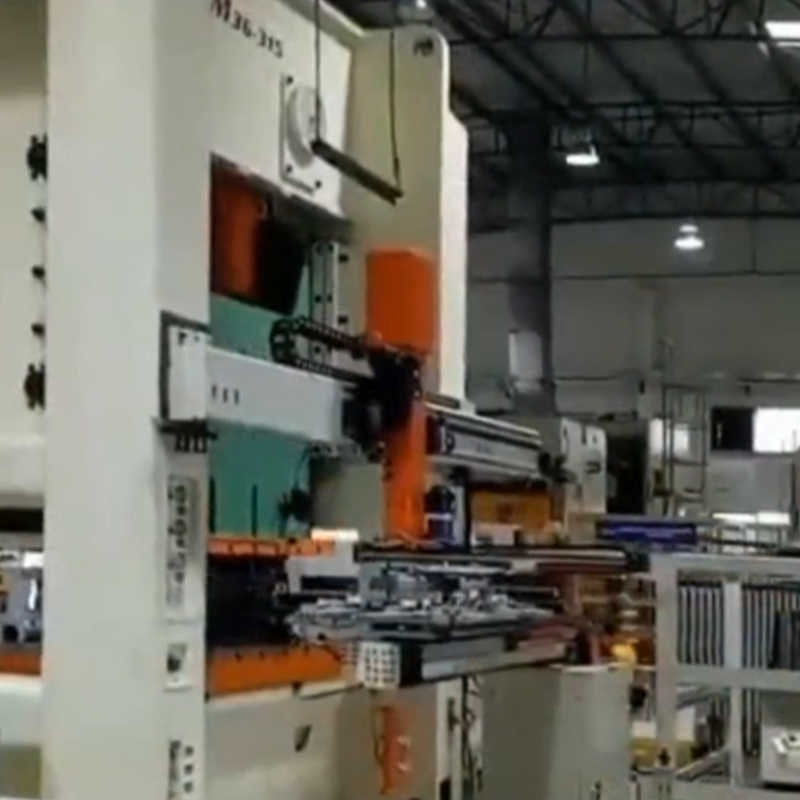
One of the strongest advantages of an integrated supplier is the ability to provide both stamping dies and automation equipment. Oven manufacturers often need more than an individual component. They may require a complete solution that includes tooling, press integration, material feeding, part transfer, production control, and process optimization.
Integrated stamping automation can improve production consistency by controlling how material enters the die, how parts are transferred, and how finished components are collected. Automated handling reduces manual contact, supports stable cycle times, and lowers the risk of misplacement or accidental damage.
Automation is particularly valuable for repetitive oven components manufactured in large quantities. Once the process has been debugged, automated feeding and transfer can help maintain a consistent production rhythm. It can also reduce operator exposure to moving tooling and hot or sharp metal parts.
The company’s related investment in an intelligent technology business focused on stamping automation equipment strengthens this capability. Through the combination of die manufacturing and automation expertise, customers can receive turnkey solutions rather than coordinating separate suppliers for each stage.
A turnkey approach may include:
• Product and process review.
• Stamping die design and manufacturing.
• Press selection and production planning.
• Feeding and transfer automation.
• Die debugging and trial production.
• Dimensional inspection and process verification.
• Production equipment recommendations.
• Ongoing technical support and maintenance coordination.
This integrated structure can shorten communication paths, clarify technical responsibility, and improve the consistency between the die, press, automation system, and final part.
7. Surface Treatment and Safety-Oriented Finishing
Surface treatment is a necessary part of high-end oven stamping part production. Formed components may have sharp edges, exposed metal surfaces, tool marks, or areas vulnerable to corrosion. Finishing processes help improve safety, appearance, durability, and compatibility with the surrounding oven assembly.
7.1 Deburring
Deburring removes or reduces sharp edges and unwanted material left after blanking, piercing, trimming, or forming. This is important for both assembly personnel and the finished oven. A sharp burr can cut an operator, damage insulation, scratch a coated surface, or interfere with a seal.
Deburring requirements should be defined according to the part’s function. A concealed reinforcement may require a different edge specification from a component located close to wiring or a door seal. Consistent deburring also improves process repeatability and reduces manual inspection time at the customer’s facility.
7.2 Anti-Rust Protection
Anti-rust treatment helps protect steel components during storage, transport, assembly, and service. It is particularly valuable when parts may encounter humidity, condensation, cleaning agents, or high-temperature air.
The selected treatment must be compatible with the intended application. It should not interfere with welding, fastening, insulation, sealing, or subsequent coating. Packaging and storage conditions should also be considered because even a well-treated part can be affected by prolonged exposure to moisture or contaminants.
7.3 Heat-Resistant Spraying
Heat-resistant spraying can provide additional protection where components are exposed to elevated operating temperatures. The coating must adhere well, remain stable during thermal cycling, and preserve the dimensional and functional requirements of the part.
For components used near food preparation areas, customers should define the applicable material and coating requirements in advance. Food-contact suitability, indirect-contact conditions, emission requirements, and cleaning compatibility may vary according to the product design and applicable market regulations.
7.4 Surface Quality Control
Surface inspection should confirm that the component is free from unacceptable scratches, cracks, peeling, excessive oxidation, contamination, and uneven treatment. For visible oven components, surface appearance may be evaluated alongside dimensional accuracy. For concealed structural parts, functional protection and edge condition may receive greater emphasis.
8. Quality Control from Tooling to Finished Component
Quality control should begin before the first production stroke. It should continue through material receipt, die manufacturing, trial stamping, process approval, production, finishing, final inspection, and packing.
8.1 Incoming Material Verification
Material verification confirms the type, thickness, surface condition, and quantity of the sheet or coil. Traceability records can help connect the finished part to its material batch and production order. This is useful when customers require consistent documentation or when a performance issue must be investigated.
8.2 Die Inspection
Before trial production, the die should be checked for critical dimensions, alignment, clearance, guide movement, fastening, forming surfaces, and safe operation. Correct die construction reduces the risk of premature wear, unstable feeding, or inconsistent part geometry.
8.3 First-Article and Trial-Part Inspection
Trial parts allow the production team to confirm whether the actual stamped component matches the design intent. Important inspection items may include overall dimensions, hole positions, bend angles, flatness, profile accuracy, surface condition, burr height, and fit with mating components.
If a problem is identified, the die or process can be adjusted before volume production. This preventive approach is more efficient than allowing a dimensional issue to continue through a large batch.
8.4 In-Process Monitoring
During production, operators and inspectors monitor the condition of the die, material feeding, part appearance, press operation, and key dimensions. Regular checks help detect progressive wear, material variation, misalignment, or changes in forming behavior.
For high-volume orders, inspection frequency and sampling plans should be agreed with the customer. Critical-to-function dimensions may require more frequent measurement than non-critical cosmetic features.
8.5 Final Inspection and Packing
Final inspection verifies that parts meet the approved specification before shipment. Depending on the project, this may include dimensional measurement, visual inspection, coating evaluation, quantity confirmation, and packaging review.
Proper packing is essential for stamped metal parts because edges, corners, and coated surfaces can be damaged during transport. Protective separators, suitable cartons, moisture control, and clear labeling can help preserve the parts’ condition until they reach the customer’s assembly line.
9. Advantages over Conventional or Lower-Grade Alternatives
High-end oven stamping parts offer several advantages over generic, poorly controlled, or inadequately specified alternatives.
9.1 Better Dimensional Consistency
Precision tooling and controlled press operations produce more consistent parts. This improves assembly fit, reduces manual adjustment, and supports a more stable finished product. Consistent dimensions are particularly important for door frames, heating-element brackets, and components that determine the position of insulation or seals.
9.2 Improved Thermal Reliability
Proper material selection and suitable surface protection help the component withstand repeated heating and cooling cycles. A stable part is less likely to warp, loosen, crack, or lose its functional position during service.
9.3 Reduced Corrosion Risk
Deburring, anti-rust treatment, and heat-resistant finishing provide greater protection than untreated or inadequately finished metal. Lower corrosion risk can contribute to longer product life and fewer service complaints.
9.4 Lower Assembly Cost
Accurate components require less fitting, rework, and sorting. When parts arrive ready for installation, the oven manufacturer can improve line efficiency and reduce the labor associated with correcting dimensional problems.
9.5 Better Tooling and Process Support
A supplier with internal die design, machining, grinding, press production, and automation capabilities can respond more effectively to design changes and process issues. This can be a significant advantage over suppliers that only perform basic stamping and outsource most technical work.
9.6 More Flexible Customization
Oven manufacturers frequently develop different models with varying cavity sizes, door structures, heating arrangements, and mounting layouts. Custom stamping capability allows structural components to be adapted to each model rather than forcing the product to use unsuitable standard parts.
9.7 More Efficient Production Scaling
A component may begin as a customized low-volume part and later enter mass production. A supplier with a broad press range and automation experience can support this transition more smoothly by revising the tooling and production method as demand increases.
| Evaluation Area | High-End Oven Stamping Parts | Generic Low-Control Components | Customer Benefit |
| Dimensional accuracy | Controlled through precision dies, trial inspection, and process monitoring | May vary between batches or require manual correction | Improved fit and reduced assembly rework |
| Thermal performance | Material and finish selected for the intended oven environment | May not be matched to temperature and cycling conditions | Greater structural stability during service |
| Edge condition | Deburred and inspected according to application needs | Possible sharp burrs or inconsistent trimming | Safer handling and less risk to insulation or wiring |
| Corrosion protection | Anti-rust and heat-resistant treatment options | Limited or inconsistent protection | Longer service life and better appearance |
| Tooling support | Integrated die design, machining, grinding, and debugging | May depend on disconnected external suppliers | Faster technical response and clearer responsibility |
| Production scalability | Compatible with presses from 80 tons to 400 tons and automation solutions | May be restricted to limited equipment or manual processes | More efficient transition from samples to volume production |
10. Applications in Household and Commercial Ovens
High-end oven stamping parts can be customized for numerous areas of an oven system.
10.1 Oven Shells and External Structures
Outer shell components require accurate forming to maintain appearance, assembly alignment, and structural rigidity. Stamped panels and reinforcements can support the enclosure while allowing efficient fastening and integration with insulation or ventilation features.
10.2 Door Frames and Door Supports
Oven doors must close reliably and maintain alignment over many operating cycles. Stamped door-frame components can provide mounting points for hinges, glass assemblies, seals, handles, and reinforcement elements. Dimensional accuracy is essential because small errors may affect sealing pressure, closing force, or visual gaps.
10.3 Heating Element Brackets
Heating element brackets hold electrical heating components in predetermined positions. They must provide adequate support, tolerate elevated temperatures, and maintain clearance from insulation and other internal components. The design may include special bends, tabs, holes, or heat-resistant surface treatment.
10.4 Internal Support Structures
Internal supports may carry trays, racks, insulation panels, ventilation components, or cavity reinforcements. Their geometry must balance strength and weight while allowing installation in restricted spaces.
10.5 Ventilation and Airflow Components
Stamped channels, shields, and covers can help guide airflow or protect sensitive components from direct heat. Consistent shape and accurate positioning are important because airflow paths influence temperature distribution and the performance of cooling systems.
10.6 Commercial Baking Equipment
Commercial ovens often operate for longer periods and may face heavier loading and more frequent cleaning. Their stamping parts may require increased thickness, reinforced geometry, more durable coatings, and closer attention to maintenance access.
11. Customization and Project Cooperation
Customized production begins with a clear understanding of the customer’s product and process. Useful technical information may include two-dimensional drawings, three-dimensional models, material specifications, thickness, tolerance requirements, annual demand, press limitations, surface requirements, assembly samples, and applicable testing standards.
The supplier can then evaluate manufacturability and propose an appropriate die structure. In some cases, a design modification may improve forming stability, reduce material waste, simplify tooling, or make the part easier to assemble. Such recommendations should preserve the customer’s functional requirements while improving production efficiency.
For new oven models, early supplier involvement can reduce development risk. The stamping engineer can review whether bends are practical, whether holes can be formed without distortion, whether the material will crack at a particular radius, and whether the part can be automated effectively.
For existing products, the supplier may support cost reduction or quality improvement through die modification, process consolidation, material optimization, or automation upgrades. A component that originally required several manual operations may be redesigned for more efficient production if the volume justifies the investment.
Communication should continue through sampling, approval, production, and after-sales support. Clear documentation of revisions, inspection standards, packaging requirements, and delivery schedules helps prevent misunderstandings and supports consistent long-term supply.
12. Cost Control without Sacrificing Quality
High-end manufacturing does not necessarily mean uncontrolled cost. The most effective cost strategy is to improve total production value rather than choosing the lowest unit price at the beginning.
Accurate dies can reduce scrap and rework. Stable stamping processes can lower labor requirements. Automation can improve output and reduce repetitive handling. Appropriate material selection can prevent premature failure and warranty costs. Better packaging can reduce damage during transport. These factors all influence the customer’s total cost of ownership.
Tooling cost should be evaluated against expected production volume and product life. A simple tool may be economical for a small project, while a more automated progressive die may provide a better result for long-term high-volume production. The supplier should help the customer compare these options according to production goals.
Material utilization is another important factor. Nesting, strip layout, blank design, and scrap management can affect the cost of every part. Experienced process engineers can optimize the layout while maintaining stable feeding and adequate part quality.
Maintenance planning also supports cost control. Dies should be designed with replaceable wear components where practical. Regular cleaning, lubrication, inspection, and timely replacement of worn inserts can prevent unexpected downtime and protect the quality of the finished parts.
13. Sustainability and Resource Efficiency
Efficient stamping can contribute to more responsible manufacturing by reducing material waste, unnecessary rework, energy consumption per component, and discarded products. A well-designed die uses the material more effectively and produces fewer defective parts.
Long-lasting oven components also support sustainability because durable appliances generally require fewer replacement parts and generate less waste over their service life. Corrosion-resistant and heat-stable components can help preserve product performance for a longer period.
Automation can contribute to resource efficiency by producing consistent cycle times and reducing repeated trial-and-error adjustments. Digital process planning and accurate CNC machining can further reduce the amount of material and time consumed during tooling development.
Customers may also request documentation related to material traceability, coating specifications, recycling considerations, or restricted substances. These requirements should be defined during the project planning stage so that the manufacturing and inspection processes can be aligned accordingly.
14. Installation, Maintenance, and Service Benefits
Well-made stamping parts are easier to install because their holes, bends, edges, and mounting surfaces are consistent. This reduces the likelihood that assembly workers will need to force, reshape, or manually modify a component.
Accurate parts can also simplify maintenance. If a bracket or support must be replaced, a dimensionally stable replacement part is more likely to fit without extensive adjustment. Clear identification and suitable packaging can further improve service efficiency.
Surface protection helps prevent rust and degradation during the operating life of the oven. Deburred edges reduce the risk of damage to adjacent parts when technicians remove or reinstall components. These practical benefits can reduce post-sales maintenance costs for oven manufacturers and service networks.
For commercial users, serviceability is particularly important. Downtime affects production schedules and operating revenue. A reliable component that can be replaced quickly may provide value beyond its original purchase price.
15. Selecting a Suitable Manufacturing Partner
When selecting a supplier for oven stamping parts, buyers should evaluate the complete manufacturing capability rather than focusing only on the quoted unit price.
Important questions include whether the supplier can design and manufacture the required die, whether it has suitable press capacity, whether it can manage the required material, and whether its inspection system can verify critical dimensions.
Buyers should also consider the supplier’s experience with comparable products, technical staffing, equipment condition, response to engineering changes, surface treatment capability, packaging methods, and ability to provide samples before mass production.
An integrated manufacturer with die production and stamping automation capabilities may be especially suitable for customers seeking a complete project solution. Such a partner can help coordinate tooling, production equipment, process debugging, and final part delivery.
Communication quality is another important indicator. A capable supplier should ask practical questions about operating temperature, load, assembly method, tolerance, production volume, and service conditions. This demonstrates that the supplier is evaluating the component as part of a complete oven system rather than treating it as an isolated piece of sheet metal.
16. Why an Integrated Manufacturing Model Creates Value
The integrated manufacturing model brings together design, tooling, machining, stamping, finishing, inspection, and automation. This creates several advantages for oven producers.
First, technical information moves more efficiently between departments. The die designer can communicate directly with the machining team and production operator. Problems identified during trial stamping can be returned to the tooling team for correction without unnecessary delay.
Second, the supplier can align the die with the customer’s available press and automation conditions. This reduces the risk of receiving tooling that performs well in theory but is difficult to operate on the customer’s actual production line.
Third, integrated responsibility makes quality issues easier to investigate. If dimensional variation occurs, the supplier can review material, die condition, press settings, and inspection records within one coordinated organization.
Fourth, the customer can obtain a more complete service package. Instead of purchasing a die from one supplier, stamped parts from another, and automation equipment from a third, the customer can work with one technical partner for a larger portion of the project.
For high-end oven programs, this cooperation can support faster model launches, more stable production, and improved long-term supply reliability.
17. Recommended Development and Approval Workflow
A practical project workflow may follow the stages below.
Stage One: Requirement confirmation. The customer provides drawings, samples, material requirements, operating conditions, expected volume, surface specifications, and delivery expectations.
Stage Two: Manufacturability review. Engineers assess the part geometry, forming sequence, die concept, material utilization, tolerance capability, and potential risks.
Stage Three: Tooling design. The die structure, station arrangement, guide system, feeding method, forming surfaces, and maintenance features are defined.
Stage Four: Die manufacturing. CNC machining, wire cutting, grinding, fitting, and assembly are completed according to the approved design.
Stage Five: Trial stamping. Initial parts are produced and evaluated for dimensions, appearance, forming quality, burrs, flatness, and assembly fit.
Stage Six: Tool adjustment. Necessary corrections are made to forming surfaces, clearances, guides, punches, inserts, or process parameters.
Stage Seven: Customer approval. Samples and inspection records are submitted for confirmation against the agreed requirements.
Stage Eight: Production preparation. Material purchasing, press scheduling, automation setup, operator instructions, inspection plans, and packaging procedures are finalized.
Stage Nine: Mass production and monitoring. Parts are manufactured with in-process checks and controlled documentation.
Stage Ten: Delivery and technical support. Finished parts are packed and shipped, while the supplier remains available for maintenance, engineering changes, and production support.
18. Q&A: Common Questions about High-End Oven Stamping Parts
Q1: What are high-end oven stamping parts?
They are precision-formed metal components used in oven shells, door frames, heating element brackets, internal supports, ventilation structures, and related assemblies. They are designed to provide accurate fit, thermal stability, corrosion resistance, and reliable long-term service.
Q2: Which materials can be used?
Heat-resistant steel and aluminum alloys are common options. The final material depends on operating temperature, structural load, corrosion environment, weight requirements, forming characteristics, surface treatment, and customer specifications.
Q3: Can the parts be customized for different oven models?
Yes. Components can be manufactured according to drawings, samples, three-dimensional models, assembly requirements, or model-specific dimensions. Customization may include geometry, material, thickness, hole pattern, surface treatment, tolerance, and packaging.
Q4: Why is dimensional accuracy important for oven parts?
Accurate dimensions ensure that components fit correctly with shells, doors, insulation, heating elements, fasteners, seals, and internal supports. Consistency reduces assembly adjustment, improves product appearance, and helps maintain reliable oven operation.
Q5: How do these parts withstand high temperatures?
Thermal reliability is supported by selecting suitable materials, controlling forming quality, designing appropriate geometry, and applying compatible heat-resistant surface treatment when required. The exact performance depends on the component location and operating conditions.
Q6: What surface treatments are available?
Typical treatments include deburring, anti-rust protection, and heat-resistant spraying. Additional treatments may be considered according to the part’s location, appearance requirements, corrosion environment, and customer specification.
Q7: Can the manufacturer provide stamping dies as well as parts?
Yes. An integrated stamping supplier can design and manufacture dies, conduct trial stamping, adjust the tooling, and produce the corresponding stamped components. This provides closer control between tooling and part production.
Q8: Is automation available for oven stamping production?
Automation solutions may include material feeding, transfer, part collection, and production-line integration. Automation is particularly beneficial for repetitive, medium-volume, and high-volume components because it can improve cycle consistency and reduce manual handling.
Q9: What press capacity is available?
The supplied manufacturing information identifies 25 punch presses ranging from 80 tons to 400 tons. This range supports different component sizes, material thicknesses, forming loads, and production requirements.
Q10: How are stamped parts inspected?
Inspection may include material verification, first-article measurement, dimensional checks, hole-position verification, bend-angle inspection, flatness evaluation, surface inspection, burr assessment, coating review, and final quantity confirmation.
Q11: Can the parts help reduce oven assembly costs?
Yes. Accurate and properly finished parts can reduce manual fitting, rework, sorting, installation time, and post-sales maintenance. The overall cost benefit depends on the design, production volume, and customer assembly process.
Q12: What information should a customer provide for a quotation?
Useful information includes drawings or samples, material and thickness, annual quantity, critical tolerances, operating temperature, surface requirements, assembly method, packaging expectations, target delivery schedule, and any testing or compliance requirements.
19. Conclusion
High-end oven stamping parts are essential to the performance, safety, appearance, and production efficiency of modern ovens. Their value comes from the combination of suitable material, accurate tooling, controlled forming, dependable surface treatment, rigorous inspection, and consistent supply.
For premium household and commercial ovens, structural components must remain stable under repeated heating, cooling, cleaning, and mechanical use. Door frames must stay aligned. Heating element brackets must hold their position. Internal supports must resist deformation. Shells and reinforcements must fit accurately. Each of these requirements depends on manufacturing discipline at the stamping-part level.
The integrated capabilities described in the supplied company information—including die design and manufacturing, CNC machining, wire cutting, grinding, a broad range of punch presses, experienced technical personnel, and stamping automation expertise—provide a strong foundation for customized oven component production. This approach allows customers to obtain not only individual metal parts but also coordinated tooling, automation, process development, and technical support.
By combining precision manufacturing with practical engineering cooperation, high-end oven stamping parts can deliver better assembly fit, stronger thermal reliability, improved corrosion protection, lower rework, and more predictable long-term performance. For oven manufacturers seeking dependable components and scalable production solutions, a technically capable integrated stamping partner can create value throughout the entire product life cycle.
References
1. General principles of sheet metal stamping, forming, blanking, bending, and drawing process design.
2. Industrial guidance on material selection for heat-resistant steel and aluminum alloy components.
3. Manufacturing practices for progressive dies, compound dies, transfer tooling, and automated stamping lines.
4. Quality-control principles for dimensional inspection, first-article approval, in-process monitoring, and final inspection.
5. General engineering guidance for corrosion protection, deburring, coating adhesion, and thermal surface treatment.
6. Technical information supplied for high-end oven stamping parts and integrated stamping die and automation manufacturing capabilities.
Product: High-end oven stamping parts
Previous Post
Precision Copper Busbar Stamping Parts for New Energy Vehicles
Next Post
Precision Car Seat Stamping Parts for Safe, Durable, and Efficient Automotive Seating Systems
Our Products.
Start Your Business with an OEM Manufacturer Right Here!

Provide global customers with complete turn-key solutions
through
innovation!
QUICK LINKS
CONTACT INFO.
-
 +86-139 1308 8972
-

-
 No. 118 Yexin Road, Wujiang Economic Development Zone, Suzhou, China
Copyright © Suzhou Shuangqisi Mold Equipment Co., Ltd. All Rights Reserved. Custom Stamping Die Metal Stamping Die Manufacturers
