 English
 Español
 Deutsch
-
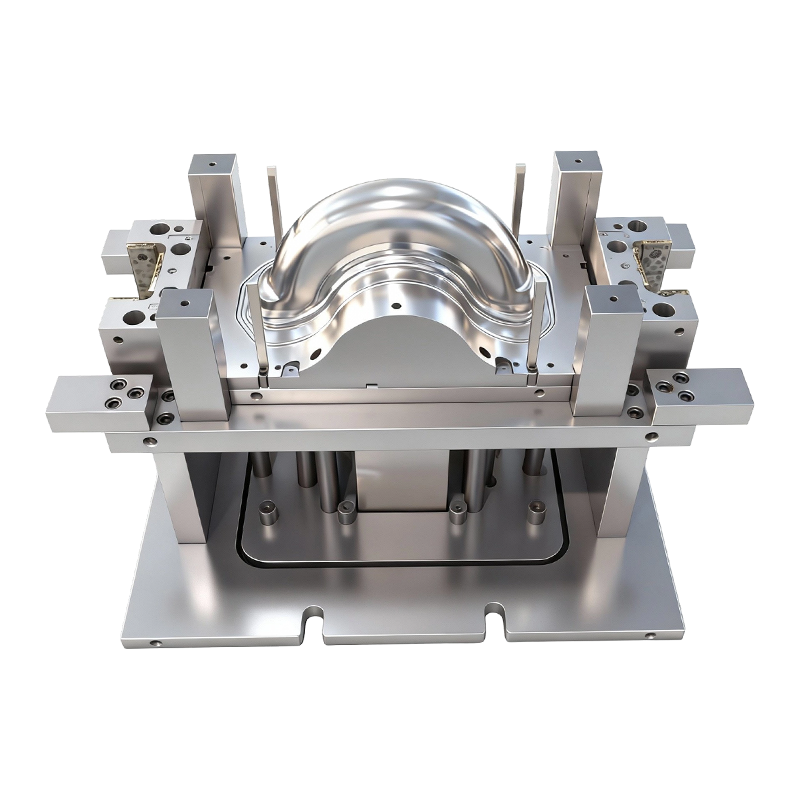
Deep drawing mold for front and rear wheels of two-wheeled electric vehicles
This Deep drawing mold for front and rear wheels o...
-
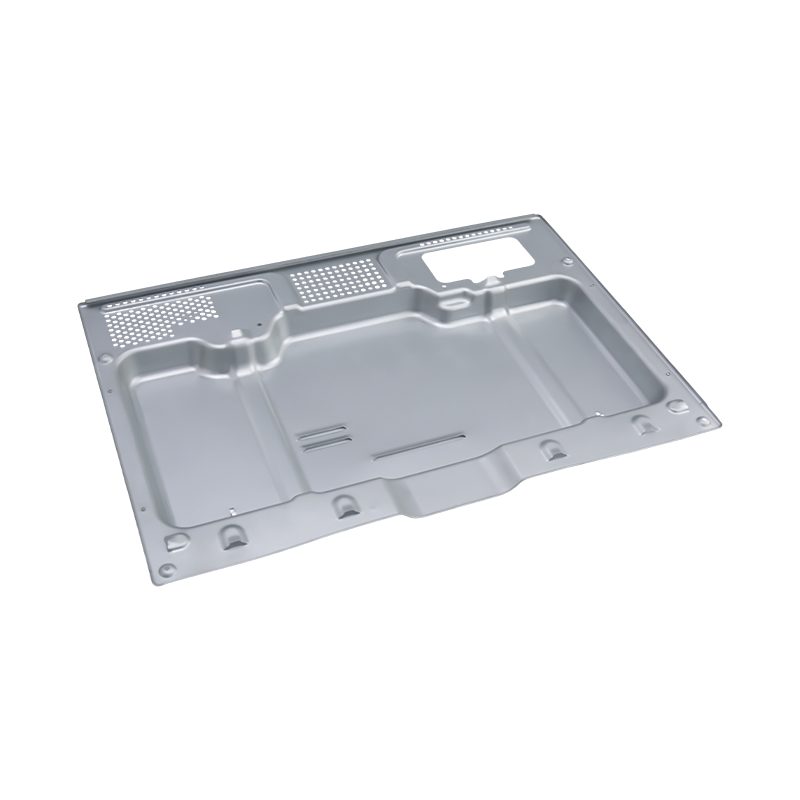
High-end oven stamping parts
Our High-end oven stamping parts are precision-man...
-
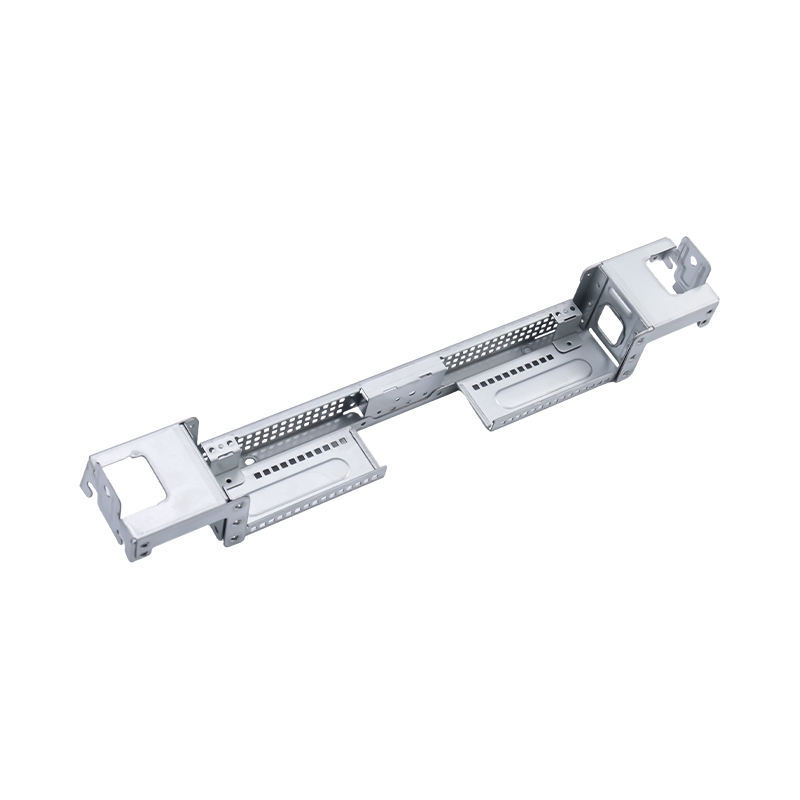
High-end large computer stamping parts
Our High-end large computer stamping parts are pre...
-
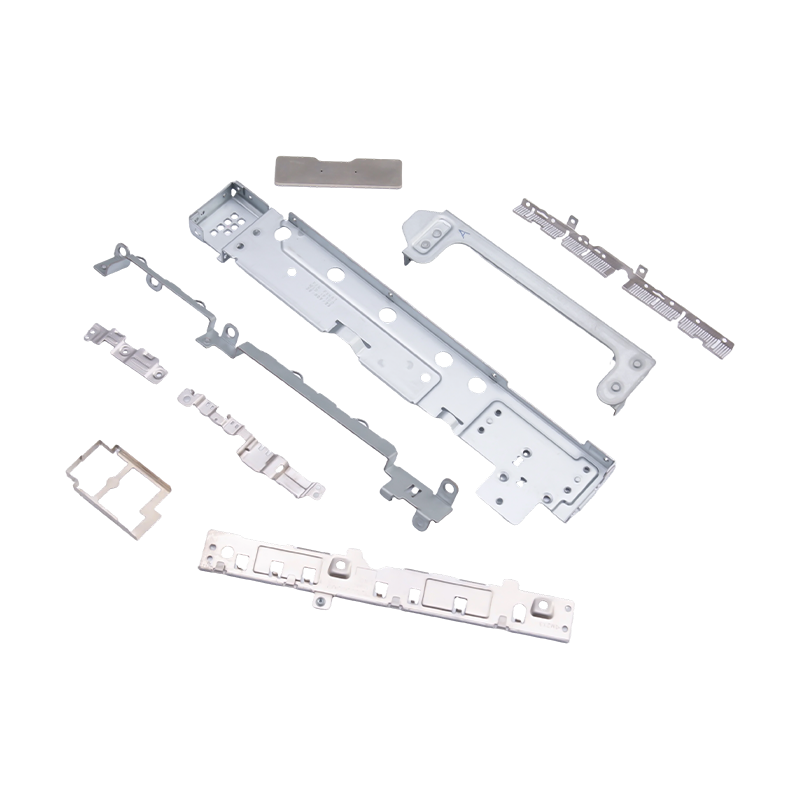
Small stamped parts for laptops and mobile phones
As essential internal components for modern portab...
-
Progressive molds for automotive parts
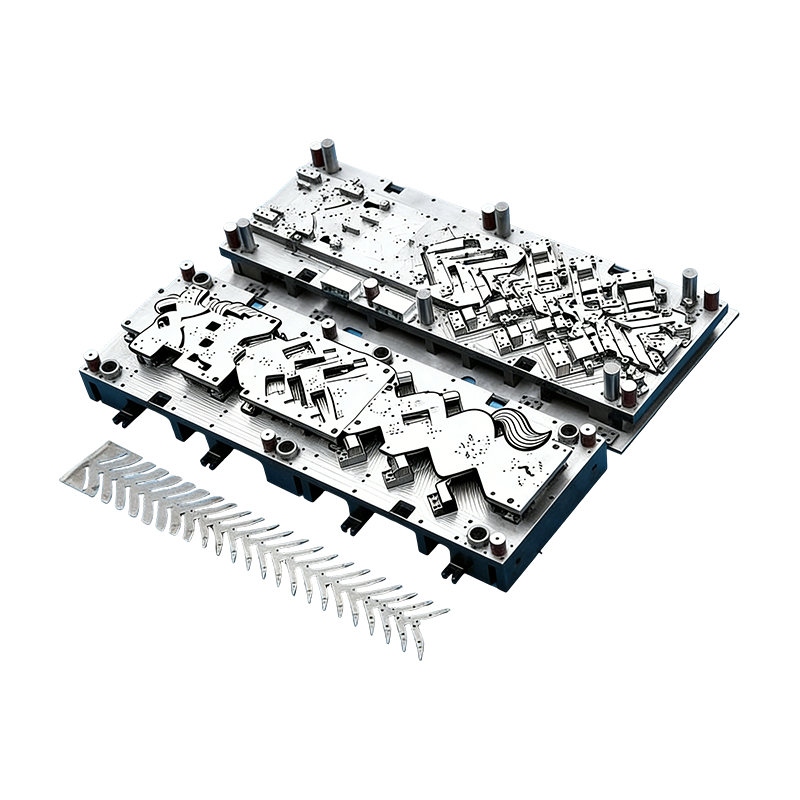
This Continuous mold for automotive motor housing ...
- E-mail us: [email protected]
- Call us: +86-139 1308 8972

Chen Siyi – Overseas Sales Manager
Home / Author / Chen Siyi – Overseas Sales Manager / High-End Oven Stamping Parts for Durable, Precise, and Heat-Resistant Oven Manufacturing
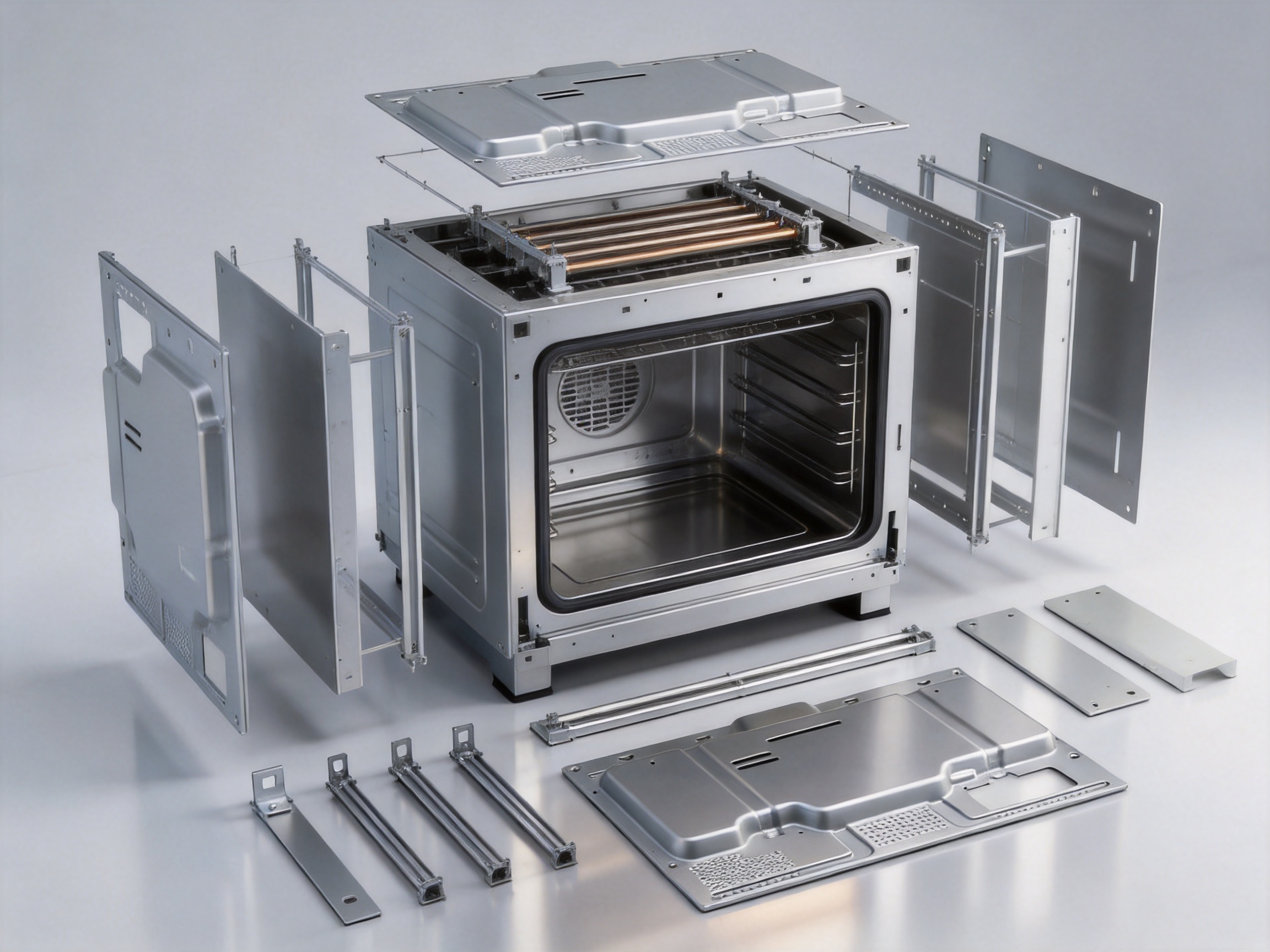
High-End Oven Stamping Parts for Durable, Precise, and Heat-Resistant Oven Manufacturing
2026-06-18
In premium oven manufacturing, every structural component must perform reliably under repeated heating cycles, mechanical stress, assembly pressure, and long-term exposure to high-temperature environments. High-end oven stamping parts are essential metal components used in oven shells, door frames, heating element brackets, internal support structures, ventilation parts, mounting plates, and reinforcement assemblies. These components may appear simple from the outside, but their quality directly influences oven durability, dimensional consistency, safety, production efficiency, and user experience.
High-end oven stamping parts from Suzhou Shuangqisi Mold Equipment Co., Ltd. are precision-manufactured for household ovens, commercial ovens, integrated kitchen appliances, and customized heating equipment. The parts are produced from carefully selected heat-resistant steel, stainless steel, galvanized steel, aluminum alloys, and other suitable metal materials according to the customer’s structural, thermal, and cost requirements. Through professional stamping die design, cold stamping, hot stamping when required, deburring, surface treatment, inspection, and production optimization, these components provide stable performance for demanding oven applications.
The company combines stamping die design, die manufacturing, metal stamping production, and stamping automation capabilities. This integrated manufacturing strength allows customers to obtain parts that are not only dimensionally accurate but also optimized for mass production, cost control, and long-term supply stability. With advanced wire cutting machines, CNC machining centers, grinding equipment, punch presses from 80T to 400T, experienced operators, and senior debugging personnel, the company supports both standardized components and fully customized oven stamping solutions.
Content
- 1 Understanding High-End Oven Stamping Parts
- 2 Key Advantages of Premium Oven Stamping Parts
- 3 Materials Selected for Oven Performance
- 4 Advanced Stamping Die Design for High-Precision Parts
- 5 Cold Stamping and Hot Stamping Capabilities
- 6 Surface Treatment for Safety, Durability, and Appearance
- 7 Manufacturing Strengths That Support Competitive Advantage
- 8 Comparison with Ordinary Oven Stamping Suppliers
- 9 Customization for Different Oven Models
- 10 Role of Precision in Oven Assembly
- 11 Quality Control Throughout Production
- 12 Reducing Post-Sales Maintenance Costs for Oven Manufacturers
- 13 Stamping Automation and Turnkey Solutions
- 14 Applications in Household and Commercial Ovens
- 15 Why Integrated Mold and Stamping Expertise Matters
- 16 Engineering Support from Concept to Mass Production
- 17 Sustainability and Material Efficiency
- 18 Packaging, Delivery, and Supply Reliability
- 19 Q&A: High-End Oven Stamping Parts
- 19.1 What are high-end oven stamping parts?
- 19.2 Why are these parts important for oven quality?
- 19.3 What materials are commonly used?
- 19.4 Can the parts be customized for different oven models?
- 19.5 How do premium stamping parts reduce manufacturing costs?
- 19.6 What surface treatments are available?
- 19.7 Why is stamping die design so important?
- 19.8 What makes the manufacturer competitive?
- 19.9 Are these parts suitable for food-grade oven applications?
- 19.10 Can automation be integrated into production?
- 20 Conclusion
- 21 References
- 22 Product: High-end oven stamping parts
Understanding High-End Oven Stamping Parts
Oven stamping parts are metal components formed by stamping dies and press machines. Flat metal sheets or coils are cut, bent, drawn, pierced, embossed, flanged, or formed into precise shapes. These parts can be used in visible outer structures as well as hidden internal assemblies. In high-end ovens, stamping parts must meet stricter requirements than ordinary appliance components because they are exposed to heat, vibration, cleaning chemicals, assembly tolerances, and repeated opening and closing forces.
Typical applications include oven door frame reinforcements, internal brackets, heating tube supports, bottom plates, side panels, guide rail supports, fan mounting plates, ventilation covers, insulation retaining parts, control box supports, hinge reinforcement plates, and structural connection elements. Each component must fit accurately with surrounding assemblies. If a hole position, bend angle, flatness tolerance, or surface quality is inconsistent, the oven assembly process may slow down, the product appearance may suffer, or operational safety may be affected.
High-end oven stamping parts differ from low-cost general parts in several important ways. First, material selection is more demanding. Heat resistance, corrosion resistance, formability, strength, and surface compatibility must be balanced. Second, die design must consider dimensional stability over large production volumes. Third, forming processes must reduce stress concentration and prevent cracking, warping, or springback. Fourth, surface treatment must support durability, food-grade safety expectations, and clean appearance. Finally, quality control must be consistent from prototype to mass production.
Because ovens operate in high-temperature cycles, metal parts expand and contract repeatedly. Poorly designed or poorly manufactured components may deform, loosen, rust, discolor, or cause abnormal noise. Precision oven stamping parts help reduce these risks by providing accurate fit, stable structure, and reliable resistance to thermal and mechanical stress. For appliance manufacturers, this translates into lower defect rates, smoother assembly, fewer warranty claims, and stronger brand reputation in the market.
Key Advantages of Premium Oven Stamping Parts
One of the most important advantages of premium oven stamping parts is dimensional consistency. In oven assembly, components often need to align with screws, rivets, weld points, clips, hinges, glass panels, heating elements, insulation layers, and electronic control modules. Even small dimensional deviations can lead to assembly interference. High-precision stamping dies ensure that repeated production maintains stable hole locations, bend angles, and overall part geometry.
Another major advantage is heat resistance. High-end oven parts are designed for long-term use in baking environments. Depending on the application, the material may need to withstand sustained heat, intermittent high-temperature peaks, oxidation, and exposure to moisture or oil vapor. Proper material selection and surface treatment reduce deformation, corrosion, and surface degradation. This is especially important for parts near heating tubes, convection fans, and internal cavities.
Structural strength is also critical. Oven doors, shelves, frames, and brackets experience repeated loads. A door frame reinforcement must help maintain alignment after thousands of opening and closing cycles. A heating element bracket must hold components securely without loosening. A support plate must resist vibration and thermal stress. Through optimized forming, rib reinforcement, flange design, and accurate thickness control, stamping parts can achieve excellent strength without unnecessary weight or material waste.
Surface quality is another area where high-end stamping parts provide an advantage. Burrs, scratches, sharp edges, oil residue, and uneven coatings can create safety hazards or affect assembly. Deburring, cleaning, anti-rust treatment, and heat-resistant spraying help create parts that are safe to handle, easier to install, and more suitable for quality appliance production. For components that interact with food-zone structures or high-temperature interiors, stable surface treatment is essential.
Cost efficiency is a further benefit. Although high-quality stamping dies require professional design and manufacturing investment, they reduce unit cost in mass production. A well-designed die can produce parts quickly, repeatedly, and with minimal waste. Compared with machining individual components, stamping is faster and more economical for medium and large-volume production. When combined with automation equipment, efficiency can improve even further.
Materials Selected for Oven Performance
The performance of an oven stamping part begins with material selection. Different oven areas require different material characteristics. For visible panels, appearance, corrosion resistance, and coating compatibility may be priorities. For internal brackets, heat resistance and strength may be more important. For lightweight structures, aluminum alloys may be appropriate. For high-temperature internal applications, stainless steel or heat-resistant steel may be preferred.
Heat-resistant steel is often used where structural stability at elevated temperatures is essential. It can maintain strength and shape better than ordinary low-grade materials under repeated heating cycles. Stainless steel provides corrosion resistance and clean appearance, making it suitable for internal parts, exposed supports, or components that require higher hygiene expectations. Galvanized steel may be used where corrosion resistance and cost balance are needed. Aluminum alloys offer lower weight and good formability, but their temperature limits and structural requirements must be carefully evaluated.
Material thickness is also carefully selected. A part that is too thin may deform during heating or assembly, while a part that is too thick may increase weight, cost, and forming difficulty. Engineers evaluate product drawings, load requirements, thermal exposure, press capacity, and forming feasibility to recommend the most suitable material thickness. In many cases, small changes in thickness or grade can significantly improve performance or reduce cost.
Material surface condition also matters. Coils and sheets must be consistent, clean, and suitable for stamping. Poor material quality can result in cracks, scratches, coating peeling, or inconsistent springback. Premium manufacturing requires close attention to incoming material inspection, storage conditions, and process control. By controlling material quality from the beginning, the final oven parts achieve better consistency and reliability.
Advanced Stamping Die Design for High-Precision Parts
Stamping die design is one of the most important factors determining final part quality. A high-end oven stamping component may require cutting, piercing, bending, drawing, flanging, shaping, trimming, and calibration. The die must control material flow, reduce stress concentration, prevent cracks, manage springback, and maintain accuracy over repeated production cycles.
Suzhou Shuangqisi Mold Equipment Co., Ltd. has extensive experience in stamping die design and manufacturing. With 15 years of mold industry experience and a strong technical team, the company can analyze part drawings, evaluate manufacturability, propose optimization suggestions, and design dies that support stable production. This is especially valuable for oven manufacturers developing new models, where structural design, cost targets, assembly requirements, and production speed must be balanced.
For high-end oven stamping parts, die design may include progressive dies, transfer dies, compound dies, or customized tooling depending on the part complexity and production volume. Progressive dies are suitable for high-volume parts requiring multiple forming steps in continuous strip production. Transfer dies may be preferred for larger or deeper parts that need controlled movement between stations. Compound dies can combine cutting and forming operations in a single stroke for certain components. The right tooling strategy reduces cost, improves repeatability, and supports efficient production planning.
Die materials and heat treatment also influence performance. Tooling components must resist wear, impact, and deformation. Precision machining, grinding, wire cutting, and careful assembly are required to ensure that punch and die clearances remain accurate. If die clearance is not properly controlled, burrs, cracks, rough edges, and dimensional errors may occur. The company’s imported wire cutting machines, CNC machining centers, grinding machines, and experienced technicians contribute to accurate die manufacturing and maintenance.
Another advantage of professional die design is the ability to optimize the customer’s original part design. Sometimes a small adjustment to a bend radius, hole distance, flange height, or reinforcement rib can reduce forming difficulty, increase tool life, improve strength, or lower material consumption. This engineering support helps customers move from concept to mass production more smoothly.
Cold Stamping and Hot Stamping Capabilities
Cold stamping is widely used for oven parts because it provides high productivity, good dimensional accuracy, and efficient material utilization. In cold stamping, metal sheets are formed at room temperature through press force and die geometry. The process is suitable for cutting, bending, punching, drawing, flanging, and shaping many types of steel and aluminum materials. For most oven brackets, frames, covers, supports, and structural plates, cold stamping provides an ideal balance of speed, precision, and cost.
Hot stamping may be considered when a material or part geometry requires forming at elevated temperature to improve formability or final strength. While not every oven component needs hot stamping, the availability of both cold and hot stamping process knowledge allows engineers to select appropriate methods based on material behavior and product requirements. This flexibility is valuable for customers producing specialized ovens, commercial heating equipment, or parts with demanding strength and shape requirements.
Compared with competitors that only focus on basic stamping, an integrated manufacturer with die design, process development, and stamping production can better control the complete manufacturing chain. Process engineers can identify potential defects early, adjust die structure, optimize lubrication, select suitable press tonnage, and improve forming sequence. This reduces trial-and-error costs and shortens development cycles.
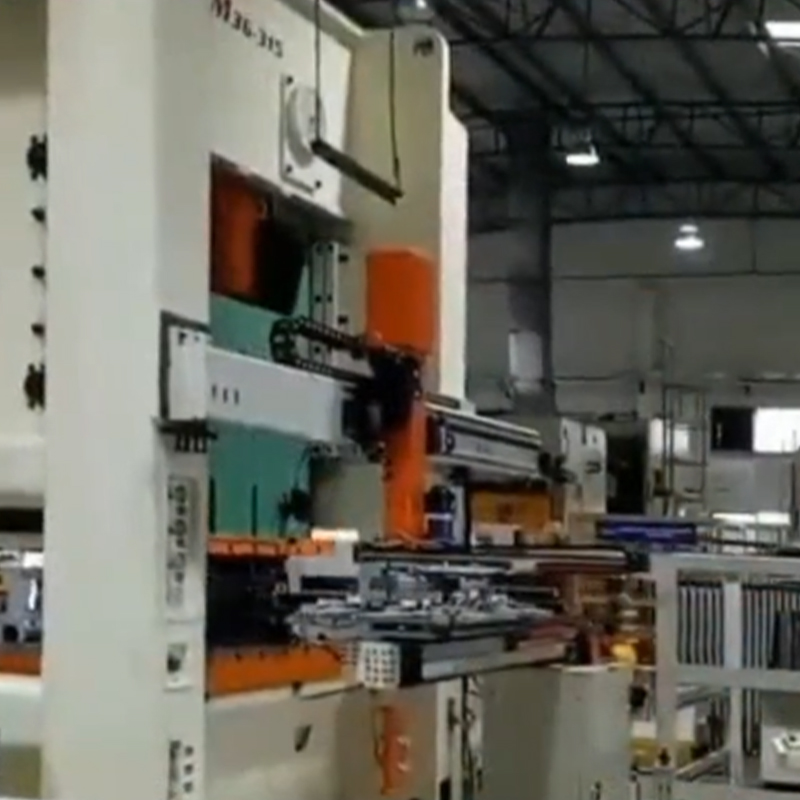
Press capacity is another important consideration. The company operates 25 punch presses ranging from 80T to 400T. This range supports different part sizes, material thicknesses, and forming forces. Smaller presses can efficiently produce compact brackets or mounting plates, while larger presses can handle wider panels, stronger materials, or more complex forming operations. Having multiple press capacities allows production scheduling flexibility and helps match each component with the most suitable equipment.
Surface Treatment for Safety, Durability, and Appearance
After stamping, oven parts often require surface treatment. Deburring is essential because sharp edges and burrs can injure workers, damage nearby components, interfere with assembly, or create stress points. High-end parts are carefully deburred to improve safety and consistency. Depending on part geometry, deburring may include mechanical processes, polishing, tumbling, brushing, or other controlled finishing methods.
Anti-rust treatment helps protect components during storage, transportation, assembly, and service life. Oven parts may be exposed to moisture, oil vapor, cleaning products, and temperature changes. Corrosion not only affects appearance but can weaken structures and contaminate surrounding assemblies. Proper coating, passivation, spraying, or surface protection methods are selected based on material and application.
Heat-resistant spraying is important for parts exposed to high oven temperatures. Coatings must maintain adhesion, resist discoloration, and avoid harmful effects during heating. For appliance manufacturers, surface treatment reliability is directly linked to product safety and customer satisfaction. A part that peels, rusts, or emits odor under heat can damage the reputation of the finished oven.
Food-grade safety expectations are also considered. While not every structural stamping part directly contacts food, oven interiors must be safe, clean, and stable under heating. Surface treatments should support safe appliance operation and meet customer requirements. By controlling surface cleanliness, edge finishing, and coating quality, the parts become more suitable for premium appliance manufacturing.
Manufacturing Strengths That Support Competitive Advantage
High-end oven stamping parts require more than press machines. They require a complete manufacturing system that integrates engineering, tooling, equipment, operators, quality inspection, production planning, and customer service. Suzhou Shuangqisi Mold Equipment Co., Ltd. provides this integrated capability as a professional manufacturer of stamping dies and hardware parts. The company’s strengths are particularly valuable for customers seeking long-term supply stability and customized solutions.
The company has 60 technical staff, enabling it to handle design communication, die development, process planning, production debugging, quality control, and after-sales support. Experienced technical staff can quickly understand customer drawings and identify manufacturing risks. This helps reduce development delays and prevents costly production problems.
Advanced equipment is another strength. Imported wire cutting machines support high-precision die component processing. CNC machining centers allow accurate machining of complex tool structures and fixtures. More than 10 grinding machines of various sizes help achieve precise surfaces and dimensions in tooling and parts. The 25 punch presses from 80T to 400T provide production flexibility for different sizes and specifications. This equipment combination supports both precision and volume.
The company also benefits from senior operators and experienced debugging personnel. In stamping production, operator skill remains critical even when advanced equipment is available. Proper die setup, feeding adjustment, lubrication control, first-piece inspection, process monitoring, and troubleshooting affect final quality. Experienced debugging personnel can resolve issues such as springback, wrinkling, cracking, burr formation, and dimensional drift more efficiently.
Another competitive strength is the company’s ability to provide turnkey solutions for stamping molds and stamping automation. Since the company invested in and established Suzhou Keshuang Intelligent Technology Co., Ltd. in 2016, it has strengthened its stamping automation equipment capabilities. For customers, this means parts can be designed not only for stamping but also for automated feeding, transferring, inspection, and assembly support. Automation-oriented design improves efficiency and reduces labor dependency.
Compared with competitors that only provide either tooling or stamping, an integrated manufacturer can optimize the entire process. Tooling engineers understand production realities. Production teams understand tooling requirements. Automation engineers understand handling and feeding constraints. This cooperation reduces communication gaps and improves final results.
Comparison with Ordinary Oven Stamping Suppliers
Not all stamping suppliers provide the same level of performance. Some suppliers focus mainly on low-cost production with limited engineering support. Others may have stamping machines but lack strong die design capabilities. Some can produce simple parts but struggle with tight tolerances, heat-resistant materials, or customized oven structures. High-end oven manufacturers need a supplier that can support product development, mass production, quality stability, and continuous improvement.
The following table summarizes key differences between premium oven stamping parts produced through integrated manufacturing and ordinary low-end stamping supply.
| Evaluation Area | High-End Oven Stamping Parts | Ordinary Stamping Parts |
|---|---|---|
| Material Selection | Heat-resistant steel, stainless steel, galvanized steel, aluminum alloys, and customized materials selected according to thermal and structural requirements | Often limited to standard materials with less application-specific evaluation |
| Die Design | Professional stamping die design focused on tolerance, springback control, tool life, and production stability | Basic tooling may be used, with higher risk of inconsistency during mass production |
| Dimensional Accuracy | Tight tolerances and repeatable dimensions suitable for premium oven assembly | Greater variation may cause assembly adjustment or rework |
| Heat Resistance | Designed to resist deformation, corrosion, and coating failure under long-term oven use | May deform, discolor, rust, or loosen in demanding environments |
| Surface Treatment | Deburring, anti-rust coating, heat-resistant spraying, and controlled finishing | May have burrs, inconsistent coating, or limited surface protection |
| Production Equipment | Wire cutting, CNC machining, grinding equipment, and punch presses from 80T to 400T | Equipment may be limited, reducing flexibility and precision |
| Customization | Supports standardized and fully customized oven parts for different models | Customization may be slow or technically limited |
| Automation Support | Can provide turnkey stamping mold and stamping automation solutions | Usually focused only on manual or semi-automatic stamping |
| Long-Term Value | Lower defect rate, lower maintenance cost, stronger assembly efficiency, and better reliability | Lower initial price may lead to higher hidden costs |
This comparison shows that premium stamping parts are not simply more polished versions of ordinary parts. They are the result of better material planning, stronger tooling, controlled production, surface protection, and integrated engineering. For oven manufacturers competing in mid-to-high-end markets, these differences can influence product reliability, consumer satisfaction, and total production cost.
Customization for Different Oven Models
Oven manufacturers often produce multiple models with different cavity sizes, door structures, control layouts, heating systems, insulation designs, fan positions, and installation requirements. A single standard stamping part cannot satisfy every design. Customization is therefore a major requirement in the oven industry.
High-end oven stamping parts can be customized according to customer drawings, samples, functional requirements, or assembly constraints. Engineers can support part structure analysis, material selection, die planning, prototype production, and mass production preparation. Customization may involve hole position changes, special bends, reinforced ribs, surface treatment requirements, mounting structures, or compatibility with automated assembly lines.
For built-in ovens, dimensional accuracy is especially important because the appliance must fit cabinet openings and maintain front-panel alignment. For commercial ovens, strength and durability may be more important due to frequent use and higher load conditions. For compact household ovens, lightweight design and cost efficiency may be priorities. For smart ovens with electronic controls, internal metal supports must avoid interference with wiring, sensors, and airflow.
Customization also supports brand differentiation. Oven manufacturers may require unique door structures, concealed fasteners, smoother internal cavities, improved airflow channels, or easier maintenance access. Properly designed stamping parts help achieve these goals without excessive manufacturing complexity. A supplier with strong die design and stamping experience can help transform product concepts into practical, manufacturable components.
Role of Precision in Oven Assembly
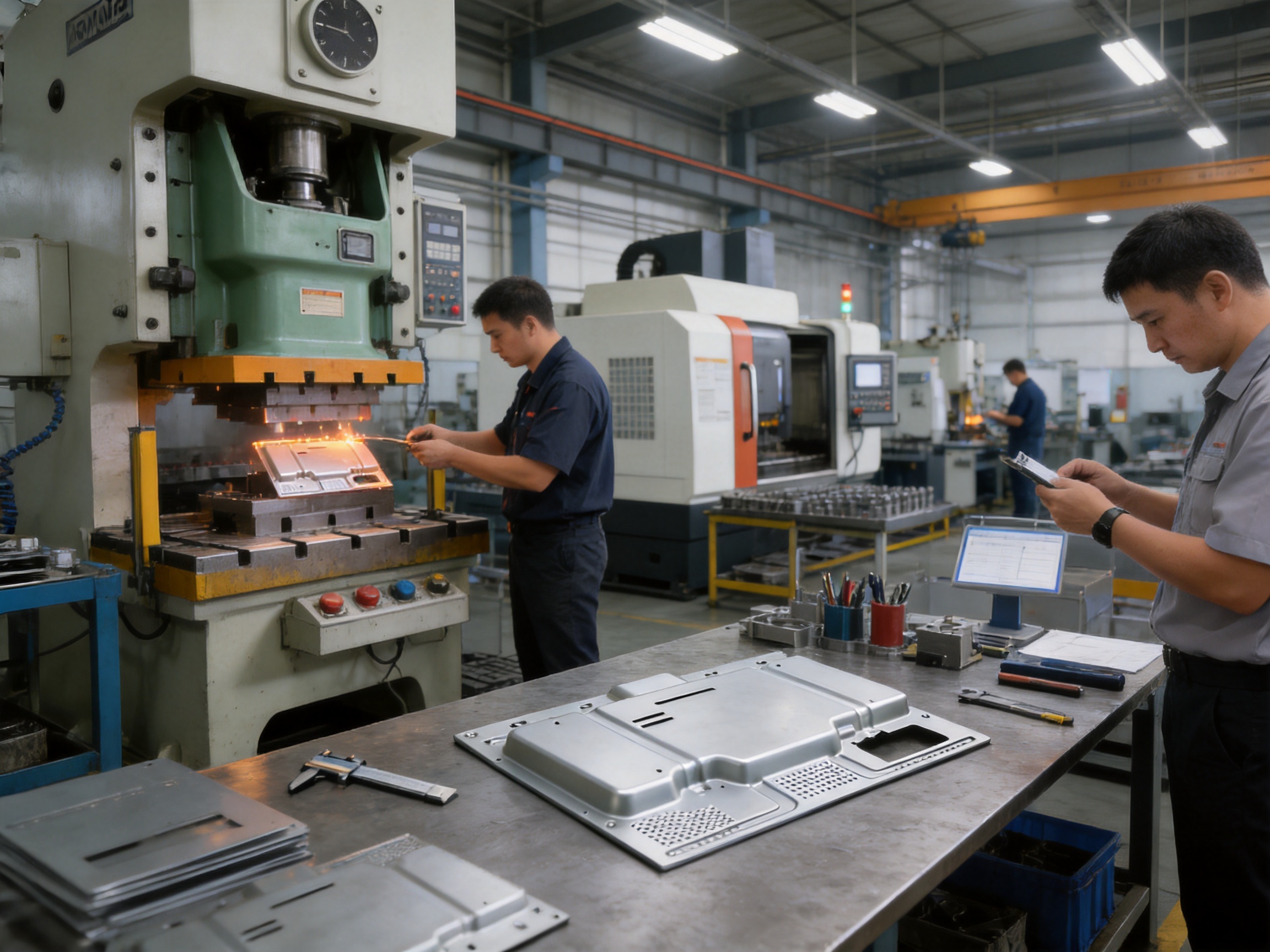
Assembly efficiency is a major concern for oven manufacturers. Production lines depend on components arriving with stable dimensions and clean surfaces. If stamping parts are inconsistent, assembly workers may need to force-fit components, adjust holes, remove burrs, or reject parts. These problems increase labor time, disrupt production flow, and create quality risks.
Precision stamping reduces these issues. Accurate hole punching ensures screws, rivets, and locating pins align properly. Consistent bending ensures panels and brackets sit in the correct positions. Controlled flatness prevents gaps, vibration, or stress during fastening. Smooth edges reduce injury risk and protect wiring or insulation materials. Stable coatings prevent contamination and reduce rework.
In oven door assemblies, precision is particularly important. The door must close smoothly, seal correctly, support glass panels, align with hinges, and maintain appearance. Stamping parts in the door frame help define this structure. If tolerances are poor, the door may appear uneven, leak heat, or wear prematurely. High-end stamping parts help maintain smooth operation and premium product feel.
In internal oven structures, precision affects heating performance and safety. Heating element brackets must hold elements in the designed position. Fan covers and ventilation parts must support airflow. Support rails must hold trays securely. Sensor brackets must maintain correct placement. Small deviations can influence temperature uniformity, noise, or user safety. Therefore, precision stamping is not just a manufacturing detail; it is part of oven performance engineering.
Quality Control Throughout Production
Quality control for oven stamping parts begins before production. Material certificates, sheet thickness, surface condition, and mechanical properties may be checked according to project requirements. During die manufacturing, tooling components are inspected to ensure proper dimensions and fit. Before mass production, trial stamping and sample verification help confirm that the part meets design requirements.
First-piece inspection is essential at the start of each production run. Critical dimensions such as hole spacing, bend height, overall length, width, angle, flatness, and profile shape are checked. If the first piece meets requirements, production can continue under controlled conditions. During production, operators monitor part quality, equipment operation, feeding stability, and surface condition. Periodic inspections help identify drift before large quantities are affected.
For high-end oven parts, visual inspection is also important. Scratches, dents, burrs, coating defects, stains, and deformation can affect assembly or appearance. Parts may be sorted, cleaned, protected, and packaged according to customer requirements. Proper packaging reduces damage during transportation and storage.
Quality control is not only about rejecting defective parts. It is also about process improvement. If a recurring issue appears, engineers can evaluate tooling wear, material variation, press settings, lubrication, or handling methods. Corrective actions may include die adjustment, process parameter optimization, additional inspection points, or improved packaging. This continuous improvement approach helps maintain stable long-term supply.
Reducing Post-Sales Maintenance Costs for Oven Manufacturers
For appliance manufacturers, product quality problems often become expensive after delivery. If an internal bracket deforms, a door frame loosens, a coating peels, or a component rusts, the customer may request repair, replacement, or warranty service. These costs are far higher than the cost of preventing defects during component manufacturing.
High-end oven stamping parts help reduce post-sales maintenance costs by improving structural stability and long-term durability. Heat-resistant materials reduce deformation. Accurate dimensions prevent assembly stress. Stronger brackets and reinforcements reduce loosening. Anti-rust and heat-resistant surface treatments improve service life. Smooth edges reduce the risk of wire damage or insulation wear.
Manufacturers also benefit from easier installation and maintenance. Parts designed with correct tolerances and practical assembly features can be installed quickly and consistently. If maintenance is needed, well-designed stamped structures can make disassembly and replacement easier. This supports better service efficiency and lower lifetime cost.
Another hidden cost reduction comes from fewer production delays. When component quality is stable, assembly lines run more smoothly. Workers spend less time correcting part defects. Quality teams spend less time managing nonconforming materials. Purchasing teams face fewer supplier disputes. Stable stamping parts contribute to the entire manufacturing system.
Stamping Automation and Turnkey Solutions
Modern appliance manufacturing increasingly depends on automation. Labor costs, quality consistency, production speed, and safety requirements drive manufacturers to automate feeding, stamping, transferring, inspection, and sometimes downstream assembly. Stamping automation equipment can reduce manual handling, improve cycle time, and support more stable production.
Suzhou Shuangqisi Mold Equipment Co., Ltd. strengthened its automation capabilities through the establishment of Suzhou Keshuang Intelligent Technology Co., Ltd., which mainly produces stamping automation equipment. This gives customers access to turnkey solutions that combine stamping molds and automation. Instead of treating tooling and automation as separate projects, the process can be designed as a connected system.
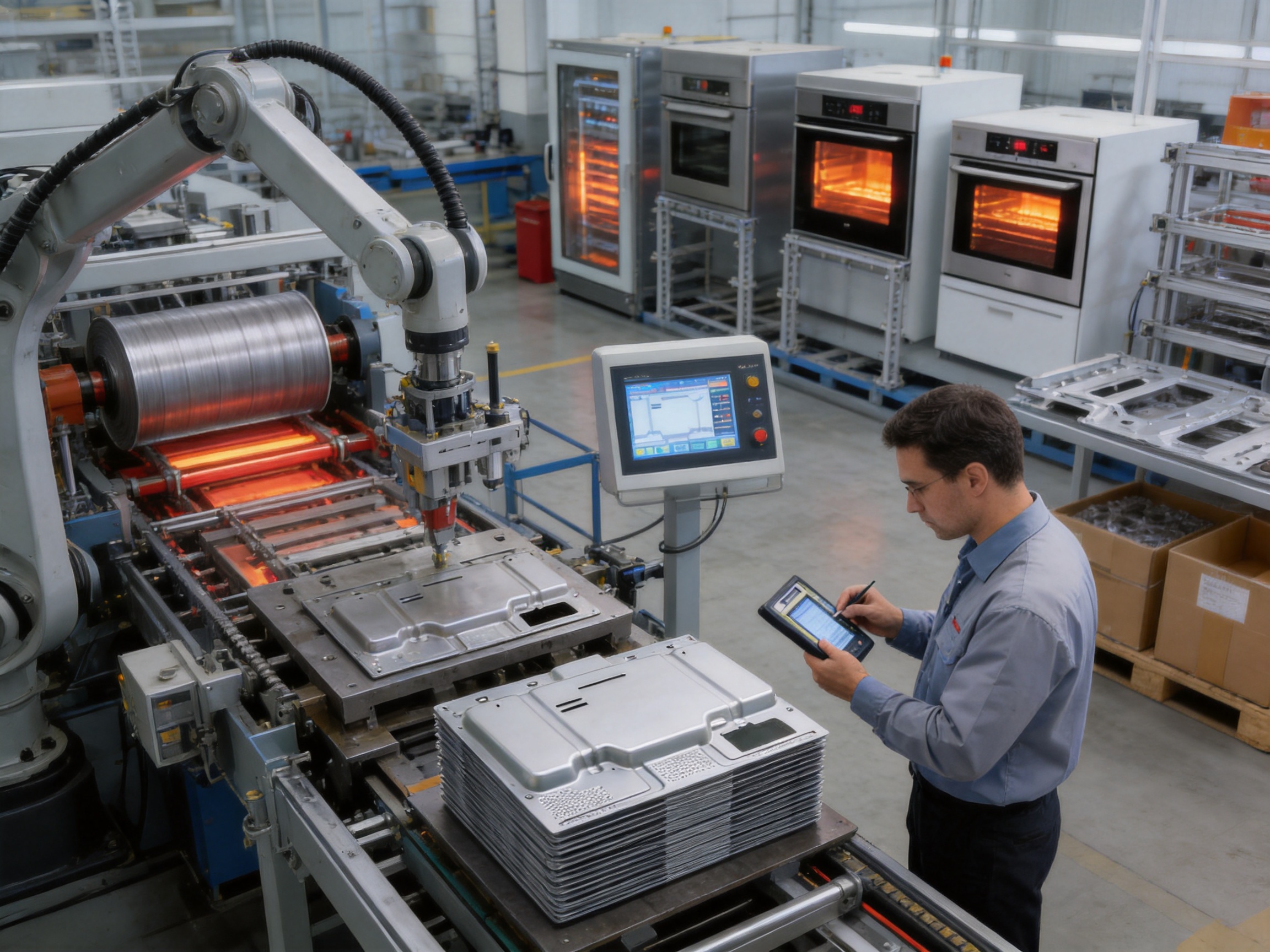
For oven stamping parts, automation may involve coil feeding, leveling, automatic lubrication, progressive die stamping, robotic transfer, part collection, online inspection, and automated stacking. The exact solution depends on part geometry, production volume, and customer factory conditions. Automation is especially valuable for high-volume parts such as brackets, mounting plates, covers, reinforcements, and support components.
Designing parts for automation requires experience. Parts must be suitable for feeding orientation, transfer gripping, scrap removal, and stable ejection. Die design must support reliable strip movement or part transfer. Press selection must match production rhythm. Automation engineers must coordinate with tooling and production teams. Integrated capability reduces risk and improves project execution.
Applications in Household and Commercial Ovens
High-end oven stamping parts are suitable for a wide range of oven applications. In household ovens, they support compact design, reliable performance, attractive appearance, and safe operation. Household users may not see most internal stamping parts, but they experience their effect through smooth door movement, stable racks, quiet operation, even heating, and durable product life.
In commercial ovens, stamping parts face more demanding usage. Restaurants, bakeries, hotels, and food service facilities may use ovens for many hours each day. Components must withstand frequent heating cycles, heavier trays, cleaning routines, and stronger mechanical loads. Reinforced brackets, frames, and supports help maintain structural reliability under these conditions.
High-end stamping parts are also useful in specialized heating equipment, such as convection ovens, steam ovens, industrial baking equipment, drying equipment, and integrated cooking appliances. Each application has different thermal, mechanical, and cleanliness requirements. Custom stamping solutions allow manufacturers to design metal structures around specific performance goals.
As oven designs become smarter and more integrated, internal metal parts must also support sensors, electronic modules, insulation systems, airflow channels, and compact assembly layouts. Precision stamping provides the repeatability needed for these advanced designs. Metal components can be formed with locating holes, tabs, ribs, shields, and mounting features that support efficient assembly and reliable operation.
Why Integrated Mold and Stamping Expertise Matters
The quality of a stamping part depends heavily on the quality of its die. If the die is poorly designed, even a good press machine cannot produce stable parts. If production teams lack tooling knowledge, they may struggle to solve process problems. If the tooling supplier is separate from the stamping supplier, communication delays may increase development time. Integrated mold and stamping expertise solves these problems.
With in-house die design and manufacturing capability, engineers can respond quickly to customer changes and production feedback. If a prototype part needs adjustment, tooling modifications can be planned efficiently. If mass production reveals a tolerance issue, die correction can be performed with better understanding of the process. This shortens communication loops and supports faster improvement.
The company’s experience with molds and hardware parts allows it to serve customers in demanding industries such as servo drives, compressors, and new energy vehicles. These industries also require precision, stability, and reliable manufacturing processes. Experience from such applications strengthens the company’s ability to produce high-quality oven stamping parts, because many principles of dimensional control, tool durability, and production management are shared across industries.
Customers benefit from having one supplier that understands both part function and manufacturing execution. This reduces purchasing complexity, improves accountability, and makes project management easier. Instead of coordinating separately with design consultants, mold makers, stamping factories, and automation providers, customers can work with an integrated team capable of delivering a complete solution.
Engineering Support from Concept to Mass Production
Successful oven part development usually follows several stages: product concept, drawing review, manufacturability analysis, material selection, die design, prototype trial, sample approval, mass production, quality monitoring, and continuous improvement. Engineering support at each stage helps prevent problems and reduce cost.
During drawing review, engineers examine dimensions, tolerances, material specifications, bend radii, hole positions, forming depth, surface requirements, and assembly conditions. They may identify areas where stamping difficulty is high or where design changes can improve manufacturability. For example, a slightly larger bend radius may prevent cracking. A modified hole location may reduce distortion. A reinforcement rib may improve stiffness without increasing thickness.
During material selection, engineers consider heat exposure, strength, corrosion resistance, forming behavior, surface treatment, and cost. For oven applications, the balance between performance and cost is critical. A material that is too expensive may not be necessary, while a low-grade material may fail in service. Professional guidance helps customers select the right material for each part.
During die design and trial production, engineers validate forming sequence, press tonnage, part accuracy, surface condition, and production stability. Trial parts are measured and evaluated. Adjustments are made before mass production. This careful process reduces risk and ensures that final parts meet customer expectations.
During mass production, production teams monitor output, quality, and equipment condition. Feedback from the customer’s assembly line can be used for further optimization. This complete support system is one reason high-end stamping suppliers provide better long-term value than purely low-cost manufacturers.
Sustainability and Material Efficiency
Efficient stamping production can support sustainability goals by reducing material waste, improving part yield, and lowering energy consumption per unit. In die design, nesting and strip layout are important for material utilization. A well-planned strip layout reduces scrap and lowers cost. For high-volume oven parts, even a small improvement in material utilization can create significant savings over time.
Durable parts also support sustainability by extending product life. If oven components resist deformation, corrosion, and wear, finished appliances can remain functional longer. This reduces premature replacement and resource waste. High-quality surface treatment and structural design contribute to longer service life.
Automation can further improve resource efficiency by reducing error rates, stabilizing production rhythm, and minimizing defective output. Consistent production reduces scrap and rework. Proper maintenance of dies and presses also extends equipment life and improves manufacturing efficiency.
Material selection may also consider recyclability and environmental compliance according to customer requirements. Steel and aluminum are widely recyclable materials. By producing accurate, durable metal parts with controlled waste, stamping manufacturing can align with modern appliance industry expectations for efficiency and responsible production.
Packaging, Delivery, and Supply Reliability
High-quality production must be supported by careful packaging and delivery management. Stamping parts can be damaged by scratching, bending, collision, moisture, or improper stacking during transportation. Packaging methods should be selected according to part shape, surface treatment, and customer assembly requirements.
For parts with visible surfaces or coatings, protective layers, separators, or customized packaging may be used. For structural parts, stable stacking and moisture prevention may be sufficient. Proper labeling and batch control help customers manage inventory and traceability. Reliable delivery supports customer production planning and reduces the risk of line stoppage.
Supply reliability is particularly important for oven manufacturers with continuous production schedules. A supplier with multiple presses, tooling capability, technical staff, and process control is better positioned to handle changes in demand, new product introductions, and urgent production needs. The ability to invest in related production equipment according to customer requirements also provides flexibility for long-term cooperation.
Q&A: High-End Oven Stamping Parts
What are high-end oven stamping parts?
High-end oven stamping parts are precision-formed metal components used in oven structures such as shells, door frames, heating element brackets, internal supports, ventilation parts, mounting plates, and reinforcement assemblies. They are manufactured using stamping dies and press machines to achieve accurate dimensions, stable strength, and reliable heat resistance.
Why are these parts important for oven quality?
They influence oven assembly accuracy, structural stability, heat resistance, safety, and long-term durability. Poor-quality parts may deform, rust, loosen, or cause assembly problems. High-quality stamped components help ovens maintain performance after repeated heating cycles and daily use.
What materials are commonly used?
Common materials include heat-resistant steel, stainless steel, galvanized steel, and aluminum alloys. The best material depends on part location, thermal exposure, strength requirements, corrosion resistance, surface treatment, and cost targets.
Can the parts be customized for different oven models?
Yes. Parts can be customized according to drawings, samples, assembly requirements, material specifications, and surface treatment needs. Custom solutions are suitable for household ovens, commercial ovens, built-in ovens, convection ovens, steam ovens, and specialized heating equipment.
They reduce hidden costs by improving assembly efficiency, lowering defect rates, reducing rework, minimizing warranty problems, and supporting stable mass production. Although professional die development requires investment, the unit cost becomes highly competitive in volume production.
What surface treatments are available?
Surface treatment may include deburring, cleaning, anti-rust coating, heat-resistant spraying, passivation, polishing, or other finishing methods according to customer requirements. The goal is to improve safety, corrosion resistance, heat durability, and appearance.
Why is stamping die design so important?
The stamping die controls the part’s final shape, tolerance, edge quality, and production stability. A well-designed die reduces burrs, springback, cracking, deformation, and dimensional variation. It also improves tool life and production efficiency.
What makes the manufacturer competitive?
Suzhou Shuangqisi Mold Equipment Co., Ltd. combines stamping die design, mold manufacturing, stamping production, quality control, and stamping automation solutions. Its equipment includes wire cutting machines, CNC machining centers, grinding machines, and 25 punch presses from 80T to 400T. The company also has experienced technical staff and debugging personnel.
Are these parts suitable for food-grade oven applications?
They can be produced with surface treatments and material choices that support food-grade safety expectations for oven manufacturing. Specific requirements should be confirmed based on the customer’s standards, oven design, and application environment.
Can automation be integrated into production?
Yes. Stamping automation solutions can include automatic feeding, progressive die production, transfer systems, part collection, and related equipment. Automation improves efficiency, consistency, and production safety, especially for high-volume oven components.
Conclusion
High-end oven stamping parts are critical components for reliable, safe, and efficient oven manufacturing. Their value lies in precision, heat resistance, structural strength, surface quality, and long-term production stability. For appliance manufacturers, choosing the right stamping parts supplier can improve assembly efficiency, reduce maintenance costs, enhance finished product durability, and support the development of premium oven models.
Suzhou Shuangqisi Mold Equipment Co., Ltd. offers strong advantages through integrated stamping die design, mold manufacturing, stamping production, surface treatment coordination, quality control, and stamping automation capabilities. With advanced equipment, experienced technical staff, a broad press range from 80T to 400T, and years of mold industry experience, the company can provide both standardized and customized oven stamping parts for diverse manufacturing needs.
Compared with ordinary stamping suppliers, premium integrated manufacturing provides better dimensional consistency, stronger heat resistance, improved surface finishing, faster customization, and more reliable mass production. These advantages help oven manufacturers compete in demanding markets where product quality, safety, appearance, and durability matter. Whether used in household ovens, commercial ovens, built-in appliances, or specialized heating equipment, high-end oven stamping parts provide the metal foundation for better performance and longer service life.
References
1. Kalpakjian, S., and Schmid, S. R. Manufacturing Engineering and Technology. Pearson Education.
2. Lange, K. Handbook of Metal Forming. Society of Manufacturing Engineers.
3. Altan, T., and Tekkaya, A. E. Sheet Metal Forming: Processes and Applications. ASM International.
4. Groover, M. P. Fundamentals of Modern Manufacturing: Materials, Processes, and Systems. Wiley.
5. ASM International. ASM Handbook, Volume 14B: Metalworking: Sheet Forming. ASM International.
6. Suchy, I. Handbook of Die Design. McGraw-Hill Education.
Product: High-end oven stamping parts
Previous Post
Deep Drawing Mold for Metal Front and Rear Wheels in Two-Wheeled Electric Vehicles
Next Post
High-End Large Computer Stamping Parts for Stable, Accurate, and Scalable Hardware Manufacturing
Our Products.
Start Your Business with an OEM Manufacturer Right Here!

Provide global customers with complete turn-key solutions
through
innovation!
QUICK LINKS
CONTACT INFO.
-
 +86-139 1308 8972
 -

-
 No. 118 Yexin Road, Wujiang Economic Development Zone, Suzhou, China
Copyright © Suzhou Shuangqisi Mold Equipment Co., Ltd. All Rights Reserved. Custom Stamping Die Metal Stamping Die Manufacturers
