 English
 Español
 Deutsch
-
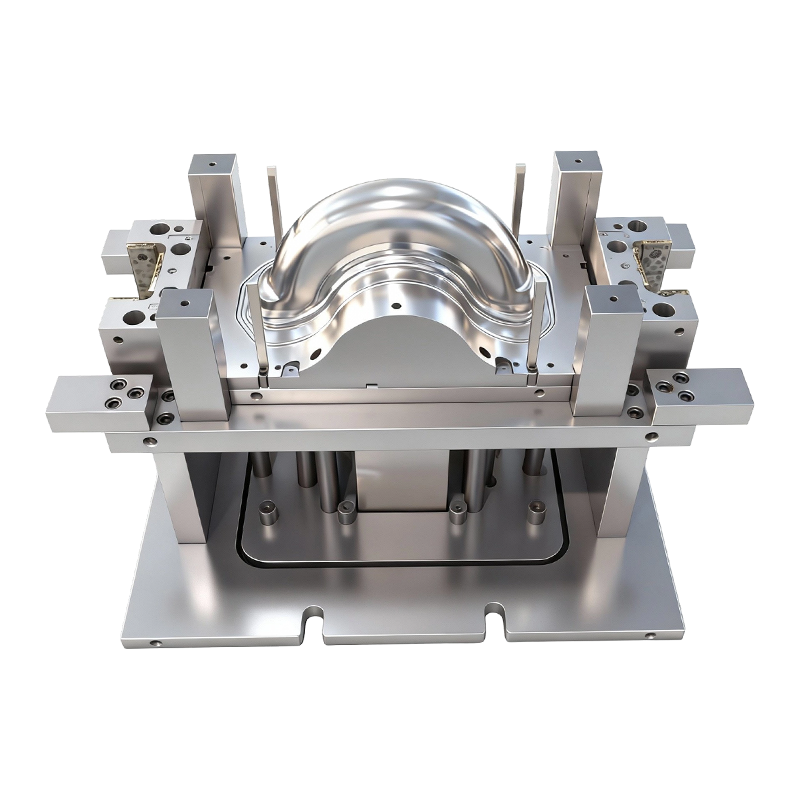
Deep drawing mold for front and rear wheels of two-wheeled electric vehicles
This Deep drawing mold for front and rear wheels o...
-
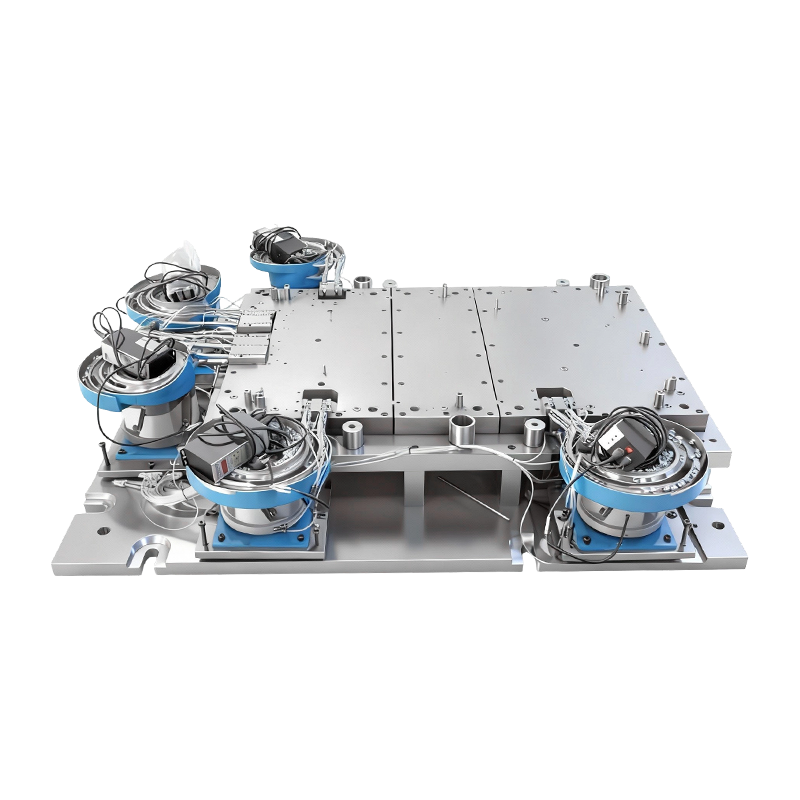
Automatic riveting mold for large computer machine base
This Automatic Riveting Mold for Large Computer Ma...
-
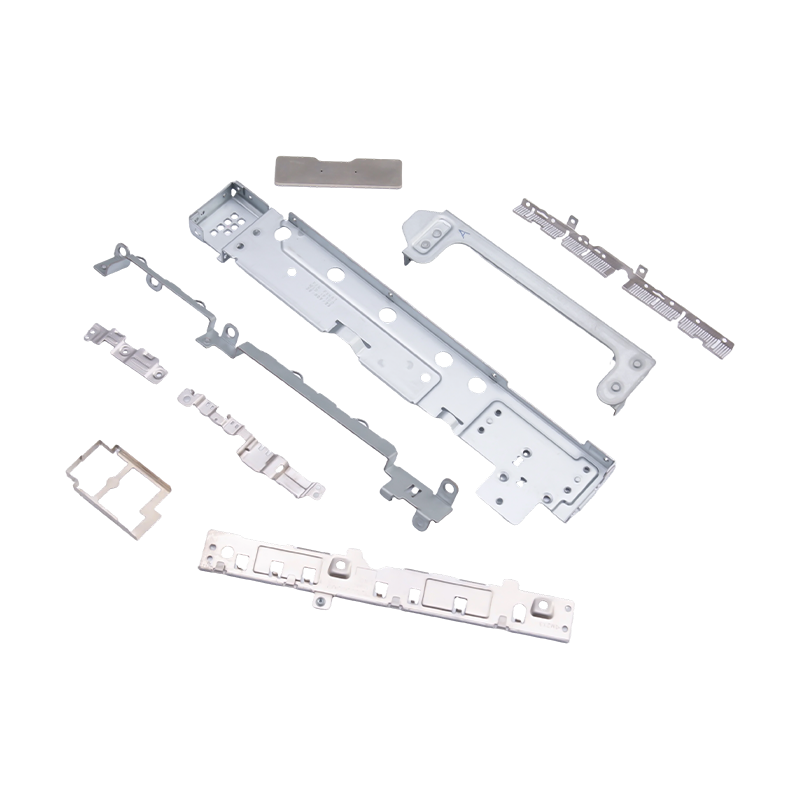
Small stamped parts for laptops and mobile phones
As essential internal components for modern portab...
-
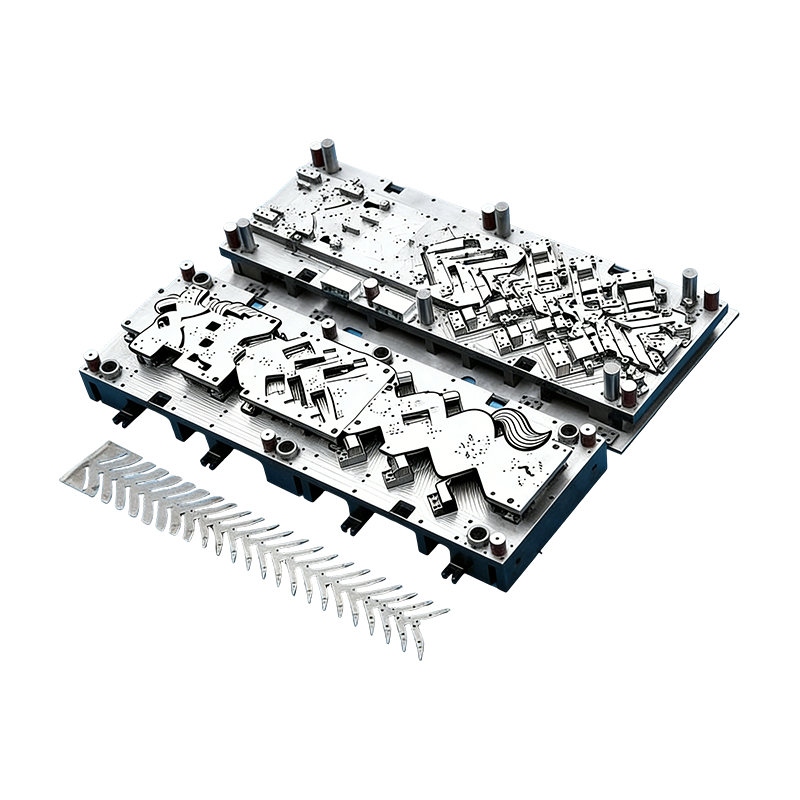
Progressive molds for automotive parts
This Continuous mold for automotive motor housing ...
-
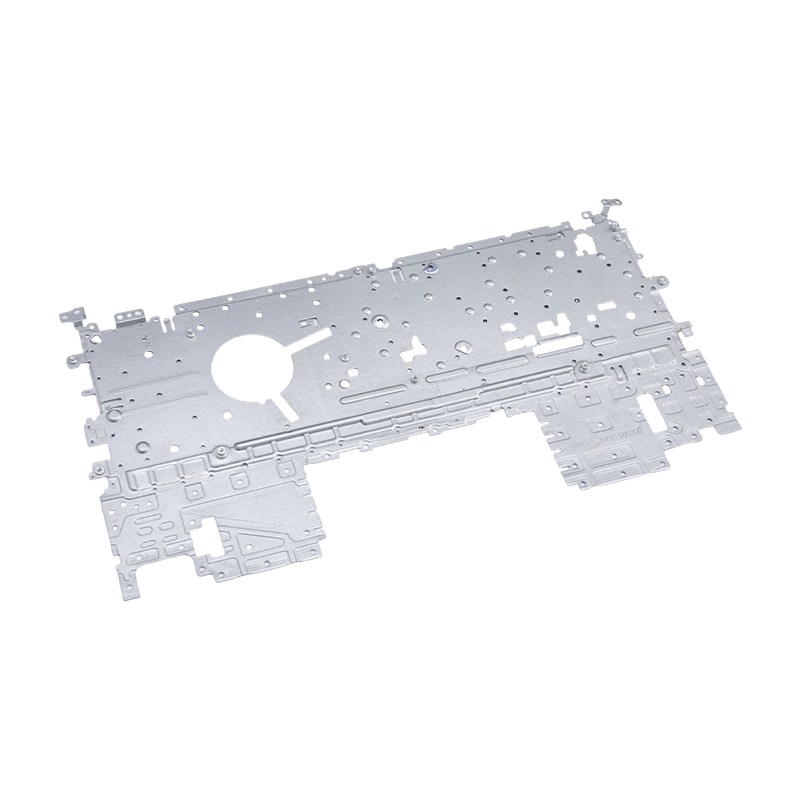
Laptop stamping parts
Our laptop stamping parts are precision-manufactur...
-
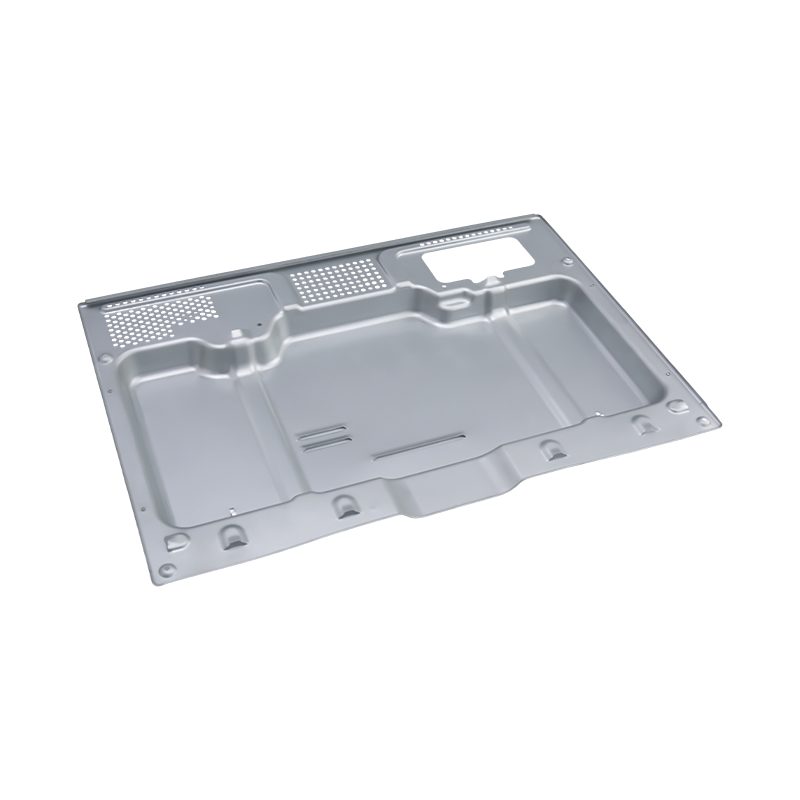
High-end oven stamping parts
Our High-end oven stamping parts are precision-man...
- E-mail us: [email protected]
- Call us: +86-139 1308 8972

Chen Siyi – Overseas Sales Manager
Home / Author / Chen Siyi – Overseas Sales Manager / Deep Drawing Mold for Metal Front and Rear Wheels in Two-Wheeled Electric Vehicles
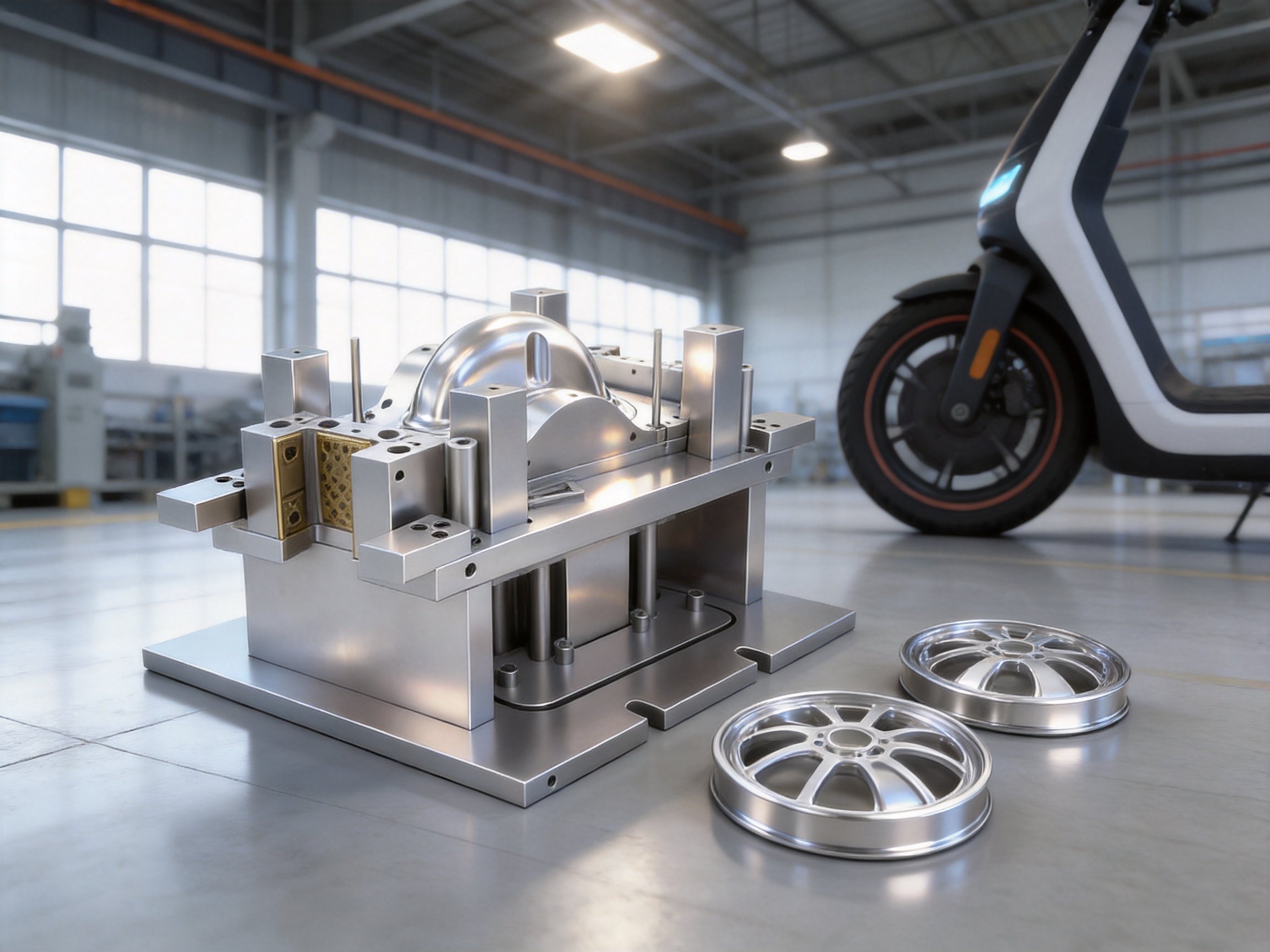
Deep Drawing Mold for Metal Front and Rear Wheels in Two-Wheeled Electric Vehicles
2026-06-22
Content
- 1 Introduction: A Specialized Mold for the Next Generation of Electric Mobility
- 2 Product Overview and Application Scope
- 3 Why Metal Wheel Production Is Replacing Traditional Plastic Wheel Approaches
- 4 Core Advantages of the Deep Drawing Mold
- 5 Comparison with Conventional and Competitor Solutions
- 6 Manufacturing Strength Behind the Mold
- 7 Advanced Process Capabilities Supporting Mold Quality
- 8 Integration with Stamping Automation
- 9 How the Mold Improves Wheel Component Quality
- 10 Cost and Productivity Benefits
- 11 Industry Impact and Market Competitiveness
- 12 Quality Control Philosophy
- 13 Technical Considerations in Deep Drawing Wheel Blanks
- 14 Customer Value: From Mold Purchase to Production Success
- 15 Maintenance and Long-Term Use
- 16 Frequently Asked Questions
- 16.1 What is the main purpose of this deep drawing mold?
- 16.2 Why is this mold important for replacing plastic wheels?
- 16.3 How does the mold reduce production defects?
- 16.4 Can the mold be used for both front and rear wheels?
- 16.5 What advantages does this mold have over generic stamping dies?
- 16.6 How does the company’s manufacturing equipment improve mold quality?
- 16.7 Can the company provide automation solutions with the mold?
- 16.8 Does a specialized mold reduce total production cost?
- 16.9 What industries can benefit from this mold?
- 16.10 What information should customers provide when requesting a mold?
- 17 Conclusion: A Production Tool for Stronger Electric Vehicle Wheels
- 18 References
- 19 Product: Deep drawing mold for front and rear wheels of two-wheeled electric vehicles
Introduction: A Specialized Mold for the Next Generation of Electric Mobility
The rapid expansion of two-wheeled electric vehicles has changed the expectations placed on wheel components. Riders demand stronger load-bearing performance, longer service life, stable operation, and improved safety, while manufacturers must produce wheel parts at competitive cost and consistent quality. In this environment, the deep drawing mold for front and rear wheels of two-wheeled electric vehicles has become a key manufacturing tool for upgrading wheel production from traditional plastic structures to durable metal wheel blanks.
This product is designed specifically for the deep drawing and forming of metal front and rear wheel components used in two-wheeled electric vehicles. It is not a generic stamping die adapted for wheel production; it is a purpose-developed deep drawing mold created to support the forming characteristics, dimensional control, and structural requirements of electric vehicle wheel blanks. By using precise deep drawing technology, the mold helps manufacturers obtain stable shapes, consistent sizes, and reliable forming quality in mass production.
The market value of this mold lies in its ability to solve a real industry problem. Plastic wheels have historically been used in some two-wheeled electric vehicle applications because they are easy to mold and relatively light. However, plastic wheels often face limitations in load-bearing capacity, durability, deformation resistance, and long-term performance under frequent use. Metal wheels, when properly formed, offer stronger mechanical properties and better resistance to service stress. This deep drawing mold enables manufacturers to produce metal wheel blanks efficiently, making the transition from plastic wheels to metal wheels more practical and scalable.
Suzhou Shuangqisi Mold Equipment Co., Ltd. developed this product as one of the early mold manufacturers supporting the replacement of traditional plastic wheels with metal alternatives. The company’s background in stamping dies, hardware parts, and stamping automation provides a strong foundation for designing, manufacturing, debugging, and delivering deep drawing molds that can meet demanding production requirements. With advanced equipment, skilled technicians, and integrated mold and automation capabilities, the company provides more than a mold; it provides a production-oriented solution for wheel component manufacturers.
Deep drawing mold for front and rear wheels of two-wheeled electric vehicles
Product Overview and Application Scope
The deep drawing mold for front and rear wheels of two-wheeled electric vehicles belongs to the category of automotive and electric vehicle deep drawing dies. Its primary function is to form metal wheel blanks through controlled material flow, accurate cavity geometry, and stable stamping conditions. The mold is used in manufacturing processes where flat sheet metal or pre-prepared blanks are drawn into wheel-shaped forms with required depth, profile, and dimensional accuracy.
In practical production, the quality of the mold determines whether the wheel blank can be formed smoothly without wrinkling, cracking, uneven thickness distribution, excessive springback, or inconsistent geometry. These issues are especially important for wheel components because wheel stability directly affects vehicle performance, rider safety, and product reputation. A wheel component with poor dimensional control may create assembly problems, imbalance, shortened service life, or increased rejection rates in later production stages.
This mold is engineered to support both front and rear wheel applications. While the final wheel structure may vary depending on vehicle design, the deep drawing process must consistently produce stable blanks that can enter subsequent processes such as trimming, punching, welding, machining, coating, or assembly. The mold’s reasonable cavity design supports smooth metal flow during forming, reducing the likelihood of material accumulation or tearing. This improves the reliability of the whole manufacturing process.
The mold is especially valuable for electric vehicle manufacturers and parts suppliers seeking to upgrade product quality. As two-wheeled electric vehicles become more widely used for commuting, logistics, delivery, and personal transportation, wheel components are subjected to heavier loads, more frequent start-stop cycles, road vibration, and changing weather conditions. Metal wheel components formed by a reliable deep drawing mold can better support these requirements than many traditional plastic wheel designs.
Why Metal Wheel Production Is Replacing Traditional Plastic Wheel Approaches
The shift from plastic wheels to metal wheels reflects changing market expectations. Plastic wheels are relatively easy to produce, but they may not always provide the mechanical strength and durability required for high-usage electric vehicles. When a vehicle carries heavier riders, cargo, batteries, or accessories, wheel components experience increased stress. Under repeated loading and environmental exposure, plastic structures may fatigue, deform, crack, or lose dimensional stability.
Metal wheels offer a different performance profile. Properly formed metal wheel blanks can provide higher structural strength, improved load-bearing capacity, better resistance to long-term deformation, and stronger suitability for demanding vehicle models. They can also support refined finishing processes and integrate well with modern assembly systems. However, the challenge is that metal wheel manufacturing requires precise forming technology. Without a high-quality deep drawing mold, metal wheel production may suffer from defects, unstable yield, and high post-processing costs.
This is where the deep drawing mold becomes essential. The mold allows manufacturers to obtain the benefits of metal wheel structures while controlling production risk. It creates the conditions needed for efficient material forming, stable repeatability, and lower defect rates. Instead of relying on trial-and-error forming or ordinary dies that are not optimized for wheel geometry, manufacturers can use a dedicated mold developed for this specific application.
Compared with competitors that may offer general-purpose stamping tools or simplified drawing dies, this product focuses on the practical challenges of electric vehicle wheel production. Its deep drawing technology, cavity design, and manufacturing precision are aligned with the requirements of wheel blanks. The result is a production tool that not only forms metal parts but also supports industrial upgrading, quality improvement, and cost control.
Core Advantages of the Deep Drawing Mold
Precise Deep Drawing Technology
The most important advantage of the mold is its use of precise deep drawing technology. Deep drawing is not simply pressing metal into a cavity. It requires careful control of blank holding force, material flow, forming radius, drawing depth, die clearance, lubrication, and forming sequence. For wheel blanks, these factors must be balanced to achieve a stable shape while avoiding defects.
A precisely designed deep drawing mold improves dimensional consistency from one part to the next. This repeatability is critical in mass production because every variation can affect downstream assembly and final vehicle performance. When the mold produces consistent wheel blanks, manufacturers can reduce inspection pressure, improve assembly efficiency, and maintain stable product quality across batches.
Improved Load-Bearing and Durability Through Metal Forming
By enabling the production of metal wheel blanks, the mold helps vehicle manufacturers improve load-bearing capacity and long-term durability. Metal components generally provide stronger mechanical performance than many plastic wheel structures, especially under repeated stress. A well-formed metal wheel blank can contribute to greater structural stability, improved resistance to deformation, and longer service life.
This advantage is particularly important for two-wheeled electric vehicles used in urban transportation and delivery applications. Such vehicles may operate daily over uneven roads, carry additional cargo, and experience continuous vibration. The mold supports the creation of wheel components that can better withstand these real-world conditions.
Reasonable Cavity Design for Smooth Material Flow
The mold’s cavity design is a key factor in forming quality. A reasonable cavity structure allows the sheet metal to flow smoothly during drawing, reducing stress concentration and uneven deformation. Poor cavity design can cause wrinkling, cracking, thinning, or excessive rebound. In contrast, a well-engineered cavity distributes forming forces more evenly and helps maintain the intended wheel profile.
For manufacturers, smooth material flow means fewer defective parts, less rework, and lower scrap rates. It also improves process stability, allowing production teams to run the mold with greater confidence. In competitive manufacturing, reducing defects is not only a quality improvement; it is also a direct cost advantage.
Lower Post-Processing Costs
When a wheel blank leaves the deep drawing process with better dimensional stability and fewer defects, subsequent operations become easier and less expensive. Trimming, machining, punching, welding, coating, and assembly can all be affected by the quality of the formed blank. A poorly formed blank may require correction, additional machining, manual adjustment, or rejection. These problems increase labor cost and reduce production efficiency.
This mold is designed to reduce such issues at the source. By improving forming quality during the deep drawing stage, it helps manufacturers lower post-processing costs and improve total production efficiency. This is one of the main reasons why specialized deep drawing molds can outperform cheaper, less precise alternatives over the full production lifecycle.
Comparison with Conventional and Competitor Solutions
In the market, manufacturers may consider several approaches to producing two-wheeled electric vehicle wheel components. Some continue using plastic wheel tooling. Others attempt to use general stamping dies or lower-cost forming molds. A more advanced approach is to use a specialized deep drawing mold developed for metal wheel blanks. The differences are significant.
| Evaluation Item | Traditional Plastic Wheel Tooling | Generic Stamping or Drawing Die | Specialized Deep Drawing Mold for Metal Wheels |
|---|---|---|---|
| Target Material | Mainly plastic materials | General sheet metal materials | Metal blanks for front and rear wheel components |
| Load-Bearing Potential | Limited by plastic structure and material properties | Depends on die quality and forming control | Supports stronger metal wheel structures for improved load capacity |
| Dimensional Consistency | Stable for plastic molding but less suited to metal strength requirements | May vary if not optimized for wheel geometry | Designed for consistent wheel blank shape and size |
| Defect Control | Plastic defects differ from metal forming issues | Higher risk of wrinkling, cracking, and springback | Reasonable cavity design helps reduce forming defects |
| Production Upgrade Value | Maintains traditional product structure | Provides partial metal forming capability | Supports industry transition from plastic wheels to durable metal wheels |
| Post-Processing Cost | Depends on molded part quality | May increase due to unstable forming quality | Lower cost potential due to accurate and stable blank forming |
| Competitive Advantage | Lower initial tooling familiarity | May have lower initial cost but weaker specialization | Higher technical suitability for electric vehicle wheel manufacturing |
The comparison shows that the specialized deep drawing mold provides advantages not only in forming capability but also in production strategy. Manufacturers using this mold can participate in the movement toward stronger and more reliable electric vehicle wheel components. While low-cost alternatives may appear attractive at the purchasing stage, they often create hidden costs through scrap, unstable quality, longer debugging time, and additional corrective work.
Another competitive advantage is industry adoption. The product has already become widely adopted by the industry, demonstrating that the market recognizes the value of metal wheel forming and the mold’s practical contribution to production. Adoption by multiple manufacturers also reflects the reliability of the concept: replacing plastic wheels with metal wheels is not merely a design preference but an industrial improvement supported by mature forming technology.
Manufacturing Strength Behind the Mold
A high-performance mold depends on the strength of the manufacturer. Suzhou Shuangqisi Mold Equipment Co., Ltd. is located at No. 118 Yexin Road, Wujiang Economic Development Zone, Suzhou, China. The company is a professional manufacturer of stamping dies and hardware parts integrating design, manufacturing, and service. Its experience in stamping dies, stamping parts, and stamping automation equipment allows it to support customers from concept to production.
The company has 60 technical staff and provides high-quality products at competitive prices. This technical team is important because deep drawing mold development requires more than machining capacity. It requires understanding of material behavior, forming simulation logic, die structure, press conditions, troubleshooting, and production optimization. Experienced engineers and technicians can identify potential forming risks early and adjust mold structure to improve reliability.
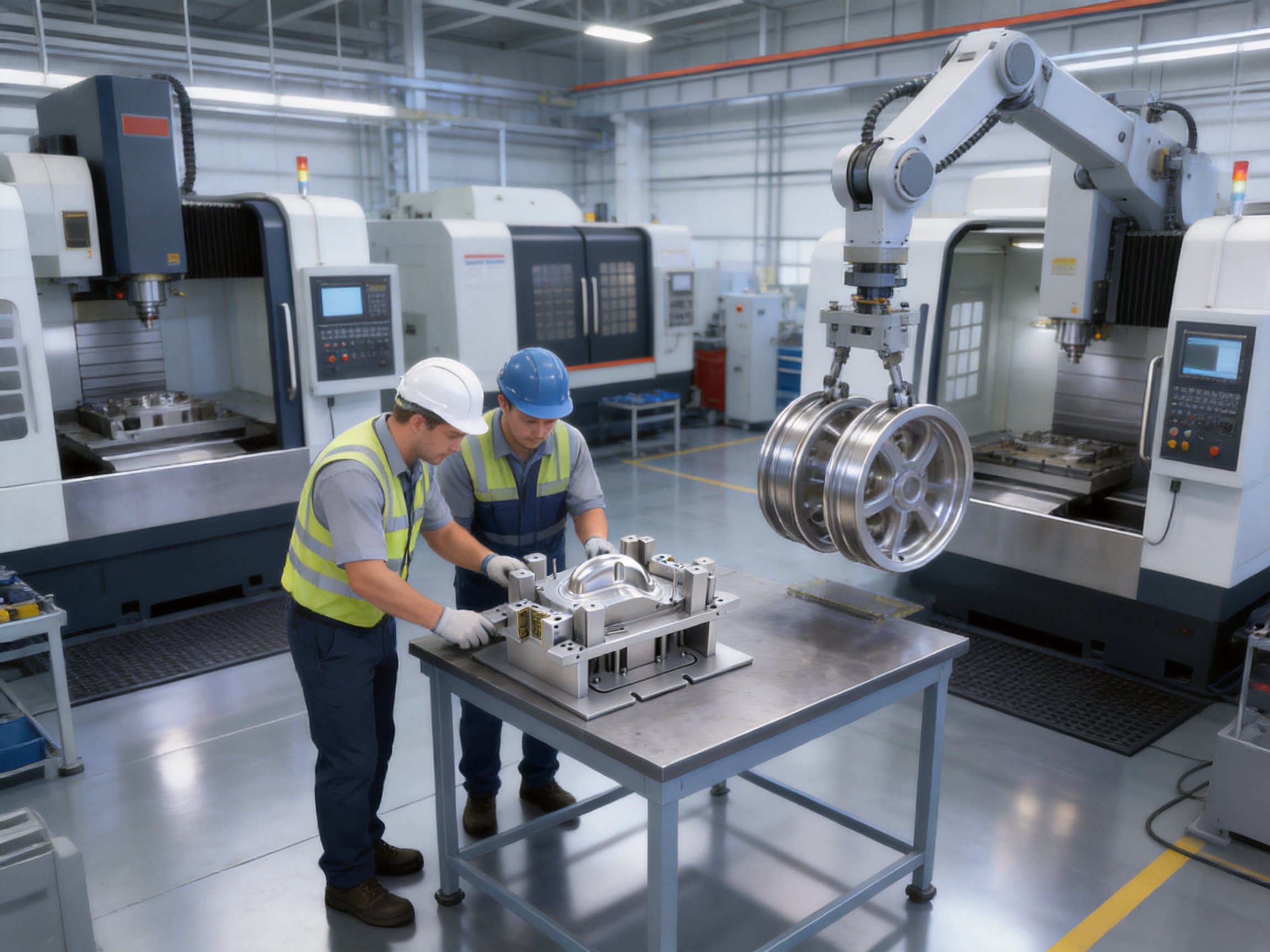
The company is equipped with imported wire cutting machines, CNC machining centers, more than 10 grinding machines of various sizes, 25 punch presses ranging from 80T to 400T, and other advanced precision machine tools. These resources allow the company to process mold components with accuracy, verify forming behavior, and support trial production. For deep drawing molds, machining precision directly affects die clearance, surface quality, cavity profile, and final part consistency.
Senior operators and experienced debugging personnel further strengthen the company’s ability to deliver practical molds. Debugging is an essential part of mold manufacturing. Even a carefully designed die may require adjustment after trial runs because real material behavior can vary according to thickness, mechanical properties, lubrication, press condition, and production speed. Experienced debugging teams can quickly identify issues such as wrinkling, cracking, uneven flow, or dimensional deviation and correct them efficiently.
Advanced Process Capabilities Supporting Mold Quality
Design and Engineering Integration
The development process begins with understanding the customer’s wheel component requirements. Important factors include wheel diameter, drawing depth, material type, thickness, production volume, press capacity, downstream processing method, and final quality standard. Based on these requirements, the mold design team creates a structure that supports stable forming, accurate positioning, and convenient maintenance.
Good mold design balances production efficiency and part quality. For deep drawing wheel blanks, engineering decisions may include the selection of drawing radius, blank holder structure, cavity depth, pressure distribution, guide mechanism, insert design, and trimming allowance. The company’s experience in stamping die design and manufacturing allows it to optimize these factors according to practical production needs.
Precision Machining
After design confirmation, mold components are processed using advanced machining equipment. CNC machining centers provide accurate milling and profiling, while wire cutting machines support precise contour processing for complex features. Grinding machines are used to achieve required flatness, surface finish, and dimensional accuracy. These processes ensure that the mold’s functional surfaces meet the precision needed for deep drawing.
The quality of machining affects the entire forming process. If die surfaces are inaccurate or rough, the material may flow unevenly, increasing the risk of scratches, cracks, and dimensional instability. By using advanced precision machine tools and skilled operators, the company can improve mold reliability and reduce adjustment time during trial production.
Assembly and Fitting
After machining, mold components must be assembled and fitted carefully. Deep drawing molds require accurate alignment between upper and lower die components, stable guiding systems, proper clearance, and reliable fastening. Any assembly error may lead to uneven pressure, premature wear, or defective forming. Skilled assembly personnel play an important role in ensuring that the mold functions as designed.
During fitting, technicians check contact surfaces, movement smoothness, alignment, and interaction between mold elements. The purpose is to create a tool that performs consistently under actual press conditions. Good assembly quality also improves mold life and simplifies maintenance for the customer.
Trial, Debugging, and Production Verification
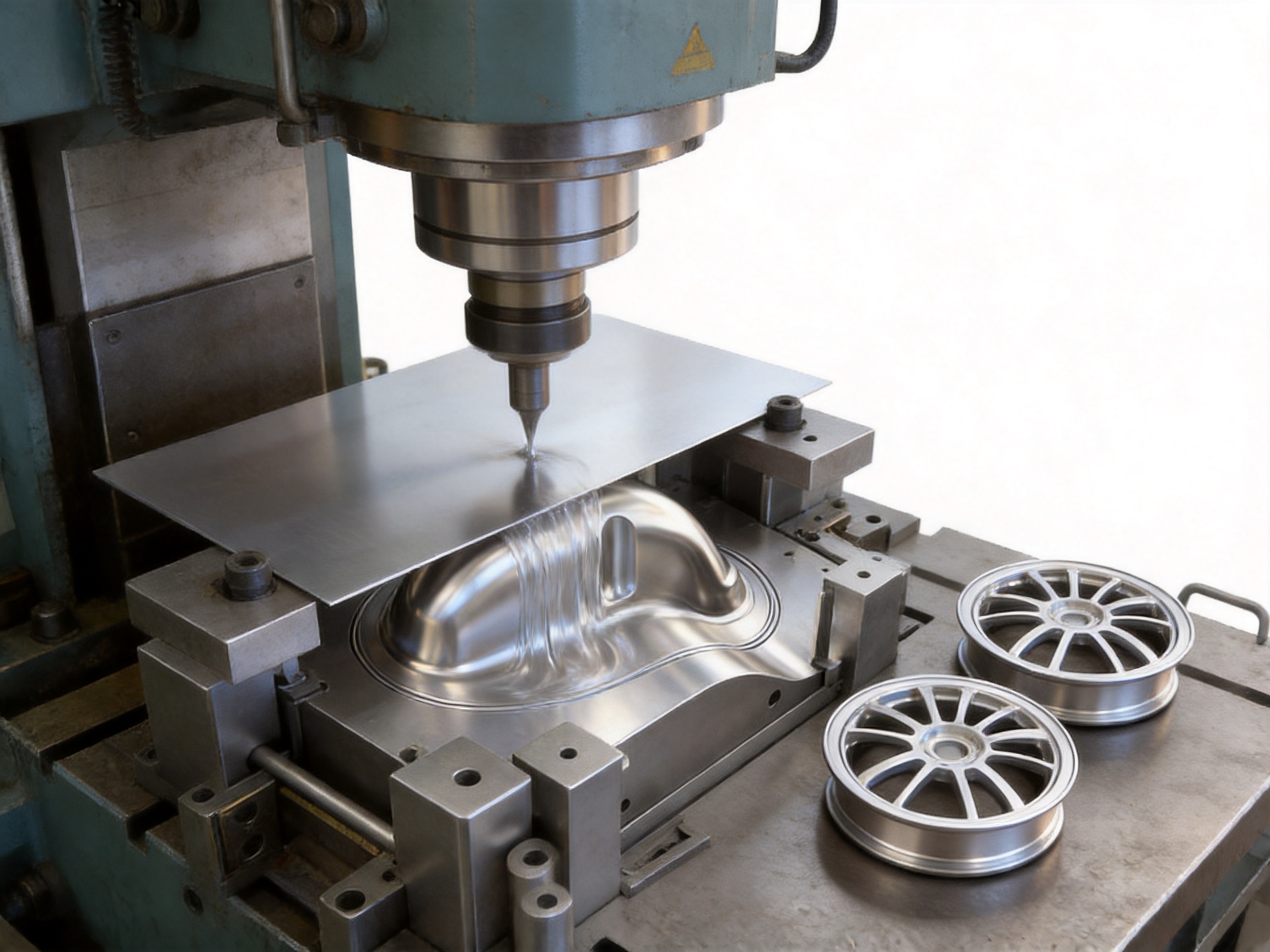
Trial production is where design and manufacturing meet actual material behavior. The company’s punch presses ranging from 80T to 400T provide the capacity to test molds under realistic forming conditions. During trial runs, technicians observe part shape, thickness distribution, surface condition, wrinkle tendency, crack risk, and dimensional accuracy. If adjustment is needed, the debugging team modifies relevant areas until stable forming is achieved.
This trial and debugging capability gives the company an advantage over suppliers that only machine molds but cannot fully verify production performance. A deep drawing mold should not be judged only by its appearance; it must be evaluated by the quality of the parts it produces. The ability to test and refine the mold before delivery reduces customer risk and shortens the path to mass production.
Integration with Stamping Automation
Another major strength is the company’s ability to provide integrated solutions for stamping molds and stamping automation. In 2016, it invested in and established Suzhou Keshuang Intelligent Technology Co., Ltd., which mainly produces stamping automation equipment. This capability is valuable for customers who want more than a single mold. They may need a complete production line, feeding system, transfer mechanism, safety integration, or automated handling solution.
For metal wheel production, automation can improve efficiency, reduce manual labor, enhance consistency, and support high-volume manufacturing. Deep drawing operations often involve sheet feeding, blank positioning, press operation, part removal, and transfer to the next process. If these steps are automated properly, manufacturers can reduce cycle time and improve operator safety.
Because the company understands both mold engineering and stamping automation, it can consider automation compatibility during mold design. This includes part feeding direction, pickup positions, die opening height, product ejection method, and maintenance accessibility. Such integration helps customers avoid problems that may occur when a mold supplier and automation supplier work separately without coordinated planning.
The company can also invest in related production equipment according to customer needs to deliver cost-effective products and services. This flexible approach is beneficial for customers seeking turnkey solutions, capacity expansion, or outsourced production support. It reflects a service model based on long-term manufacturing value rather than simple equipment sales.
How the Mold Improves Wheel Component Quality
The quality of a two-wheeled electric vehicle wheel depends on several factors, including material selection, forming accuracy, structural design, assembly quality, and finishing. The deep drawing mold contributes mainly to the forming stage, but its influence extends throughout the entire product lifecycle.
First, the mold improves shape consistency. Consistent geometry helps ensure proper fitting with other wheel components and vehicle assemblies. This reduces assembly difficulty and supports stable performance.
Second, the mold helps control dimensional variation. Dimensional control is important for balance, concentricity, and compatibility with related parts. Even small deviations can become significant when the wheel rotates at speed or carries load over uneven surfaces.
Third, the mold reduces forming defects. Wrinkles, cracks, excessive thinning, and uneven surfaces can weaken the wheel blank and increase rejection rates. By supporting smooth material flow, the mold helps reduce these defects and improve usable output.
Fourth, the mold contributes to longer service life. A well-formed metal wheel blank with stable structure can better resist operational stress. While final wheel durability also depends on material and subsequent processing, the deep drawing stage provides the foundation for structural integrity.
Finally, the mold supports brand competitiveness for vehicle manufacturers. Electric vehicle buyers increasingly care about safety, durability, and reliability. Manufacturers that adopt stronger metal wheel solutions can differentiate their products in a crowded market.
Cost and Productivity Benefits
At first glance, a specialized deep drawing mold may require more engineering investment than a simple forming tool. However, the total cost of ownership often favors the specialized mold. In mass production, the main cost drivers are not only purchase price but also yield, cycle stability, maintenance frequency, defect rate, labor input, and post-processing requirements.
By improving forming stability, this mold can reduce scrap and rework. Every defective wheel blank consumes material, machine time, labor, and inspection resources. Reducing defects creates immediate cost savings. It also improves delivery reliability because production schedules are less likely to be disrupted by quality issues.
The mold also supports smoother production flow. When parts are formed consistently, downstream processes can operate more predictably. This helps manufacturers plan capacity, reduce bottlenecks, and meet customer delivery requirements. For suppliers serving electric vehicle manufacturers, stable delivery is a major competitive factor.
Maintenance efficiency is another consideration. A mold designed and manufactured with precision is typically easier to debug, easier to maintain, and less likely to experience abnormal wear caused by poor alignment or uneven forming pressure. The company’s manufacturing and assembly expertise helps create molds that can support long-term operation under industrial conditions.
Industry Impact and Market Competitiveness
The deep drawing mold for front and rear wheels of two-wheeled electric vehicles supports a broader trend in the electric mobility industry: the movement toward stronger, safer, and more durable components. As the market matures, manufacturers can no longer compete only on appearance or low price. Component reliability has become a core factor in product reputation.
Wheel components are especially important because they directly affect riding safety and user confidence. A stronger metal wheel structure can help vehicle manufacturers position their products as more durable and suitable for daily use. This is valuable in markets where riders expect electric vehicles to carry heavier loads, travel longer distances, and operate reliably over years of service.
For component suppliers, adopting a specialized deep drawing mold can open new opportunities. Suppliers capable of producing stable metal wheel blanks may gain access to higher-value projects and more demanding customers. They can also reduce dependence on traditional plastic wheel manufacturing and expand into upgraded electric vehicle component production.
Compared with competitors that only provide standard molds, Suzhou Shuangqisi Mold Equipment Co., Ltd. offers technical experience, advanced equipment, debugging capability, and automation integration. This combination helps customers reduce risk and shorten the time from mold procurement to stable production. In competitive manufacturing, that speed and reliability can be as important as the mold itself.
Quality Control Philosophy
The company’s approach to quality is based on controlling both cost and performance. Strict cost control does not mean reducing quality; it means using efficient design, precise manufacturing, experienced debugging, and appropriate production planning to deliver value. For customers, the goal is to obtain a mold that performs reliably without unnecessary expense.
Quality control begins at the design stage. Engineers must consider whether the mold structure can produce the required wheel blank consistently. They must also consider manufacturability, maintainability, and compatibility with the customer’s press equipment. A mold that looks technically advanced but is difficult to use may not deliver practical value.
During manufacturing, precision machining and inspection help ensure that critical dimensions meet requirements. Grinding, CNC machining, and wire cutting all contribute to the final accuracy of the mold. During assembly, technicians check movement, contact, and alignment. During trial production, part quality becomes the final evidence of mold performance.
This complete approach is important for deep drawing molds because forming defects may originate from several sources. A crack may result from material issues, inadequate radius, excessive drawing force, poor lubrication, or die surface problems. A wrinkle may result from insufficient blank holding force, poor cavity design, or uneven material flow. Experienced teams are needed to diagnose and solve these problems efficiently.
Technical Considerations in Deep Drawing Wheel Blanks
Deep drawing wheel blanks requires careful attention to material deformation. When sheet metal is drawn into a three-dimensional shape, the material stretches and flows. If the metal is forced to move too quickly or too unevenly, it may crack or thin excessively. If material flow is not restrained properly, it may wrinkle. The mold must guide the material into the desired shape while maintaining acceptable stress distribution.
Die clearance is a critical factor. If clearance is too small, friction increases and the material may be damaged. If clearance is too large, dimensional accuracy may suffer and wrinkling may occur. The correct clearance depends on material thickness, mechanical properties, and forming depth. Precision machining helps maintain the intended clearance throughout the mold.
Surface finish is also important. Smooth forming surfaces reduce friction and help material flow more predictably. Surface defects on the mold can transfer to the part or create stress concentration. Grinding and finishing processes therefore contribute directly to part quality.
Blank holder control is another important consideration. The blank holder restrains the sheet during drawing, preventing uncontrolled wrinkling while allowing enough material to flow into the cavity. The pressure must be balanced; too much force can cause tearing, while too little can cause wrinkles. A well-designed mold provides stable blank holding conditions suited to the wheel blank geometry.
Springback must also be considered. After forming, metal tends to partially return toward its original shape due to elastic recovery. This can affect final dimensions. Experienced mold designers account for springback through cavity compensation, forming sequence design, and trial adjustment.
Customer Value: From Mold Purchase to Production Success
For manufacturers, purchasing a mold is not the final objective. The true objective is stable production of qualified wheel components. This product supports that objective by combining technical specialization with manufacturing service.
Customers benefit from the company’s ability to understand actual production conditions. The company’s experience with clients in fields such as servo drives, compressors, and new energy vehicles demonstrates its familiarity with demanding industrial supply requirements. These industries often require precision, reliability, and cost control, which are also essential for electric vehicle wheel component production.
The company’s 15 years of experience in the mold industry allows it to anticipate common forming challenges and respond with practical solutions. A strong technical team can communicate with customers, adjust designs, support trials, and provide service when production changes occur. This is especially valuable when customers introduce new wheel models or update vehicle designs.
Turnkey capability provides another layer of value. Customers may need not only the deep drawing mold but also auxiliary automation equipment, production planning, or related stamping solutions. By offering integrated mold and automation services, the company can help customers reduce coordination complexity and improve project execution.
Maintenance and Long-Term Use
A deep drawing mold is a long-term production asset. Proper maintenance helps preserve forming quality, extend mold life, and reduce downtime. Manufacturers using this mold should establish a maintenance routine that includes cleaning, lubrication, inspection, alignment checking, and wear monitoring.
Forming surfaces should be kept clean and free from debris that could scratch parts or affect material flow. Guide components should be inspected for wear because alignment is essential for consistent forming. Fasteners and inserts should be checked regularly to prevent loosening during repeated press cycles. Lubrication systems and contact areas should be maintained according to production conditions.
When part quality changes, maintenance teams should investigate the mold condition as well as material and press parameters. Sudden wrinkles, scratches, or dimensional deviations may indicate wear, contamination, lubrication changes, or equipment issues. Early diagnosis prevents minor problems from becoming major production interruptions.
The mold’s precise manufacturing and reasonable structure support maintainability. However, even the best mold requires disciplined use. The company’s experienced technical personnel can provide guidance for debugging and production optimization, helping customers maintain long-term performance.
Frequently Asked Questions
What is the main purpose of this deep drawing mold?
The mold is used to manufacture metal front and rear wheel blanks for two-wheeled electric vehicles. It forms sheet metal into wheel-related shapes through deep drawing technology, helping manufacturers produce stronger and more durable wheel components.
Why is this mold important for replacing plastic wheels?
Plastic wheels may have limitations in load-bearing capacity and long-term durability. This mold enables efficient production of metal wheel blanks, allowing manufacturers to upgrade wheel structures and improve product reliability.
How does the mold reduce production defects?
The mold uses precise deep drawing technology and a reasonable cavity design to promote smooth material flow. This helps reduce common forming defects such as wrinkling, cracking, uneven deformation, and dimensional instability.
Can the mold be used for both front and rear wheels?
Yes. The product is designed for front and rear wheel applications in two-wheeled electric vehicles. Specific mold design can be adjusted according to customer wheel structure, size, material, and production requirements.
What advantages does this mold have over generic stamping dies?
Generic stamping dies may not be optimized for the geometry and forming challenges of electric vehicle wheel blanks. This specialized deep drawing mold is developed for metal wheel production, offering better dimensional consistency, smoother forming, lower defect rates, and stronger support for mass production.
How does the company’s manufacturing equipment improve mold quality?
The company uses imported wire cutting machines, CNC machining centers, grinding machines, punch presses from 80T to 400T, and other precision machine tools. These resources support accurate machining, reliable assembly, trial production, and efficient debugging.
Can the company provide automation solutions with the mold?
Yes. The company has integrated capabilities in stamping dies and stamping automation equipment. It can provide turnkey solutions that combine mold design, manufacturing, debugging, and automation planning according to customer needs.
Does a specialized mold reduce total production cost?
Although a specialized mold may require higher engineering input than a simple tool, it can reduce total production cost by improving yield, lowering scrap, reducing rework, shortening debugging time, and supporting stable mass production.
What industries can benefit from this mold?
The main users are two-wheeled electric vehicle manufacturers and component suppliers producing metal wheel blanks. It is also relevant to companies upgrading from plastic wheel components to stronger metal structures.
What information should customers provide when requesting a mold?
Customers should provide wheel drawings, material specifications, thickness, production volume, press capacity, required tolerances, downstream process information, and any special quality standards. This information helps engineers design a mold suited to actual production conditions.
Conclusion: A Production Tool for Stronger Electric Vehicle Wheels
The deep drawing mold for front and rear wheels of two-wheeled electric vehicles is more than a forming tool. It is a specialized manufacturing solution that supports the transition from traditional plastic wheel structures to stronger, more durable metal wheel components. By using precise deep drawing technology, reasonable cavity design, and stable manufacturing processes, the mold helps producers improve wheel blank consistency, reduce defects, lower post-processing costs, and enhance product competitiveness.
Its value is amplified by the manufacturing strength behind it. Suzhou Shuangqisi Mold Equipment Co., Ltd. combines 15 years of mold industry experience, 60 technical staff, advanced precision equipment, skilled operators, experienced debugging personnel, and integrated stamping automation capability. This combination enables the company to deliver molds that are not only accurately machined but also practical for real production.
In a market where two-wheeled electric vehicles continue to evolve, wheel quality will remain a key factor in safety, durability, and customer satisfaction. Manufacturers that adopt reliable metal wheel forming technology can improve their products and strengthen their market position. This deep drawing mold provides the technical foundation for that upgrade, helping enterprises achieve higher quality, better production efficiency, and stronger competitiveness in the electric mobility industry.
References
1. Lange, K. Handbook of Metal Forming. Society of Manufacturing Engineers.
2. Altan, T., and Tekkaya, A. E. Sheet Metal Forming: Processes and Applications. ASM International.
3. Marciniak, Z., Duncan, J. L., and Hu, S. J. Mechanics of Sheet Metal Forming. Butterworth-Heinemann.
4. Schuler GmbH. Metal Forming Handbook. Springer.
5. Kalpakjian, S., and Schmid, S. R. Manufacturing Engineering and Technology. Pearson.
6. Chinese Mechanical Engineering Society. Practical Stamping Die Design and Manufacturing Guidelines.
Product: Deep drawing mold for front and rear wheels of two-wheeled electric vehicles
Previous Post
Precision Progressive Die Stamping Parts for Small Automotive Mechanisms
Next Post
High-End Oven Stamping Parts for Durable, Precise, and Heat-Resistant Oven Manufacturing
Our Products.
Start Your Business with an OEM Manufacturer Right Here!

Provide global customers with complete turn-key solutions
through
innovation!
QUICK LINKS
CONTACT INFO.
-
 +86-139 1308 8972
 -

-
 No. 118 Yexin Road, Wujiang Economic Development Zone, Suzhou, China
Copyright © Suzhou Shuangqisi Mold Equipment Co., Ltd. All Rights Reserved. Custom Stamping Die Metal Stamping Die Manufacturers
