 English
 Español
 Deutsch
-
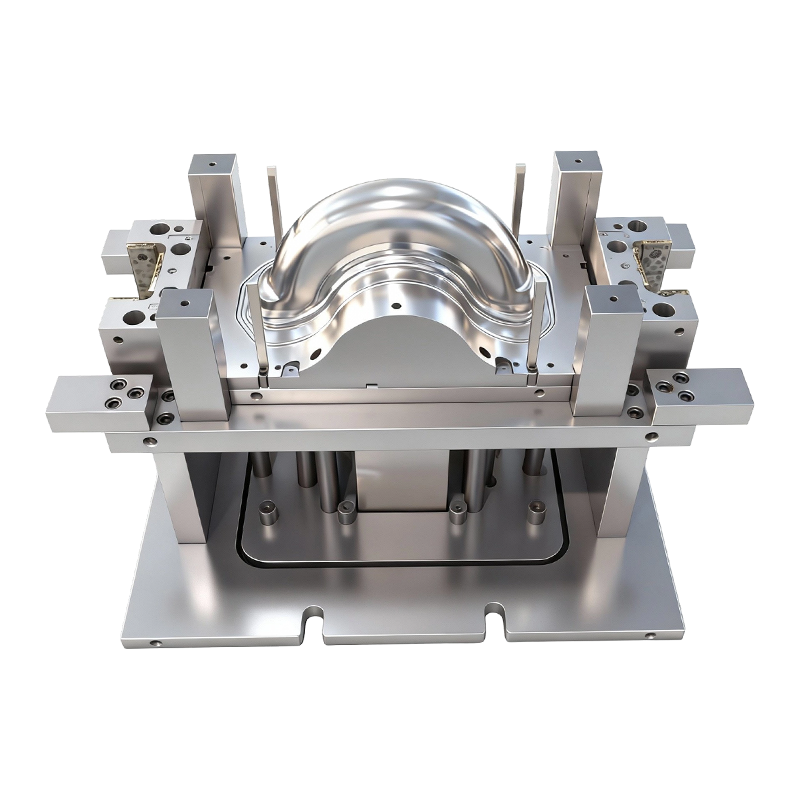
Deep drawing mold for front and rear wheels of two-wheeled electric vehicles
This Deep drawing mold for front and rear wheels o...
-
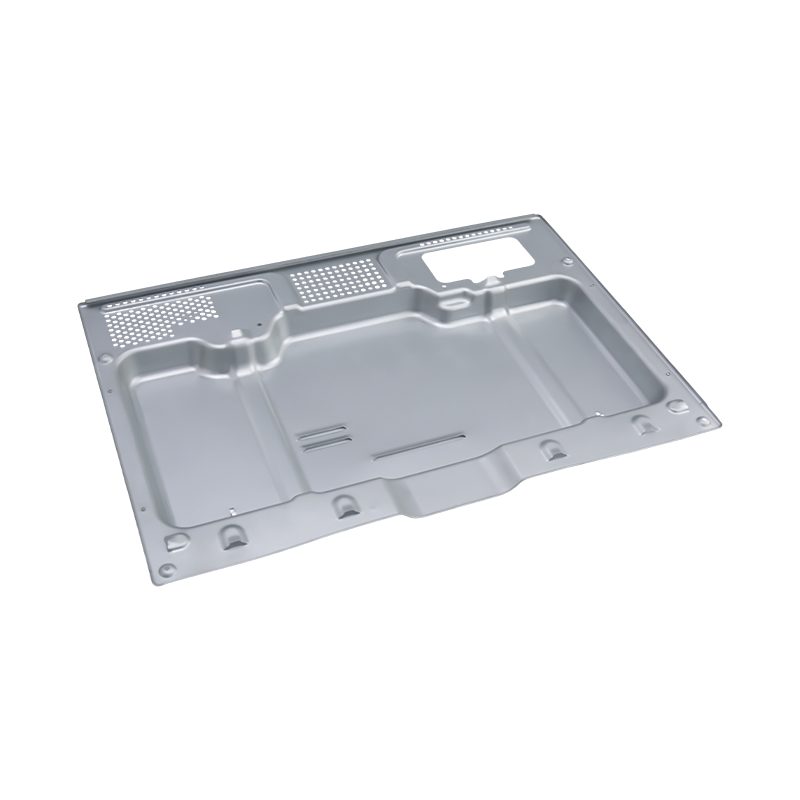
High-end oven stamping parts
Our High-end oven stamping parts are precision-man...
-
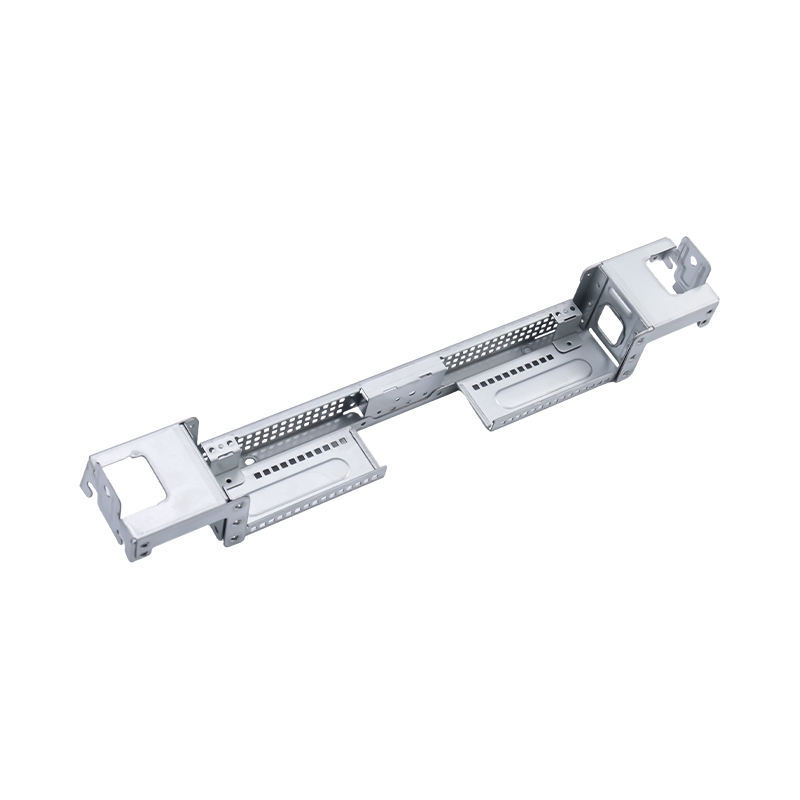
High-end large computer stamping parts
Our High-end large computer stamping parts are pre...
-
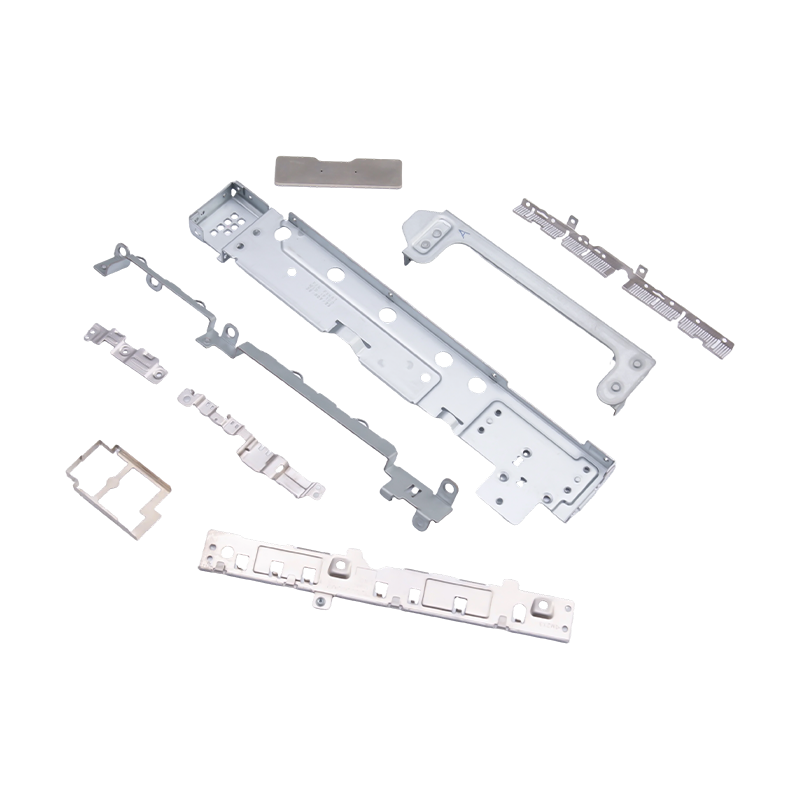
Small stamped parts for laptops and mobile phones
As essential internal components for modern portab...
-
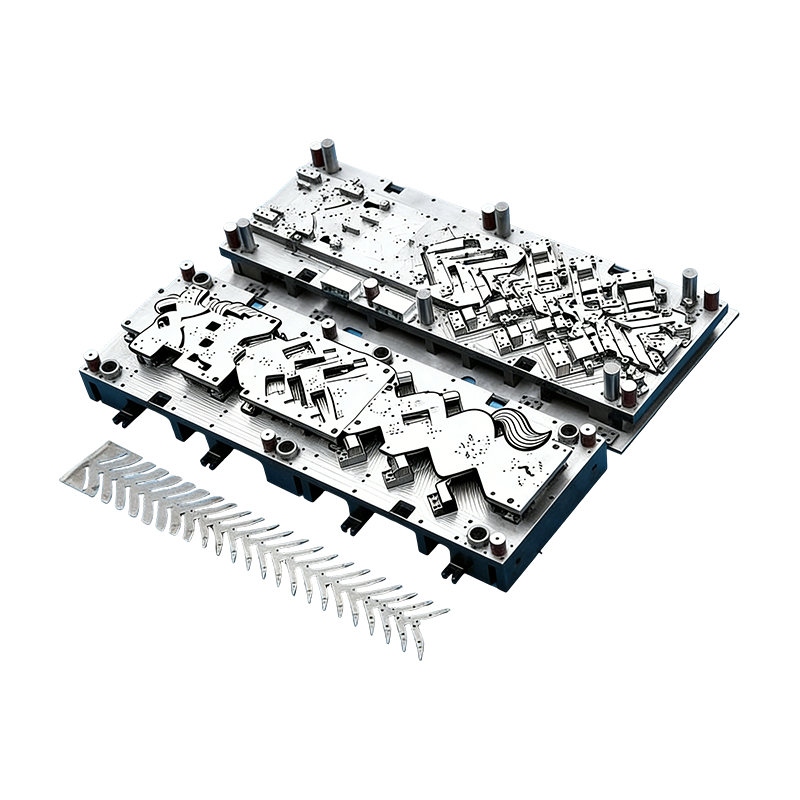
Progressive molds for automotive parts
This Continuous mold for automotive motor housing ...
- E-mail us: [email protected]
- Call us: +86-139 1308 8972

Chen Siyi – Overseas Sales Manager
Home / Author / Chen Siyi – Overseas Sales Manager / High-End Large Computer Stamping Parts for Stable, Accurate, and Scalable Hardware Manufacturing
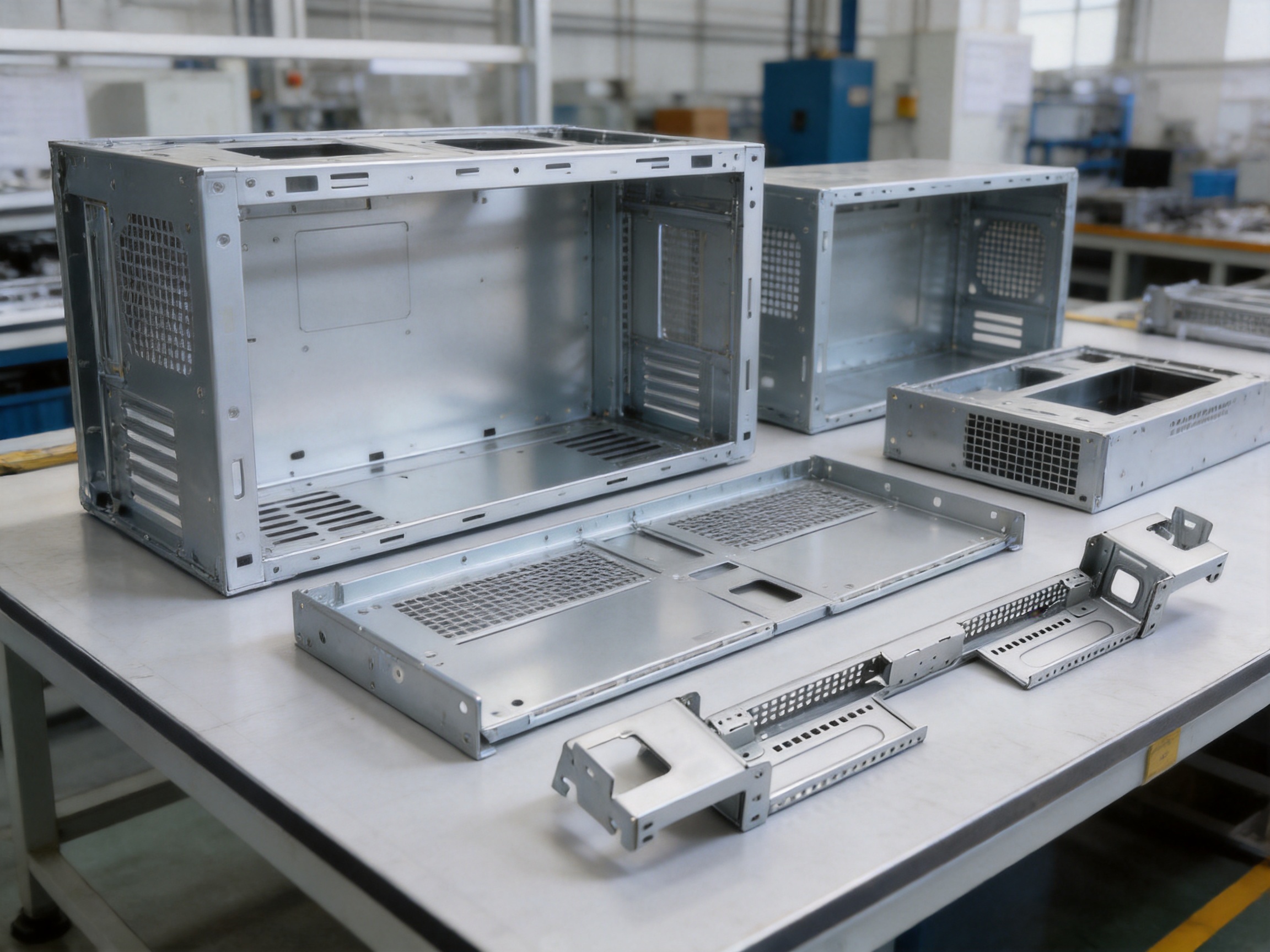
High-End Large Computer Stamping Parts for Stable, Accurate, and Scalable Hardware Manufacturing
2026-06-12
In modern computer manufacturing, large metal structural components are not simple supporting shells. They are the mechanical foundation that protects electronic systems, maintains dimensional relationships among internal modules, supports thermal management, and enables reliable assembly at scale. High-end large computer stamping parts are designed for demanding applications such as server chassis, mainframe frames, industrial computer housings, communication cabinets, and other electronic hardware structures where strength, flatness, consistency, and corrosion resistance are essential.
These components are produced through precision stamping processes using high-strength cold-rolled steel, aluminum alloy, and other suitable sheet metals. Through professional die design, accurate forming, deburring, dimensional inspection, and surface anti-corrosion treatment, the parts achieve stable geometry and reliable assembly performance. For computer hardware manufacturers, the value of a high-quality stamped component lies not only in its appearance but also in its ability to reduce downstream assembly problems, improve production efficiency, and protect expensive electronic modules during long-term operation.
Suzhou Shuangqisi Mold Equipment Co., Ltd. provides high-end large computer stamping parts supported by strong die-making capability, advanced processing equipment, experienced technical staff, and integrated stamping automation resources. The company is located in Suzhou, China, and focuses on stamping dies, stamping parts, and stamping automation equipment. With years of accumulated expertise in metal forming and precision manufacturing, it offers customers practical support from design optimization to die manufacturing, stamping production, inspection, and process improvement.
For buyers comparing suppliers, the difference between ordinary stamped metal parts and high-end computer stamping parts becomes clear in repeated production. Ordinary components may pass a basic visual inspection but cause gaps, deformation, misalignment, vibration noise, poor grounding contact, or assembly delay after entering the production line. High-end components, by contrast, are engineered with strict attention to material stability, tooling precision, burr control, flatness, hole positioning, edge quality, surface protection, and batch-to-batch consistency. This article explains the technical characteristics, manufacturing advantages, application value, and supplier strengths behind high-end large computer stamping parts.
High-end large computer stamping parts
Content
- 1 1. Product Overview: What High-End Large Computer Stamping Parts Are
- 2 2. Why Precision Matters in Computer Hardware Structures
- 3 3. Key Advantages of High-End Large Computer Stamping Parts
- 4 4. Material Selection: Cold-Rolled Steel and Aluminum Alloy
- 5 5. Manufacturing Process from Die Design to Finished Part
- 6 6. Advanced Equipment and Technical Strength
- 7 7. Quality Control for Large Computer Stamping Parts
- 8 8. Comparison with Ordinary Stamping Parts and Competing Solutions
- 9 9. Applications in Server Chassis and Data Center Hardware
- 10 10. Applications in Mainframe Frames and Industrial Computer Housings
- 11 11. Integrated Mold-Making and Stamping Automation Capability
- 12 12. Design for Manufacturability and Customer Collaboration
- 13 13. Surface Treatment and Anti-Corrosion Protection
- 14 14. Reliability Under Vibration, Pressure, and Long-Term Operation
- 15 15. Cost Performance and Production Efficiency
- 16 16. Supplier Strength: Experience, Customers, and Service Capability
- 17 17. Procurement Considerations for Buyers
- 18 18. Q&A: Common Questions About High-End Large Computer Stamping Parts
- 18.1 Q1: What are high-end large computer stamping parts used for?
- 18.2 Q2: What materials are commonly used?
- 18.3 Q3: Why is flatness important for large computer stamping parts?
- 18.4 Q4: How do these parts compare with ordinary stamped parts?
- 18.5 Q5: What manufacturing capabilities support product quality?
- 18.6 Q6: Can the parts be customized?
- 18.7 Q7: Why is an integrated die-making and stamping supplier beneficial?
- 18.8 Q8: How does surface treatment improve performance?
- 18.9 Q9: What should buyers provide when requesting a quotation?
- 18.10 Q10: How can high-end stamping parts reduce total manufacturing cost?
- 19 19. Conclusion
- 20 References
- 21 Product: High-end large computer stamping parts
1. Product Overview: What High-End Large Computer Stamping Parts Are
High-end large computer stamping parts are metal components formed from sheet material through stamping dies and presses. They are typically used as frames, panels, covers, supports, housings, brackets, trays, partitions, and structural assemblies in large computer systems. Unlike small electronic terminals or miniature brackets, these parts often have larger dimensions, broader flat surfaces, multiple bending features, accurately positioned holes, ventilation structures, and reinforcement ribs. Their dimensional stability directly affects the assembly quality of the final computer product.
The product discussed here is categorized as electronic stamping parts and is designed for core computer hardware, including server chassis, mainframe frames, and industrial computer housings. These applications require a combination of rigidity and precision. A server chassis, for example, may need to hold power supplies, fan modules, circuit boards, storage devices, and cable management systems in tightly controlled positions. If the stamped chassis frame is distorted, even slightly, internal components may fail to align properly. In large-scale production, small dimensional errors can become costly quality issues.
High-strength cold-rolled steel is often selected for structural stiffness, durability, and cost-effectiveness. Aluminum alloy may be used when weight reduction, corrosion resistance, or thermal characteristics are prioritized. The choice of material depends on the customer’s application, load-bearing requirements, surface treatment needs, electrical grounding considerations, and environmental conditions. A professional manufacturer evaluates these requirements before confirming the final design and production process.
These stamped parts go through multiple manufacturing stages. First, the product structure is evaluated, and the die process is planned. Then the stamping die is designed and manufactured. During production, sheet metal is cut, positioned, punched, bent, drawn, or formed according to the required geometry. After stamping, burrs are removed, edges are refined, and the surface may receive anti-corrosion treatment. Finally, dimensional accuracy, thickness uniformity, edge smoothness, flatness, and visual quality are checked before delivery.
2. Why Precision Matters in Computer Hardware Structures
Computer systems are becoming more compact, powerful, and thermally demanding. Servers and industrial computers must operate continuously, often in data centers, production workshops, automation systems, communication facilities, and control rooms. Their metal structures must support sensitive electronics while resisting vibration, handling force, temperature changes, and mechanical stress. Precision stamping is therefore not merely a manufacturing preference; it is a functional necessity.
Flatness is one of the most important requirements for large computer stamping parts. Large panels can easily warp during stamping if the die clearance, forming sequence, material properties, or stress release strategy is poorly controlled. Warped panels cause uneven assembly, visible gaps, unstable mounting points, and inconsistent contact with other components. In computer equipment, where airflow channels and electronic module positions are carefully designed, such distortion may reduce cooling efficiency or complicate maintenance.
Dimensional accuracy is equally important. Mounting holes, slots, tabs, and bends must align with other parts. If a chassis hole is offset, screws cannot be inserted smoothly. If a bend angle is inconsistent, an internal module may not fit. If a support bracket is too flexible, vibration may increase. High-end stamping production controls these variables through accurate tooling, stable press operation, process inspection, and repeated verification.
Burr control is another critical quality factor. Sharp burrs can scratch cables, damage operators’ hands, interfere with grounding surfaces, or create loose metal particles inside electronic equipment. For computer hardware, clean edges are essential to both safety and reliability. Proper die maintenance, cutting clearance control, secondary deburring, and edge inspection all help prevent burr-related problems.
Surface protection also matters. Computer equipment may be exposed to humidity, industrial environments, temperature variation, or long storage periods. Anti-corrosion treatment helps extend the service life of stamped components and maintain their appearance. Depending on customer requirements, surface processes may include cleaning, passivation, coating, plating, painting, powder coating, or other protective treatments. A high-quality supplier ensures that surface treatment is compatible with the base material, assembly process, and final application.
3. Key Advantages of High-End Large Computer Stamping Parts
The main advantage of these high-end large computer stamping parts is the combination of strength, accuracy, and manufacturing consistency. Their rigid structure allows them to withstand long-term operational vibration and external pressure. This is especially important in servers, mainframes, and industrial computers that may contain heavy modules or operate in environments with mechanical vibration. A weak or unstable structure can lead to noise, misalignment, component loosening, or reduced system reliability.
Another advantage is seamless compatibility with computer production lines. In large-scale manufacturing, a component must not only meet drawing dimensions but also be easy to assemble repeatedly. Parts with smooth edges, accurate holes, consistent bend angles, and stable flatness reduce the need for manual adjustment. This improves line efficiency and lowers labor costs. It also reduces the risk of assembly defects reaching the final product.
The parts are made with strict attention to thickness uniformity. Uneven thickness or uncontrolled deformation may affect mechanical strength, screw fastening, heat conduction, or grounding performance. By inspecting each batch for thickness consistency, the manufacturer helps customers maintain predictable assembly and performance standards.
Large computer stamping parts also provide design flexibility. Stamping can create ventilation holes, reinforcing ribs, mounting tabs, cable routing openings, support flanges, and complex geometry in an efficient manner. Compared with machining large parts from solid blocks, stamping reduces material waste and supports high-volume production. Compared with poorly controlled fabrication, precision stamping provides better repeatability and lower unit cost after tooling is established.
For buyers, the value is not limited to individual part quality. A supplier with die design, die manufacturing, stamping production, and automation capability can support product development more comprehensively. Early design suggestions can simplify forming, reduce material consumption, improve strength, prevent cracking, reduce burrs, and shorten production cycles. This integrated capability is one of the strongest advantages of Suzhou Shuangqisi Mold Equipment Co., Ltd.
4. Material Selection: Cold-Rolled Steel and Aluminum Alloy
Material selection determines much of the stamped part’s final performance. Cold-rolled steel is widely used in computer hardware because it offers good strength, stable thickness, smooth surface quality, and reliable formability. It can be stamped into frames, brackets, panels, and housings with controlled dimensional accuracy. Its mechanical properties make it suitable for parts that must bear load, resist deformation, and maintain structural alignment.
Aluminum alloy is also valuable in high-end computer applications. It is lighter than steel and provides good corrosion resistance. In some computer housings and electronic structures, aluminum contributes to weight reduction and may help with heat dissipation. However, aluminum requires careful die design and process control because it can behave differently from steel during forming. Factors such as springback, surface scratching, and bend radius must be managed professionally.
A reliable stamping supplier does not simply accept a material specification without analysis. It considers the customer’s product function, assembly method, finishing process, operating environment, required tolerance, and cost target. If a part requires high rigidity at low cost, cold-rolled steel may be preferred. If light weight and corrosion resistance are more important, aluminum alloy may be more suitable. In some cases, the design may be adjusted with ribs or flanges to improve strength without increasing thickness.
For high-end computer stamping parts, material traceability and consistency are important. Variation in sheet thickness, hardness, coating condition, or surface quality can cause forming defects and dimensional instability. Professional production therefore includes material inspection before stamping and process control during forming. This helps ensure that each batch performs consistently in the customer’s assembly line.
5. Manufacturing Process from Die Design to Finished Part
The production of high-end large computer stamping parts begins with understanding the product’s function and drawing requirements. Engineers review the part geometry, tolerance requirements, material type, surface treatment, production volume, and assembly conditions. This review identifies potential forming risks such as cracking, wrinkling, springback, uneven stress distribution, hole distortion, or edge deformation.
After process planning, the stamping die is designed. Die design is the core of precision stamping. For large computer components, the die must control the sheet metal throughout the forming operation. Proper layout, forming sequence, cutting clearance, bending compensation, guiding structure, and reinforcement are all important. If the die is not accurate, production will not be stable, regardless of the press used.
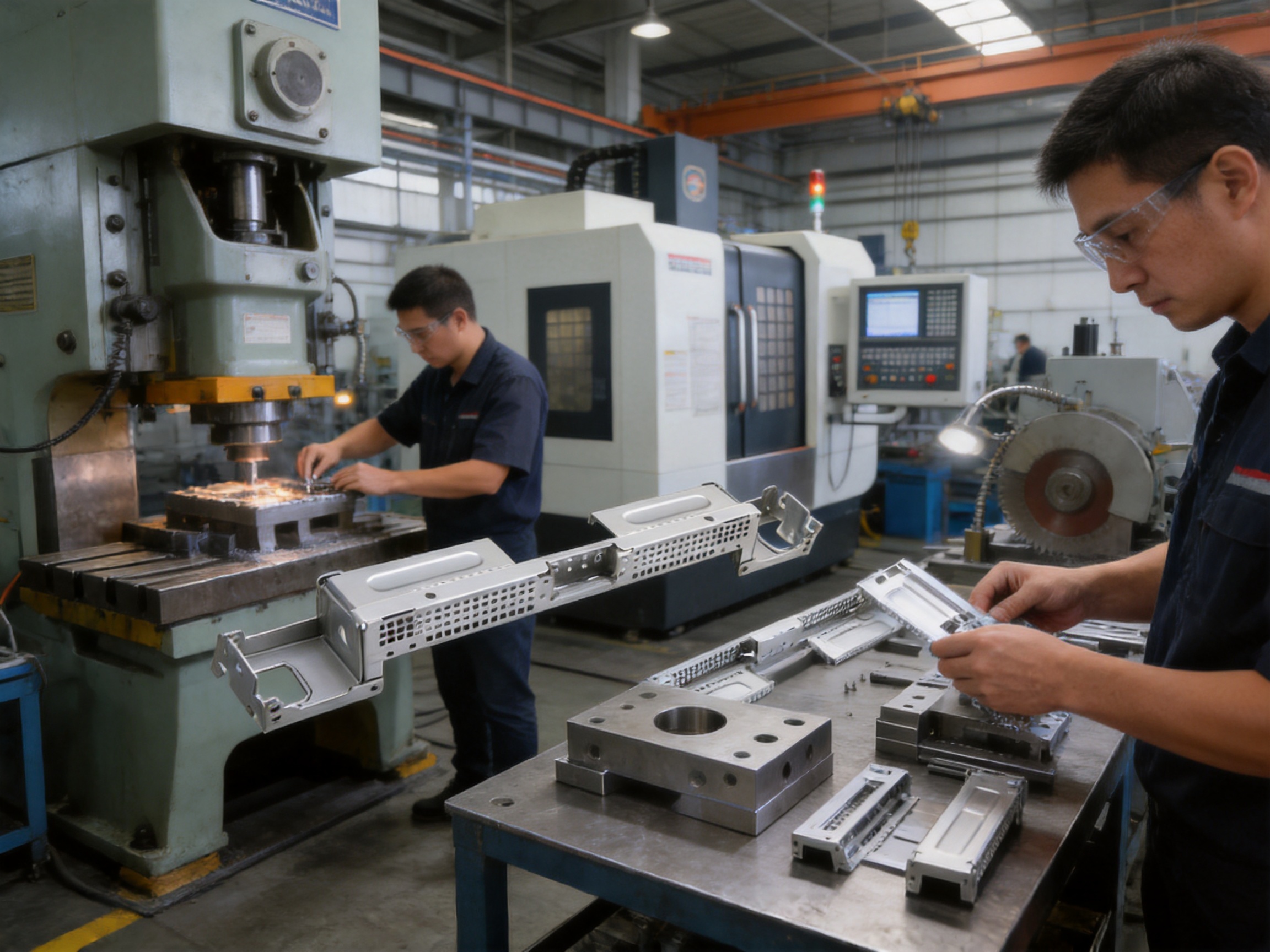
Suzhou Shuangqisi Mold Equipment Co., Ltd. has strong capability in stamping die design and manufacturing. The company is equipped with imported wire cutting machines, CNC machining centers, more than ten grinding machines of various sizes, and other advanced precision machine tools. These resources support accurate die components, stable tooling assembly, and reliable long-term production. In the stamping industry, die quality directly determines part consistency, and advanced machining equipment helps maintain this foundation.
Once the die is manufactured, trial production and debugging are performed. Experienced operators and debugging personnel adjust the die, verify part dimensions, inspect forming quality, and optimize the process. This step is especially important for large parts because their broad surfaces and multiple features may react to forming stress in complex ways. Trial stamping helps ensure that the die produces stable parts before mass production begins.
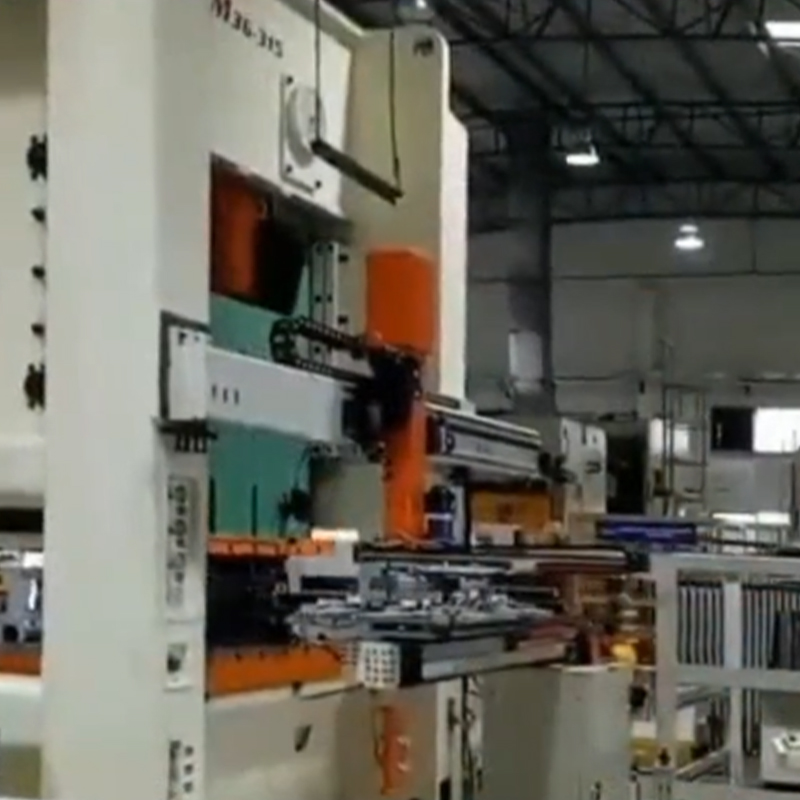
During mass production, punch presses apply force to form the sheet metal. The company operates 25 punch presses ranging from 80 tons to 400 tons, allowing it to handle different part sizes and forming requirements. Larger computer stamping parts often require higher tonnage and stable press performance to maintain accuracy. The availability of multiple presses supports production flexibility and capacity planning.
After stamping, parts undergo deburring and edge treatment. Burrs are removed to improve safety and assembly reliability. Surfaces may receive anti-corrosion treatment according to customer needs. Inspection is then carried out to verify thickness uniformity, edge smoothness, flatness, hole position, bend angle, and general appearance. This standardized process reduces quality risk and supports reliable delivery.
6. Advanced Equipment and Technical Strength
A stamping supplier’s equipment base strongly affects its ability to deliver high-end products. Precision die components require accurate cutting, milling, grinding, and fitting. If a die insert is not machined precisely, the stamped part may show dimensional deviation, burrs, or unstable forming. Advanced equipment therefore supports both die quality and final part quality.
Suzhou Shuangqisi Mold Equipment Co., Ltd. has imported wire cutting machines that are suitable for producing accurate die openings, punches, inserts, and complex contours. Wire cutting is particularly useful for tool steel components that require high accuracy and clean profiles. CNC machining centers support efficient processing of die plates, forming blocks, and structural components. Grinding machines help achieve flatness, parallelism, and fine surface quality in critical tooling parts.
The company also has more than 25 punch presses from 80T to 400T. This range allows it to match the machine to the product requirement rather than forcing all parts onto unsuitable equipment. Smaller components can be produced efficiently on lower-tonnage presses, while large computer frames and thick structural components can be processed on higher-tonnage machines. Proper press selection improves forming stability, tool life, and part accuracy.
Beyond equipment, technical staff and operator experience are essential. The company has 60 technical staff and a team of senior operators and experienced debugging personnel. In stamping production, many quality problems are solved through the combination of engineering knowledge and hands-on process experience. For example, a slight change in blank holding, die clearance, forming order, or lubrication may significantly improve flatness or reduce cracking. Experienced personnel can identify these issues quickly and apply practical solutions.
The company’s 15 years of experience in the mold industry further strengthens its competitiveness. Long-term work in stamping dies, hardware parts, servo drive components, compressor components, and new energy vehicle products gives the company a broad understanding of precision metal forming. This background is valuable for computer stamping parts because it involves similar requirements for accuracy, strength, repeatability, and cost control.
7. Quality Control for Large Computer Stamping Parts
Quality control must be built into every stage of production. Inspecting only the finished part is not enough, because many defects originate from material variation, die wear, press instability, or process drift. A professional manufacturer applies quality control from incoming material to final shipment.
Incoming material inspection confirms that sheet metal meets the required thickness, surface condition, and mechanical properties. During die manufacturing, critical tooling dimensions are checked to ensure that the die can produce parts within tolerance. During trial production, samples are inspected in detail, and necessary adjustments are made. During mass production, operators and inspectors monitor key dimensions, appearance, burrs, and forming quality.
For large computer stamping parts, important inspection points include overall length and width, hole position, slot size, flatness, bend angle, flange height, edge condition, surface scratches, and coating quality. Because these parts often connect with many other components, multiple dimensions must work together. A single inaccurate hole or distorted edge can affect the entire assembly.
Thickness uniformity inspection helps confirm that material and forming conditions remain stable. Edge smoothness inspection helps prevent assembly injury, cable damage, and fitting interference. Flatness inspection helps avoid gaps and ensures that parts fit properly with covers, frames, and electronic modules. Surface inspection helps confirm that anti-corrosion treatment is complete and that appearance meets customer requirements.
Batch consistency is especially important for customers operating automated or semi-automated assembly lines. If one batch fits well and the next batch requires adjustment, production efficiency suffers. Standardized manufacturing and inspection processes help maintain predictable performance across repeated orders. This is one reason why customers prefer suppliers with strong die control, stable equipment, and disciplined quality management.
8. Comparison with Ordinary Stamping Parts and Competing Solutions
High-end large computer stamping parts differ from ordinary stamped parts in several important ways. Ordinary parts may be produced with lower tooling precision, less strict inspection, and limited process optimization. They may be acceptable for simple applications but may not meet the requirements of computer hardware manufacturing, especially for server and industrial systems.
One major difference is dimensional repeatability. Competitors with limited die-making capability may rely on external tooling or less accurate machining, which can lead to unstable dimensions. Suzhou Shuangqisi Mold Equipment Co., Ltd. integrates die design, die manufacturing, stamping production, and process debugging, allowing better control over the full production chain. This integration reduces communication gaps and speeds up problem solving.
Another difference is edge and surface quality. Low-cost parts may have burrs, scratches, uneven coating, or inconsistent finishes. These problems can lead to assembly defects or product complaints. High-end parts receive careful deburring and surface treatment, helping them meet the safety and reliability expectations of computer equipment manufacturers.
Structural rigidity is also a competitive advantage. Through proper material selection, forming design, ribs, flanges, and accurate bending, stamped computer components can provide strong support without unnecessary weight or cost. A supplier with experience in precision molds can advise on design changes that improve strength while maintaining manufacturability.
Cost performance is another important factor. High-end does not mean excessively expensive. Precision stamping can be very cost-effective when the die is well designed and production is stable. The company’s strict cost and quality control help customers obtain reliable products at competitive prices. Compared with suppliers that only offer basic stamping, a manufacturer with advanced tooling and automation capability can reduce hidden costs caused by rework, assembly delays, inconsistent batches, and quality complaints.
| Evaluation Item | High-End Large Computer Stamping Parts | Ordinary or Low-Control Stamping Parts | Customer Benefit |
|---|---|---|---|
| Dimensional Accuracy | Controlled through precision dies, trial debugging, and inspection | May vary due to tooling or process instability | Smoother assembly and fewer fitting problems |
| Flatness | Managed by forming sequence, die accuracy, and process control | Prone to warping on large panels | Reduced gaps and improved structural alignment |
| Edge Quality | Deburred and inspected for smoothness | Burrs may remain after punching | Safer handling and lower risk of cable damage |
| Surface Protection | Anti-corrosion treatment according to application requirements | Surface treatment may be inconsistent | Longer service life and better appearance |
| Production Consistency | Supported by integrated die-making and stamping capability | Batch variation may be higher | Reliable supply for mass production |
| Engineering Support | Design review, manufacturability suggestions, and process optimization | Often limited to basic production | Lower development risk and improved cost performance |
9. Applications in Server Chassis and Data Center Hardware
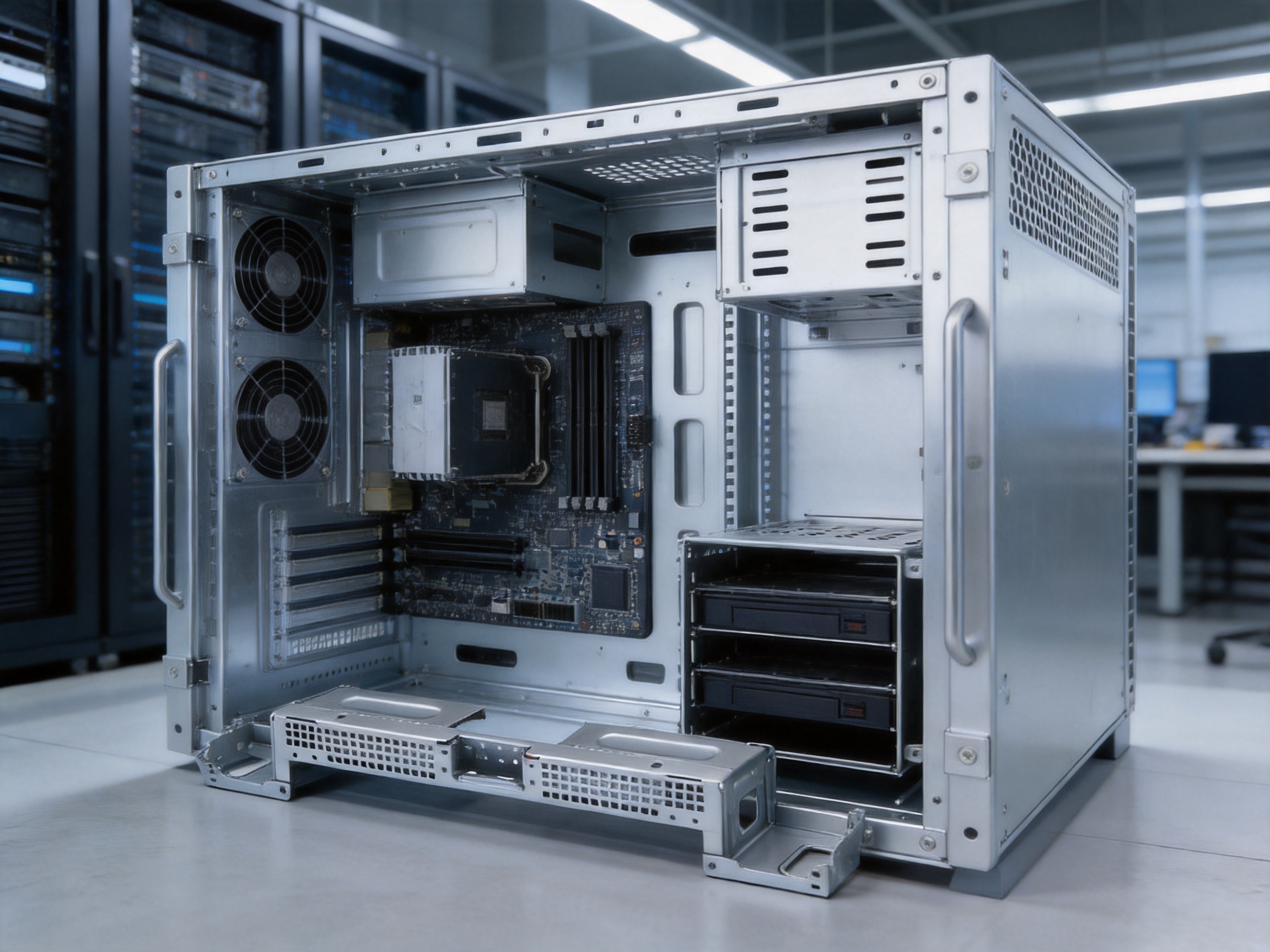
Server chassis are among the most demanding applications for large computer stamping parts. Data center servers must operate continuously, often under high thermal load and dense installation conditions. A chassis must support motherboards, storage devices, fans, power supplies, cables, guide rails, and covers while maintaining airflow and serviceability. Precision stamped parts help create the mechanical structure required for this environment.
In a server chassis, accurate hole positions are essential for module installation. Fan units, drive trays, and circuit board supports must align quickly during assembly. If the metal frame is inconsistent, assembly workers may need to force components into place, creating stress and increasing defect risk. High-end stamping parts reduce this problem through controlled dimensions and repeatable forming.
Vibration resistance is another important factor. Servers contain rotating fans and, in some systems, storage devices that can generate vibration. The chassis structure must be rigid enough to limit resonance and protect electronic connections. Stamped reinforcements, flanges, and bends can improve rigidity without excessive material use. A well-designed stamped chassis contributes to quieter, more stable, and more durable equipment.
Thermal management also depends on accurate metal structures. Ventilation holes, airflow channels, fan mounting positions, and covers must be properly formed. Poorly aligned parts may block airflow or create leakage paths that reduce cooling efficiency. Precision stamping makes it possible to produce complex ventilation patterns and structural features repeatedly.
For data center hardware manufacturers, consistent stamped components support efficient production and field reliability. When thousands of units must be assembled, shipped, installed, and serviced, mechanical consistency becomes a major factor in total product quality. High-end large computer stamping parts provide this consistency.
10. Applications in Mainframe Frames and Industrial Computer Housings
Mainframe frames and industrial computer housings require durability and long service life. Industrial computers may be installed in factories, control cabinets, transportation systems, energy facilities, or automation equipment. These environments can involve vibration, dust, temperature variation, and continuous operation. Metal housings protect electronic systems from mechanical damage and environmental influence.
High-strength stamped parts are suitable for these applications because they combine structural rigidity with efficient production. A stamped industrial computer housing may include mounting flanges, cooling openings, removable panels, cable ports, and internal supports. Each feature must be accurate for reliable assembly and maintenance.
In industrial computer applications, corrosion resistance is often important. Equipment may be exposed to moisture, oil mist, or other environmental factors. Anti-corrosion surface treatment helps protect the metal substrate and maintain product appearance. The correct surface process depends on the customer’s operating environment and design requirements.
Large computer frames also need strong load-bearing capability. Heavy power modules, communication boards, control units, or storage assemblies may be installed inside. The stamped frame must resist deformation during installation, transportation, and operation. Proper material thickness, reinforced geometry, and controlled forming are required to achieve this performance.
Ease of assembly and maintenance is another practical advantage. Industrial equipment often requires field service. Smooth edges, accurate fastening points, and stable panel fit make maintenance safer and faster. High-end stamping quality therefore benefits not only the original equipment manufacturer but also the end user.
11. Integrated Mold-Making and Stamping Automation Capability
One of the strongest competitive advantages of Suzhou Shuangqisi Mold Equipment Co., Ltd. is its integrated capability in stamping molds and stamping automation. The company not only manufactures stamping parts but also designs and produces the dies that make those parts possible. In 2016, it invested in and established Suzhou Keshuang Intelligent Technology Co., Ltd., which mainly produces stamping automation equipment. This background enables the company to provide turnkey solutions for stamping molds and automation.
Integrated capability brings several practical benefits. First, die design can be coordinated directly with production requirements. Engineers can consider not only whether a part can be formed, but also whether it can be produced efficiently, inspected reliably, and automated if necessary. This reduces the risk of tooling that works only in theory but fails in mass production.
Second, tooling issues can be solved faster. If a stamped part shows dimensional drift, burrs, or forming marks, the team can analyze the die, press conditions, and process parameters internally. Suppliers that outsource tooling may need longer communication cycles, delaying corrective action. Integrated production shortens this loop.
Third, automation can improve stability and cost performance. For suitable products, automated feeding, transfer, or handling can reduce manual variation and improve production efficiency. In high-volume computer hardware manufacturing, this can be a major advantage. Automation also helps improve operator safety when handling larger sheets or repetitive processes.
Fourth, customers can receive more complete engineering support. Instead of working separately with a die supplier, stamping supplier, and automation supplier, customers can cooperate with a manufacturer that understands all three areas. This is particularly valuable for complex stamped computer components requiring stable quality and scalable production.
12. Design for Manufacturability and Customer Collaboration
High-quality stamping begins before production. Design for manufacturability is the process of adjusting a product design so it can be produced accurately, efficiently, and economically. For computer stamping parts, this may involve changes to bend radii, hole spacing, flange length, rib shape, material thickness, tolerance distribution, or surface treatment specifications.
A common challenge in stamped computer parts is the relationship between strength and formability. Customers may want a strong, lightweight structure with many openings and tight tolerances. Engineers must evaluate whether the selected material and geometry can be formed without cracking or distortion. In many cases, adding a small rib, adjusting a bend line, or changing a hole position can improve manufacturability while preserving function.
Another important issue is springback. After bending, sheet metal tends to recover slightly. The amount depends on material type, thickness, bend radius, and forming method. Professional die design compensates for springback so that the final part meets the required angle and shape. Without proper compensation, large frames may not fit correctly during assembly.
Tolerance planning is also essential. Not every dimension needs the same level of precision. Overly tight tolerances increase cost and may make production unnecessarily difficult. A professional supplier can help identify critical dimensions that affect assembly and functional performance, while allowing more practical tolerances on less critical features. This improves cost performance without sacrificing quality.
Customer collaboration also includes sample validation. Prototype or trial parts allow the customer to test assembly, appearance, strength, and surface treatment before mass production. Feedback from this stage can be used to fine-tune the die and process. This collaborative approach helps prevent costly changes later.
13. Surface Treatment and Anti-Corrosion Protection
Surface treatment is an important part of high-end computer stamping part production. The metal surface must not only look clean but also resist corrosion and support assembly requirements. Depending on the product, surface treatment may provide protection, insulation, conductivity, decoration, or improved wear resistance.
For cold-rolled steel parts, anti-corrosion treatment is often required because untreated steel can rust in humid conditions. Protective processes may include coating, painting, powder coating, plating, or other treatments specified by the customer. The surface process must be compatible with part geometry. For example, deep corners, holes, and edges must receive adequate coverage to prevent weak points.
For aluminum alloy parts, surface treatment may enhance corrosion resistance and appearance. Aluminum naturally forms an oxide layer, but additional processes can improve durability and consistency. Care must be taken to avoid surface scratches during stamping and handling, because aluminum surfaces may show marks more easily than steel.
Before surface treatment, cleaning and deburring are important. Oil, metal particles, sharp edges, or contamination can reduce coating adhesion or create defects. A standardized process ensures that parts enter surface treatment in a suitable condition. After treatment, inspection checks appearance, coverage, and any functional requirements.
Computer hardware manufacturers often care about both visible and hidden surfaces. Even internal metal parts should be protected because corrosion can affect long-term reliability. High-end stamping suppliers understand this requirement and support consistent surface quality across batches.
14. Reliability Under Vibration, Pressure, and Long-Term Operation
Large computer systems often operate continuously for years. Their stamped metal structures must remain stable throughout this service life. Mechanical reliability depends on material strength, structural design, forming quality, and assembly accuracy. High-end large computer stamping parts are engineered to withstand long-term operation vibrations and external pressure.
Vibration can loosen fasteners, create noise, and stress electronic connections. A rigid stamped structure helps reduce these risks. Reinforcing features such as ribs, folded edges, and flanges increase stiffness without requiring excessive material thickness. Accurate forming ensures that these features perform as intended.
External pressure may occur during transportation, installation, stacking, handling, or maintenance. Computer housings and frames must resist dents and deformation that could affect internal components. High-strength materials and stable stamping processes help provide this protection.
Long-term operation also exposes parts to thermal cycles. Temperature changes can cause expansion and contraction. While metal structures are designed to tolerate such changes, poor dimensional control or residual stress may increase distortion risk. Proper stamping process planning and stress management help improve long-term stability.
Reliability is not achieved through a single inspection item. It is the result of design, material, tooling, production, surface treatment, and quality control working together. This is why an experienced manufacturer with integrated capability can provide stronger assurance than a basic stamping workshop.
15. Cost Performance and Production Efficiency
In competitive computer hardware manufacturing, cost control is always important. However, the lowest unit price is not always the lowest total cost. Poor stamping quality can create hidden costs such as rework, assembly delay, scrap, customer complaints, warranty claims, and production line downtime. High-end stamping parts reduce these hidden costs through consistency and reliability.
Precision dies may require greater initial investment, but they support stable mass production. Once the die is optimized, each stamped part can be produced efficiently with high repeatability. This makes stamping one of the most cost-effective methods for producing large quantities of metal computer structures.
Suzhou Shuangqisi Mold Equipment Co., Ltd. emphasizes strict cost and quality control. Its integrated resources allow it to optimize tooling, production, and process flow. The company can also invest in related production equipment according to customer needs, helping deliver cost-effective products and services. For customers with long-term production plans, this flexibility can be valuable.
Production efficiency is also improved by reducing assembly difficulties. A part that fits correctly saves time at every workstation. Smooth edges reduce handling issues. Accurate holes reduce screw insertion problems. Stable flatness reduces adjustment. These small improvements become significant when multiplied across thousands of units.
High-end stamping parts therefore support both product quality and manufacturing productivity. They help customers build reliable computer equipment while maintaining competitive production costs.
16. Supplier Strength: Experience, Customers, and Service Capability
Suzhou Shuangqisi Mold Equipment Co., Ltd. is a professional manufacturer of stamping dies and hardware parts integrating design, manufacturing, and service. The company is located at No. 118 Yexin Road, Wujiang Economic Development Zone, Suzhou, China. Its business covers stamping dies, stamping parts, and stamping automation equipment, making it suitable for customers who need comprehensive metal forming support.
The company has 60 technical staff and 15 years of experience in the mold industry. This technical foundation supports complex tooling projects and precision stamped parts. Its equipment includes imported wire cutting machines, CNC machining centers, grinding machines, and 25 punch presses from 80T to 400T. These resources enable the company to handle a wide range of product structures and production volumes.
The company’s main clients include Anter Group, Ousheng Electric, Dongbei Group, and Huichuan Technology. It has supplied molds and products for servo drives, compressors, and new energy vehicles. These industries require precision, durability, and stable production, which demonstrate the company’s capability beyond simple hardware manufacturing.
Its service philosophy focuses on creating value for customers and pursuing high-quality development. This is reflected in its ability to provide turnkey solutions for stamping molds and stamping automation. Customers can receive support not only for part production but also for process development and production equipment planning.
For buyers of high-end large computer stamping parts, supplier reliability is as important as product specification. A capable supplier must respond to engineering questions, manage quality consistently, deliver on time, and solve problems quickly. The company’s combined technical staff, equipment, experience, and automation resources help meet these expectations.
17. Procurement Considerations for Buyers
When sourcing high-end large computer stamping parts, buyers should evaluate more than price. The first consideration should be whether the supplier has sufficient die design and manufacturing capability. Large computer parts require precise tooling, and poor tooling will limit quality from the beginning.
The second consideration is production equipment. Press tonnage, machine stability, and supporting equipment affect forming accuracy. A supplier with multiple presses can choose the appropriate machine for the part, improving efficiency and reducing risk.
The third consideration is quality control. Buyers should ask how the supplier checks flatness, hole position, edge quality, surface finish, and batch consistency. For critical computer hardware, inspection records and standardized procedures are important.
The fourth consideration is engineering communication. A good supplier can review drawings, identify manufacturability risks, and provide improvement suggestions. This support can reduce development time and prevent repeated trial failures.
The fifth consideration is long-term capacity. If the product is successful, demand may increase. A supplier with automation capability and scalable production resources can support growth more effectively. Suzhou Shuangqisi Mold Equipment Co., Ltd. is positioned well in this respect because of its stamping automation background.
18. Q&A: Common Questions About High-End Large Computer Stamping Parts
Q1: What are high-end large computer stamping parts used for?
They are used in server chassis, mainframe frames, industrial computer housings, electronic equipment structures, internal supports, panels, covers, brackets, and other large computer hardware components. Their role is to provide mechanical strength, accurate assembly positions, protection, and long-term reliability.
Q2: What materials are commonly used?
High-strength cold-rolled steel and aluminum alloy are commonly used. Cold-rolled steel offers strength, stable thickness, and cost-effectiveness. Aluminum alloy is useful when weight reduction and corrosion resistance are important. The final choice depends on the product’s function, operating environment, assembly method, and cost target.
Q3: Why is flatness important for large computer stamping parts?
Flatness affects assembly quality, appearance, airflow management, and structural alignment. If a large panel or frame is warped, it may create gaps, interfere with internal components, or reduce production efficiency. High-end stamping controls flatness through die design, forming sequence, material selection, and inspection.
Q4: How do these parts compare with ordinary stamped parts?
High-end parts are produced with stricter tooling accuracy, better burr control, more reliable surface treatment, and stronger batch consistency. Ordinary stamped parts may be cheaper initially but can create hidden costs through assembly problems, rework, inconsistent quality, and reduced product reliability.
Q5: What manufacturing capabilities support product quality?
Important capabilities include precision die design, wire cutting, CNC machining, grinding, press forming, deburring, surface treatment, inspection, and process debugging. Suzhou Shuangqisi Mold Equipment Co., Ltd. has advanced equipment and experienced technical staff to support these stages.
Q6: Can the parts be customized?
Yes. Stamping parts can be customized according to customer drawings, material requirements, dimensions, tolerances, surface treatment, and application needs. Engineering review can also help optimize the design for manufacturability and cost performance.
Q7: Why is an integrated die-making and stamping supplier beneficial?
An integrated supplier controls the process from tooling design to mass production. This improves communication, reduces development risk, speeds up troubleshooting, and supports consistent quality. It can also provide automation solutions when higher production efficiency is required.
Q8: How does surface treatment improve performance?
Surface treatment protects metal parts from corrosion, improves appearance, and may support functional requirements such as wear resistance or electrical performance. For computer equipment, corrosion protection helps maintain long-term reliability, especially in industrial or humid environments.
Q9: What should buyers provide when requesting a quotation?
Buyers should provide drawings, 3D files if available, material specifications, thickness, tolerance requirements, surface treatment requirements, estimated order quantity, application information, and any special inspection standards. This information helps the supplier evaluate tooling, process, cost, and delivery time accurately.
Q10: How can high-end stamping parts reduce total manufacturing cost?
They reduce total cost by improving assembly efficiency, lowering rework rates, reducing quality complaints, and maintaining stable production. Although high-quality tooling and process control require professional investment, they often save money over the product’s full production cycle.
19. Conclusion
High-end large computer stamping parts are essential structural components for modern computer hardware. They provide the strength, accuracy, flatness, edge quality, and corrosion resistance required for server chassis, mainframe frames, industrial computer housings, and other electronic equipment structures. In demanding manufacturing environments, these parts help ensure smooth assembly, stable operation, and long-term reliability.
The product’s advantages come from the combination of high-strength materials, precision stamping dies, controlled forming processes, deburring, anti-corrosion treatment, and strict inspection. Compared with ordinary stamping parts, high-end components offer better dimensional repeatability, smoother edges, stronger structure, more reliable surface protection, and lower hidden production costs.
Suzhou Shuangqisi Mold Equipment Co., Ltd. supports these advantages with advanced manufacturing resources, including imported wire cutting machines, CNC machining centers, grinding machines, and 25 punch presses from 80T to 400T. Its 60 technical staff, experienced operators, debugging personnel, and 15 years of mold industry experience provide a strong foundation for precision die manufacturing and stamping production. The company’s integrated capability in stamping dies, stamping parts, and stamping automation equipment allows it to deliver practical, cost-effective, and scalable solutions for customers.
For computer hardware manufacturers seeking reliable metal structural components, choosing a supplier with both technical depth and production strength is critical. High-end large computer stamping parts are not only metal pieces formed by a press; they are engineered components that influence assembly efficiency, product durability, user safety, and final equipment performance. With professional manufacturing processes and strong engineering support, they become a dependable foundation for high-performance computer systems.
References
1. Lange, K. Handbook of Metal Forming. Society of Manufacturing Engineers.
2. Altan, T., and Tekkaya, A. E. Sheet Metal Forming: Processes and Applications. ASM International.
3. Kalpakjian, S., and Schmid, S. R. Manufacturing Engineering and Technology. Pearson.
4. Boljanovic, V. Sheet Metal Forming Processes and Die Design. Industrial Press.
5. ASM International. Metals Handbook: Forming and Forging. ASM International.
6. Society of Manufacturing Engineers. Tool and Manufacturing Engineers Handbook: Forming. SME.
Product: High-end large computer stamping parts
Previous Post
High-End Oven Stamping Parts for Durable, Precise, and Heat-Resistant Oven Manufacturing
Next Post
Heavy Truck Stamping Parts for Durable Commercial Vehicle Performance
Our Products.
Start Your Business with an OEM Manufacturer Right Here!

Provide global customers with complete turn-key solutions
through
innovation!
QUICK LINKS
CONTACT INFO.
-
 +86-139 1308 8972
 -

-
 No. 118 Yexin Road, Wujiang Economic Development Zone, Suzhou, China
Copyright © Suzhou Shuangqisi Mold Equipment Co., Ltd. All Rights Reserved. Custom Stamping Die Metal Stamping Die Manufacturers
