 English
 Español
 Deutsch

-
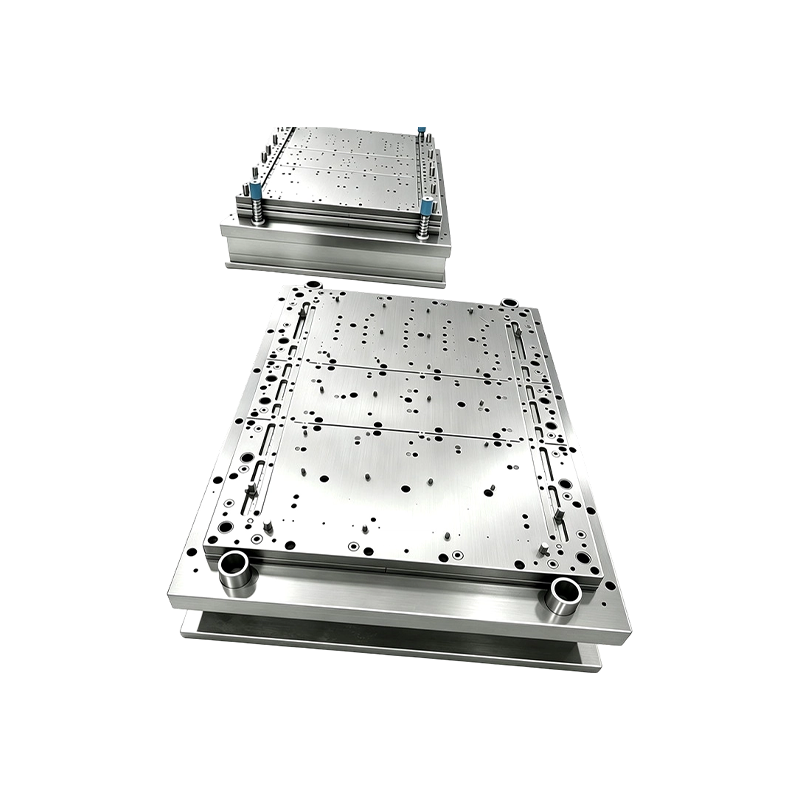
Progressive Stamping Die for Connector & Terminal Parts High Speed Progressive Stamping Die Precision Metal Hardware Stamping Tool mold for Connector Terminal Parts Automotive Components
Progressive Stamping Die for Connector & Termi...
-
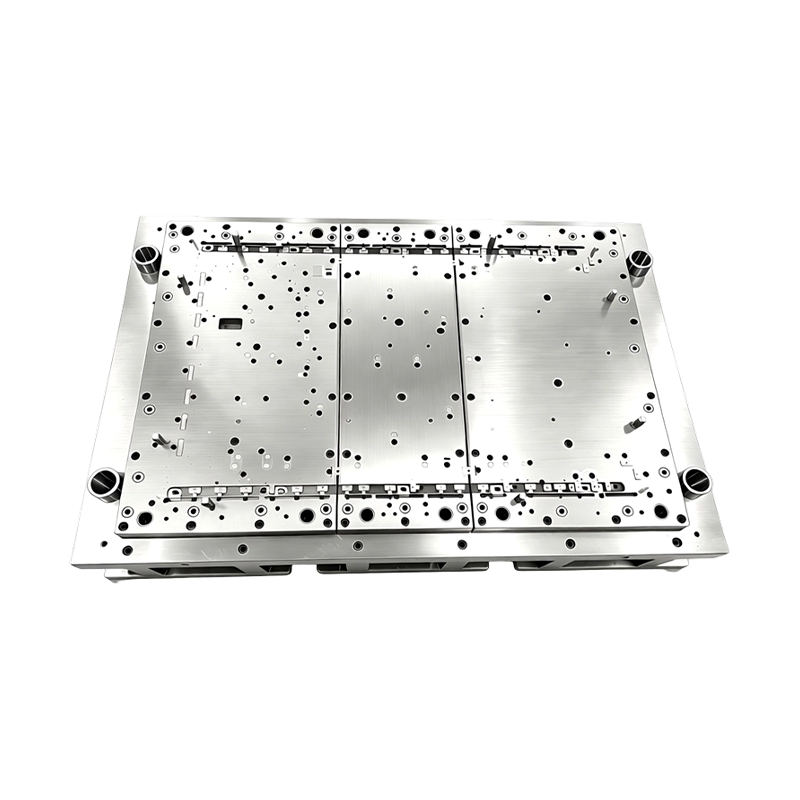
High Precision Stamping Die Multi Station Hardware Progressive Mold Tooling
Precision Metal Stamping Tool for Automotive &...
-
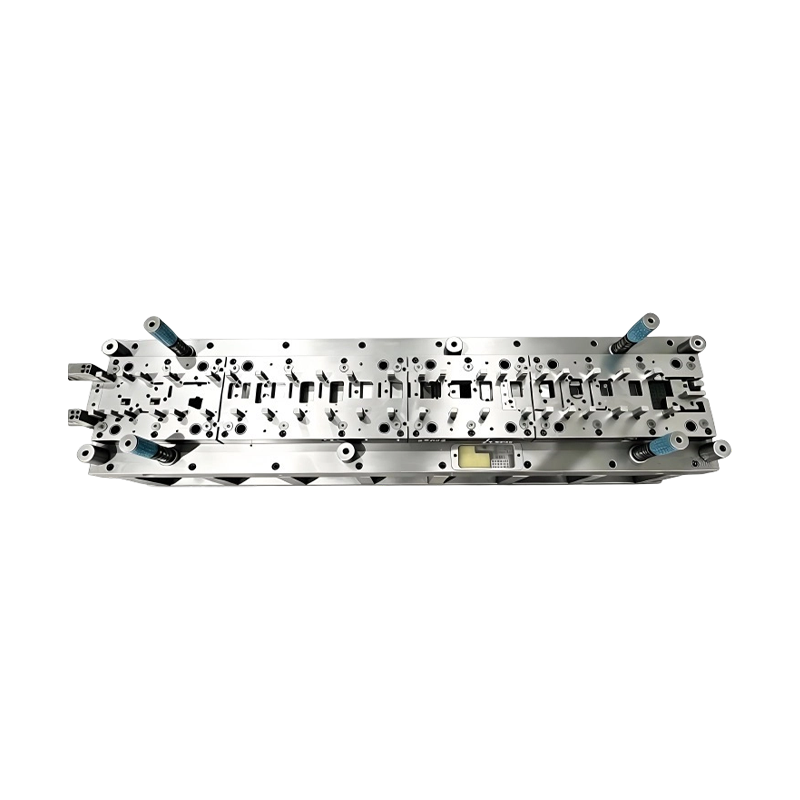
Long-Stroke Multi-Stage Progressive Die Automatic Strip Feed Progressive Die Long Travel Follow on Stamping Tool for Sheet Metal Hardware Press Moulding
Long-Stroke Multi-Stage Progressive DieOur custom ...
-
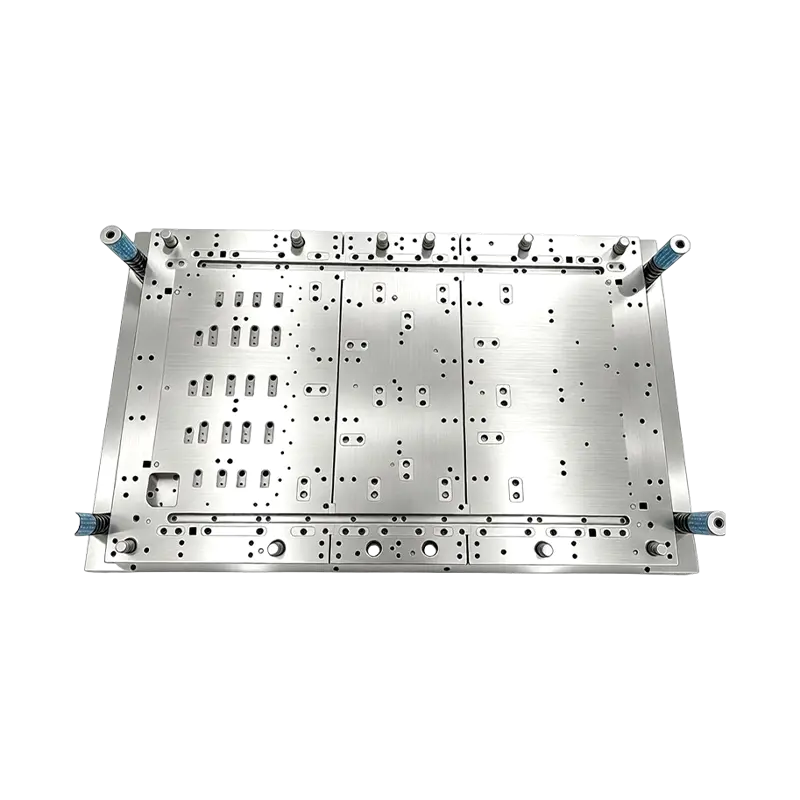
Multi-Station Progressive Stamping Die with Carbide Inserts Custom Multi Station Progressive Stamping Die Carbide Insert Metal Stamping Mold Tool for Equipment Appliances Device Hardware
High Speed Metal Stamping Tool for Precise Equipme...
-
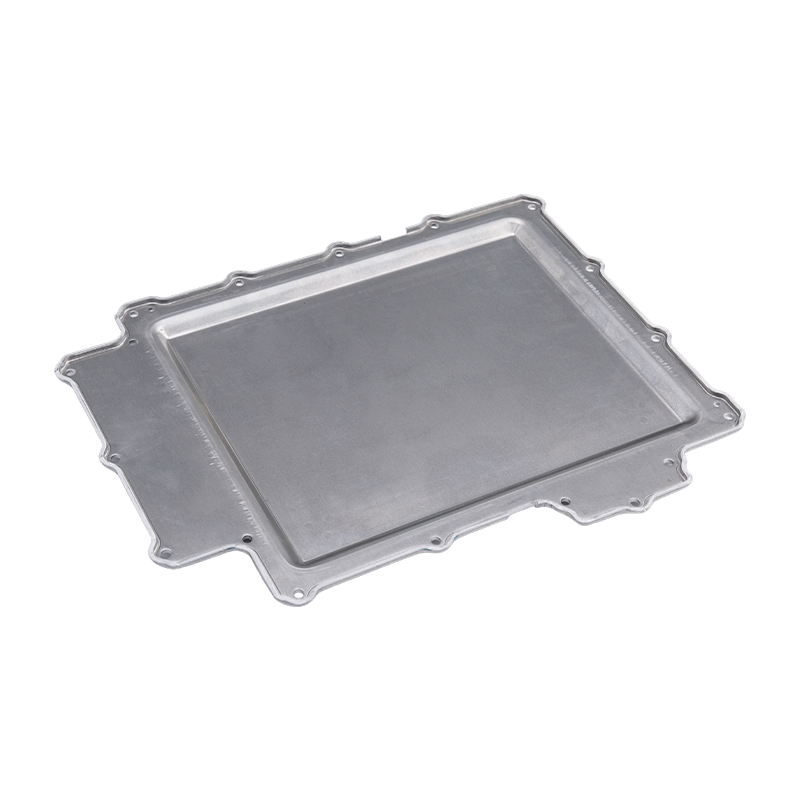
Battery cover stamping parts
Our Battery cover stamping parts are precision-man...
- E-mail us: [email protected]
- Call us: +86-139 1308 8972

Wang Xinyue – After-Sales Support Supervisor
Home / Author / Wang Xinyue – After-Sales Support Supervisor / Precision Battery Cover Stamping Parts for Reliable Energy Enclosures
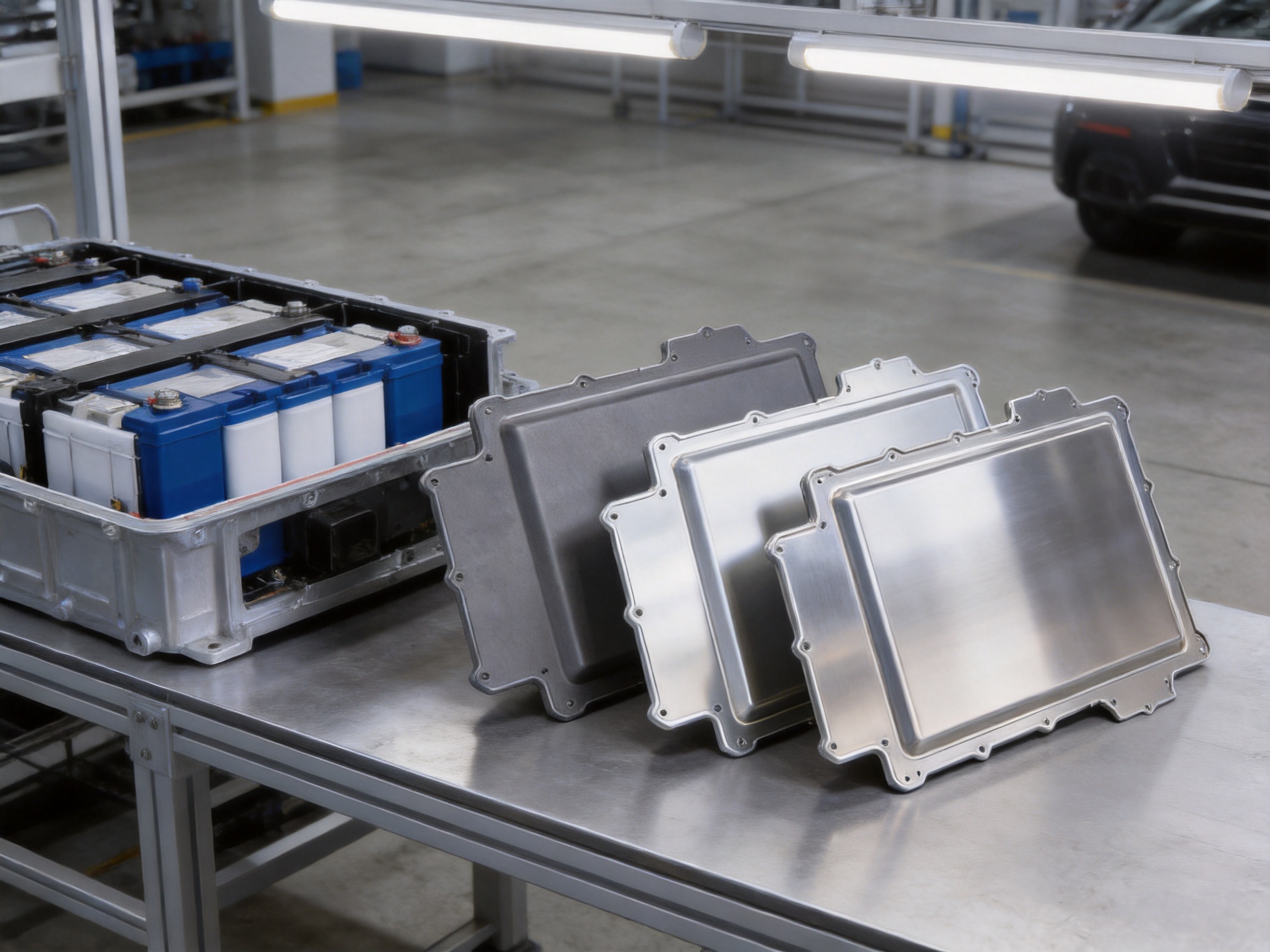
Precision Battery Cover Stamping Parts for Reliable Energy Enclosures
2026-09-28
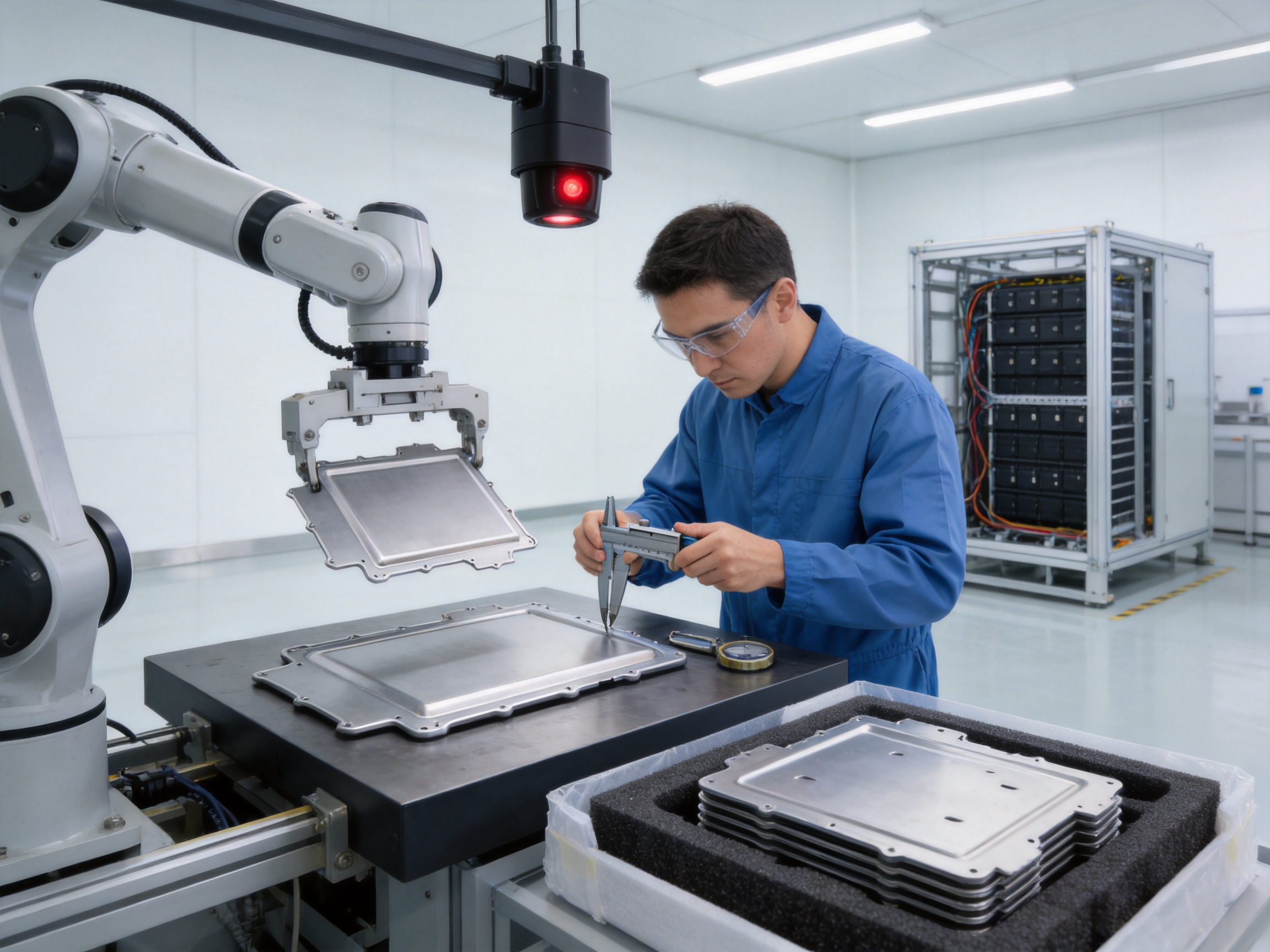
Battery cover stamping parts are essential structural components in automotive batteries, industrial power systems, and energy storage equipment. Although they may appear simple, these parts perform several important functions at the same time. They help close and reinforce a battery enclosure, protect internal battery modules from dust and moisture, support safe assembly, and contribute to the overall dimensional stability of the finished battery system.
Modern battery applications require more than basic sheet metal forming. Battery covers must fit accurately with casings, mounting structures, seals, terminals, and other related components. They must also maintain their shape during transportation, installation, vibration, temperature changes, and long-term service. For this reason, the quality of the stamping die, material selection, forming process, surface condition, and inspection procedure directly affects the performance of the final battery enclosure.
Precision-manufactured battery cover stamping parts provide an efficient solution for manufacturers that need stable quality, repeatable dimensions, and economical mass production. Produced from cold-rolled steel, aluminum alloy, stainless steel, or other suitable sheet materials, these components can be formed with holes, flanges, bends, reinforcing features, and other customized structures. Their design can be adapted to different battery models, enclosure dimensions, installation methods, and production requirements.
Through integrated mold design, stamping production, precision machining, and automation capabilities, Suzhou Shuangqisi Mold Equipment Co., Ltd. provides a complete manufacturing approach for battery cover stamping parts and related metal components. The company combines stamping die development with production equipment resources, technical personnel, inspection capabilities, and manufacturing experience to help customers achieve reliable products and controlled production costs.
Content
- 1 What Are Battery Cover Stamping Parts?
- 2 Applications Across Automotive and Energy Industries
- 3 Material Options for Battery Cover Stamping Parts
- 4 Product Features and Functional Advantages
- 5 Comparison with Alternative Manufacturing Methods
- 6 Advanced Stamping Die Design and Manufacturing
- 7 Press Equipment and Production Capacity
- 8 Integrated Stamping Automation Capabilities
- 9 Quality Control for Battery Cover Stamping Parts
- 10 Advantages Over Less Integrated Suppliers
- 11 Customization Options
- 12 Manufacturing Process from Design to Delivery
- 13 Why Surface Quality Matters in Battery Enclosures
- 14 Environmental and Operational Considerations
- 15 Company Manufacturing Strengths
- 16 Selection Guide for Buyers
- 17 Frequently Asked Questions
- 17.1 What materials can be used for battery cover stamping parts?
- 17.2 Can the parts include holes and flanges?
- 17.3 Are stamped battery covers suitable for mass production?
- 17.4 How are burrs and deformation controlled?
- 17.5 Can aluminum battery covers be stamped?
- 17.6 What press capacity is available?
- 17.7 Can the supplier provide the stamping die as well as the finished parts?
- 17.8 Is stamping automation available?
- 17.9 How should customers begin a project?
- 17.10 Can the parts be used for new energy vehicle batteries?
- 18 Conclusion
- 19 References
- 20 Product: Battery cover stamping parts
What Are Battery Cover Stamping Parts?
Battery cover stamping parts are formed sheet-metal components used to close, protect, reinforce, or organize battery enclosures. They are generally produced by placing a metal sheet or blank into a stamping die and applying controlled pressure through a punch press. Depending on the design, the process may include blanking, piercing, bending, drawing, forming, flanging, embossing, or multiple operations performed in sequence.
The final component can be a flat cover with mounting holes or a three-dimensional formed panel with peripheral flanges, steps, ribs, openings, and locating features. The exact configuration depends on the battery structure and the requirements of the equipment into which the battery will be installed.
In automotive applications, a battery cover may form part of an enclosure that protects battery modules, electrical connections, sensors, and control components. In industrial equipment, it may be used on power supply housings, control cabinets, compressor systems, or other assemblies requiring a strong and accurately fitted metal cover. In energy storage systems, the cover can support enclosure strength while helping isolate internal components from external environmental conditions.
The term “stamping part” does not refer only to the final metal component. It also reflects the manufacturing method behind the product. A successful stamping solution depends on the interaction between product engineering, die design, material behavior, press capacity, production speed, inspection, and process control. An accurately designed part can reduce assembly problems, minimize material waste, and support consistent large-volume production.
Applications Across Automotive and Energy Industries
Battery cover stamping parts are suitable for a broad range of applications where metal protection, enclosure stability, and repeatable assembly are required. Their ability to be customized makes them appropriate for both conventional battery systems and new energy equipment.
Automotive Battery Enclosures
Automotive battery systems require components that can withstand vibration, repeated thermal cycles, mechanical loading, and exposure to moisture or road contaminants. Battery cover stamping parts can be manufactured with reinforced edges, mounting flanges, positioning holes, and other features that allow them to integrate with vehicle battery trays and enclosure structures.
For new energy vehicles, the enclosure often includes multiple modules and complex internal arrangements. The cover must therefore meet specific requirements for size, flatness, hole location, sealing interfaces, and fastening. A stamping process is well suited to these requirements because the die can reproduce the same geometry across a large production run.
Industrial Batteries and Power Equipment
Industrial batteries are often installed in machinery, communication systems, backup power units, and control equipment. Their covers may need to accommodate cable passages, inspection openings, fastening points, or ventilation-related structures. Stamped covers can be designed with these details integrated into the forming process rather than added through multiple secondary operations.
Accurate stamped components also help industrial equipment manufacturers simplify assembly. When the cover aligns correctly with the base and related hardware, operators spend less time correcting fit problems. This can improve production efficiency and reduce the risk of damage during installation.
Energy Storage Systems
Energy storage systems use battery modules arranged in cabinets, containers, racks, or specialized enclosures. The covers and panels within these systems contribute to mechanical protection, maintenance access, and structural organization. Depending on the application, manufacturers may select cold-rolled steel for strength and cost efficiency, aluminum alloy for reduced weight, or stainless steel for enhanced corrosion resistance.
Battery cover stamping parts can be produced in different sizes and configurations to support customized energy storage designs. They can include reinforced areas around fasteners, bent edges for rigidity, and accurately positioned apertures for cables, terminals, sensors, or inspection access.
Compressors, Servo Drives, and Related Equipment
Battery and metal enclosure components are also relevant to manufacturers of compressors, servo drives, and other industrial products. A supplier with experience in multiple stamping applications can apply established process knowledge to different enclosure projects. This broader manufacturing background may help customers address forming, tolerance, tooling, and production issues more effectively.
Battery cover stamping parts
Material Options for Battery Cover Stamping Parts
Material selection influences the weight, strength, corrosion resistance, appearance, formability, and total cost of a battery cover. The most appropriate material depends on the battery application, the enclosure design, environmental exposure, required service life, and available joining or finishing methods.
Cold-Rolled Steel
Cold-rolled steel is widely used for stamped covers because it offers a practical balance of strength, formability, surface quality, and cost. Its relatively smooth surface is suitable for parts that require a clean appearance or additional coating. Cold-rolled steel can also provide sufficient rigidity for many automotive and industrial enclosure applications.
When the design includes flanges, bends, or shallow formed structures, the material grade should be selected according to the required deformation. Proper selection helps reduce cracking, excessive springback, and dimensional variation. The stamping die must also be designed around the material thickness and mechanical properties.
Aluminum Alloy
Aluminum alloy is useful when weight reduction is a significant priority. A lighter battery cover can contribute to improved vehicle efficiency, easier handling, or reduced structural load in energy storage equipment. Aluminum also offers natural corrosion resistance and can be suitable for applications where surface appearance is important.
However, aluminum alloys may behave differently from steel during forming. They can be more sensitive to surface damage, galling, springback, and certain types of deformation. Tool clearance, lubrication, forming radius, and process speed should therefore be carefully considered during die development.
Stainless Steel
Stainless steel is selected when the product requires enhanced resistance to corrosion, humidity, chemicals, or demanding operating environments. It may be appropriate for equipment installed in industrial locations or areas where maintenance access is limited.
Because stainless steel can have higher forming resistance and greater work-hardening characteristics, the tooling and press conditions must be matched to the material. Proper process planning can help maintain edge quality, dimensional accuracy, and surface condition.
Material Selection Considerations
Material selection should not be based solely on initial purchase price. A complete evaluation should consider thickness, tensile strength, yield behavior, elongation, corrosion exposure, forming complexity, joining method, coating requirements, and expected production volume.
The material should also be compatible with the intended sealing and assembly method. For example, the cover may need to work with a gasket, adhesive, weld, screw connection, or other fastening system. Accurate forming and consistent surface quality help ensure that the selected material performs reliably in the complete enclosure assembly.
Product Features and Functional Advantages
Consistent Dimensions
One of the main advantages of stamping is repeatability. Once the die and process have been properly developed, each production cycle can reproduce the same basic geometry. This is especially valuable for battery covers that must align with a matching enclosure, gasket, module support, or fastening structure.
Consistent dimensions help reduce assembly adjustment, improve interchangeability, and make downstream automation easier. They also allow manufacturers to establish more predictable inspection standards and production schedules.
Customized Holes and Openings
Battery cover stamping parts can be manufactured with customized holes and openings based on the requirements of the battery system. These may include mounting holes, cable passages, sensor openings, ventilation features, inspection points, and locating holes.
Integrating these features into the stamping die can reduce the need for separate drilling or cutting operations. This may shorten production time, reduce handling, and improve the positional relationship between different features.
Flanges and Bending Structures
Flanges and bent edges improve the rigidity of a cover and provide useful interfaces for fastening or sealing. They can also help prevent deformation during handling. The geometry of these structures can be adapted to the enclosure design, available installation space, and required load-bearing performance.
Careful control of bending radius and forming sequence is important. If the process is not properly planned, the part may experience cracking, excessive springback, distortion, or interference with other components. Die engineering and trial production are therefore essential for complex cover designs.
Smooth Surface and Reduced Burrs
A smooth surface is beneficial for appearance, coating, handling, and assembly. Controlled cutting clearance and suitable tooling conditions help reduce burrs around pierced or blanked edges. Lower burr levels can improve operator safety and reduce the possibility of interference with seals, cables, or adjacent parts.
Surface quality also matters when a cover receives painting, plating, powder coating, or another protective treatment. A stable base surface can support more consistent finishing results and help improve the visual quality of the finished enclosure.
Structural Stability
A battery cover should maintain its designed shape during storage, transportation, installation, and service. Stamped designs can incorporate ribs, steps, flanges, or formed contours that increase stiffness without requiring excessive material thickness.
Improved structural stability can help protect internal battery components from external impacts and reduce cover deformation under fastening loads. It may also support more reliable sealing when the cover is installed with a gasket or other sealing interface.
Corrosion Resistance
Corrosion resistance depends on material selection, surface treatment, operating conditions, and design details. Stainless steel and aluminum alloy may offer inherent advantages in certain environments, while cold-rolled steel can be protected through painting, coating, plating, or other finishing processes.
Suitable material and finish selection can help the battery cover withstand humidity, condensation, industrial atmospheres, and other environmental factors. The design should also minimize areas where water or contaminants can accumulate.
Suitability for Mass Production
Stamping is particularly suitable for medium- and high-volume production. After the tooling has been developed and validated, the same die can be used to manufacture large quantities of parts with stable cycle times and repeatable dimensions.
Compared with processes that rely heavily on manual cutting and forming, stamping can reduce labor intensity and improve production consistency. It can also provide a more predictable cost structure for manufacturers planning regular orders.
Comparison with Alternative Manufacturing Methods
Battery covers can be manufactured through several methods, including laser cutting and bending, machining, casting, fabrication welding, and stamping. Each method has appropriate uses, but stamping offers distinct advantages for components requiring repeatability and scalable production.
| Manufacturing method | Main strengths | Potential limitations | Suitable production situation |
|---|---|---|---|
| Stamping | High repeatability, fast cycle times, integrated holes and bends, suitable for mass production | Requires investment in tooling and process development | Repeated production of standardized or customized sheet-metal parts |
| Laser cutting and bending | Flexible for prototypes and low-volume variations | More operations may be required; cycle cost can rise at high volume | Samples, prototypes, and frequently changing designs |
| CNC machining | High accuracy and flexibility for complex solid geometries | Material waste and processing time may be high for sheet covers | Small quantities or parts requiring extensive material removal |
| Welded fabrication | Useful for large structures and assemblies made from several pieces | Weld distortion, additional labor, and more variable appearance | Large or heavy enclosures with multi-piece construction |
| Casting | Can create certain complex three-dimensional shapes | Different tooling requirements and possible weight increase | Thicker components and designs suited to cast construction |
Stamping is not automatically the best method for every battery cover. It is most effective when the design, material, order quantity, and dimensional requirements are compatible with sheet-metal forming. A qualified manufacturer should evaluate the part geometry and recommend the appropriate tooling and production route.
Compared with laser cutting and bending, stamping can combine several features into fewer production steps. Compared with machining, it can use material more efficiently and reduce cycle time for sheet components. Compared with welded fabrication, it can avoid some weld-related distortion and provide a more uniform single-piece structure.
Advanced Stamping Die Design and Manufacturing
The stamping die is the foundation of product quality. A well-designed die controls the movement of the sheet, defines the finished geometry, and determines how efficiently the part can be produced. Die design must account for material properties, thickness, forming sequence, press capacity, expected production volume, maintenance requirements, and dimensional tolerances.
Engineering Review
The process begins with an evaluation of the customer’s drawings, three-dimensional data, material specifications, annual demand, and assembly requirements. Engineers review the part shape to identify potential forming risks, sharp transitions, difficult bends, insufficient radii, and areas where springback may affect accuracy.
They may also assess whether holes should be pierced before or after forming, whether several operations can be combined, and whether the part should be produced using a progressive die, transfer die, compound die, or single-operation tooling. The selected approach influences tooling cost, production speed, maintenance, and part quality.
Die Structure Development
Die components must be designed to provide reliable guidance, sufficient strength, accurate alignment, and convenient maintenance. Critical areas may include punches, dies, guide posts, guide bushings, stripper plates, pilots, inserts, lifters, and forming blocks.
For battery covers with multiple holes and bends, the sequence of operations should prevent interference between features. The die should also control material movement to reduce wrinkling, tearing, distortion, or unwanted marks on visible surfaces.
Precision Machining
After the design is confirmed, die components are manufactured through precision machining processes. The company is equipped with imported wire cutting machines, CNC machining centers, and more than ten grinding machines of different sizes. These resources support the production of accurate die components and provide flexibility for different tooling dimensions.
Wire cutting is useful for producing precise profiles and intricate die features. CNC machining centers can create accurately positioned cavities, mounting surfaces, and structural components. Grinding machines help achieve controlled flatness, surface finish, and dimensional accuracy on critical die parts.
Trial Stamping and Debugging
Tooling must be tested before it is released for stable production. Trial stamping allows engineers and experienced operators to evaluate material flow, part dimensions, burr condition, forming quality, and die operation. If necessary, adjustments are made to clearances, forming surfaces, guide systems, pressure settings, or process sequence.
Experienced debugging personnel are especially important when a part has several forming stages or demanding assembly tolerances. Their practical knowledge can help identify the difference between a design issue, a tooling issue, a material issue, and a press-setting issue.
Continuous Improvement
Tooling performance can be improved through production feedback. Measurements from initial runs may lead to refinements in forming radii, positioning features, stripper pressure, or maintenance intervals. Continuous improvement helps maintain product quality while reducing unnecessary downtime and material loss.
Press Equipment and Production Capacity
Press selection should match the material, part size, forming depth, operation type, and required production volume. A press that is too small may produce unstable results or excessive wear, while a press that is unnecessarily large may increase operating cost and reduce efficiency.
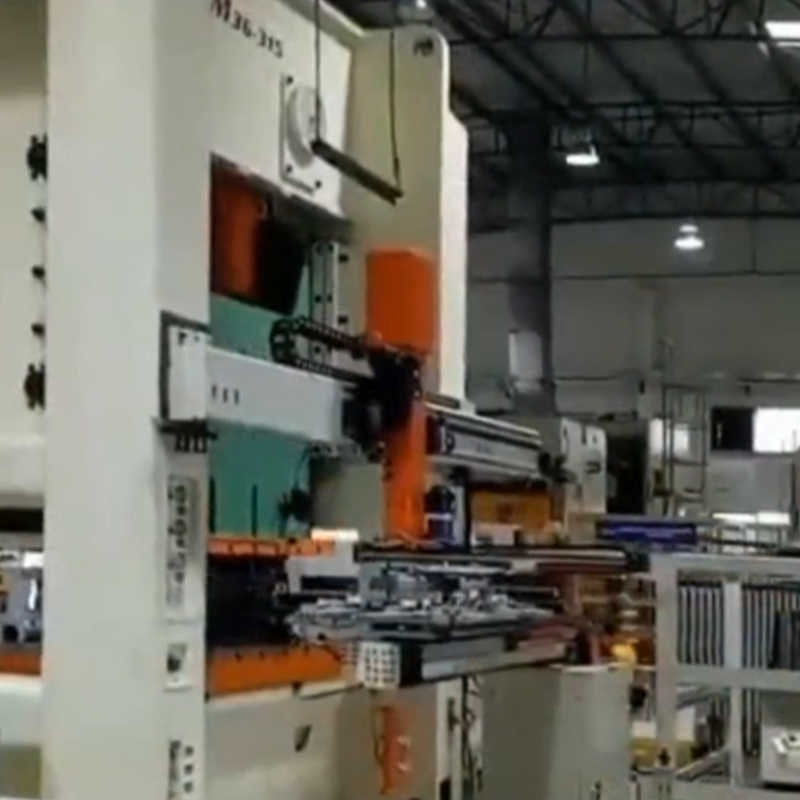
The manufacturing facility has 25 punch presses ranging from 80 tons to 400 tons. This range allows different battery cover designs to be matched with appropriate forming capacity. Smaller components and lighter operations can be assigned to suitable lower-tonnage equipment, while larger or more demanding parts can be processed on higher-capacity presses.
Multiple press sizes also improve production flexibility. Customers may require prototypes, trial batches, medium-volume production, or long-term mass production. A manufacturer with varied equipment can organize production according to part requirements rather than relying on one press type for every order.
Stable press operation is supported by proper die installation, correct stroke settings, suitable feed methods, regular maintenance, and trained operators. Production planning should also consider material handling, blank preparation, inspection frequency, and finished-part packaging.
Integrated Stamping Automation Capabilities
Automation can improve production consistency, handling efficiency, and operator safety. Depending on the part and production volume, automated equipment may be used for feeding, transferring, positioning, unloading, stacking, or connecting multiple operations.
Integrated stamping and automation capabilities are valuable because tooling and automation influence each other. A die designed without considering automatic feeding may require later modifications. Conversely, an automation system must be compatible with the part geometry, press stroke, transfer distance, blank orientation, and unloading method.
Through its investment in Suzhou Keshuang Intelligent Technology Co., Ltd., the company also has access to stamping automation equipment capabilities. This supports the development of turnkey solutions that combine stamping dies, production equipment, and process integration.
Automation may provide several practical benefits:
First, it can reduce manual handling between operations. This helps maintain a more consistent part orientation and reduces the risk of accidental dents or scratches.
Second, automation can improve cycle consistency. A controlled feeding or transfer system may produce more uniform timing than a fully manual process.
Third, automation can enhance workplace safety by reducing the need for operators to place and remove parts close to moving tooling.
Fourth, automated production can support data collection and process monitoring. Depending on the system configuration, manufacturers may track production counts, stoppages, fault conditions, and maintenance information.
Not every battery cover requires a fully automated line. The appropriate level of automation depends on order quantity, product geometry, labor conditions, investment objectives, and expected production life. A balanced solution can provide meaningful efficiency improvements without unnecessary complexity.
Quality Control for Battery Cover Stamping Parts
Quality control should cover the entire manufacturing process, not only the final inspection. Reliable results begin with material verification and continue through die manufacturing, trial stamping, production monitoring, dimensional inspection, surface evaluation, and packaging.
Incoming Material Verification
Material should be checked against the approved specification before production. Important information may include material grade, thickness, width, surface condition, coil or sheet identification, and supplier documentation. Material consistency is essential because changes in strength or thickness can affect forming behavior and final dimensions.
Die and Tooling Inspection
Critical die components should be inspected before assembly and after maintenance. Correct dimensions, surface condition, alignment, and fastening are necessary for stable operation. Wear on punches, cutting edges, guides, or forming surfaces can gradually affect burrs, hole size, part shape, and repeatability.
First-Article Inspection
First-article inspection confirms that the initial production parts meet the drawing and technical requirements. Inspectors may verify overall dimensions, hole position, flange height, bend angle, flatness, surface condition, and edge quality.
First-article results provide a baseline for later production. If a problem is found, it is more efficient to correct the process before a large quantity of nonconforming parts is produced.
In-Process Inspection
During production, selected dimensions and visual characteristics should be checked at defined intervals. The frequency depends on part complexity, tolerance requirements, production speed, and historical process stability.
In-process inspection can identify gradual changes caused by die wear, material variation, press adjustment, or incorrect feeding. Early detection helps reduce scrap and supports timely corrective action.
Final Inspection and Packaging
Finished parts should be checked for conformity before shipment. Packaging must prevent deformation, abrasion, moisture exposure, and mixing of different specifications. Protective separators or suitable stacking methods may be used when the visible surface is sensitive to scratches.
Correct labeling is also important. Packaging information may include part number, material, quantity, production batch, inspection status, and customer-specific identification. Clear organization supports traceability and helps customers manage incoming materials efficiently.
Advantages Over Less Integrated Suppliers
Customers comparing stamping suppliers should evaluate more than the unit price of the finished part. Tooling quality, engineering support, production capacity, equipment condition, communication, quality systems, delivery performance, and after-sales service all influence the true cost of a project.
An integrated manufacturer can provide advantages by coordinating die design, die manufacturing, stamping, automation, and technical service within a connected production system. This may reduce communication gaps between separate suppliers and make it easier to solve problems involving both tooling and production.
One Source for Die and Part Development
When the die maker and stamping producer work as separate organizations, responsibility for dimensional problems may be difficult to determine. An integrated supplier can evaluate the tooling and the production process together, helping shorten the time required for technical decisions.
Flexible Equipment Resources
A range of CNC, wire cutting, grinding, and punch press equipment provides flexibility for different part sizes and project stages. This is helpful when customers need both tooling development and repeat production from the same technical partner.
Experience in Multiple Industries
Experience serving servo drive, compressor, new energy vehicle, and other industrial customers can provide a broader understanding of stamped enclosure components. Knowledge gained from one application may help engineers recognize common forming risks in another.
Cost and Quality Coordination
Competitive pricing is valuable only when it is combined with stable quality. Excessively low initial pricing may be offset by die repairs, inconsistent parts, delayed delivery, assembly rework, or material waste. A manufacturer with in-house capabilities can coordinate process choices with cost targets while protecting essential quality requirements.
Support for Turnkey Solutions
Some customers need more than a finished metal part. They may require stamping dies, automation equipment, production line planning, process debugging, or investment in supporting equipment. A supplier capable of delivering a broader solution can reduce the number of external interfaces involved in the project.
Customization Options
Battery cover stamping parts can be customized according to drawings, samples, technical specifications, and assembly requirements. Common customization areas include:
Material type and thickness can be selected according to strength, weight, corrosion resistance, and forming requirements.
Overall length, width, height, and forming depth can be adapted to the battery enclosure.
Mounting holes and openings can be positioned for fasteners, cables, sensors, terminals, or access requirements.
Flanges, steps, ribs, and bends can be added to improve stiffness or create fastening and sealing interfaces.
Surface treatment can be selected according to appearance, corrosion protection, electrical requirements, and operating environment.
Packaging can be designed to protect the parts during storage and transportation while supporting efficient customer-side handling.
Production quantity and tooling structure can be planned around prototype, small-batch, medium-volume, or mass-production requirements.
Customers should provide complete technical information whenever possible. Useful information includes two-dimensional drawings, three-dimensional models, material specifications, tolerance requirements, annual demand, application environment, assembly method, and inspection standards. When the design is still under development, technical discussion with the manufacturer may help identify opportunities to simplify forming or improve manufacturability.
Manufacturing Process from Design to Delivery
Step One: Requirement Confirmation
The supplier reviews the product drawings, materials, dimensions, tolerances, production quantity, and intended application. Questions concerning sealing, corrosion resistance, surface treatment, assembly, and packaging should be clarified at this stage.
Step Two: Product and Process Analysis
Engineers analyze the geometry and determine how the sheet should be blanked, pierced, bent, or formed. Potential risks such as springback, cracking, wrinkling, interference, and excessive burrs are considered before tooling begins.
Step Three: Die Design
The die structure, forming sequence, guide system, cutting clearances, material support, and maintenance access are developed. The selected die type should match the part shape and production volume.
Step Four: Die Manufacturing
Die components are produced using wire cutting, CNC machining, grinding, and related precision processes. Components are assembled and checked to ensure correct fit and alignment.
Step Five: Trial Production
Initial parts are stamped and inspected. Engineers and operators evaluate forming behavior, surface condition, part dimensions, and press operation. Adjustments are made until the process reaches the required level of stability.
Step Six: Production Validation
A production validation run confirms that the tooling and process can deliver conforming parts at the intended operating conditions. Inspection results are recorded and any remaining issues are addressed.
Step Seven: Regular Production
Approved parts are produced according to the customer’s delivery schedule. Operators monitor the press, material feeding, tooling condition, and part quality throughout the run.
Step Eight: Final Inspection and Shipment
Finished parts are inspected, counted, labeled, and packaged. The shipment is prepared to reduce the risk of damage, contamination, or specification mix-up during transportation.
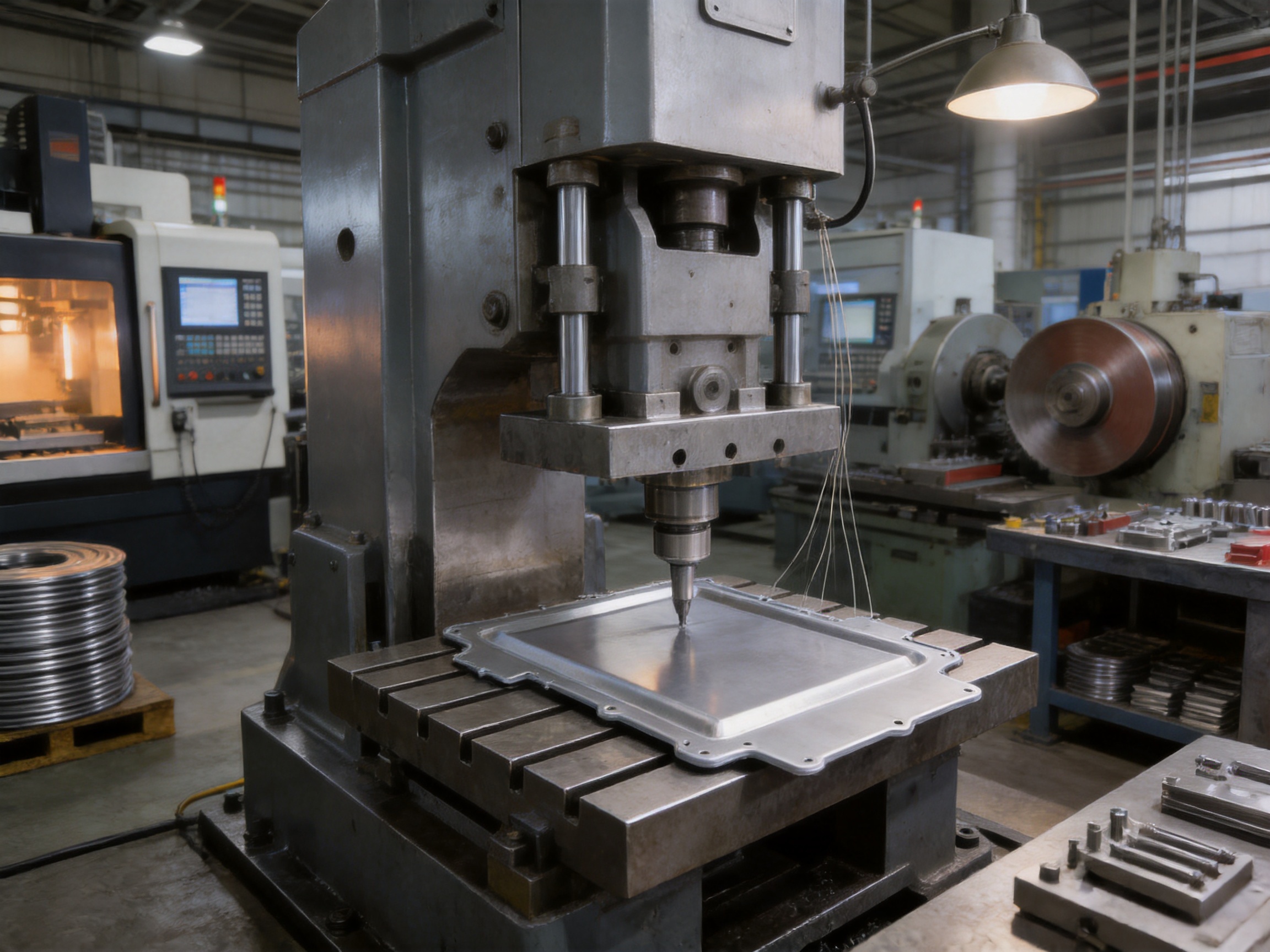
Why Surface Quality Matters in Battery Enclosures
The surface of a battery cover affects more than appearance. Sharp burrs, dents, scratches, or deformation can interfere with installation and may create problems during sealing, coating, handling, or electrical assembly.
A smooth surface can help improve the contact between the cover and a gasket or adhesive. It can also reduce the likelihood of damage to wires, insulation, protective films, or nearby components. When the part will receive a coating, a stable surface supports more uniform coverage and appearance.
Surface quality depends on several factors, including material condition, die clearance, cutting-edge sharpness, forming pressure, lubrication, handling, and packaging. It is therefore necessary to control the complete process rather than relying only on final visual sorting.
Environmental and Operational Considerations
Battery covers may operate in environments involving humidity, temperature variation, vibration, dust, chemicals, and mechanical shock. The design and manufacturing process should reflect these conditions.
For humid or corrosive environments, stainless steel, aluminum alloy, or a suitable protective coating on cold-rolled steel may be considered. For vibration-prone applications, the cover may require reinforced edges, secure fastening, and sufficient stiffness. For systems exposed to frequent maintenance, the design should allow repeated removal and installation without excessive deformation.
Manufacturers should also consider the relationship between the cover and the rest of the enclosure. A strong cover cannot compensate for an unsuitable gasket, weak fasteners, poor drainage design, or inaccurate mating casing. The best result is achieved when the cover is developed as part of the complete battery enclosure system.
Company Manufacturing Strengths
Suzhou Shuangqisi Mold Equipment Co., Ltd. is a professional manufacturer integrating stamping die design, mold manufacturing, hardware part production, and service. The company has approximately 15 years of experience in the mold industry and a technical team of 60 personnel.
Its production resources include imported wire cutting machines, CNC machining centers, more than ten grinding machines of various sizes, and 25 punch presses ranging from 80 tons to 400 tons. This equipment base supports both precision tooling and production of stamped components in different sizes and configurations.
The company’s senior operators and experienced debugging personnel contribute practical knowledge during die trials and production adjustment. This experience is important for products requiring multiple forming steps, accurate hole locations, controlled bending, or consistent surface quality.
The company has served customers including Anter Group, Ousheng Electric, Dongbei Group, and Huichuan Technology, supplying molds and products for servo drives, compressors, and new energy vehicles. These application areas require dependable metal components and provide experience relevant to battery cover stamping parts.
In 2016, the company invested in and established Suzhou Keshuang Intelligent Technology Co., Ltd., which focuses mainly on stamping automation equipment. This development expanded the company’s ability to support customers with integrated stamping and automation solutions.
The company’s stated strengths include integrated mold-making and stamping automation capabilities, technical expertise, cost and quality control, and a focus on creating customer value. For customers developing battery enclosures, these capabilities can help simplify supplier coordination and support the transition from product design to repeatable manufacturing.
Selection Guide for Buyers
When selecting a supplier for battery cover stamping parts, buyers should review the following areas.
First, confirm whether the supplier has experience with the selected material. Steel, aluminum, and stainless steel require different forming strategies and tooling considerations.
Second, check whether the supplier can design and manufacture the stamping die internally. In-house die capability may improve response speed when design adjustments or maintenance are needed.
Third, review press capacity and equipment availability. The supplier should have suitable machines for the part size, material thickness, forming requirements, and planned production quantity.
Fourth, ask about inspection procedures. A reliable supplier should be able to explain how it controls material, tooling, first articles, in-process parts, final dimensions, and packaging.
Fifth, consider automation requirements. If the project will involve high-volume production, automated feeding, transfer, unloading, or stacking may improve efficiency and stability.
Sixth, evaluate communication and technical support. Clear communication during design review, sampling, modification, and production planning can prevent avoidable delays.
Finally, compare total project value rather than only the quoted unit price. Tooling life, delivery reliability, maintenance support, quality consistency, and production scalability all contribute to long-term cost performance.
Frequently Asked Questions
What materials can be used for battery cover stamping parts?
Common options include cold-rolled steel, aluminum alloy, and stainless steel. The selection depends on strength, weight, corrosion resistance, forming behavior, surface requirements, and application environment.
Can the parts include holes and flanges?
Yes. Battery cover stamping parts can be customized with mounting holes, cable openings, sensor apertures, flanges, bends, steps, ribs, and other forming structures according to the product design.
Are stamped battery covers suitable for mass production?
Yes. Stamping is particularly suitable for repeated production because a validated die can produce consistent parts at efficient cycle times. It is often more economical than highly manual methods when production volume is sufficiently high.
How are burrs and deformation controlled?
Burrs and deformation are controlled through suitable material selection, die clearance, cutting-edge condition, forming sequence, press settings, tooling alignment, and regular inspection. Trial stamping and process debugging are important before regular production.
Can aluminum battery covers be stamped?
Yes. Aluminum alloy can be stamped, but the die and process should account for its forming characteristics, springback, surface sensitivity, lubrication needs, and potential galling. Proper process development is important for consistent results.
What press capacity is available?
The company has 25 punch presses ranging from 80 tons to 400 tons. The appropriate press depends on the part size, material, thickness, forming depth, die structure, and required production conditions.
Can the supplier provide the stamping die as well as the finished parts?
Yes. The company integrates stamping die design and manufacturing with hardware part production. This allows customers to discuss tooling and component production with one technical partner.
Is stamping automation available?
Yes. Through its related automation equipment capabilities, the company can support stamping automation solutions, including equipment integration and turnkey production approaches when required by the customer.
How should customers begin a project?
Customers can provide drawings, three-dimensional models, material and thickness information, tolerance requirements, estimated annual quantity, surface specifications, and application details. The supplier can then evaluate manufacturability and recommend a suitable tooling and production plan.
Can the parts be used for new energy vehicle batteries?
Yes. The parts are suitable for battery enclosure applications in new energy vehicles when the design, material, dimensional requirements, corrosion protection, and assembly conditions are appropriately specified.
Conclusion
Battery cover stamping parts are important components in automotive, industrial, and energy storage battery enclosures. Their value comes from the combination of accurate forming, structural stability, surface quality, corrosion resistance, and efficient production. Properly designed covers can protect internal battery components, support reliable assembly, and contribute to the durability of the complete enclosure.
Compared with less integrated manufacturing approaches, a stamping solution supported by in-house die design, precision machining, press production, debugging, inspection, and automation can provide stronger control over quality, cost, and delivery. The ability to produce customized holes, flanges, bends, and reinforcing structures further expands the application range of these components.
Suzhou Shuangqisi Mold Equipment Co., Ltd. combines mold manufacturing, stamping production, technical personnel, varied press capacity, and automation capabilities to support customers seeking dependable battery cover solutions. Its equipment resources, industry experience, and integrated approach provide a practical foundation for developing both custom tooling and repeat-production metal parts.
For manufacturers planning a new battery enclosure or improving an existing design, early cooperation with an experienced stamping supplier can help identify suitable materials, simplify forming operations, reduce production risks, and establish a reliable path from engineering concept to mass production.
References
1. Standard engineering principles for sheet-metal stamping, blanking, bending, and forming process design.
2. General guidelines for material selection in automotive and industrial metal enclosures.
3. Manufacturing quality-control practices for stamped metal components and precision tooling.
4. Technical references on aluminum alloy forming, springback control, and surface protection.
5. Technical references on stainless steel stamping, corrosion resistance, and work-hardening behavior.
6. General industry practices for battery enclosure design, sealing interfaces, and protective structures.
7. Manufacturing engineering references concerning punch press capacity, die maintenance, and production automation.
Product: Battery cover stamping parts
Previous Post
High-Precision Car Seat Stamping Parts for Safe, Durable Automotive Seat Structures
Next Post
Automatic Riveting Mold for Large Computer Machine Bases: Precision, Automation, and Production Efficiency
Our Products.
Start Your Business with an OEM Manufacturer Right Here!

Provide global customers with complete turn-key solutions
through
innovation!
QUICK LINKS
CONTACT INFO.
-
 +86-139 1308 8972
-

-
 No. 118 Yexin Road, Wujiang Economic Development Zone, Suzhou, China
Copyright © Suzhou Shuangqisi Mold Equipment Co., Ltd. All Rights Reserved. Custom Stamping Die Metal Stamping Die Manufacturers
