 English
 Español
 Deutsch
-
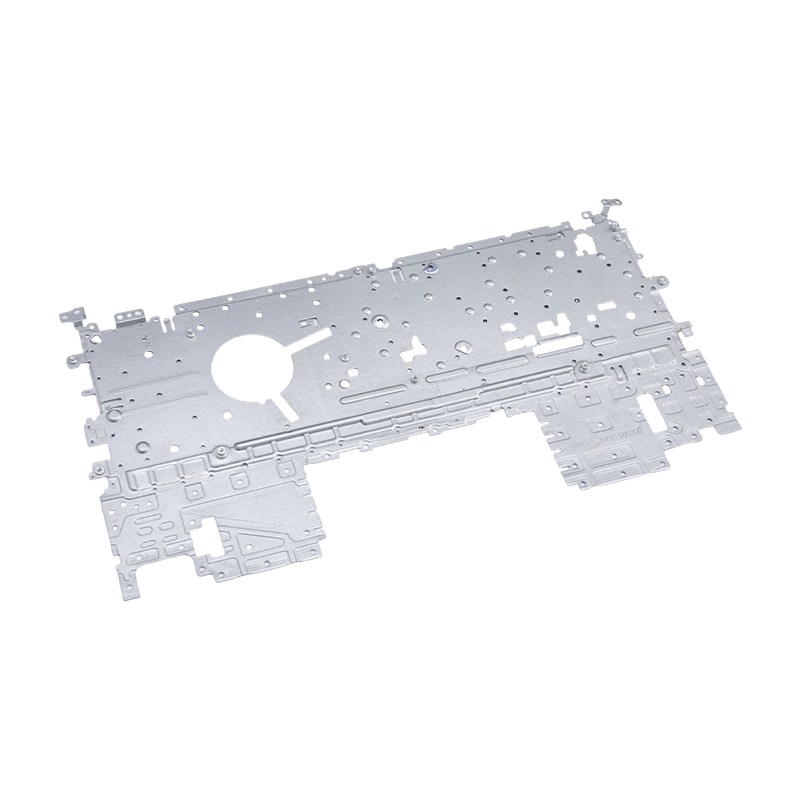
Laptop stamping parts
Our laptop stamping parts are precision-manufactur...
-
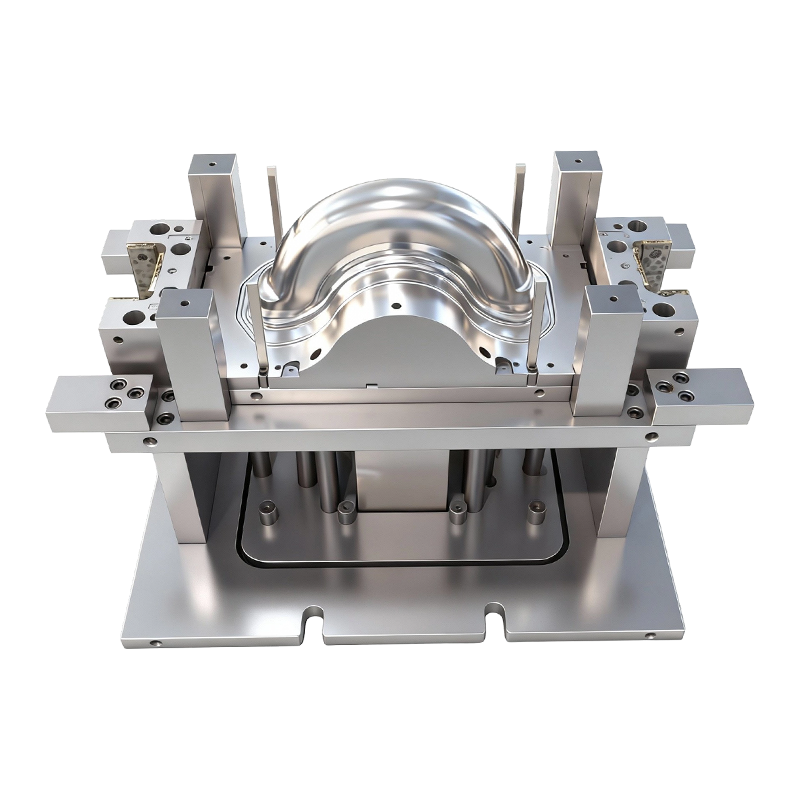
Deep drawing mold for front and rear wheels of two-wheeled electric vehicles
This Deep drawing mold for front and rear wheels o...
-
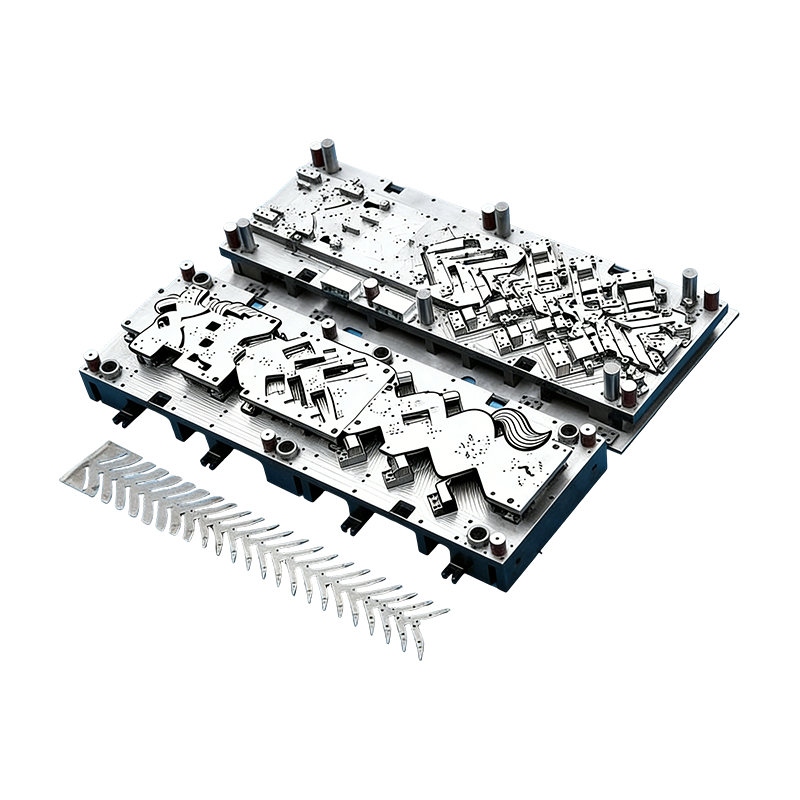
Progressive molds for automotive parts
This Continuous mold for automotive motor housing ...
-
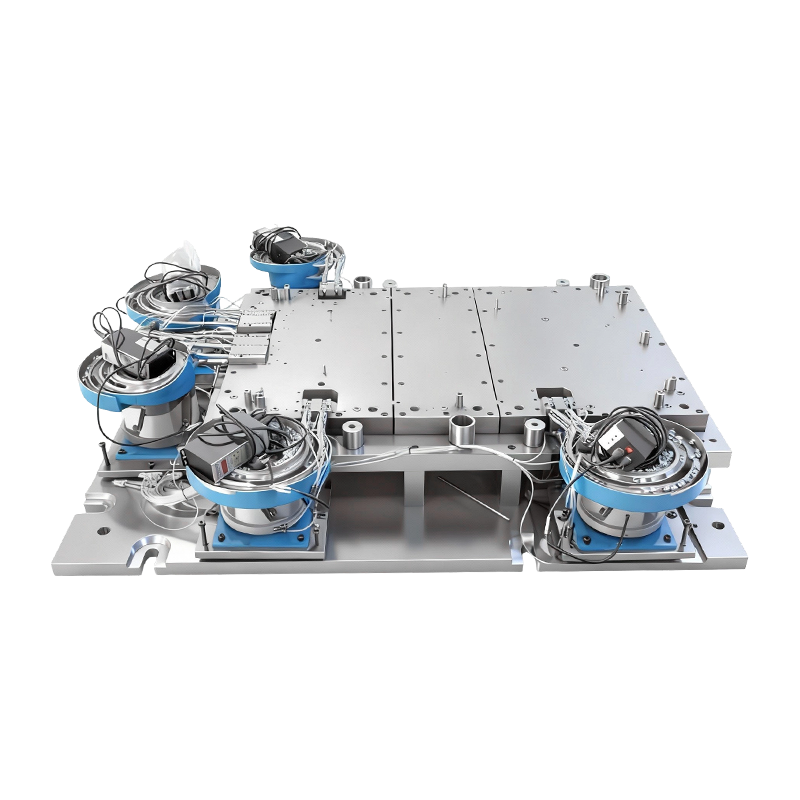
Automatic riveting mold for large computer machine base
This Automatic Riveting Mold for Large Computer Ma...
-
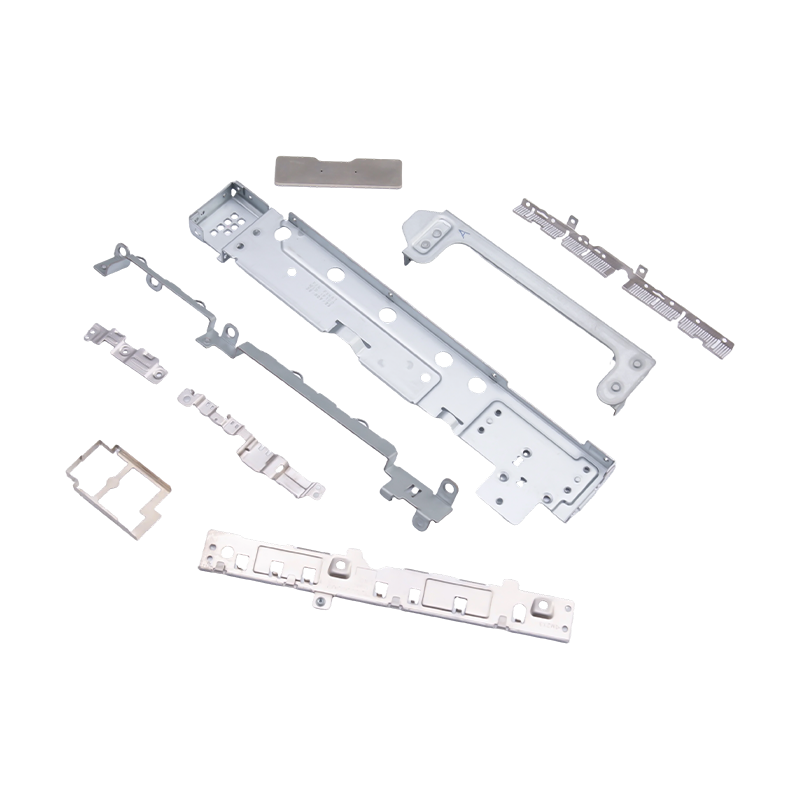
Small stamped parts for laptops and mobile phones
As essential internal components for modern portab...
- E-mail us: [email protected]
- Call us: +86-139 1308 8972

Liu Yanan – After-Sales Service Engineer
Home / Author / Liu Yanan – After-Sales Service Engineer / Precision Laptop Stamping Parts for Lightweight, Reliable Computer Assemblies
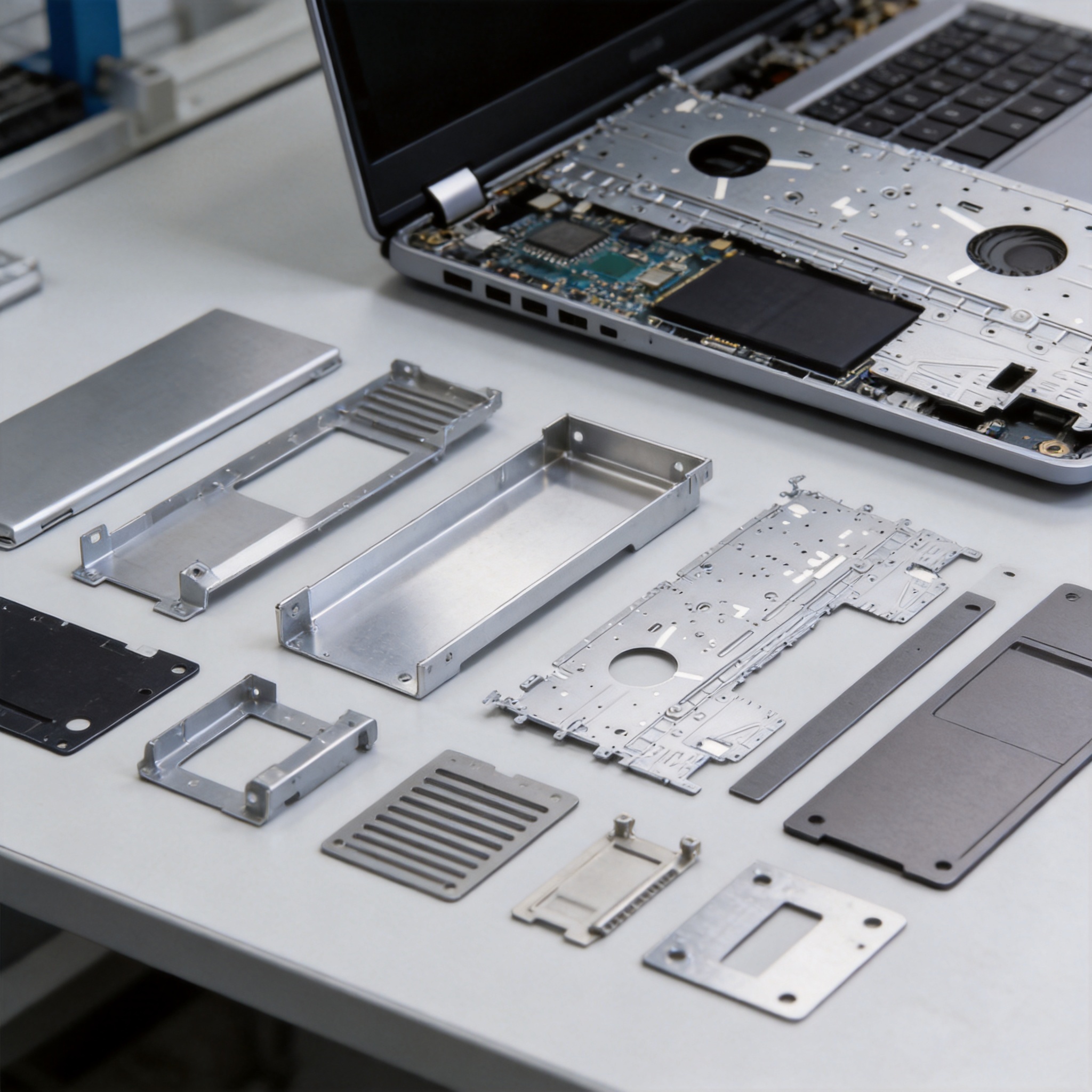
Precision Laptop Stamping Parts for Lightweight, Reliable Computer Assemblies
2026-09-01
Laptop stamping parts are essential metal components used in modern notebook computers, including chassis reinforcements, internal brackets, mounting plates, hinge supports, shielding structures, battery retainers, keyboard frames, and other structural assemblies. Although many of these parts are small and hidden inside the finished device, their dimensional accuracy, mechanical strength, surface quality, and consistency have a direct effect on laptop performance, assembly efficiency, durability, and product appearance.
Our laptop stamping parts are precision-manufactured for laptop manufacturers, electronics assemblers, original equipment manufacturers, and engineering companies that require stable, repeatable, and cost-effective metal components. Manufactured from suitable grades of cold-rolled steel, aluminum alloy, or magnesium alloy, the parts are developed according to customer drawings, three-dimensional data, samples, or technical specifications. Advanced stamping, forming, deburring, inspection, and surface treatment processes help ensure that every component is suitable for demanding electronic equipment applications.
Compared with general-purpose stamped hardware, laptop stamping parts require a more careful balance between rigidity, weight, electrical compatibility, appearance, and assembly precision. A component that is too thin may deform during assembly or fail to provide sufficient support. A component that is too heavy may conflict with the lightweight design objectives of portable computers. A component with inaccurate holes, poor flatness, or rough edges can create interference with circuit boards, cables, fasteners, hinges, batteries, or housings.
For this reason, the manufacturing process must combine accurate tooling, stable press production, experienced operators, effective quality control, and close communication with the customer’s engineering team. Our integrated capabilities in stamping die design, die manufacturing, metal stamping, and stamping automation allow us to support the complete production cycle from initial concept to repeat delivery.
Laptop stamping parts
Content
- 1 Understanding the Role of Laptop Stamping Parts
- 2 Product Advantages of Precision Laptop Stamping Parts
- 3 Material Selection for Laptop Stamping Applications
- 4 Advanced Manufacturing Process
- 5 Manufacturing Equipment and Technical Strength
- 6 Integrated Stamping Die and Automation Capability
- 7 Why These Parts Offer Advantages Over General Stamped Components
- 8 Quality Control and Reliability Management
- 9 Customization Based on Drawings and Samples
- 10 Applications Across Laptop Product Structures
- 11 Production Capacity and Industry Experience
- 12 From Prototype to Mass Production
- 13 How to Select a Laptop Stamping Parts Supplier
- 14 Technical Factors That Influence Cost
- 15 Environmental and Operational Considerations
- 16 Benefits for Laptop Manufacturers
- 17 Frequently Asked Questions
- 17.1 What are laptop stamping parts?
- 17.2 Which materials can be used for these parts?
- 17.3 Can the parts be manufactured according to customer drawings?
- 17.4 Why is stamping suitable for laptop components?
- 17.5 How are burrs and sharp edges controlled?
- 17.6 Can stamped parts be supplied with surface treatment?
- 17.7 What press capacities are available?
- 17.8 Can the supplier provide stamping automation equipment?
- 17.9 How can a customer begin a project?
- 17.10 Are the parts suitable for high-volume production?
- 18 Conclusion
- 19 References
- 20 Product: Laptop stamping parts
Understanding the Role of Laptop Stamping Parts
A laptop is a highly integrated product containing a display assembly, motherboard, processor, memory, storage, cooling system, battery, keyboard, touchpad, speakers, ports, hinges, and protective housings. These systems must fit into a compact space while maintaining structural stability and allowing efficient assembly. Stamped metal parts help connect, protect, reinforce, and position these systems.
Many laptop components are formed from sheet metal because sheet metal provides an excellent combination of strength, flexibility, manufacturability, and cost efficiency. Through stamping, a flat metal sheet can be transformed into a component with holes, bends, ribs, embossments, tabs, slots, channels, and other functional features. A single stamping operation or progressive die can produce multiple features with consistent positioning.
Typical laptop stamping applications include:
• Internal mounting brackets for circuit boards, fans, speakers, and storage devices.
• Reinforcement plates for display frames, palm rests, and bottom covers.
• Hinge support structures designed to withstand repeated opening and closing cycles.
• Battery brackets and retainers that maintain secure positioning during transportation and use.
• Keyboard support frames that improve rigidity and reduce surface deflection during typing.
• Shielding or grounding components used around electronic modules.
• Heat dissipation supports and structural pieces near cooling systems.
• Port brackets, cable guides, and connector support plates.
• Small clips, tabs, fastening plates, and snap-fit hardware for efficient assembly.
• Chassis components that help maintain housing geometry and protect internal assemblies.
The correct design of each part depends on its function. A hinge bracket must tolerate repeated mechanical loads. A circuit board support must maintain accurate hole positions and standoff heights. A battery retainer must provide reliable restraint without damaging the battery housing. A keyboard frame must offer rigidity while remaining thin and lightweight. These different requirements are addressed through material selection, die design, forming analysis, tolerance planning, and process control.
Product Advantages of Precision Laptop Stamping Parts
High Dimensional Accuracy
Dimensional consistency is one of the most important advantages of precision stamping. Laptop assemblies contain many compact components positioned within small clearances. Hole locations, bend angles, tab dimensions, and overall flatness must be controlled so that parts can be installed without forced adjustment or repeated manual correction.
Precision stamping dies guide the material through repeatable forming operations. Properly designed punch and die clearances help control cutting quality and reduce burr formation. Accurate die alignment supports consistent hole positions and profiles across large production batches. When the tooling, press, material, and process parameters are properly matched, the resulting parts can meet demanding electronic assembly requirements.
Lightweight Structural Performance
Portable computers are designed to be thin and light, but weight reduction must not compromise structural reliability. Aluminum alloy and magnesium alloy can provide useful weight savings, while cold-rolled steel offers high strength and excellent resistance to deformation in applications that require greater rigidity.
Stamped features such as beads, ribs, flanges, embossments, and formed channels can increase stiffness without requiring a substantial increase in material thickness. This allows engineers to design parts that are lightweight but sufficiently rigid for their intended function. The result is a more efficient use of material and a better balance between portability and durability.
Reliable Hole and Snap-Fit Structures
Laptop parts often contain precision holes for screws, locating pins, rivets, or connectors. They may also include snap-fit structures that allow fast installation without additional fasteners. Accurate hole positioning reduces assembly difficulties and ensures that connected components remain aligned.
Snap-fit features can shorten assembly time and reduce the need for separate hardware. However, these features must be designed with suitable elasticity, clearance, and forming accuracy. Excessive force can damage the mating component, while insufficient retention can cause looseness or noise. Controlled stamping and forming processes help produce repeatable tabs, clips, and retaining structures.
Smooth Edges and Reduced Post-Processing
Sharp edges and excessive burrs can damage cables, insulation, circuit boards, batteries, or operators during handling. They can also interfere with the fit of adjacent parts. Our laptop stamping parts undergo deburring and edge treatment processes designed to improve handling safety and assembly compatibility.
By controlling die clearance, cutting conditions, tool sharpness, and subsequent deburring operations, manufacturers can reduce the amount of manual finishing required. This improves production efficiency and helps maintain a consistent edge condition across the batch. Smooth edges are particularly important for components installed near flexible cables, thin plastic housings, and electronic modules.
Corrosion Resistance and Surface Quality
Laptop parts may be exposed to humidity, handling, storage conditions, and contact with other materials. Material selection and surface treatment can improve resistance to corrosion, oxidation, staining, and environmental deterioration. Depending on the application, surface treatment may include cleaning, deburring, passivation, plating, anodizing, coating, or other customer-specified processes.
Surface treatment also supports appearance requirements and functional performance. A treated surface may improve electrical contact, reduce friction, enhance paint adhesion, or provide additional protection during transportation. The appropriate treatment is selected according to the base material, part function, assembly environment, and customer specification.
Cost-Effective High-Volume Production
Once the stamping die has been developed and validated, stamping can produce large quantities of parts at high speed with consistent quality. This is particularly advantageous for laptop manufacturers that require stable supply and repeatable output. Compared with machining a complete component from solid material, stamping generally reduces material waste, cycle time, and unit cost for suitable sheet metal geometries.
Progressive stamping and automated material feeding can further increase efficiency. Several operations, such as piercing, blanking, bending, embossing, and forming, may be completed within one continuous production sequence. This reduces manual handling and supports better process stability.
Material Selection for Laptop Stamping Applications
Material selection must consider strength, density, electrical properties, corrosion resistance, formability, surface requirements, and total cost. There is no single material suitable for every laptop stamping part. The correct choice depends on the component’s location, mechanical function, required thickness, appearance, and compatibility with neighboring parts.
| Material | Main Characteristics | Typical Laptop Applications | Important Considerations |
|---|---|---|---|
| Cold-rolled steel | High strength, good rigidity, stable forming behavior, and cost efficiency | Internal brackets, reinforcement plates, hinge supports, keyboard frames, and mounting structures | May require corrosion protection and careful weight evaluation |
| Aluminum alloy | Low density, good corrosion resistance, and attractive surface potential | Lightweight supports, structural plates, display components, and selected housing-related parts | Tooling and forming parameters must account for alloy grade and springback |
| Magnesium alloy | Very low density and useful stiffness-to-weight performance | Weight-sensitive structural parts and specialized internal assemblies | Requires controlled processing, suitable surface treatment, and careful handling |
Cold-Rolled Steel
Cold-rolled steel is widely used where strength, rigidity, and dimensional stability are priorities. It is suitable for brackets and reinforcement parts that must resist bending, vibration, or repeated loading. Steel also offers predictable forming characteristics and can be processed using a broad range of stamping dies and press equipment.
For laptop applications, steel thickness is carefully selected to provide the necessary support without adding unnecessary mass. Surface protection may be applied when the part is exposed to humidity or when long-term corrosion resistance is required. Steel components can also be designed with ribs and flanges to improve stiffness while minimizing thickness.
Aluminum Alloy
Aluminum alloy is valued for its low density and corrosion resistance. It can help manufacturers reduce the weight of portable computers while maintaining a strong and professional product structure. Aluminum parts are often selected for applications where weight reduction, appearance, or compatibility with aluminum housing systems is important.
Because aluminum alloys differ in strength and formability, the selected grade must be matched with the forming operation. Bend radii, draw depth, blank-holder conditions, die surfaces, and springback compensation may all influence the final result. Accurate tooling and experienced process adjustment are essential for maintaining flatness and dimensional consistency.
Magnesium Alloy
Magnesium alloy offers extremely low density and can be considered for weight-sensitive structural components. It may support the development of lightweight laptop designs where every gram is important. However, magnesium alloy requires careful attention to forming conditions, surface protection, storage, and handling.
When magnesium alloy is used, the production process should be developed around the specific material grade and part geometry. Surface treatment is especially important when environmental protection or contact compatibility is required. Engineering review before mass production helps confirm that the selected material is appropriate for the intended application.
Advanced Manufacturing Process
1. Engineering Review and Requirement Confirmation
Production begins with a review of customer drawings, three-dimensional models, samples, material requirements, tolerances, surface specifications, and expected annual volume. The engineering team evaluates the part’s functional requirements and identifies potential manufacturing risks before tooling begins.
Important review points include material thickness, hole-to-edge distance, bend radius, forming direction, flatness, burr orientation, springback, part separation, and assembly clearance. If a design contains features that may be difficult to stamp or that could cause cracking, distortion, or excessive tool wear, the engineering team can recommend modifications before the die is manufactured.
This early review reduces development risk and helps customers achieve a more stable transition from design to production. Design-for-manufacturing suggestions may include changing a bend radius, adding a relief, adjusting a slot shape, modifying a carrier layout, or selecting a more suitable material thickness.
2. Stamping Die Design
The stamping die determines how the sheet material will be cut and formed. Depending on the part geometry and production volume, the die may be designed as a single-operation die, compound die, progressive die, bending die, or forming die. Each approach has different benefits in terms of speed, flexibility, tooling cost, and dimensional control.
Die design includes the selection of punches, dies, guide components, stripping systems, pilots, lifters, sensors, material carriers, and forming sequences. The engineering team must ensure that the material flows smoothly and that each feature is formed without unnecessary stress or interference.
For laptop parts with multiple holes and bends, progressive tooling can combine several operations in one continuous cycle. The strip moves through a sequence of stations, and each station performs a specific cutting or forming action. This method improves production speed and reduces manual transfer between processes.
3. Tooling Manufacture
After the design is approved, die components are produced using precision machining and grinding equipment. Wire cutting machines are used for intricate profiles and high-precision details. CNC machining centers produce die plates, holders, inserts, and complex three-dimensional surfaces. Grinding machines help achieve the required flatness, parallelism, and surface finish on critical components.
Tooling accuracy is essential because even a small error in a die component can be repeated thousands of times in production. Precision manufacturing and careful assembly reduce the risk of uneven cutting, inconsistent bends, premature wear, and dimensional drift.
Die assembly is followed by dimensional inspection and trial fitting. Components are checked for correct alignment, movement, clearance, and interaction. The die must operate smoothly before it is transferred to press trial and production debugging.
4. Material Preparation
Sheet material is inspected before entering production. The inspection may include material grade, thickness, width, surface condition, flatness, and visible defects. Material consistency is important because variations in thickness or mechanical properties can affect cutting force, forming behavior, springback, and final dimensions.
Coils or sheets are prepared according to the die layout. Proper material feeding and straightening help maintain accurate positioning during stamping. For automated lines, the feeding system is synchronized with the press stroke and die sequence to support stable, continuous production.
5. Precision Stamping and Forming
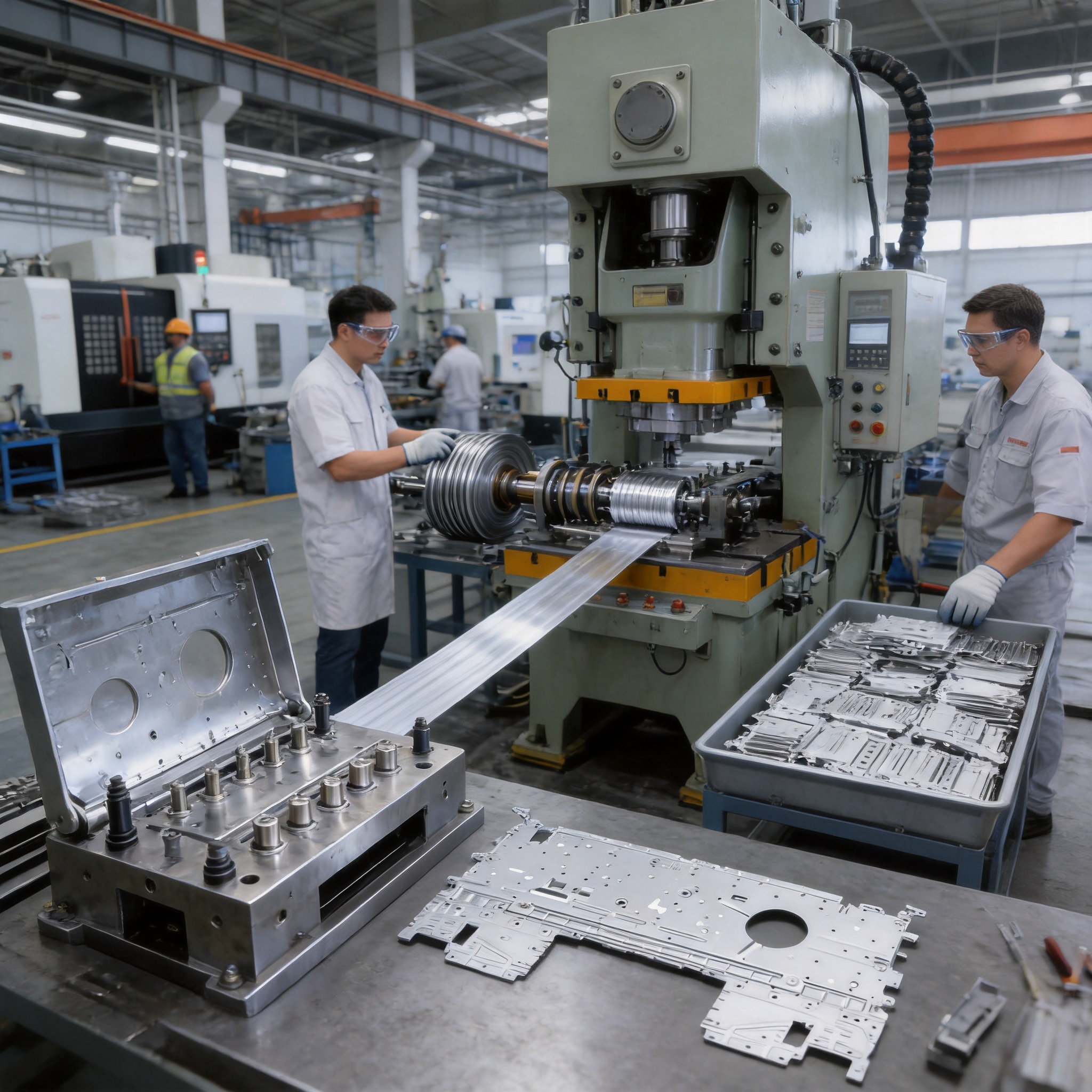
During stamping, the sheet material is placed in the die and subjected to controlled force from the press. The process may include blanking, piercing, bending, embossing, coining, flanging, drawing, or forming. Press capacity must be suitable for the material, thickness, die structure, and required production speed.
Our equipment includes punch presses ranging from 80 tons to 400 tons, allowing different laptop components to be produced according to their size, material, and forming requirements. The appropriate press is selected to provide sufficient force while maintaining stable operation and avoiding unnecessary loading on the die.
Press parameters such as stroke, speed, feed length, shut height, lubrication, and operating sequence are adjusted during process debugging. The goal is to achieve a stable production window that produces accurate parts while protecting the tooling from excessive wear.
6. Deburring and Edge Treatment
After stamping, parts may undergo deburring, tumbling, brushing, grinding, or other edge treatment operations. The selected method depends on part size, material, edge geometry, surface requirements, and production volume.
Deburring is not simply an appearance process. It helps protect workers, prevent damage to cables and electronic components, improve fit, and support safe handling during assembly. Special attention is given to holes, slots, cut edges, corners, and formed tabs where burrs may remain after piercing or blanking.
7. Cleaning and Surface Treatment
Stamping lubricants, metal particles, and handling residue may be removed through cleaning processes. Further treatment can be applied when required by the customer. Surface treatment is selected based on corrosion resistance, conductivity, appearance, wear resistance, or compatibility with adhesives and coatings.
For components used inside electronic products, cleanliness and compatibility are important. The treatment must not introduce contaminants that could affect circuit boards, contacts, insulation, or thermal systems. Process documentation and inspection help ensure that the finished surface meets the agreed specification.
8. Inspection and Process Validation
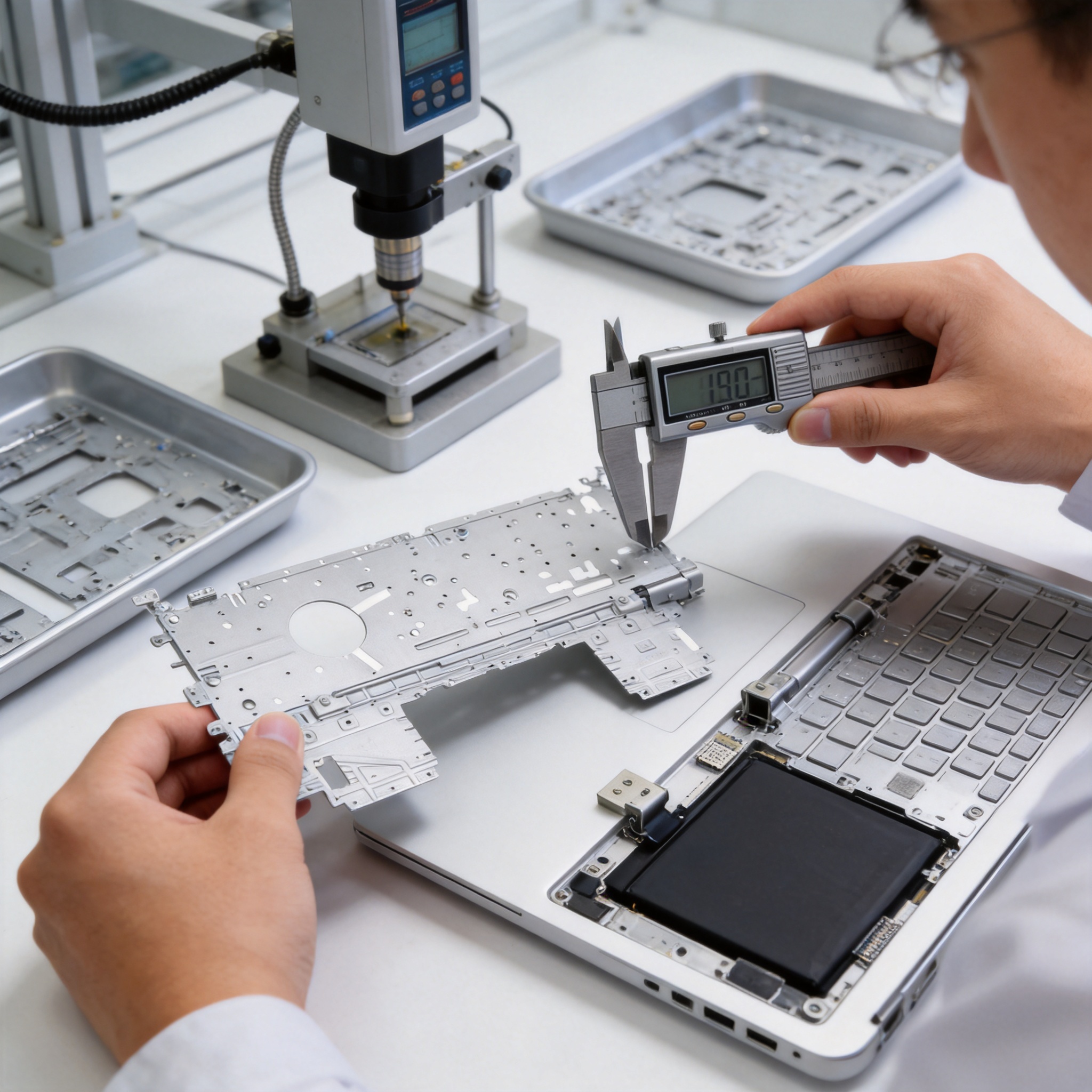
Finished parts are inspected against drawings and quality requirements. Inspection items may include overall dimensions, hole positions, bend angles, flatness, burr height, material thickness, surface condition, and assembly fit. Samples from initial production are compared with approved reference parts before larger-scale output continues.
Inspection can be performed with measuring tools, gauges, fixtures, optical equipment, and other suitable methods. Functional checks may also be completed by assembling the stamped part with mating components. This is particularly useful for brackets, clips, snap-fit structures, and components with several positional relationships.
Process validation is intended to confirm that the part is not only dimensionally correct but also suitable for its actual application. A bracket may pass a basic dimensional inspection yet fail to fit correctly if its bend angle or locating feature is inaccurate. Combining dimensional checks with functional verification provides a more complete assessment.
Manufacturing Equipment and Technical Strength
A reliable laptop stamping supplier must have more than a press machine. The quality of the final part depends on the complete manufacturing system, including design, tooling, machining, grinding, press production, debugging, inspection, and delivery management.
Our manufacturing capabilities include imported wire cutting machines, CNC machining centers, more than ten grinding machines of different sizes, and 25 punch presses with capacities ranging from 80 tons to 400 tons. This equipment supports the manufacture of precision stamping dies and the production of different types of hardware parts.
Wire cutting equipment is valuable for producing accurate profiles, narrow slots, and complex die details. CNC machining centers support the efficient production of die bases, inserts, forming surfaces, and other precision components. Grinding equipment helps maintain the accuracy of critical die surfaces, while the range of punch presses allows production resources to be matched to the requirements of each part.
Equipment alone does not guarantee quality. Experienced senior operators and debugging personnel are necessary to adjust tooling, identify forming problems, optimize press parameters, and maintain stable production. Practical experience is especially important when working with thin sheet metal, lightweight alloys, complex bends, close hole tolerances, or parts that require multiple forming stages.
Integrated Stamping Die and Automation Capability
One of the major advantages of an integrated supplier is the ability to connect die manufacturing with stamping automation. Instead of treating tooling and production equipment as separate services, an integrated engineering team can develop a coordinated solution for feeding, transfer, stamping, inspection, collection, and related production operations.
Stamping automation equipment can improve production consistency by reducing manual loading and unloading. Automated feeding helps maintain a stable material position. Transfer systems can move parts between operations while minimizing handling damage. Automated collection and counting can improve production organization and reduce the risk of mixing different part numbers.
Automation also supports workplace safety by reducing the need for operators to place their hands near active tooling. It can improve cycle consistency and make production data easier to monitor. For high-volume laptop components, these advantages may contribute to better productivity, lower labor requirements, and more predictable delivery performance.
Our related company investment in stamping automation capabilities allows customers to request turnkey solutions that combine stamping dies, production equipment, and automation planning. Where appropriate, production equipment can also be developed or invested in according to the customer’s specific requirements. This approach is useful for customers seeking a complete manufacturing solution rather than a standalone die or individual stamped part.
Why These Parts Offer Advantages Over General Stamped Components
Application-Specific Engineering
General stamped hardware may be produced mainly according to simple size and shape requirements. Laptop stamping parts require a deeper understanding of compact electronic assemblies. The part must fit within a tightly controlled envelope and work with circuit boards, plastics, cables, batteries, screws, hinges, and other components.
Application-specific engineering considers the full assembly relationship. Hole positions are evaluated against mating components. Bend heights are checked for interference. Edge conditions are reviewed near flexible cables. Material thickness is assessed in relation to weight and stiffness. This level of attention helps reduce problems during the customer’s assembly process.
Balance Between Strength and Weight
A competitor may offer a low-cost stamped part made from a standard material, but the lowest initial price does not always provide the best product value. If the part is too heavy, too flexible, or difficult to assemble, it may create additional costs elsewhere in the product.
Our approach emphasizes the balance between mechanical performance and material efficiency. Through material selection and formed features, a component can be designed to provide the required support without unnecessary mass. This is especially important for thin laptops, mobile workstations, and other portable electronic devices.
Improved Assembly Efficiency
Accurate holes, tabs, and snap-fit structures help reduce manual alignment and post-processing. Parts that arrive with controlled dimensions and smooth edges can move more efficiently through the customer’s production line. Reduced adjustment and rework may improve labor productivity and lower the risk of assembly-related defects.
When a stamped component is designed together with the assembly process, it may be possible to reduce the number of separate fasteners or secondary operations. The result can be a simpler and more reliable product structure.
Consistent Supply for Repeated Production
Laptop manufacturers require more than a successful prototype. They need repeatable production over months or years, with consistent materials, dimensions, packaging, and delivery schedules. Stable tooling maintenance, documented process parameters, experienced operators, and production equipment capacity all contribute to supply reliability.
Our long-term experience in mold and stamping production supports the management of repeat orders and changing customer requirements. Engineering, tooling, production, and service teams can coordinate when a part is revised, transferred to a new product generation, or adapted for a different material.
Quality Control and Reliability Management
Quality control begins before the first part is stamped. Drawing review, material confirmation, die inspection, and trial production are all opportunities to prevent problems before mass production. A complete quality approach combines preventive engineering with production inspection.
Incoming Material Control
Material identification is important for maintaining consistent forming performance. The material grade, thickness, surface condition, and supplier information should be confirmed before production. If the customer specifies a particular alloy or steel grade, the material should be traceable through the production process.
Tooling Condition Management
Stamping dies experience wear during repeated production. Cutting edges can become dull, forming surfaces can change, and guide components can require maintenance. Regular tool inspection and preventive maintenance help preserve part accuracy and reduce unplanned downtime.
Tool maintenance may include cleaning, lubrication, sharpening, replacement of worn inserts, checking guide systems, and verifying critical dimensions. A documented maintenance schedule is especially important for high-volume laptop parts where small changes can affect many units.
In-Process Inspection
In-process checks help identify changes before they become large-batch problems. Operators and quality personnel can monitor critical dimensions, hole positions, forming heights, edge condition, and surface appearance during production. If a trend is detected, the process can be adjusted promptly.
Final Inspection and Packaging
Final inspection confirms that finished parts meet the agreed requirements before shipment. Packaging should protect parts from deformation, scratching, contamination, and mixing. Small brackets and clips may require trays, separators, bags, or labeled boxes to preserve organization during customer assembly.
Packaging design is particularly important for lightweight or thin parts that can bend if stacked incorrectly. Proper protection helps ensure that parts arrive in the same condition in which they passed inspection.
Customization Based on Drawings and Samples
Laptop stamping parts are rarely universal items. Different laptop platforms may use different mounting points, material thicknesses, bend structures, surface treatments, and assembly methods. For this reason, customization is a central part of the service.
Customers can provide two-dimensional drawings, three-dimensional models, physical samples, or preliminary concepts. The engineering team can review the information and develop a production plan based on the part’s function, expected quantity, material, tolerance, and surface requirements.
Customization may include:
• Modification of overall length, width, height, or thickness.
• Adjustment of mounting hole diameter and position.
• Development of special tabs, clips, ribs, slots, and embossments.
• Selection of cold-rolled steel, aluminum alloy, magnesium alloy, or another approved material.
• Addition of deburring, cleaning, plating, coating, anodizing, or other surface treatment.
• Adaptation for progressive stamping, compound stamping, or multiple-operation production.
• Development of automated feeding, transfer, collection, or inspection methods.
• Packaging according to the customer’s assembly line and logistics requirements.
A clear technical review before quotation helps ensure that cost, lead time, tooling scope, and production expectations are properly aligned. It also allows potential manufacturing risks to be addressed while changes are still economical.
Applications Across Laptop Product Structures
Chassis and Housing Reinforcement
Thin laptop housings can benefit from internal reinforcement plates and formed structural members. These parts help maintain the shape of the housing and distribute mechanical loads. Properly positioned reinforcement can reduce local deformation caused by handling, transportation, typing, or pressure on the cover.
Display and Hinge Assemblies
Hinge supports are exposed to repeated movement and must maintain accurate alignment. Stamped steel or alloy brackets can provide a firm connection between the display assembly and the base. Hole accuracy, material strength, bend geometry, and fatigue resistance are important considerations.
Keyboard and Palm-Rest Structures
A keyboard support frame can improve typing stability and reduce flexing. The part may include openings, tabs, formed ribs, and fastening points. Its flatness and overall profile must be controlled so that it fits correctly beneath the keyboard and palm-rest assembly.
Motherboard and Internal Module Brackets
Internal brackets help locate circuit boards, fans, speakers, storage devices, and other modules. They may provide grounding, vibration support, cable routing, or protection from contact with nearby parts. Accurate holes and controlled standoff heights are essential for maintaining the intended assembly relationship.
Battery Retainers
Battery retainers and support plates help prevent movement inside the laptop. They must be strong enough to resist vibration and transportation shocks while avoiding damage to the battery casing. Edge treatment and surface cleanliness are important because these components are installed near sensitive electrical products.
Port and Connector Supports
USB ports, audio jacks, charging interfaces, and other connectors may require stamped support brackets. These components help maintain the position of the connector relative to the external housing. Correct alignment supports smooth plug insertion and reduces stress on the circuit board.
Production Capacity and Industry Experience
Our company is located in Suzhou, China, and specializes in stamping dies, stamping parts, and stamping automation equipment. With approximately 15 years of experience in the mold industry, the company has developed capabilities covering design, manufacturing, production debugging, and customer service.
The technical team includes 60 technical staff, supported by senior operators and experienced debugging personnel. This organization provides practical resources for handling custom projects involving different materials, component sizes, tooling structures, production volumes, and automation requirements.
The company’s customer base includes organizations such as Anter Group, Ousheng Electric, Dongbei Group, and Huichuan Technology. Its products and services have been applied in areas including servo drives, compressors, and new energy vehicles. Although laptop stamping parts have their own specialized requirements, experience across these demanding industries reinforces capabilities in precision tooling, structural components, production stability, and cost control.
The company also provides integrated mold-making and stamping automation solutions. This allows customers to work with one technical partner for die development, stamped parts, automation planning, and related production equipment. Such integration may reduce communication gaps and improve the coordination between tooling and manufacturing operations.
From Prototype to Mass Production
A successful laptop stamping project normally progresses through several stages. The first stage is requirement confirmation, during which the customer and supplier review drawings, samples, material, tolerances, surface treatment, and expected quantity.
The second stage is process planning. The engineering team determines the stamping sequence, die type, material layout, press capacity, automation requirements, inspection approach, and estimated production cost. Design-for-manufacturing recommendations may be proposed at this stage.
The third stage is die design and manufacture. Die components are produced, assembled, inspected, and prepared for trial. Initial samples are then stamped and measured. If necessary, die corrections are carried out to improve dimensions, forming results, or assembly fit.
The fourth stage is customer approval. Samples or trial batches are submitted for evaluation. The customer may inspect the parts independently or test them in the intended laptop assembly. Feedback from this stage is used to finalize the tooling and production process.
The fifth stage is mass production. Approved process parameters are documented and followed. Production personnel monitor the equipment and part quality, while the quality team performs inspections according to the agreed control plan.
The final stage is repeat delivery and continuous improvement. For long-term projects, production data and customer feedback can be used to improve tooling maintenance, cycle efficiency, packaging, inspection, and delivery planning.
How to Select a Laptop Stamping Parts Supplier
When evaluating a supplier, customers should look beyond the quoted unit price. A suitable supplier should be able to demonstrate appropriate equipment, technical personnel, tooling experience, quality management, material knowledge, and communication capability.
Important evaluation questions include:
• Can the supplier design and manufacture the stamping die internally?
• Does the supplier have press capacity suitable for the required material and part size?
• Can the supplier support aluminum, magnesium alloy, cold-rolled steel, or other specified materials?
• How are burrs, flatness, bend angles, and hole positions controlled?
• Can the supplier provide prototype samples before mass production?
• Is there a documented process for die maintenance and quality inspection?
• Can the supplier support automation if production volume increases?
• Does the supplier understand the customer’s assembly process and functional requirements?
• Can the supplier provide stable repeat orders and appropriate packaging?
A supplier with integrated die and automation capabilities may offer greater control over the project than a supplier that outsources every stage. Direct coordination between die design, tool manufacture, and press production can help shorten problem-solving cycles and improve accountability.
Technical Factors That Influence Cost
The cost of laptop stamping parts depends on more than material weight. Tooling complexity, production volume, tolerance requirements, surface treatment, inspection standards, automation, packaging, and delivery conditions all influence the total project cost.
Simple brackets with a few bends and holes may require relatively straightforward tooling. Parts with multiple forming stations, close tolerances, deep draws, difficult alloys, or special snap-fit structures may require more advanced dies and additional development time.
High production volume can reduce the unit cost because the initial die investment is distributed across more parts. Progressive stamping and automation may also improve the cost structure for large quantities. For lower-volume products, flexible tooling or multiple-operation stamping may be more appropriate.
Design optimization can reduce cost without reducing performance. For example, a well-designed rib may allow a thinner material to be used. Combining multiple operations in one die may reduce handling. Adjusting a feature to improve material utilization may reduce scrap. These decisions should be made together with the supplier’s engineers during the quotation and development stage.
Environmental and Operational Considerations
Efficient stamping uses sheet material in a planned layout to reduce waste. Material utilization can be improved through nesting optimization, strip layout design, and appropriate part orientation. Although some scrap is generated during blanking and piercing, it may be collected and recycled according to the material type.
Automation can also support more efficient production by reducing idle time, improving cycle consistency, and lowering manual handling. Longer-lasting dies reduce the need for frequent replacement and help maintain stable production over extended periods.
Surface treatment and cleaning processes should be selected with attention to environmental and workplace requirements. Proper process control helps reduce excessive chemical use, contamination, rework, and unnecessary waste. Customers may specify additional requirements based on their internal sustainability standards or supply-chain policies.
Benefits for Laptop Manufacturers
Working with a specialized laptop stamping parts supplier can provide several benefits throughout the product lifecycle. During product development, engineering support helps identify manufacturability issues. During tooling, precision machining and grinding help create accurate dies. During production, suitable press capacity and experienced operators support stable output.
Customers can also benefit from a single source for stamping dies, stamped components, and automation equipment. This simplifies project communication and can make it easier to coordinate technical changes. When product designs evolve, the supplier can review the effect on tooling and production rather than requiring the customer to manage several unrelated vendors.
Stable component quality can reduce assembly interruptions, sorting, rework, and field problems. Reliable dimensions also help customers maintain their own automated or semi-automated assembly processes. For competitive laptop products, these improvements can contribute to shorter production cycles and better overall manufacturing economics.
Frequently Asked Questions
What are laptop stamping parts?
Laptop stamping parts are precision-formed sheet metal components used in laptop chassis, brackets, reinforcement structures, hinge assemblies, battery retainers, keyboard frames, connector supports, and other internal assemblies. They are produced by cutting and forming metal sheet with stamping dies.
Which materials can be used for these parts?
Common material options include cold-rolled steel, aluminum alloy, and magnesium alloy. The final selection depends on strength, weight, corrosion resistance, formability, surface requirements, electrical compatibility, and the function of the part.
Can the parts be manufactured according to customer drawings?
Yes. Parts can be customized according to two-dimensional drawings, three-dimensional models, physical samples, or technical specifications. Dimensions, holes, bends, tabs, snap-fits, material, surface treatment, and packaging can be adapted to the customer’s requirements.
Why is stamping suitable for laptop components?
Stamping is suitable because it can produce accurate and repeatable parts at high speed. It supports many features, including holes, bends, ribs, embossments, slots, and tabs. Once the die is validated, stamping can provide efficient production and competitive unit costs for repeated orders.
How are burrs and sharp edges controlled?
Burrs are controlled through suitable die clearance, tool maintenance, cutting parameters, and post-stamping deburring or edge treatment. The exact process depends on the material, thickness, part geometry, and customer requirements.
Can stamped parts be supplied with surface treatment?
Yes. Depending on the material and application, surface treatment may include cleaning, deburring, plating, coating, anodizing, passivation, or other specified processes. The treatment is selected according to corrosion, appearance, conductivity, wear, and assembly requirements.
What press capacities are available?
The available punch presses range from 80 tons to 400 tons. The suitable press is selected according to the part size, material, thickness, die structure, forming force, and production requirements.
Can the supplier provide stamping automation equipment?
Yes. In addition to stamping dies and stamped parts, the company can support stamping automation equipment and integrated solutions. Automation may include feeding, transfer, collection, counting, and other production functions according to the customer’s needs.
How can a customer begin a project?
The customer can provide drawings, three-dimensional data, samples, material information, target quantities, tolerances, surface requirements, and application details. The engineering team can then review the project, recommend a process, estimate tooling requirements, and prepare a quotation.
Are the parts suitable for high-volume production?
Yes. Stamping is particularly suitable for repeated production because validated tooling can produce large quantities with consistent dimensions. Progressive dies and automation can further improve output and reduce manual handling when the volume justifies the investment.
Conclusion
Precision laptop stamping parts provide the structural accuracy, lightweight performance, assembly convenience, and production efficiency required by modern portable computers. Made from cold-rolled steel, aluminum alloy, magnesium alloy, or another approved material, these components can be customized for chassis structures, brackets, hinge supports, keyboard frames, battery retainers, connector supports, and many other applications.
The most important advantages come from combining suitable materials with carefully engineered forming features, accurate hole positions, reliable snap-fit structures, smooth edges, effective surface treatment, and consistent inspection. These qualities help laptop manufacturers reduce assembly difficulties, improve product reliability, and control production costs.
Suzhou Shuangqisi Mold Equipment Co., Ltd. supports these requirements through integrated stamping die design, tooling manufacture, metal stamping, automation equipment, and technical service. With 60 technical staff, experienced operators, precision machining resources, more than ten grinding machines, wire cutting equipment, CNC machining centers, and 25 punch presses ranging from 80 tons to 400 tons, the company can support projects from prototype development to repeat mass production.
For customers seeking a dependable partner for customized laptop stamping parts, the combination of application-specific engineering, advanced manufacturing equipment, experienced debugging personnel, quality control, and stamping automation capability provides a practical foundation for stable supply and long-term cooperation.
References
1. ASM International, ASM Handbook: Volume 14A, Metalworking: Bulk Forming.
2. Society of Manufacturing Engineers, Sheet Metal Forming Processes and Die Design Principles.
3. American Society for Testing and Materials, standards relating to steel sheet, aluminum alloy sheet, magnesium alloy materials, and surface treatment.
4. International Organization for Standardization, quality management principles for manufacturing processes.
5. Manufacturing Engineering and Technology references concerning press selection, progressive die design, deburring, forming accuracy, and production automation.
6. Customer-provided product information for customized laptop stamping parts, stamping dies, stamping parts, and stamping automation equipment.
Product: Laptop stamping parts
Previous Post
No previous article
Next Post
Precision Copper Busbar Stamping Parts for New Energy Vehicles
Our Products.
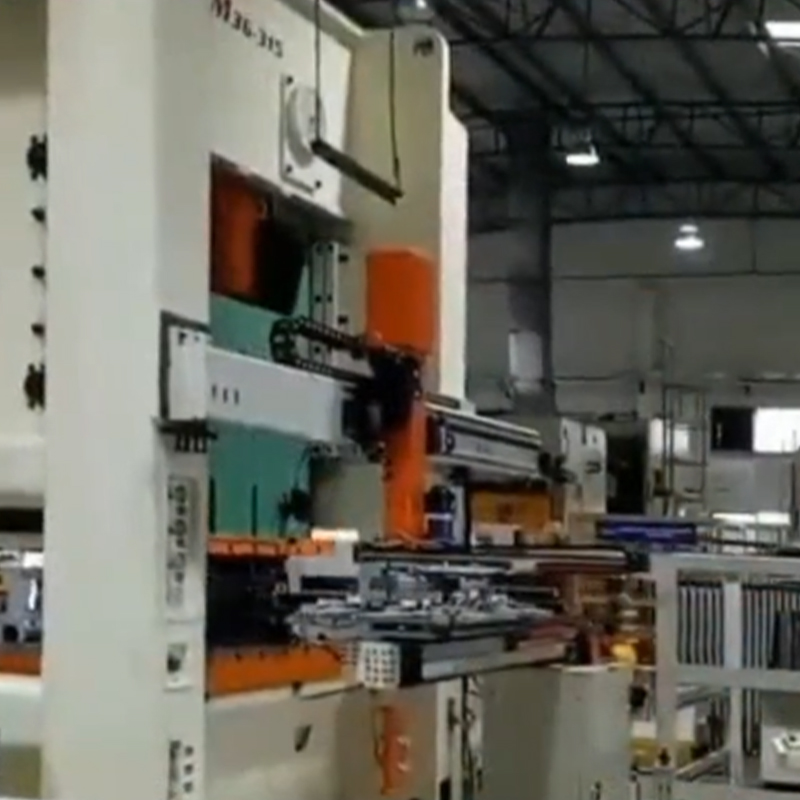
Start Your Business with an OEM Manufacturer Right Here!

Provide global customers with complete turn-key solutions
through
innovation!
QUICK LINKS
CONTACT INFO.
-
 +86-139 1308 8972
 -

-
 No. 118 Yexin Road, Wujiang Economic Development Zone, Suzhou, China
Copyright © Suzhou Shuangqisi Mold Equipment Co., Ltd. All Rights Reserved. Custom Stamping Die Metal Stamping Die Manufacturers
