 English
 Español
 Deutsch
-
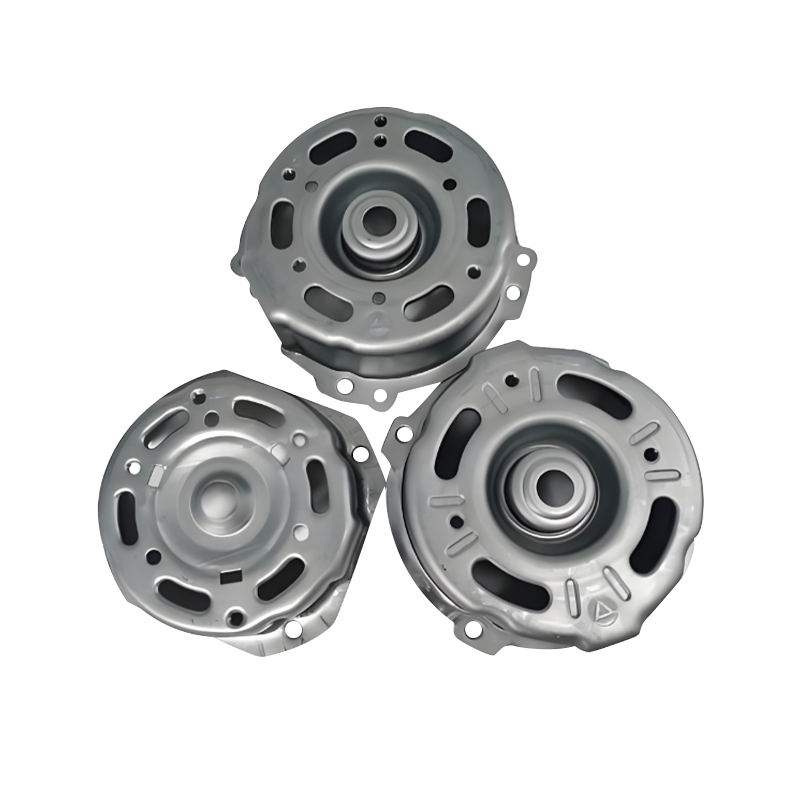
Automotive motor housing stamping parts
Automotive motor housing stamping parts are core c...
-
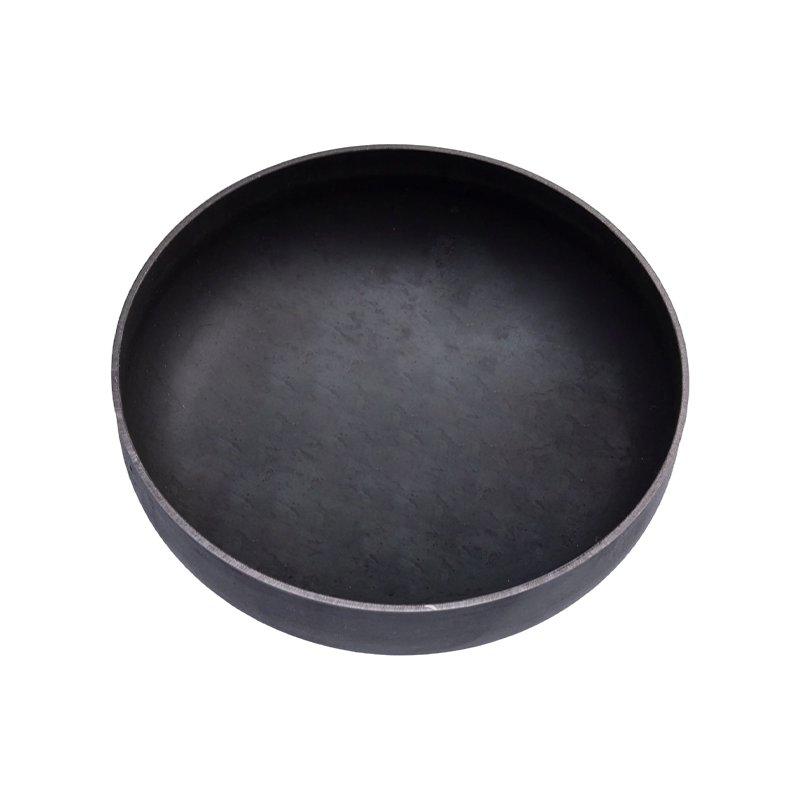
Gas tank end stamping parts
Gas tank end stamping parts are core structural co...
-
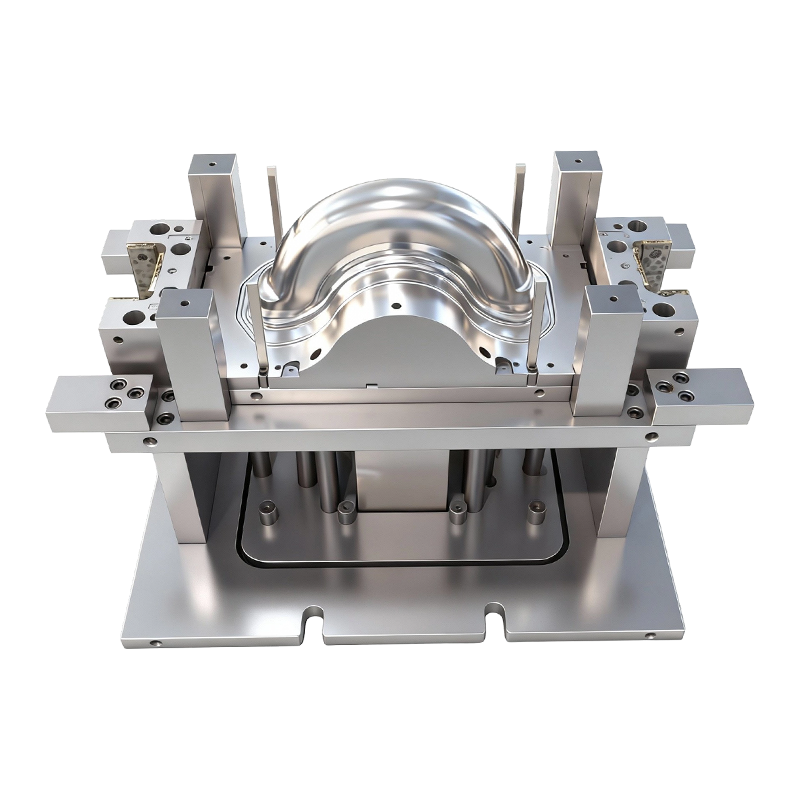
Deep drawing mold for front and rear wheels of two-wheeled electric vehicles
This Deep drawing mold for front and rear wheels o...
-
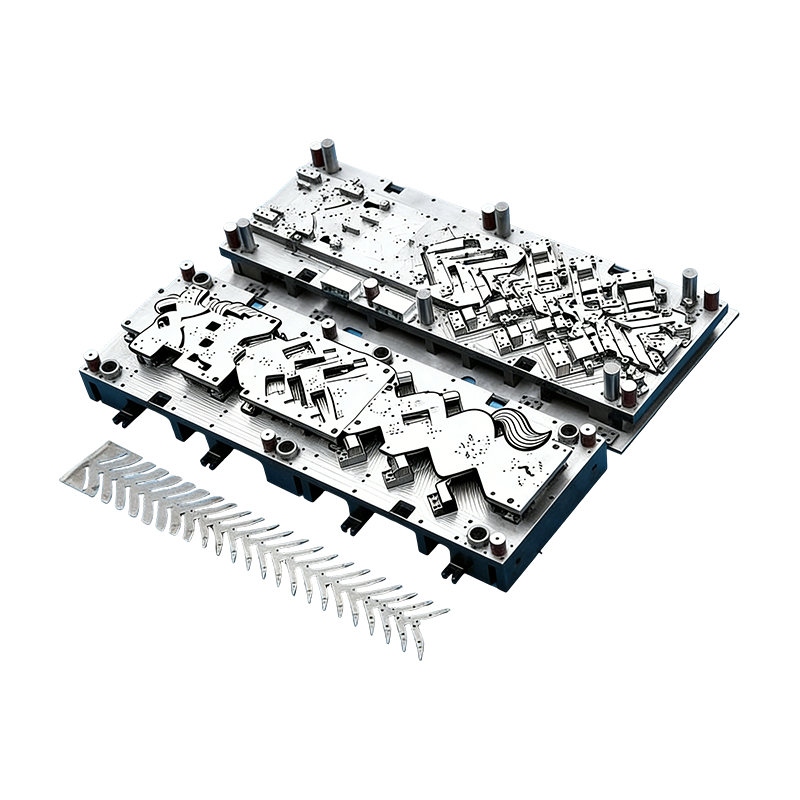
Progressive molds for automotive parts
This Continuous mold for automotive motor housing ...
-
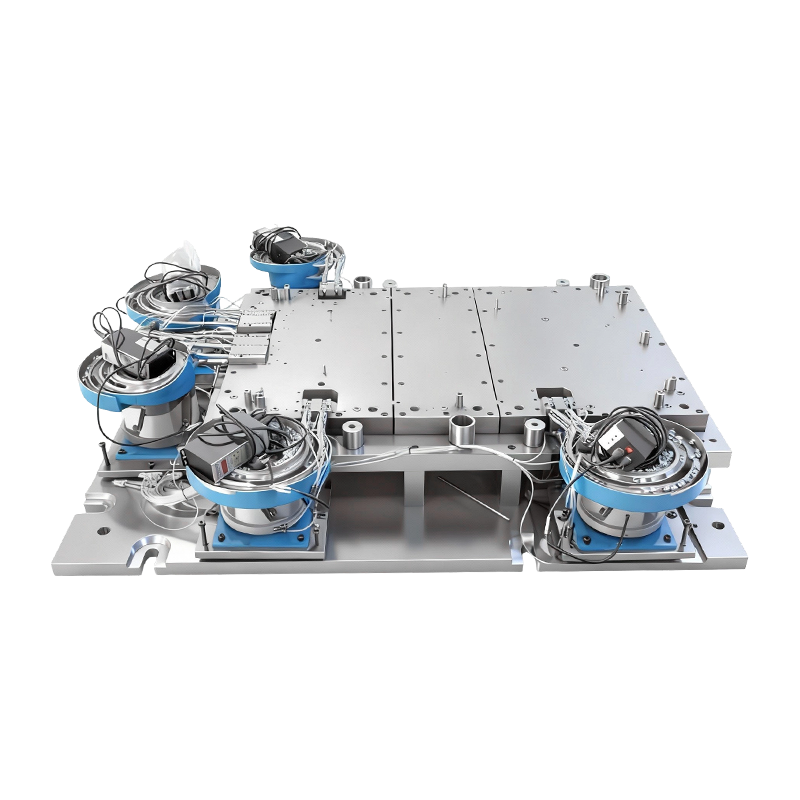
Automatic riveting mold for large computer machine base
This Automatic Riveting Mold for Large Computer Ma...
- E-mail us: [email protected]
- Call us: +86-139 1308 8972

Chen Siyi – Overseas Sales Manager
Home / Author / Chen Siyi – Overseas Sales Manager / Gas Tank End Stamping Parts for Reliable Automotive Fuel Tank Sealing
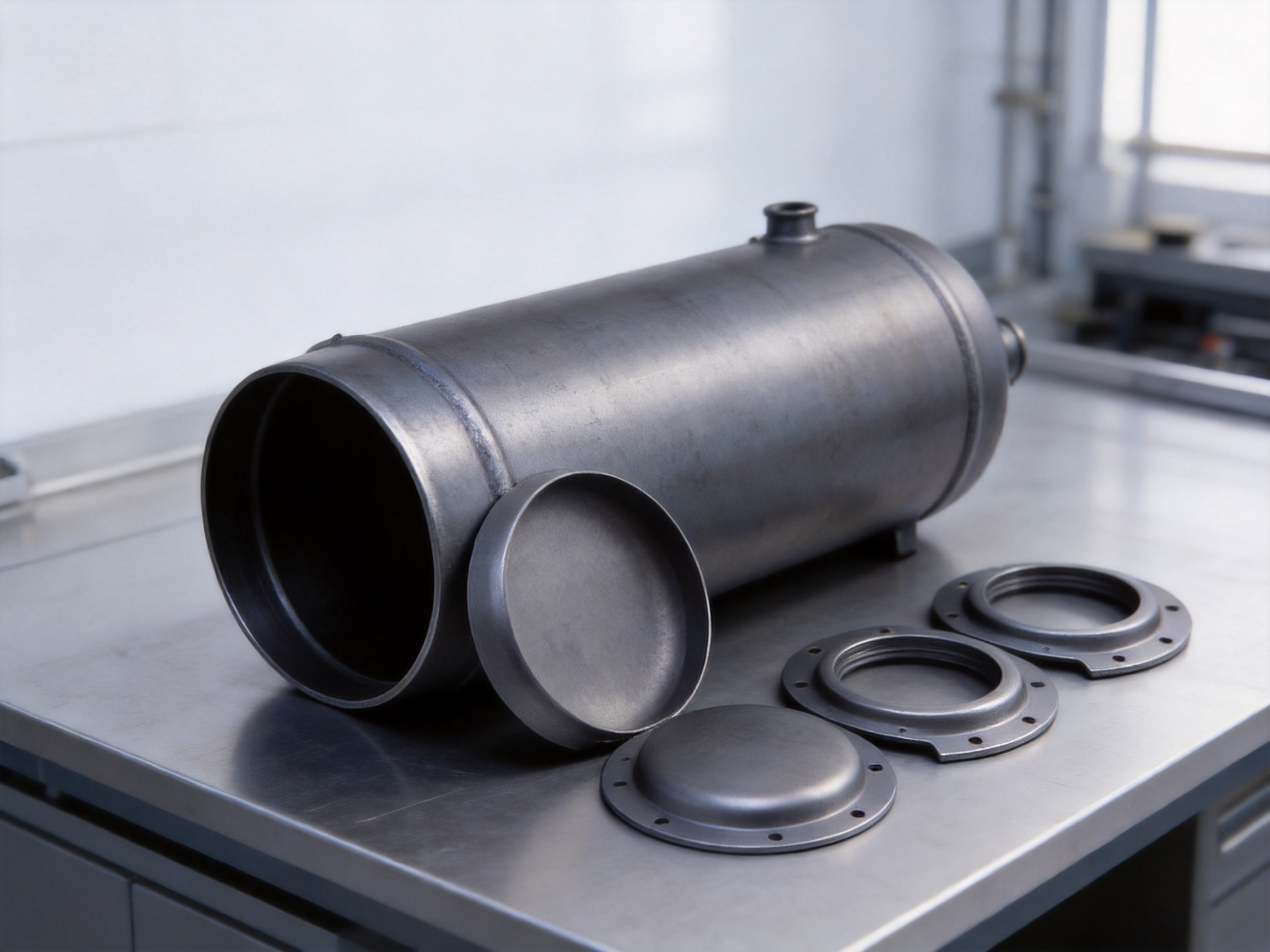
Gas Tank End Stamping Parts for Reliable Automotive Fuel Tank Sealing
2026-07-20
Gas tank end stamping parts are essential structural components used in automotive fuel tank assemblies. They form the sealed end sections of cylindrical or semi-cylindrical tank bodies and help the fuel tank maintain dimensional stability, leak resistance, pressure endurance, and long service life under demanding vehicle operating conditions. Although the component may appear simple from the outside, its performance depends on a combination of material selection, die design, forming accuracy, surface quality, dimensional consistency, and process control.
For vehicle manufacturers, fuel tank suppliers, and maintenance parts distributors, a gas tank end stamping part must do more than close an opening. It must match the tank body precisely, support welding or joining processes, resist deformation during assembly, tolerate vibration and temperature cycling, and maintain reliable sealing performance throughout the vehicle lifecycle. Poorly formed end caps can cause assembly gaps, unstable weld seams, premature corrosion, fatigue cracking, or fuel leakage. High-quality stamping parts reduce these risks and contribute directly to vehicle safety and product reliability.
Suzhou Shuangqisi Mold Equipment Co., Ltd. provides gas tank end stamping parts manufactured through precision stamping processes supported by advanced die design, mold manufacturing, CNC machining, wire cutting, grinding, punching, and debugging capabilities. With experience in stamping dies, automotive stamping parts, and stamping automation equipment, the company is positioned to support OEM and customized production requirements for customers in automotive, new energy vehicle, compressor, servo drive, and related manufacturing fields.
The following article explains the product structure, material characteristics, manufacturing process, quality advantages, competitive strengths, application value, and procurement considerations for gas tank end stamping parts. It also highlights how integrated mold-making and stamping production capability can improve consistency, reduce cost, accelerate development, and provide reliable components for modern automotive fuel tank systems.
Content
- 1 Product Overview: What Gas Tank End Stamping Parts Do
- 2 Core Functions in Automotive Fuel Tank Assemblies
- 3 Material Selection: Cold-Rolled Steel and Aluminum Alloy
- 4 Precision Stamping Process and Forming Control
- 5 Advanced Die Design: The Foundation of Consistent Quality
- 6 Manufacturing Strengths Behind the Product
- 7 Advantages Over Ordinary Competing Products
- 8 Technical Characteristics and Typical Product Parameters
- 9 Dimensional Accuracy and OEM-Level Assembly Fit
- 10 Leak Prevention and Structural Stability
- 11 Corrosion Resistance and Harsh Environment Adaptability
- 12 Compatibility With Passenger Cars and Commercial Vehicles
- 13 Integrated Mold-Making and Stamping Automation Capability
- 14 Process Flow From Customer Requirement to Finished Part
- 15 Quality Control and Inspection Discipline
- 16 Cost Control Without Sacrificing Reliability
- 17 Applications in the Automotive Supply Chain
- 18 Why Customers Choose a Professional Stamping Partner
- 19 Company Manufacturing Profile and Capabilities
- 20 How Advanced Equipment Improves Product Performance
- 21 Design Considerations for Custom Gas Tank End Parts
- 22 Packaging, Handling, and Delivery Considerations
- 23 Practical Procurement Guidelines
- 24 Q&A: Common Questions About Gas Tank End Stamping Parts
- 24.1 What are gas tank end stamping parts used for?
- 24.2 What materials are commonly used?
- 24.3 Why is stamping accuracy important?
- 24.4 What defects should be avoided in these parts?
- 24.5 Can the parts be customized?
- 24.6 How does professional die design improve quality?
- 24.7 What makes these parts better than ordinary low-cost alternatives?
- 24.8 Are these parts suitable for commercial vehicles?
- 24.9 What manufacturing capabilities support stable production?
- 24.10 How should customers start a project?
- 25 Conclusion: Reliable End Components for Safer Fuel Tank Systems
- 26 References
- 27 Product: Gas tank end stamping parts
Product Overview: What Gas Tank End Stamping Parts Do
Gas tank end stamping parts are the formed metal end pieces attached to both ends of a fuel tank body. In many tank designs, the central body is rolled, welded, or formed into a cylindrical or curved shell, while stamped end components are used to close and reinforce the ends. These parts must follow the geometric profile of the tank body and provide accurate edges for welding, sealing, or mechanical joining.
The product is typically manufactured from cold-rolled steel or aluminum alloy, depending on the design requirements of the tank and the vehicle platform. Cold-rolled steel offers good formability, dimensional stability, strength, and weldability. Aluminum alloy provides reduced weight and strong corrosion resistance, especially in vehicles where lightweight construction is prioritized. In both material categories, proper forming and surface control are critical because defects such as cracks, wrinkles, uneven thickness, or edge distortion can compromise fuel tank performance.
The stamped part often includes a curved or domed profile that helps resist internal pressure and external impact. The end section may also include flanges, positioning features, reinforcing shapes, or contours required for assembly. During use, it experiences fuel vapor pressure, vehicle vibration, road impact, humidity, temperature variation, and chemical exposure. A reliable end stamping part must remain stable in these conditions while preventing fuel leakage.
Unlike decorative metal stampings, fuel tank end components are safety-related structural parts. Their quality directly affects the integrity of the tank. For this reason, strict dimensional inspection, surface inspection, material verification, and process stability are required. When manufactured correctly, gas tank end stamping parts provide uniform thickness, smooth surfaces, accurate assembly dimensions, and long-term resistance to corrosion and fatigue.
Core Functions in Automotive Fuel Tank Assemblies
The first function of a gas tank end stamping part is sealing support. The part closes the end of the tank and creates a stable interface for welding or joining to the tank body. Even if a sealant, weld seam, or brazed joint is used, the stamping part must provide accurate contact surfaces. Any dimensional inconsistency can produce gaps, uneven weld penetration, or stress concentration.
The second function is structural reinforcement. Fuel tanks are exposed to internal pressure changes caused by temperature variation and fuel expansion. They also experience external loads from road vibration, chassis movement, and installation brackets. The stamped end part helps maintain the tank shape, resisting bulging, collapse, and local deformation. A well-designed curved profile distributes stress more evenly than a flat sheet.
The third function is compatibility with surrounding components. Automotive fuel tanks may include valves, filler pipes, sensors, mounting parts, ventilation assemblies, and protective covers. The end stamping component must be dimensionally compatible with the complete tank system. Consistent stamping accuracy ensures smooth assembly and reduces downstream rework.
The fourth function is durability in harsh environments. Fuel tanks operate near the vehicle underbody, where moisture, salt, gravel, temperature changes, and vibration are common. End stamping parts made with suitable materials and controlled forming processes can better resist corrosion, fatigue, cracking, and mechanical failure.
The fifth function is manufacturability. A good end stamping design supports efficient mass production. It must be formable without excessive thinning, cracking, springback, or wrinkling. It should also allow stable die life and repeatable stamping output. This is where professional die design and manufacturing expertise become especially important.
Material Selection: Cold-Rolled Steel and Aluminum Alloy
Material selection is a key factor in gas tank end stamping performance. Cold-rolled steel is widely used because it provides consistent thickness, smooth surface quality, and good stamping behavior. Its mechanical strength helps the fuel tank maintain shape under pressure and vibration. Cold-rolled steel also offers strong compatibility with welding processes used in many tank manufacturing lines.
Aluminum alloy is another important option, especially for vehicle programs focused on lightweight design. Aluminum reduces component weight and can improve corrosion resistance. However, aluminum forming requires careful control because it may behave differently from steel during deep drawing, edge forming, and springback. Tooling geometry, lubrication, blank holder force, and forming sequence must be adjusted accordingly.
For both materials, uniform thickness is critical. Excessive thinning can reduce pressure resistance and fatigue strength. Uneven thickness may also affect weld quality and dimensional stability. High-quality stamping processes control material flow during forming to ensure that the finished part meets strength and assembly requirements.
Surface quality is equally important. The part should be free from cracks, severe scratches, dents, burrs, oil contamination, or surface defects that might influence welding, coating, sealing, or corrosion resistance. Smooth surfaces improve appearance, reduce stress risers, and support downstream protective treatments.
In competitive production, material efficiency is also important. A well-designed stamping process can optimize blank layout, reduce scrap, and improve cost performance. This creates value for customers without compromising safety or reliability.
Precision Stamping Process and Forming Control
The manufacturing of gas tank end stamping parts begins with product and process evaluation. Engineers analyze the part geometry, material type, required thickness, dimensional tolerance, surface quality, and assembly interface. This analysis determines the forming strategy, die structure, press tonnage, trimming method, and inspection plan.
Blanking is usually the first step. A sheet or coil material is cut into a blank with a controlled shape and size. The blank design must consider material flow during forming. If the blank is too small, the part may thin or tear. If it is too large, wrinkles or excessive trimming waste may occur. Professional die design helps balance these factors.
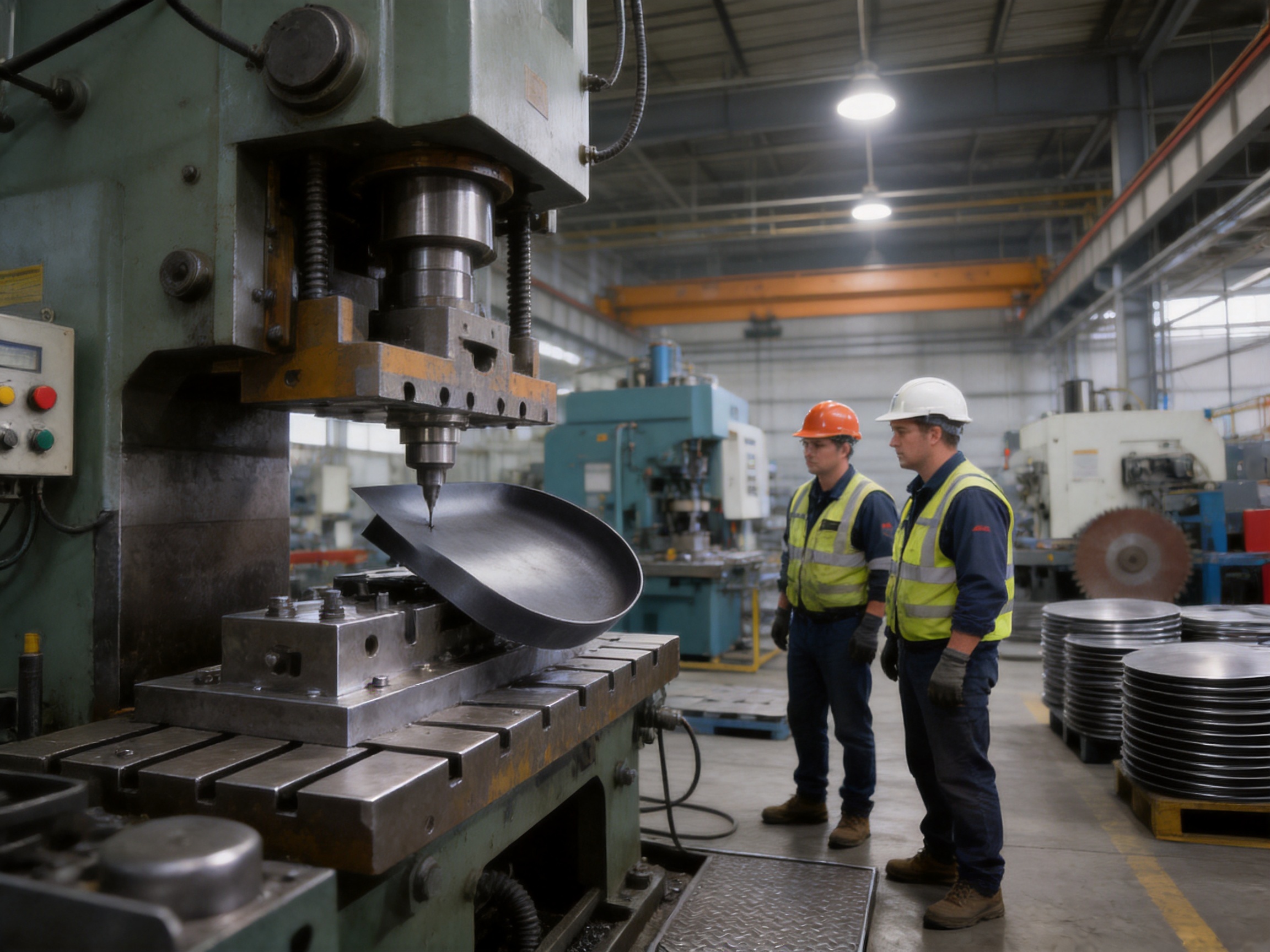
Forming or drawing is the key stage. The blank is pressed into the die cavity using a punch and die set. For curved tank end parts, the forming process must control the material flow evenly from the flange toward the central area. Blank holder pressure, lubrication, die radius, punch radius, and draw depth all affect the final result. Improper settings may produce cracks, wrinkles, springback, or uneven wall thickness.
Trimming and edge forming follow the primary forming operation. The edges of the part must meet assembly requirements. If a flange is needed for welding, its width, flatness, and contour must be accurate. Burrs must be minimized or removed because sharp edges can affect handling safety, assembly quality, and coating performance.
Calibration or restriking may be used to improve dimensional accuracy. This step corrects springback and ensures that critical surfaces match design requirements. For fuel tank components, stable geometry is vital because the part must fit tightly with the tank body.
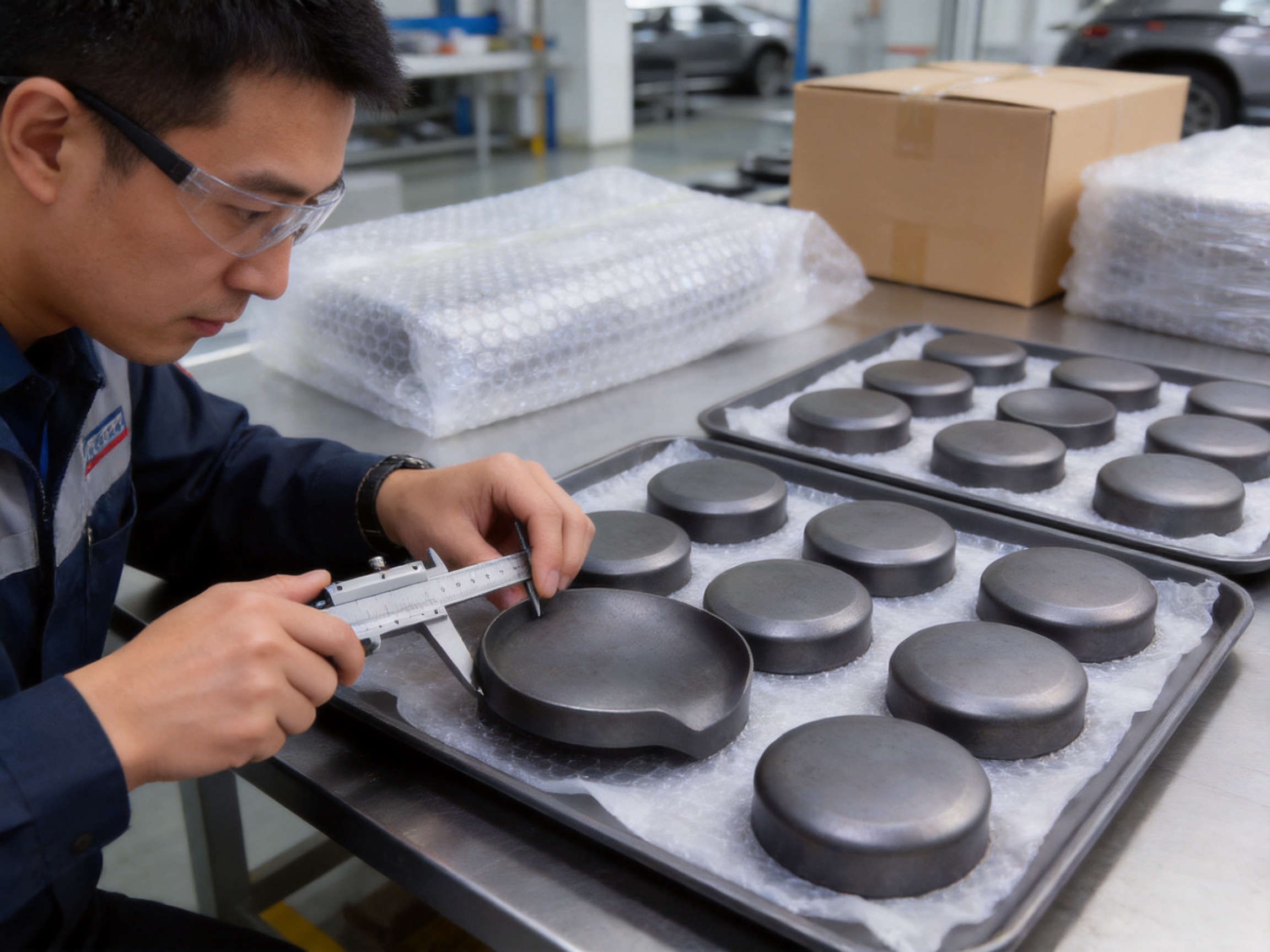
Final inspection confirms that the part meets dimensional, visual, and functional requirements. Depending on customer specifications, inspection may include contour measurement, thickness checking, surface inspection, edge quality review, and trial assembly verification.
Advanced Die Design: The Foundation of Consistent Quality
High-quality gas tank end stamping parts depend heavily on the quality of the stamping die. The die determines the shape, dimensional consistency, surface finish, forming stability, and production efficiency of the stamped part. Even the best material cannot compensate for poorly designed tooling.
Suzhou Shuangqisi Mold Equipment Co., Ltd. has strong capabilities in stamping die design and manufacturing. The company integrates mold design, mold processing, stamping production, and service support, allowing it to optimize the entire production chain instead of treating tooling and stamping as separate tasks. This integrated approach is a major advantage for customers who need stable quality and practical cost control.
For gas tank end parts, die design must consider draw depth, material flow, thinning risk, wrinkling tendency, springback compensation, trimming accuracy, and production durability. The forming surfaces must be machined precisely, polished appropriately, and debugged carefully. The die structure must withstand repeated production loads while maintaining dimensional stability.
Advanced wire cutting machines, CNC machining centers, grinding machines, and precision machine tools support accurate die component manufacturing. These machines help ensure that punch, die, insert, guide, and trimming components meet the required tolerances. Accurate tooling reduces the need for manual correction and improves repeatability during mass production.
Experienced operators and debugging personnel are also essential. Stamping dies often require practical adjustment after machining. Skilled technicians can identify forming issues, adjust die clearance, optimize pressure settings, improve lubrication strategy, and refine trimming conditions. This practical expertise reduces trial time and helps achieve stable production faster.
Compared with competitors that only provide simple stamping services, a manufacturer with in-house die design and die manufacturing can respond more quickly to engineering changes, tolerance adjustments, and customer-specific requirements. This reduces communication delays and helps customers move from design to production more efficiently.
Manufacturing Strengths Behind the Product
The production capability behind gas tank end stamping parts includes advanced equipment, trained technical staff, and practical experience in multiple stamping categories. Suzhou Shuangqisi Mold Equipment Co., Ltd. has approximately 60 technical staff and is equipped with imported wire cutting machines, CNC machining centers, more than 10 grinding machines of various sizes, and 25 punch presses ranging from 80T to 400T. This equipment foundation supports both tooling manufacturing and stamped part production.
The range of punch presses allows the company to match press tonnage to part size, material thickness, and forming depth. For gas tank end stamping parts, sufficient press capacity is important because underpowered equipment may cause unstable forming, poor dimensional repeatability, or incomplete shaping. Press selection also affects tool life and production efficiency.
Grinding machines support precision finishing of die surfaces and components. Properly ground die surfaces reduce friction, improve material flow, and help produce smooth stamped parts. CNC machining centers provide accurate complex surface machining, which is critical for curved or contoured tank end geometry. Wire cutting machines enable precise cutting of die inserts and complex profiles.
Beyond equipment, the company’s experience in automotive stamping parts and stamping dies provides process knowledge that is difficult to replace. Automotive parts require tighter quality discipline than general hardware components. They must meet assembly consistency, reliability, and traceability expectations. A manufacturer familiar with these requirements is better able to support OEM-style production standards.
The company’s broader industrial background, including molds and products for servo drives, compressors, and new energy vehicles, also strengthens its process understanding. These fields require precision, durability, and cost control. This cross-industry experience helps improve problem-solving and manufacturing efficiency for fuel tank end stamping parts.
Advantages Over Ordinary Competing Products
Gas tank end stamping parts from a professional manufacturer offer several advantages over ordinary market alternatives. The first advantage is dimensional consistency. Lower-grade stamped parts may look acceptable individually but vary from batch to batch. Such variation creates problems during tank assembly, especially when automated welding or fixture-based assembly is used. Precision tooling and stable press control improve repeatability and reduce assembly risk.
The second advantage is surface integrity. Fuel tank components must be free from cracks, deformation, and severe surface defects. Competitor parts produced with poorly maintained dies may show scoring, thinning, waviness, or burrs. These defects can reduce corrosion resistance and become starting points for fatigue failure. Controlled stamping processes produce smoother, cleaner surfaces.
The third advantage is material flow control. Deep or curved stamping requires balanced deformation. If material flow is not controlled, local thinning may occur in high-stress zones. Professional forming simulation, die design, and debugging reduce this risk. Uniform thickness improves pressure resistance and service life.
The fourth advantage is assembly compatibility. Since the part must match the tank body, valves, and other accessories, even small dimensional errors can cause downstream defects. A manufacturer with strict dimension checks can ensure that the part supports seamless assembly. This is especially important for customers producing multiple fuel tank models or serving OEM supply chains.
The fifth advantage is corrosion and durability performance. Proper material selection, smooth forming, reduced surface damage, and compatibility with protective coatings all contribute to longer service life. In humid, vibrating, and temperature-changing environments, durability becomes a key differentiator.
The sixth advantage is cost-effective customization. Some competitors can only supply standard parts. However, fuel tank designs differ between passenger cars, commercial vehicles, and specialized applications. With integrated die design and stamping capability, customized shapes, flanges, thicknesses, and production quantities can be developed more efficiently.
Technical Characteristics and Typical Product Parameters
Gas tank end stamping parts can be customized according to customer drawings, sample parts, vehicle platform requirements, and fuel tank assembly conditions. The following table summarizes typical technical considerations. Actual specifications should be confirmed through engineering communication, material selection, tooling design, and production validation.
| Item | Typical Description | Value for Fuel Tank Assembly |
|---|---|---|
| Product Name | Gas tank end stamping parts | End closure and reinforcement for automotive fuel tanks |
| Product Category | Automotive stamping parts | Suitable for passenger car and commercial vehicle tank systems |
| Common Materials | Cold-rolled steel or aluminum alloy | Provides strength, formability, weldability, or lightweight performance |
| Key Process | Blanking, forming, trimming, calibration, inspection | Ensures accurate shape, stable edges, and reliable assembly |
| Surface Requirement | Smooth, clean, free of cracks and deformation | Improves sealing, coating, corrosion resistance, and fatigue life |
| Dimensional Requirement | Controlled according to customer drawings and OEM standards | Supports seamless assembly with tank bodies and accessories |
| Performance Focus | Leak prevention, pressure resistance, vibration endurance | Contributes to fuel tank safety and long-term reliability |
| Customization | Available based on drawings, samples, or project requirements | Fits different fuel tank designs and production programs |
Dimensional Accuracy and OEM-Level Assembly Fit
Dimensional accuracy is one of the most important performance indicators for gas tank end stamping parts. The component must match the tank body profile accurately. If the edge contour is inconsistent, the tank assembly may experience gaps, misalignment, or uneven welding pressure. This may reduce sealing reliability and increase rework cost.
OEM-level assembly fit requires stable tolerances across repeated production batches. A tank manufacturer may produce thousands of assemblies using automated fixtures. If stamped end parts vary too much, production flow is interrupted. Operators may need to adjust fixtures, sort parts, or perform additional manual correction. These activities increase labor cost and reduce output efficiency.
Precision die manufacturing helps control dimensional variation. Accurate die surfaces, stable guiding systems, and proper trimming tools keep the product within specification. Press stability also matters because inconsistent press stroke, pressure, or alignment can influence part geometry.
Inspection methods should be matched to the part’s critical features. For fuel tank end parts, important inspection points may include outer contour, flange width, flange flatness, draw depth, curvature, hole position if applicable, thickness distribution, and edge burr height. Trial fitting with the tank body can also confirm practical assembly performance.
By combining tooling control, process control, and dimensional inspection, the manufacturer can supply parts that reduce assembly risk and support efficient production. This is a clear advantage compared with suppliers that rely only on visual checks or low-precision tooling.
Leak Prevention and Structural Stability
Fuel leakage prevention is the central purpose of a high-quality tank end component. Although leakage resistance depends on the complete tank assembly, the stamped end part provides the foundation for a reliable seal. A smooth, accurate, and defect-free joining edge supports stable welding or sealing. A distorted edge or cracked surface can create hidden defects that may not appear until later pressure testing or vehicle operation.
Structural stability is also critical. Fuel expands and contracts with temperature changes. Vehicles vibrate continuously during operation. Road impact and installation stresses add further loads. The end stamping part must resist these forces without permanent deformation or fatigue cracking. A properly formed curved end profile improves load distribution and reduces stress concentration.
Uniform thickness is particularly important for pressure resistance. Local thinning may not be visible from the outside, but it can weaken the part. Professional forming control reduces local thinning and maintains mechanical strength. In high-quality production, die geometry and blank holder force are selected to guide the metal evenly into the forming area.
Smooth surfaces help prevent crack initiation. Scratches, sharp marks, and burrs can act as stress concentration points. During vibration or pressure cycling, these areas may develop fatigue cracks. High-quality die surfaces, correct lubrication, and controlled trimming help maintain surface integrity.
The result is a component that supports fuel tank tightness, pressure endurance, and long-term service reliability. For automotive customers, this reliability reduces warranty risk and protects brand reputation.
Corrosion Resistance and Harsh Environment Adaptability
Automotive fuel tanks often operate in difficult underbody environments. They may be exposed to water, humidity, road salt, gravel impact, fuel vapor, mud, and temperature changes. Gas tank end stamping parts must therefore support corrosion resistance and mechanical durability.
Material selection is the first factor. Cold-rolled steel can be used with appropriate surface treatment or coating systems to resist corrosion. Aluminum alloy naturally provides strong corrosion resistance in many environments and also reduces weight. However, both materials require clean surfaces and controlled forming to maximize protective performance.
Surface damage during stamping can reduce corrosion resistance. Deep scratches or cracks may expose vulnerable material and allow corrosion to develop. Burrs and rough edges may also be difficult to coat uniformly. Professional stamping processes reduce these risks by maintaining die surfaces, using suitable lubrication, controlling trimming clearance, and inspecting finished parts.
Dimensional stability also affects corrosion protection. If the part does not fit properly during assembly, welding or coating may be uneven. Poor fit can create crevices where moisture accumulates. Accurate parts support better sealing and more uniform protective treatment.
Harsh environment adaptability also depends on mechanical strength. Vibration can accelerate corrosion fatigue when surface defects are present. A smooth, accurately formed part with uniform thickness is better able to resist combined mechanical and environmental stress.
For commercial vehicles, construction vehicles, and vehicles operating in humid or cold regions, corrosion resistance becomes even more important. High-quality gas tank end stamping parts help extend fuel tank life and reduce maintenance needs.
Compatibility With Passenger Cars and Commercial Vehicles
Gas tank end stamping parts can be used in many vehicle categories, including passenger cars, light trucks, commercial vehicles, and specialized fuel tank systems. Different vehicle types have different requirements. Passenger cars often emphasize compact packaging, low weight, quiet operation, and high-volume production consistency. Commercial vehicles may require larger tank capacity, stronger structure, and enhanced vibration resistance.
Because fuel tank designs vary, customization is important. The end part must match the tank body diameter, curvature, flange design, material thickness, and assembly process. A supplier with strong die design capability can develop parts according to customer drawings or samples. This is especially valuable when customers need replacement parts, upgraded designs, or production support for multiple vehicle models.
For high-volume automotive production, repeatability is essential. The part must fit the same way every time. Stable stamping dies and controlled press production reduce variation. For low-volume or customized production, flexibility is also important. In-house tooling and debugging capability help shorten development cycles and support special requirements.
The ability to serve both passenger car and commercial vehicle applications demonstrates the practical adaptability of the product. Whether the customer needs lightweight aluminum components or strong cold-rolled steel stampings, the manufacturing process can be adjusted to match the application.
Integrated Mold-Making and Stamping Automation Capability
One of the strongest competitive advantages behind these gas tank end stamping parts is the integration of mold-making, stamping production, and automation capability. Many suppliers focus only on one stage of the process. Some produce dies but do not operate stamping production lines. Others stamp parts but outsource tooling. This separation can create delays, communication errors, and inconsistent responsibility when problems occur.
Suzhou Shuangqisi Mold Equipment Co., Ltd. combines stamping die design, mold manufacturing, stamping part production, and service. In addition, the company invested in and established Suzhou Keshuang Intelligent Technology Co., Ltd. in 2016, focusing on stamping automation equipment. This strengthens the ability to provide turnkey solutions for stamping molds and stamping automation.
For customers, this means the supplier can consider the whole production system from the beginning. The die can be designed not only to form the part correctly but also to support efficient handling, feeding, production rhythm, and future automation. This is valuable for manufacturers seeking stable output and reduced labor dependence.
Automation can improve safety, consistency, and productivity. Automated feeding and handling reduce manual contact with sharp metal parts and heavy tooling areas. Consistent feeding improves part repeatability. Automation also supports higher production efficiency, especially for customers requiring large batch supply.
Integrated capability can also reduce total cost. When tooling, stamping, debugging, and automation are coordinated by one technical team, unnecessary redesign and process conflict are reduced. Problems can be solved faster because the supplier understands the die, the press, the part, and the production requirements together.
Process Flow From Customer Requirement to Finished Part
A professional gas tank end stamping part project usually begins with technical communication. The customer provides drawings, 3D models, samples, material requirements, annual volume estimates, assembly conditions, and quality expectations. If the customer is still developing a new tank design, the supplier can provide manufacturing feedback to improve formability and reduce cost.
Next comes engineering review. The technical team evaluates the part geometry, potential forming challenges, material behavior, tolerance requirements, and tooling complexity. If necessary, design-for-manufacturing suggestions are provided. For example, a small radius may need adjustment to avoid cracking, or a flange width may need optimization for stable welding.
After approval, the die design stage begins. The die structure, forming sequence, trimming method, guide system, and material flow control features are designed. Tooling components are then manufactured using CNC machining, wire cutting, grinding, and other precision processes.
Die assembly and debugging follow. During trial stamping, engineers evaluate the formed part for cracks, wrinkles, springback, thickness distribution, edge quality, and dimensional accuracy. Adjustments may be made to die clearance, forming radius, blank size, pressure, lubrication, or trimming features. This stage is critical for achieving stable mass production.
Once samples are approved, batch production can begin. The production process follows controlled parameters, and inspection is performed according to customer requirements. Finished parts are packaged to avoid deformation, scratching, and contamination during transport.
This complete process provides customers with a reliable path from design concept to stable supply. It also reduces technical risk because each stage is managed by a team familiar with stamping die manufacturing and part production.
Quality Control and Inspection Discipline
Quality control for gas tank end stamping parts must be systematic. Because the part affects fuel tank sealing and structural integrity, quality cannot rely only on appearance. A complete quality approach includes incoming material inspection, tooling verification, first-piece inspection, in-process inspection, final inspection, and packaging review.
Incoming material inspection confirms that the sheet material meets thickness, grade, surface, and mechanical requirements. Material inconsistency can cause forming problems and part variation. Proper material control is the first step toward stable production.
First-piece inspection verifies that the die and press setup produce parts that match requirements. Important dimensions are measured before full production begins. If deviations are found, adjustments are made immediately to prevent batch defects.
In-process inspection monitors production stability. Operators and quality staff check critical dimensions, surface condition, edge quality, and visible defects. This helps identify tool wear, press variation, or material issues before they affect large quantities.
Final inspection confirms that finished parts meet the customer’s specifications. Depending on requirements, inspection may include dimensional measurement, visual review, thickness checks, trial assembly, and packaging condition. For automotive supply chains, documentation and traceability may also be required.
Packaging is another quality factor. Curved stamped parts can be scratched or deformed if stacked carelessly. Suitable packaging protects surfaces and edges during storage and transport. This ensures that parts arrive ready for assembly.
A disciplined quality system provides confidence to customers and differentiates professional manufacturers from low-cost suppliers that may not control process variation effectively.
Cost Control Without Sacrificing Reliability
Automotive parts buyers often need both competitive pricing and reliable quality. Gas tank end stamping parts must be cost-effective, but cost reduction cannot be achieved by sacrificing material quality, dimensional accuracy, or safety performance. A professional manufacturer controls cost through process efficiency, tooling optimization, material utilization, and stable production rather than cutting essential quality steps.
Die design strongly affects cost. A well-designed die reduces scrap, shortens cycle time, improves tool life, and minimizes rework. Proper blank layout reduces material waste. Stable forming reduces rejected parts. Accurate trimming reduces secondary correction. These factors lower total cost while preserving quality.
Equipment capability also supports cost control. CNC machining, wire cutting, and grinding improve tooling accuracy and reduce debugging time. Presses ranging from 80T to 400T allow the manufacturer to select suitable equipment for each product instead of using an inefficient press. Efficient equipment matching improves production economy.
Experienced technical staff reduce hidden costs. Skilled engineers can identify formability problems early, avoiding repeated tooling modifications. Experienced operators maintain stable production and detect issues quickly. Debugging personnel shorten trial cycles and improve first-time success rates.
Integrated mold and stamping automation capability provides further cost advantages. Customers can receive a coordinated solution rather than managing multiple suppliers. This reduces communication cost, project risk, and production delays.
In this way, the product offers a strong balance of reliability and value. Customers receive durable stamped components while benefiting from efficient manufacturing and strict cost management.
Applications in the Automotive Supply Chain
Gas tank end stamping parts are mainly used by fuel tank manufacturers, automotive parts suppliers, vehicle assembly support companies, and maintenance parts providers. They are suitable for new production programs, replacement part supply, and customized tank projects.
Fuel tank manufacturers use the parts as core structural components in tank assembly. Accurate end parts support efficient welding and reduce leakage test failures. Automotive component suppliers may use them as part of larger tank modules or integrated fuel system assemblies.
Passenger vehicle programs require high repeatability and clean surface quality. Commercial vehicle programs may require stronger materials and larger dimensions. Maintenance and aftermarket suppliers value durability and compatibility because replacement parts must fit existing tank structures reliably.
New energy vehicles and hybrid vehicle platforms may also require specialized stamped components for auxiliary tanks or structural assemblies. Although fuel system design continues to evolve, precision stamping remains important wherever metal tank or enclosure components are required.
The company’s experience with new energy vehicles, compressors, servo drives, and automation equipment indicates a strong understanding of precision manufacturing. This broader background can support customers with complex or evolving requirements.
Why Customers Choose a Professional Stamping Partner
Choosing a supplier for gas tank end stamping parts is not only a purchasing decision. It is a technical partnership decision. The right supplier can help improve part design, reduce production risk, control costs, and maintain stable quality. The wrong supplier may create hidden problems that appear during assembly, testing, or vehicle operation.
A professional stamping partner offers engineering support before production begins. This includes reviewing drawings, identifying formability risks, recommending material options, and optimizing tooling plans. Early technical input can prevent costly redesign later.
A strong supplier also provides manufacturing transparency. Customers need confidence that the parts are produced using suitable equipment, controlled processes, and trained personnel. Advanced machining equipment, multiple press capacities, and experienced staff demonstrate production capability.
Quality consistency is another reason to choose a professional partner. Automotive customers often require stable long-term supply. A supplier with strict inspection and in-house die maintenance can better maintain consistent quality over time.
Responsiveness matters as well. If a design change, tolerance issue, or urgent order occurs, a supplier with integrated tooling and stamping resources can react faster. This flexibility is especially valuable in competitive automotive programs where project schedules are tight.
Finally, a professional partner understands that fuel tank components are safety-related parts. The goal is not merely to produce metal shapes but to deliver reliable components that support leak prevention, structural strength, and customer trust.
Company Manufacturing Profile and Capabilities
Suzhou Shuangqisi Mold Equipment Co., Ltd. is located at No. 118 Yexin Road, Wujiang Economic Development Zone, Suzhou, China. The company is a professional manufacturer of stamping dies and hardware parts integrating design, manufacturing, and service. Its manufacturing foundation includes technical personnel, precision machining equipment, stamping presses, and practical experience in automotive and industrial sectors.
The company has 60 technical staff and provides high-quality products at competitive prices. Its equipment includes imported wire cutting machines, CNC machining centers, more than 10 grinding machines of various sizes, 25 punch presses ranging from 80T to 400T, and other advanced precision machine tools. These resources support both mold production and stamping part manufacturing.
The company’s senior operators and experienced debugging personnel help meet the needs of diverse customers. Debugging capability is especially important in stamping because tooling often requires practical adjustment to achieve stable part quality. Experienced personnel can quickly identify forming defects and optimize production settings.
The company’s main clients include Anter Group, Ousheng Electric, Dongbei Group, and Huichuan Technology. It mainly supplies molds and products for servo drives, compressors, and new energy vehicles. These customer relationships reflect experience in precision manufacturing fields where quality, delivery, and cost control are important.
With 15 years of experience in the mold industry and a strong technical team, the company focuses on creating value for customers and pursuing high-quality development. Its advantages include integrated mold-making and stamping automation capabilities, reliable technical expertise, strict cost and quality control, and a commitment to becoming a renowned manufacturer of high-quality stamping dies.
How Advanced Equipment Improves Product Performance
Advanced equipment directly affects gas tank end stamping part quality. CNC machining centers produce accurate die surfaces, which control the final contour of the stamped component. High-precision machining reduces dimensional errors and improves the repeatability of forming surfaces.
Wire cutting machines are valuable for producing precise die inserts, cutting profiles, and tooling components with complex shapes. Accurate inserts support clean trimming and stable edge quality. For fuel tank end parts, edge accuracy is critical because the edge often becomes a joining surface.
Grinding machines improve flatness, surface finish, and dimensional precision of tooling components. Smooth die surfaces reduce friction during forming and help prevent scratches on stamped parts. Accurate grinding also supports stable die assembly and long tool life.
Punch presses from 80T to 400T provide flexible forming capacity. The correct press tonnage ensures that parts are formed completely and consistently. Larger or deeper parts require greater forming force, while smaller parts may be produced efficiently on lower-tonnage presses. This range allows production planning according to technical and economic requirements.
Precision machine tools and experienced operators work together. Equipment alone is not enough. Skilled personnel must set up, maintain, and operate machines correctly. The combination of advanced machinery and practical experience helps produce gas tank end stamping parts with smooth surfaces, stable geometry, and reliable mechanical performance.
Design Considerations for Custom Gas Tank End Parts
Custom gas tank end stamping parts should be designed with both function and manufacturability in mind. The first consideration is geometry. The curvature, depth, flange angle, and transition radius must support both tank performance and stable stamping. Sharp corners may increase cracking risk, while insufficient curvature may reduce pressure resistance.
The second consideration is material thickness. The thickness must be sufficient for structural strength and welding requirements but not so excessive that forming becomes difficult or cost becomes unnecessary. Material thickness also affects press tonnage and die design.
The third consideration is edge design. If the part is welded to the tank body, the flange must be accurate and consistent. Edge burrs should be controlled. The edge contour must match the tank body closely to prevent assembly gaps.
The fourth consideration is springback. Metal tends to recover slightly after forming. Steel and aluminum behave differently. Tooling must compensate for springback to achieve the final required shape. Experienced die designers can predict and correct this issue more effectively.
The fifth consideration is downstream processing. If the part will be coated, welded, cleaned, or assembled with other accessories, the stamping design must support those processes. Surface cleanliness, hole position, flange flatness, and handling features may all matter.
By involving a professional stamping die manufacturer early in the design stage, customers can improve product reliability and reduce development cost. A design that looks good in a drawing may still need adjustment for practical production. Early collaboration helps transform the design into a stable manufactured part.
Packaging, Handling, and Delivery Considerations
Gas tank end stamping parts must be protected after production. Even when the stamping process is accurate, improper handling can cause scratches, dents, edge deformation, or contamination. These issues may affect assembly quality and corrosion resistance.
Packaging should prevent metal-to-metal abrasion when parts are stacked or transported. Depending on part size and surface requirements, separators, trays, customized racks, or protective wrapping may be used. The goal is to maintain the finished condition until the parts reach the customer’s assembly line.
Handling procedures should protect the flange and formed surface. Operators should avoid dropping parts or applying force to critical edges. For larger parts, suitable containers can prevent distortion. For parts requiring very clean surfaces, contamination control may also be necessary.
Delivery reliability is important for automotive customers. Production lines depend on timely supply. A supplier with stable stamping capacity and organized production planning can better support scheduled deliveries. Integrated tooling maintenance also reduces the risk of unexpected production interruption.
Customers should communicate packaging standards, delivery frequency, labeling requirements, and traceability needs during the quotation or project planning stage. Clear requirements help ensure smooth logistics and reduce disputes.
Practical Procurement Guidelines
When purchasing gas tank end stamping parts, buyers should evaluate more than unit price. The first factor should be technical capability. Can the supplier understand drawings, material requirements, tolerances, and assembly conditions? Can the supplier design and manufacture the required die? Can it solve forming problems if they occur?
The second factor is equipment capability. Fuel tank end parts require accurate forming and stable production. Suppliers should have suitable machining equipment for tooling and suitable presses for stamping. Press tonnage, die maintenance ability, and inspection tools should match the project requirements.
The third factor is quality control. Buyers should ask about dimensional inspection, surface inspection, material control, first-piece approval, and batch inspection. For safety-related components, quality discipline is essential.
The fourth factor is customization support. If the fuel tank design is unique, the supplier must be able to develop custom tooling and adjust processes. In-house engineering support can shorten the development cycle.
The fifth factor is long-term service. Stamping dies require maintenance, and production programs may change over time. A reliable supplier should provide ongoing technical support, respond to feedback, and maintain stable supply.
Suzhou Shuangqisi Mold Equipment Co., Ltd. can support customers with stamping die design, stamping part manufacturing, quality control, and automation-related solutions. For project communication, customers may contact the company by phone at +86-139 1308 8972 or by email at [email protected].
Q&A: Common Questions About Gas Tank End Stamping Parts
What are gas tank end stamping parts used for?
They are used to close and reinforce the ends of automotive fuel tank bodies. They support sealing, welding, pressure resistance, dimensional stability, and long-term durability of the fuel tank assembly.
What materials are commonly used?
Common materials include cold-rolled steel and aluminum alloy. Cold-rolled steel provides strength, formability, and weldability. Aluminum alloy offers lightweight performance and corrosion resistance. The final choice depends on the vehicle design, tank structure, cost target, and assembly process.
Why is stamping accuracy important?
Stamping accuracy ensures that the end part matches the fuel tank body correctly. Accurate dimensions reduce assembly gaps, improve welding consistency, prevent leakage risks, and support automated production efficiency.
What defects should be avoided in these parts?
Critical defects include cracks, wrinkles, severe scratches, excessive thinning, deformation, edge burrs, uneven flanges, and dimensional deviation. These defects can affect sealing, corrosion resistance, fatigue strength, and assembly quality.
Can the parts be customized?
Yes. Gas tank end stamping parts can be customized according to customer drawings, samples, material requirements, tank dimensions, flange designs, and production volume. Custom die design is usually required for non-standard tank structures.
How does professional die design improve quality?
Professional die design controls material flow, reduces cracking and wrinkling, compensates for springback, improves dimensional consistency, and extends tool life. Since the die determines the final part shape, tooling quality is fundamental to product reliability.
What makes these parts better than ordinary low-cost alternatives?
High-quality parts offer better dimensional consistency, smoother surfaces, fewer defects, more uniform thickness, improved assembly compatibility, and stronger durability. They also reduce rework, leakage test failures, and long-term warranty risk.
Are these parts suitable for commercial vehicles?
Yes. They can be designed for passenger cars, light trucks, commercial vehicles, and other fuel tank systems. Commercial vehicle applications may require higher strength, larger dimensions, or enhanced vibration resistance.
What manufacturing capabilities support stable production?
Stable production is supported by precision die manufacturing, CNC machining centers, wire cutting machines, grinding machines, punch presses from 80T to 400T, experienced operators, and strict inspection procedures.
How should customers start a project?
Customers can provide drawings, samples, 3D models, material specifications, expected production volume, and assembly requirements. The supplier can then review manufacturability, propose tooling plans, and prepare a production solution.
Conclusion: Reliable End Components for Safer Fuel Tank Systems
Gas tank end stamping parts play a vital role in automotive fuel tank safety and durability. They are not ordinary metal covers; they are precision-formed structural components that support sealing, pressure resistance, assembly accuracy, corrosion resistance, and long-term reliability. Their quality affects the entire fuel tank system and can influence production efficiency, vehicle safety, and maintenance cost.
High-quality parts require proper materials, advanced die design, controlled stamping processes, accurate trimming, smooth surfaces, dimensional inspection, and careful packaging. Professional manufacturing capability makes a significant difference. Compared with ordinary competing products, precision gas tank end stamping parts provide better consistency, improved fit, stronger durability, and lower hidden costs.
Suzhou Shuangqisi Mold Equipment Co., Ltd. combines stamping die design, mold manufacturing, stamping part production, and automation-related capability. With advanced equipment, technical staff, experienced operators, and a commitment to strict cost and quality control, the company can support customers seeking reliable automotive stamping parts and customized fuel tank end solutions.
For automotive fuel tank manufacturers, parts suppliers, and maintenance teams, choosing a capable stamping partner is an investment in product safety and production stability. A well-made gas tank end stamping part helps ensure that the fuel tank remains sealed, strong, and dependable throughout demanding vehicle service conditions.
References
1. Lange, K. Handbook of Metal Forming. Society of Manufacturing Engineers.
2. Altan, T., and Tekkaya, A. E. Sheet Metal Forming: Processes and Applications. ASM International.
3. Hosford, W. F., and Caddell, R. M. Metal Forming: Mechanics and Metallurgy. Cambridge University Press.
4. Kalpakjian, S., and Schmid, S. R. Manufacturing Engineering and Technology. Pearson.
5. ASM International. ASM Handbook, Volume 14B: Metalworking: Sheet Forming. ASM International.
6. Automotive Industry Action Group. Production Part Approval Process Reference Manual.
7. Society of Automotive Engineers. Automotive Fuel System Design and Safety Engineering Publications.
Product: Gas tank end stamping parts
Previous Post
Heavy Truck Stamping Parts: Precision, Durability, and Reliable Performance for Commercial Vehicles
Next Post
Precision Progressive Die Stamping Parts for Small Automotive Mechanisms
Our Products.
Start Your Business with an OEM Manufacturer Right Here!

Provide global customers with complete turn-key solutions
through
innovation!
QUICK LINKS
CONTACT INFO.
-
 +86-139 1308 8972
 -

-
 No. 118 Yexin Road, Wujiang Economic Development Zone, Suzhou, China
Copyright © Suzhou Shuangqisi Mold Equipment Co., Ltd. All Rights Reserved. Custom Stamping Die Metal Stamping Die Manufacturers
