 English
 Español
 Deutsch
-
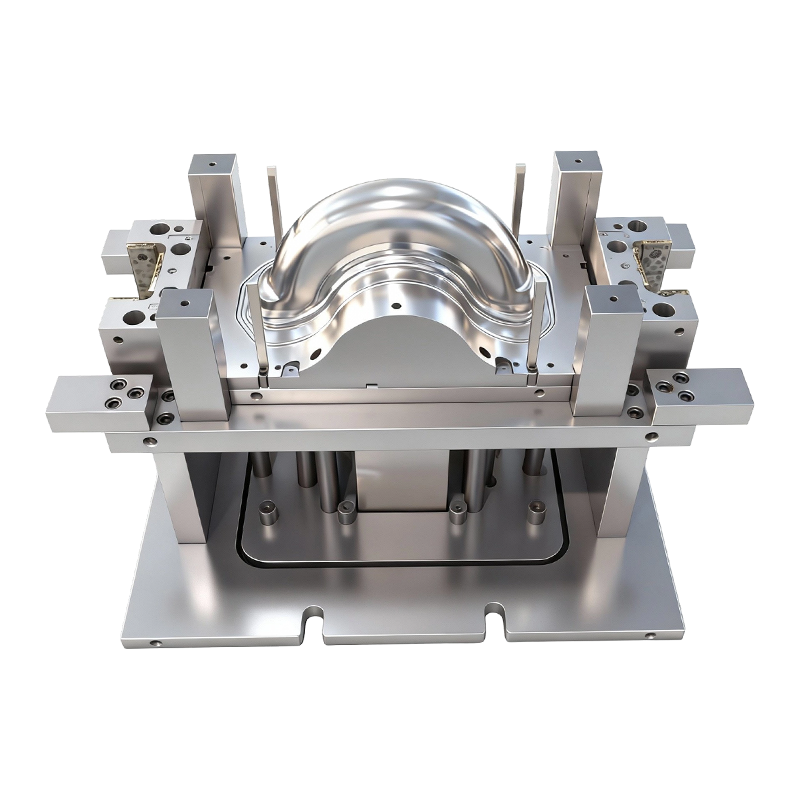
Deep drawing mold for front and rear wheels of two-wheeled electric vehicles
This Deep drawing mold for front and rear wheels o...
-
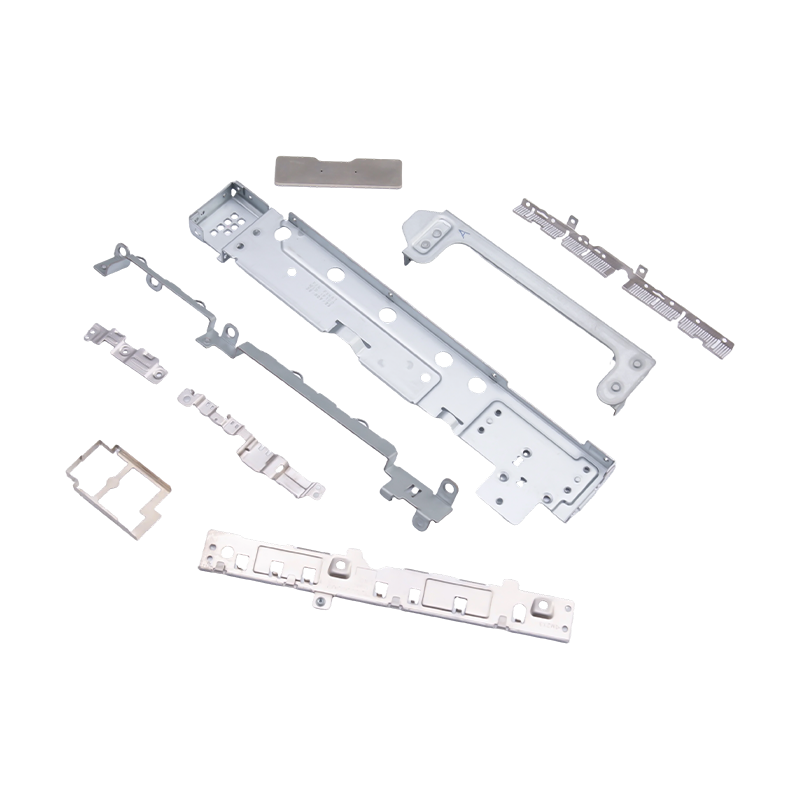
Small stamped parts for laptops and mobile phones
As essential internal components for modern portab...
-
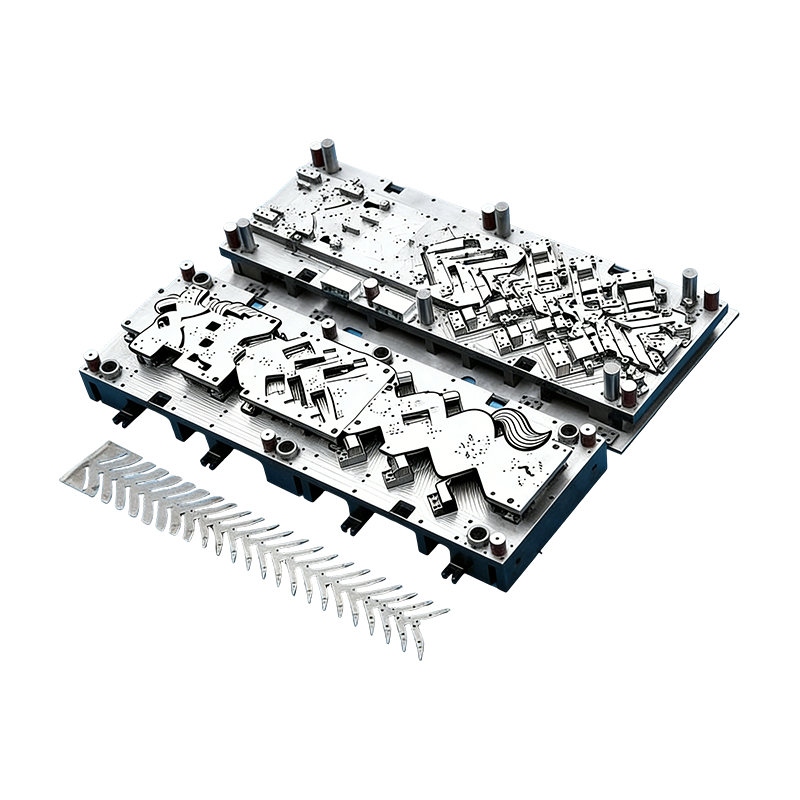
Progressive molds for automotive parts
This Continuous mold for automotive motor housing ...
-
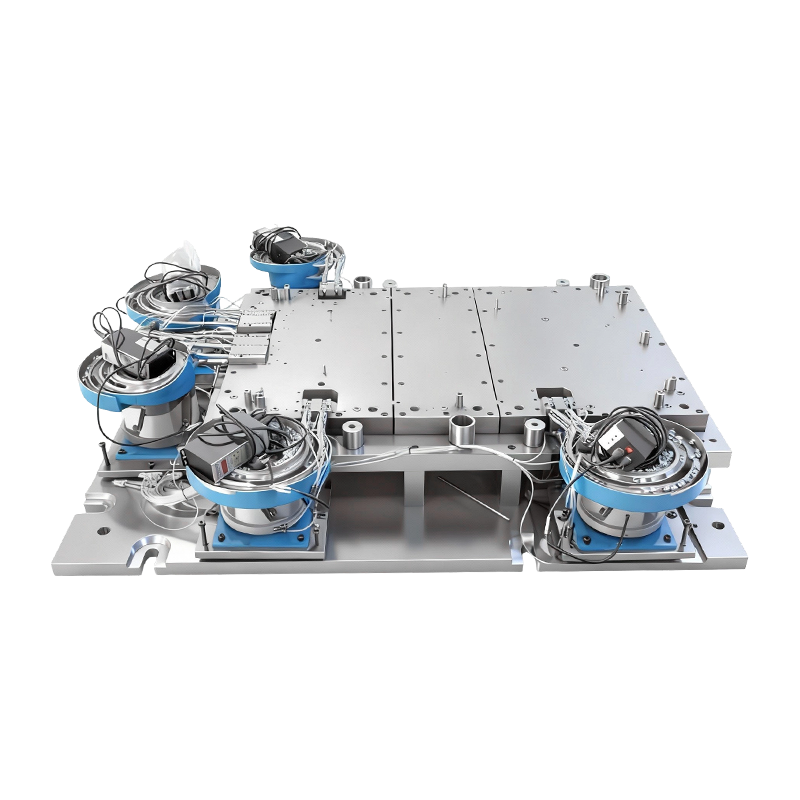
Automatic riveting mold for large computer machine base
This Automatic Riveting Mold for Large Computer Ma...
- E-mail us: [email protected]
- Call us: +86-139 1308 8972

Chen Siyi – Overseas Sales Manager
Home / Author / Chen Siyi – Overseas Sales Manager / Deep Drawing Molds for Front and Rear Wheels of Two-Wheeled Electric Vehicles
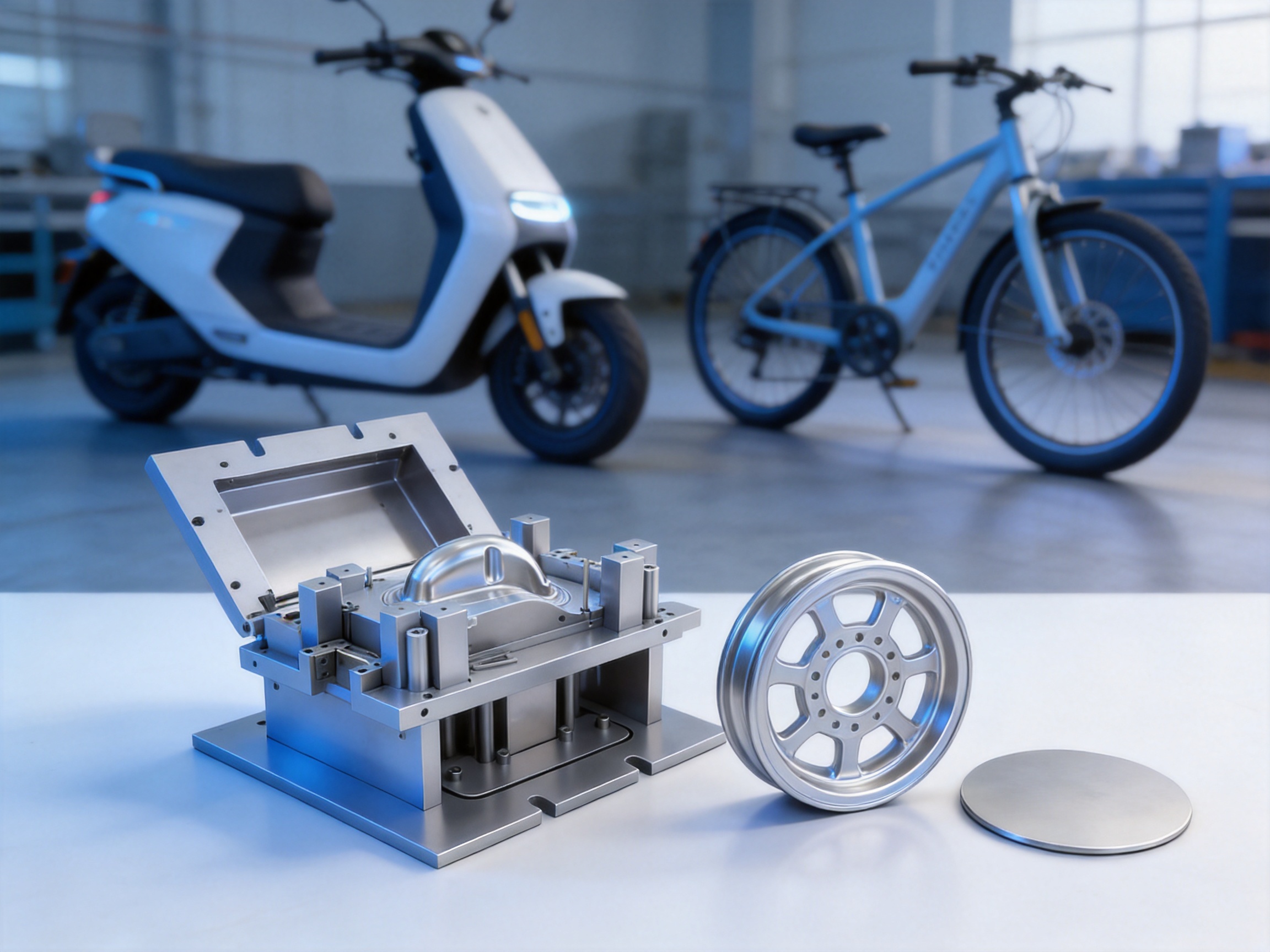
Deep Drawing Molds for Front and Rear Wheels of Two-Wheeled Electric Vehicles
2026-08-04
The rapid development of two-wheeled electric vehicles has created higher requirements for wheel strength, dimensional accuracy, production efficiency, and long-term durability. As electric bicycles, electric scooters, and other compact electric vehicles become more widely used for commuting, delivery, shared transportation, and personal mobility, manufacturers are looking for wheel components that can withstand greater loads and more demanding operating conditions. Metal wheels produced through precision stamping and deep drawing have become an important solution for meeting these requirements.
The deep drawing mold for front and rear wheels of two-wheeled electric vehicles is a specialized tooling solution designed for the forming of metal wheel blanks. It is developed to support the replacement of conventional plastic wheel components with stronger and more durable metal alternatives. Through carefully controlled forming, the mold helps manufacturers produce wheel parts with consistent geometry, stable dimensions, and improved structural integrity.
Unlike general-purpose stamping tooling, a wheel deep drawing mold must manage a combination of material flow, forming depth, wall stability, dimensional control, and surface quality. The front and rear wheel components of a two-wheeled electric vehicle may have different structural requirements, yet both need reliable repeatability during mass production. A properly engineered mold provides the forming accuracy necessary to reduce defects, improve assembly compatibility, and control manufacturing costs.
Designed and manufactured by Suzhou Shuangqisi Mold Equipment Co., Ltd., this tooling solution reflects an integrated capability in stamping die design, precision machining, mold assembly, debugging, and automation support. The company combines mold manufacturing with stamping production knowledge and automation equipment development, allowing customers to obtain more than an isolated die. They can receive a coordinated solution for forming, production setup, process optimization, and equipment integration.
Deep drawing mold for front and rear wheels of two-wheeled electric vehicles
Content
- 1 Why Metal Wheels Matter in Two-Wheeled Electric Vehicles
- 2 Product Overview
- 3 Core Advantages of the Deep Drawing Mold
- 4 Deep Drawing Technology Applied to Wheel Production
- 5 Engineering and Design Approach
- 6 Precision Manufacturing Capabilities
- 7 Assembly, Debugging, and Trial Forming
- 8 Advantages Compared with Conventional Plastic Wheel Solutions
- 9 Advantages Compared with General-Purpose Stamping Dies
- 10 Manufacturing Equipment and Production Strength
- 11 Integrated Mold and Automation Solutions
- 12 Customization for Different Wheel Designs
- 13 Quality Control and Process Management
- 14 Maintenance and Service Life Considerations
- 15 Applications in the Electric Vehicle Industry
- 16 Why Choose an Integrated Tooling Manufacturer
- 17 Project Development Process
- 18 Economic Benefits for Manufacturers
- 19 Safety and Operational Considerations
- 20 Frequently Asked Questions
- 20.1 What is a deep drawing mold for electric vehicle wheels?
- 20.2 Why use metal wheels instead of plastic wheels?
- 20.3 Can the mold be customized for different wheel sizes?
- 20.4 What materials can be formed?
- 20.5 Does deep drawing eliminate all post-processing?
- 20.6 What equipment is needed to use the mold?
- 20.7 Can the mold be integrated with automation equipment?
- 20.8 How does debugging improve the final result?
- 20.9 What affects the service life of the mold?
- 20.10 Can the company provide a complete stamping solution?
- 21 Conclusion
- 22 References
- 23 Product: Deep drawing mold for front and rear wheels of two-wheeled electric vehicles
Why Metal Wheels Matter in Two-Wheeled Electric Vehicles
Plastic wheel components have traditionally been used in some light mobility applications because they can be economical and relatively easy to form. However, the increasing performance expectations of modern electric vehicles have highlighted several limitations. Higher vehicle weights, larger battery systems, increased carrying capacity, longer operating periods, and rougher road conditions can place greater stress on wheels and related structural components.
Metal wheels offer several potential advantages in applications where strength, rigidity, and durability are important. A properly formed metal wheel can provide a stable load-bearing structure and better resistance to deformation. It may also offer more predictable performance when exposed to repeated impacts, vibration, and changing operating loads. These characteristics are particularly relevant for delivery vehicles, shared mobility fleets, and utility-oriented electric scooters that operate frequently and carry substantial loads.
However, producing a metal wheel efficiently requires suitable tooling. A blank must be formed into the required geometry without excessive thinning, wrinkling, cracking, distortion, or dimensional variation. The mold therefore plays a central role in determining the final quality of the wheel. Tool geometry, material flow control, clearance, forming sequence, surface finish, and press compatibility all influence production results.
The deep drawing mold addresses these requirements by creating a controlled forming cavity for the wheel blank. Its design supports the gradual movement of sheet metal into the desired shape while maintaining stable contact between the workpiece and the forming surfaces. This controlled process helps reduce the risk of irregular deformation and makes it easier to achieve repeatable front and rear wheel dimensions.
Product Overview
This deep drawing mold is intended for the production of metal front and rear wheels used in two-wheeled electric vehicles. It belongs to the category of automotive and electric vehicle deep drawing dies and can be incorporated into a broader stamping production line.
The core purpose of the mold is to transform a flat or prepared metal blank into a wheel component with a defined three-dimensional profile. Depending on the customer’s product design, the tooling may support forming operations that establish the wheel’s outer contour, central geometry, depth, reinforcing features, or related structural surfaces.
The product is not simply a cavity used to shape metal. It is a precision production tool that must remain stable under repeated press cycles. During operation, the die is subjected to forming pressure, sliding contact, vibration, thermal changes, and repeated loading. For this reason, the mold must be designed with appropriate structural strength, working clearances, guiding elements, and maintainability.
The tooling can be developed according to the customer’s wheel drawings, material specifications, production volume, press capacity, and quality standards. This makes it suitable for manufacturers that require application-specific tooling rather than a standard off-the-shelf die.
| Item | Product Information |
|---|---|
| Product type | Deep drawing mold for metal front and rear wheels |
| Application | Two-wheeled electric vehicles, including electric bicycles and scooters |
| Primary process | Precision deep drawing and metal forming |
| Typical objective | Consistent wheel shape, size, strength, and production repeatability |
| Manufacturing support | Die design, precision machining, assembly, debugging, and automation integration |
| Customer adaptation | Customized according to drawings, materials, press equipment, and output requirements |
Core Advantages of the Deep Drawing Mold
Stable Forming of Metal Wheel Blanks
One of the most important advantages of the mold is its ability to support stable forming of metal wheel blanks. The cavity is developed to guide the material into the intended shape while controlling how the blank moves during the drawing operation. This is essential because uncontrolled material flow can result in wrinkles, local thinning, edge distortion, or dimensional inconsistency.
Stable forming allows manufacturers to produce a more consistent batch of wheel components. When each part follows the same forming path, subsequent operations such as trimming, piercing, assembly, coating, and inspection become easier to manage. Consistency also reduces the need for manual correction and helps improve the overall utilization of raw material and production equipment.
Improved Structural Stability
A metal wheel must maintain its geometry under load. Variations in wall thickness, uneven forming, or local deformation can reduce the reliability of the finished component. By applying controlled deep drawing technology, the mold helps establish a more uniform and predictable structure.
This does not mean that the mold alone determines the complete mechanical performance of a wheel. Material selection, sheet thickness, heat treatment, design geometry, welding or assembly methods, and final inspection also affect the finished product. Nevertheless, the mold provides the foundation for producing the intended shape accurately and repeatedly.
For electric vehicle manufacturers, this can support the development of wheels with improved load-bearing capability compared with plastic alternatives or poorly controlled metal forming methods. A stable metal structure may be especially valuable in vehicles exposed to frequent loading, uneven pavement, or continuous commercial use.
Consistent Dimensional Accuracy
Front and rear wheels must meet specified dimensional requirements so that they can be assembled correctly with tires, hubs, axles, braking systems, fenders, suspension components, and vehicle frames. Small variations in diameter, depth, concentricity, or mounting geometry may lead to assembly problems or additional adjustment work.
The deep drawing mold establishes a fixed forming reference for each production cycle. When the die is correctly designed, manufactured, installed, and maintained, it helps reduce dimensional variation between parts. This consistency can improve downstream assembly efficiency and reduce the rate of nonconforming products.
Dimensional control is also important when a manufacturer operates multiple production lines or supplies components to different vehicle models. A reliable mold provides a repeatable basis for process documentation, inspection planning, and quality management.
Reduced Production Defects
Common deep drawing defects include wrinkling, cracking, tearing, excessive thinning, springback, surface marking, and inaccurate forming depth. The probability of these defects depends on many variables, including material properties, blank shape, lubrication, drawing ratio, press speed, die radius, punch geometry, and holding force.
The mold is engineered to create a reasonable forming cavity and a controlled relationship between the punch, die, blank holder, and workpiece. This design approach helps reduce avoidable forming problems. When combined with appropriate process parameters and operator experience, it can lower the amount of scrap and rework generated during production.
Lower defect rates contribute directly to cost control. Manufacturers can reduce material waste, minimize interruptions, shorten inspection and correction time, and improve delivery reliability. These benefits become increasingly significant as production volumes increase.
Lower Post-Processing Requirements
A well-formed wheel blank requires less corrective work after it leaves the press. If the main geometry is produced accurately during deep drawing, later operations can focus on necessary processes such as trimming, piercing, finishing, coating, or assembly rather than correcting basic shape problems.
Reduced post-processing can improve production efficiency in several ways. It lowers labor requirements, reduces the number of handling steps, decreases the risk of introducing new defects, and makes production scheduling more predictable. In addition, a cleaner forming result can support better surface treatment and appearance quality.
Suitability for Continuous Manufacturing
Industrial stamping production requires tooling that can operate repeatedly without rapid loss of accuracy. The mold is designed for use in press-based production environments where stable cycle performance is important. Its structural arrangement and precision-manufactured working surfaces support repeated forming operations when operated within the specified process conditions.
For high-volume electric vehicle component production, repeatability is often more valuable than the performance of a single prototype. A mold that produces one excellent part but cannot maintain quality over extended operation does not provide a practical manufacturing advantage. The purpose of this tooling is therefore to support consistent production over time.
Deep Drawing Technology Applied to Wheel Production
Deep drawing is a sheet metal forming process in which a blank is pressed into a die cavity by a punch. The material flows from the flat blank into a deeper three-dimensional form. The process can produce shapes that would be difficult or inefficient to create through simple bending alone.
For wheel components, the forming process must balance several competing objectives. The blank must move enough to fill the cavity, but the material must not be forced into excessive stretching. The forming surfaces must provide sufficient support, while clearances must allow movement without creating unwanted marks or deformation. The tooling must also accommodate the intended material grade and thickness.
A typical deep drawing process may include blank preparation, positioning, drawing, trimming, piercing, calibration, and inspection. The exact sequence depends on the wheel design and the customer’s production requirements. Some wheel geometries may require multiple forming stages to achieve the final depth and profile while maintaining material integrity.
Material Flow Control
Material flow control is central to deep drawing quality. If the blank flows too freely, wrinkles may appear. If the material is restrained too strongly, cracking or tearing may occur. The mold design must therefore establish an appropriate balance between holding force, surface contact, die radius, and forming movement.
The design team evaluates the product geometry and anticipated forming behavior before finalizing the tooling structure. Where necessary, the process can be arranged to distribute deformation across more than one operation. This approach helps reduce severe local stress and allows the wheel shape to be developed progressively.
Forming Surface Accuracy
The forming surfaces directly contact the metal blank and transfer the intended geometry to the finished part. Their accuracy and surface condition influence both dimensional results and surface appearance. Precision machining and grinding are therefore essential steps in manufacturing the mold.
A smooth and accurately finished surface can reduce unnecessary friction and minimize the risk of scratches or pressure marks. It also supports more uniform contact between the tooling and the workpiece. Regular maintenance, cleaning, lubrication, and inspection remain necessary to preserve this condition during production.
Press Compatibility
The mold must be compatible with the customer’s available press equipment. Important considerations include press tonnage, working stroke, shut height, table dimensions, slide movement, production speed, and automation interface. The company operates punch presses ranging from 80 tons to 400 tons, providing experience across a broad range of stamping applications.
Press compatibility is evaluated during the tooling development stage rather than after the mold has been completed. This reduces the risk of installation problems and helps ensure that the die can operate within safe and practical conditions. It also allows the production process to be aligned with the customer’s existing equipment wherever possible.
Engineering and Design Approach
Effective die manufacturing begins with engineering. Before machining starts, the product drawing, material information, forming sequence, equipment conditions, and inspection requirements must be reviewed together. This prevents the mold from being designed as an isolated component that does not match the customer’s complete production process.
Suzhou Shuangqisi Mold Equipment Co., Ltd. provides integrated design and manufacturing services for stamping dies and hardware parts. The company’s technical team includes approximately 60 technical staff members, supporting product analysis, die structure development, process planning, machining coordination, assembly, and debugging.
Product Drawing Review
The first stage is to review the wheel design. Engineers assess the overall dimensions, forming depth, radii, wall sections, openings, mounting areas, and any features that may affect drawing behavior. They also consider whether front and rear wheel components should use identical, similar, or different forming arrangements.
Drawing review can identify potential risks before production tooling is built. For example, a sharp transition may create concentrated stress, a narrow radius may increase cracking risk, or an excessively deep profile may require more than one forming stage. Early evaluation allows the customer and tool manufacturer to discuss practical modifications or process alternatives.
Process Planning
After the product geometry is reviewed, the forming process is planned. This may involve determining blank dimensions, drawing stages, trimming requirements, piercing operations, calibration steps, and inspection points. The objective is to create a process that balances product quality, tool life, cycle time, and manufacturing cost.
Process planning also considers how the mold will be handled and maintained. Accessible wear components, logical assembly structures, and practical adjustment points can simplify future servicing. A tool that is easy to inspect and maintain can provide better long-term value than one that is difficult to disassemble or adjust.
Three-Dimensional Tooling Development
Modern mold design relies on accurate three-dimensional modeling and detailed engineering documentation. The die structure, forming surfaces, guide systems, working components, and supporting components must fit together precisely. Digital design helps engineers identify interference, check clearances, and coordinate the mold with the press and automation system.
Three-dimensional development also supports communication with customers. The proposed tooling structure and forming approach can be reviewed before manufacturing begins. This is particularly useful for customized wheel products, where the customer may need to confirm assembly relationships, part access, or integration with existing equipment.
Precision Manufacturing Capabilities
The quality of a deep drawing mold depends heavily on the accuracy and consistency of its manufactured components. Even a well-designed die can produce poor results if its forming surfaces, guide elements, or working clearances are not machined accurately.
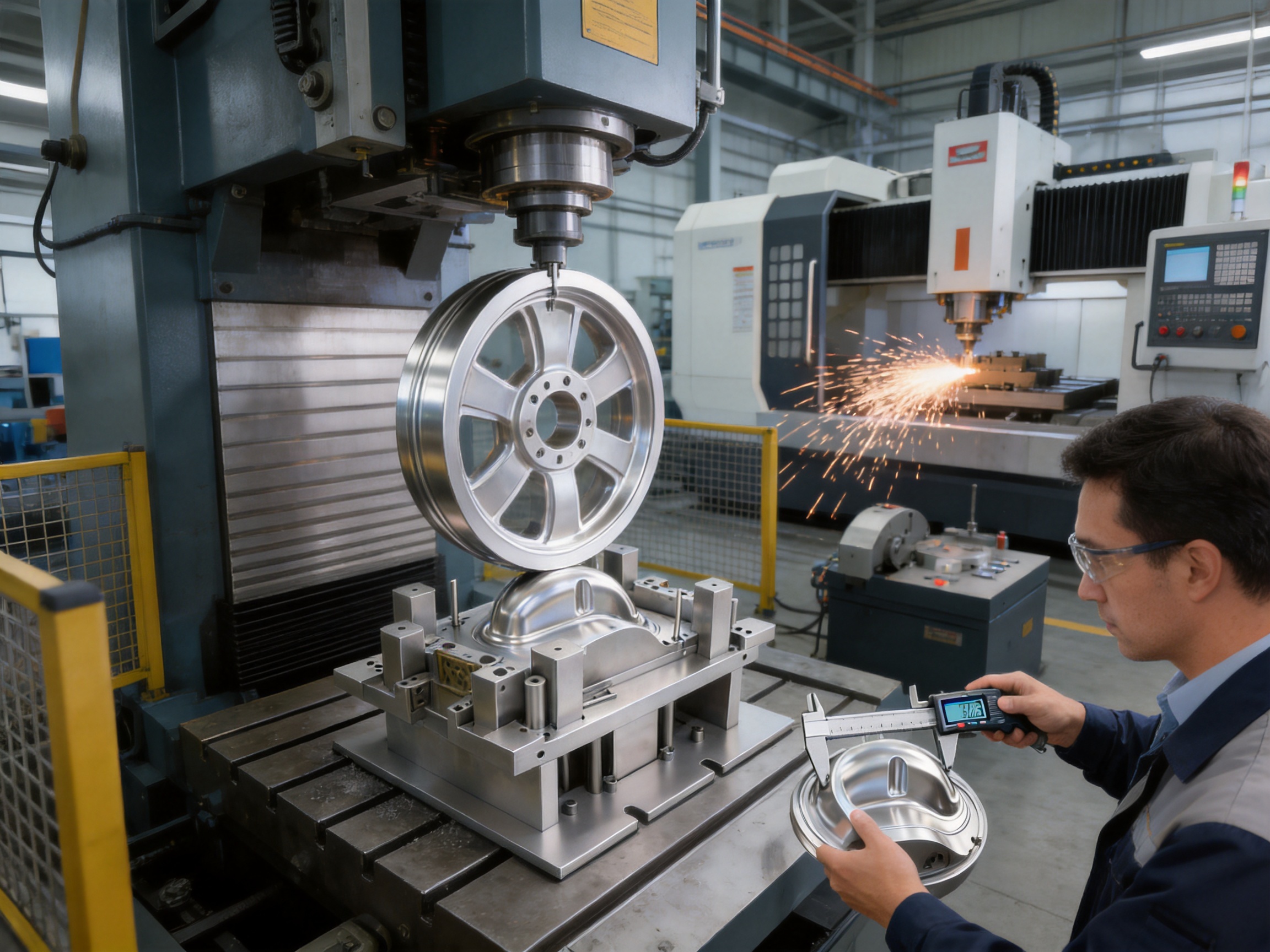
Suzhou Shuangqisi Mold Equipment Co., Ltd. is equipped with imported wire cutting machines, CNC machining centers, more than ten grinding machines of different sizes, and other precision machine tools. This equipment supports the machining of complex die components and allows the company to coordinate multiple manufacturing processes under one organizational system.
CNC Machining
CNC machining centers are used to produce die components according to digital engineering data. They support the controlled machining of complex profiles, mounting surfaces, cavities, and structural parts. Consistent programming and setup procedures help reduce manual variation between components.
For wheel deep drawing molds, CNC machining is particularly important when forming surfaces include curved transitions or complex three-dimensional profiles. Accurate machining helps ensure that the finished cavity corresponds to the intended product geometry.
Wire Cutting
Wire cutting is useful for producing precise contours, slots, inserts, and other components that require accurate profile control. It can be applied to hardened or difficult-to-machine materials in accordance with the planned manufacturing sequence.
The ability to combine wire cutting with CNC machining and grinding allows the manufacturer to select an appropriate process for each component. This flexibility contributes to efficient production while maintaining the required dimensional accuracy.
Grinding
Grinding is used to refine dimensions and improve surface quality after rough and semi-finish machining. The company operates more than ten grinding machines of various sizes, supporting components with different dimensions and finishing requirements.
Grinding is especially important for working surfaces, guide elements, and areas where close dimensional relationships are necessary. A controlled grinding process can improve fit, reduce unwanted friction, and help establish a stable surface condition for repeated forming.
In-House Coordination
When design, machining, grinding, assembly, and debugging are coordinated within one manufacturing organization, communication becomes more direct. Engineering changes can be discussed with the machining team, manufacturing feedback can be returned to designers, and assembly issues can be addressed without relying entirely on unrelated external suppliers.
This integrated approach can shorten response times and improve accountability. It also helps maintain process continuity from the initial concept through final die acceptance.
Assembly, Debugging, and Trial Forming
Precision machining is only one part of die manufacturing. The individual components must be assembled correctly, adjusted, and tested under realistic operating conditions. During assembly, engineers check the alignment of working parts, the movement of guiding systems, the fit of inserts, and the operation of the press interface.
Debugging is used to identify and correct issues that may not be visible during component inspection. These can include uneven contact, excessive resistance, abnormal material movement, insufficient forming depth, surface marking, or interference between moving components.
Trial forming provides practical information about the interaction between the die and the metal blank. Engineers can observe the formed part, inspect critical dimensions, and adjust process conditions where appropriate. Depending on the results, modifications may involve polishing, clearance adjustment, forming sequence changes, blank optimization, or other controlled corrections.
Experienced operators and debugging personnel are valuable during this stage. Their practical knowledge helps connect engineering theory with actual press behavior. Suzhou Shuangqisi Mold Equipment Co., Ltd. emphasizes senior operators and experienced debugging personnel as part of its manufacturing capability.
Quality Evaluation During Debugging
Trial parts should be evaluated against the customer’s drawings and quality expectations. Important checks may include overall dimensions, forming depth, profile accuracy, concentricity, surface condition, wall integrity, and compatibility with later operations.
Inspection results should be recorded so that the final process can be reproduced. A mold is more valuable when its operating method is documented clearly, including recommended setup conditions, inspection points, maintenance requirements, and acceptable adjustment ranges.
Advantages Compared with Conventional Plastic Wheel Solutions
The primary advantage of this tooling solution is that it supports the production of metal wheels rather than relying exclusively on plastic wheel components. The comparison must be made according to the specific vehicle design and operating environment, but metal forming can offer meaningful benefits where structural strength and durability are priorities.
Load-Bearing Potential
Metal generally provides a stronger and more rigid structural basis than many conventional plastic materials when used in an appropriately designed wheel component. This can be important for vehicles carrying riders, cargo, batteries, or delivery loads.
The deep drawing mold helps manufacturers produce a consistent metal structure, which is necessary for realizing the potential advantages of the selected material. A poorly formed metal part may not deliver the expected performance, while controlled forming supports more reliable geometry and load distribution.
Durability in Repeated Use
Two-wheeled electric vehicles may experience repeated vibration, impacts, braking forces, and changes in loading. Metal wheels produced through a suitable forming process can be designed for demanding service conditions. The durability of the final wheel depends on the material and complete design, but the forming mold contributes by reducing inconsistent deformation and manufacturing-related weaknesses.
Product Quality and Market Positioning
Manufacturers that offer durable metal wheel components may be able to distinguish their vehicles from lower-cost products that prioritize basic plastic construction. Improved wheel quality can support applications where users expect longer service life, higher load capacity, and more robust performance.
For vehicle manufacturers, a reliable wheel tooling solution can therefore contribute not only to production efficiency but also to product positioning. Higher-quality components may support fleet customers, commercial users, and consumers who value durability.
Advantages Compared with General-Purpose Stamping Dies
General-purpose stamping dies may be suitable for simple flat parts, shallow forms, or standard brackets, but wheel deep drawing requires more specialized engineering. The geometry is larger and more three-dimensional, and the forming process must control material movement across a broader surface.
This specialized mold is developed around the requirements of electric vehicle wheel production. Its design focuses on wheel geometry, front and rear component requirements, structural stability, dimensional repeatability, and compatibility with production presses.
Compared with a generic die, an application-specific deep drawing mold can provide better alignment between the product design and the forming method. It can also simplify process development because the tooling concept is created around the intended wheel rather than adapted from an unrelated application.
| Comparison factor | General-purpose stamping die | Wheel deep drawing mold |
|---|---|---|
| Primary focus | Simple or standardized stamped parts | Three-dimensional metal wheel forming |
| Material flow planning | May be limited to basic operations | Specifically evaluated for deep drawing behavior |
| Product geometry | Often flat, bent, or shallow | Designed for wheel depth and curved structural profiles |
| Dimensional priorities | Part-specific | Includes wheel profile, depth, alignment, and assembly compatibility |
| Production objective | General stamping output | Repeatable wheel production with reduced defects and post-processing |
Manufacturing Equipment and Production Strength
The company’s equipment base supports the complete manufacturing path from machining to final debugging. Imported wire cutting machines help produce accurate profiles. CNC machining centers support complex die structures. Multiple grinding machines provide finishing capability for components of different sizes. Punch presses from 80 tons to 400 tons allow the company to work with a range of stamping applications.
This equipment configuration is important because deep drawing molds often contain components with different machining requirements. Large structural plates may require one type of equipment, while precise inserts or profiles may require another. Having a broad internal equipment base improves scheduling flexibility and reduces dependence on a single machine type.
The company also has experience supplying molds and stamped products for servo drives, compressors, and new energy vehicle applications. These industries require attention to precision, repeatability, production stability, and cost control. Experience in related technical fields can support the development of tooling for electric vehicle wheel applications.
With approximately 15 years of experience in the mold industry, the company has developed knowledge across design, manufacturing, stamping, assembly, and debugging. This experience is valuable when dealing with customized tooling, where practical process decisions can have a major impact on final performance.
Integrated Mold and Automation Solutions
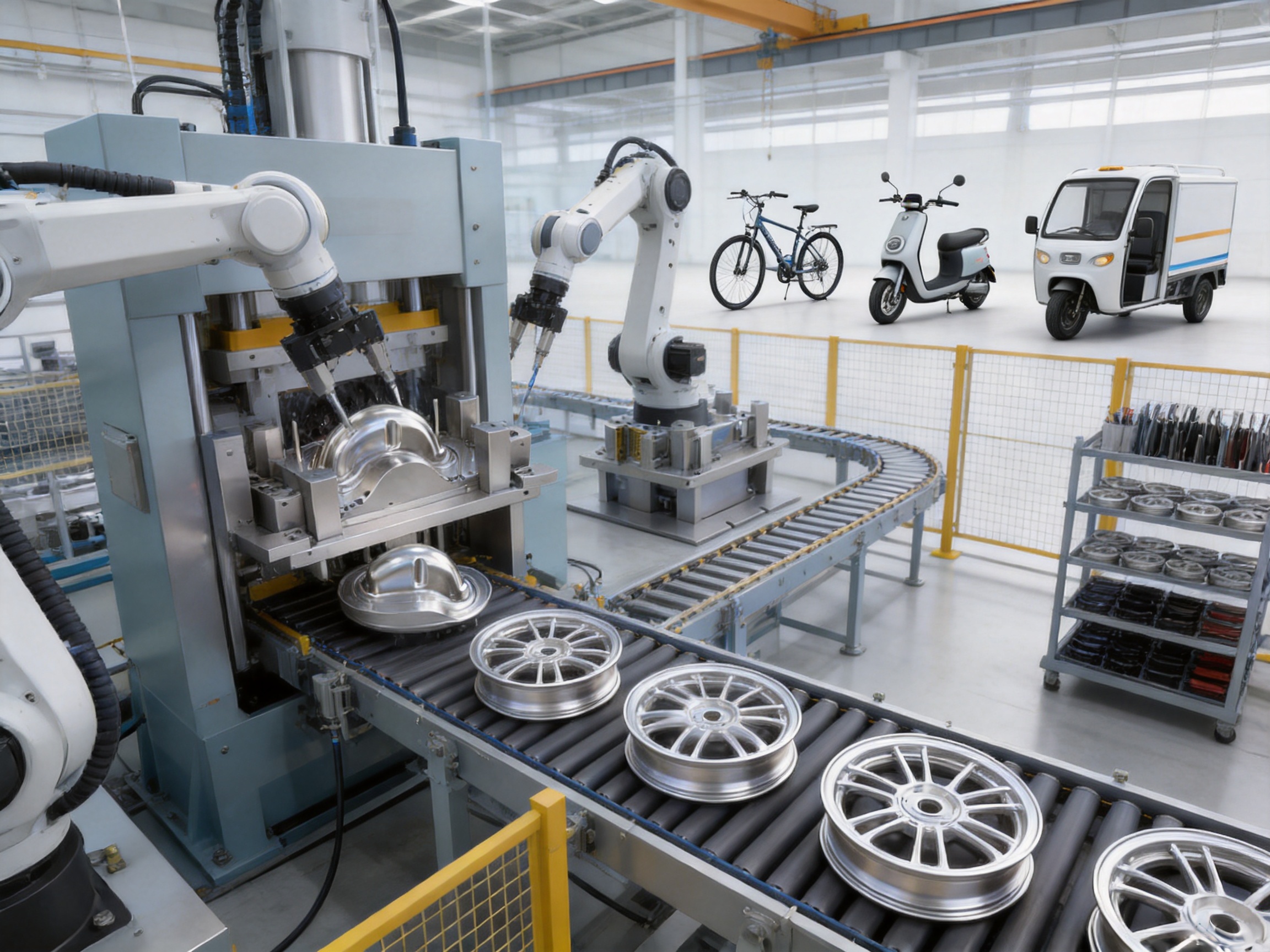
A deep drawing mold is most effective when it works smoothly within the complete production system. Manual loading and unloading may be suitable for low-volume production or early trials, but higher-volume manufacturing often benefits from stamping automation. Automated systems can support part feeding, transfer, unloading, sorting, and coordination between multiple operations.
In 2016, Suzhou Shuangqisi Mold Equipment Co., Ltd. invested in and established Suzhou Keshuang Intelligent Technology Co., Ltd., which focuses mainly on stamping automation equipment. This connection supports an integrated approach to mold and automation development.
Customers can obtain a coordinated solution that includes stamping dies and automation equipment rather than managing multiple unrelated suppliers. This can simplify technical communication, improve interface compatibility, and reduce the risk that the die and automation system are designed around conflicting assumptions.
Benefits of Automation Integration
Automation can improve production consistency by controlling the timing and positioning of workpieces. It can also reduce manual handling, improve workplace safety, and support more stable cycle times. For wheel production, automated handling may be especially useful when parts are large, repetitive, or difficult to position manually.
An integrated supplier can evaluate the mold and automation system together. The supplier can consider access to the die, part transfer paths, press timing, sensor locations, blank orientation, and unloading requirements during the design stage. This reduces the need for costly modifications after installation.
The company can also provide turnkey solutions for stamping molds and stamping automation. According to customer requirements, it may invest in related production equipment to deliver a more complete and cost-effective manufacturing arrangement.
Customization for Different Wheel Designs
Two-wheeled electric vehicles are not all built to the same specification. City electric bicycles, delivery scooters, shared vehicles, utility vehicles, and performance-oriented models may use different wheel sizes, material grades, structural profiles, and mounting arrangements. A practical die supplier must therefore be able to adapt the tooling to the customer’s product.
Customization begins with the product drawing and technical discussion. The customer may provide a finished wheel design, a three-dimensional model, a preliminary concept, or only a set of functional requirements. The engineering team can then review the intended forming method and identify the tooling structure required to produce the part.
Material Considerations
Different metals and sheet thicknesses behave differently during deep drawing. Material strength, elongation, hardness, surface condition, and thickness tolerance all affect forming performance. The mold design and process parameters should be developed around the actual material selected for the wheel.
Using the correct material information helps reduce trial-and-error during debugging. It also allows the engineering team to consider forming limits, suitable radii, blank holder requirements, lubrication, and potential springback.
Front and Rear Wheel Differences
Although front and rear wheels may share certain design features, they can have different loading conditions and assembly relationships. The rear wheel may interact with a motor, transmission, braking system, or heavier structural support. The front wheel may have different axle, steering, or suspension requirements.
These differences can affect the die design, forming sequence, blank shape, and inspection criteria. A specialized manufacturer can review each wheel individually while maintaining consistency across the vehicle platform.
Production Volume and Press Selection
A die intended for prototype production may be configured differently from one intended for long-term mass production. Production volume influences tool durability, automation requirements, spare component planning, cycle time, and maintenance strategy.
Press selection is also important. The available tonnage and working dimensions must be sufficient for the forming operation. The company’s experience with presses ranging from 80 tons to 400 tons provides a basis for matching tooling concepts to different production conditions, subject to the actual requirements of the customer’s wheel design.
Quality Control and Process Management
Quality control begins before machining and continues through final delivery. The product drawing, material requirements, tooling specifications, machining processes, assembly condition, trial results, and inspection records should be connected in a traceable manufacturing process.
At the machining stage, critical dimensions and surface conditions must be controlled. At the assembly stage, alignment and movement must be checked. During trial forming, the produced wheel blanks must be evaluated for geometry, surface quality, and forming integrity.
Process management is particularly important for deep drawing dies because a small tooling error can affect many parts. A misaligned component, incorrect clearance, or damaged forming surface may produce repeated defects across an entire production batch. Regular inspection and timely maintenance help prevent such problems.
| Quality stage | Typical focus | Expected benefit |
|---|---|---|
| Design review | Product geometry, material, press conditions, forming sequence | Early identification of forming risks |
| Component machining | Dimensions, profiles, holes, inserts, surface condition | Accurate die assembly and stable operation |
| Die assembly | Alignment, clearances, guide movement, component fit | Reliable movement and reduced interference |
| Trial forming | Wheel shape, depth, surface, wall integrity, repeatability | Validation of the forming process |
| Final acceptance | Customer specifications, documentation, operating requirements | Confidence during production installation |
Maintenance and Service Life Considerations
Even a precision-made mold requires proper maintenance. Deep drawing involves repeated contact between tooling and metal, so working surfaces must be kept clean, lubricated as required, and inspected for wear or damage. The maintenance schedule should reflect material type, production volume, forming force, cycle speed, and operating environment.
Operators should monitor changes in part quality. Increasing wrinkles, scratches, dimensional drift, or forming marks may indicate wear, alignment changes, insufficient lubrication, or altered process conditions. Early identification can prevent larger failures and reduce unplanned downtime.
Wear components and high-contact areas should be designed with serviceability in mind. If a replaceable insert or adjustable component can be serviced without rebuilding the entire mold, maintenance may be faster and more economical. The detailed arrangement depends on the customer’s product and the final tooling structure.
Service life is influenced by both manufacturing quality and operating discipline. Correct press setup, suitable lubrication, careful material handling, regular cleaning, and proper storage all help protect the mold. The company’s technical and debugging personnel can support customers in establishing practical operating procedures.
Applications in the Electric Vehicle Industry
The mold is intended primarily for front and rear wheels of two-wheeled electric vehicles. Potential applications include electric bicycles, electric scooters, delivery vehicles, shared mobility products, and other compact electric transportation systems that use metal wheel components.
Commercial and delivery applications may place particularly high demands on wheel durability because vehicles can operate for long hours and carry additional loads. Shared vehicles may also experience frequent use by different riders and exposure to varied road conditions. In these environments, reliable wheel construction can contribute to reduced maintenance and improved user confidence.
Manufacturers developing new vehicle platforms can use customized deep drawing tooling to create wheel structures that match their frame, axle, tire, braking, and suspension systems. The mold can be incorporated into a larger production plan that includes cutting, stamping, trimming, piercing, coating, assembly, and inspection.
Why Choose an Integrated Tooling Manufacturer
Choosing a supplier for a deep drawing mold involves more than comparing the initial tooling price. The supplier’s engineering ability, manufacturing equipment, debugging experience, response speed, automation capability, and understanding of production economics can all affect the total cost of ownership.
An integrated manufacturer can evaluate the complete process rather than focusing only on the die body. This helps identify opportunities to reduce scrap, simplify handling, improve cycle stability, and coordinate tooling with existing equipment.
Suzhou Shuangqisi Mold Equipment Co., Ltd. combines stamping die design and manufacturing with hardware part production and stamping automation. Its technical team, precision equipment, press capacity, and industry experience provide a foundation for supporting customized projects.
The company’s customer base includes Anter Group, Ousheng Electric, Dongbei Group, and Huichuan Technology, with products mainly serving servo drive, compressor, and new energy vehicle applications. These relationships indicate experience in supplying industrial customers that require stable quality, technical cooperation, and production-oriented solutions.
The company also emphasizes competitive pricing, strict cost and quality control, and customer value creation. For an electric vehicle manufacturer, these strengths can help balance tooling investment with long-term production performance.
Project Development Process
Step One: Technical Consultation
The process begins with an exchange of product drawings, material details, expected production volume, press information, and quality requirements. The customer should provide as much information as possible about the wheel’s intended use and assembly conditions.
Step Two: Feasibility Assessment
Engineers review the forming depth, shape, material flow, blank size, and equipment conditions. Potential technical risks are discussed, and the most practical forming route is proposed.
Step Three: Die Design
The tooling structure is developed using product data and process requirements. Working components, guide systems, supports, interfaces, and maintenance arrangements are considered during this phase.
Step Four: Precision Machining
Approved designs are converted into manufactured components using CNC machining, wire cutting, grinding, and other suitable processes. Critical surfaces and dimensions are controlled throughout production.
Step Five: Assembly and Debugging
The die is assembled, installed for trial operation, and tested with the specified material or an equivalent material. Engineers inspect trial parts and make necessary adjustments.
Step Six: Customer Acceptance
Final samples, inspection results, operating information, and maintenance recommendations are provided for customer review. The tooling is delivered after it meets the agreed technical requirements.
Step Seven: Production Support
After installation, technical communication can continue as the customer begins regular production. Adjustments, maintenance questions, automation coordination, and process optimization may be addressed according to the project arrangement.
Economic Benefits for Manufacturers
The value of a deep drawing mold should be evaluated through its influence on the complete production process. A stable die can help lower scrap, reduce rework, improve labor efficiency, and support predictable output. These benefits may be more significant than a small difference in initial tooling cost.
Consistent forming can also reduce the number of rejected components during downstream assembly. When wheel blanks have stable dimensions, fewer parts require manual adjustment or special handling. This can improve line balance and reduce hidden production costs.
Integration with stamping automation may further reduce labor requirements and improve cycle consistency. Automated handling can support a more organized production flow, especially when multiple forming or finishing operations are connected.
For companies developing metal wheel products as an alternative to plastic components, the tooling can support product upgrading. A stronger and more durable wheel may help create opportunities in commercial mobility, delivery transportation, and higher-quality consumer vehicles.
Safety and Operational Considerations
Deep drawing molds operate under substantial press forces and should only be installed and operated by trained personnel. Operators must follow the press manufacturer’s safety requirements, tooling instructions, guarding procedures, and lockout practices.
Before production begins, the die should be checked for correct installation, secure fastening, proper alignment, unobstructed movement, and suitable lubrication. The press capacity must be appropriate for the forming operation. Any abnormal noise, vibration, resistance, or change in product quality should be investigated promptly.
Safe operation also protects the tooling. Incorrect blank placement, excessive material thickness, foreign objects, or improper press settings can damage working surfaces and guide components. A disciplined operating procedure therefore supports both personnel safety and mold service life.
Frequently Asked Questions
What is a deep drawing mold for electric vehicle wheels?
It is a specialized stamping die used to form metal blanks into the three-dimensional shape of front or rear wheels for two-wheeled electric vehicles. The mold controls material movement and establishes the required wheel geometry.
Why use metal wheels instead of plastic wheels?
Metal wheels may provide greater structural strength, rigidity, and durability in applications with higher loads or more demanding operating conditions. The final performance depends on material selection, wheel design, forming quality, and the complete vehicle structure.
Can the mold be customized for different wheel sizes?
Yes. The tooling can be developed according to customer drawings, wheel dimensions, material specifications, press conditions, and production requirements. Front and rear wheel designs can be evaluated separately when their structures differ.
What materials can be formed?
The suitable material depends on the wheel design and forming requirements. Engineers need information about material grade, thickness, strength, elongation, surface condition, and relevant standards before confirming the final tooling design.
Does deep drawing eliminate all post-processing?
No. Most wheel components may still require trimming, piercing, calibration, surface treatment, or assembly. However, accurate deep drawing can reduce corrective work and help ensure that later operations begin with a more consistent part.
What equipment is needed to use the mold?
The customer needs a press with suitable tonnage, stroke, shut height, table dimensions, and operating controls. The die must be matched to the press and, where applicable, to feeding and transfer automation.
Can the mold be integrated with automation equipment?
Yes. Suzhou Shuangqisi Mold Equipment Co., Ltd. also supports stamping automation through its related intelligent technology operation. Mold and automation requirements can be reviewed together for a coordinated production solution.
How does debugging improve the final result?
Debugging allows engineers to test the mold with actual forming conditions, inspect trial parts, identify material flow issues, and make controlled adjustments. It helps verify that the mold performs as intended before regular production begins.
What affects the service life of the mold?
Service life depends on tool material, forming force, production volume, lubrication, press condition, maintenance, material handling, and operating procedures. Regular inspection and timely servicing are important for maintaining accuracy.
Can the company provide a complete stamping solution?
The company can provide stamping mold and automation solutions, including design, manufacturing, debugging, and related production equipment support according to customer needs. The exact scope is determined during project consultation.
Conclusion
The deep drawing mold for front and rear wheels of two-wheeled electric vehicles is a specialized solution for manufacturers seeking to produce stronger, more durable, and more dimensionally consistent metal wheel components. Its controlled forming cavity supports stable material flow, reliable wheel geometry, reduced defects, and lower post-processing requirements.
Compared with conventional plastic wheel solutions, properly designed metal wheels may offer advantages in load-bearing capability and long-term durability. Compared with general-purpose stamping dies, an application-specific wheel deep drawing mold provides a more focused approach to three-dimensional forming, material control, dimensional accuracy, and production repeatability.
The manufacturing strength behind the tooling is equally important. Suzhou Shuangqisi Mold Equipment Co., Ltd. combines approximately 15 years of mold industry experience with a technical team of about 60 staff members, imported wire cutting machines, CNC machining centers, more than ten grinding machines, and punch presses ranging from 80 tons to 400 tons. Its capabilities cover design, machining, assembly, debugging, hardware parts, and stamping automation.
Through its integrated mold and automation approach, the company can help customers develop a coordinated production system rather than a standalone die. This supports better equipment compatibility, improved production planning, and more effective control of quality and cost. For electric vehicle manufacturers upgrading from plastic wheels to metal wheels, the tooling provides a practical foundation for reliable mass production and continued product development.
References
1. Company Product Information: Deep Drawing Mold for Front and Rear Wheels of Two-Wheeled Electric Vehicles.
2. Company Manufacturing Information: Stamping Die Design, Precision Machining, Assembly, Debugging, and Automation Equipment Capabilities.
3. General Principles of Sheet Metal Deep Drawing and Material Flow Control.
4. General Engineering Practices for Stamping Die Design, Press Compatibility, Tool Maintenance, and Trial Forming.
5. General Technical Considerations for Metal Components Used in Electric and New Energy Vehicles.
Product: Deep drawing mold for front and rear wheels of two-wheeled electric vehicles
Previous Post
Advanced Stamping Automation Equipment for Reliable, Efficient Metal Forming
Next Post
Heavy Truck Stamping Parts: Precision, Durability, and Reliable Performance for Commercial Vehicles
Our Products.
Start Your Business with an OEM Manufacturer Right Here!

Provide global customers with complete turn-key solutions
through
innovation!
QUICK LINKS
CONTACT INFO.
-
 +86-139 1308 8972
 -

-
 No. 118 Yexin Road, Wujiang Economic Development Zone, Suzhou, China
Copyright © Suzhou Shuangqisi Mold Equipment Co., Ltd. All Rights Reserved. Custom Stamping Die Metal Stamping Die Manufacturers
